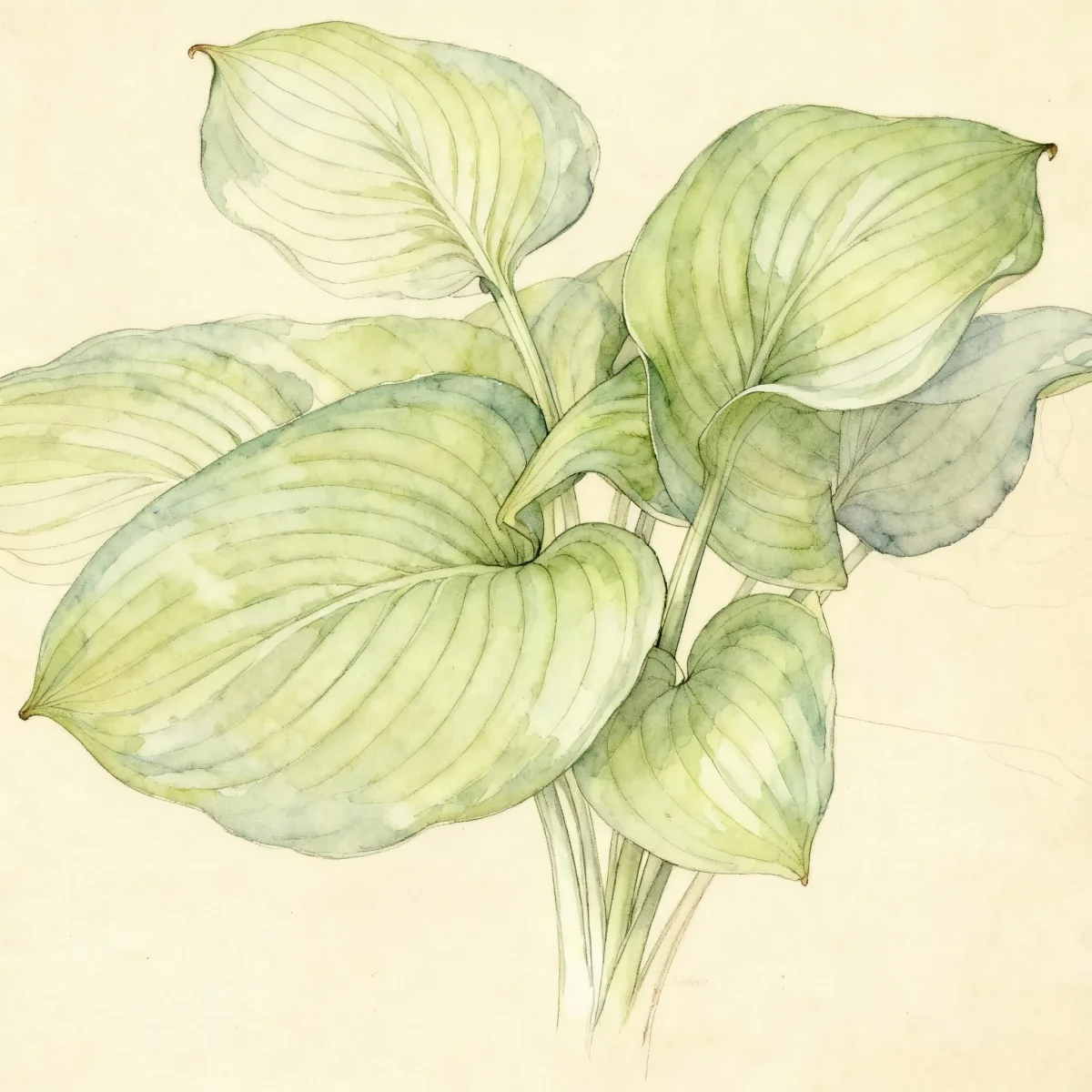
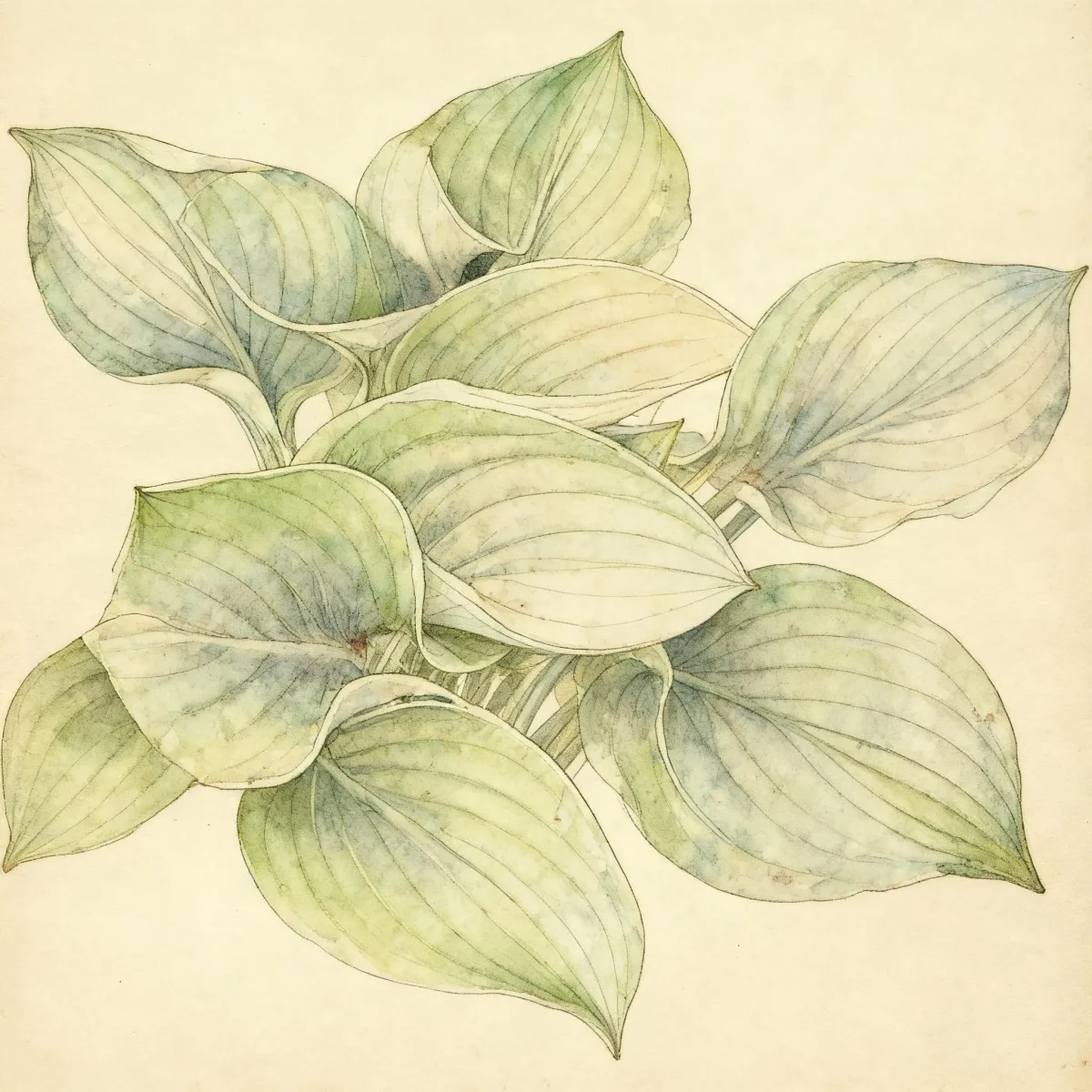
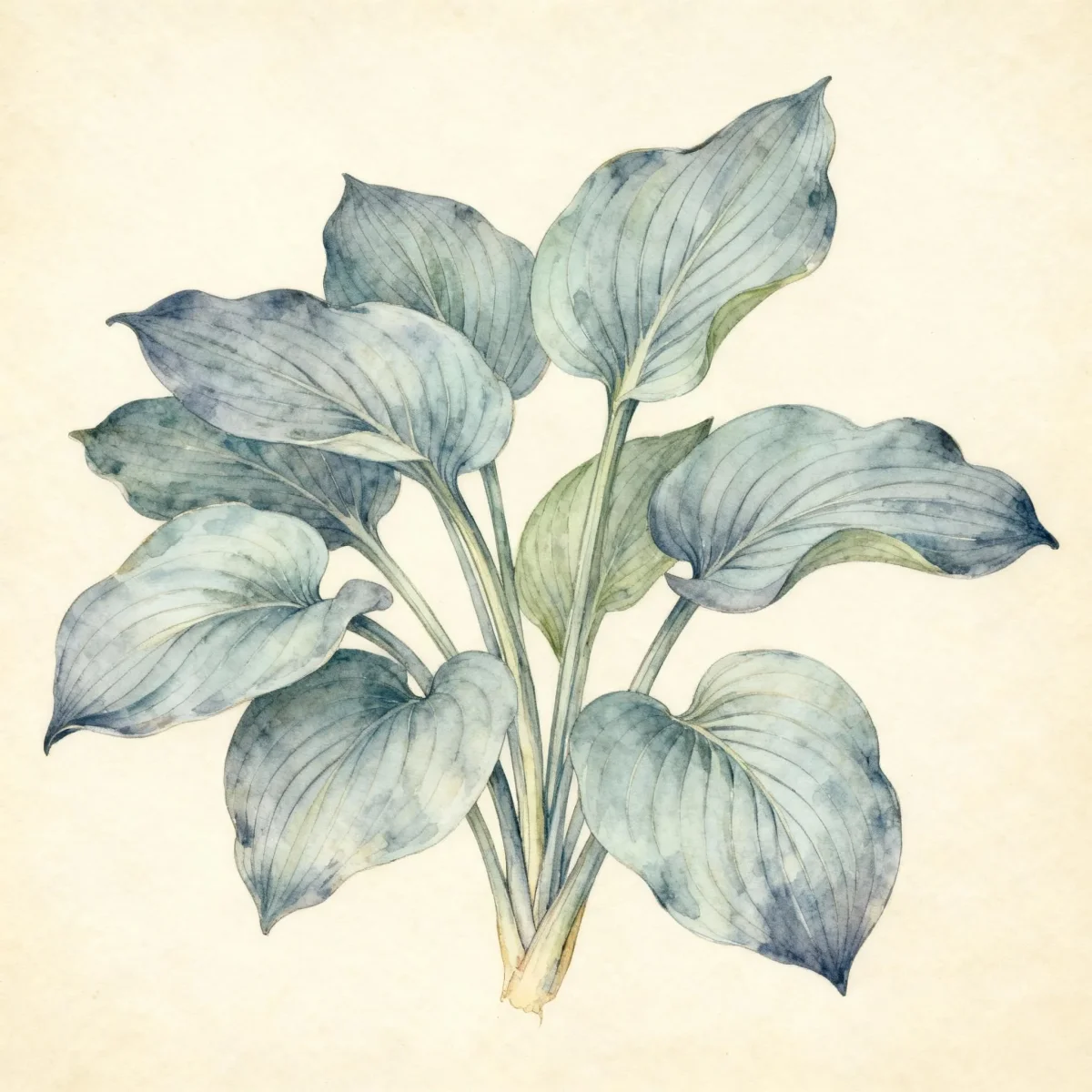
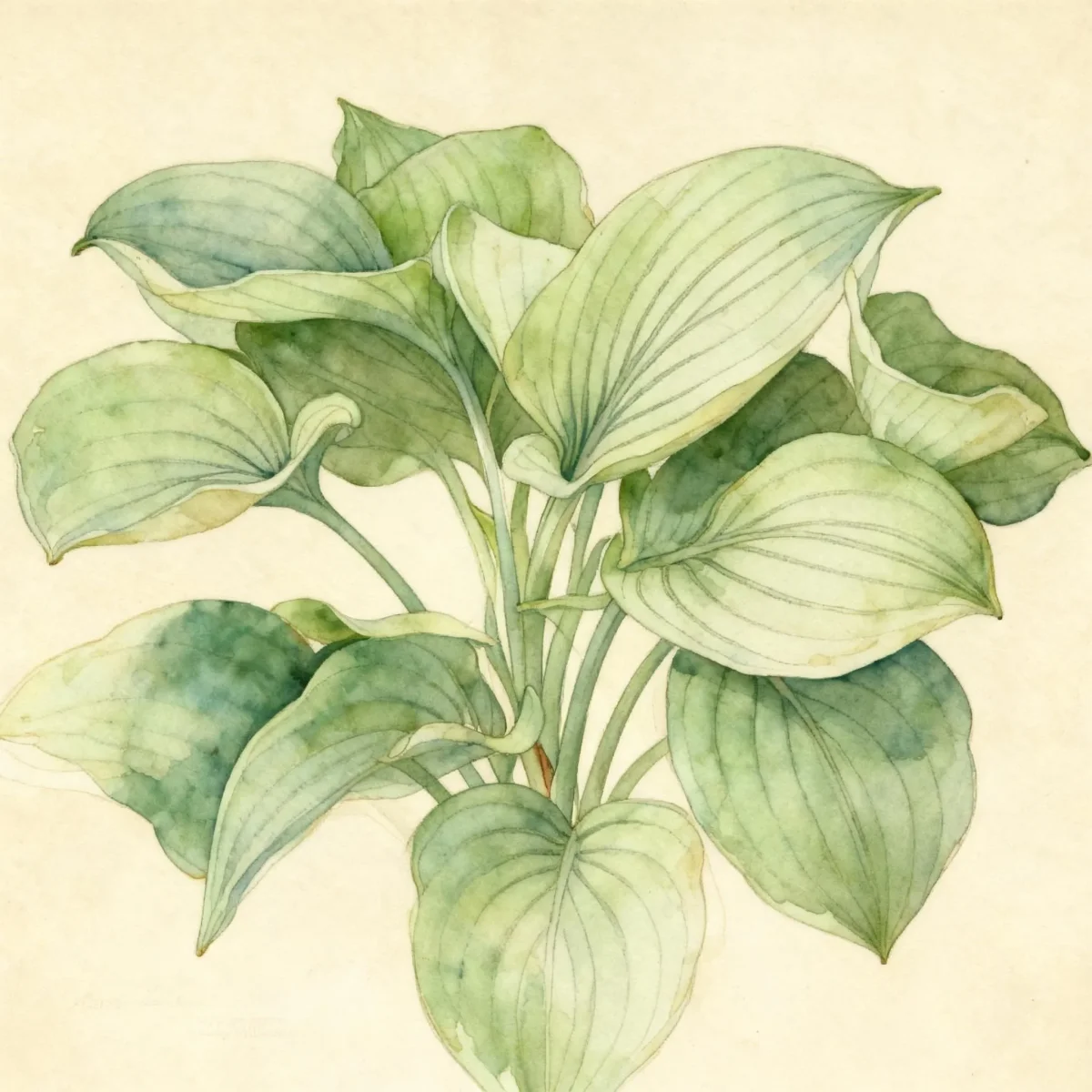
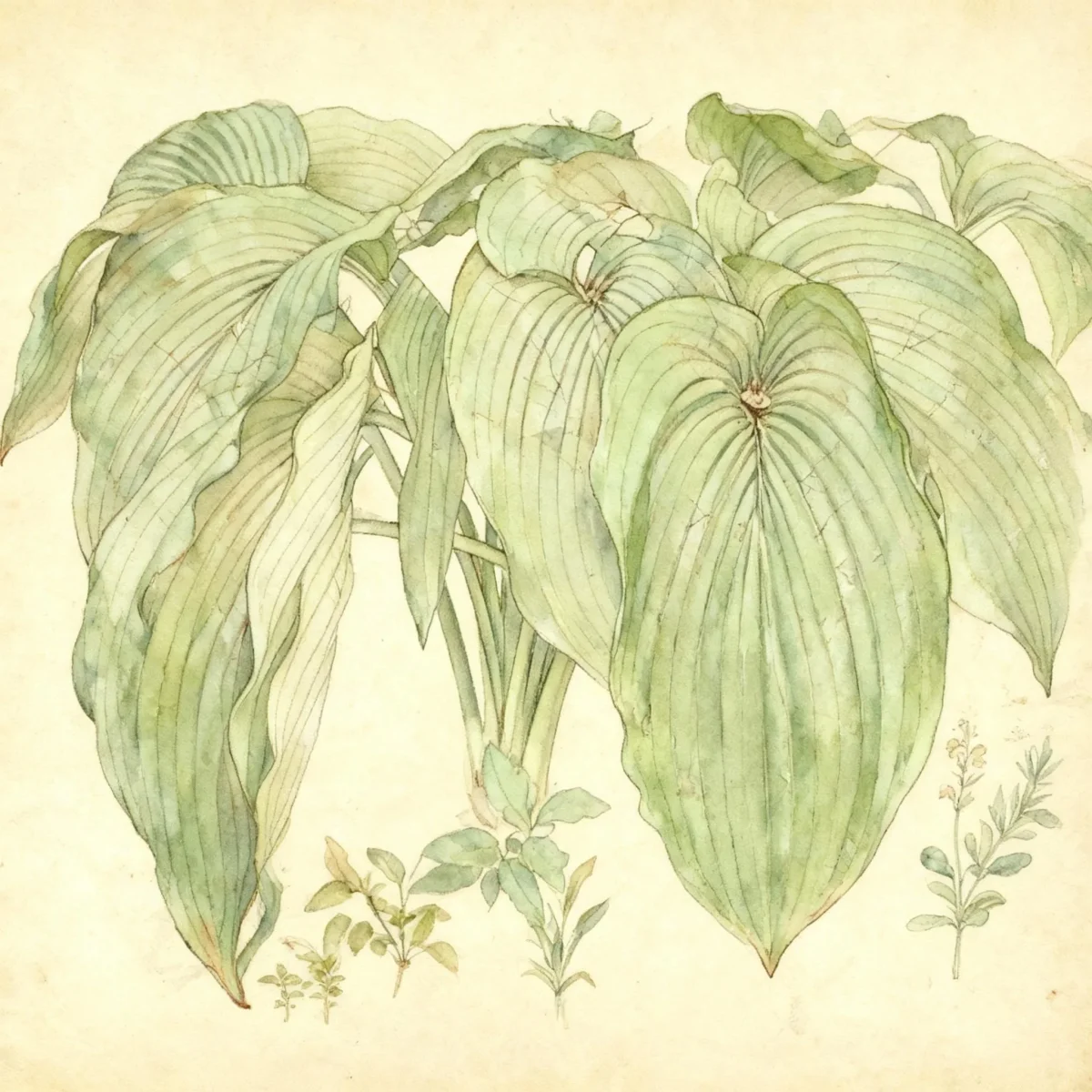
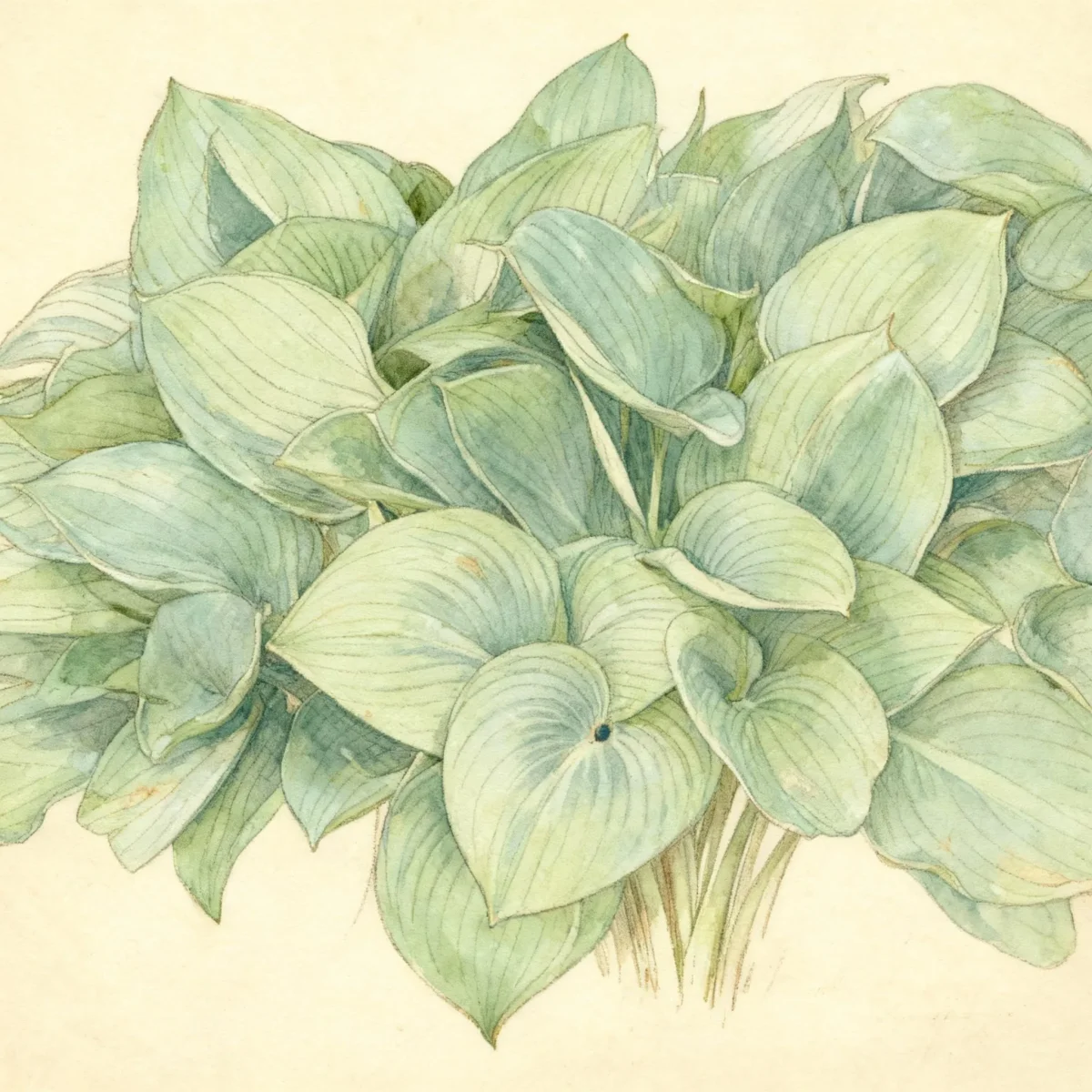
Hosta (Hosta 'One Man's Treasure')
Hosta 'One Man's Treasure' is a medium, mound-forming perennial famed for its striking burgundy-spotted petioles, perfect for shade gardens.
Scroll down to discover growing tips, care requirements, companion plants, and more
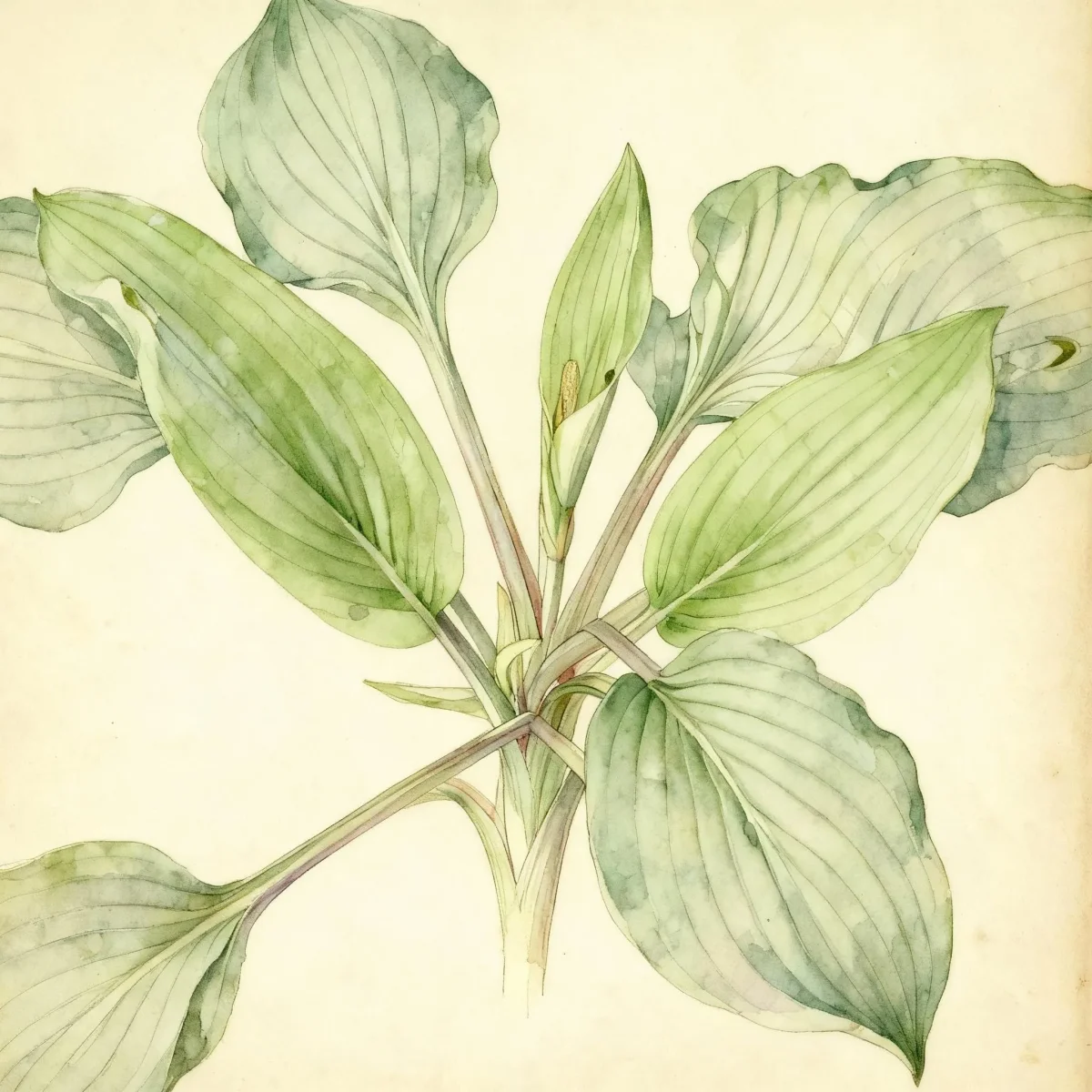
Complete Plant Information
Overview
Hosta ‘One Man’s Treasure’ is a highly desirable herbaceous perennial cherished less for its flowers and more for its outstanding ornamental foliage, particularly in shaded landscapes. What sets this particular Hosta apart is the distinctive feature of showy burgundy-spotted leaf petioles, which add unique color contrast to the glossy green leaves. This medium-sized Hosta forms an attractive, arching mound, making it a foundational plant for consistent structure in garden beds that receive limited sunlight.
This variety of Hosta thrives best when provided with consistent moisture and protection from harsh elements, fitting seamlessly into woodland edges or deep shade corners. Its low maintenance requirements mean that once established, Hosta ‘One Man’s Treasure’ offers reliable, year-after-year performance with minimal fuss. Gardeners prize the genus Hosta for its versatility in texture and color, and ‘One Man’s Treasure’ is a perfect example of incorporating subtle, vibrant detail below the canopy.
Fast Facts
- Plant Family: Asparagaceae
- Plant Type: Herbaceous perennial
- Hardiness Zones: USDA Zones 3-8
- Size at Maturity:
- Height: 1-2 ft
- Spread: 1-2 ft
- Bloom Time: July to August
- Bloom Description: Violet
- Sun Exposure: Part shade to full shade
- Water Needs: Medium
- Maintenance Level: Low
How to Grow
Planting Hosta ‘One Man’s Treasure’ is best accomplished in spring or autumn, ensuring the soil is organically rich and well-drained. While part shade featuring some dappled morning sun is ideal, this Hosta cultivar tolerates heavy shade well. Consistent moisture is crucial for achieving the best size and leaf quality; application of water directly to the soil beneath the leaves prevents foliage spotting and fungal issues.
Established plants exhibit some tolerance for dry shade, though the soil should never be allowed to completely dry out. Because Hostas are generally considered low-maintenance, major care involves ensuring adequate water during dry spells. Divide established clumps in early spring before leaves unfurl, or in autumn, as this is typically the easiest time to handle division. Always position this perennial where it is protected from strong winds which can damage the foliage.
Landscape Uses
Hostas are the indispensable backbone of any successful shade garden, and Hosta ‘One Man’s Treasure’ excels in this role, offering textural contrast alongside its colorful petioles. They are highly effective when massed or planted in generous drifts to create a unified sea of interesting foliage beneath taller shrubs or trees. Use them effectively in shady borders to delineate pathways or integrate them into woodland garden designs where their deep green leaves and burgundy accents truly shine.
Consider pairing Hosta ‘One Man’s Treasure’ with plants that appreciate similar cultural conditions, such as Astilbe for complementary feathery plumes, or various ferns that enhance the woodland aesthetic. The medium size of this Hosta also allows it to serve as an excellent background plant, providing a solid base layer that supports more upright or brightly colored shade companions.
Standout Features
Flower Qualities
- Showy
Noteworthy Characteristics
Hosta is a genus comprised mainly of shade-loving, rhizomatous, clump-forming perennials native to woodlands in East Asia, primarily cultivated for their ornamental foliage. ‘One Man’s Treasure’ is specifically noted for its burgundy-spotted leaf petioles, which continue the burgundy/purple coloration into the leaf bases, flower scapes, and remaining seed pods. This medium Hosta typically forms an arching mound up to 14 inches tall, featuring glossy, wide-oval green leaves contrasting sharply with the heavily marked stems.
Tolerances
- Heavy Shade
- Black Walnut
Potential Problems
Slugs and snails are the primary threat to Hosta foliage, readily creating jagged holes that rapidly diminish the plant’s aesthetic appeal if management is neglected. Watch also for foliar nematodes which cause interveinal browning on the leaves, although leaf spots and crown rot are less common issues. If you observe signs of Hosta Virus X (HVX) or other viral infections, immediately remove and destroy the infected plant to prevent spread. Deer and rabbits frequently find the leaves delicious and may eat them voraciously.
Frequently Asked Questions
What hardiness zones is Hosta ‘One Man’s Treasure’ suitable for?
This perennial is hardy across a wide range, thriving in USDA Zones 3 through 8.
How large does Hosta ‘One Man’s Treasure’ grow?
Hosta ‘One Man’s Treasure’ typically reaches a height between 1 and 2 feet, and spreads to a width between 1 and 2 feet, forming a dense, arching mound.
What sun exposure does Hosta need?
This Hosta cultivar prefers part shade to full shade conditions, meaning it should be sheltered from intense afternoon sun exposure.
When does Hosta bloom?
The flowers appear in summer, typically from July to August, presenting in lovely shades of violet atop burgundy scapes.
Conclusion
Hosta ‘One Man’s Treasure’ offers exceptional value to shaded gardens, delivering reliable structure complemented by subtle, unique burgundy spotting on its petioles. As a superb example of the ornamental excellence within the Hosta genus, it maintains a low-maintenance profile while delivering high visual impact. Before planting, confirm your site offers protection from wind and consistent, medium moisture to ensure your Hosta ‘One Man’s Treasure’ reaches its full, splendid potential.
Companion Planting
When selecting partners for Hosta ‘One Man’s Treasure’, focus on plants that enjoy similar partial to full shade environments and consistent moisture. Ferns, such as Japanese Painted Ferns or Autumn Ferns, offer contrasting, finely textured foliage that highlights the broad leaves of the Hosta. Consider incorporating groundcovers like Hakonechloa (Japanese forest grass) for soft mounds of color, or shade-tolerant flowers like Astilbe or Bleeding Heart to introduce vertical elements and seasonal color pops against the Hosta’s dark green base.
Design Ideas: Focal Points in Shade
Because of its distinctive petioles, Hosta ‘One Man’s Treasure’ can serve as an excellent focal point when properly sited within a shaded area. Plant it near the edge of a path or flanking an entry point where the leaf markings are visible even in lower light. Groupings work best when contrasting leaf shapes and heights are utilized; place Hosta ‘One Man’s Treasure’ next to very tall ferns or under evergreen shrubs that provide a dark, static backdrop. Be sure to leave adequate space for this medium Hosta to reach its full 2-foot spread without overcrowding its neighbors.