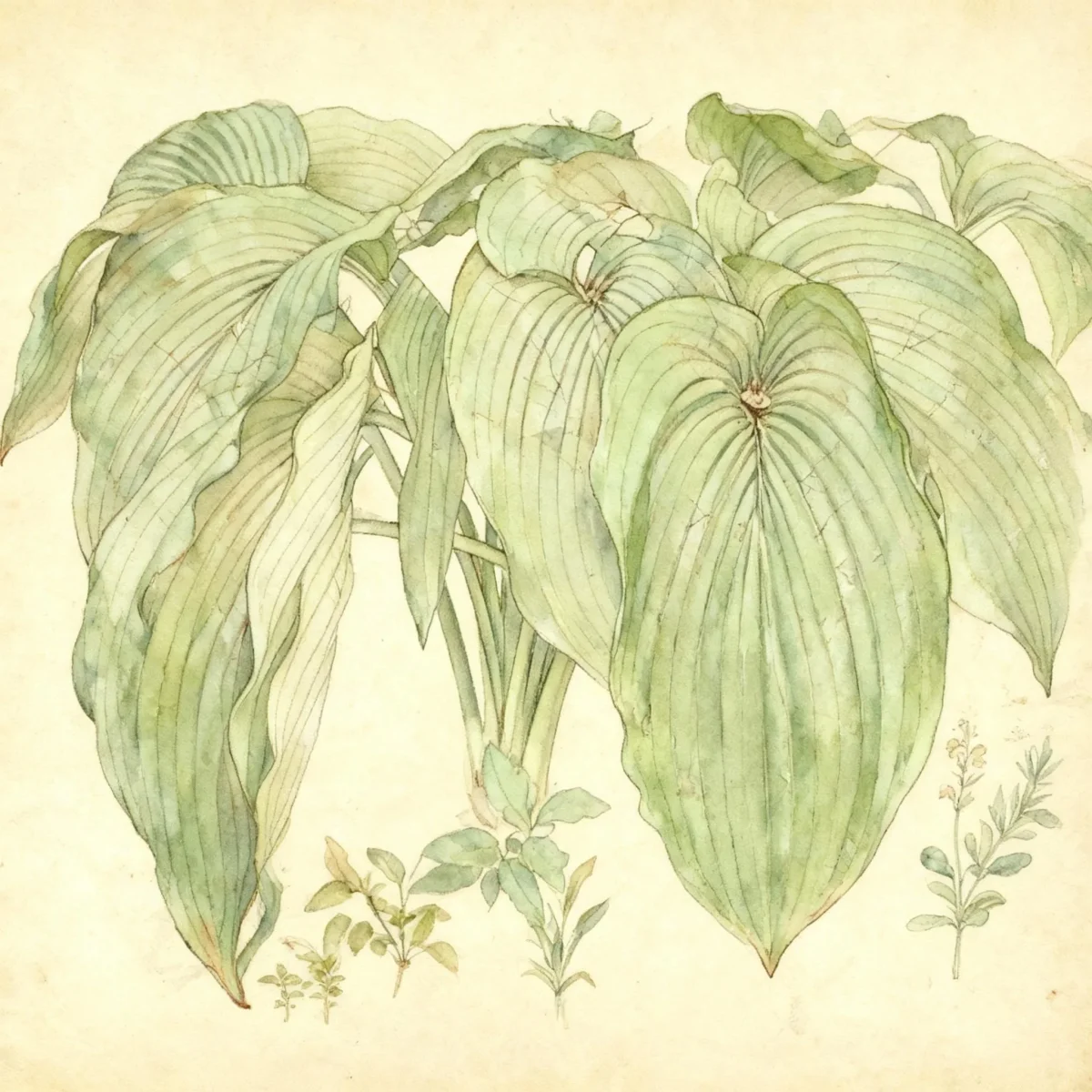
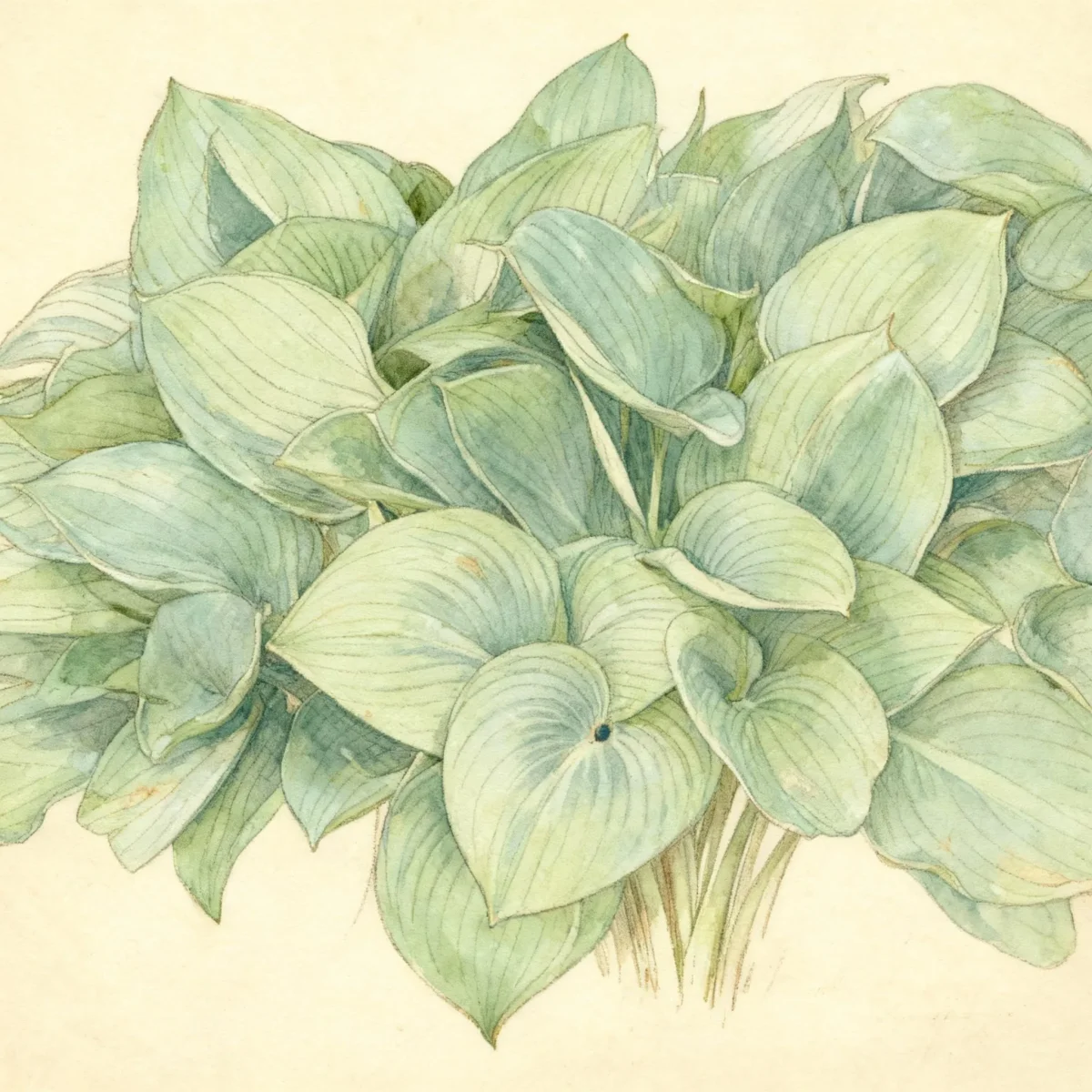
Hosta (Hosta 'Red October')
Discover Hosta 'Red October', a low-maintenance perennial prized for its dark green foliage and striking red petioles. Ideal for shade gardens.
Scroll down to discover growing tips, care requirements, companion plants, and more
Complete Plant Information
Overview
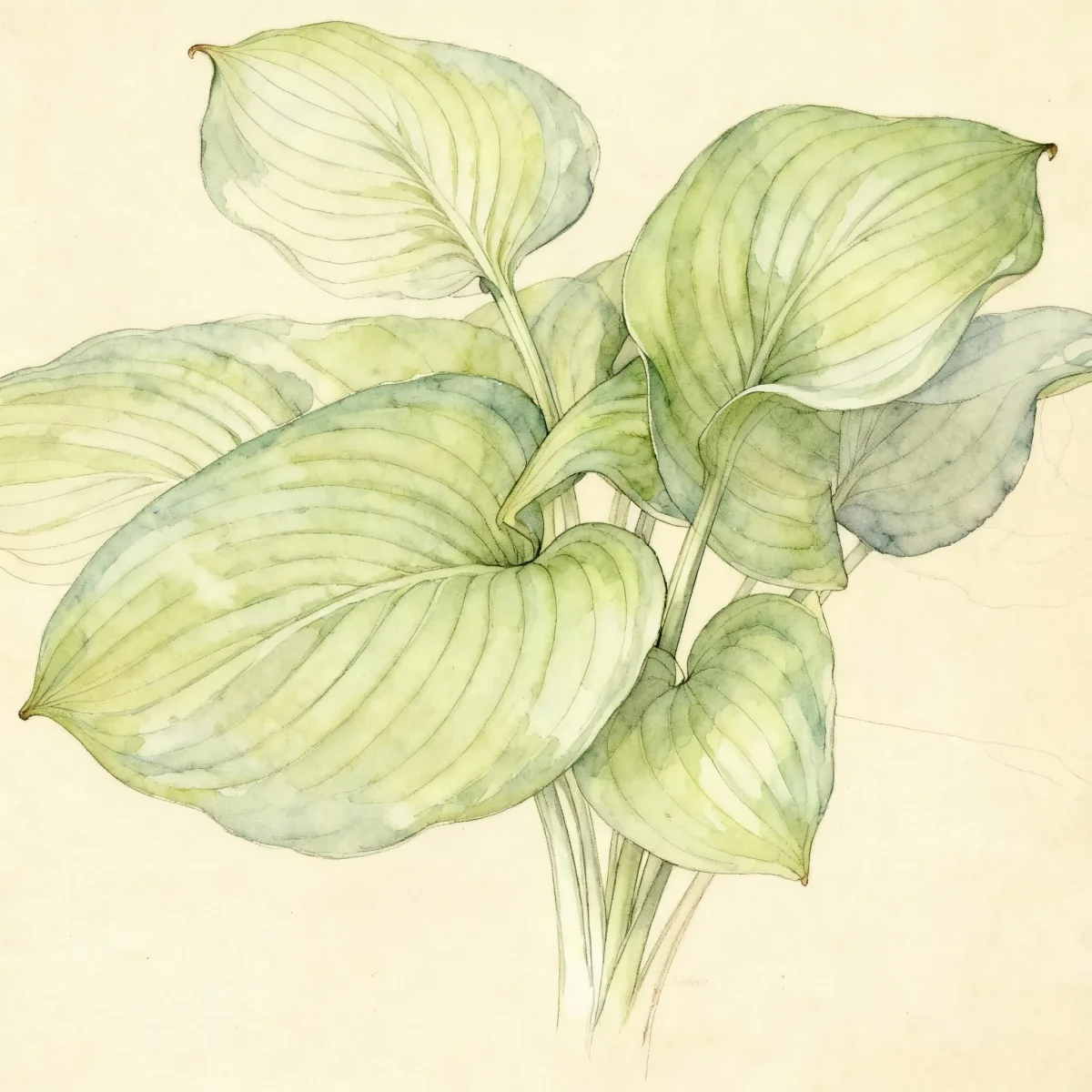
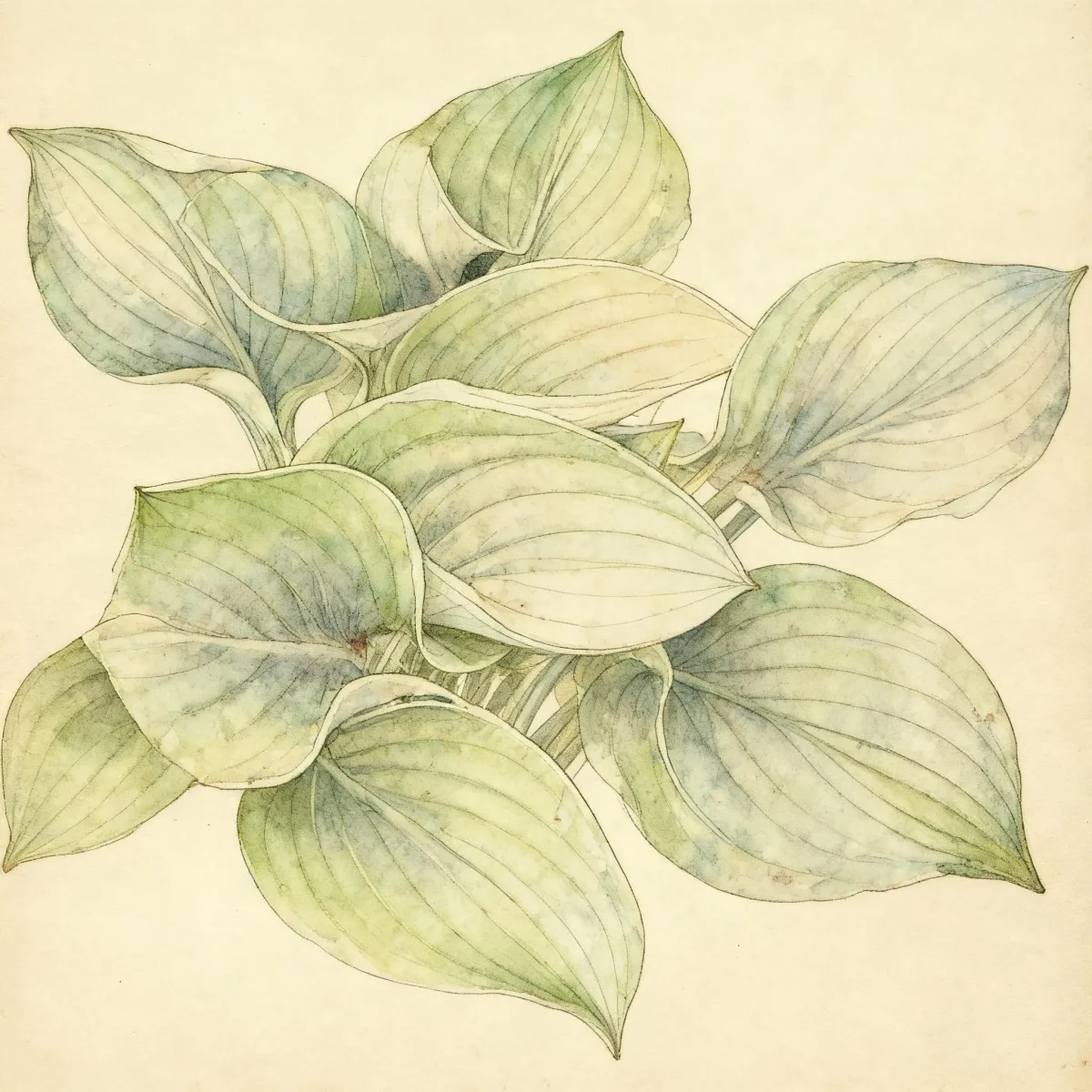
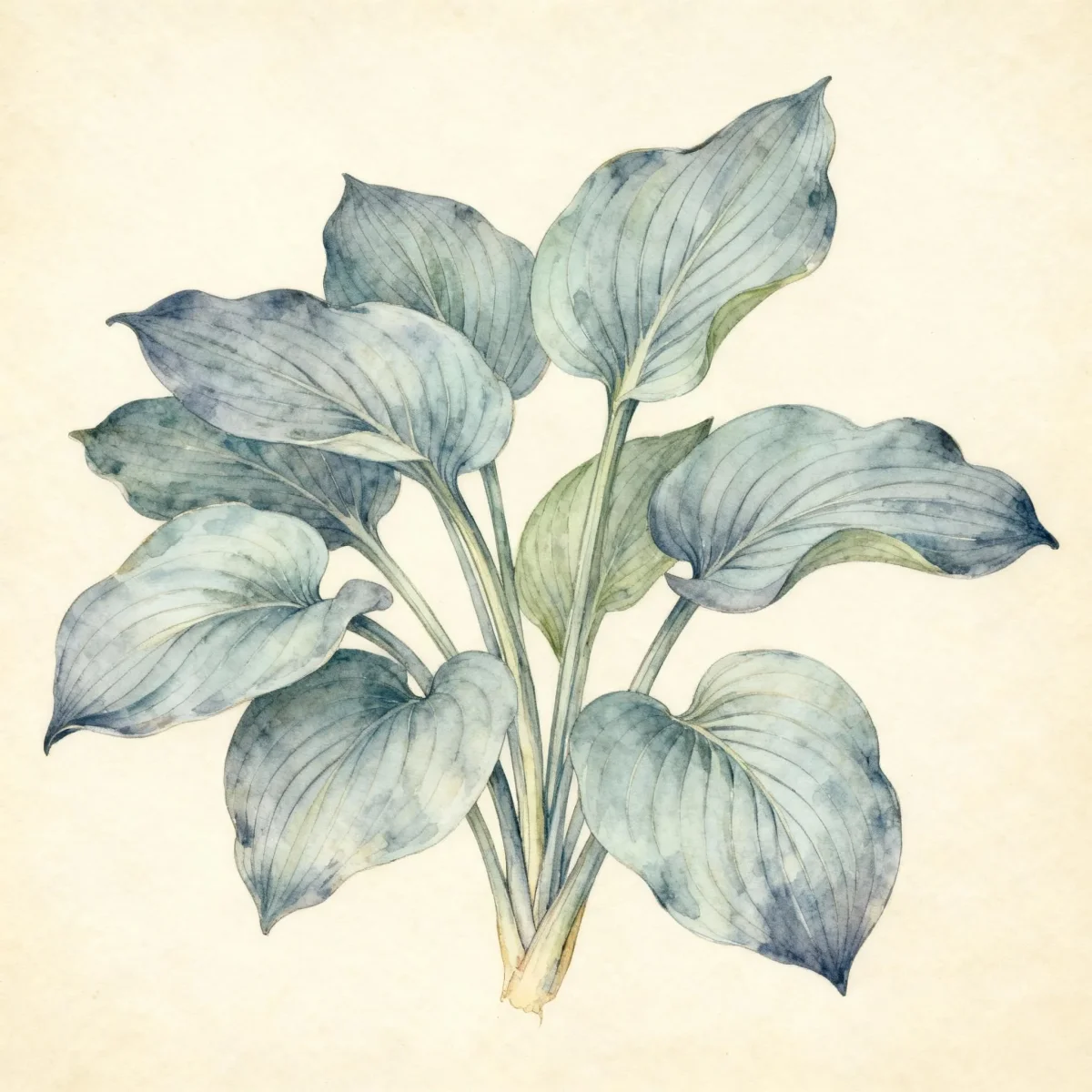
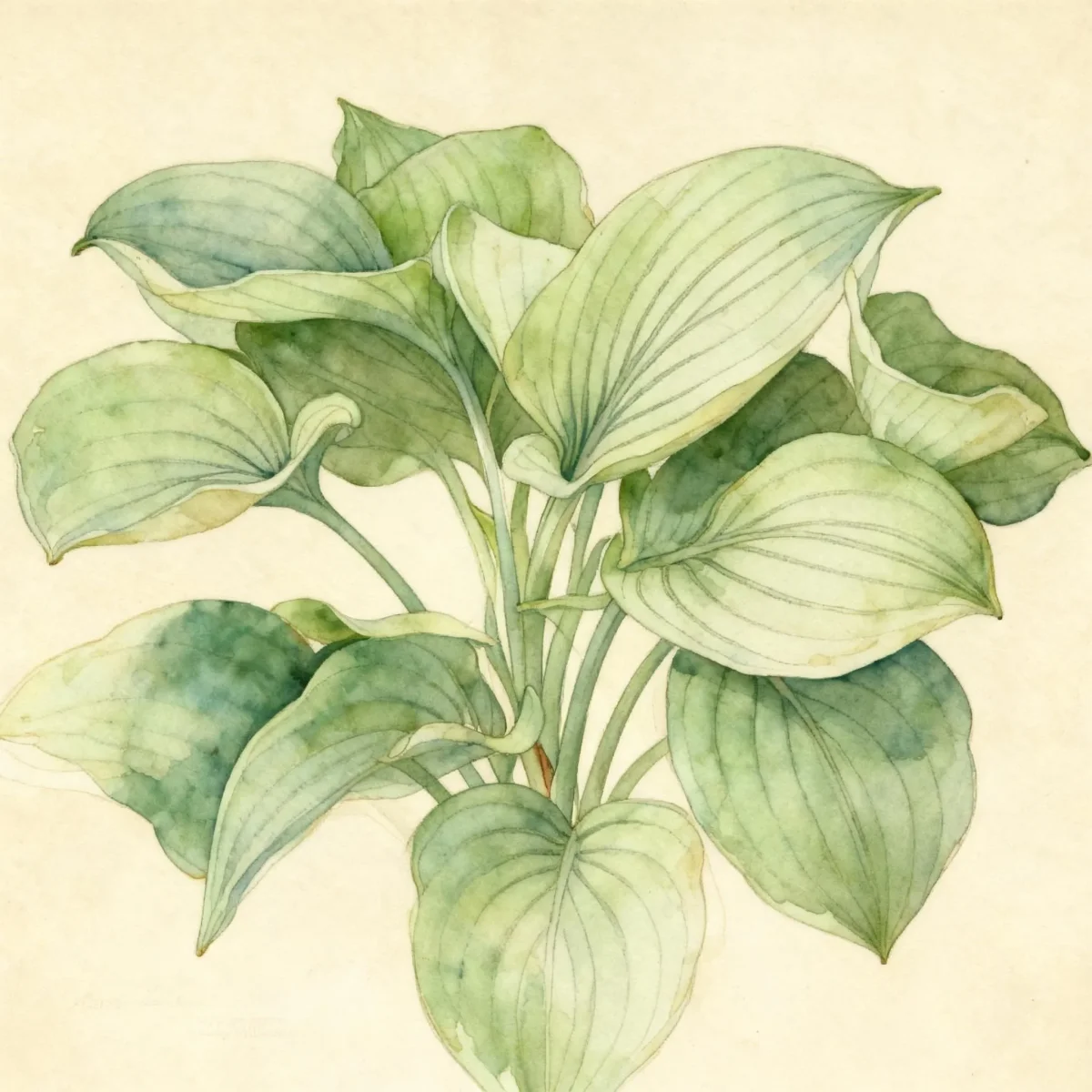
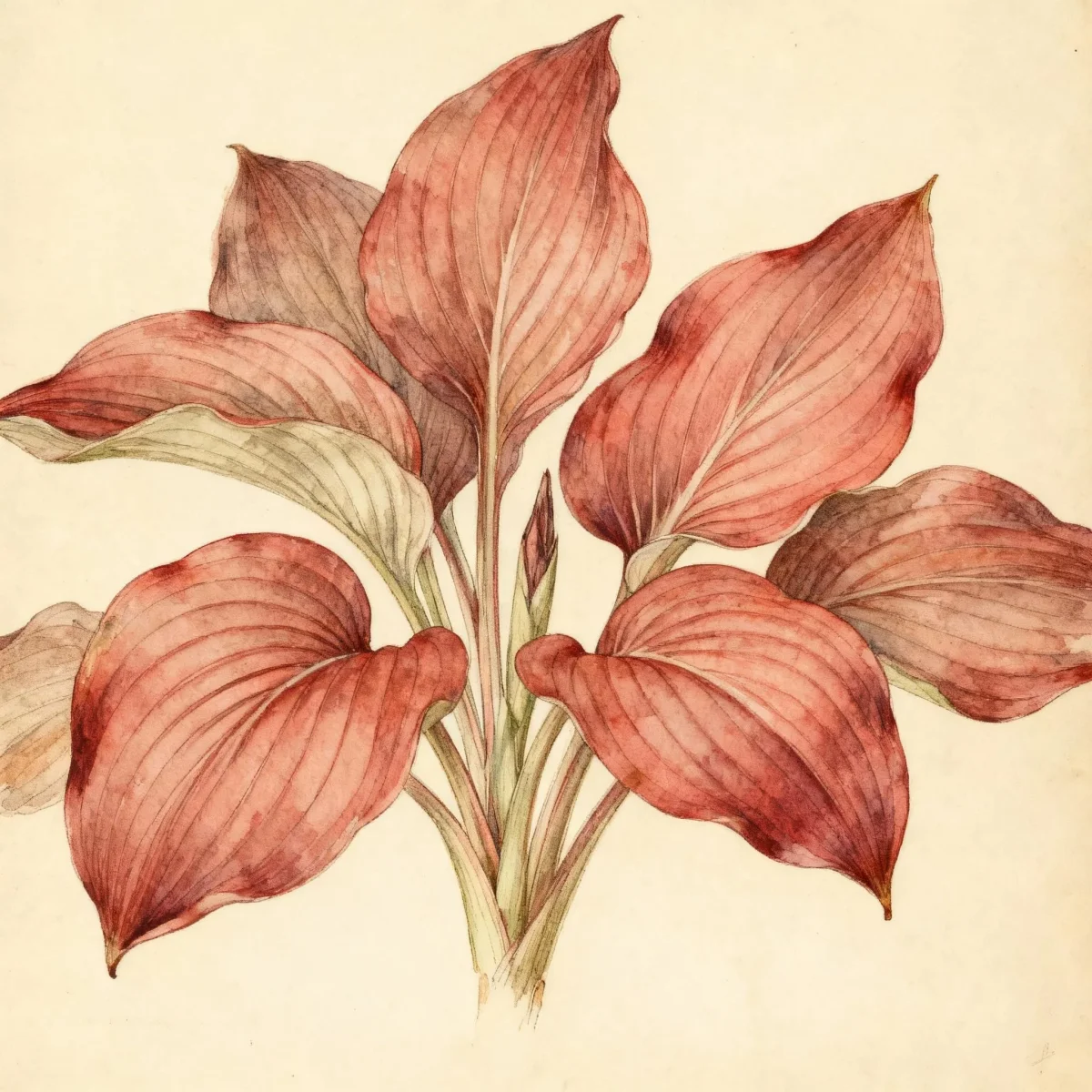
Hosta ‘Red October’ is a highly valued addition to any shaded landscape, primarily celebrated for its ornamental foliage structure and deeply colored petioles that provide unique visual interest. This specific Hosta cultivar offers an arching mound of dark green leaves, distinguished by leaf stems heavily speckled with red that bleeds into the leaf bases, setting it apart from standard green varieties. Grown as a clump-forming, herbaceous perennial, the Hosta genus offers reliability and requires minimal fuss once established.
The Hosta ‘Red October’ fits well into the category of low-maintenance perennials, thriving best when protected from intense afternoon sun. Its full size and best quality foliage develop under consistent moisture conditions, making it a cornerstone plant for woodland margins or deep shade borders where many other flowering plants struggle. Gardeners rely on this Hosta for excellent texture and structure throughout the growing season.
Though the lavender, funnel-shaped flowers appearing in late summer are attractive, the main draw of Hosta ‘Red October’ remains its textural, basal foliage mound. It provides year-round structure in mild climates and reliable summer interest in colder zones, fulfilling the gardener’s need for robust, shade-tolerant greenery with unique coloration.
Fast Facts
- Plant Family: Asparagaceae
- Plant Type: Herbaceous perennial
- Hardiness Zones: USDA Zones 3-8
- Size at Maturity:
- Height: 0.75-2 ft
- Spread: 1-2 ft
- Bloom Time: August to September
- Bloom Description: Lavender
- Sun Exposure: Part shade to full shade
- Water Needs: Medium
- Maintenance Level: Low
How to Grow
Planting Hosta ‘Red October’ is best done in spring or early autumn when the soil is workable. Ensure the location provides evenly moist, organically rich, well-drained soil. While this Hosta variety performs best in dappled or morning sun, it adapts well to consistently deep shade. Consistent moisture is crucial; the best size and coloring of Hosta foliage are achieved when the soil is never allowed to dry out completely.
Ongoing care focuses primarily on moisture management. Water Hosta ‘Red October’ directly beneath the leaves, avoiding wetting the foliage if possible, especially during hot parts of the day, to discourage fungal issues. Being a low-maintenance perennial, extensive fertilization is rarely required if the initial soil preparation included plenty of organic matter. Protect plants from wind, which can easily damage the leaves.
Dividing established clumps of Hosta is beneficial for propagation and rejuvenation, typically easiest to perform in early spring before the foliage fully unfurls. As the season progresses, monitor for common pests, especially slugs and snails, which are highly attracted to Hosta foliage. Keep the area neat by cleaning up old foliage in the dormant season, though this is less critical than for some other perennials.
Landscape Uses
Hostas, including the excellent cultivar Hosta ‘Red October’, are the undisputed mainstays of shade gardens. Their value lies overwhelmingly in their ornamental foliage, which comes in a vast array of lights, textures, and colors, providing strong architectural contrast beneath taller, sun-loving plants or trees. They are exceptionally effective when grouped together or massed to create a solid carpet of texture in dark areas.
Hosta ‘Red October’ serves wonderfully as an edging plant for woodland borders or as a background element in a deep-shade tapestry. Consider pairing them with plants that offer fine-textured or contrasting leaf shapes, such as ferns (like Japanese Painted Ferns) or shade-loving groundcovers that tolerate similar moisture levels. Their mounding habit naturally softens hard edges in shady beds.
The structure provided by the Hosta mound makes it invaluable for defining shady walkways or softening the base of specimen trees where turf cannot establish. Because Hosta ‘Red October’ remains a manageable size (up to 2 feet wide), it fits reliably into perennial borders requiring dense ground cover where flowering may be sparse.
Standout Features
Flower Qualities
- Showy
Noteworthy Characteristics
Hosta is a genus of about 70 species of shade-loving, rhizomatous, clump-forming, herbaceous perennials which are native to open woodlands, woodland margins and glades in Japan, Korea, China and eastern Russia. Hostas are primarily grown for their ornamental foliage. Stalked, conspicuously-veined, often dense, basal leaves in a variety of shapes, sizes, colors and textures rise up from a central rhizomatous crown to form a rounded to spreading mound of foliage. Hosta ‘Red October’ is perhaps best noted for its showy red leaf petioles; this small to medium hosta forms an arching mound with dark green leaves that are silvery-white beneath, accented by burgundy scapes bearing lavender flowers in late summer.
Tolerances
- Heavy Shade
- Black Walnut
Potential Problems
Slugs and snails pose the most significant threat to Hosta foliage, quickly chewing unsightly jagged holes that can severely mar the appearance of Hosta ‘Red October’. To manage them, apply slug bait around the perimeter of the plants or use physical barriers. Nematodes can cause interveinal browning, requiring immediate removal of affected leaves if spotted.
Less common issues involve leaf spot fungi and crown rot; ensure excellent drainage and avoid overhead watering to mitigate these risks. Be vigilant against viral infections like Hosta Virus X (HVX); any plant showing discoloration or deformation should be destroyed immediately, never composted. Deer and rabbits frequently find the leaves palatable and may graze voraciously.
Frequently Asked Questions
What hardiness zones is Hosta ‘Red October’ suitable for?
This resilient Hosta variety is suitable for USDA Zones 3 through 8, offering reliable perennial performance across a wide range of climates.
How large does Hosta ‘Red October’ grow?
Hosta ‘Red October’ typically reaches a height between 0.75 and 2 feet and spreads to a mature width of 1 to 2 feet, forming an attractive, arching mound.
What sun exposure does Hosta ‘Red October’ need?
This plant thrives best in part shade, benefiting from protection from intense afternoon sun, though it tolerates down to full shade conditions.
When does Hosta ‘Red October’ bloom?
Hosta ‘Red October’ displays its lavender, funnel-shaped flowers atop burgundy scapes beginning in August and continuing through September.
Conclusion
Hosta ‘Red October’ is an indispensable perennial for bringing structure and subtle color interest to shady spots that lack bright sunlight. Its unique red-speckled petioles elevate it above standard foliage offerings, confirming the Hosta genus’ usefulness in diverse garden settings. Before planting, confirm your location falls within USDA Zones 3-8 and ensure medium, consistent moisture is available to nurture this beautiful Hosta.
Companion Planting
When integrating Hosta ‘Red October’ into a shade garden design, selecting companions that complement its cultural needs for consistent moisture and low light is key. Ferns are perhaps the most classic pairing, as their fine, delicate fronds provide an excellent textural contrast to the broad, solid leaves of the Hosta. Consider varieties like the Japanese Painted Fern for added silvery foliage tones.
Another excellent choice involves plants that offer vertical structure or early spring bloom before the Hosta foliage fully emerges. Lungwort (Pulmonaria) works well, as it shares similar moisture requirements and often features patterned leaves that contrast nicely with the deep green of Hosta ‘Red October’. These companions help ensure that the shaded border remains visually interesting from early spring through late fall.
Avoid planting companions that demand full sun or dry conditions, as this places undue stress on the Hosta roots. Plants requiring heavy feeding can also compete unnecessarily; focus instead on organic groundcovers or shade-tolerant bulbs that naturalize well within the established Hosta clump.
Seasonal Care Calendar
Early Spring (Pre-emergence): Focus on cleanup and division. Cut back any remaining dead foliage from the previous year. If dividing your Hosta ‘Red October’, early spring before leaves unfurl is the easiest time to separate the crowns. Top-dress beds with a light layer of compost to enrich the soil.
Late Spring/Summer (Growth Phase): The primary focus is detailed watering; water deeply and consistently at the soil level to support the lush foliage development of Hosta ‘Red October’. Inspect leaves regularly for the first signs of slug or snail activity and implement preventative measures immediately to protect the new growth.
Autumn (Dormancy Prep): As temperatures cool, watering needs will naturally decrease. Allow foliage to die back naturally; avoid cutting back the leaves until they have completely yellowed. This allows the plant to store maximum energy in its rhizomes for winter survival in Zones 3-8.