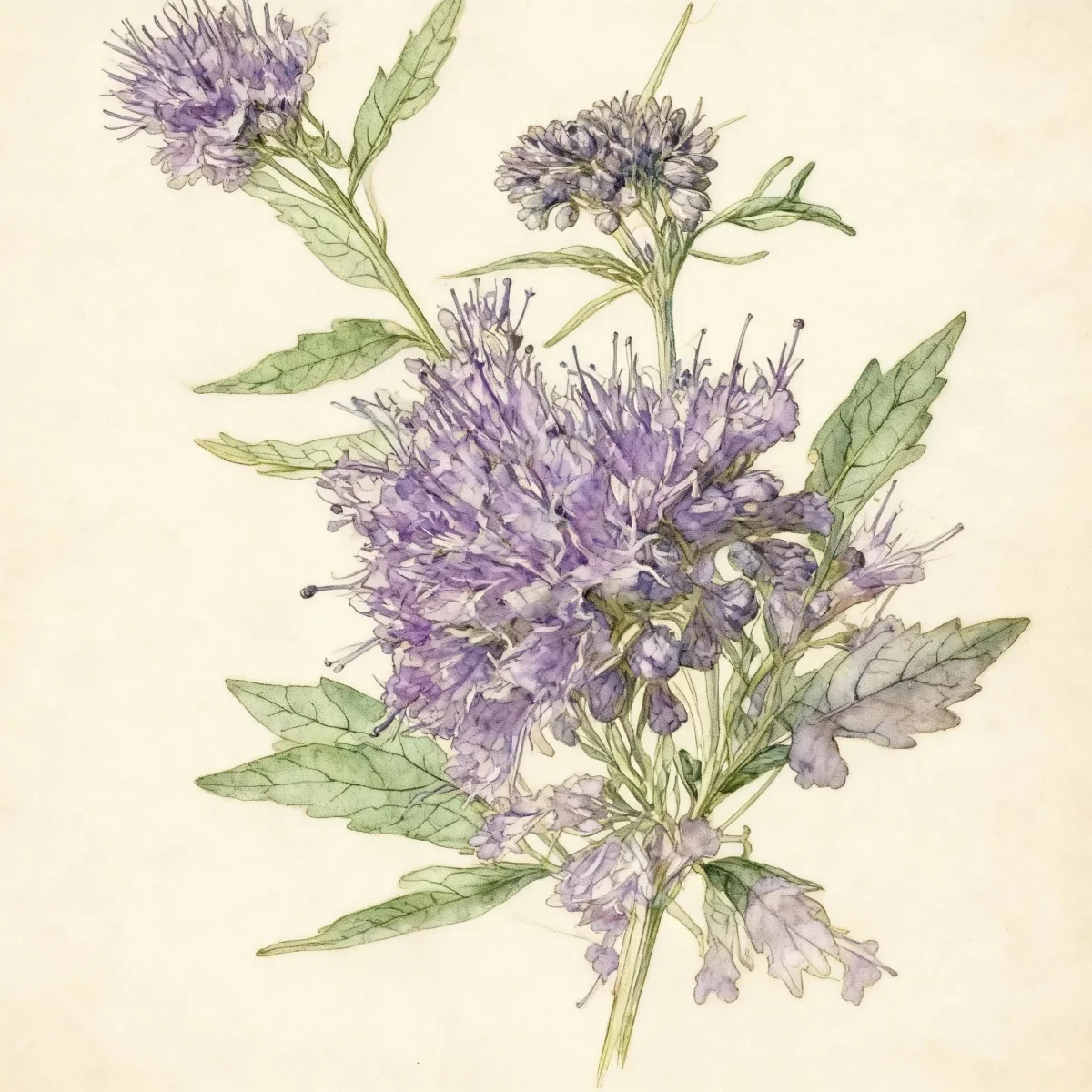
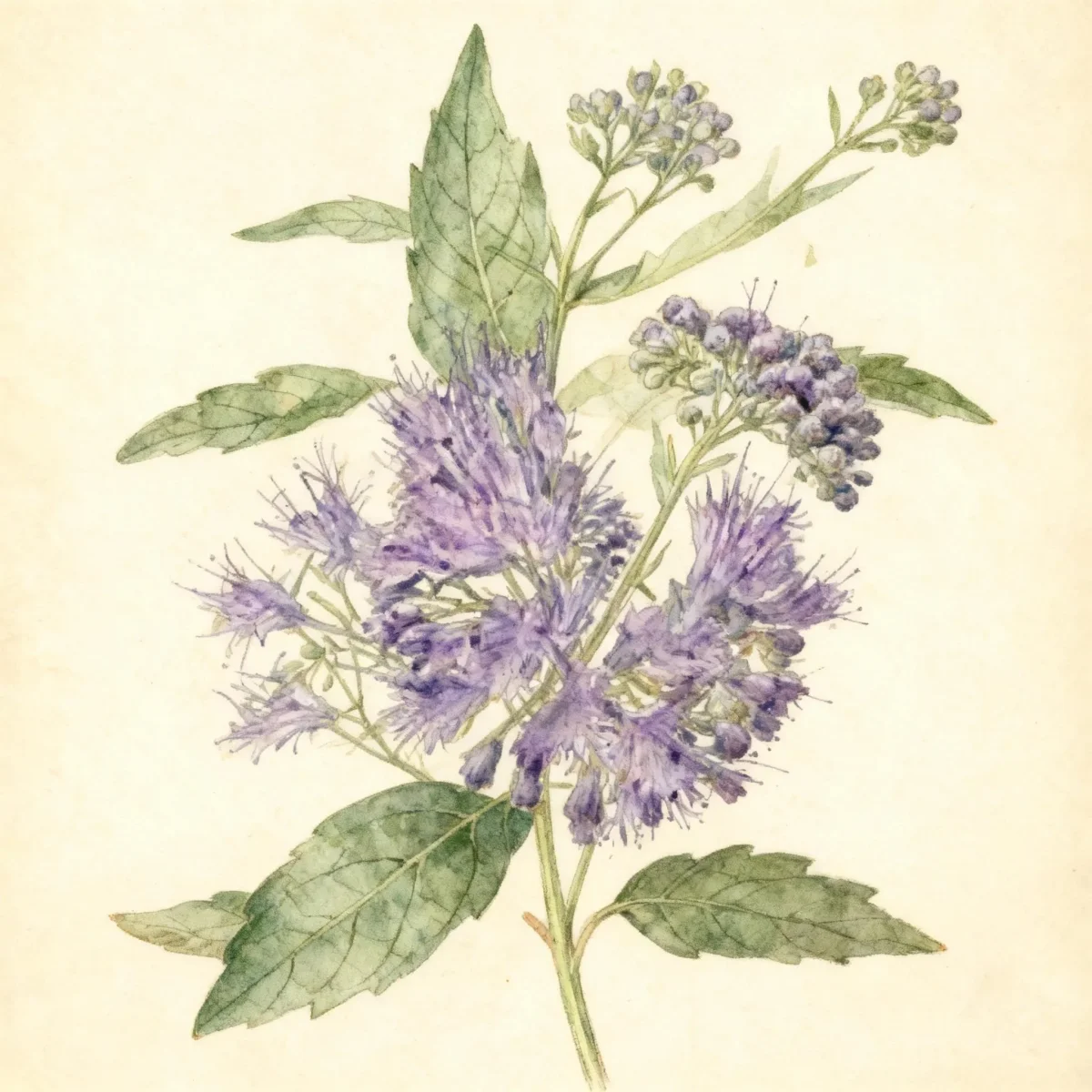
Bluebeard (Caryopteris × clandonensis 'Summer Sorbet')
Caryopteris × clandonensis 'Summer Sorbet' Bluebeard offers late-season blue flowers and aromatic, variegated foliage. Low maintenance shrub for sunny, well-drained sites.
Scroll down to discover growing tips, care requirements, companion plants, and more
Complete Plant Information
Overview
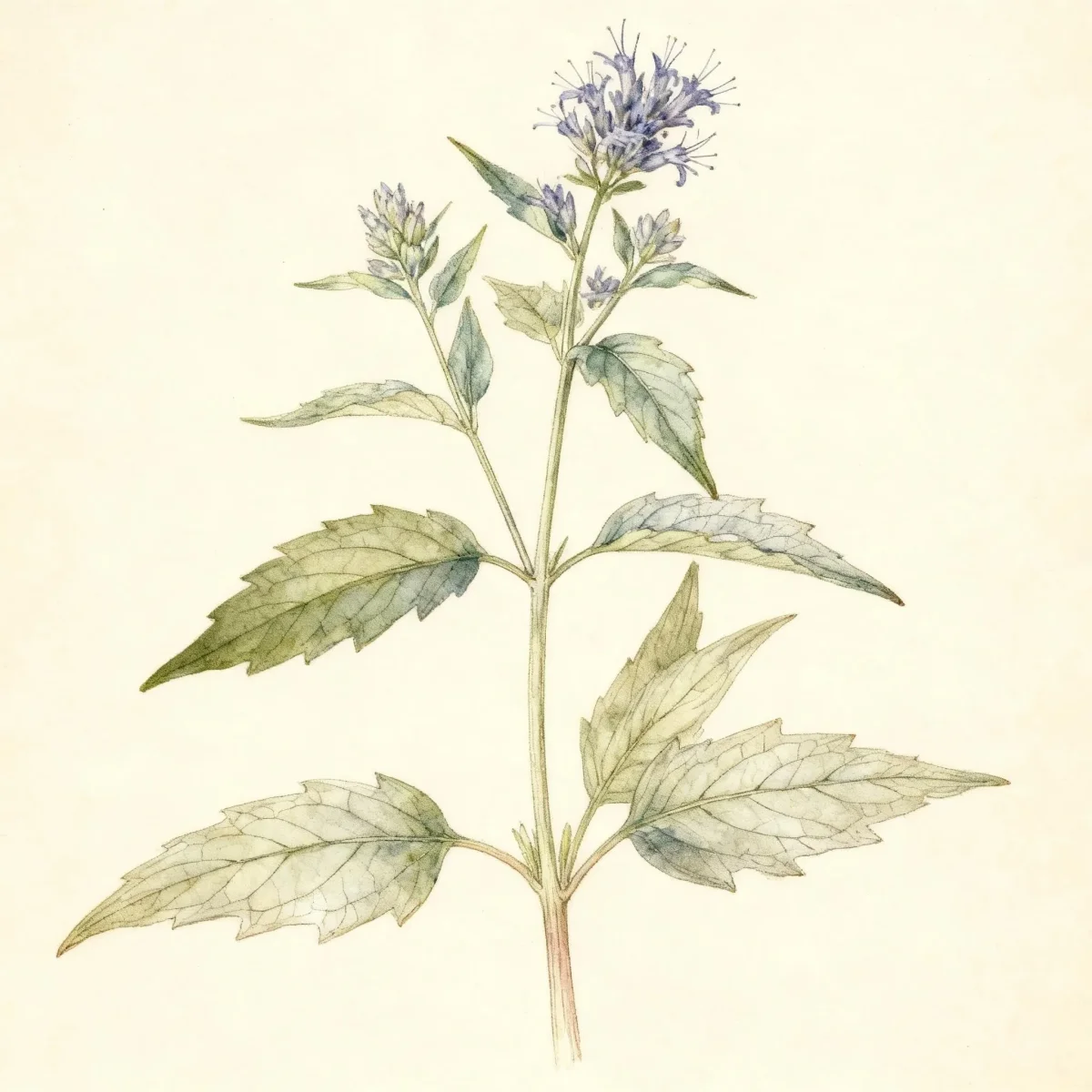
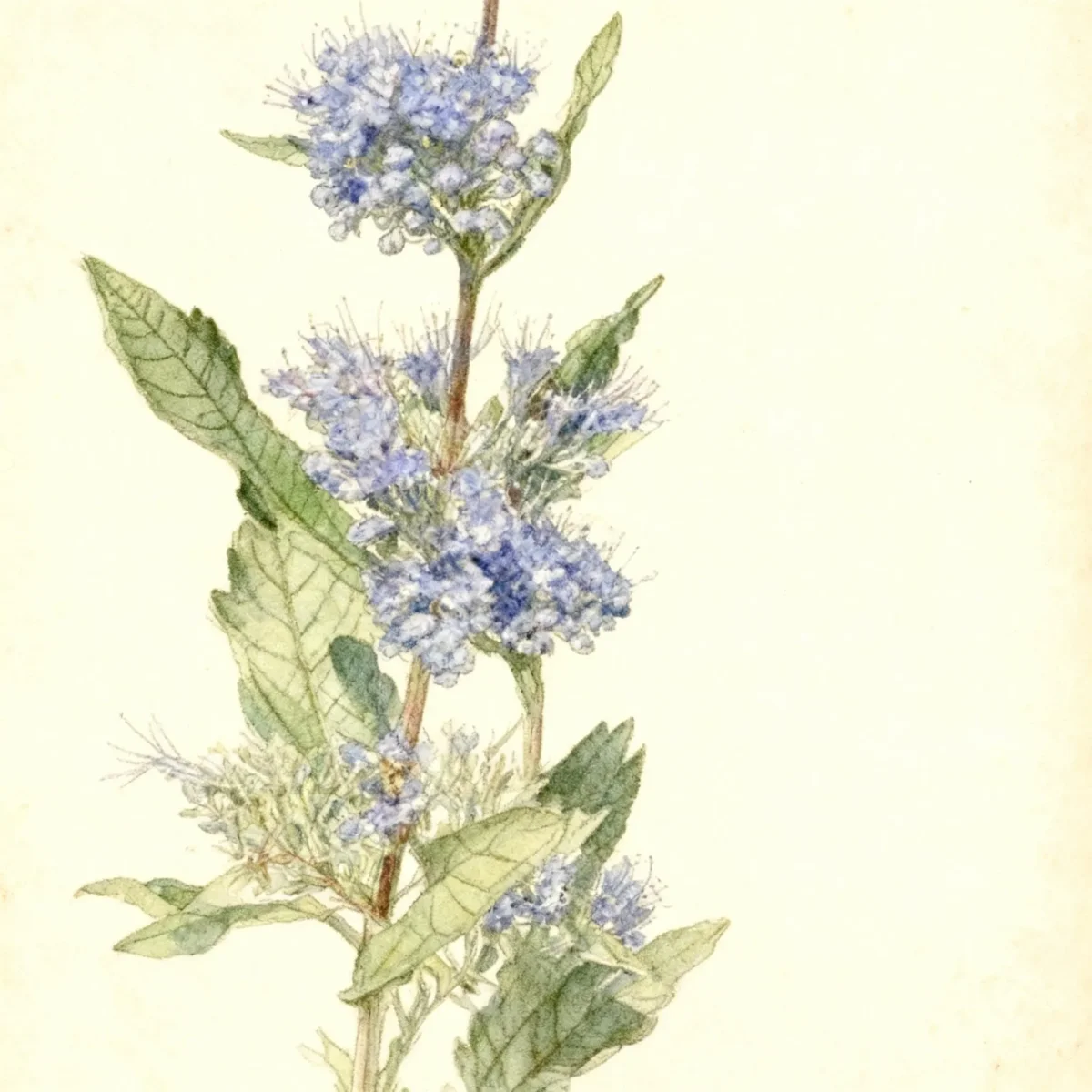
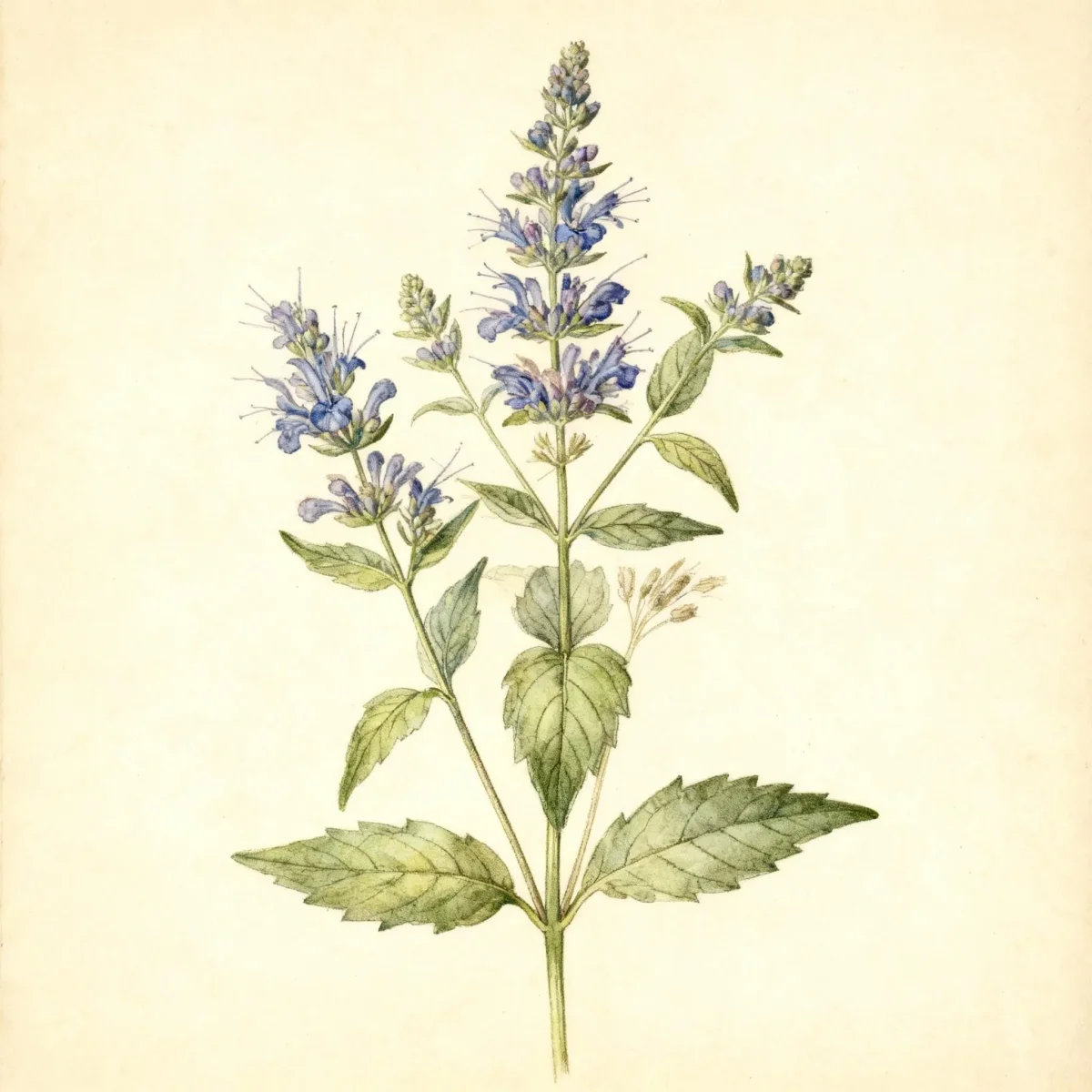
Caryopteris × clandonensis ‘Summer Sorbet’, commonly known as Bluebeard, is a cherished, low-mounded deciduous shrub renowned for bringing vibrant blue color late into the summer garden. This specific cultivar stands out with its attractive variegated foliage, featuring green leaves neatly edged in gold, providing visual interest even before the blooms appear. As a sturdy hybrid, Bluebeard thrives when positioned in full sun, offering a reliable, low-maintenance solution for late-season color.
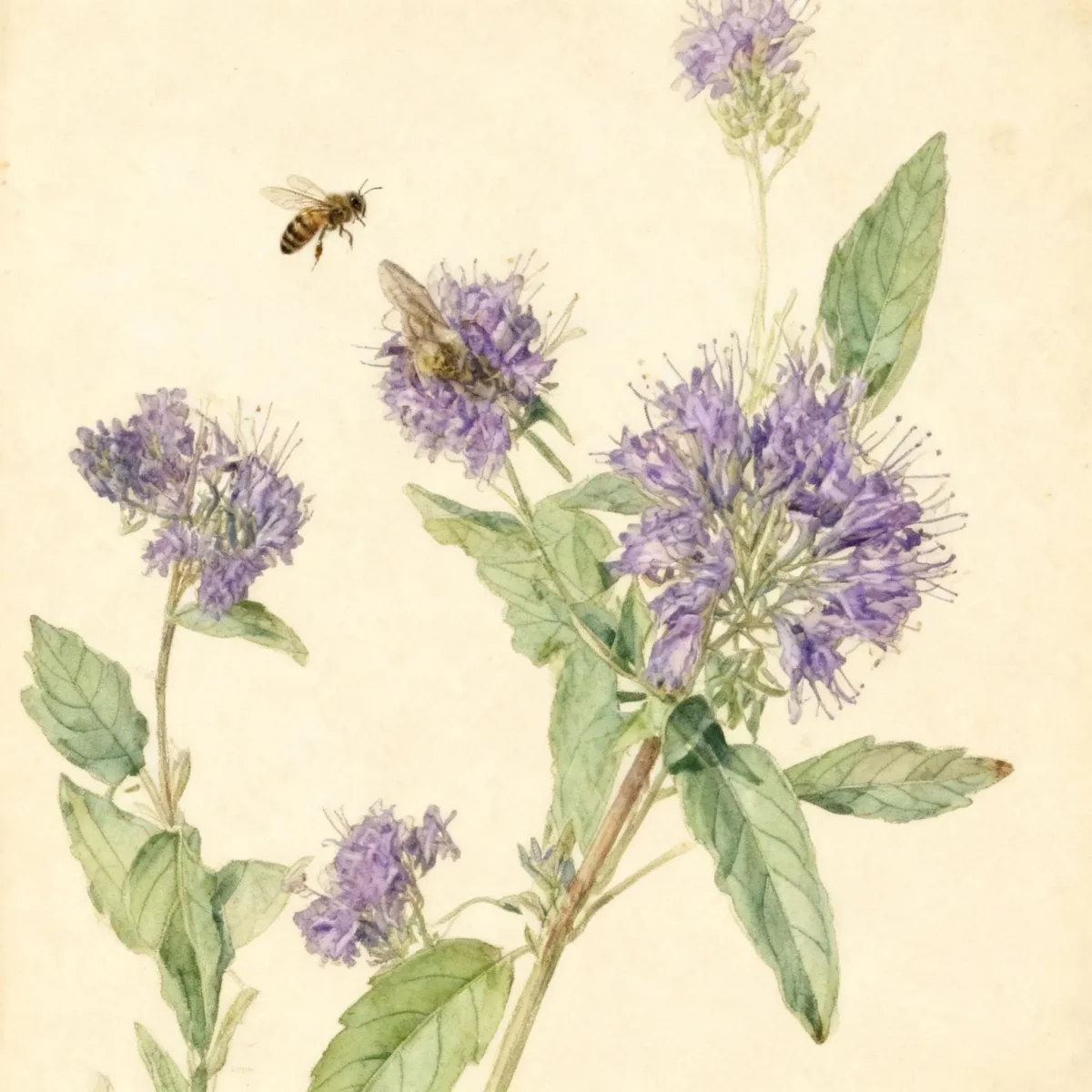
This shrub is highly valued not only for its aesthetic appeal but also for the ecological benefits it provides. The fragrant, terminal clusters of blue flowers are magnets for butterflies, bees, and other beneficial insects when many other woody shrubs have finished flowering. Providing reliable height between two to three feet, the Caryopteris × clandonensis ‘Summer Sorbet’ fills out shrub borders beautifully, offering texture and late bloom simultaneously.
Discovered as a natural mutation, the ‘Summer Sorbet’ variety maintains the aromatic foliage characteristic of the species. Gardeners appreciate the ease with which this Bluebeard establishes and its tolerance for short dry spells once mature. Ensure proper drainage, as this plant requires consistent care regarding soil moisture but hates sitting in wet conditions.
Fast Facts
- Plant Family: Lamiaceae
- Plant Type: Deciduous shrub
- Hardiness Zones: USDA Zones 5-8
- Size at Maturity:
- Height: 2-3 ft
- Spread: 2-3 ft
- Bloom Time: July to September
- Bloom Description: Blue
- Sun Exposure: Full sun
- Water Needs: Medium
- Maintenance Level: Low
How to Grow
For optimal growth of Caryopteris × clandonensis ‘Summer Sorbet’, plant it in the spring or fall in a location receiving consistently full sun. This plant performs best in average, medium-moisture soil, provided it is exceptionally well-drained; loamy soils are preferred, and the plant is intolerant of wet or poorly-drained conditions where crowns may rot. While establishing, maintain medium moisture levels.
Watering requirements for established Bluebeard are moderate, though it does exhibit drought tolerance once fully settled in the landscape. Fertilization is generally unnecessary if the soil is average; excessive fertility can lead to weak, floppy growth. The most critical management task involves pruning.
In colder regions (Zones 5 and 6), the top growth of the Caryopteris × clandonensis ‘Summer Sorbet’ often dies back to the ground during winter, though the roots remain hardy. Prune all stems back hard in early spring to the ground to encourage fresh, vigorous growth. Even where stems survive the winter, hard spring pruning is still frequently practiced to maintain a tidy shape and promote abundant blooming, as this shrub flowers exclusively on new wood.
Landscape Uses
Bluebeard is exceptionally versatile in garden design, especially when late-season interest is required. It shines prominently when utilized in perennial or shrub borders, providing a soft, airy texture that contrasts nicely with broader-leaved plants. Due to its manageable 2-3-foot size, the Caryopteris × clandonensis ‘Summer Sorbet’ is very effective when massed or planted in large groups, creating drifts of blue mist at the rear or middle of a border.
It also serves admirably as a low hedge, defining pathways or the edge of a garden bed without becoming overly large or demanding constant shearing. Consider pairing this variegated Bluebeard with plants that bloom earlier in the season, ensuring continuous color from spring through fall. Its late bloom time makes it an essential filler for maintaining interest as summer fades into autumn.
Standout Features
Flower Qualities
- Showy
- Fragrant
Noteworthy Characteristics
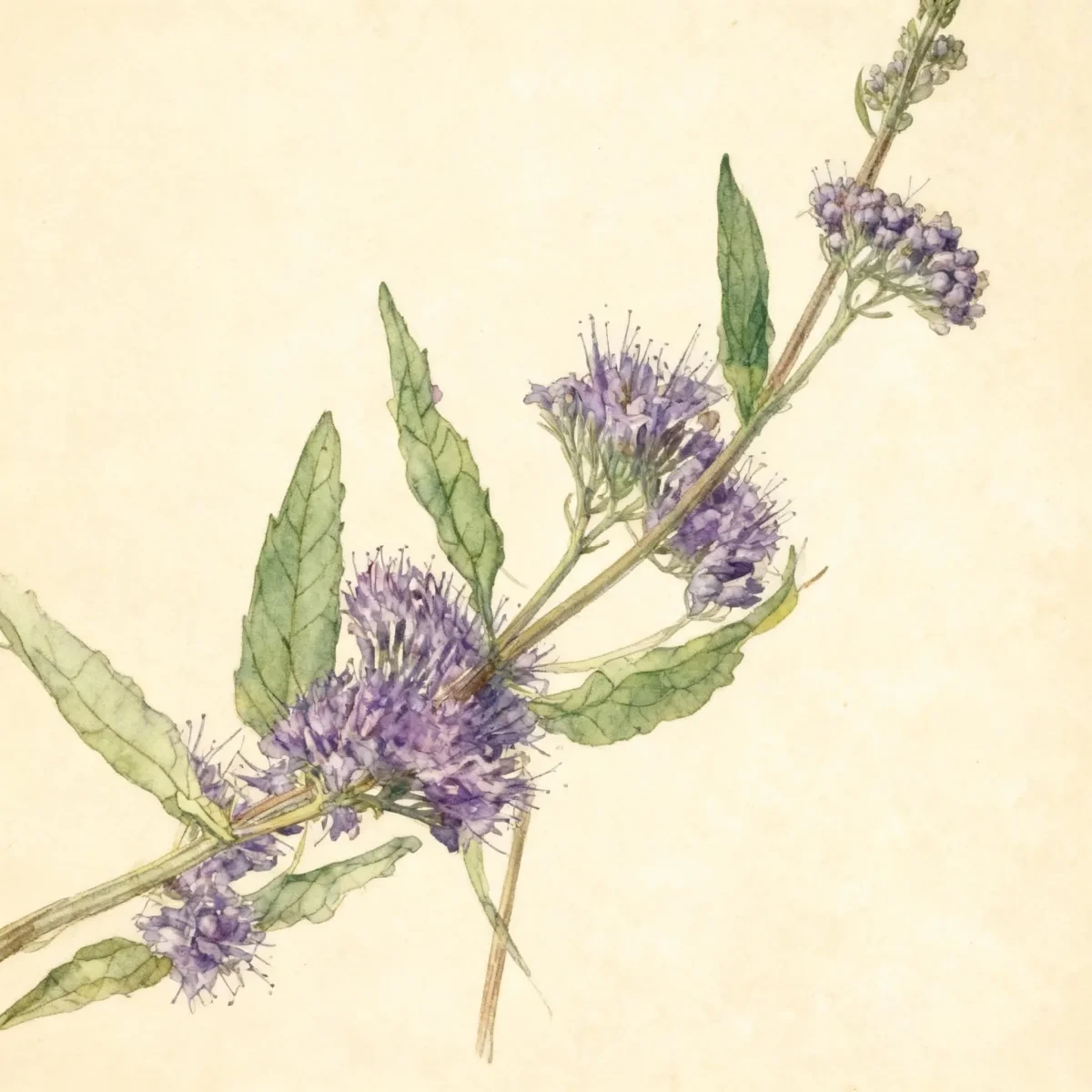
Caryopteris × clandonensis, commonly called bluebeard, blue spirea or blue mist, is a low-mounded, deciduous shrub that is valued for its aromatic foliage and late summer flowers which are said to resemble clouds of blue smoke or mist. The cultivar ‘Summer Sorbet’ is particularly noted for its green leaves with striking gold edging, alongside its characteristic blue flowers appearing from July through September. This plant attracts a wide range of beneficial insects, including butterflies and bees, making it an important addition for wildlife-friendly gardens.
Tolerances
- Drought
Potential Problems
Bluebeard generally exhibits few serious pest or disease issues, which contributes to its low maintenance rating. The primary cultural risk involves root health; crowns are susceptible to rotting if drainage is poor. Avoid planting this shrub in heavy, water-retentive clay soils or areas where water pools after rain.
If crown rot becomes an issue, correcting the garden environment by amending the soil with grit or incorporating raised beds is crucial for long-term survival. Routine hard pruning in spring helps maintain strong stems and prevents the shrub from becoming woody or leggy prematurely.
Frequently Asked Questions
What hardiness zones is Bluebeard suitable for?
Caryopteris × clandonensis ‘Summer Sorbet’ is hardy in USDA Zones 5 through 8, though gardeners in Zones 5 and 6 should anticipate significant winter dieback of the stems annually.
How large does Bluebeard grow?
This cultivar typically matures to a height and spread of 2 to 3 feet, making it an excellent mid-sized or front-of-border planting option.
What sun exposure does Bluebeard need?
For the best flowering and foliage variegation on your Caryopteris × clandonensis ‘Summer Sorbet’, it requires full sun exposure throughout the day.
When does Bluebeard bloom?
This specific variety of Bluebeard provides its signature blue flowers reliably from July through September, bridging the gap between mid-summer and early fall displays.
Conclusion
The variegated foliage and late-season blue flowers make Caryopteris × clandonensis ‘Summer Sorbet’ a dynamic and highly beneficial shrub for sunny gardens. Its low-maintenance nature and strong appeal to pollinators ensure it earns its place in mixed borders or as a specimen. Before planting, confirm your garden falls within USDA Zones 5-8 and that you can provide the full sun and excellent drainage this Bluebeard requires for peak performance.
Companion Planting
When planning garden partners for Caryopteris × clandonensis ‘Summer Sorbet’, select plants that share its requirements for full sun and well-drained soil. Consider pairing it with late-blooming perennials like Sedum (Hylotelephium), Russian Sage (Perovskia atriplicifolia), or hardy Aster varieties to extend the blue and purple color palette well into autumn. This combination creates a tapestry of late-season texture and reliable color.
For inorganic contrast, group the fine texture of Bluebeard against plants with strong vertical forms or broad leaves, such as ornamental grasses or Hostas (placed where they receive morning sun but afternoon shade, depending on heat). Successful companions respect the medium moisture needs of the Bluebeard and will not create excessively wet soil conditions around its shallow root system, especially during the dormant winter months.
Wildlife Benefits
The late flowering window of the Bluebeard is perhaps its most significant ecological contribution. As many summer-blooming shrubs fade, the Caryopteris × clandonensis ‘Summer Sorbet’ provides a crucial nectar source during the late summer months, sustaining migrating and late-season foraging pollinators.
The flowers are structurally attractive to small insects, ensuring a steady supply of food for bees and butterflies right up to the first hard frost. Furthermore, the aromatic crushed foliage may naturally deter casual browsing by deer or rabbits, though specific deer resistance should always be confirmed based on local pressure. Planting several specimens together enhances visibility for approaching beneficial insects.