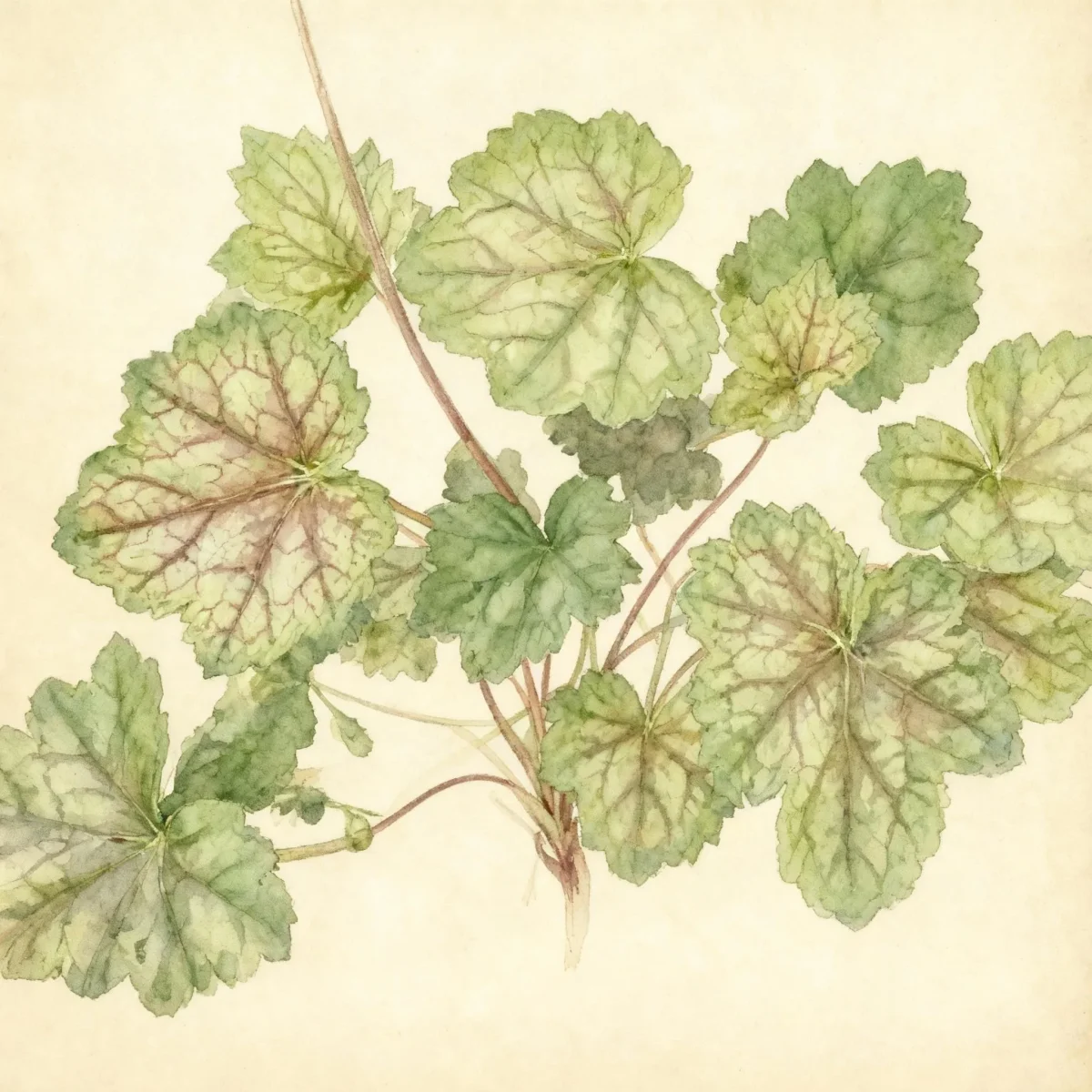
Coral bells (Heuchera 'Peach Flambe')
Heuchera 'Peach Flambe' Coral bells offer vibrant peach foliage transitioning to plum tones. Ideal for part shade borders in zones 4-9.
Scroll down to discover growing tips, care requirements, companion plants, and more
Complete Plant Information
Overview
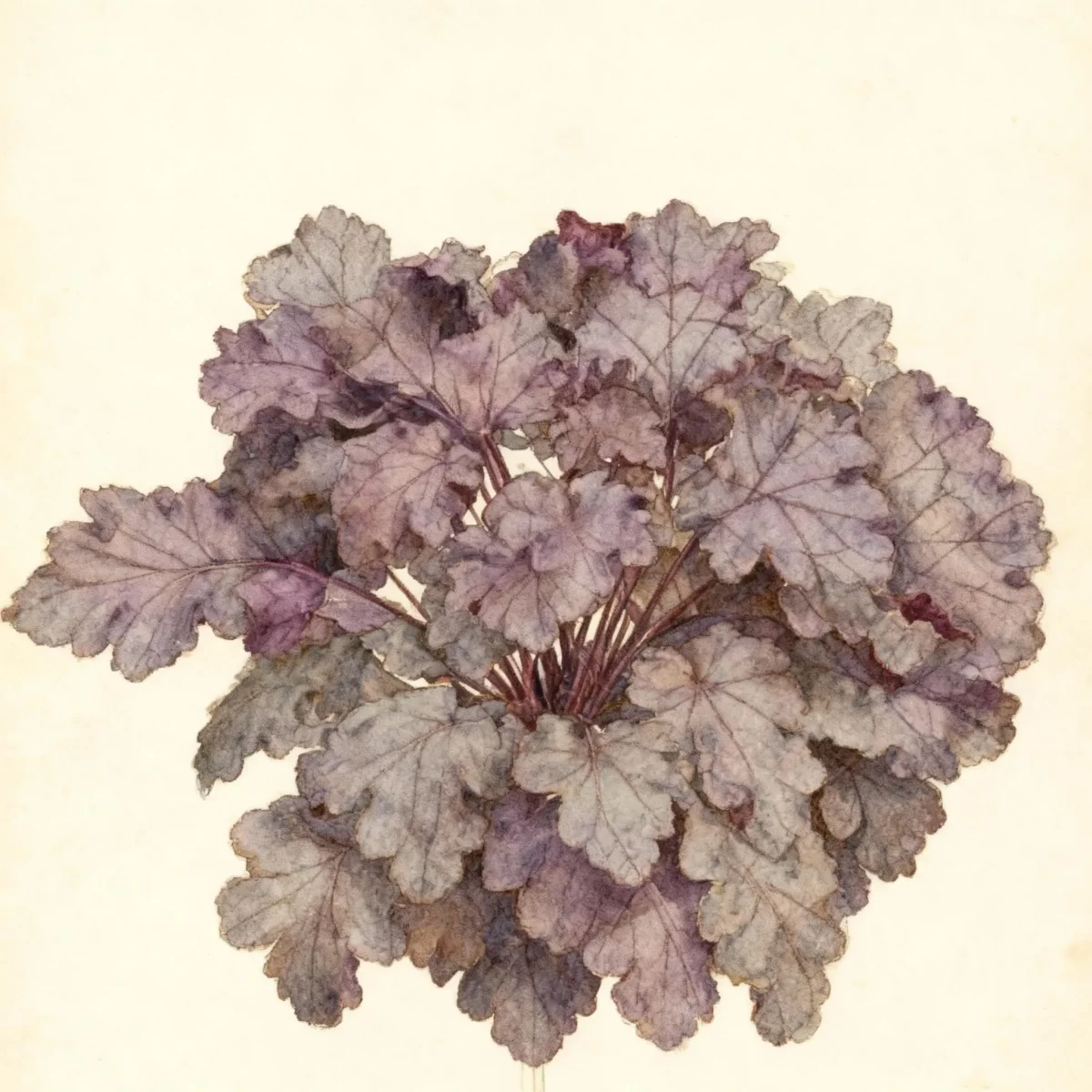
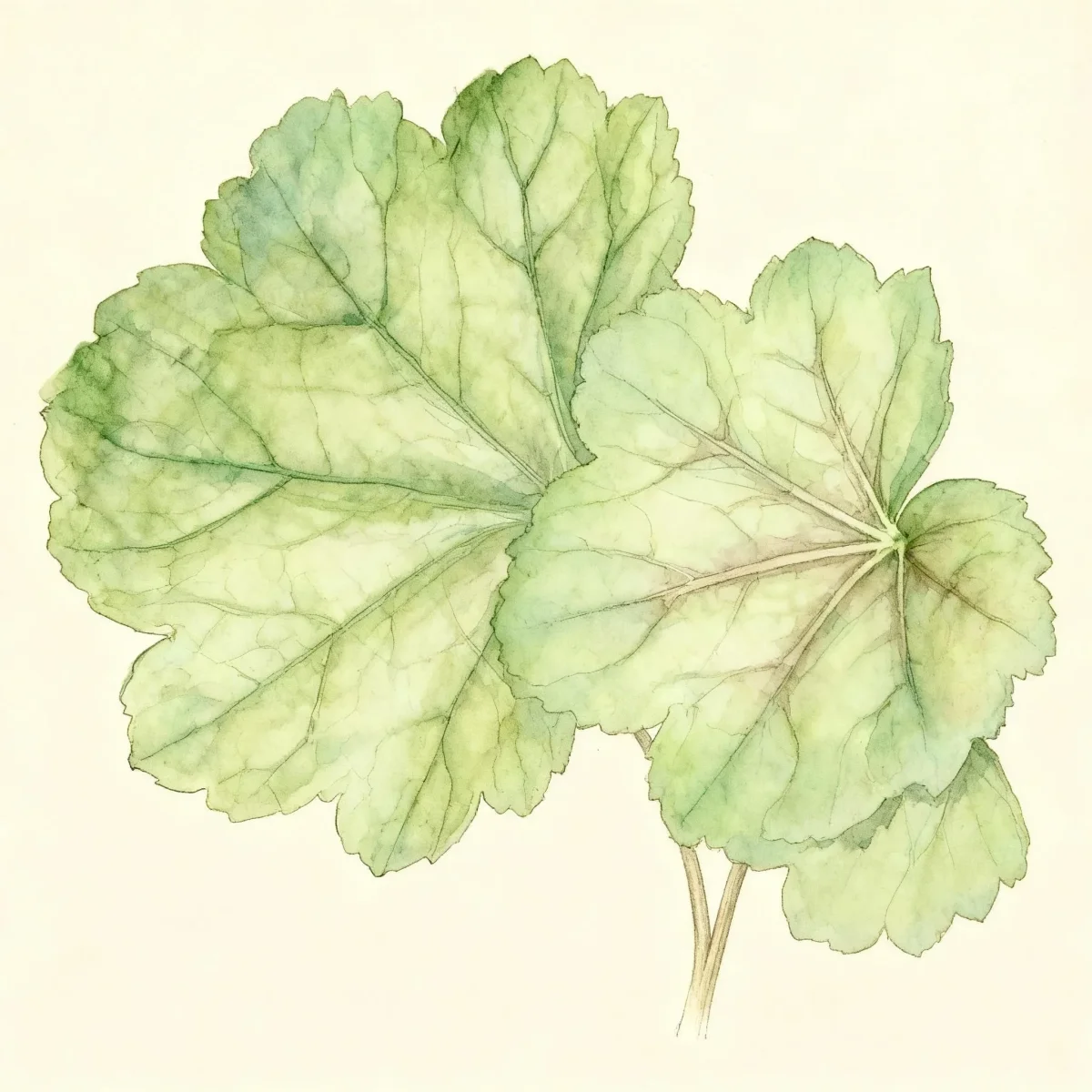
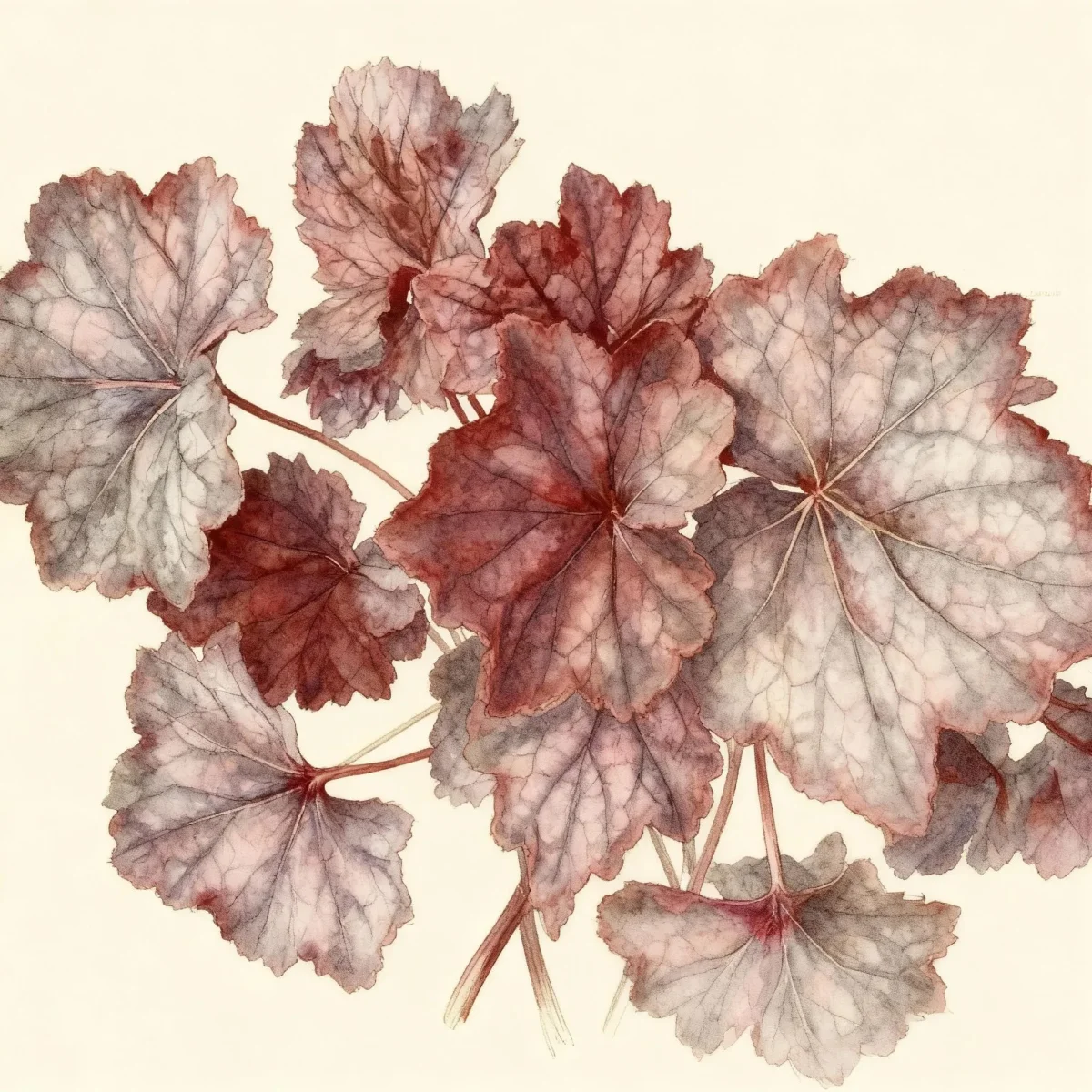
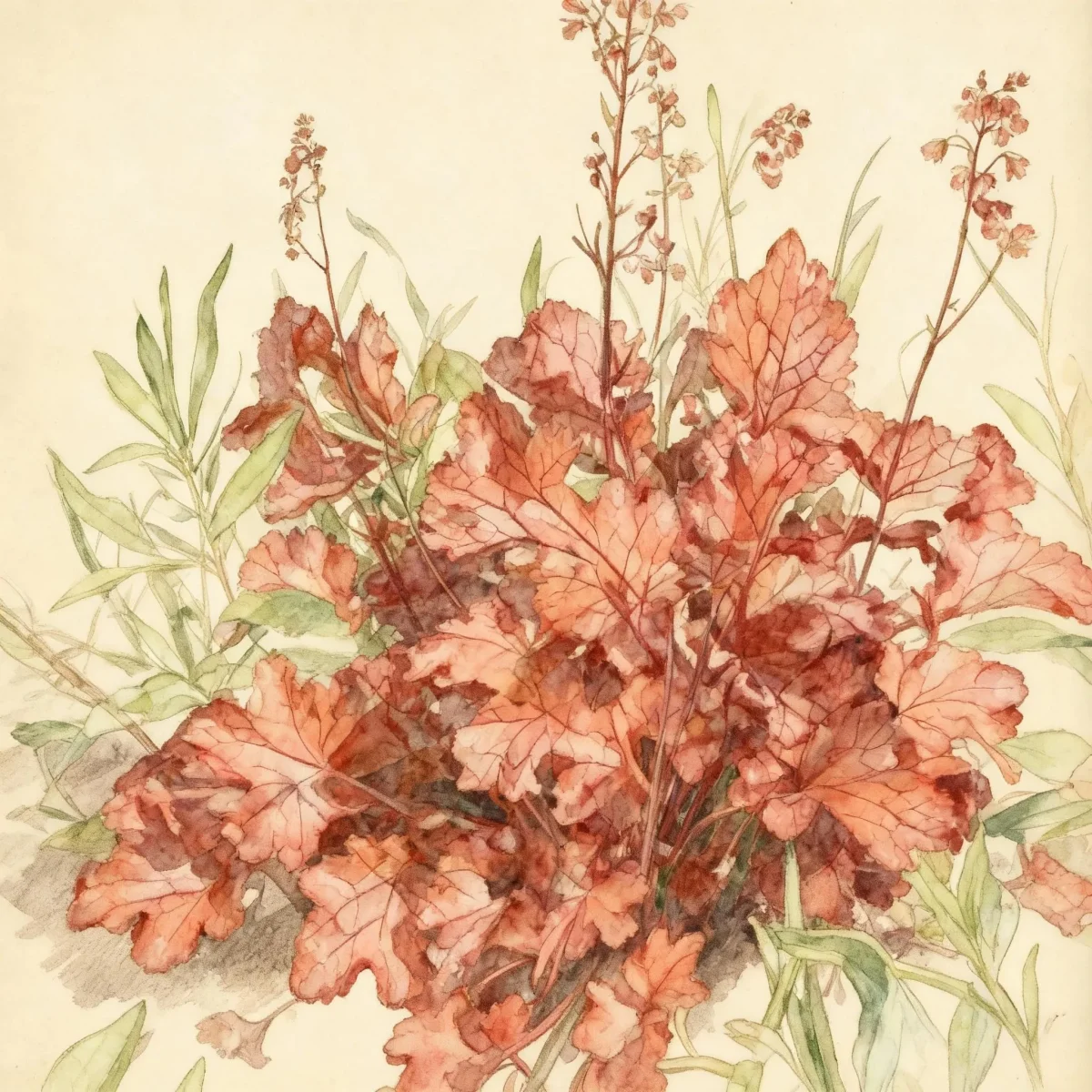
Heuchera ‘Peach Flambe’, commonly known as Coral bells, is highly valued by gardeners for its intensely colored, clump-forming foliage. This hybrid stands out with lobed, rounded leaves presenting a bright peach hue beautifully infused with red accents throughout the season. Belonging to the durable genus of Coral bells, this plant provides exceptional texture and color interest, often retaining its semi-evergreen nature in warmer climates.
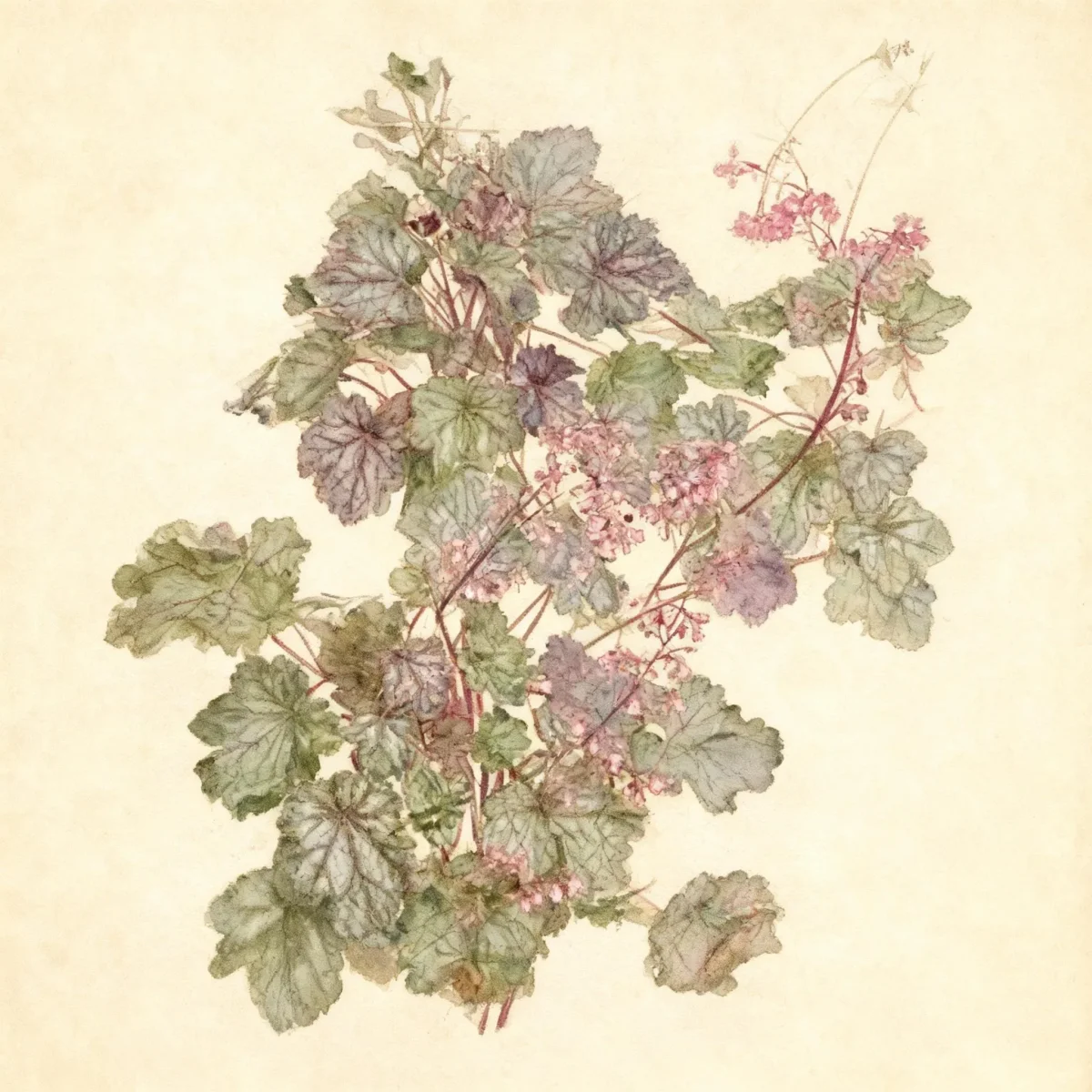
This herbaceous perennial forms a tidy basal mound, maintaining a neat habit perfect for edging or mass planting. While it produces delicate spikes of creamy white, bell-shaped flowers in early summer, the main attraction remains its dynamic leaf coloration that shifts as the seasons progress. Heuchera ‘Peach Flambe’ generally thrives when given protection from the harshest afternoon sun, especially in hotter regions.
For reliable performance, ensure consistent moisture and rich soil structure when incorporating Heuchera ‘Peach Flambe’ into your landscape. Whether used for year-round interest or its summer blooms, this cultivar provides low-maintenance color contrast, making it a staple in modern perennial designs.
Fast Facts
- Plant Family: Saxifragaceae
- Plant Type: Herbaceous perennial
- Hardiness Zones: USDA Zones 4-9
- Size at Maturity:
- Height: 0.75-1.5 ft
- Spread: 0.75-1.5 ft
- Bloom Time: June to July
- Bloom Description: Creamy white
- Sun Exposure: Full sun to part shade
- Water Needs: Medium
- Maintenance Level: Medium
How to Grow
Coral bells perform best when planted in early spring or fall, allowing the roots to establish before periods of extreme heat or cold. Locate Heuchera ‘Peach Flambe’ in organically rich, humusy soil that drains exceptionally well. While these plants tolerate full sun in cooler northern zones, most benefit greatly from afternoon shade, which prevents scorched foliage, especially in southern locations.
Water consistently to keep the soil consistently moist but never soggy. If you choose to grow this cultivar in full sun, meticulous attention to watering is crucial, as allowing the soil to dry out can quickly cause leaf decline in this variety of Coral bells. Fertilization is rarely necessary if your initial soil preparation was thorough, incorporating ample compost. Deadheading faded flower stems encourages a tidier appearance, though it is not required for plant survival.
Foliage color retention in winter heavily depends on winter severity; in significantly cold regions, apply a protective layer of winter compost mulch only after the ground freezes to mitigate root heaving. For vigorous growth and to rejuvenate older clumps, plan to divide your Heuchera ‘Peach Flambe’ every three to four years during the spring season.
Landscape Uses
Heuchera ‘Peach Flambe’ is highly versatile, lending itself well to various landscape applications due to its consistent mounding habit and bright foliage. It excels when massed together to create swathes of undulating peach and red tones, adding crucial foreground interest to mixed borders. It also performs beautifully as a defined edger along wooded paths or walkways where its refined texture can be appreciated up close.
These Coral bells fit seamlessly into established woodland garden settings, complementing ferns and hostas that share similar needs for dappled light. Furthermore, their contained size makes them perfect candidates for rock gardens, adding year-round visual warmth against gray stone accents. Consider pairing Heuchera ‘Peach Flambe’ with plants that offer strong dark foliage, such as dark-leaved Heucherella or black Mondo grass, to make the peach coloration truly pop.
Standout Features
Flower Qualities
- Showy
Noteworthy Characteristics
Heuchera, commonly called coral bells or alumroot, comprises around 55 species of evergreen to semi-evergreen herbaceous perennials native to North America. Hybrid cultivars like ‘Peach Flambe’ now offer an expanded palette of leaf colors beyond what their native parents provided, featuring shades like orange-yellow, red, and bronze. ‘Peach Flambe’ specifically develops lobed, bright peach leaves laced with red, often deepening to plum tones as fall progresses, forming a compact mound beneath airy stems of creamy white flowers.
Landscape Uses
- Mass or plant in groups.
- Rock gardens, borders and open woodland gardens.
- Effective as an edger along paths or walkways.
Tolerances
- Good resistance to powdery mildew
Potential Problems
While generally robust, Heuchera ‘Peach Flambe’ may face issues related to improper placement or climate variability. Frost heaving is a common concern where wide temperature fluctuations occur in winter, potentially pushing shallow roots out of the soil; mulching after the ground freezes helps stabilize the root zone. Foliage health can be compromised by fungal issues such as rust or bacterial leaf spot, often exacerbated by poor air circulation or overly wet conditions.
Insect pests are uncommon but can occasionally include weevils or foliar nematodes. The most important preventative measure is ensuring excellent drainage, as wet winter soils are the primary catalyst for many cultural and disease problems for this type of Coral bells. If powdery mildew appears, improve air movement and avoid overhead watering during high humidity.
Frequently Asked Questions
What hardiness zones is Coral bells suitable for?
Heuchera ‘Peach Flambe’ is reliably hardy in USDA Zones 4 through 9.
How large does Coral bells grow?
This cultivar typically matures to a height between 0.75 and 1.5 feet tall, with a spread ranging from 0.75 to 1.5 feet wide, forming a compact mound.
What sun exposure does Heuchera ‘Peach Flambe’ need?
This plant prefers full sun to part shade, generally needing afternoon shade in hotter climates to prevent foliage scorch.
When does Heuchera ‘Peach Flambe’ bloom?
Coral bells typically bloom from June to July, offering small, bell-shaped flowers described as creamy white.
Conclusion
The unique, vibrant peach-to-plum foliage of Heuchera ‘Peach Flambe’ ensures that this perennial remains a striking textural element in the garden beds from spring through fall. As a reliable member of the Coral bells family, it asks for rich, well-drained soil and manageable afternoon shade for the best color display. Assess your local USDA hardiness rating and planting location before adding this outstanding perennial.
Companion Planting
Selecting appropriate companions is key to highlighting the standout foliage of Heuchera ‘Peach Flambe’. Because it thrives in part shade and rich, consistent moisture, pair it with other shade-tolerant favorites that contrast in texture or color. Consider Hosta varieties with blue or deep green foliage, which will make the warm peach tones of the Coral bells appear even brighter.
Plants with glossy leaves, such as certain varieties of Japanese Forest Grass (Hakonechloa macra), offer movement and fine texture that plays nicely against the rounded lobes of the Heuchera leaves. Furthermore, woodland bulbs like spring ephemerals bloom before the Coral bells reaches its mature summer size, ensuring continuous interest in the border.
Seasonal Care Calendar
Spring is the optimal time to divide established clumps of Heuchera ‘Peach Flambe’ if they appear overcrowded or lose performance. As temperatures rise into summer, focus keenly on consistent watering, particularly if the plant is exposed to more sun than preferred; this is also when you can deadhead spent flower stalks.
As the season winds down toward autumn, the foliage of these Coral bells often deepens in color, transitioning toward plum tones. In late fall, after the ground has frozen solid in colder regions, apply a light layer of compost mulch to insulate the roots and prevent winter movement. Minimal cleanup is usually required, as much of the foliage persists.