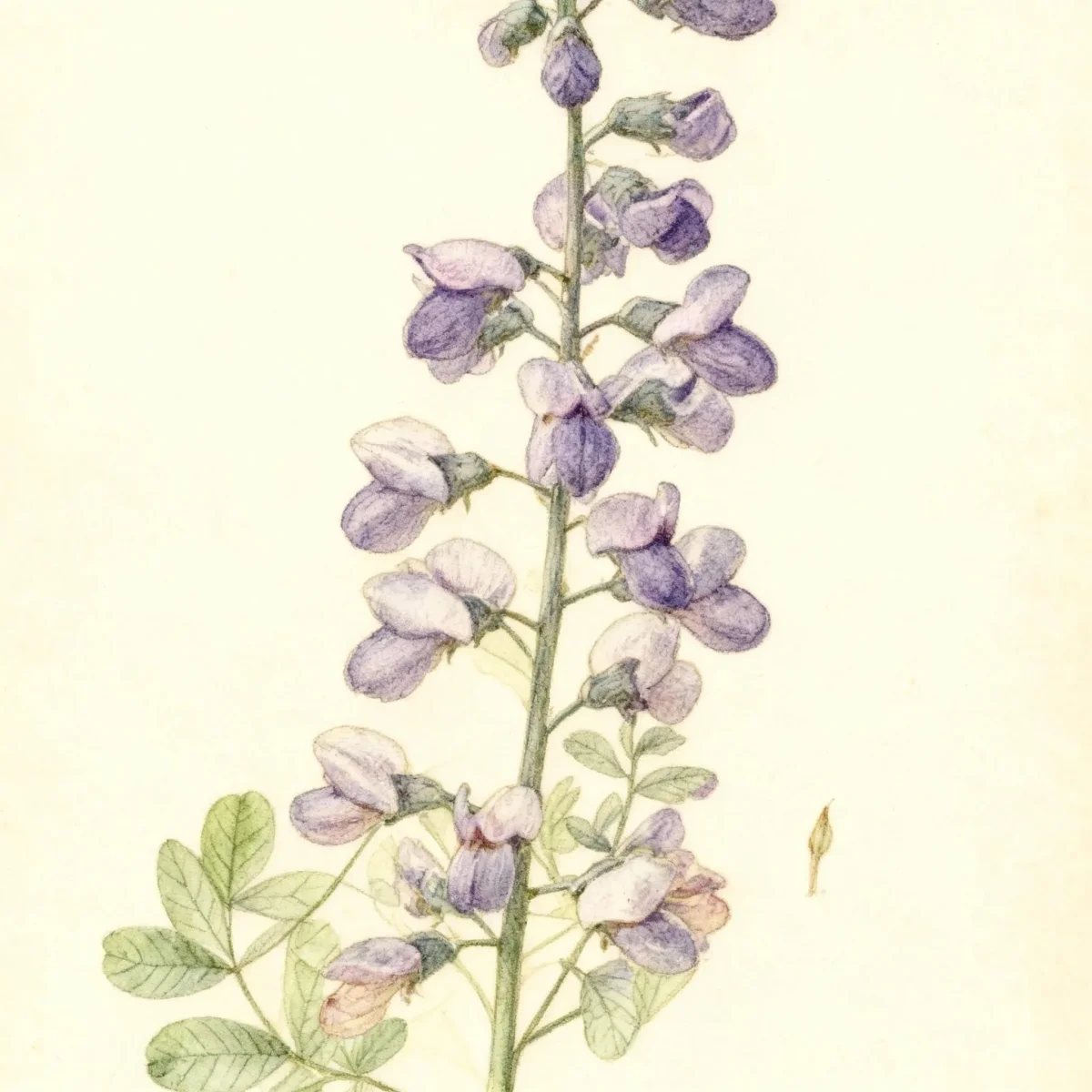
Bush clover (Lespedeza bicolor 'Yakushima')
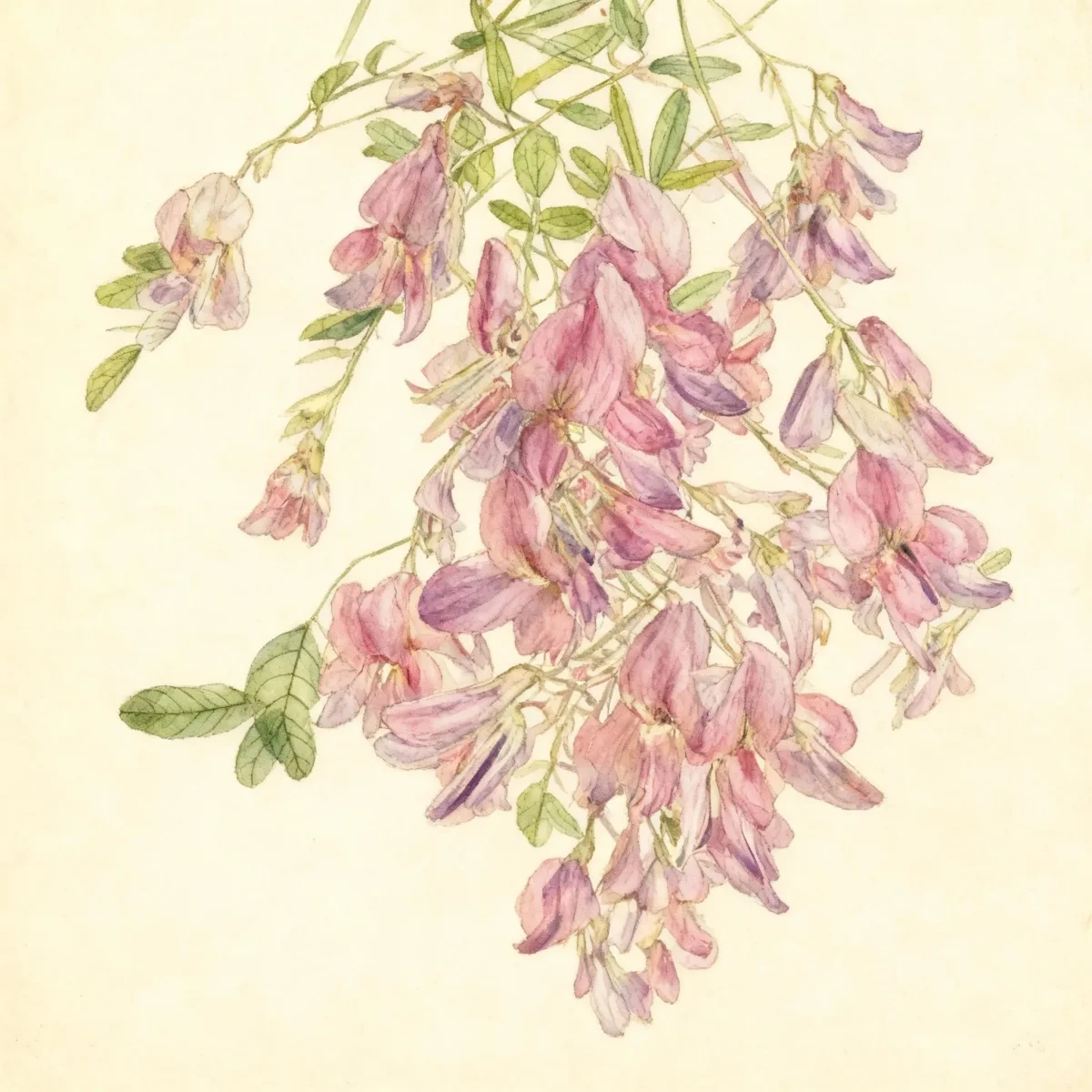
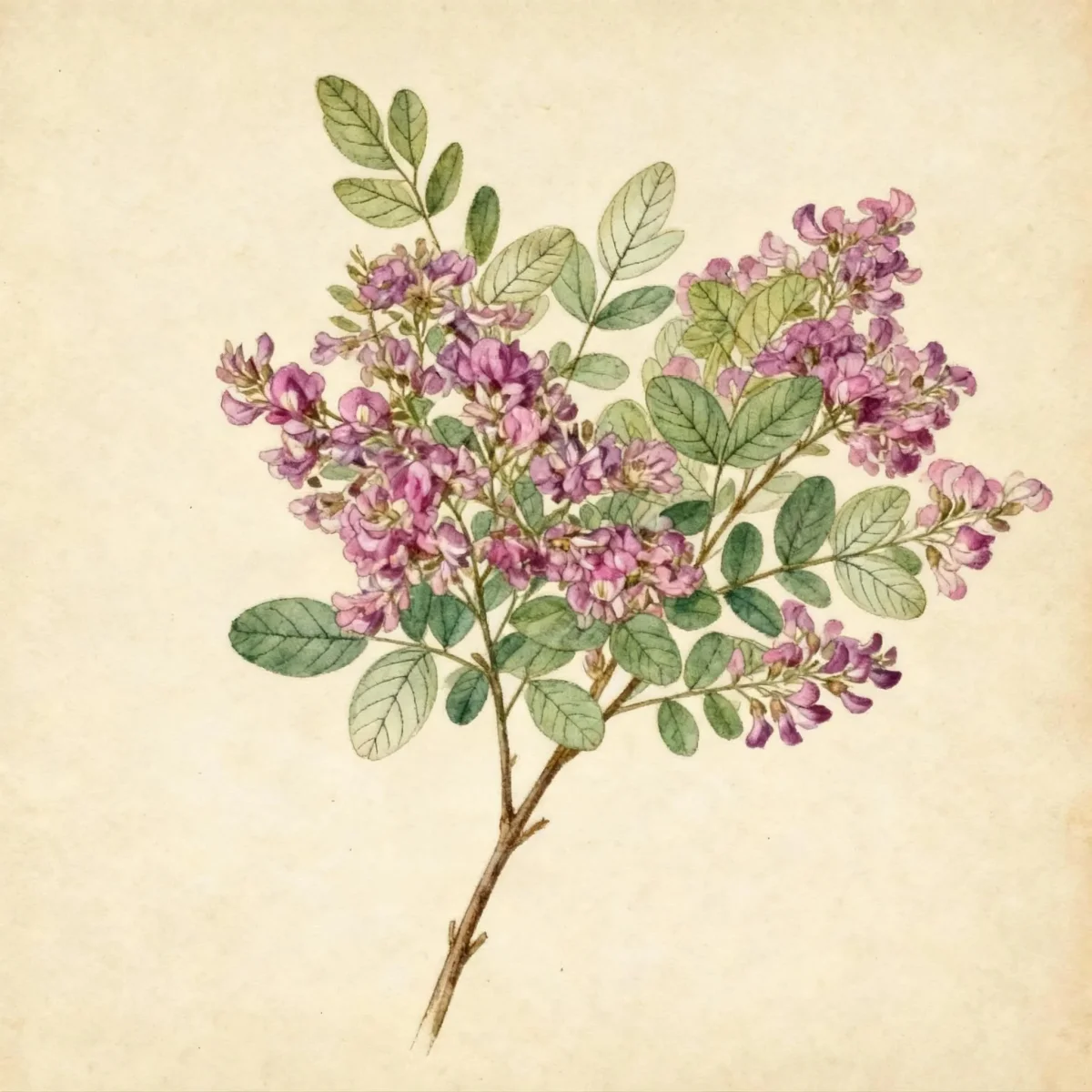
Lespedeza bicolor 'Yakushima' (Bush clover) is a dwarf, low-maintenance deciduous shrub offering violet purple blooms from August to September.
Scroll down to discover growing tips, care requirements, companion plants, and more
Complete Plant Information
Overview
Lespedeza bicolor ‘Yakushima’, often recognized as a dwarf cultivar of Bush clover, offers exceptional late-season color in a manageable size for smaller gardens. Valuable for its low-maintenance nature, this deciduous shrub provides attractive violet purple pea-like flowers late in the summer season. It thrives in drier soils where many other ornamentals struggle, making it a resilient addition to the landscape.
This specific cultivar, Lespedeza bicolor ‘Yakushima’, remains compact, typically forming a neat mound only 1 to 1.5 feet tall and wide. Unlike its larger relatives, its contained size minimizes concerns about invasiveness while still providing the aesthetic appeal of flowering Bush clover. Its attractive blue-green trifoliate leaves complement the summer blooms beautifully.
Gardeners appreciate this plant for its drought tolerance and its ability to provide necessary color when many other perennials are finished blooming. Whether used in rock gardens or mass plantings, Lespedeza bicolor ‘Yakushima’ is a reliable performer that requires minimal intervention once established.
Fast Facts
- Plant Family: Fabaceae
- Plant Type: Deciduous shrub
- Hardiness Zones: USDA Zones 4-8
- Size at Maturity:
- Height: 1-1.5 ft
- Spread: 1-1.5 ft
- Bloom Time: August to September
- Bloom Description: Violet purple
- Sun Exposure: Full sun to part shade
- Water Needs: Dry to medium
- Maintenance Level: Low
How to Grow
Planting Lespedeza bicolor ‘Yakushima’ should occur when conditions allow roots to establish before extreme heat or cold sets in, generally spring or early fall. This desirable cultivar prefers well-drained soil explicitly, as standing water is detrimental to root health. While it grows in average soil, it performs best in infertile, dryish conditions, making it excellently suited for slopes or poor garden spots.
Watering needs for Bush clover are dry to medium; once established, it exhibits significant drought tolerance. Avoid routine heavy fertilizing, as this can encourage weak, floppy growth rather than dense flowering wood. The most crucial care task involves pruning.
Since Lespedeza bicolor ‘Yakushima’ blooms strictly on new growth, prune aggressively in late winter or very early spring. Cutting the stems back, sometimes even to the ground in colder zones, stimulates the rapid regrowth that will bear the summer flowers. In harsh winters, top growth may die back, but the roots remain hardy to Zone 4, behaving much like a tough herbaceous perennial.
Landscape Uses
The compact stature of Lespedeza bicolor ‘Yakushima’ makes it incredibly versatile for areas needing dependable late-season interest without overwhelming the space. Group or mass plantings create attractive drifts of violet purple color along borders or the front edge of shrub beds. Its rugged nature also makes it highly effective when placed on slopes and banks to naturally assist with erosion control.
Consider using this dwarf Bush clover in xeriscapes or dry perennial areas where plants must tolerate fluctuating moisture levels. It pairs well with other sun-loving, low-water natives or sturdy late-season bloomers like Sedum (Hylotelephium) or various ornamental grasses that provide textural contrast. Its short height prevents it from obscuring shorter neighbors.
For a soft, naturalized look, allow Lespedeza bicolor ‘Yakushima’ to blend into open woodland garden margins where it receives dappled afternoon shade. It serves as an excellent textural transition between formal garden beds and wilder, more naturalized areas of the yard.
Standout Features
Flower Qualities
- Showy
Noteworthy Characteristics
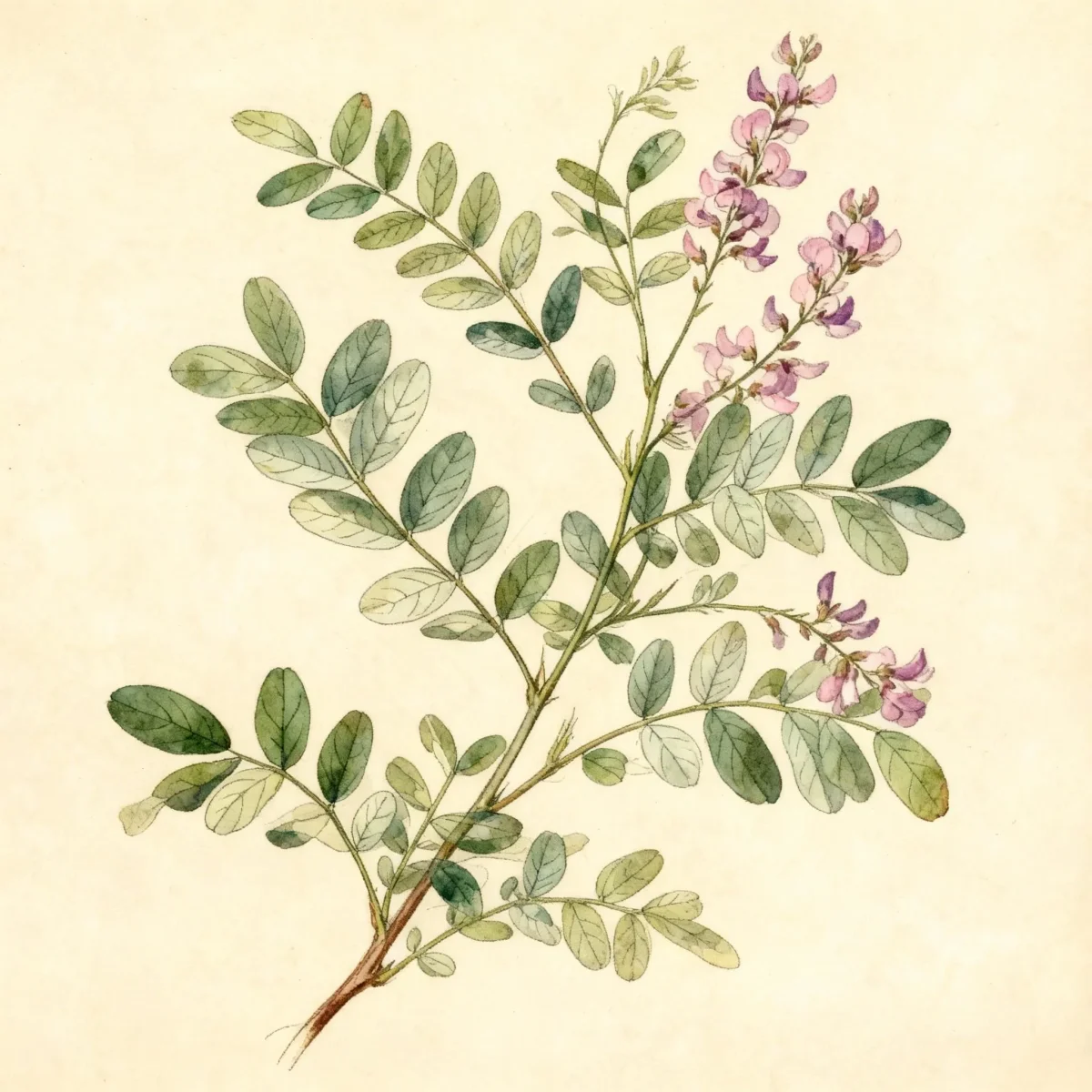
Lespedeza bicolor, commonly called bush clover, is typically a loose, open deciduous shrub that can grow quite large, though the ‘Yakushima’ cultivar is notably different. This dwarf form remains notably small, reaching only 12-18 inches tall and wide, featuring smaller leaves and a less aggressive growth habit than the species. Flowers on Lespedeza bicolor ‘Yakushima’ are an attractive violet purple, blooming late in the season atop blue-green trifoliate foliage.
Tolerances
- Drought
- Erosion
- Dry Soil
Potential Problems
This plant generally avoids serious insect or disease problems, contributing significantly to its low-maintenance appeal. Gardeners should primarily focus on proper pruning techniques rather than pest management. Overwatering or planting in heavy, poorly draining clay soil represents the biggest cultural risk, potentially leading to crown rot rather than pest infestation.
Frequently Asked Questions
What hardiness zones is Bush clover suitable for?
Lespedeza bicolor ‘Yakushima’ is generally hardy and performs well across USDA Zones 4 through 8.
How large does Bush clover grow?
The dwarf cultivar Lespedeza bicolor ‘Yakushima’ maintains a compact size, typically reaching only 1 to 1.5 feet in both height and spread at maturity.
When does Bush clover bloom?
This variety provides excellent late-season color, blooming reliably from August through September with beautiful violet purple flowers.
What sun exposure does Lespedeza bicolor ‘Yakushima’ need?
It thrives best in full sun but tolerates partial shade, requiring good light exposure to maximize its bloom production.
Conclusion
Lespedeza bicolor ‘Yakushima’ is an invaluable, resilient choice for gardeners seeking low-maintenance structure and vibrant late-season color. This dwarf Bush clover provides significant aesthetic benefits without the vigorous growth often associated with its larger species. Confirm your local hardiness zone compatibility and plan for a late winter pruning session to ensure maximum flowering performance this August.
Companion Planting
When selecting partners for Lespedeza bicolor ‘Yakushima’, focus on plants that share its preference for full sun and excellent drainage. Consider pairing it with plants that have contrasting textures or bloom times, such as Prairie Dropseed (Sporobolus heterolepis), which offers airy movement. Hardy Geraniums may provide excellent ground cover around the bases, accepting the drier soil conditions as the Bush clover matures.
Wildlife Benefits
As members of the Fabaceae (legume) family, Bush clover species are attractive to numerous beneficial insects. While the focus here is on the compact ‘Yakushima’, the late-summer blossoms provide a crucial nectar source for pollinators when many other garden plants have finished flowering. Planting this shrub supports local biodiversity by offering resources late into the season, helping sustain bees and butterflies as they prepare for cooler weather.