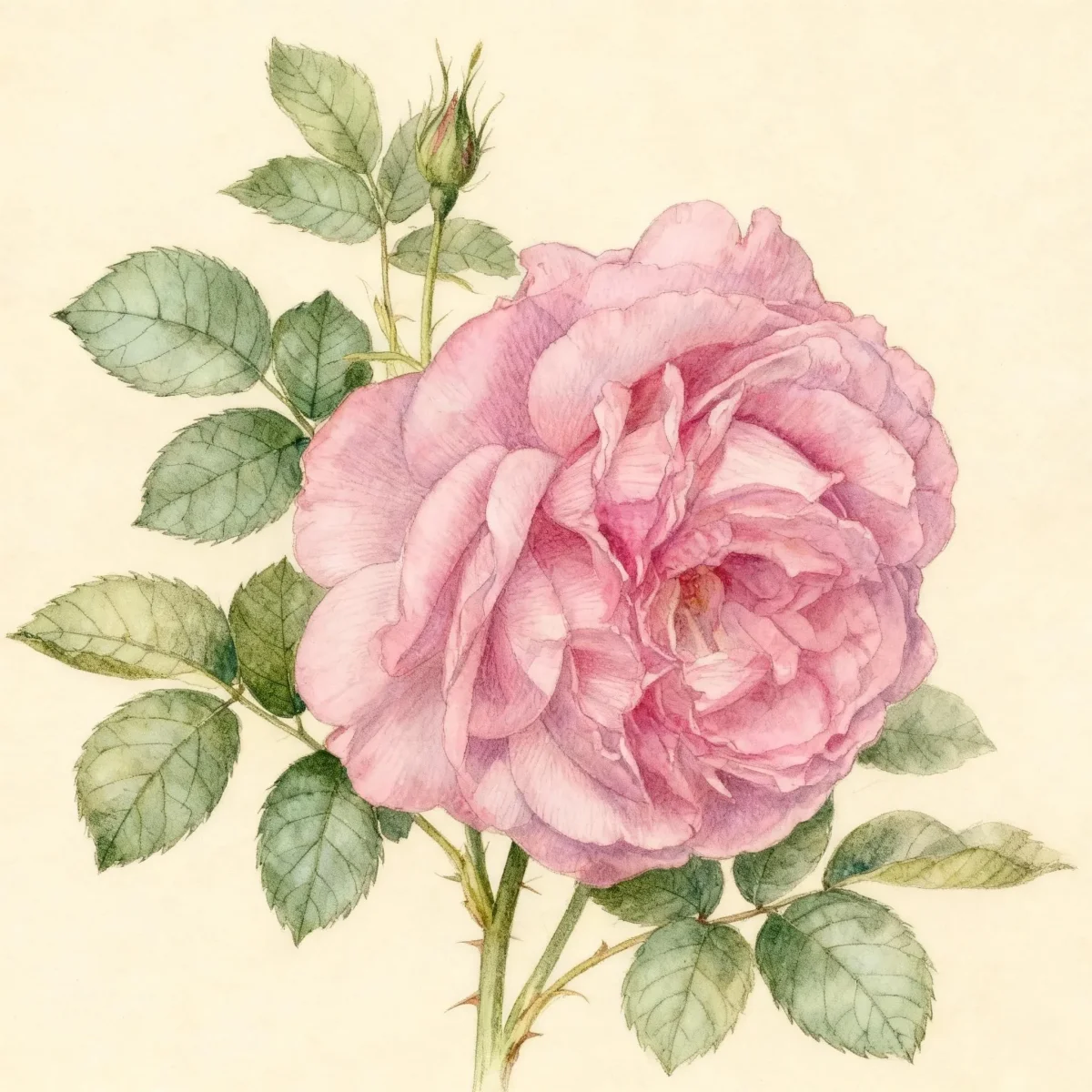
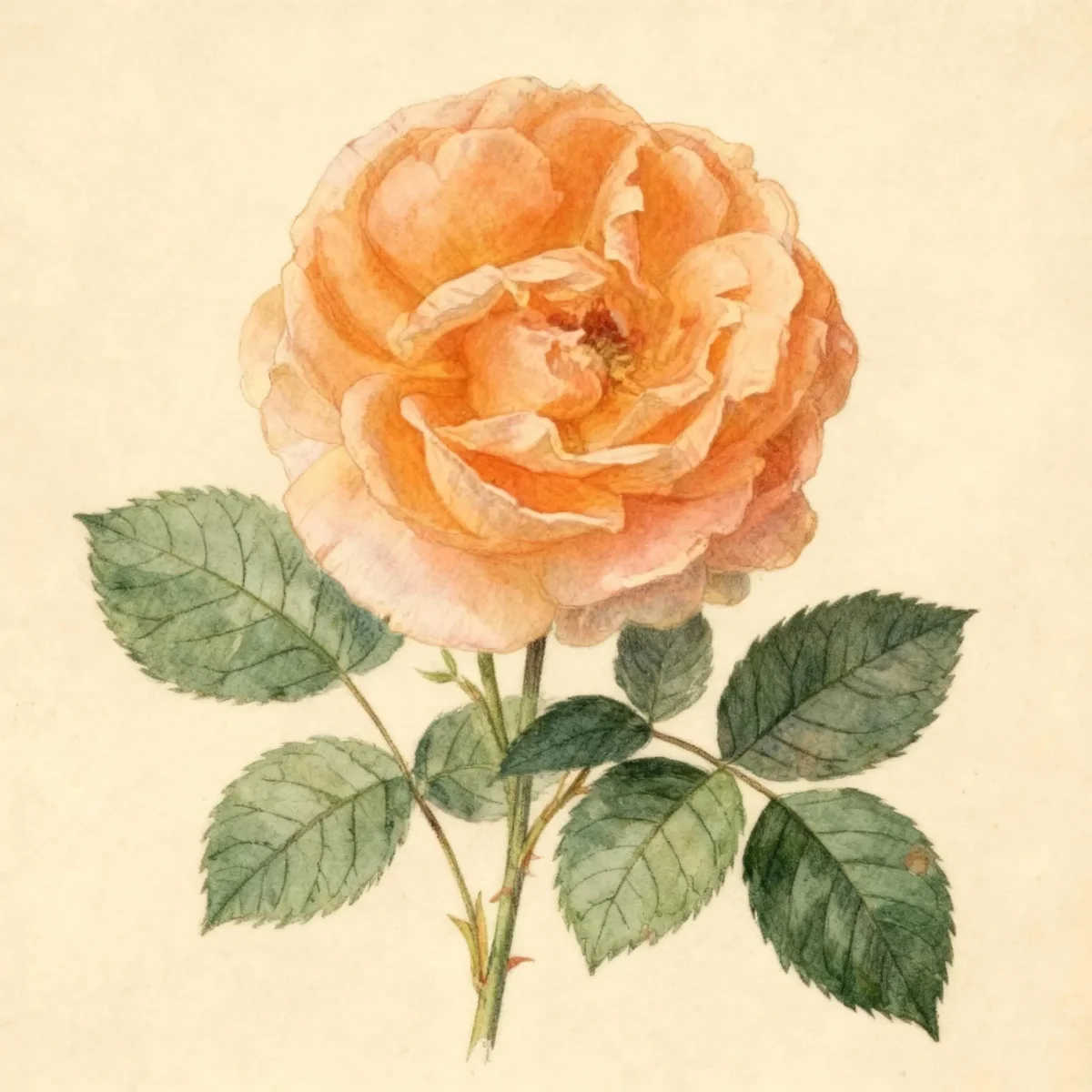
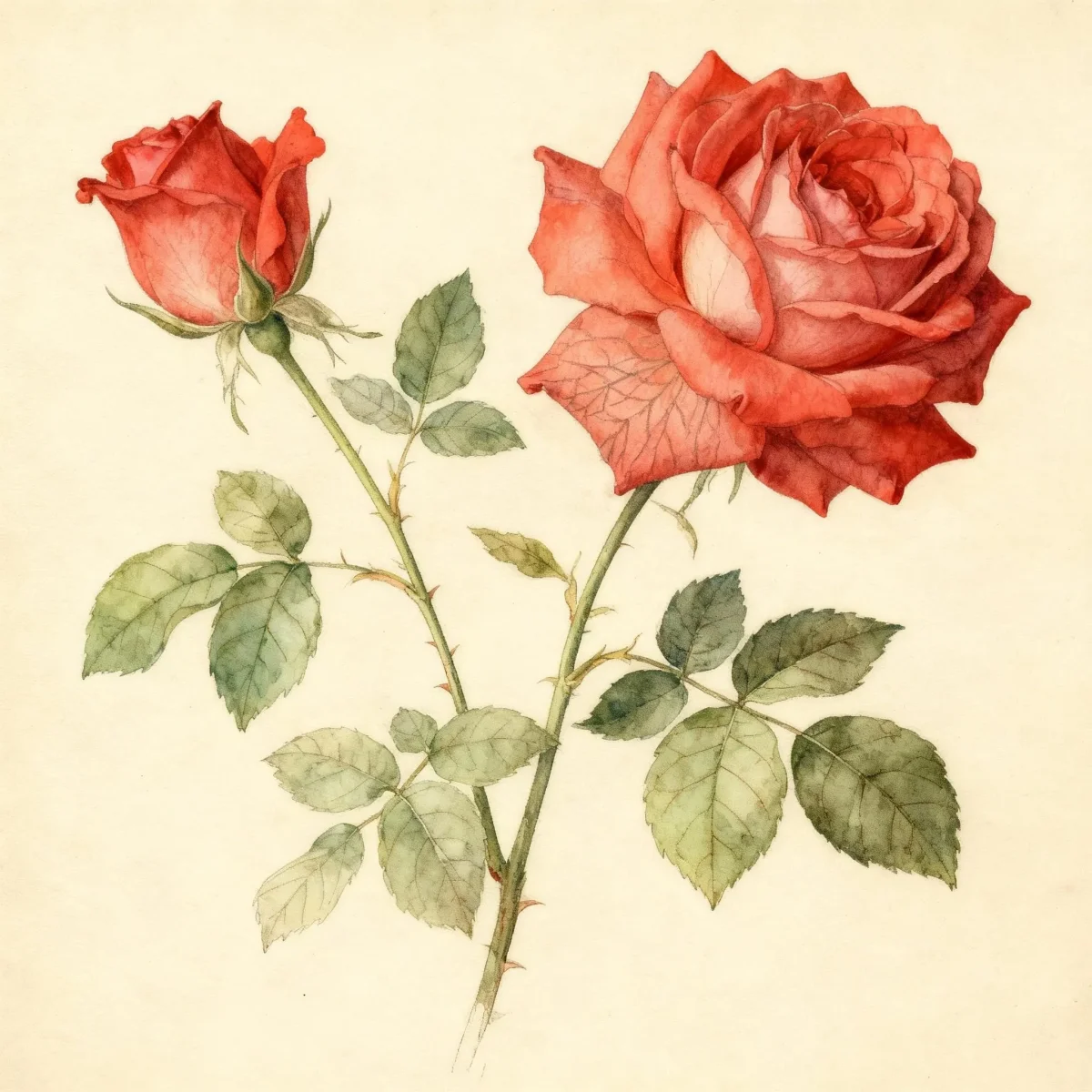
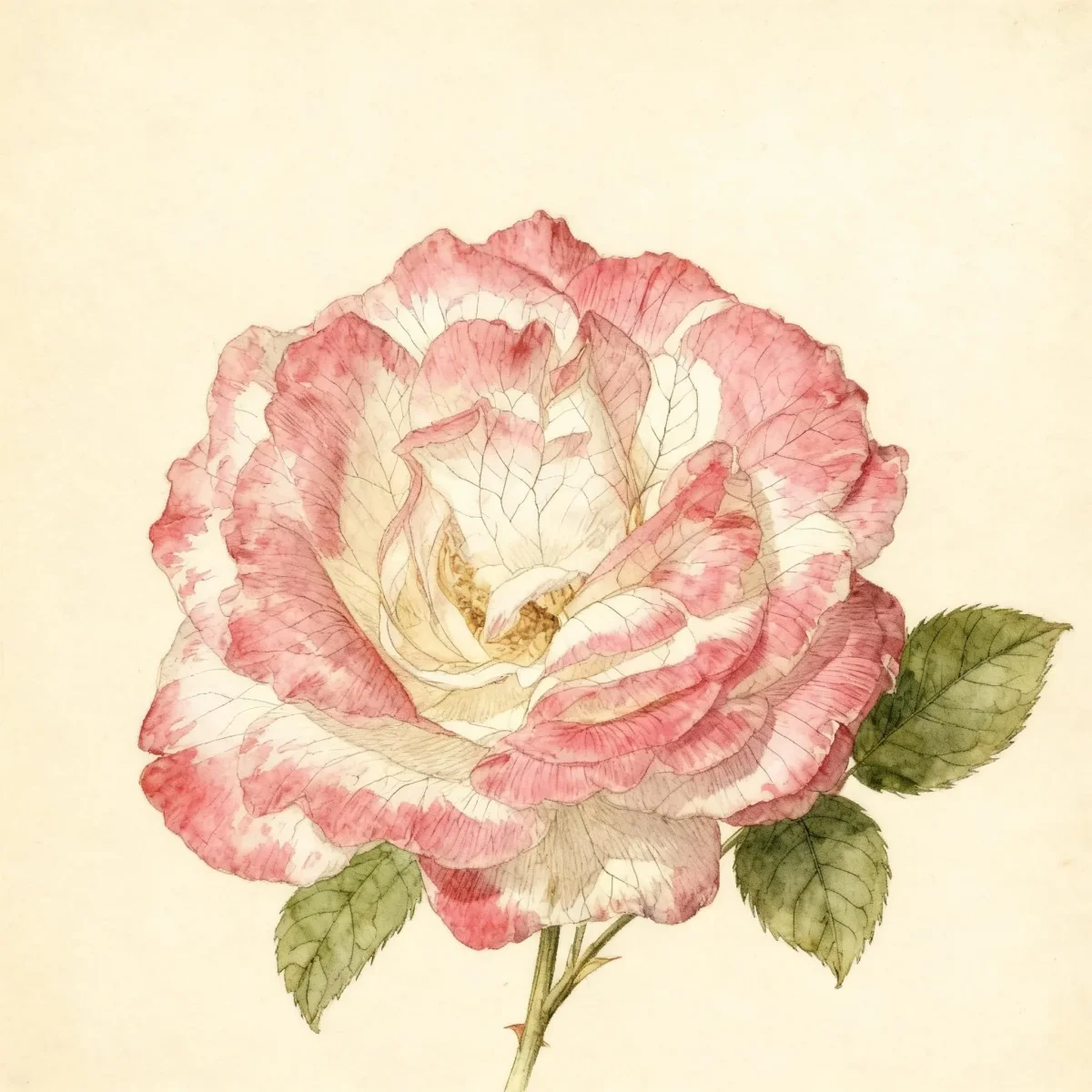
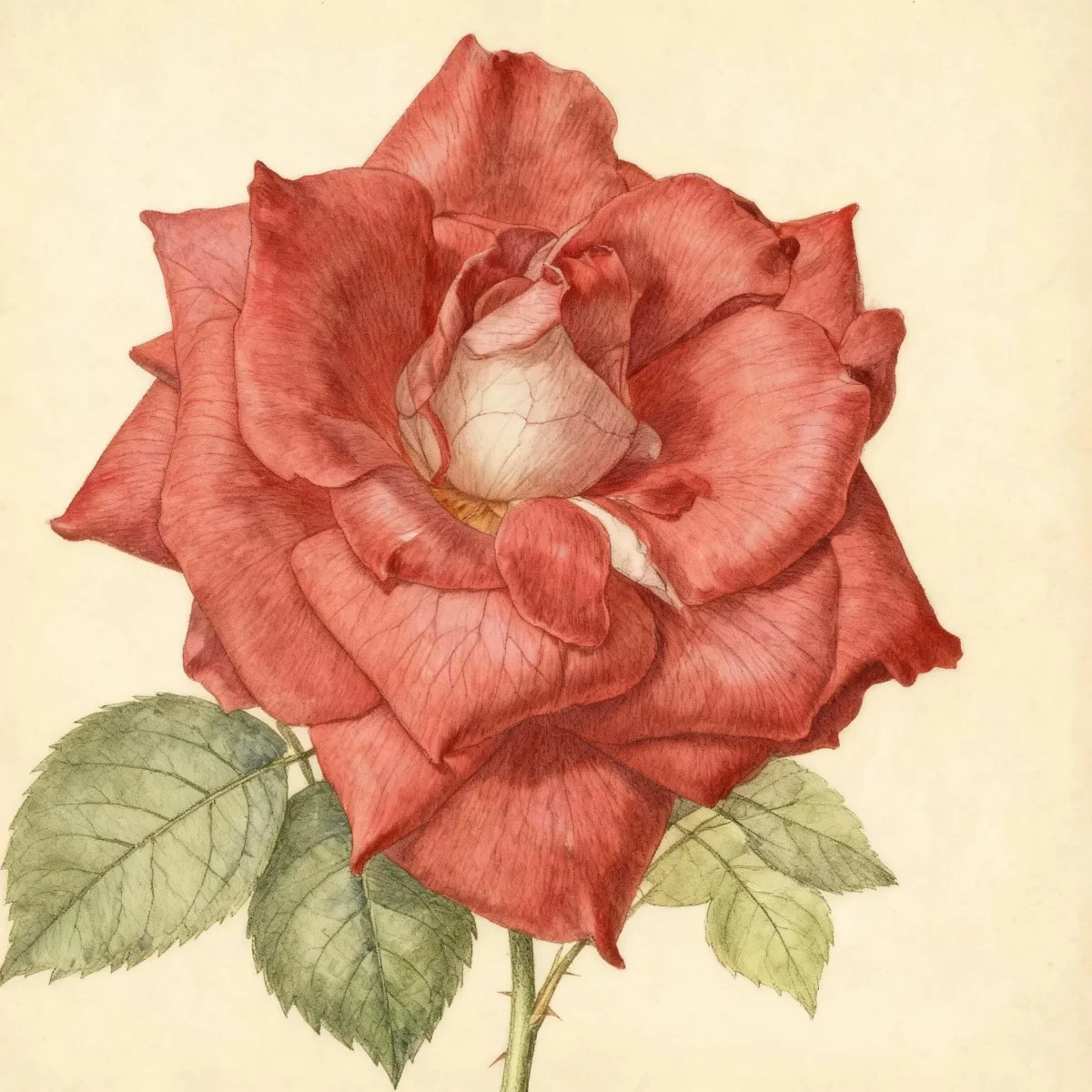
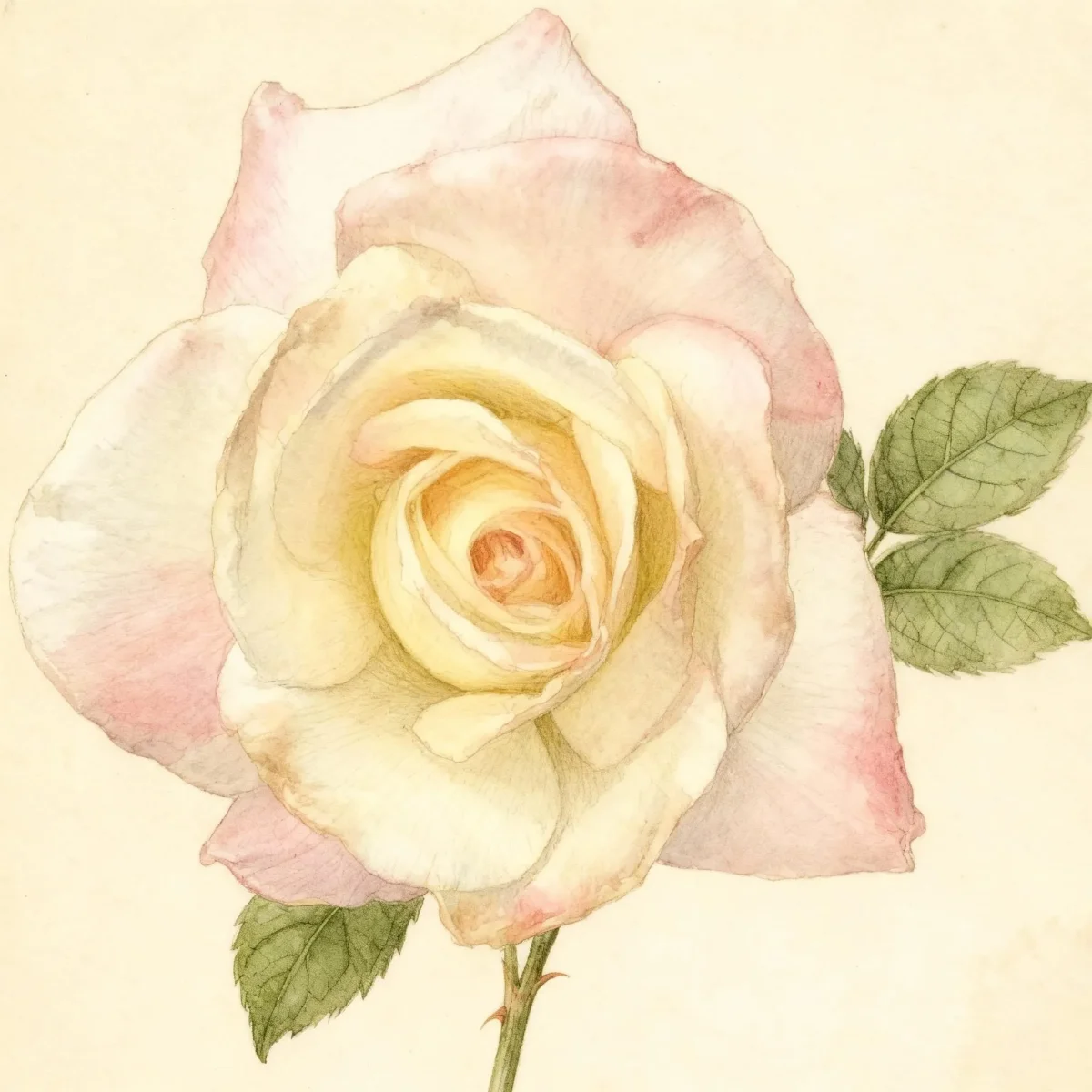
Hybrid tea rose (Rosa 'Korbilant' PAROLE)
Discover Rosa 'Korbilant' PAROLE, a fragrant Magenta-pink Hybrid tea rose, ideal for gardens in USDA Zones 5-9. Medium maintenance.
Scroll down to discover growing tips, care requirements, companion plants, and more
Complete Plant Information
Overview
Rosa ‘Korbilant’ PAROLE, known commercially as PAROLE, is a vigorous Hybrid tea rose prized for its extraordinarily fragrant, large, magenta-pink blooms. This cultivar produces classic florist-style flowers, often reaching 5 to 6 inches in diameter, making it a standout feature in any landscape or cutting garden. As a Hybrid tea rose, it offers long stems and high-centered blooms that reliably repeat from late May until the first frost.
This deciduous shrub typically matures between 3 and 4 feet tall and wide, fitting well into structured garden environments. While it demands medium maintenance to achieve peak performance, the reward is continuous season-long color and perfume. Good air circulation and attentive care will ensure strong plants and help manage common rose issues.
The glossy, dark green foliage provides an excellent backdrop for the rich coloring of the Rosa ‘Korbilant’ PAROLE flowers. Whether planted as a specimen, used in a formal border, or harvested for bouquets, this cultivar exemplifies the elegance associated with the best Hybrid tea roses. Gardeners must ensure it receives adequate sun exposure to maximize its flowering potential.
Fast Facts
- Plant Family: Rosaceae
- Plant Type: Deciduous shrub
- Hardiness Zones: USDA Zones 5-9
- Size at Maturity:
- Height: 3-4 ft
- Spread: 3-4 ft
- Bloom Time: May to frost
- Bloom Description: Magenta-pink
- Sun Exposure: Full sun
- Water Needs: Medium
- Maintenance Level: Medium
How to Grow
Planting Rosa ‘Korbilant’ PAROLE is best achieved when the plant is dormant, typically in early spring or fall, ensuring the roots establish before temperature extremes. Aim for a location providing full sun, which is crucial for the best flowering and superior disease resistance, although it will tolerate some light shade. The soil must be a well-drained garden loam, ideally slightly acidic, and kept consistently medium in moisture.
Consistent watering is vital for this Hybrid tea rose; water deeply and regularly, focusing moisture at the base of the plant, preferably in the mornings. Avoid overhead watering to help minimize the risk of fungal diseases thriving on wet foliage. Implementing a summer mulch layer is highly recommended to conserve soil moisture, keep the roots cool, and suppress competing weeds.
Maintaining a schedule of deadheading—removing spent flowers—is necessary to vigorously encourage the continuous rebloom characteristic of Rosa ‘Korbilant’ PAROLE. In colder reaches of its zone range (like Zone 5), provide winter protection for the crowns before the ground freezes hard. Ensure plenty of air circulation around the shrub to promote healthy growth and reduce potential issues like black spot or powdery mildew.
Landscape Uses
The classic structure of the Hybrid tea rose makes Rosa ‘Korbilant’ PAROLE highly adaptable for formal design elements. It functions excellently when massed as a low hedge or foundation planting, providing consistent structure and seasonal bursts of fragrance. For cottage gardens, planting a group of these magenta-pink roses adds vertical interest and intense color contrast to softer plantings.
Due to its large bloom size and intense fragrance, this cultivar excels when placed near patios, walkways, or windows where its aromatic qualities can be easily appreciated. It performs well as an accent plant among lower-growing perennials or when featured in dedicated rose gardens. Furthermore, the long, sturdy stems certify it as a superb choice for dedicated cutting gardens, yielding high-quality blooms for indoor display.
Standout Features
Flower Qualities
- Showy
- Fragrant
Noteworthy Characteristics
Rosa is a genus known for its often fragrant, prickly-stemmed shrubs and climbers. Hybrid tea roses, like Rosa ‘Korbilant’ PAROLE, are characterized by high-centered blooms typically borne singly on long shoots, making them signature florist roses. This specific cultivar, commonly noted by the trade name PAROLE, presents notably fragrant flowers up to 6 inches wide against glossy dark green foliage, repeating its magenta display throughout the growing season.
Tolerances
- Erosion
Potential Problems
Like all roses, Rosa ‘Korbilant’ PAROLE is susceptible to several common diseases, including black spot, powdery mildew, and rust. To combat these, good cultural practices are the first defense: ensure good air circulation and avoid wetting the leaves. In areas with high humidity or regular rainfall, regular preventative fungicide treatments throughout the growing season are often necessary for optimal health.
Insect pests such as aphids, scale, thrips, and spider mites can also attack this Hybrid tea rose. Regular inspection of new growth is essential for early detection. If infestations are noted, consult local extension services for the most effective, targeted treatments that manage pests while minimizing harm to beneficial insects.
Frequently Asked Questions
What hardiness zones is Rosa ‘Korbilant’ PAROLE suitable for?
This Hybrid tea rose thrives best in USDA Hardiness Zones 5 through 9, though winter protection for the crown may be beneficial in colder areas of Zone 5.
How large does the Hybrid tea rose (Rosa ‘Korbilant’ PAROLE) grow?
This vigorous plant typically reaches a height between 3 and 4 feet and spreads to a similar width of 3 to 4 feet at maturity.
What sun exposure does the Hybrid tea rose need?
For the most abundant flowering and best disease resistance, Rosa ‘Korbilant’ PAROLE requires full sun exposure daily.
When does Rosa ‘Korbilant’ PAROLE bloom?
This Hybrid tea rose begins its show in late May and continues to produce fragrant, magenta-pink blooms in repeated flushes until the first frost arrives.
Conclusion
The Hybrid tea rose Rosa ‘Korbilant’ PAROLE offers gardeners the best of classic rose structure combined with exceptional, season-long fragrance and large bloom size. Ensure your location provides the full sun and well-drained soil it requires to perform optimally throughout its Zones 5-9 range. Plan your planting during the dormant season for the best establishment results this year.
Companion Planting
Selecting appropriate neighbors is key to a healthy rose garden. Plants that share similar cultural needs—full sun, medium water, and well-drained soil—will thrive alongside Rosa ‘Korbilant’ PAROLE. Consider planting low-growing herbs like chives or perennial salvias beneath the shrub where they can benefit from the similar watering regimen while offering contrasting texture.
Using companion plants that can help deter pests or improve air flow is also wise. Tall ornamental grasses or slender perennials positioned behind the Hybrid tea rose can help break up air currents, which aids in drying foliage after rain or dew, thereby discouraging fungal diseases common to roses. Ensure companions do not aggressively compete for root space or excessive nutrients needed by the Rosa ‘Korbilant’ PAROLE.
Seasonal Care Calendar
Spring cleanup is when you should prune this Hybrid tea rose back significantly, typically to 12 to 18 inches from the ground, removing any remaining dead or diseased wood from winter. As the weather warms, begin your preventative disease spray schedule if you know your garden is prone to black spot. Summer revolves around consistent deep watering and regular deadheading of the spent magenta-pink flowers.
In late summer and early fall, focus on reducing fertilization to encourage the plant to harden off its new growth before winter dormancy sets in. Finally, as temperatures drop, clean up all fallen leaves around the base—a critical step to reducing overwintering fungal spores—and apply winter protection around the crown if you are experiencing harsh frosts in your Zone 5 location.