Elephant's ear (Alocasia (group))
Prized for showy foliage, Elephant's ear (Alocasia (group)) thrives in warm, moist spots. A low-maintenance tropical accent.
Scroll down to discover growing tips, care requirements, companion plants, and more
Complete Plant Information
Overview
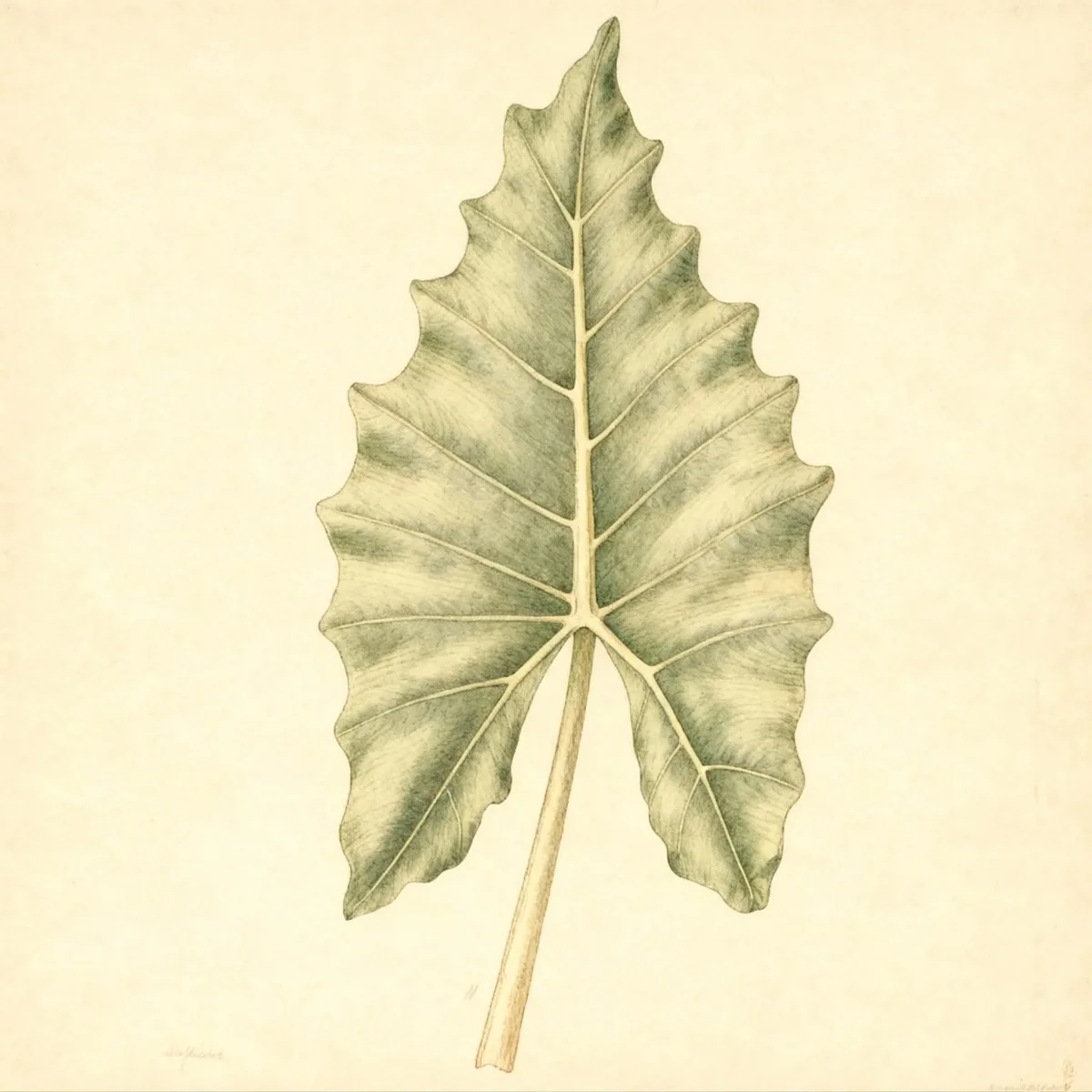
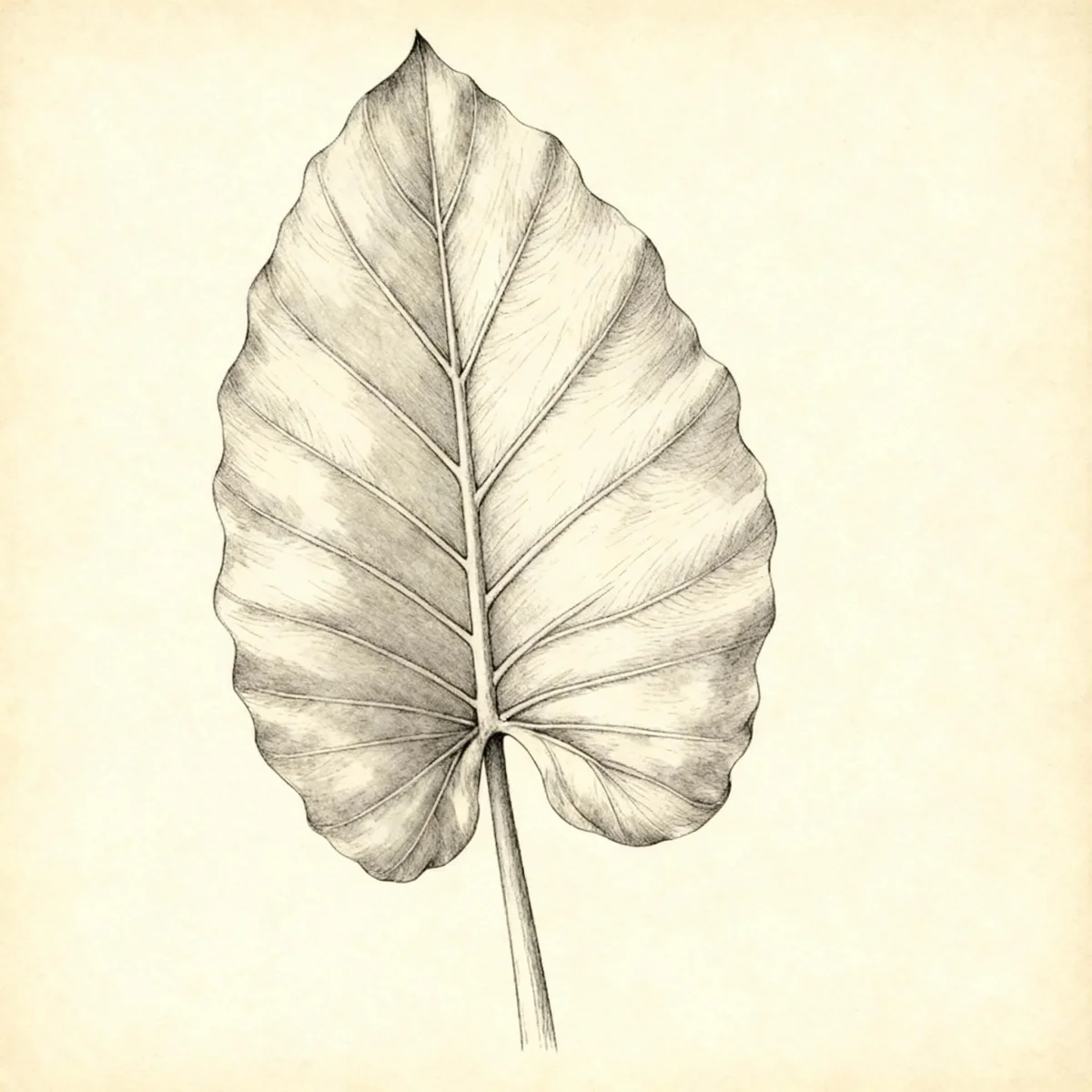
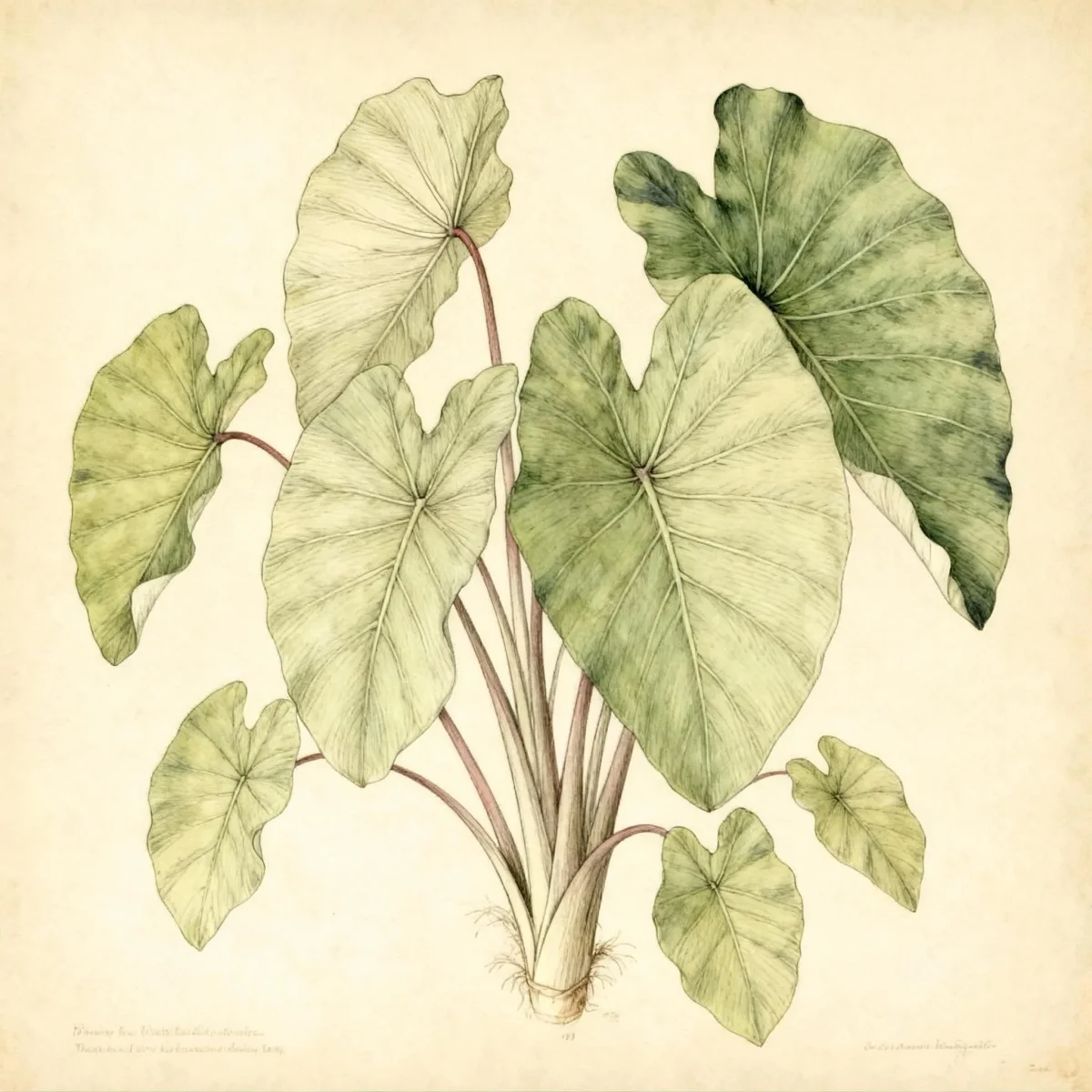
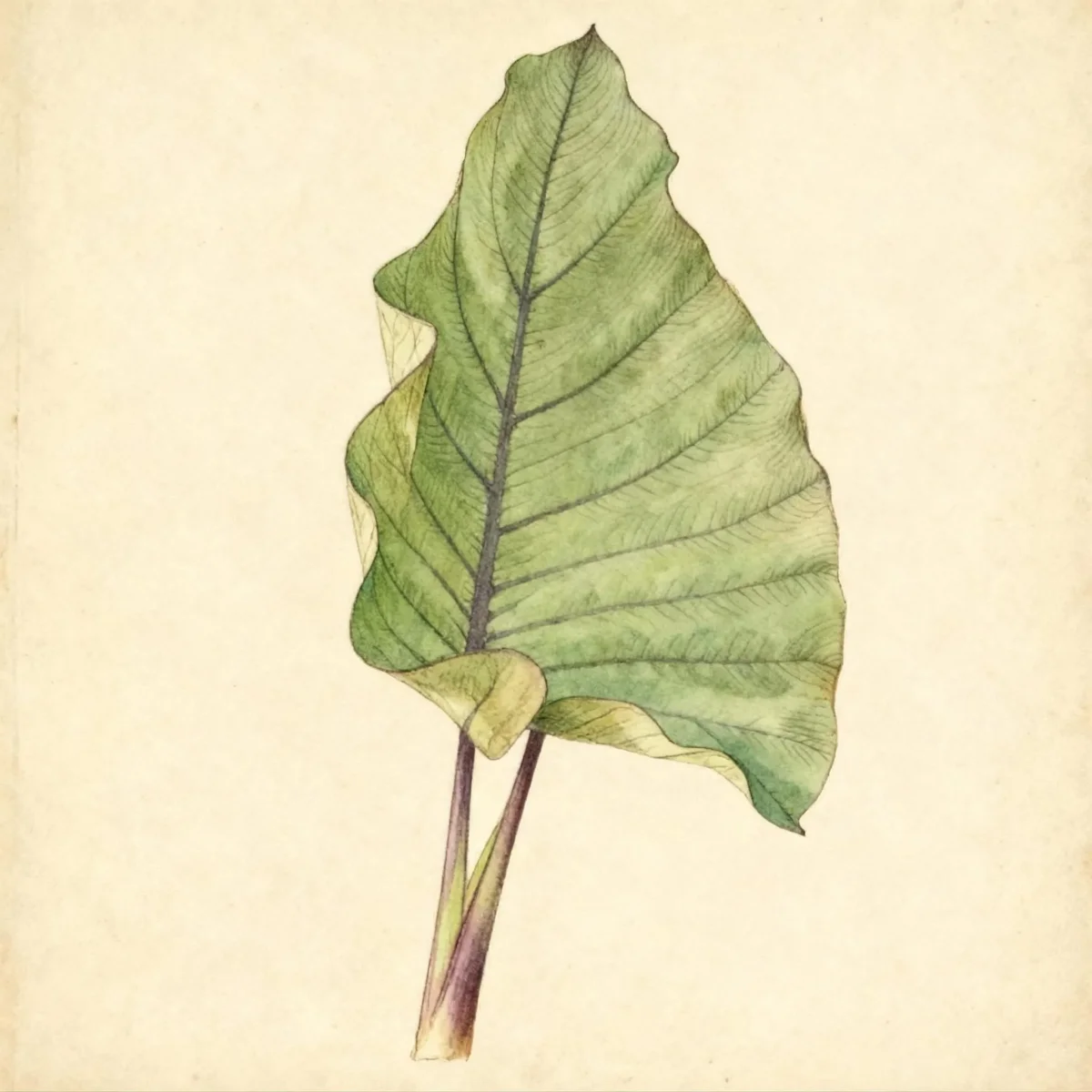
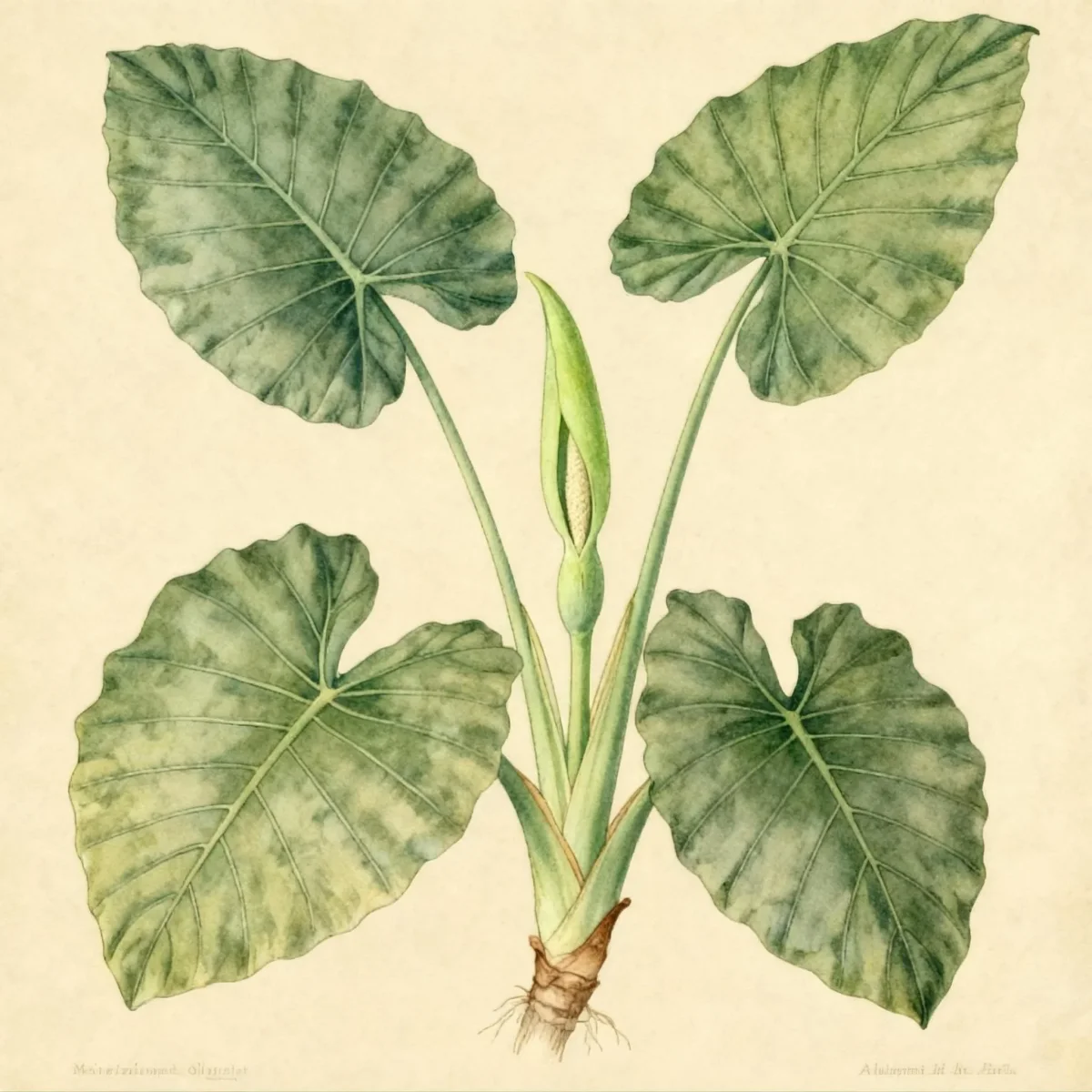
The Alocasia (group), commonly known as Elephant’s ear, is highly valued in ornamental gardening for its spectacular, tropical foliage. Native to the tropics of Asia and Australia, these herbaceous perennials create dramatic statements in the landscape or as impressive houseplants. Their large, heart to arrowhead-shaped leaves can reach up to three feet in length, often featuring striking veining or coloration.
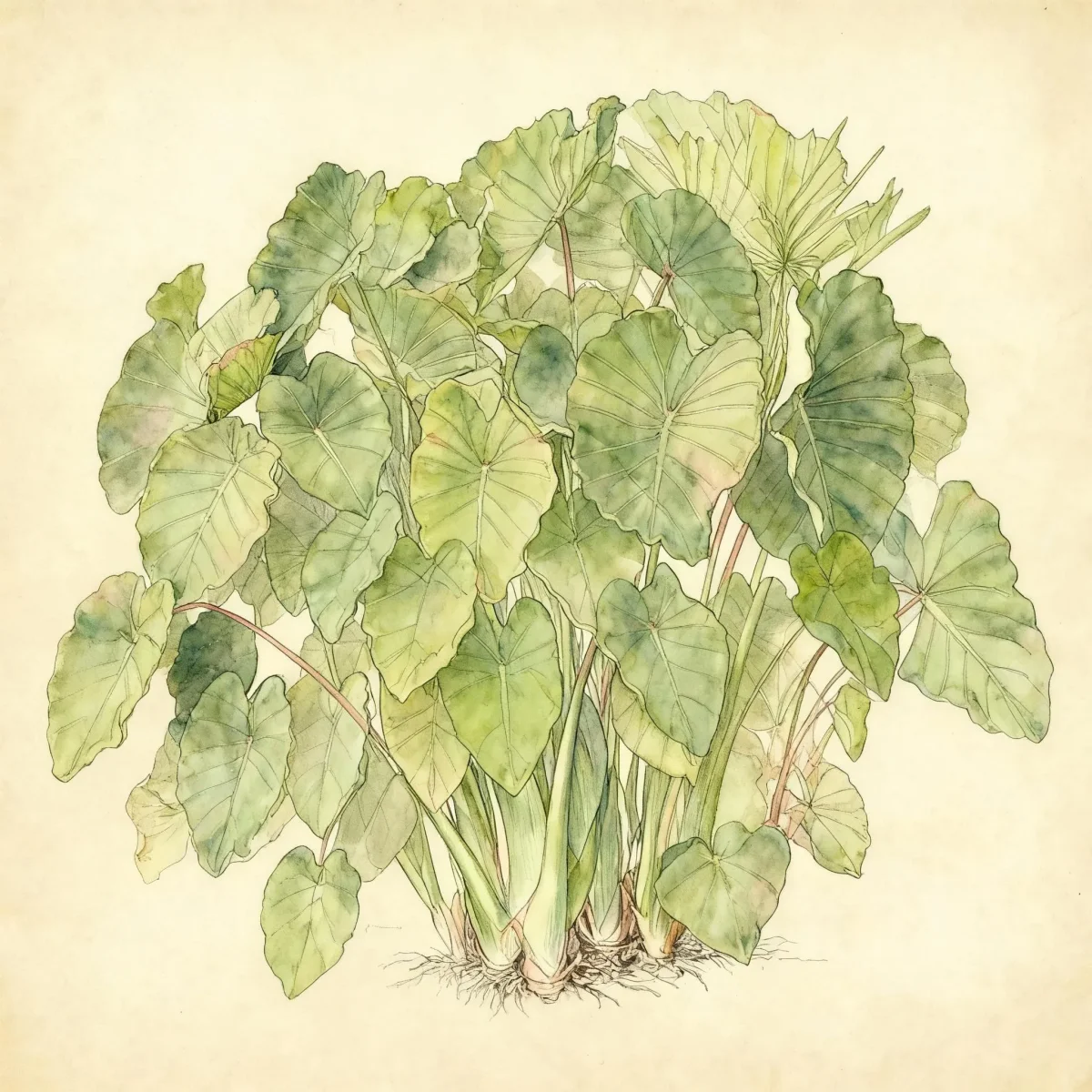
These plants grow from tubers or rhizomes, establishing themselves as fast-growing specimens that can reach heights of six feet or more in a single season. While they are generally low maintenance once established, successful cultivation relies on providing the warmth and consistent moisture that mimics their native environment. The sheer scale of the leaves makes the Alocasia (group) an excellent architectural element.
Gardeners often choose the Elephant’s ear to bring bold texture and vertical interest to shaded garden corners or patio settings. Despite their tropical origins, specific care practices allow them to perform well as annuals in cooler climates or as overwintered specimens.
Fast Facts
- Plant Family: Araceae
- Plant Type: Bulb
- Hardiness Zones: USDA Zones 10-11
- Size at Maturity:
- Height: 2-6 ft
- Spread: 2-6 ft
- Bloom Time: Rarely flowers
- Bloom Description: Creamy white
- Sun Exposure: Full sun to part shade
- Water Needs: Medium to wet
- Maintenance Level: Low
How to Grow
Start tuberous rhizomes indoors in containers prior to the last spring frost date, as the Elephant’s ear requires warmth to establish. For optimal growth, select a location providing part shade or filtered sunlight, as intense midday sun can scorch the large leaves. The ideal soil is moist and rich in organic matter, supporting the plant’s high water demands.
Once the danger of frost has passed, plants thrive when watered regularly and consistently fertilized to support their rapid growth rate. If grown in pots, these containers can be sunk into the garden border temporarily or kept on a patio for easy maneuvering. Alocasia species grow rapidly, often producing spectacular size in just one season.
Winter preparation depends on the variety and climate. If you are in zones 10 or 11, you may leave them planted or overwinter pots in a cool (60-65°F), humid location, reducing water significantly. If growing tuberous varieties outdoors in colder regions, lift the tubers before the first fall frost. After digging, clean off excess soil, dry them thoroughly, and store them cool and dry until spring planting resumes.
Landscape Uses
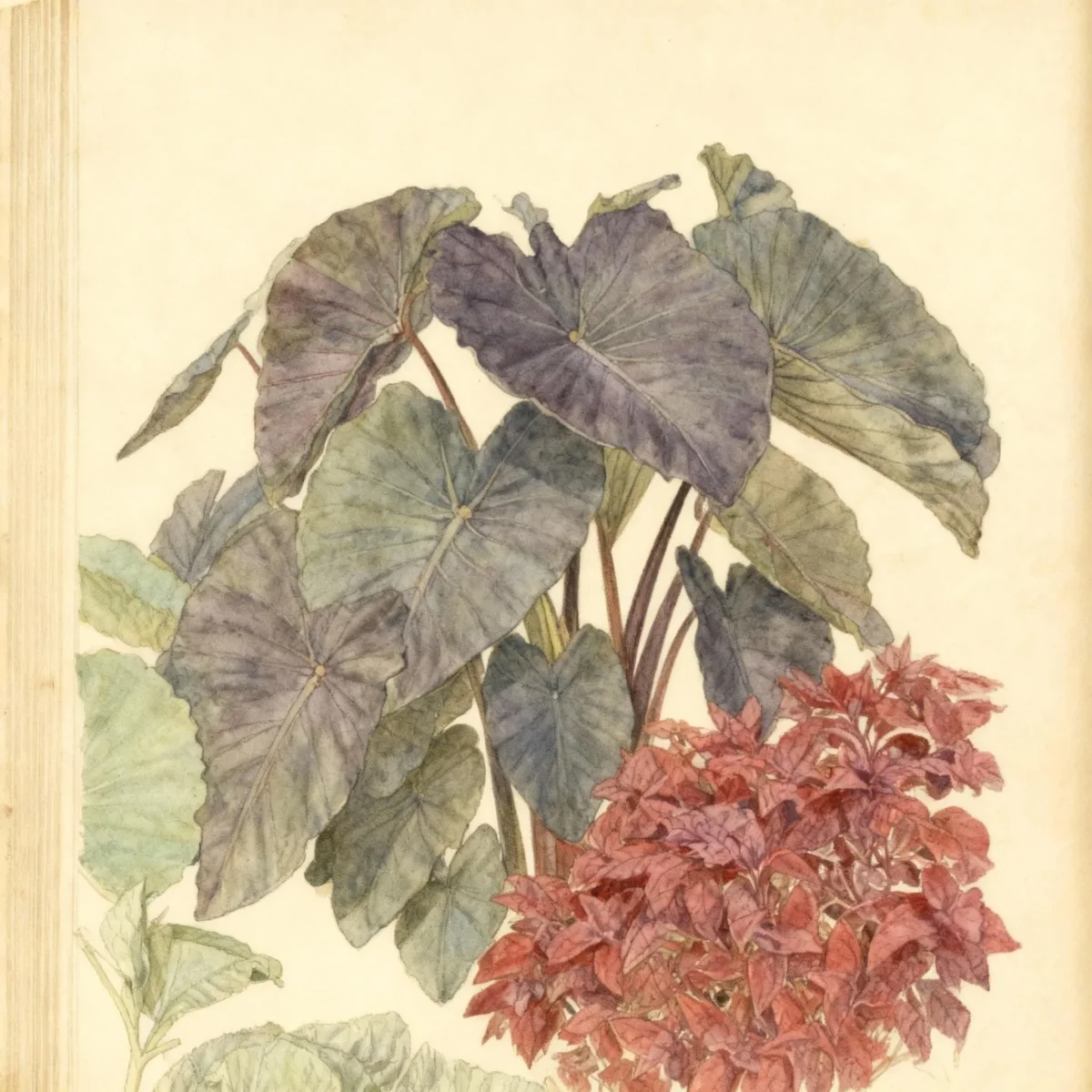
The commanding presence of the Alocasia (group) makes it a superb accent plant, providing a vertical focal point even in shady areas where many other flowering plants struggle. These plants are exceptional for mass planting to create a lush, jungle-like border effect. When foliage color is the main goal, they pair beautifully with contrasting textures like fine-leaved ferns or broad-leafed hostas.
Given their need for consistent moisture and shelter from harsh winds, container gardening is an excellent strategy, especially for gardeners growing them as annuals or houseplants. Allowing pots to be sunk into the ground during summer integrates them beautifully into the landscape design. After the first frost, these containers are easily moved to protected overwintering sites.
The bold, architectural shape of the Elephant’s ear foliage immediately draws attention, serving as a powerful backdrop for smaller perennials or annuals at the front of a border planting.
Standout Features
Noteworthy Characteristics
The genus Alocasia (group) encompasses about 80 species of tuberous, herbaceous perennials hailing from the tropics and subtropics across Asia and Australia. These plants are cultivated primarily for their highly ornamental foliage, which consists of large, sturdy leaves held aloft on succulent stems. The characteristic leaf shape varies from heart to arrowhead, sometimes exceeding three feet in length, often featuring vivid or intricate veining patterns.
Potential Problems
Gardeners should be vigilant regarding pests, particularly during dry or stressed conditions. Watch for spider mites, which can quickly colonize the undersides of the large leaves, leading to stippling and reduced vigor.
Frequently Asked Questions
What hardiness zones is Elephant’s ear suitable for?
The Elephant’s ear (Alocasia (group)) is best suited for USDA Hardiness Zones 10 through 11.
How large does Elephant’s ear grow?
This plant can reach mature heights between 2 and 6 feet tall, with a similar spread of 2 to 6 feet wide.
What sun exposure does Elephant’s ear need?
Alocasia (group) prefers a location that receives full sun to part shade, benefiting particularly from filtered sunlight.
When does Elephant’s ear bloom?
This species rarely flowers, but when it does, the bloom is described as creamy white.
Conclusion
The Alocasia (group) offers unparalleled tropical drama and scale with relatively low maintenance requirements when its need for warmth and moisture is met. Integrating the magnificent foliage of the Elephant’s ear into your landscape design is an easy way to add instant impact. Before planting, ensure your climate aligns with USDA Zones 10-11 or plan for appropriate seasonal overwintering as a tender perennial.
Companion Planting
When placing Alocasia (group) in your garden, aim for companions that enjoy similar growing conditions: moist, rich soil and protection from intense, drying winds. Pair these large leaves with plants that offer contrasting fine textures, such as ferns or certain ornamental grasses, to highlight the scale of the Elephant’s ear. Consider using shade-loving annuals like Impatiens or Begonias at the base of potted specimens to create a lush, layered display near patios or entrances.
Container Growing
Growing Alocasia (group) in pots is highly recommended, especially for gardeners needing to control soil moisture or who must bring the plant indoors for winter. Select large, heavy containers to accommodate the vigorous root growth and prevent tipping when the plant is fully grown. Use a high-quality, well-draining potting mix amended with plenty of compost to replicate the organically rich soil conditions they prefer. Remember that container plants dry out faster than those in the ground, necessitating a very regular watering schedule during the active growing season.