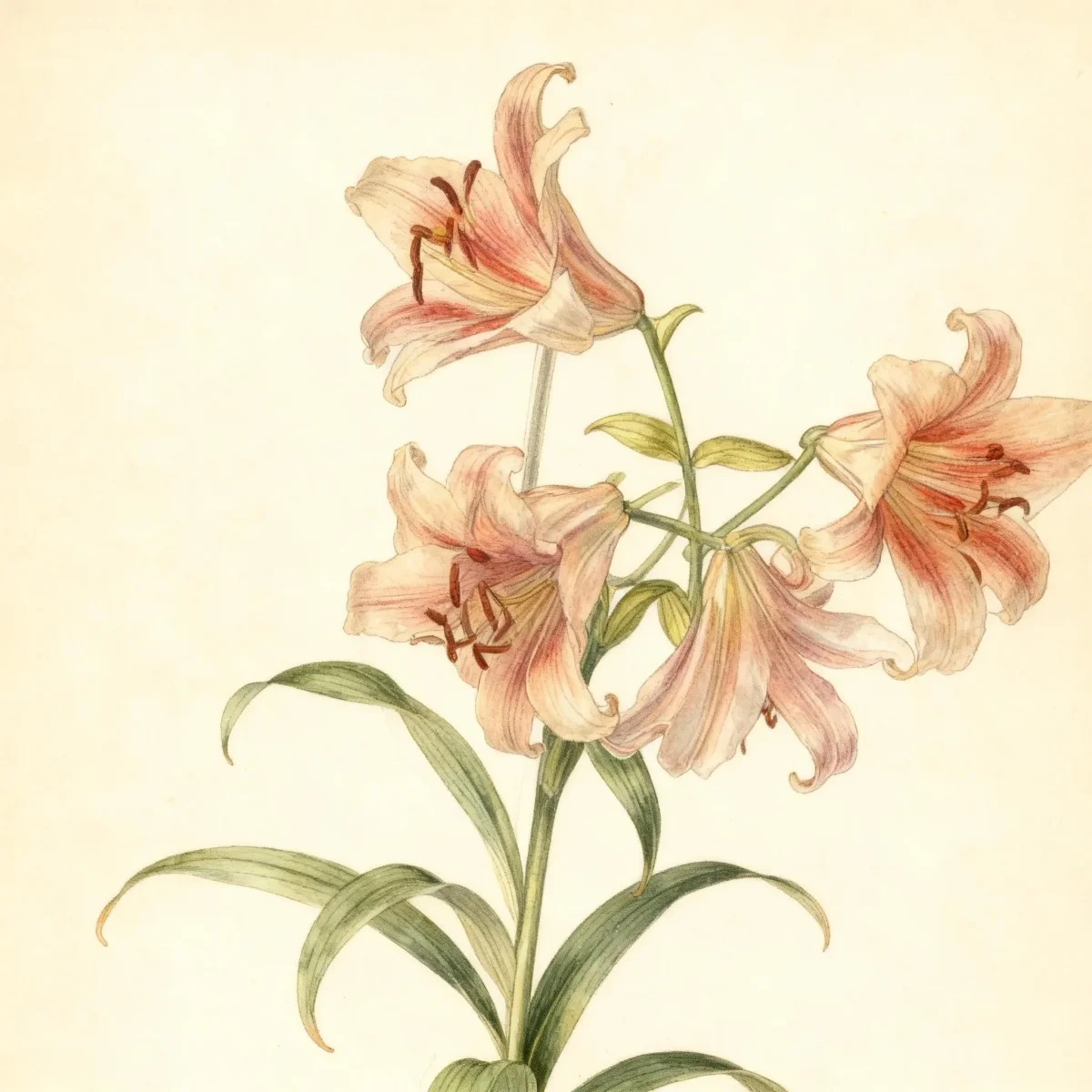
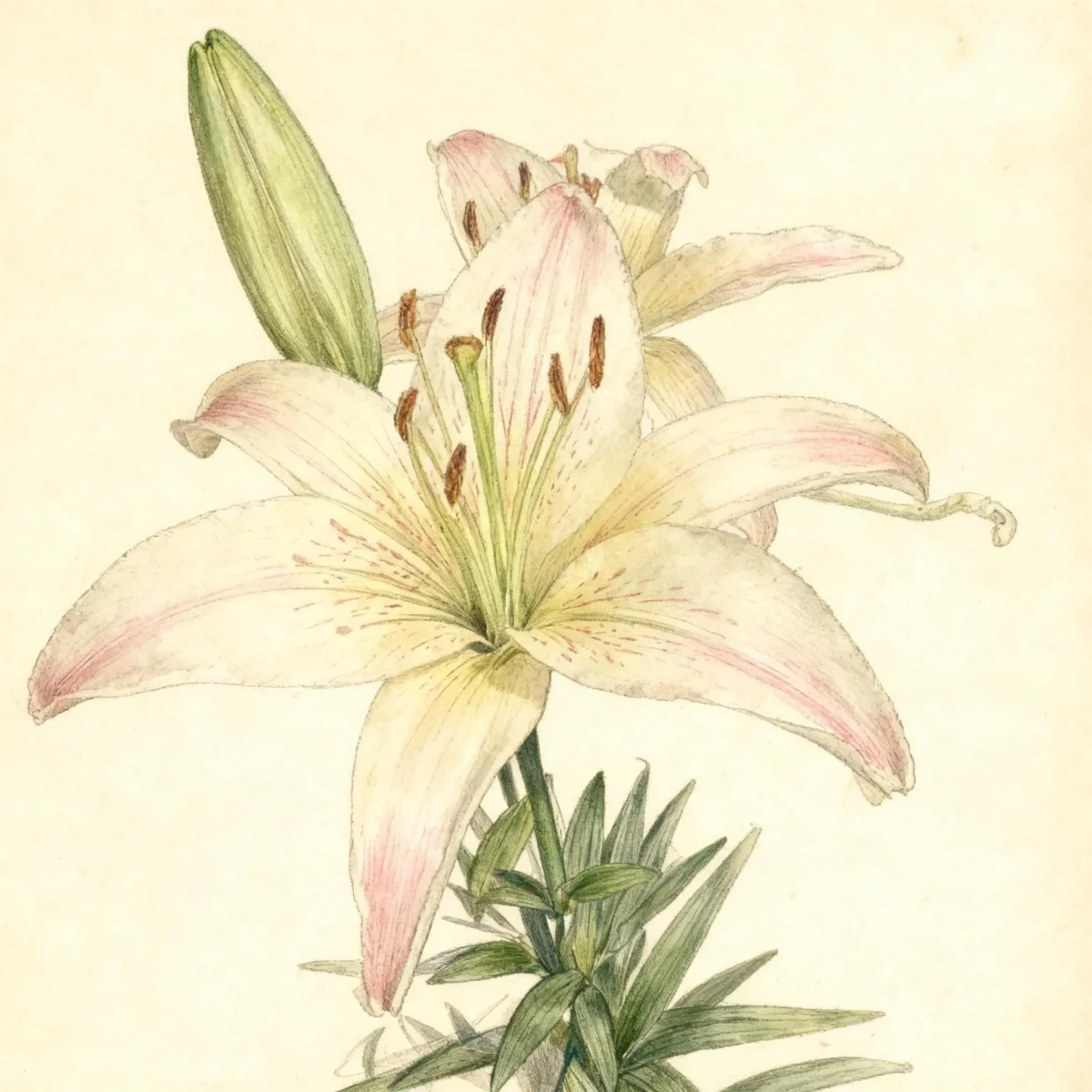
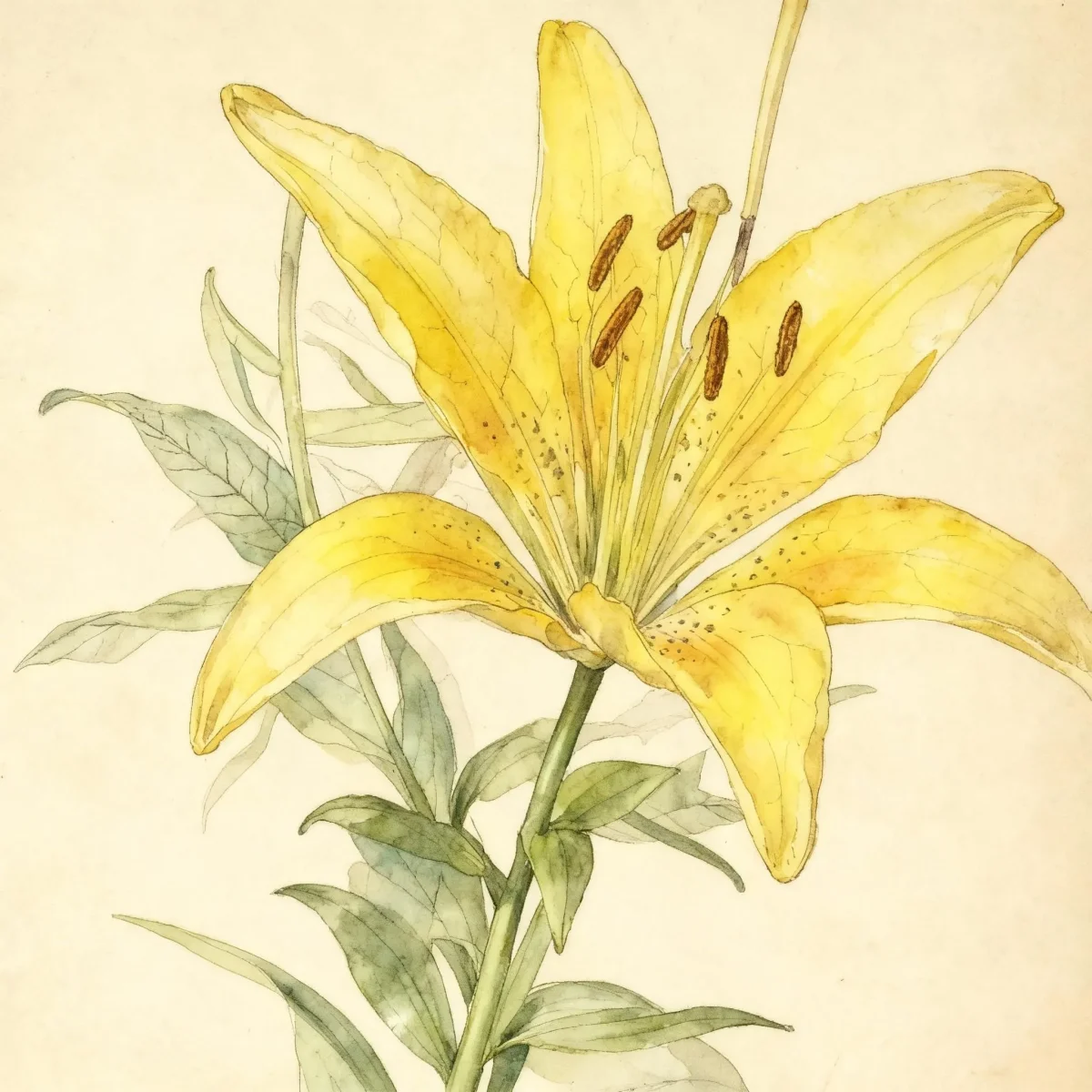
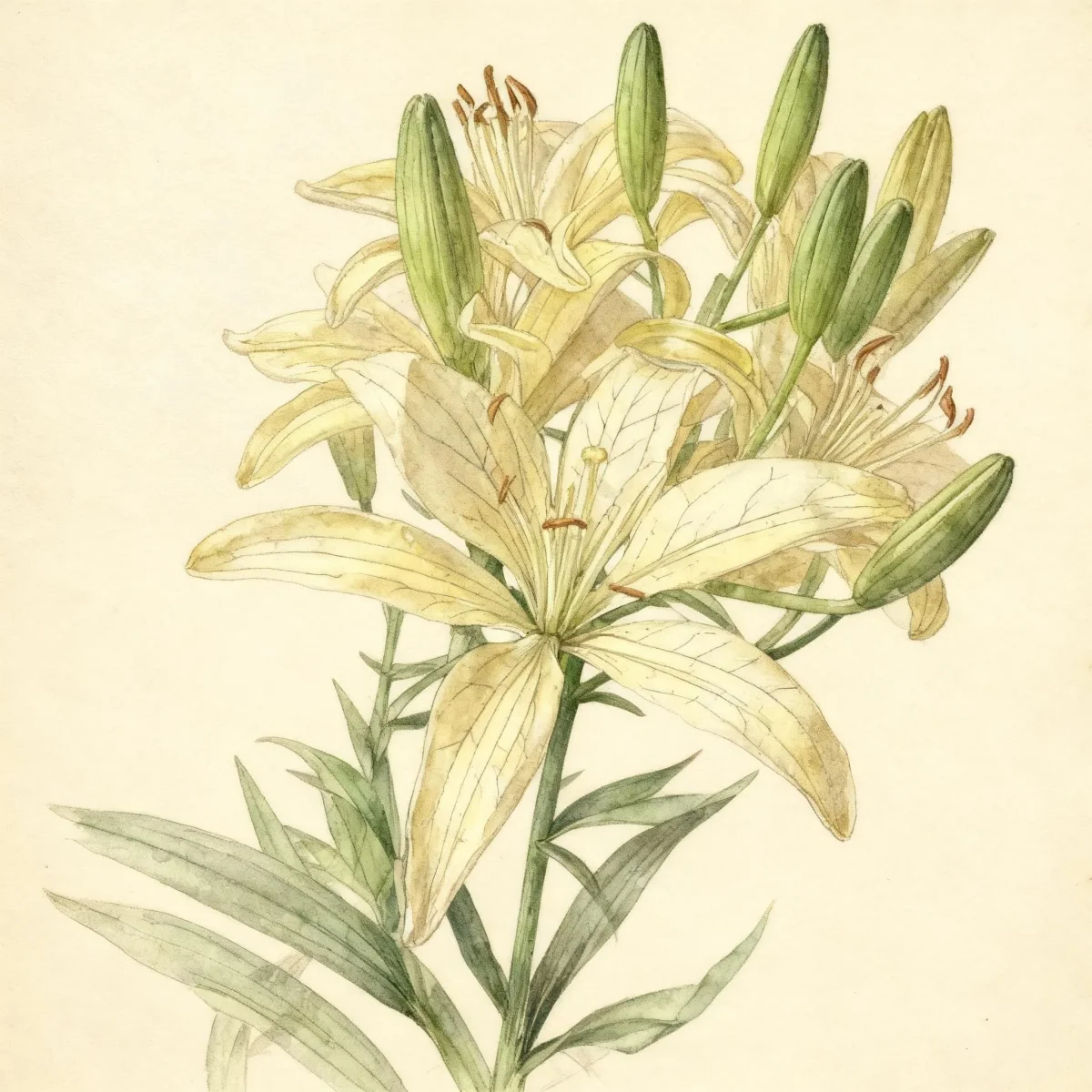
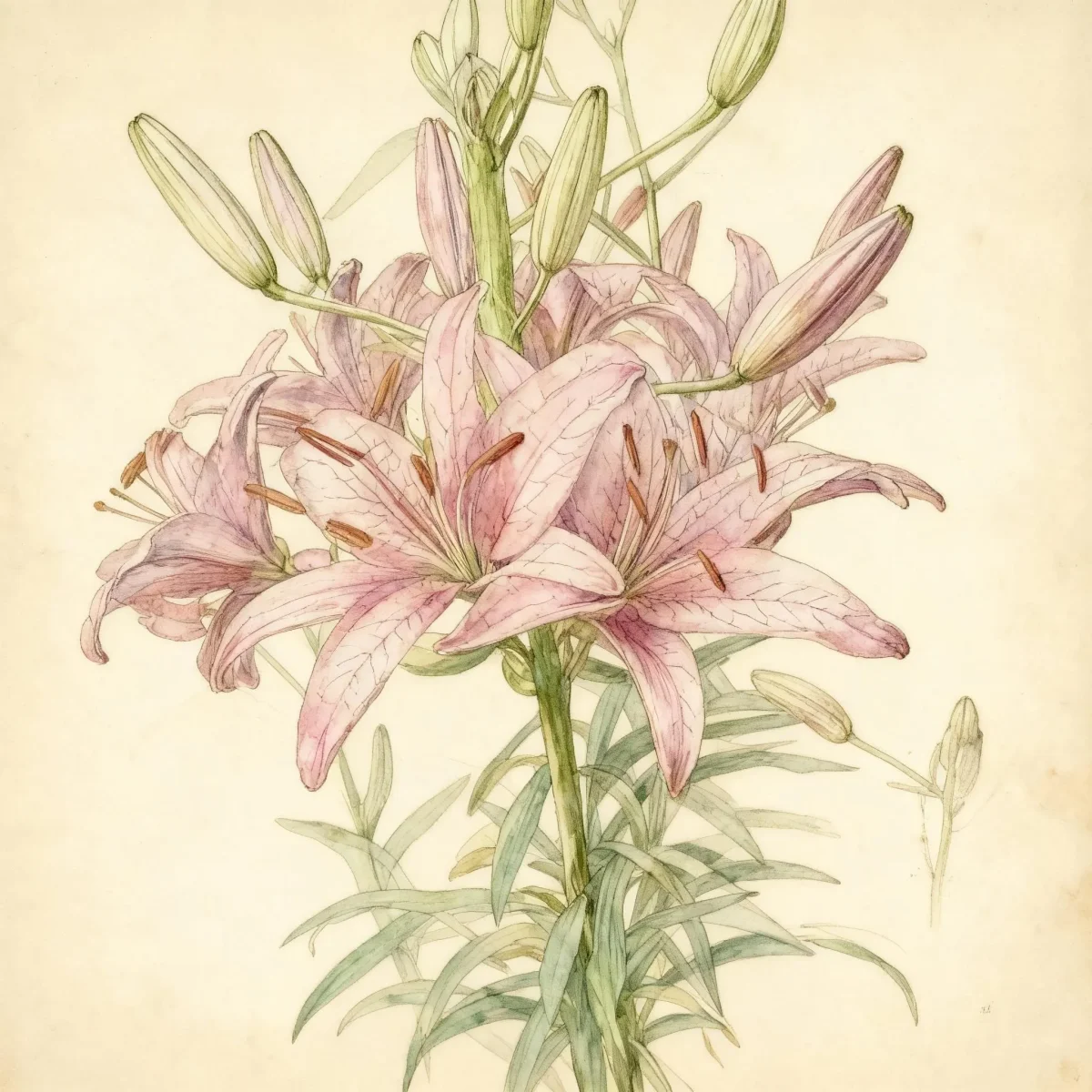
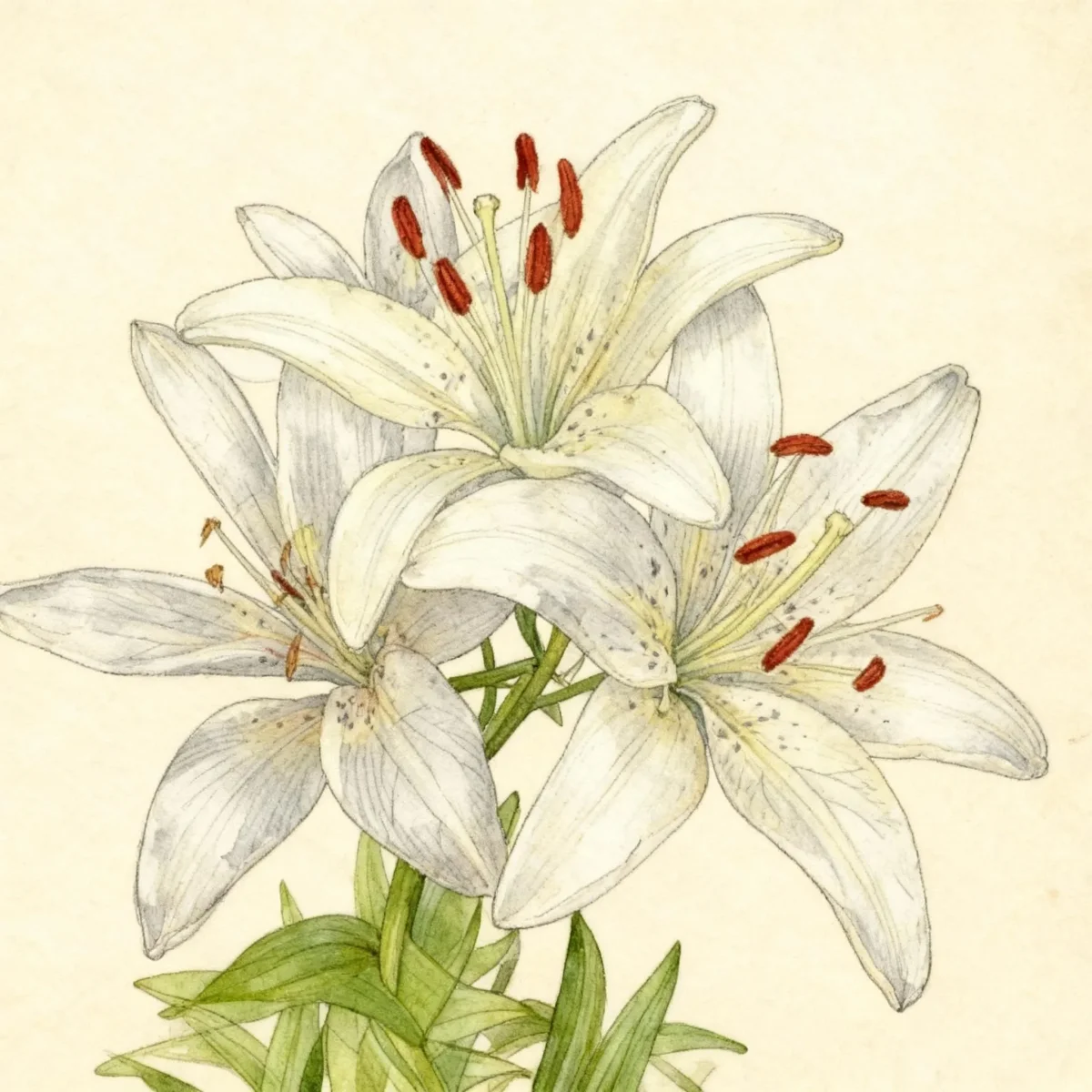
Lily (Lilium (group))
The classic lily, Lilium (group) offers spectacular summer blooms in nearly every color. Low maintenance bulb for zones 3-8.
Scroll down to discover growing tips, care requirements, companion plants, and more
Complete Plant Information
Overview
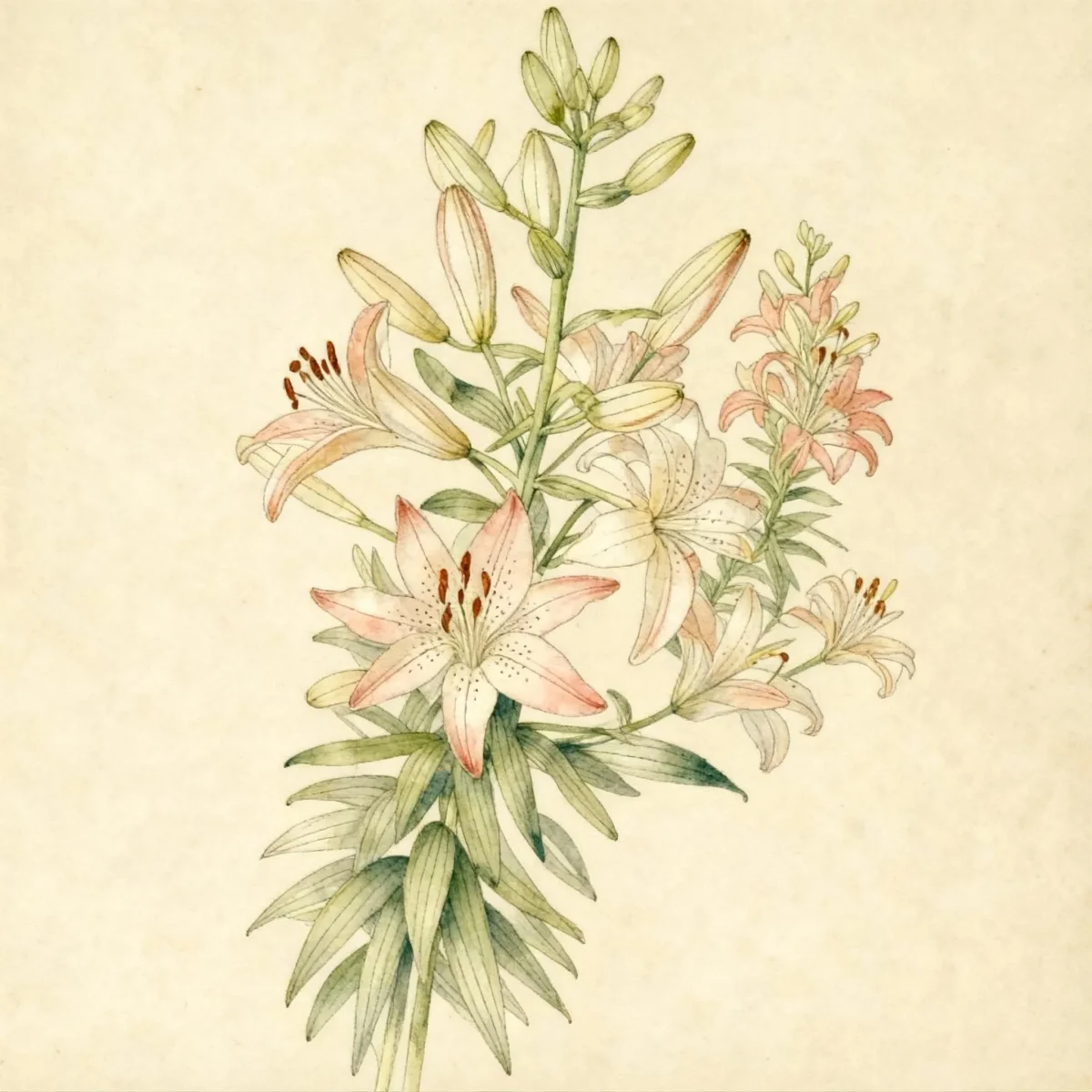
The Lily, scientifically known as Lilium (group), is a treasured genus prized for its stunning, diverse flower forms and vibrant summer color displays. These herbaceous perennials erupt from underground bulbs, providing reliable, dramatic vertical interest in the garden landscape year after year. Because the Lilium (group) genus hosts a wide array of hybrid forms, gardeners can select lilies to fit nearly any sunny spot.
Growing these bulbs is surprisingly easy, classified as low maintenance once established in receptive soil. Lilies thrive best when their upper foliage receives abundant sunlight, while their root zone remains cool and shaded—a common requirement for many bulbs needing sharp drainage. The resulting flowers, presented from June through August, showcase an incredible palette of colors, making the Lily a cornerstone of mid-summer perennial borders.
For gardeners seeking impactful yet moderately sized vertical accents, the Lilium (group) delivers exceptional aesthetic value. Their characteristic six-tepaled blooms appear on stiff, unbranched stems, adding structure and contrast to mixed plantings. Successful cultivation relies primarily on ensuring proper soil drainage and consistent moisture, rewarding the gardener with unforgettable summer beauty.
Fast Facts
- Plant Family: Liliaceae
- Plant Type: Bulb
- Hardiness Zones: USDA Zones 3-8
- Size at Maturity:
- Height: 1-8 ft
- Spread: 0.75-2 ft
- Bloom Time: June to August
- Bloom Description: White, ink, red, orange, yellow, lavender, purple often with spotting and/or striping
- Sun Exposure: Full sun to part shade
- Water Needs: Medium
- Maintenance Level: Low
How to Grow
Planting Lily bulbs should ideally occur in the fall, though some retail varieties are available potted during spring or early summer. Ensure your planting location offers average, medium-moisture, well-drained soil. For best results, plant the bulbs 4 to 6 inches deep, spacing them about 12 inches apart in natural-looking groups of three. Cultivars generally prefer rich, organic soil, and gardeners should actively mulch around them to keep the root zone cool, particularly shading the base of the stems while ensuring the upper foliage enjoys full sun.
Watering requirements for the Lilium (group) are medium; bulbs need consistent, year-round moisture but absolutely cannot tolerate soggy conditions, which quickly lead to bulb rot. After the distinctive flowers fade, remove the spent blooms to prevent seed set, but leave the foliage intact. Do not cut back the stems until they have completely yellowed naturally after blooming, as this allows the plant to store energy back into the bulb for next season.
Taller varieties of Lily may experience weak stems if grown in too much shade or subjected to heavy winds, necessitating staking for support. Focus on consistent watering throughout the growing season, avoiding both drought and waterlogged soil to maintain the health of this striking bulb.
Landscape Uses
Lilies are considered an excellent, showy flower, providing essential color and contrast exactly when many spring bloomers fade, typically during the summer months. Their stature makes them perfect for punctuating the back of a perennial border or mixed shrub border where height is desired. Because they grow well in containers, the Lilium (group) is versatile for patio displays, although flowers in pots may be slightly smaller than garden specimens.
Planting lilies in strategic groups, rather than solitary specimens, maximizes their visual impact, creating dramatic drifts of color. They pair beautifully with later-blooming perennials that appreciate similar moisture needs, such as astilbes or hostas, especially if the companion plants can help shade the lily roots. Furthermore, the magnificent blooms are highly sought after for fresh-cut flower arrangements.
Standout Features
Flower Qualities
- Showy
Noteworthy Characteristics
Lilium is a genus comprising approximately 100 species of bulbous, herbaceous perennials found naturally across Europe, North America, and Asia. Lilies are recognizable by their six-tepaled flowers, which appear in diverse shapes—including trumpet, funnel, and bell—atop rigid stems ranging from one to eight feet tall. The genus name derives from the Latin word for lily, signifying its long cultural history in gardens.
Tolerances
Potential Problems
A primary concern for Lily growers is the potential infestation by the bright red Lily leaf beetle, which can rapidly defoliate plants in affected regions. Another common threat is bulb rot, especially if the soil drainage is poor or the area remains waterlogged. Protecting your Lilium (group) investment also involves monitoring for diseases: lily mosaic virus is spread by aphids, making diligent aphid control crucial, as there is no cure for infected plants. Botrytis is another fungal issue that can affect stems and foliage, particularly in humid conditions.
To manage pests and diseases, closely inspect leaves regularly for beetle damage and remove any pests manually; this proactive approach is key. Ensure planting sites have excellent drainage to stave off rot, and control aphids promptly to mitigate virus transmission. Staking taller plants early prevents stem breakage and sun scorch.
Frequently Asked Questions
What hardiness zones is Lily suitable for?
The Lily (Lilium (group)) is generally suitable for USDA Hardiness Zones 3 through 8, offering reliable perennial performance across a broad temperature range.
How large does Lily grow?
Mature Lily plants can vary significantly in height, typically reaching between 1 to 8 feet tall, with a spread usually maintained between 0.75 to 2 feet wide.
What sun exposure does Lily need?
Lilies prefer a location receiving full sun to partial shade; optimal health is often achieved when the upper plant receives significant light, but the roots benefit from cooler, shaded conditions.
When does Lily bloom?
The bloom time for many Lily cultivars is from June through August, producing dramatic flowers that commonly feature white, red, orange, yellow, or purple colors, often marked with unique spotting or striping.
Conclusion
The Lily (Lilium (group)) remains an indispensable bulb for creating stunning vertical accents and providing unforgettable color during the height of summer. Their low maintenance nature, coupled with the spectacular variety of flower forms available, cements their status in gardens worldwide. Before planting, always verify your local hardiness zone compatibility and plan your planting for fall to encourage robust establishment of your new Lily bulbs.
Companion Planting
Selecting suitable companions for your Lilium (group) is crucial for achieving the ideal growing microclimate described in its culture requirements. Companion plants should ideally have shallow root systems and slightly denser habits to help shade the bulb portion of the Lily, keeping the roots cool throughout the summer heat waves. Good companions often include low-growing herbaceous perennials or annuals that do not compete aggressively for nutrients.
Foliage partners make excellent visual foils for the upright structure of the Lily flower. Hostas, especially those with variegated or blue-toned leaves, offer excellent shade for the base of the stems and thrive under similar moisture conditions. Alternatively, groundcovers like sweet woodruff or creeping thyme can serve the specific purpose of shading the soil directly above the bulb cluster while remaining well below the flower heads.
When planning integrated gardens, ensure companion plants do not create excessive humidity or crowd the Lily stems too closely, which can invite botrytis. By thoughtfully pairing companions, you can perfectly address the Lily’s need for sun on top and cool roots below, maximizing bloom quality.
Design Ideas for Upright Color
The unparalleled height variation within the Lilium (group) genus makes it fantastic for adding necessary vertical punctuation to flat or mid-height perennial plantings. Use shorter classifications near the front of the border to create a layered effect that leads the eye upward toward the taller varieties positioned further back. Placing them near structures or walls that receive afternoon sun can also enhance their display while providing wind protection.
For cottage gardens, intersperse the various Lily colors randomly among established roses or delphiniums for a lush, abundant feel; in this setting, the inherent structure of the Lily prevents the garden from looking too chaotic. For modern or minimalist designs, plant just one type of solid-colored Lily closely together in a mass planting—such as a sweep of pure white trumpet lilies—to create a dramatic, singular statement as the primary focal point. Always remember to plant bulbs in odd-numbered groupings for the most natural and visually pleasing effect.