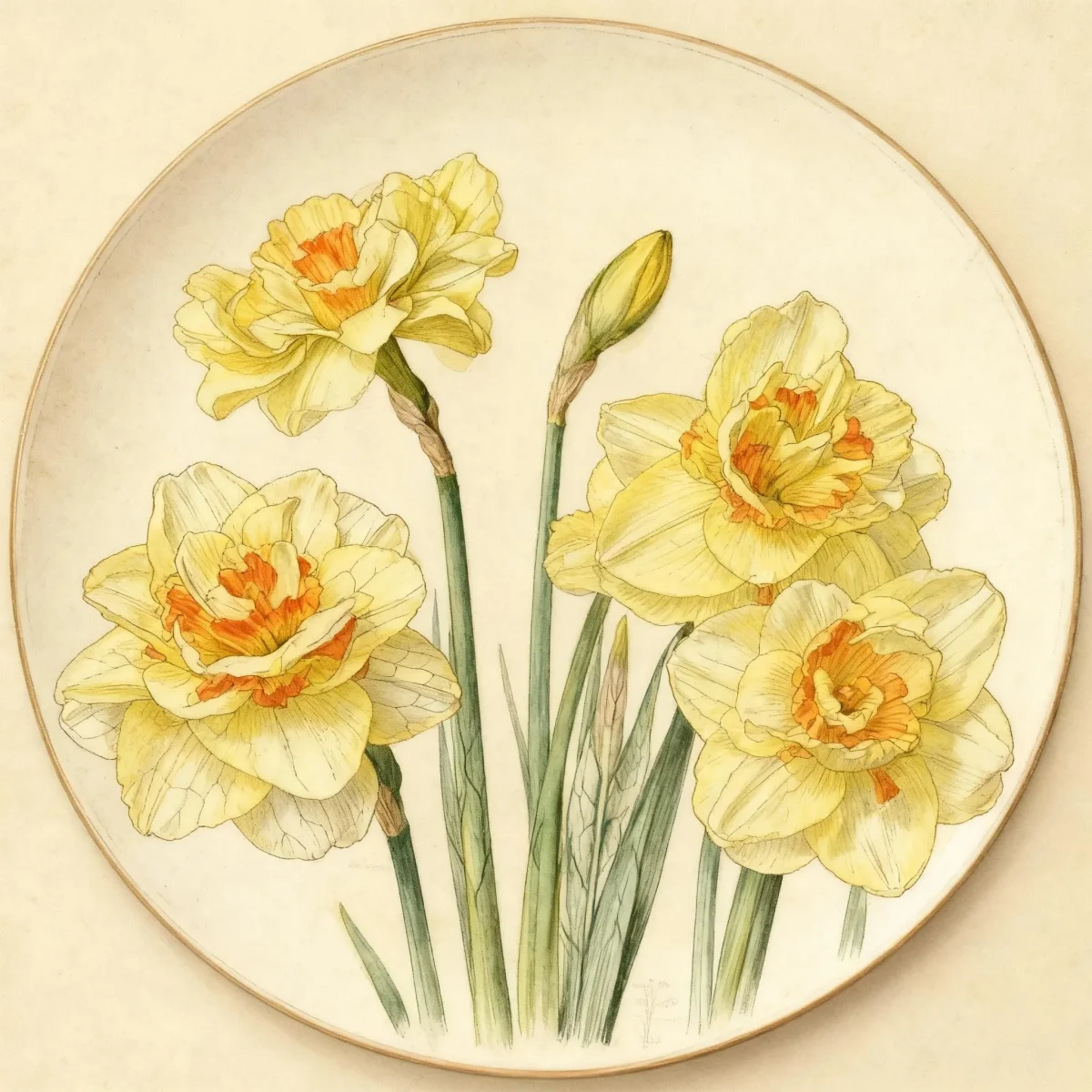
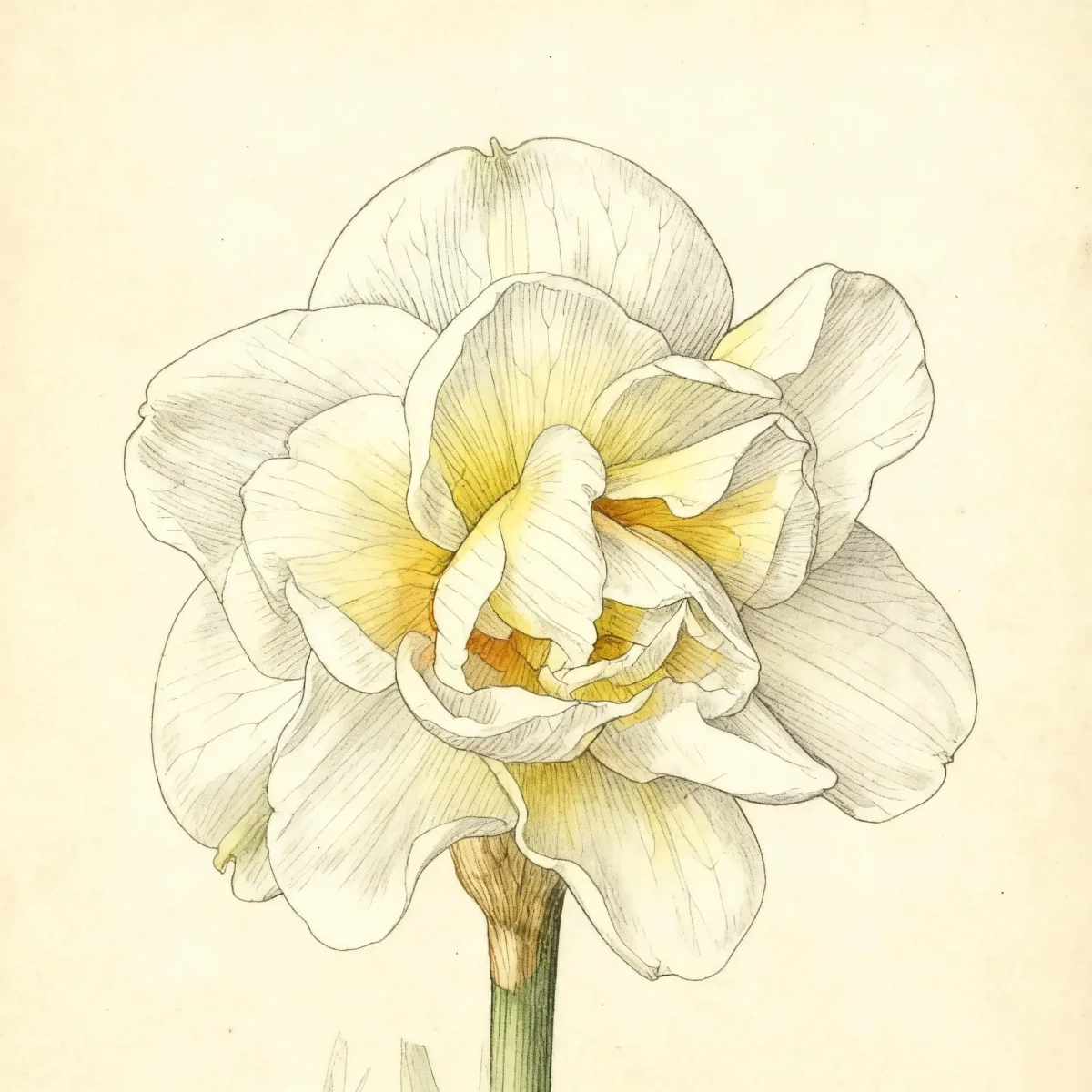
Daffodil (Narcissus (group))
Daffodil (Narcissus (group)) bulbs offer low-maintenance, classic spring color in zones 4-8.
Scroll down to discover growing tips, care requirements, companion plants, and more
Complete Plant Information
Overview
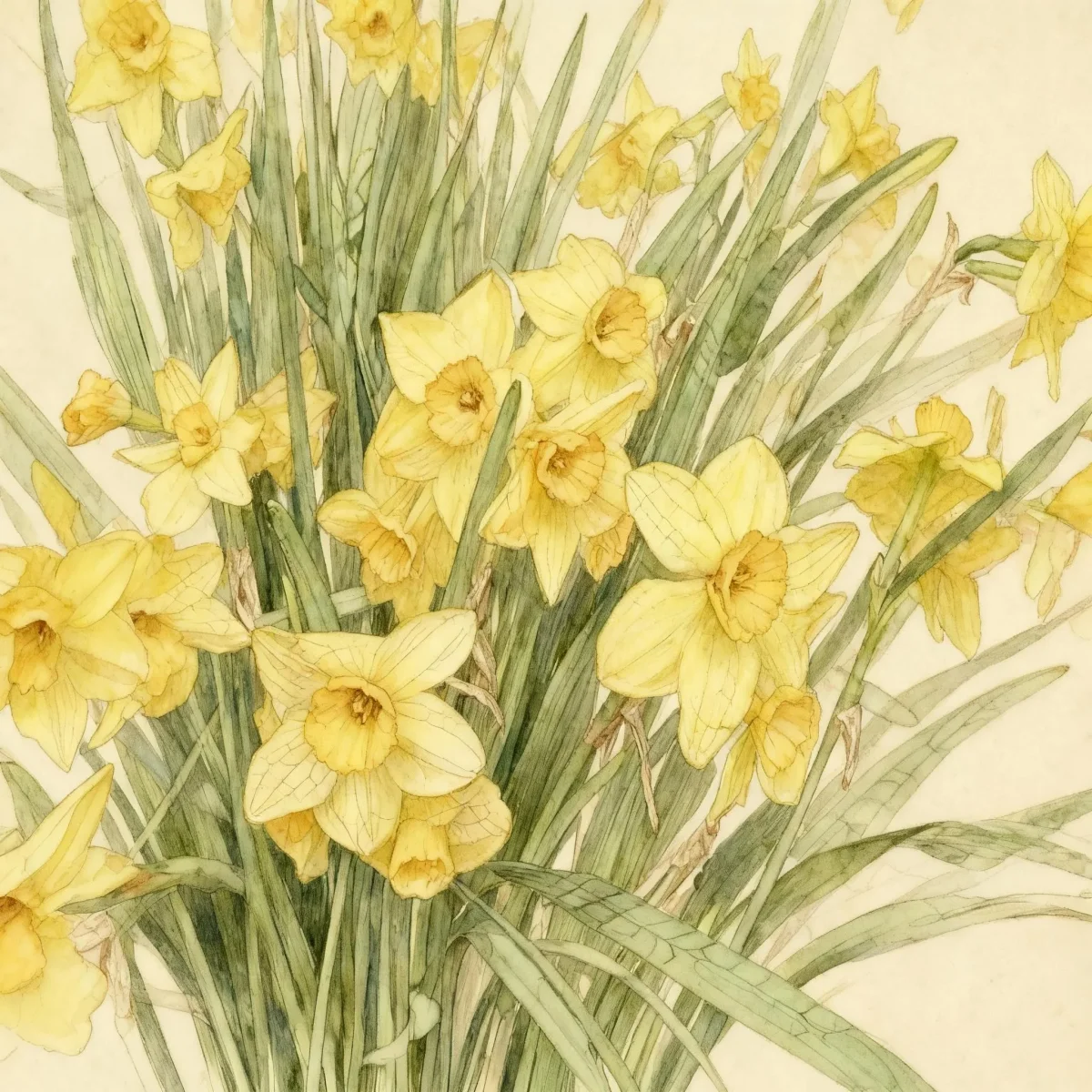
Daffodils, scientifically classified under the Narcissus (group) genus, are indispensable mainstays of the early spring garden landscape. These bulbous perennials deliver cheerful bursts of color—ranging from white to deep orange and pink bicolors—signaling the end of winter. Their reliability and low maintenance make the Daffodil a cornerstone planting for both novice and experienced gardeners.
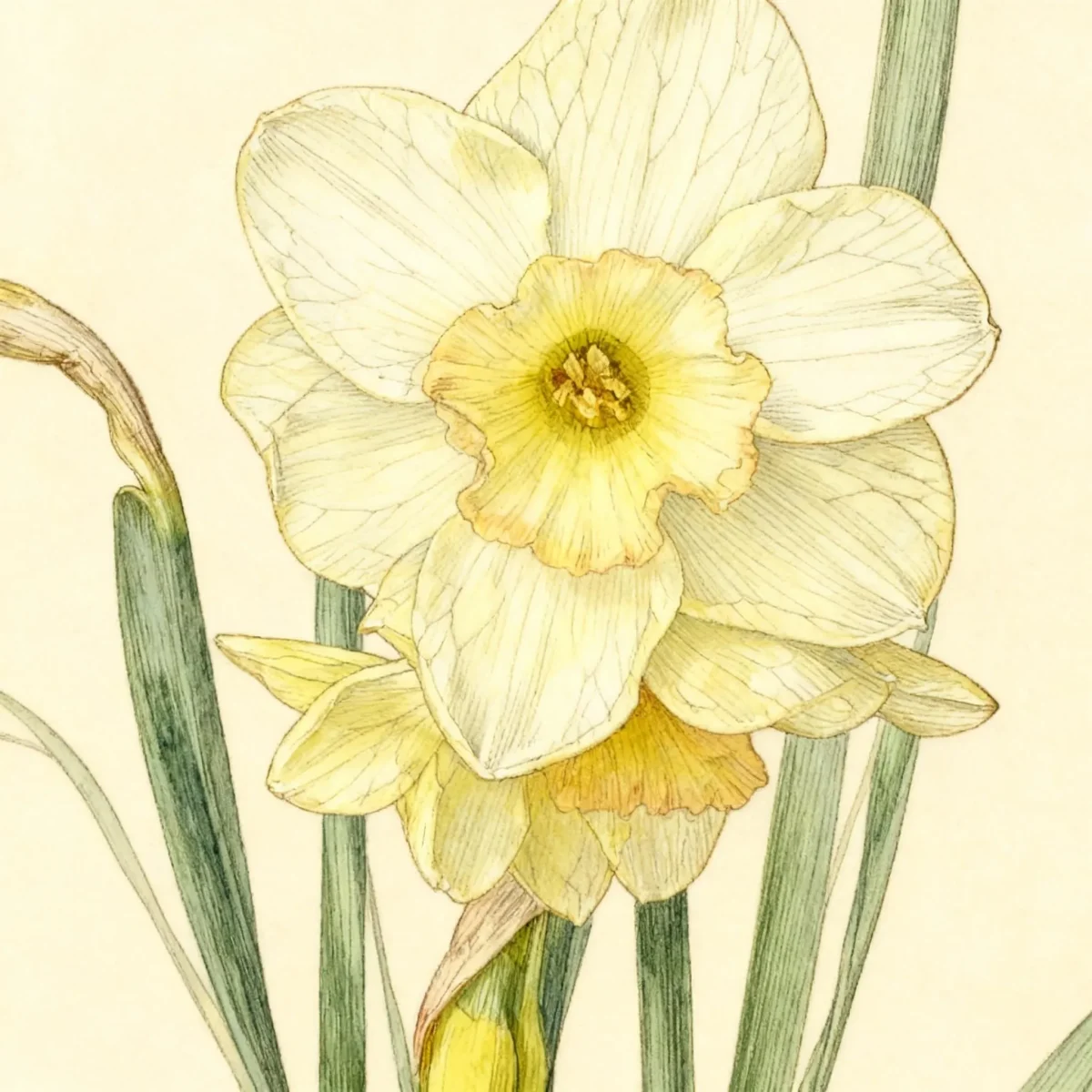
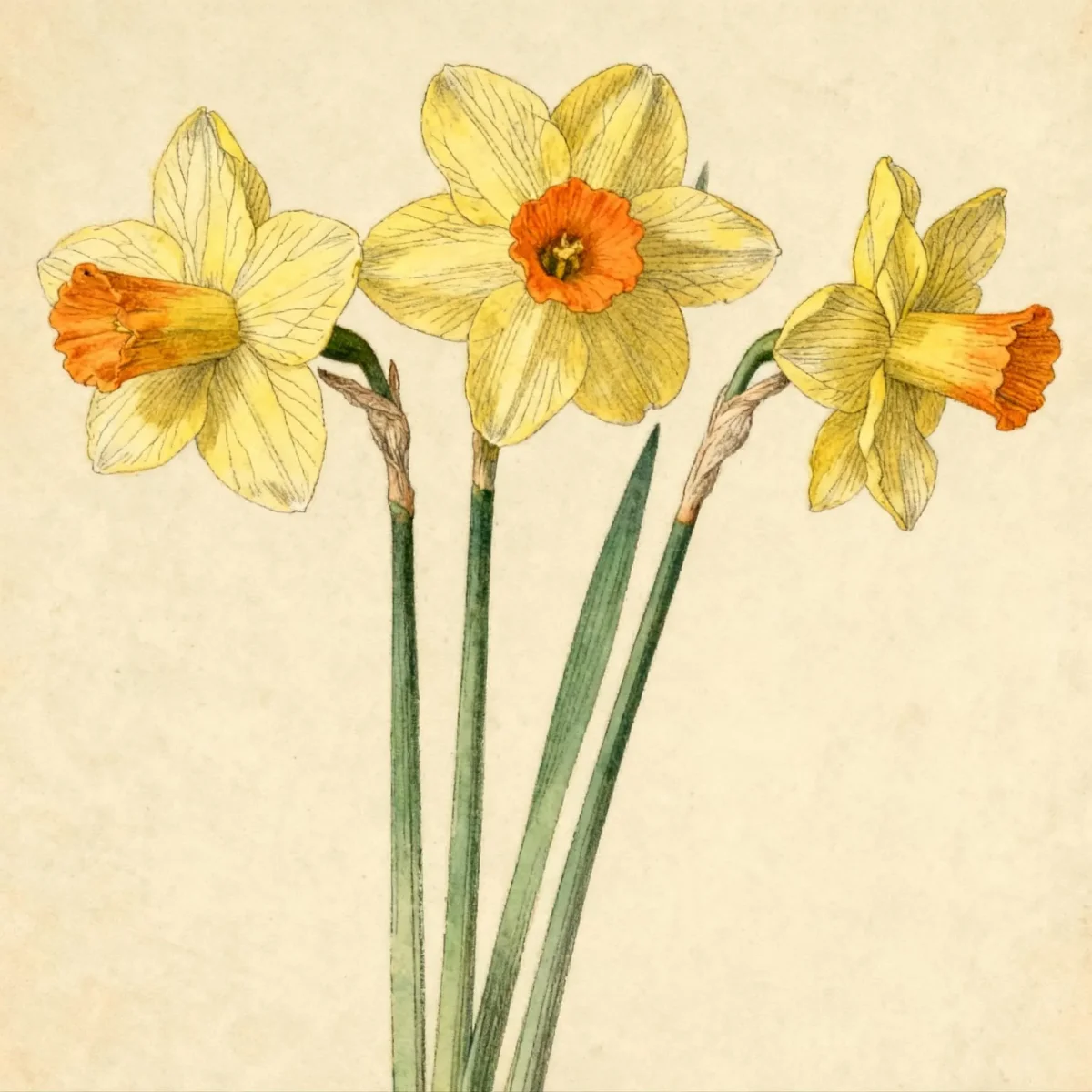
A key feature of the Narcissus (group) is its longevity; unlike many other spring bulbs, daffodils can be left undisturbed for many years, naturalizing readily. They emerge from bulbs planted in the fall, producing linear, strap-shaped foliage that supports striking flowers, each typically featuring a central cup (corona) and outer petals (perianth segments).
For practical garden application, Daffodil are highly valued for their almost pest-free nature in well-managed soils. Providing medium water needs during the growing season, these bulbs thrive in full sun or light partial shade, making them versatile for planting along woodland edges or in open borders.
Fast Facts
- Plant Family: Amaryllidaceae
- Plant Type: Bulb
- Hardiness Zones: USDA Zones 4-8
- Size at Maturity:
- Height: 0.5-2.5 ft
- Spread: 0.5-1 ft
- Bloom Time: March to April
- Bloom Description: White, yellow, orange, pink, bicolor
- Sun Exposure: Full sun to part shade
- Water Needs: Medium
- Maintenance Level: Low
How to Grow
Planting Narcissus (group) bulbs should occur in early to mid-fall before the ground freezes solid. Select organically rich loams that offer excellent drainage; poor drainage is the quickest way to encounter bulb rot. Plant each bulb 2 to 3 times as deep as the bulb is tall, ensuring at least 3 inches of soil covers the top. Spacing should range between 4 to 10 inches apart, accommodating the final spread of the mature Daffodil.
Once established, the care requirements are minimal. Keep the soil uniformly moist while the foliage is actively growing in spring, though this Daffodil tolerates summer dormancy drought well. After flowering, resist the temptation to cut the foliage immediately; this living tissue must remain intact until it begins yellowing naturally (usually 6-8 weeks post-bloom) to store energy for next year’s display.
For optimal visual impact, face your plantings so that any potential rear-area shade falls behind the bulbs, as flowers generally track the sun. If your clumps become overcrowded over the years, division is necessary, best performed immediately after the foliage dies back naturally in late spring or early summer.
Landscape Uses
Daffodils offer superior massing potential, excelling when planted in large, sweeping drifts rather than small, isolated groupings. They are perfect for naturalizing in open woodland areas, massed under deciduous trees where they receive spring sun, or used extensively in beds and borders to provide foundational early-season color. This reliable Narcissus (group) works beautifully interspersed with other spring bloomers like early tulips or grape hyacinths.
Because they naturalize so well, consider these bulbs at the front of shrub borders, where their fading foliage will be quickly masked by emerging summer perennials. Unlike tulips, which often require yearly replacement to maintain vigor, daffodils robustly return year after year, solidifying their place as a dependable investment in the perennial landscape.
Standout Features
Flower Qualities
- Showy
Noteworthy Characteristics
Narcissus (group) is a genus featuring about 50 species of bulbous perennials originating from Europe and North Africa, making them a premier addition to any spring garden display. Flowers typically appear one or clustered atop stems, defined by a central corona (cup) surrounded by six perianth segments, presenting colors from pure white and yellow through to vibrant pinks and bicolors. The genus name itself is steeped in classical mythology, reportedly honoring a youth famed for his own beauty.
Tolerances
- Rabbit
- Deer
- Drought
- Clay Soil
- Black Walnut
Potential Problems
Daffodils are generally celebrated for being almost entirely free from serious insect or disease issues, provided they are grown in cultures that support good soil drainage. The primary risk in cultivation is bulb rot, which stems directly from poorly drained, overly saturated soils, often leading to fungal issues. Infrequent pests may include slugs, snails, or the narcissus bulb fly, though populations rarely become problematic.
To manage potential issues, ensure site preparation focuses heavily on soil amendment to improve drainage prior to planting this perennial Daffodil. If virus symptoms, such as yellow streaking on the leaves, appear (Narcissus yellow stripe virus), affected plants should be removed immediately to prevent potential spread, though this is rare in healthy plantings.
Frequently Asked Questions
What hardiness zones is Daffodil suitable for?
Daffodils are hardy across USDA Zones 4 through 8, offering reliable spring performance across a wide range of climates.
How large does Daffodil grow?
Mature plants typically reach heights between 0.5 and 2.5 feet tall, with a spread of 0.5 to 1 foot.
When does Daffodil bloom?
You can expect these spring bloomers to appear between March and April, showcasing colors that span white, yellow, orange, pink, and bicolors.
What sun exposure does Daffodil need?
Daffodils thrive in Narcissus (group) plantings receiving Full sun to part shade exposure.
Conclusion
The Daffodil remains a vital, low-effort component of early spring interest, providing consistent color and returning faithfully for many seasons. These Narcissus (group) bulbs are exceptionally hardy and resistant to common garden pests. Ensure robust drainage and plant during the fall months to guarantee a spectacular return next spring.
Companion Planting
Selecting appropriate companions ensures that the garden remains visually interesting even after the Daffodil foliage begins to fade. Plant later-emerging perennials, such as Hostas or Siberian Irises, nearby to screen the yellowing leaves of the Narcissus (group). Early-season flowering companions like Scilla or Snowdrops can complement the Daffodil, creating layered waves of color in the border.
Design Ideas
For a highly effective composition, plant daffodils in bold drifts; a minimum grouping of six bulbs provides a stronger visual presence than scattered individual plantings. Consider using them in naturalized areas where they can spread year after year without interference. Since they strongly face the sun, position groupings where taller shrubs or structures won’t block their light source, as this impacts bloom orientation.