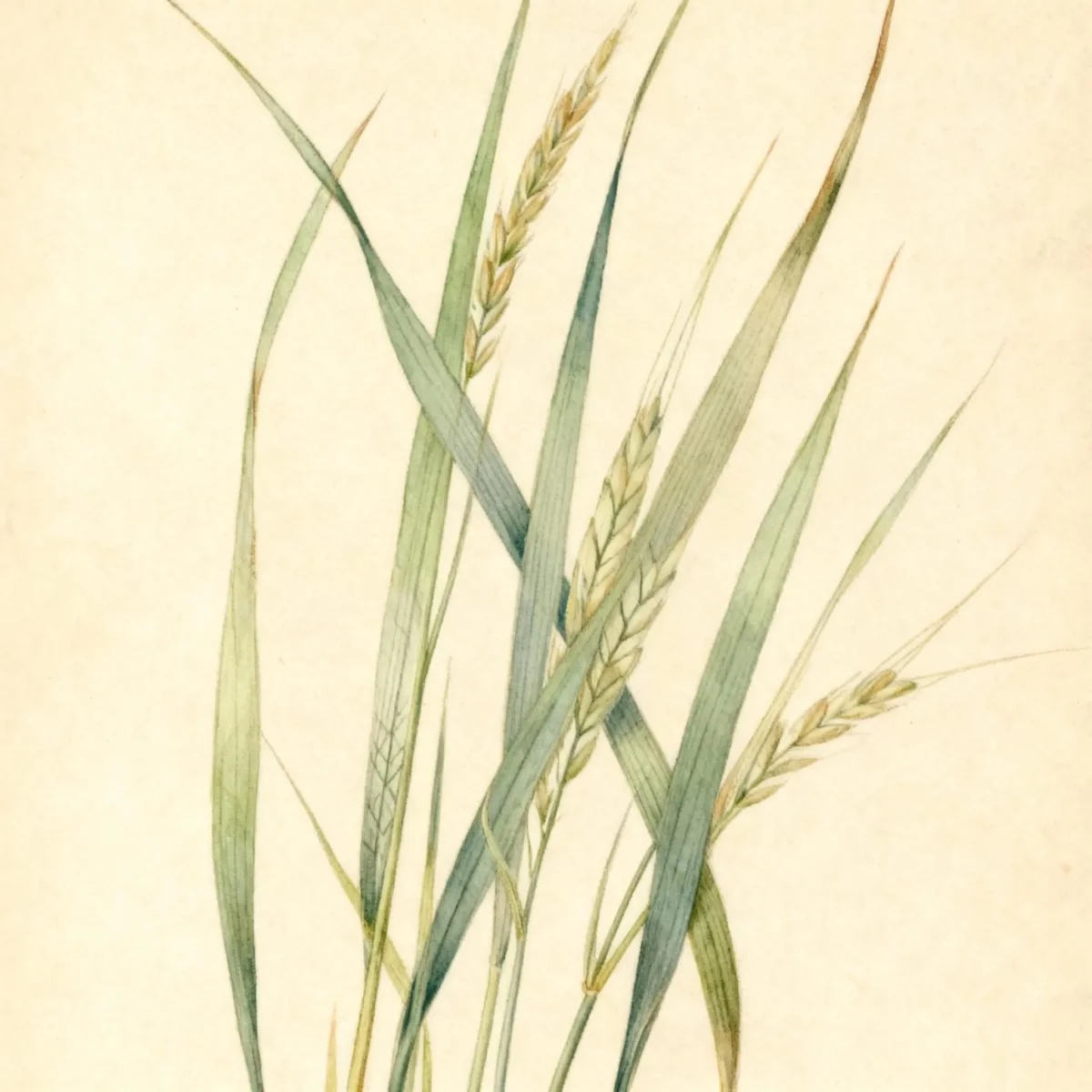
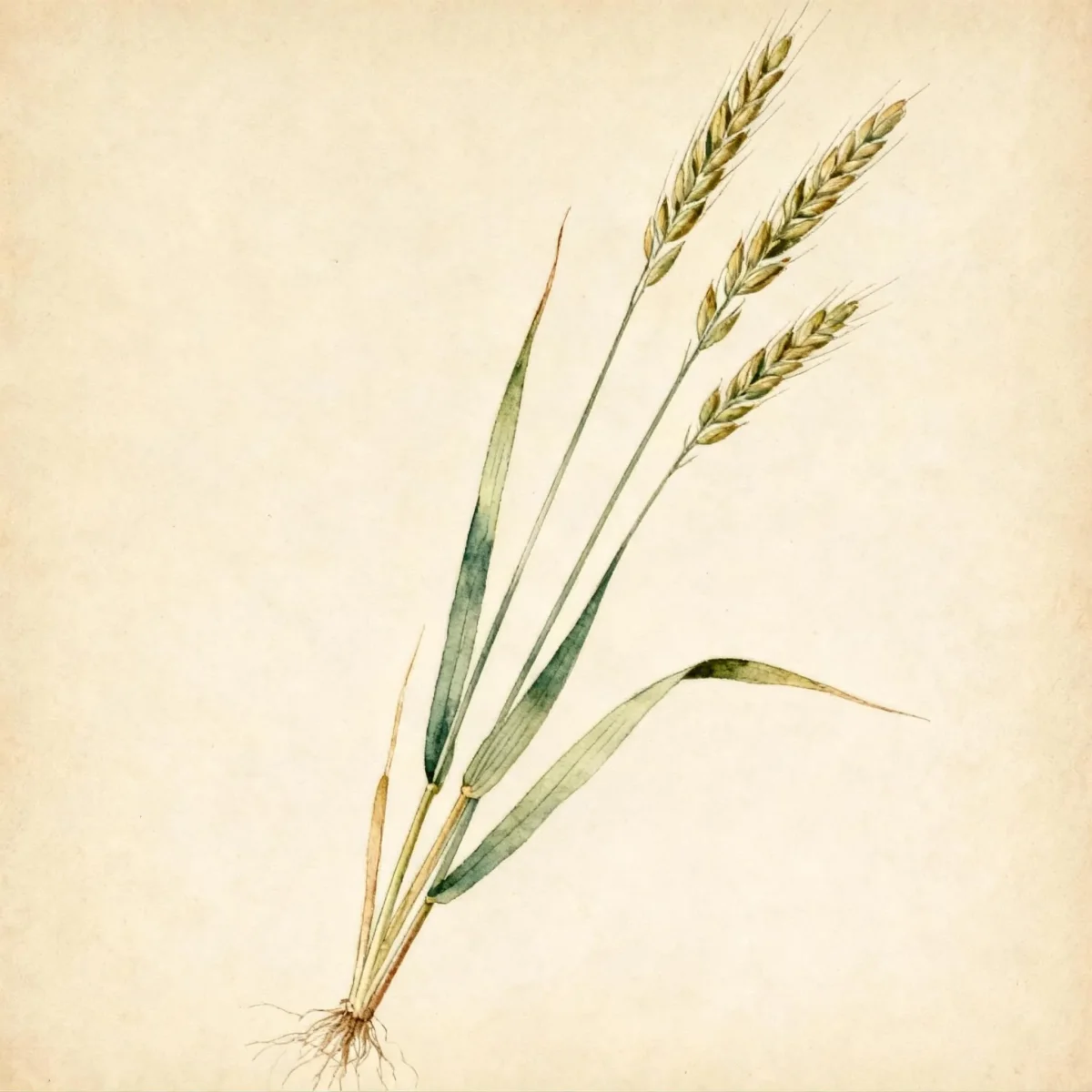
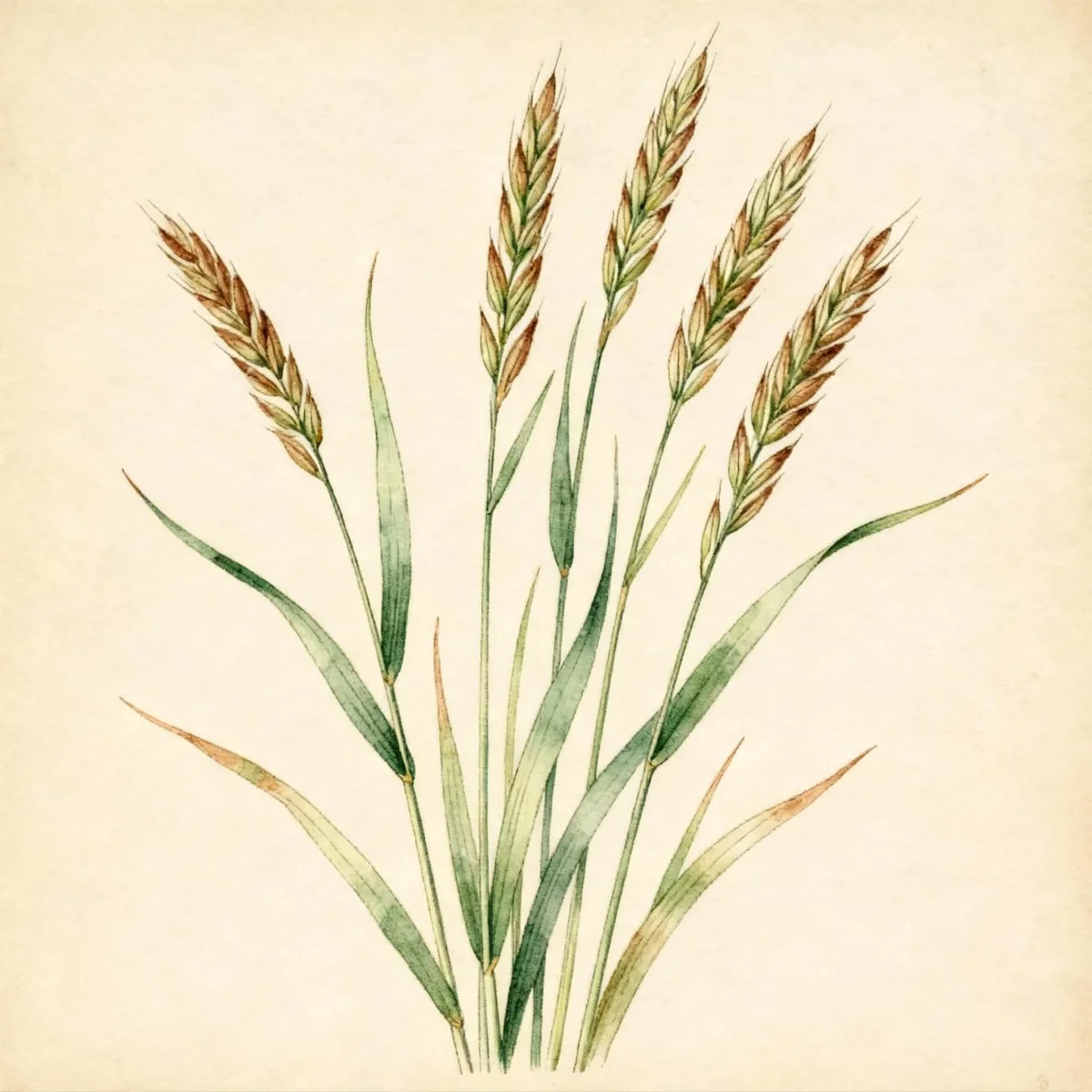
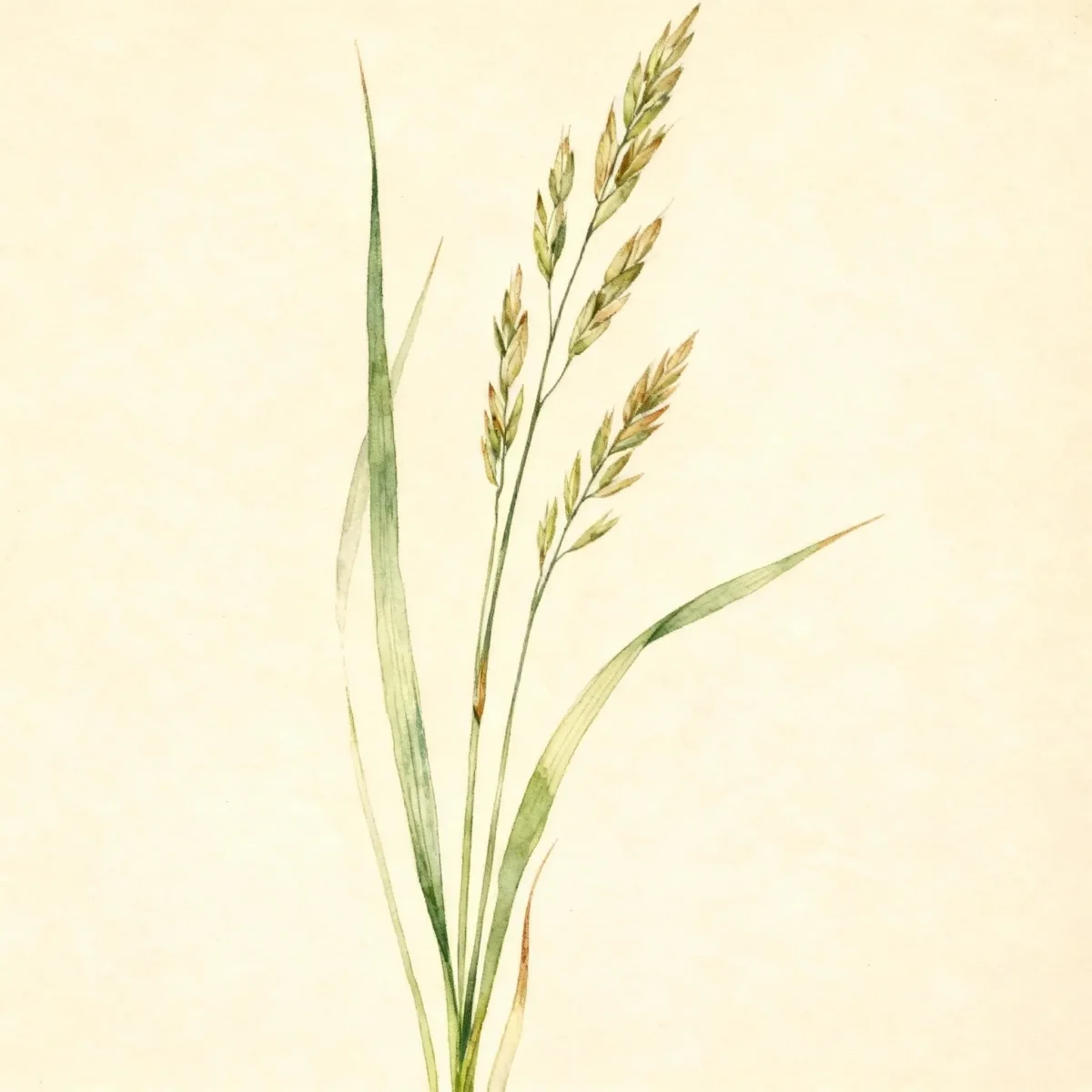
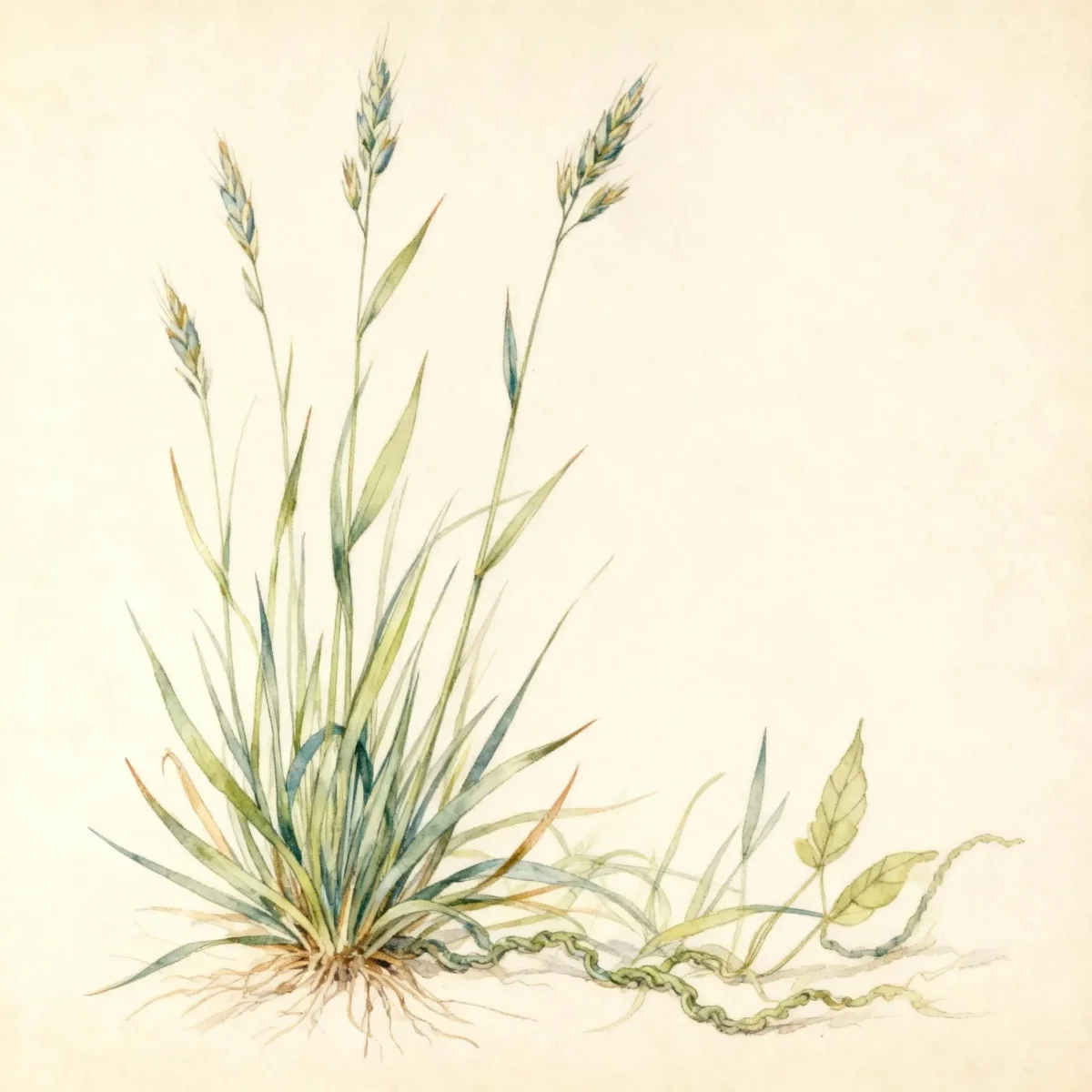
Kentucky bluegrass (Poa pratensis (group))
Kentucky bluegrass (Poa pratensis (group)) forms dense, fine-textured turf, ideal for cool climate lawns. Requires medium care.
Scroll down to discover growing tips, care requirements, companion plants, and more
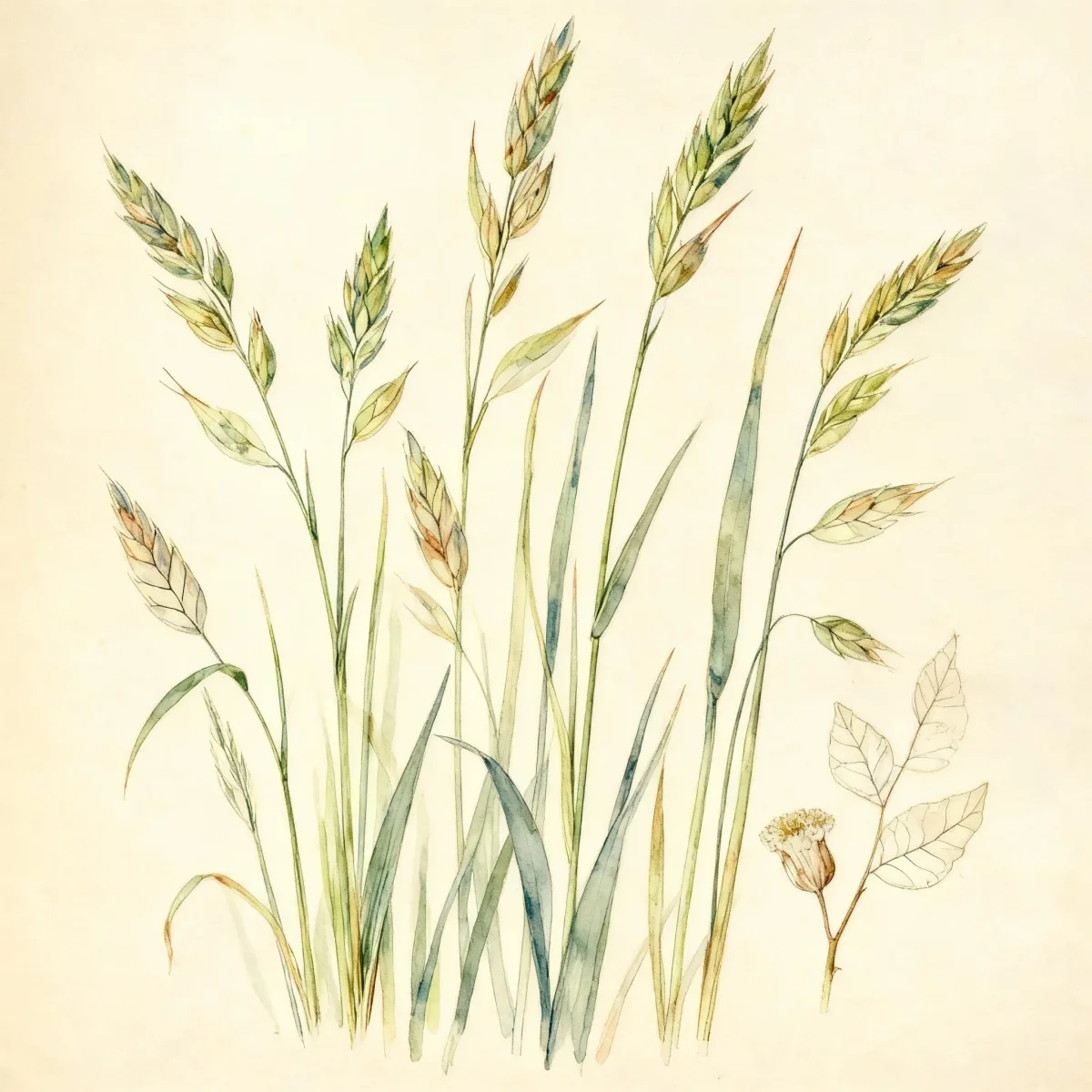
Complete Plant Information
Overview
Kentucky bluegrass, scientifically known as Poa pratensis (group), is a cornerstone of cool-season turf across North America due to its exceptional resilience and visual appeal. This creeping grass forms a dense, durable sod, making it highly valued for creating high-quality home lawns and public grounds. Its fine texture and rich, medium to dark green color contribute significantly to landscape aesthetics.
This Poa pratensis (group) excels primarily in cooler climates where it can maintain consistent moisture and temperatures. Establishment can be slow, which is why it is frequently blended with quicker-growing species like fescues initially. Successful cultivation relies on matching its cultural needs, particularly regarding soil fertility and regular mowing.
As the standard against which many cool-season grasses are judged, Kentucky bluegrass offers a robust foundation for high-use areas. Gardeners appreciate the dense mat formed by its rhizomes, which helps resist wear and traffic once fully established, ensuring a long-lasting, beautiful lawn surface throughout the appropriate growing seasons.
Fast Facts
- Plant Family: Poaceae
- Plant Type: Turfgrass
- Hardiness Zones: USDA Zones 3-7
- Size at Maturity:
- Height: 0.25-0.25 ft
- Spread: 0.5-0.5 ft
- Bloom Time: Non-flowering
- Bloom Description: Green
- Sun Exposure: Full sun to part shade
- Water Needs: Medium
- Maintenance Level: Medium
How to Grow
For optimal establishment, Kentucky bluegrass (Poa pratensis (group)) should be sown in fertile, well-drained soils that maintain medium moisture levels. Planting is best performed in late summer or early fall when temperatures are mild, allowing the emerging rhizomes to establish before extreme summer heat or winter cold sets in. While it thrives in full sun in cooler northern regions, transition zone climates benefit greatly from afternoon shade protection during intense summer heat.
Consistent cultural care is vital for this popular turfgrass. Watering should target 1 to 1.5 inches per week, especially during establishment or dry spells. Fertilization is recommended periodically, often scheduled for May, September, and October to support seasonal growth cycles. For a superior turf, incorporate seed mixes containing 3-5 different Poa pratensis (group) cultivars to maximize diversity in disease resistance and texture.
Mowing height directly impacts the crown health of Kentucky bluegrass. In summer, maintain a height of 3 inches to protect the crowns during high temperatures, potentially leading to temporary semi-dormancy if drought occurs above 90°F. Reduce the height to 2 inches in the cooler spring and fall months for enhanced manicuring, ensuring you never remove more than one-third of the blade length at any single mowing.
Landscape Uses
Kentucky bluegrass is primarily utilized as a superior turfgrass for cool to moderate climates. It is the go-to choice for setting the standard quality in home lawns where aesthetics and wear resistance are priorities. Beyond residential use, Poa pratensis (group) is commonly found establishing ground cover on cemeteries, municipal parks, and high-traffic athletic fields.
Its ability to form a dense, interconnected sod through underground rhizomes makes it excellent for stabilizing gently sloped areas needing uniform cover. While it is not typically used in formal border planting or containers, its fine texture blends well with broader-bladed grasses or low-growing, shade-tolerant groundcovers at the perimeter of the lawn area.
When designing, remember that cultivar blends offer better overall performance than single-variety lawns. Utilizing a blend ensures that if one specific cultivar shows susceptibility to a local pathogen, others in the mix can maintain turf density.
Standout Features
Noteworthy Characteristics
KBG is one of the most widely planted turfgrasses for the northern 1/2 of the United States and is generally considered to be the standard by which cool season grasses are compared. It is a creeping (by rhizomes), fine-textured, cool season turfgrass which features soft, narrow, linear, rich, medium to dark green blades (to 1/8” wide) and characteristic boat-shaped tips. The network of roots and rhizomes forms a dense sod. A large number of KBG cultivars have been introduced over the years which vary considerably in terms of disease resistance, texture, color, cultural requirements and recommended uses. ‘Gnome’, ‘Baron’ and ‘Viva’ seed were mixed and sown at the Kemper Center KBG demonstration plot in the Ground Cover Border. These three KBG cultivars are reportedly superior to the species. They compliment each other and as blended together provide a dense, dark green, quality turf with good resistance to disease and drought.Genus name comes from the Greek word poa meaning fodder grass.Specific epithet means of the meadows
Potential Problems
KBG is susceptible to a number of fungal diseases including dollar spot, leaf spots, stripe smut, powdery mildew and summer patch. Summer patch can be particularly troublesome in the St. Louis area. KBG is subject to attack from a number of insects including root-eating grubs, cutworms, billbugs and sod webworms. When under stress, most cultivars will show diminished resistance to damage from insects, diseases and drought.
Management of these issues is often linked to cultural health. Reducing stress via proper watering and fertilization schedules is the best defense against disease; for instance, avoid heavy nitrogen applications late into the fall to mitigate the risk of stripe smut. Insect control often requires scouting for pest activity, particularly root-eating grubs, and applying targeted insecticides when necessary, especially if the lawn shows signs of decline during periods of stress.
Frequently Asked Questions
What hardiness zones is Kentucky bluegrass suitable for?
Kentucky bluegrass (Poa pratensis (group)) is suitable for USDA Zones 3 through 7. Ensure your location falls within this range for reliable performance.
How large does Kentucky bluegrass grow?
This turfgrass typically matures to a very consistent height between 0.25 and 0.25 feet, with a spread around 0.5 to 0.5 feet, functioning as a low-growing, dense mat.
What sun exposure does Kentucky bluegrass need?
Poa pratensis (group) prefers full sun, especially in northern areas, but can tolerate part shade, particularly afternoon shade in hotter climates.
When does Kentucky bluegrass bloom?
Kentucky bluegrass is listed as non-flowering, though it produces inconspicuous green blooms when mature enough.
Conclusion
Kentucky bluegrass remains a premium choice for homeowners and groundskeepers seeking a dense, fine-textured, and highly durable cool-season turf. The ability of Poa pratensis (group) to spread via rhizomes creates an enviable, uniform surface that resists wear better than many alternatives. Before planting, confirm your regional hardiness zone compatibility and commit to the medium maintenance required for optimal color and health.
Companion Planting
When establishing a Kentucky bluegrass lawn, companion planting often involves selecting other species to blend with it during seeding. Since KBG is slow to establish, mixing its seed with faster-germinating species like annual or perennial rye provides immediate erosion control and temporary cover. This initial density protects the slower-growing Poa pratensis (group) seedlings.
For areas that receive highly variable light conditions, consider blending KBG with fine fescues. Fine fescues tolerate lower light levels better than bluegrass, ensuring green coverage continues in thinly shaded areas where the bluegrass thins out. This allows the KBG to dominate the sunnier sections while the fescue fills in, creating a more resilient and adaptable lawn canopy.
Seasonal Care Calendar
Spring cleanup involves gently raking matted areas to encourage new growth and prepare the crowns for the ideal 2-inch mowing height. This is a good time to apply a balanced fertilizer to support vigorous summer growth and disease resistance. Summer care focuses heavily on consistent, deep watering—aiming for 1 to 1.5 inches weekly—and keeping the mower set high at 3 inches to protect the grass from heat stress.
Fall fertilization, especially in September and October, is critical for building robust root reserves in Kentucky bluegrass. Focus on slow-release nitrogen sources to prepare the sod for winter dormancy. If overseeding bare patches, do so in early fall, as winter preparation is key to a dense stand of Poa pratensis (group) the following spring.