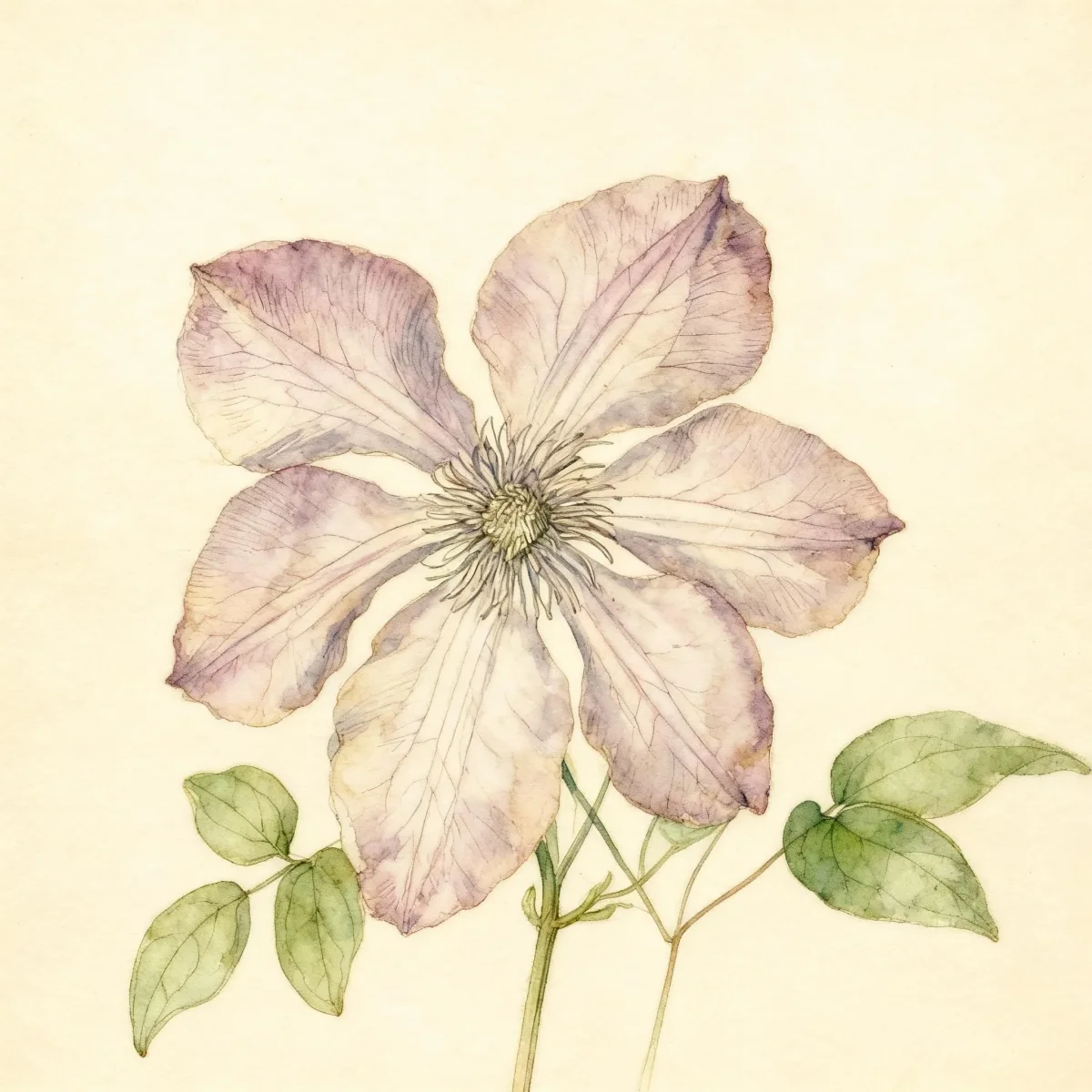
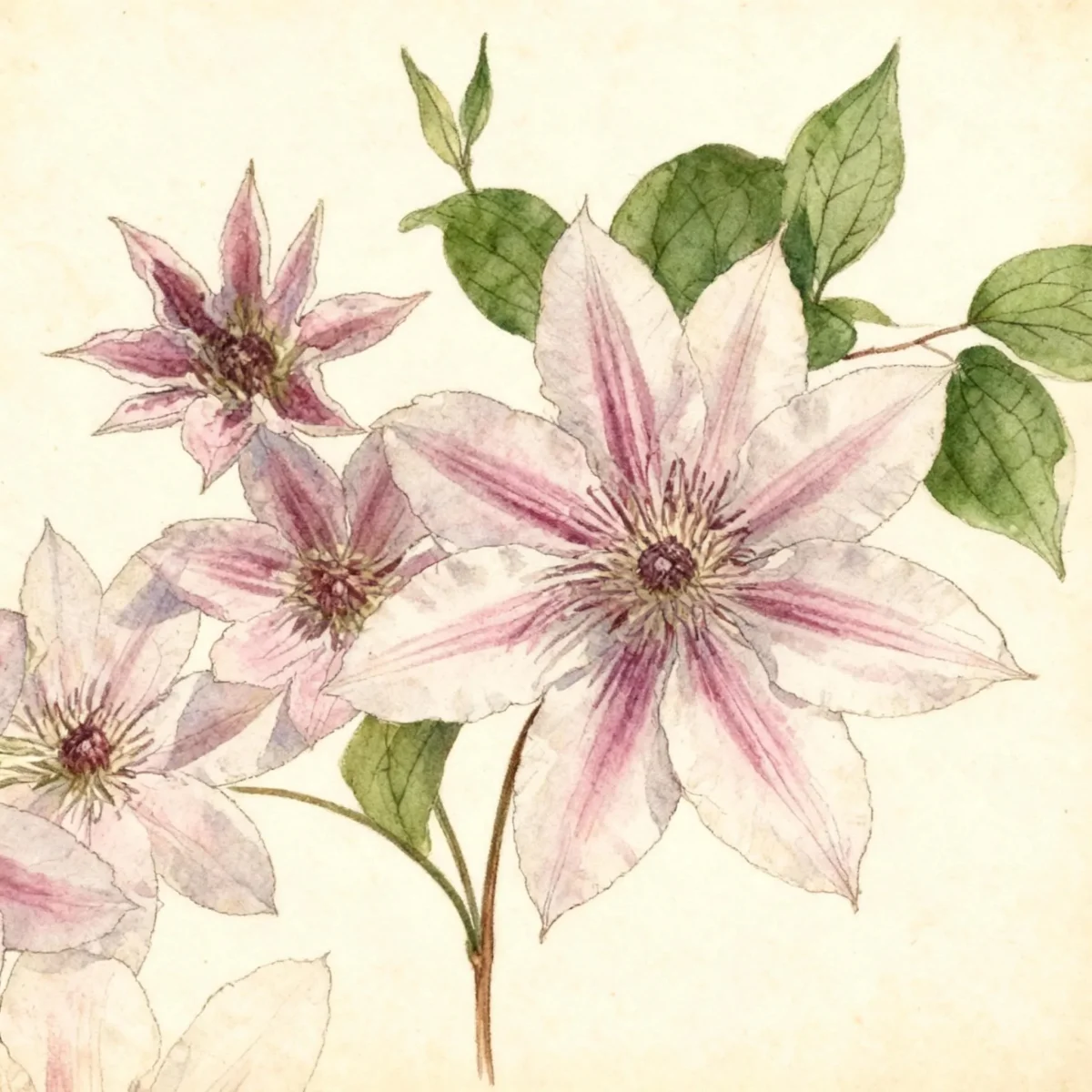
Clematis (Clematis 'Jackmanii Superba')
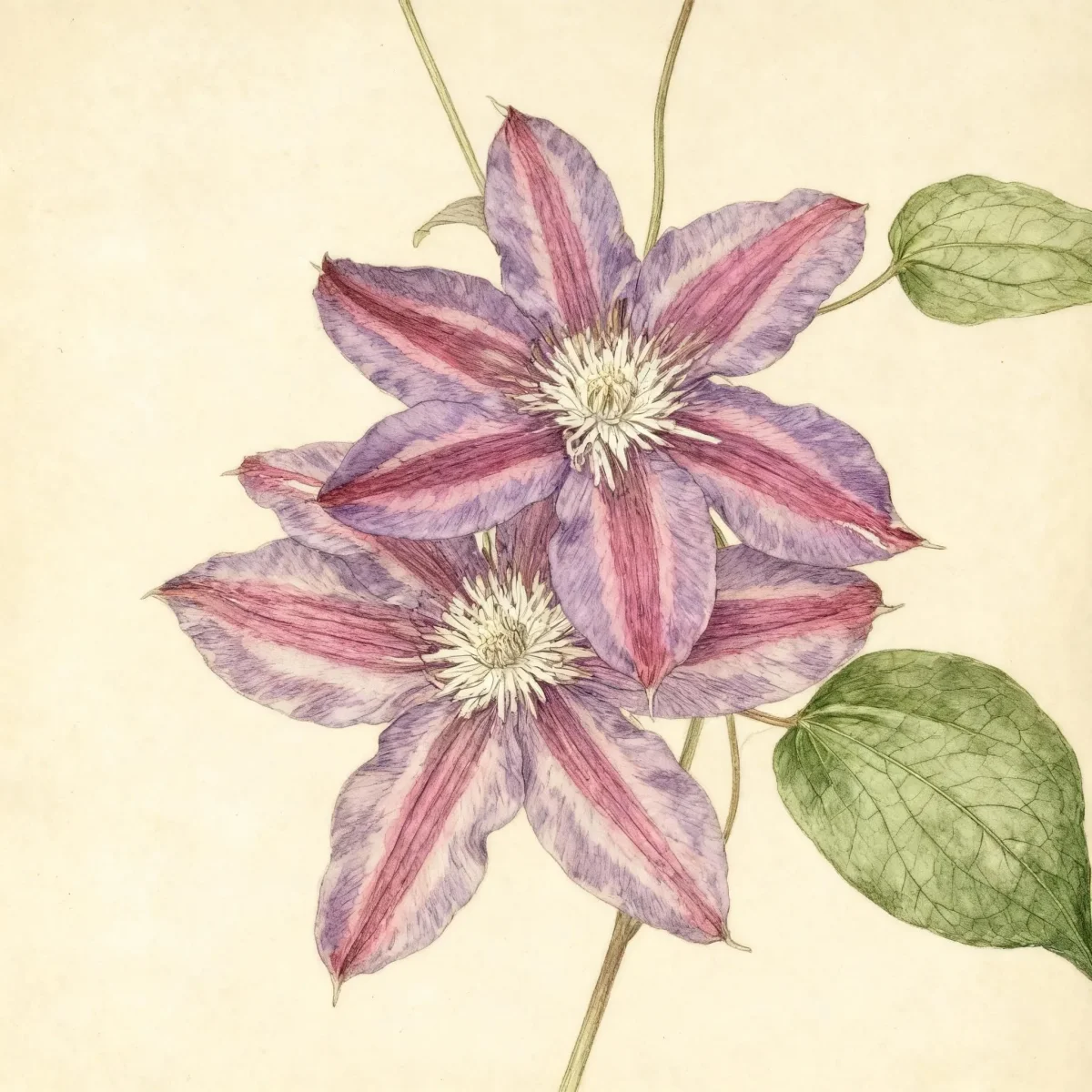
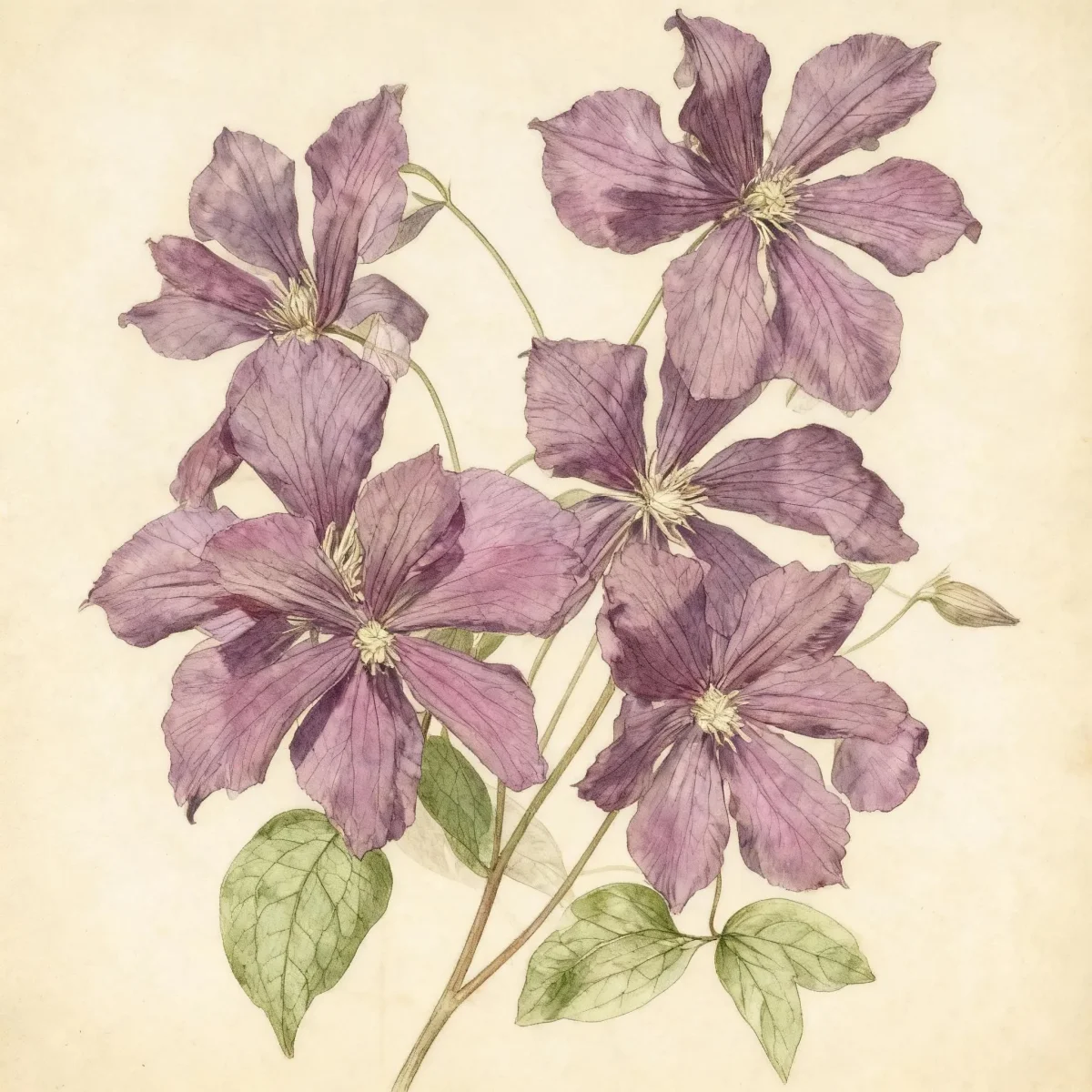
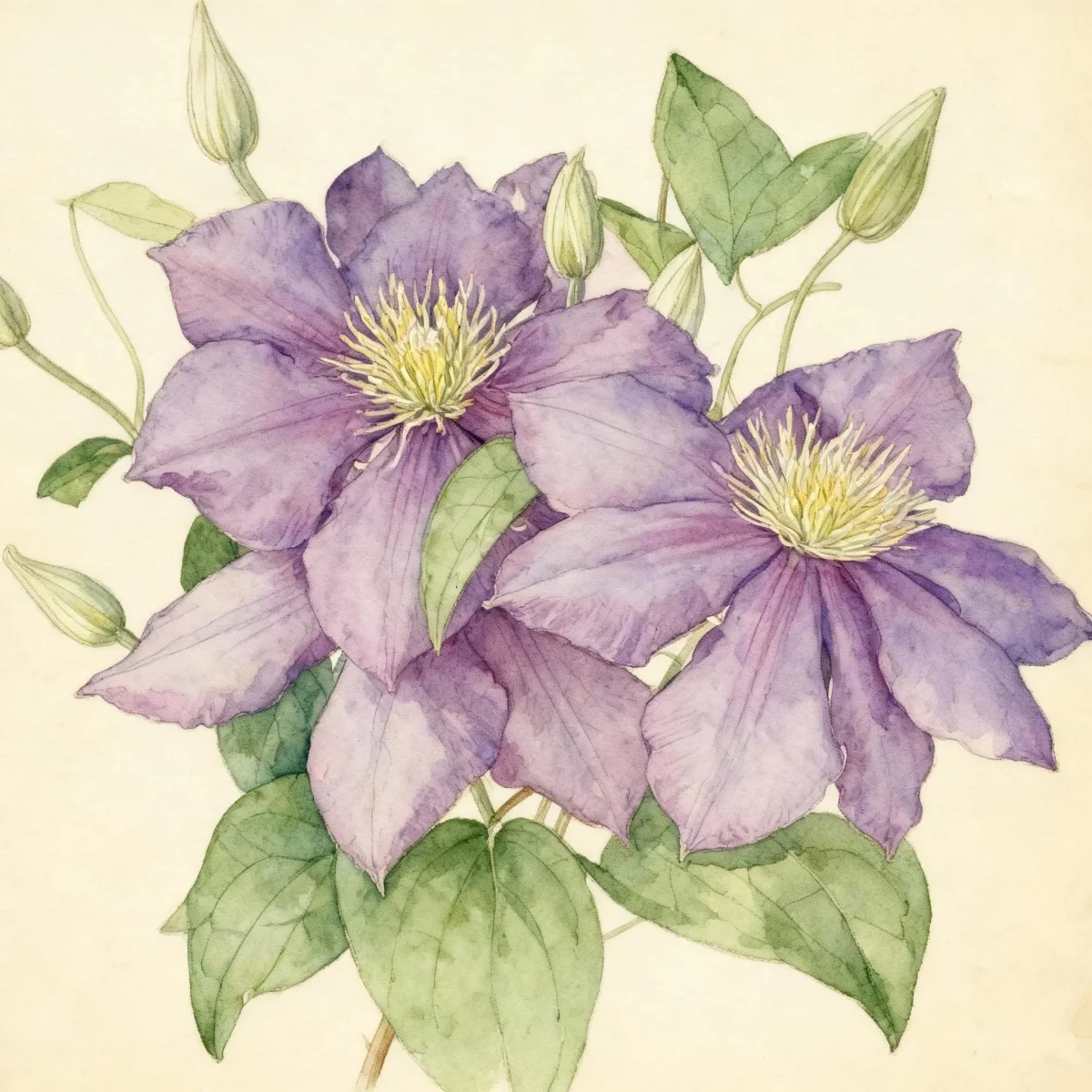
The spectacular Clematis 'Jackmanii Superba' boasts prolific velvet purple blooms from late spring to fall, thriving in USDA Zones 4-8.
Scroll down to discover growing tips, care requirements, companion plants, and more
Complete Plant Information
Overview
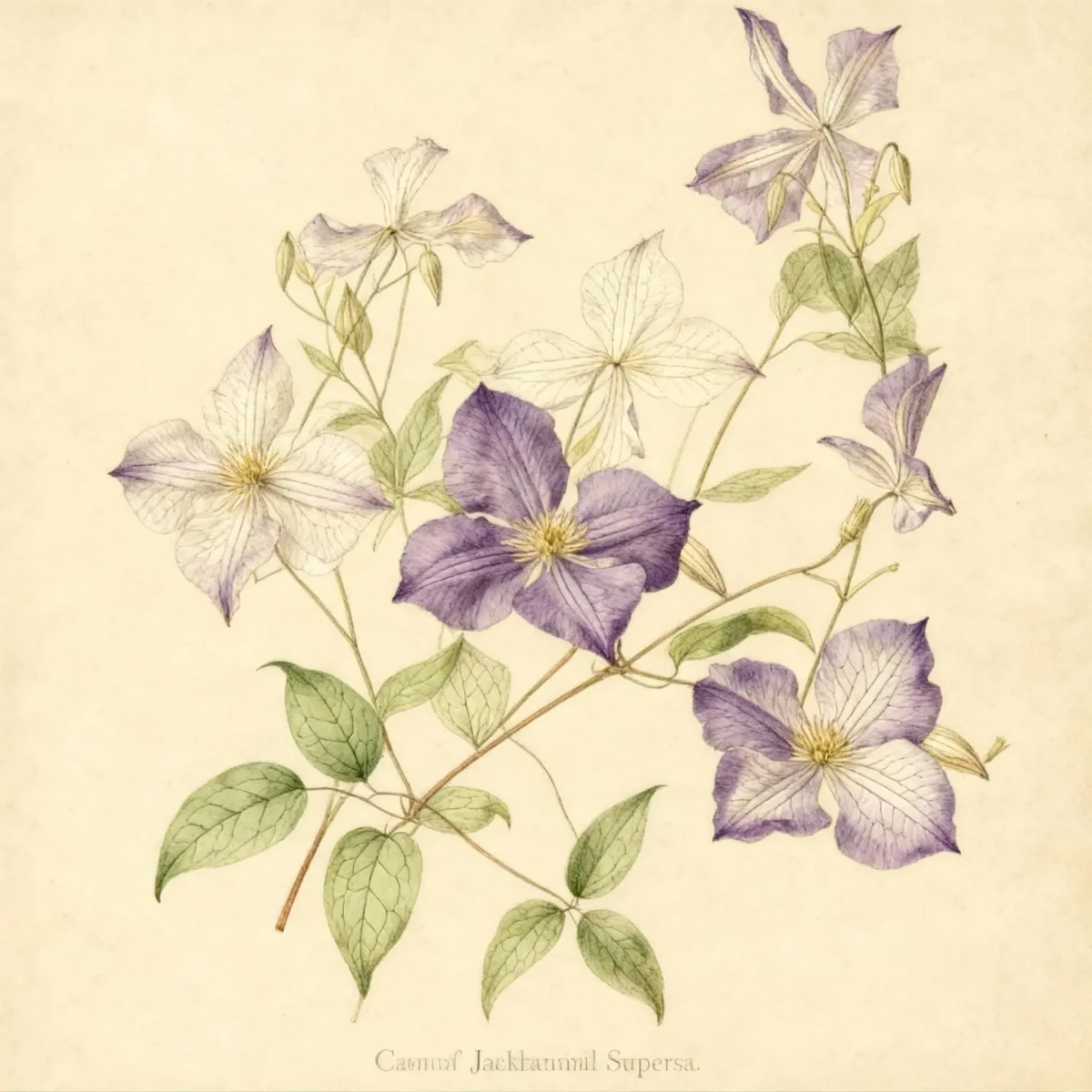
Clematis ‘Jackmanii Superba’ is a highly valued, large-flowered hybrid perfect for adding dramatic vertical interest to the garden landscape. This deciduous perennial vine produces an incredible display of velvet purple flowers, which are larger and often more numerous than the original ‘Jackmanii’. As a member of the diverse Clematis genus, this cultivar provides long-lasting seasonal color, blooming continuously from May through October.
This vigorous climber requires structured support, making it essential to plan its placement near a trellis, arbor, or wall. While the flowering parts love the sun, successful cultivation of Clematis hinges on keeping the root zone cool and shaded. Gardeners prize the low maintenance needs once established, allowing this spectacular vine to maximize its architectural impact with minimal fuss.
The superior performance and extended bloom time of Clematis ‘Jackmanii Superba’ make it a cornerstone for vertical gardening designs. Utilizing this fast-growing woody vine ensures continuous visual appeal throughout the growing season, transforming plain structures into breathtaking floral statements.
Fast Facts
- Plant Family: Ranunculaceae
- Plant Type: Vine
- Hardiness Zones: USDA Zones 4-8
- Size at Maturity:
- Height: 10-12 ft
- Spread: 2-4 ft
- Bloom Time: May to October
- Bloom Description: Purple
- Sun Exposure: Full sun to part shade
- Water Needs: Medium
- Maintenance Level: Low
How to Grow
Plant Clematis ‘Jackmanii Superba’ in fertile, well-drained soil. The foundation of success for this Clematis lies in its unique light requirements: ensure the leafy vine receives full sun to part shade, but insist that the root area remains cool, shaded, and uniformly moist. In hot regions, providing light afternoon shade is crucial for plant comfort and health.
Watering should be consistent; maintain medium moisture levels, ensuring the soil never dries out completely, especially during active growth. To achieve the necessary root shading, strategically plant low-growing perennials or small shrubs around the base, or apply a thick layer of root mulch. Adequate nutrients are vital to support the rapid growth and heavy flowering of this vigorous vine.
Clematis ‘Jackmanii Superba’ generally falls under Pruning Group 3, meaning it flowers only on new wood. For hard pruning, cut the vine back severely to strong leaf buds, leaving only 8 to 12 inches from the ground in late winter. Alternatively, if you prefer less drastic reduction, you can lightly prune in late winter, followed by a trimming after the first flush of blooms (Pruning Group 2 care). All Clematis vines absolutely require strong support, such as a trellis or sturdy structure, upon which to twine and climb.
Landscape Uses
Clematis vines, particularly robust varieties like Clematis ‘Jackmanii Superba’, offer excellent architectural height, adding framework and dimension to small gardens. They are ideal candidates for training up walls, fences, arbors, or lampposts, drawing the eye upward throughout the summer. The dense foliage also provides welcome cooling shade once established.
Beyond vertical placement, these versatile vines adapt well to more informal roles. Consider allowing Clematis ‘Jackmanii Superba’ to sprawl naturally through established, sturdy shrubs, creating a hidden treasure effect, or letting it scramble over old stumps for a rustic look. They also perform admirably as ground covers when planted alongside shorter flowering perennials, which help shade the crucial root zone.
For gardeners with limited space, containers offer a beautiful solution. Ensure any container is large enough to accommodate the mature root system and that excellent drainage is maintained. Placing the container where the base is shaded while the upper vine reaches the sun maximizes the health and bloom impact of this purple-flowering beauty.
Standout Features
Flower Qualities
- Showy
Noteworthy Characteristics
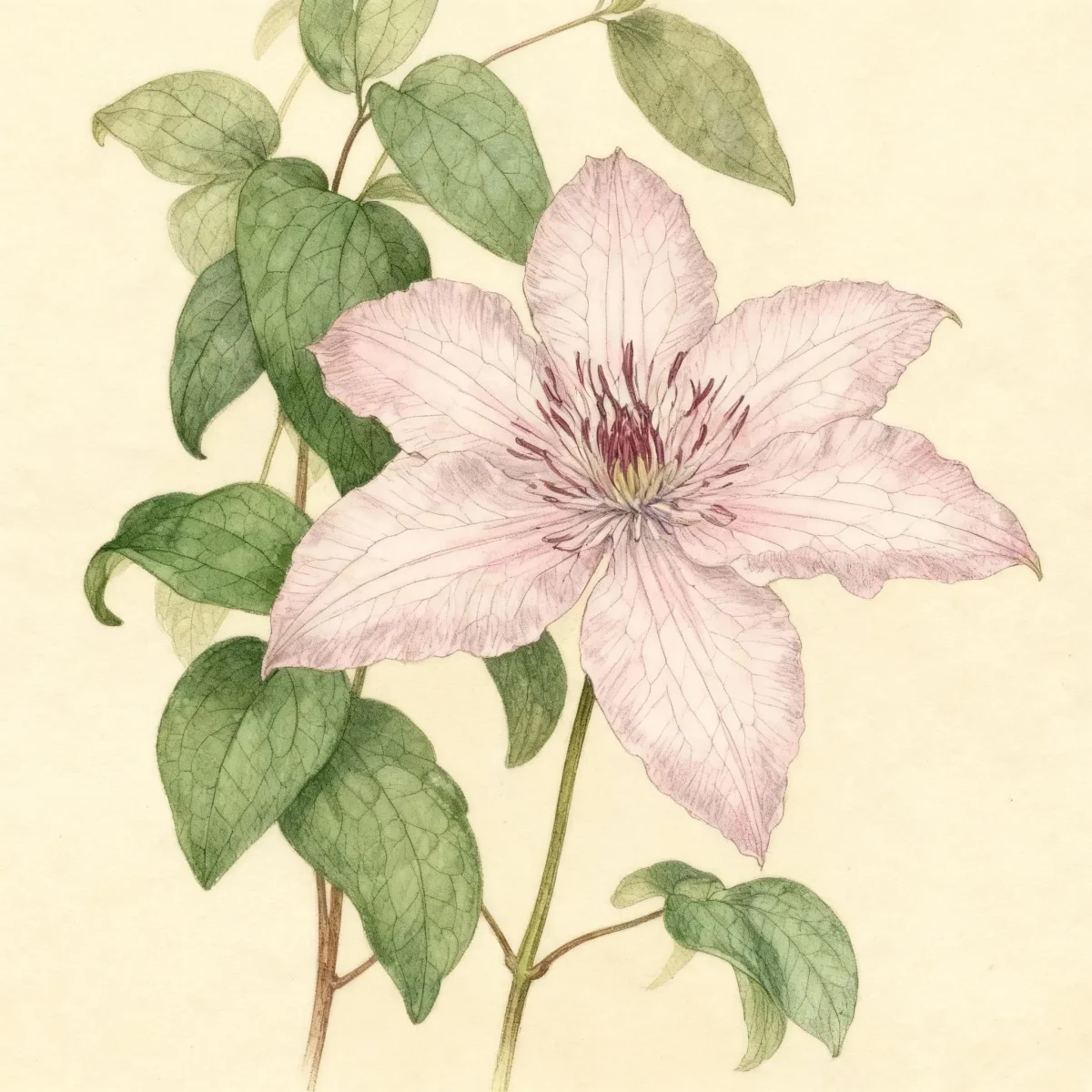
Clematis is a genus of over 250 species, most of which are woody to semi-woody deciduous vines climbing by twining leaf stalks or in some cases trailing over support, but in a few cases grow as freestanding or sprawling herbaceous perennials and small deciduous or evergreen shrubs. Known botanically for their flat, cupped, or bell-shaped flowers, this group is further defined by their ornamental potential, including fluffy seed heads in autumn. ‘Jackmanii Superba’ specifically improves upon its predecessor by offering a more profuse bloom of slightly larger, rounded flowers, culminating in velvet purple blooms up to 5 inches wide covering the vine from late spring into fall.
Tolerances
- Deer
- Black Walnut
Potential Problems
Clematis plants face several identifiable health challenges that require vigilant observation. The most severe threat is wilt or stem rot, which can be fatal if not caught early. Other common issues include fungal diseases like powdery mildew, leaf spots, and rust, along with various viruses.
Gardeners must also monitor for common pests such as aphids, scale, earwigs, slugs, and snails, with spider mites being a frequent presence during dry spells. Prevention is key; ensure good air circulation around the foliage, maintain consistent moisture (avoiding overly wet soil), and protect the root zone as recommended. Promptly remove and dispose of infected foliage to limit the spread of disease.
Frequently Asked Questions
What hardiness zones is Clematis ‘Jackmanii Superba’ suitable for?
Clematis ‘Jackmanii Superba’ is well-suited for gardeners in USDA Hardiness Zones 4 through 8.
How large does Clematis ‘Jackmanii Superba’ grow?
This vigorous vine typically reaches a height between 10 and 12 feet, with a relatively narrow spread of 2 to 4 feet, requiring significant vertical support.
What sun exposure does Clematis ‘Jackmanii Superba’ need?
This cultivar performs best when grown in locations receiving full sun to part shade, remembering that the aerial growth needs sun while the roots must be kept cool and shaded.
When does Clematis ‘Jackmanii Superba’ bloom?
You can expect prolific flowering from this late-blooming hybrid Clematis continuously from May all the way through October, featuring rich purple blooms.
Conclusion
The Clematis ‘Jackmanii Superba’ delivers exceptional, low-maintenance beauty characterized by its exceptionally long bloom period and large, striking purple flowers. Successfully incorporating this premier Clematis hybrid into your garden provides unparalleled vertical accenting for any structure it climbs. Before planting, ensure your location offers the right balance of sun for the vine and shade for the roots, and plan for necessary winter pruning.
Companion Planting Ideas
Choosing the right companions for Clematis ‘Jackmanii Superba’ is often dictated by the need to shade the vine’s roots while complementing its dramatic purple coloring. Low-growing, shade-tolerant perennials make excellent companions, as they fulfill the requirement of keeping the root zone cool and moist without competing heavily for light at the top. Good choices include Hostas, Astilbes, or bushy Geraniums, which provide textural contrast below the soaring vine.
For a classic cottage garden look, pair the Clematis with climbing roses or early summer-blooming shrubs. Ensure that any accompanying shrubs are kept pruned so they do not overly crowd the bottom of the Clematis, which could restrict air circulation needed to prevent fungal issues. Remember that whichever companion you select, be mindful of the medium water needs shared by most of these plants.
Seasonal Care Calendar
Spring preparation is crucial for maximizing the season for your Clematis. In early spring, before new growth begins, perform the necessary hard pruning for this Group 3 plant, cutting stems back to about 8-12 inches from the ground. Simultaneously, apply a slow-release granular fertilizer and refresh the thick layer of root mulch to maintain cool soil temperatures throughout the upcoming heat.
During the summer growing season, focus primarily on consistent watering, especially as the vine reaches its mature height and blooms profusely from May to October. Monitor actively for pests like spider mites and address any signs of powdery mildew immediately by improving air flow. In locales with very hot summers, ensure that afternoon shading to the base remains intact.
As autumn approaches, enjoy the final blooms and the ornamental, silky seed heads that form after the flowers fade. After the foliage dies back in late fall or before new growth emerges in late winter, this is the ideal time for deep root zone preparation and any necessary structure repairs before the next vigorous growth cycle begins for Clematis ‘Jackmanii Superba’.