Sneezeweed (Helenium 'Helbro' MARDI GRAS)
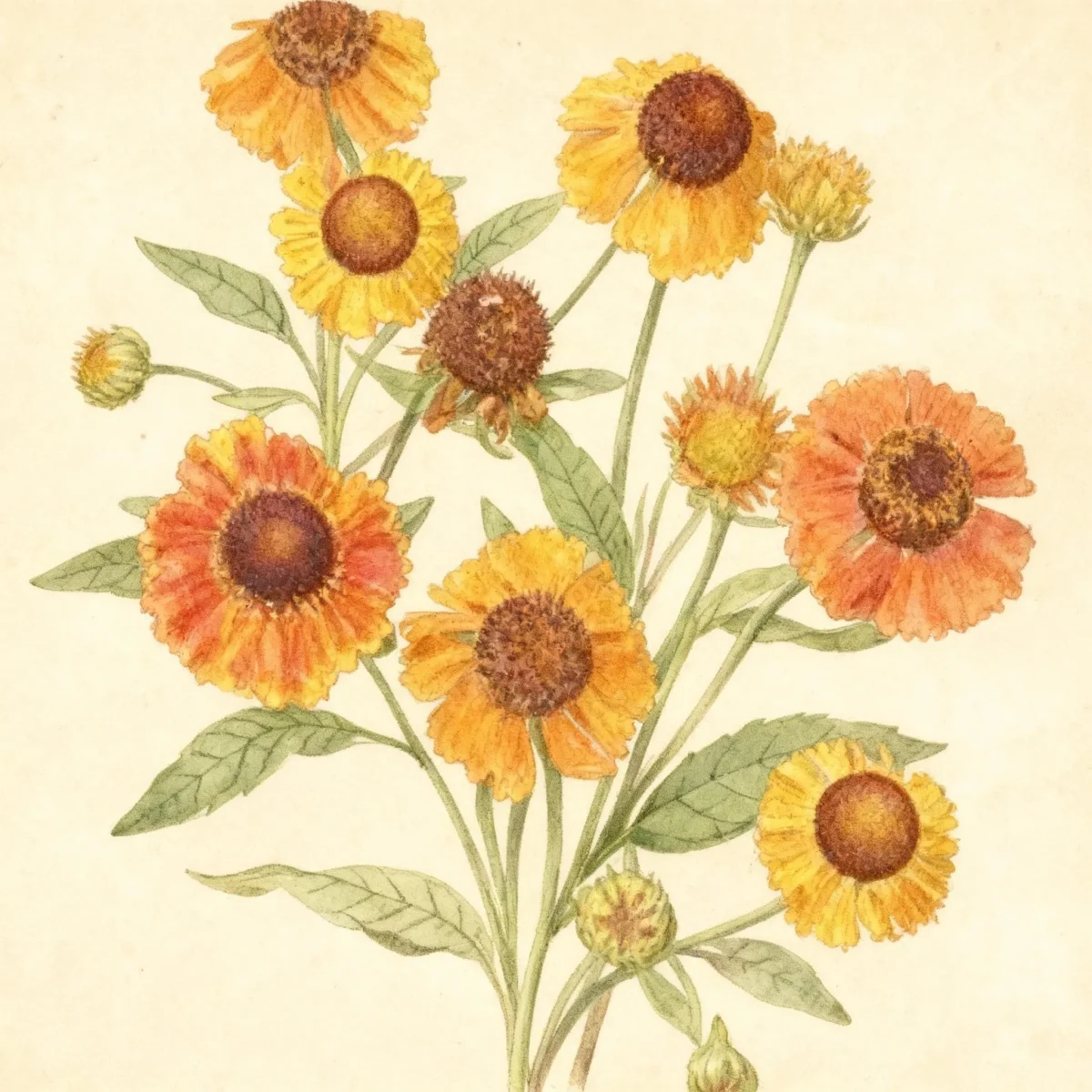
Helenium 'Helbro' MARDI GRAS Sneezeweed delights with yellow/red bicolored flowers from Aug-Oct. A medium-maintenance perennial thriving in full sun and wet soil.
Scroll down to discover growing tips, care requirements, companion plants, and more
Complete Plant Information
Overview
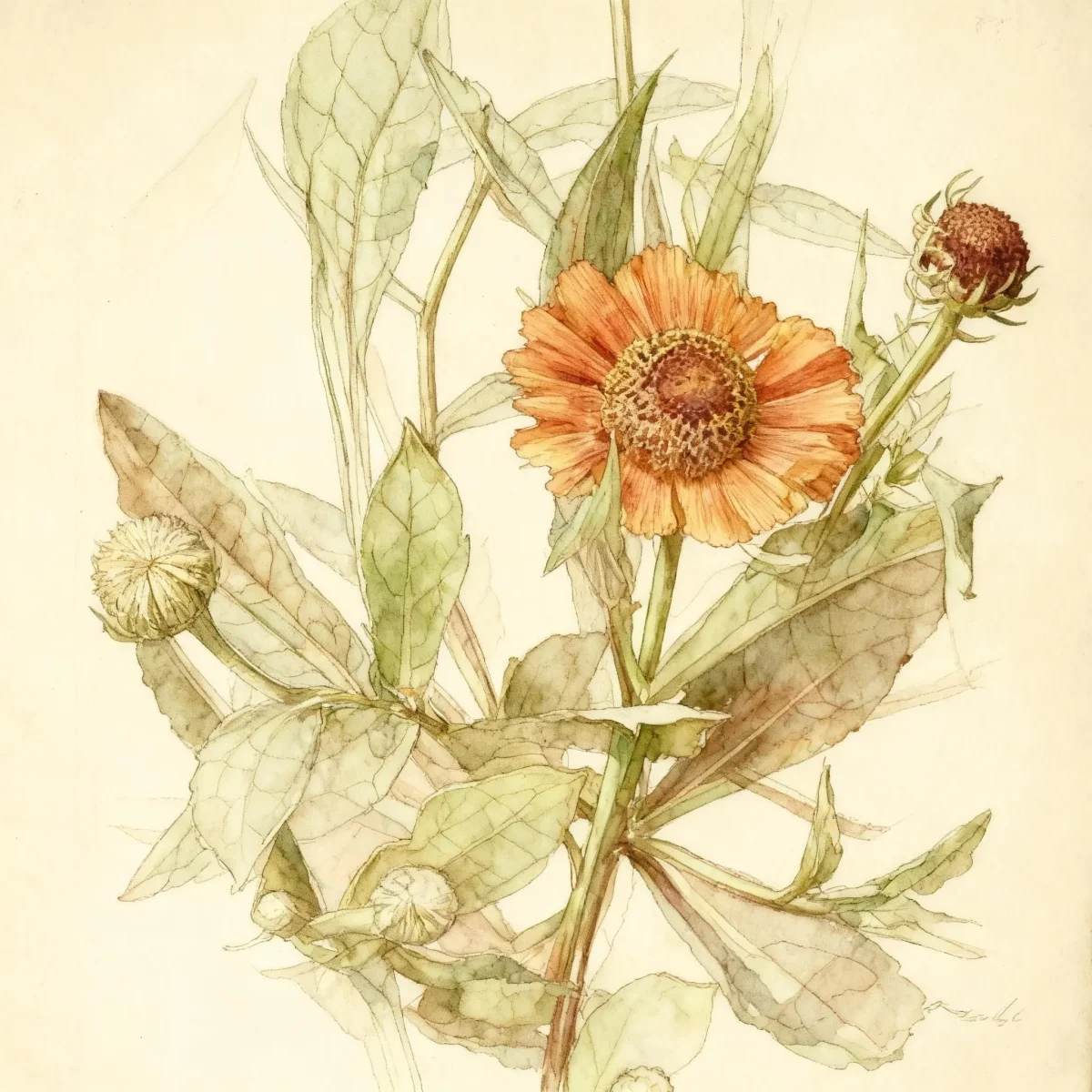
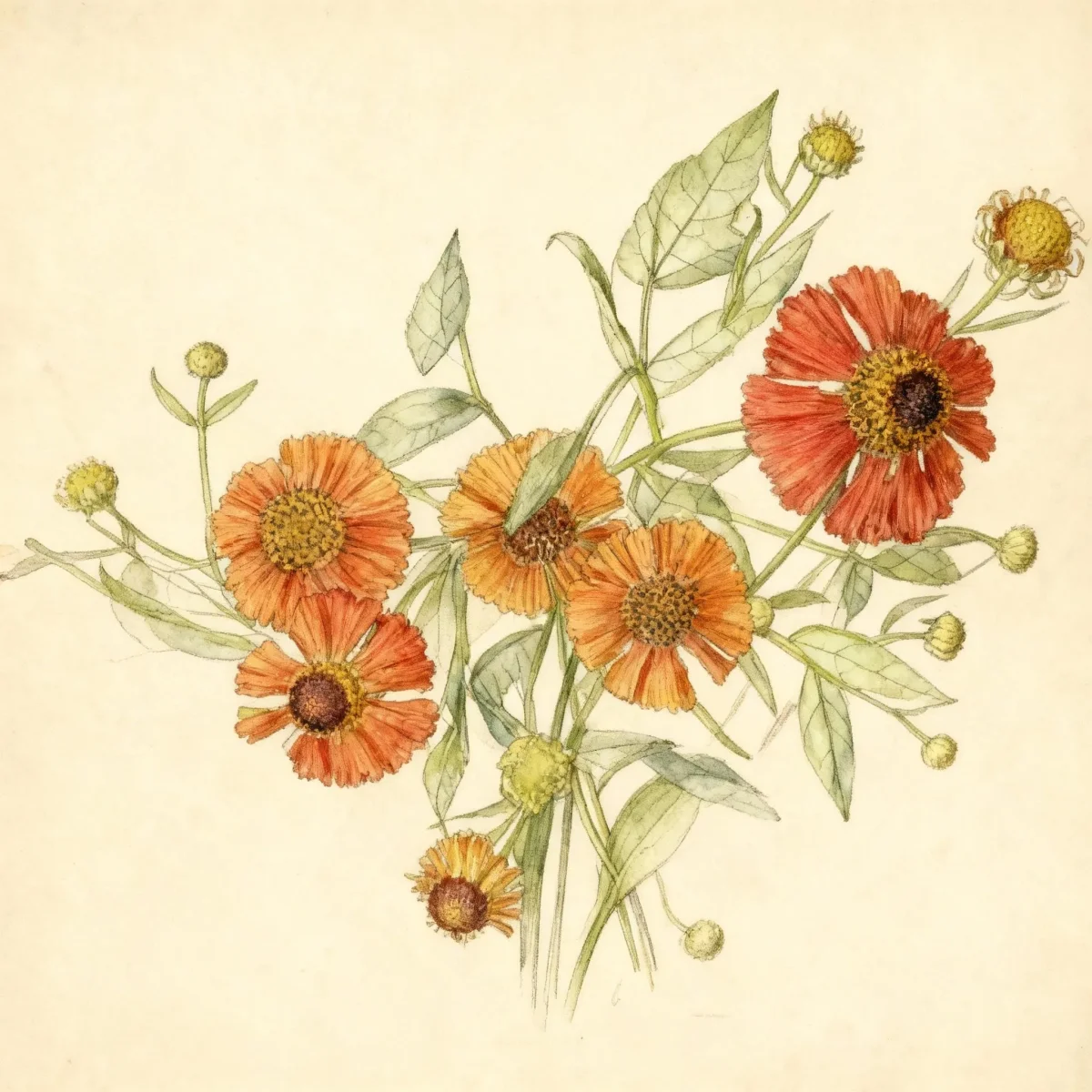
Helenium ‘Helbro’ MARDI GRAS, a vibrant cultivar of Sneezeweed, provides powerful late-season color ideal for gardeners looking to extend the flowering season well into autumn. This erect, clump-forming perennial distinguishes itself with daisy-like flowers featuring bright yellow and red bicolored ray florets surrounding prominent brown domes. Native to damp meadows, this variety thrives where many other perennials struggle, making it a reliable choice for moist garden areas.
As a robust herbaceous perennial, Helenium ‘Helbro’ MARDI GRAS offers reliable structure, growing typically between 2 and 3 feet tall. Its long bloom period, peaking from August through October, ensures consistent interest and serves as a vital nectar source for late-season pollinators. Successful cultivation of this Sneezeweed involves placing it in full sun and providing the necessary medium to wet soil conditions it prefers.
This cultivar adds significant textural and color impact to late-summer borders. While it requires medium attention regarding maintenance, the payoff is substantial late-season floral display. Gardeners value Helenium ‘Helbro’ MARDI GRAS for its deer resistance and its unique ability to flourish alongside water-loving plants, confirming its status as a versatile staple for specialized garden designs.
Fast Facts
- Plant Family: Asteraceae
- Plant Type: Herbaceous perennial
- Hardiness Zones: USDA Zones 4-8
- Size at Maturity:
- Height: 2-3 ft
- Spread: 1-2 ft
- Bloom Time: August to October
- Bloom Description: Yellow and red rays with brown centers
- Sun Exposure: Full sun
- Water Needs: Medium to wet
- Maintenance Level: Medium
How to Grow
Begin planting Helenium ‘Helbro’ MARDI GRAS in the spring or fall, ensuring the location receives consistent full sun exposure. This Sneezeweed demands average soil that is consistently medium to wet; it is significantly intolerant of dry garden conditions. Good drainage is still necessary, even with its preference for moisture, as standing water should be avoided outside of truly boggy sites.
Watering should be consistent, especially during establishment, mimicking the damp meadows where wild heleniums naturally occur. Avoid over-fertilizing this cultivar, as excessive nutrients often result in overly tall, weaker stems that increase the need for staking. Deadheading spent flowers is a simple maintenance task that encourages the production of subsequent blooms, prolonging the aesthetic value of your Helenium ‘Helbro’ MARDI GRAS.
For optimal plant structure and robust flowering, consider a mid-season trim. If you cut back the plant by about one-third in early July (ensuring at least six weeks before expected flowering starts), you encourage dense branching. This technique often results in a more floriferous display with shorter, sturdier stems, reducing the necessity for support.
To maintain the vigor of this perennial clump, plan to divide the root mass every three years. This division prevents overcrowding and ensures the plant continues to perform reliably year after year, providing that essential late-season burst of yellow and red color.
Landscape Uses
The vibrant flowering nature of Helenium ‘Helbro’ MARDI GRAS makes it an excellent background or mid-border plant, specifically designed to provide necessary late summer to fall bloom when many spring and early summer perennials fade. Its tolerance for moisture makes it a perfect candidate for specialized landscape applications like rain gardens or along the edges of ponds and wet meadows.
Planting this Sneezeweed near structural elements or in mixed perennial borders allows its upright habit to shine. Consider pairing it with plants that appreciate similar moisture levels but offer contrasting foliage texture, such as ornamental grasses or Rodgersia, to create a dynamic scene. Its effectiveness as a cut flower also means that incorporating a few clumps near a cutting garden area is highly practical.
The strong color palette of Helenium ‘Helbro’ MARDI GRAS, featuring yellow and red hues, works well when juxtaposed against blue or purple flowering companions like Asters or tall Salvias in a wild garden setting. Ultimately, use this robust perennial wherever consistent moisture and reliable late-season color are needed to anchor the garden design.
Standout Features
Flower Qualities
- Showy
- Good Cut
Noteworthy Characteristics
Helenium is a genus of about 40 species of annuals and hebaceous perennials from North and Central America, often found in damp meadows. The genus name honors Helen of Troy, although the connection to these New World natives remains unclear. Powdered flowers of some species gave rise to the common name, Sneezeweed. The cultivar MARDI GRAS is particularly notable for its erect, bushy habit and distinctive bicolored ray florets splashed with red over yellow, creating a dramatic dome-like flower display perfect for the late season.
Tolerances
- Deer
- Wet Soil
Potential Problems
The primary concerns when growing Helenium ‘Helbro’ MARDI GRAS revolve around fungal issues, particularly powdery mildew, leaf spot, and rust. These problems are often exacerbated by poor air circulation or high humidity, though its tolerance for wet soil can sometimes increase susceptibility. Ensure adequate spacing, especially when implementing the suggested July pruning, to promote airflow around the foliage.
Most heleniums, regardless of cultivar, benefit from physical support or staking to prevent stems from lodging, particularly after heavy rain. However, by pruning in early July to encourage branching, you can often mitigate the need for staking on varieties like this Sneezeweed. Deer tend to completely avoid browsing on this plant, offering a significant advantage in deer-heavy environments.
Frequently Asked Questions
What hardiness zones is Sneezeweed suitable for?
Helenium ‘Helbro’ MARDI GRAS is suitable for USDA Hardiness Zones 4 through 8.
How large does Helenium ‘Helbro’ MARDI GRAS grow?
This perennial typically reaches a height between 2 and 3 feet, with an average spread of 1 to 2 feet.
What sun exposure does Sneezeweed need?
This plant requires full sun to perform optimally and produce the best flowering display.
When does Sneezeweed bloom?
Helenium ‘Helbro’ MARDI GRAS blooms profusely from August into October, featuring yellow and red rays with brown centers.
Conclusion
Helenium ‘Helbro’ MARDI GRAS is an exceptional late-season powerhouse, offering vibrant, long-lasting color while proving highly resistant to deer and tolerant of wet soil conditions. Incorporating this robust Sneezeweed ensures your garden remains dynamic when other selections begin to fade. Check your local USDA zone compatibility and plan for its moisture needs before planting for guaranteed success this autumn.
Companion Planting
When planning borders for Helenium ‘Helbro’ MARDI GRAS, focus on companions that share its love for sun and consistently moist to wet soil, especially for rain garden designs. Plants that contrast its fine texture while sharing a similar late-season bloom time are excellent choices. Consider marsh marigold (Caltha palustris) or various irises (Iris species) for earlier spring interest that can fill the space before the Sneezeweed takes center stage.
For true late-season harmony, pair this bright perennial with blue or purple flowered plants to make the yellow and red tones of the Helenium ‘Helbro’ MARDI GRAS pop. Tall asters, hardy salvias, or even goldenrod cultivars that prefer less dry conditions can create a cohesive, energy-filled late summer vista that benefits pollinators significantly.
Wildlife Benefits
The prominent, dome-like centers of the Helenium ‘Helbro’ MARDI GRAS flowers are highly attractive to many insect pollinators. During the late summer migration period, these flowers provide essential fuel for butterflies and native bees that are stocking up for winter or preparing for long journeys.
Because this Sneezeweed often blooms later than many other Aster family members, it fills a crucial gap in the late-season forage availability. Planting groups of Helenium ‘Helbro’ MARDI GRAS ensures a reliable patch of nectar and pollen is available deep into the fall months, supporting local ecological balance.