Orchid (Zygopetalum (group))
Discover Zygopetalum (group) orchids, valued for showy, fragrant blooms in cool-intermediate growing conditions.
Scroll down to discover growing tips, care requirements, companion plants, and more

Complete Plant Information
Overview
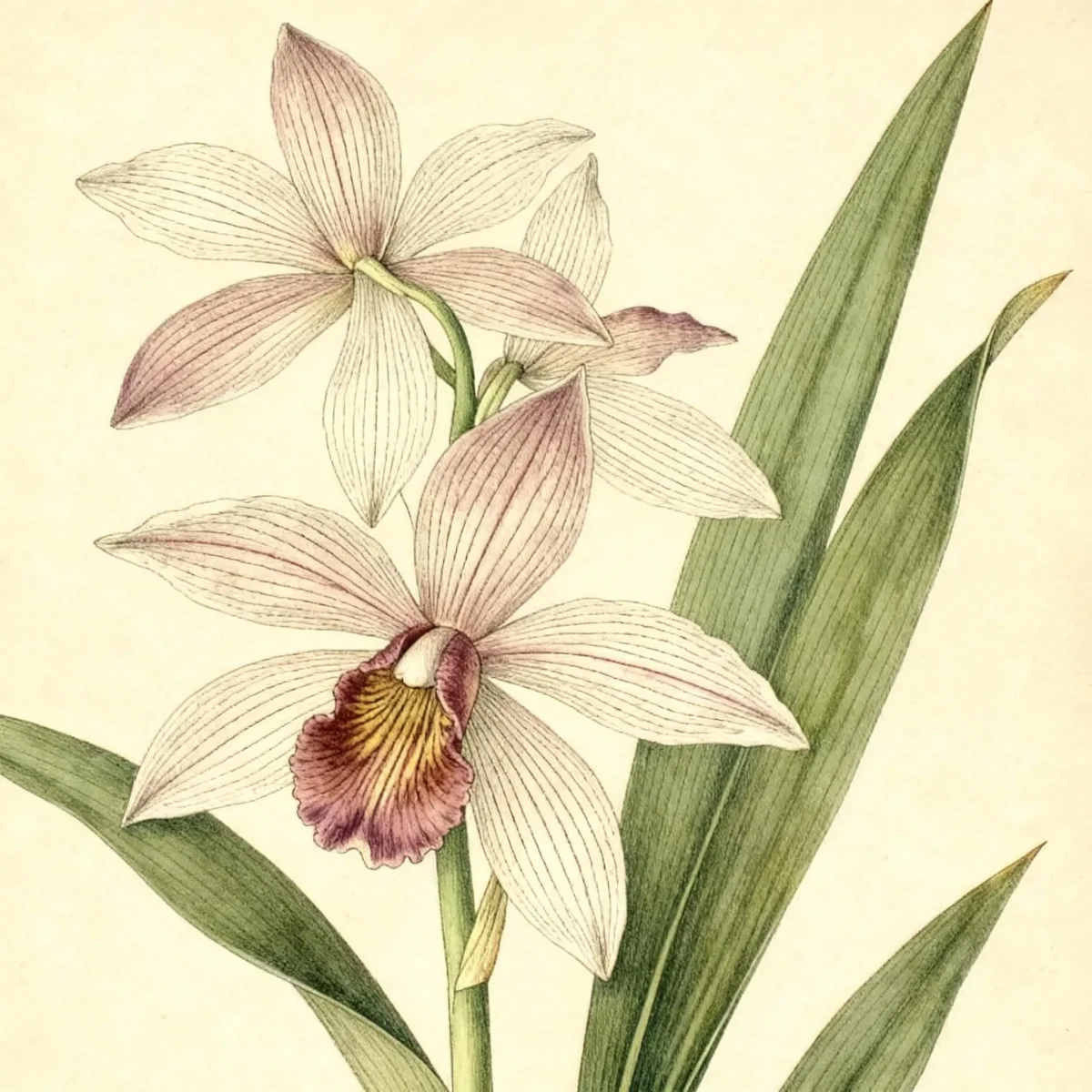
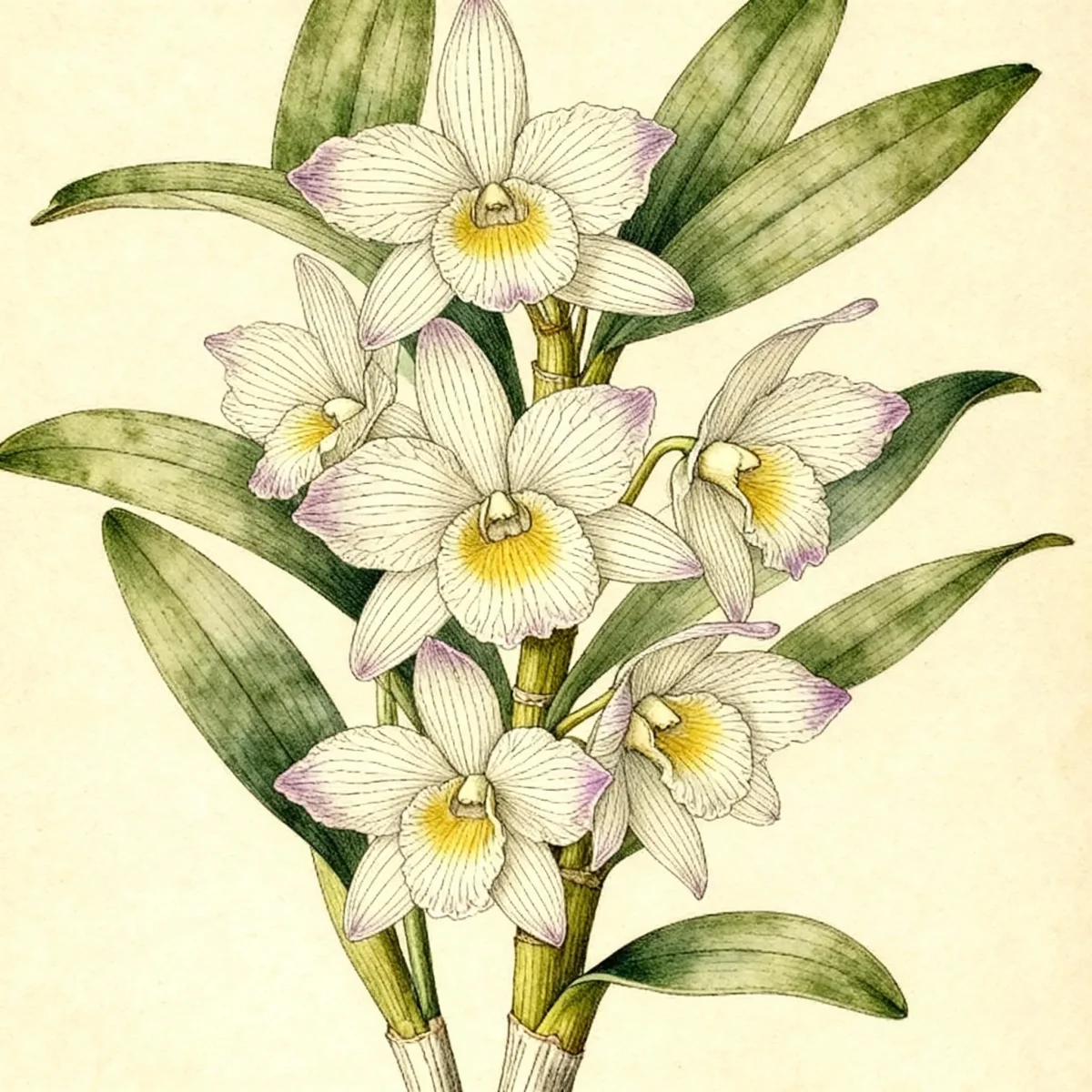
The Zygopetalum (group) Orchid presents a stunning addition to any specialized collection, prized by growers for its exceptionally attractive and long-lasting flowers. These orchids reward attentive care with bold coloration, often featuring intricate veins and blotches across shades of purple, mauve, green, brown, and white. Cultivating this particular group requires creating an environment that mimics their cool-to-intermediate native conditions, avoiding temperature or light extremes.
These epiphytic beauties develop characteristic round or egg-shaped pseudobulbs topped with strap-like, light green leaves. For successful flowering, providing adequate, bright, indirect light is the single most important cultural factor to manage. The Zygopetalum (group) thrives when its root system, which is notably thick, receives consistent moisture without becoming waterlogged.
Homeowners with suitable indoor spaces, such as climate-controlled sunrooms, can successfully grow the Zygopetalum (group). Their striking visual appeal and often pronounced fragrance make them high-value specimens. Start by ensuring you meet their specific temperature and humidity requirements to enjoy one of the most rewarding members of the Orchid family.
Fast Facts
- Plant Family: Orchidaceae
- Plant Type: Orchid
- Hardiness Zones: USDA Zones 9-10
- Size at Maturity:
- Height: 0.25-1.5 ft
- Spread: 0.5-2 ft
- Bloom Time: Seasonal bloomer
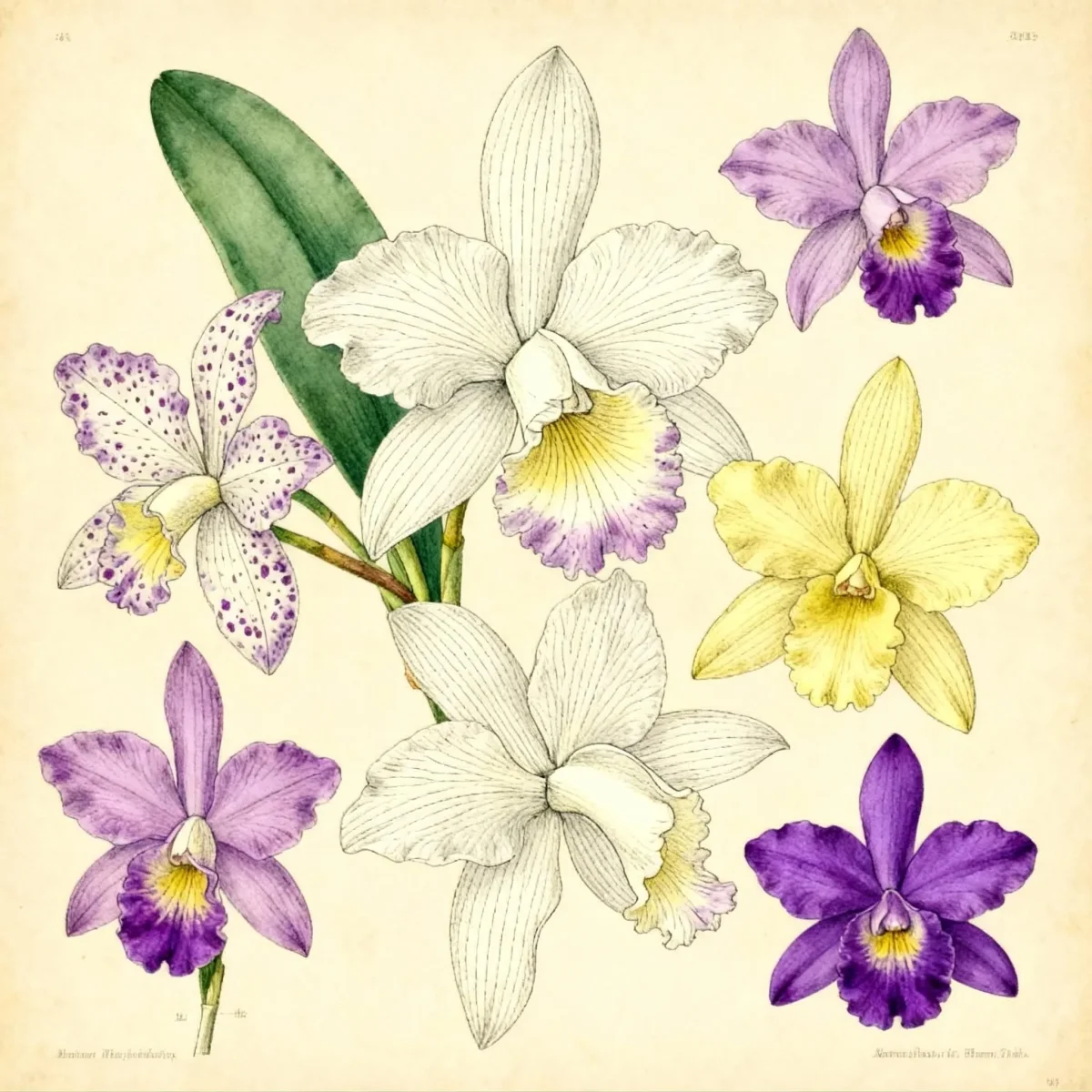
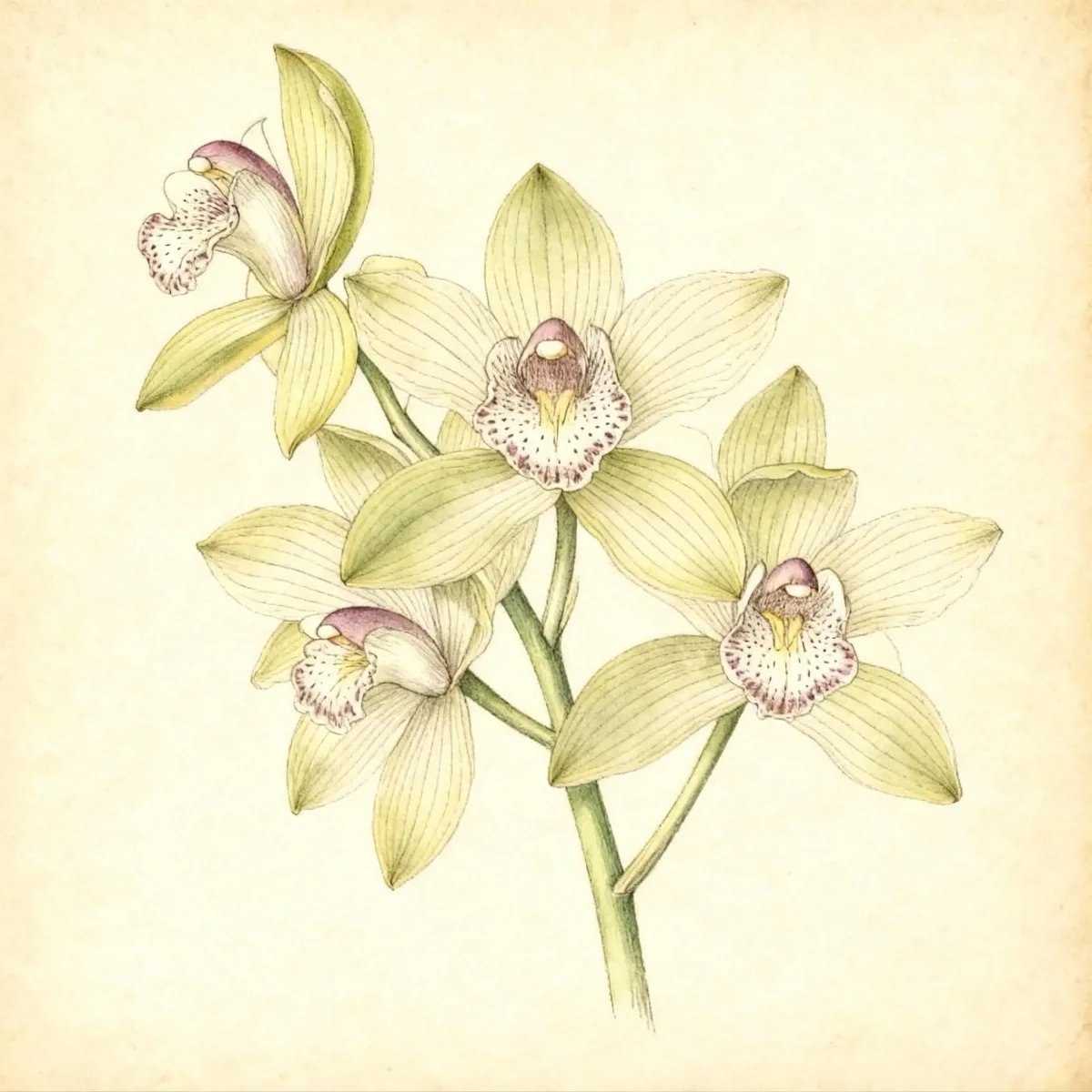
- Bloom Description: Multicolored in purple, mauve, green, brown and white; with veins and blotches
- Sun Exposure: Part shade
- Water Needs: Medium
- Maintenance Level: Medium
How to Grow
Successful cultivation of the Zygopetalum (group) centers on replicating a cool-to-intermediate climate, avoiding thermal shock. Daytime temperatures should ideally rest in the 70°F range, dropping 10 to 15 degrees lower at night; these orchids tolerate short deviations but thrive within this band. Light requirements mandate fairly bright conditions, but direct sun must be strictly avoided; monitor leaf color—light green signifies the perfect balance.
Watering requires consistency; use tepid water to water regularly, ensuring the potting mix never fully dries out, yet remains entirely free of soggy, saturated conditions. High humidity, around 50%, is essential for these sensitive orchids, supported by excellent air movement, as Zygopetalum orchids require a fresh, breezy atmosphere to flourish. Fertilization involves weekly applications of a balanced feed, diluted to quarter strength, always applied after the plant has been thoroughly watered.
Planting requires a medium that provides superb drainage, such as a bark-based orchid mix. New growth signals the best time for repotting, which should be done every two years using fresh substrate. Be meticulous about keeping the leaves dry, especially during cooler periods, to prevent fungal issues like black leaf spotting.
Landscape Uses
Zygopetalum orchids excel as prime candidates for specialized container gardening within sheltered environments. They are highly recommended for cool sunrooms where consistent light levels can be maintained. Their manageable size, reaching only up to 1.5 feet tall, allows them to fit neatly onto benches or shelves, bringing exotic color indoors.
While primarily cultivated as interior specimen plants, when grown in Zone 9 or 10, they can feature in protected outdoor displays during favorable summer months. Consider grouping them with other humidity-loving, intermediate orchids to create a unified microclimate. The tall spikes carrying the attractive blooms ensure they remain a focal point, even when placed slightly behind lower-growing containers.
Standout Features
Flower Qualities
- Showy
- Fragrant
Noteworthy Characteristics
Zygopetalum orchids feature extremely fragrant, long-lasting, and very attractive flowers with bold colors. They are carried on tall spikes that originate at the base of the new pseudobulbs (stems). Adequate light is the most important factor for successful flowering. The pseudobulbs are round or egg-shaped with two or three strap-like, light green leaves at the apex. Plants produce a thick rooting system.Genus name comes from the Greek words zygos meaning a yoke and petalon meaning a petal for the swelling at the base of the lip which seems to yoke together the lateral segments of the flowers
Tolerances
This section is omitted as no specific tolerances were listed beyond the general cultural needs.
Potential Problems
Zygopetalum (group) plants are generally considered relatively trouble-free, but growers should remain vigilant for common pests like scale insects. The most frequently observed issue is the development of black leaf spotting. This spotting is typically an environmental response, occurring when temperatures drop and air circulation becomes stagnant.
To manage and prevent leaf spotting, ensure good air movement around the foliage, especially during colder times of the year when heating systems may reduce fresh airflow. It is critical to keep the leaves as dry as possible during these cooler intervals; avoid leaving any moisture on the leaf surfaces overnight, as dampness fosters fungal proliferation.
Frequently Asked Questions
What hardiness zones is Orchid suitable for?
The Zygopetalum (group) Orchid is suitable for USDA Hardiness Zones 9 through 10.
How large does Orchid grow?
This Orchid typically reaches heights between 0.25 and 1.5 feet, with a spread of 0.5 to 2 feet at maturity.
What sun exposure does Orchid need?
This plant performs best in part shade, requiring fairly bright light but avoiding harsh direct sunlight.
When does Orchid bloom?
It is a seasonal bloomer, presenting multicolored flowers described as purple, mauve, green, brown, and white, often featuring distinct veins and blotches.
Conclusion
The Zygopetalum (group) Orchid provides exceptional aesthetic value through its fragrant and strikingly patterned blooms, making it a valued specimen among growers of the Orchid family. By carefully managing its cool-intermediate temperature preferences and ensuring bright, indirect light, you can encourage magnificent seasonal displays. Before bringing home this unique plant, confirm that your local conditions align with USDA Zones 9-10 or plan for a protected indoor environment.
Companion Planting
When growing Zygopetalum (group) indoors or in a sheltered greenhouse, consider its cultural demands—bright light, high humidity, and good air movement. Companion plants should share these needs to maintain a stable microclimate. Pair them with other intermediate temperature orchids, such as Cymbidiums or certain Phalaenopsis hybrids, which appreciate similar light levels and consistent watering practices.
Avoid placing them near ferns or plants that demand consistently saturated soil, as the Zygopetalum requires its bark mix to drain quickly. Good indoor companions include tropical foliage plants that thrive in bright filtered light, which can help buffer humidity levels around the orchid mounts or pots.
Indoor Care Calendar
For year-round success with your Zygopetalum (group) Orchid, establish a consistent calendar approach. In the growing season (spring through early autumn), focus intensely on fertilization and watering—apply diluted fertilizer weekly after soaking the medium, and ensure 50% humidity is maintained. Repotting for rejuvenation occurs in the spring as new growths emerge.
As temperatures begin to cool in the transition to winter, slightly adjust care. While fertilization can typically be tapered off, maintaining adequate light remains paramount as days shorten. Crucially, increase vigilance over leaf dampness; water early in the day so any splash dries quickly, ensuring leaves remain dry overnight to ward off potential black spotting fungal issues common in stagnant, cool air.