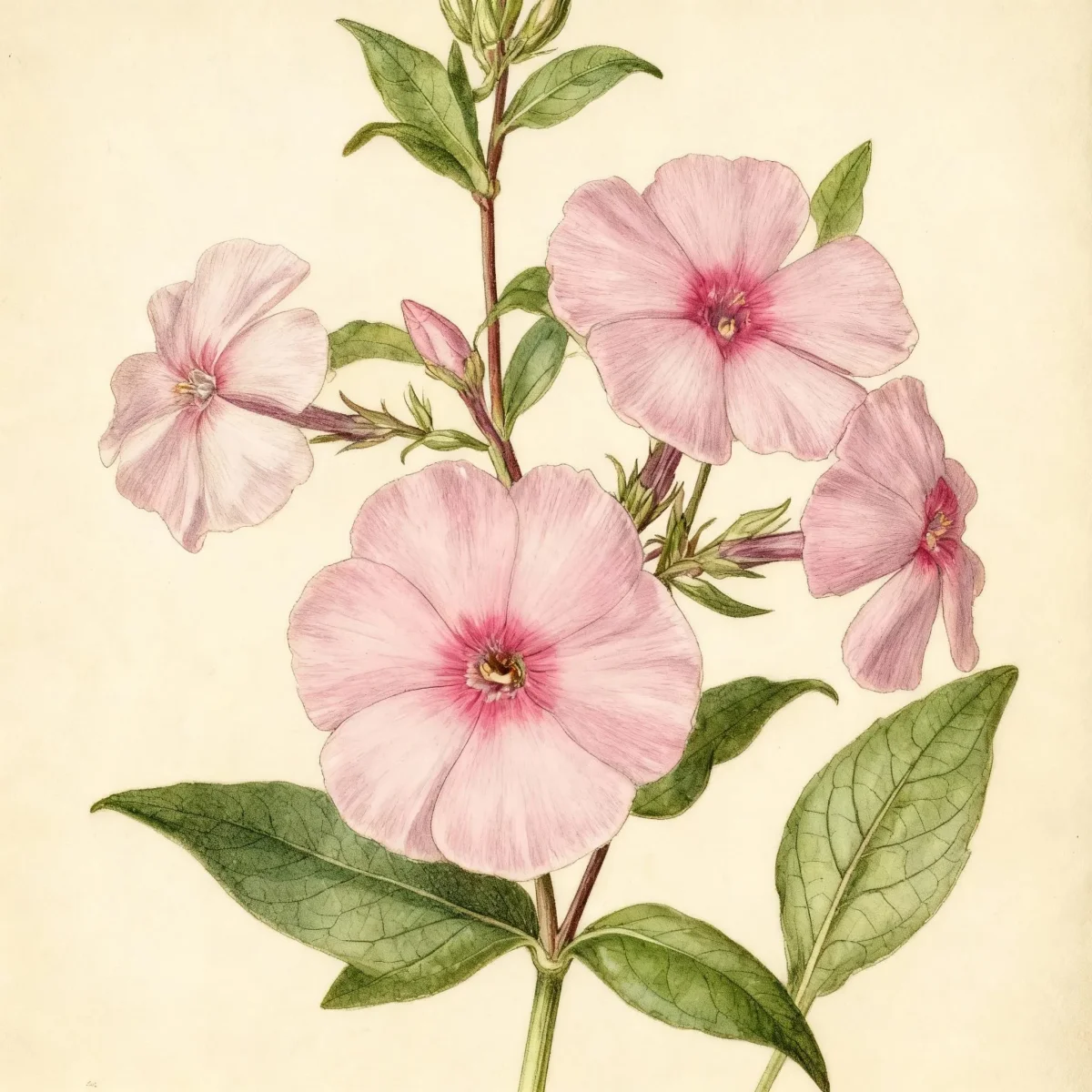
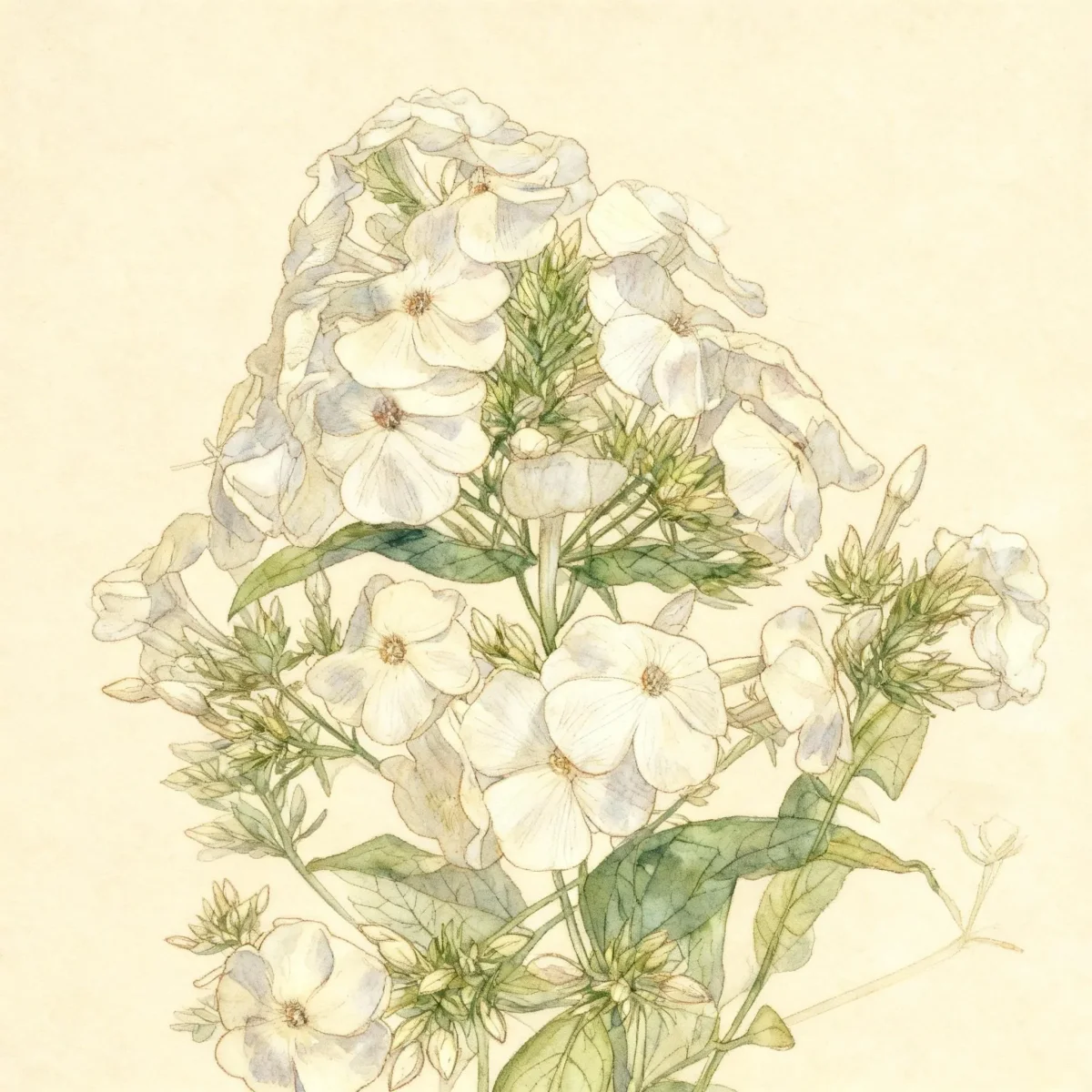
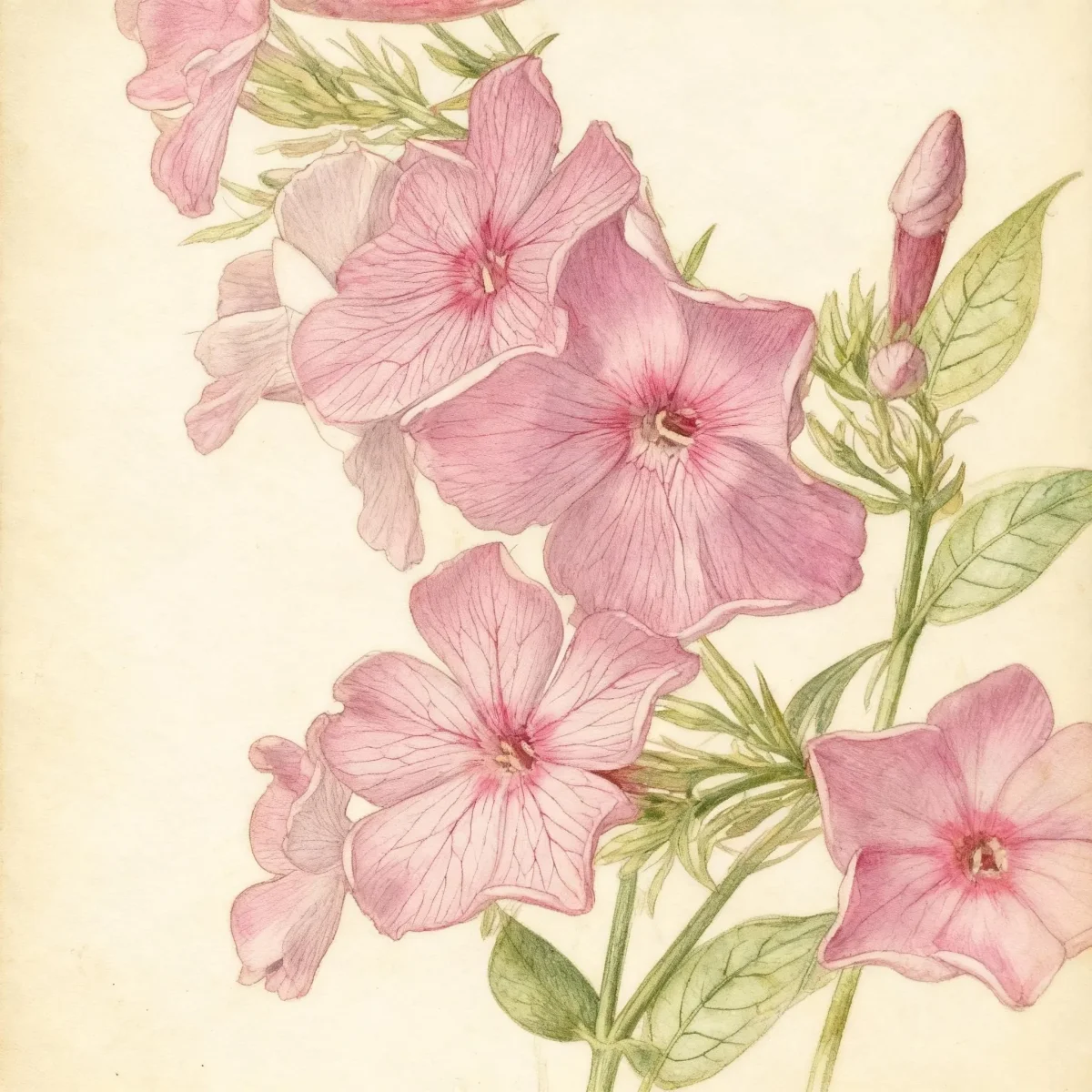
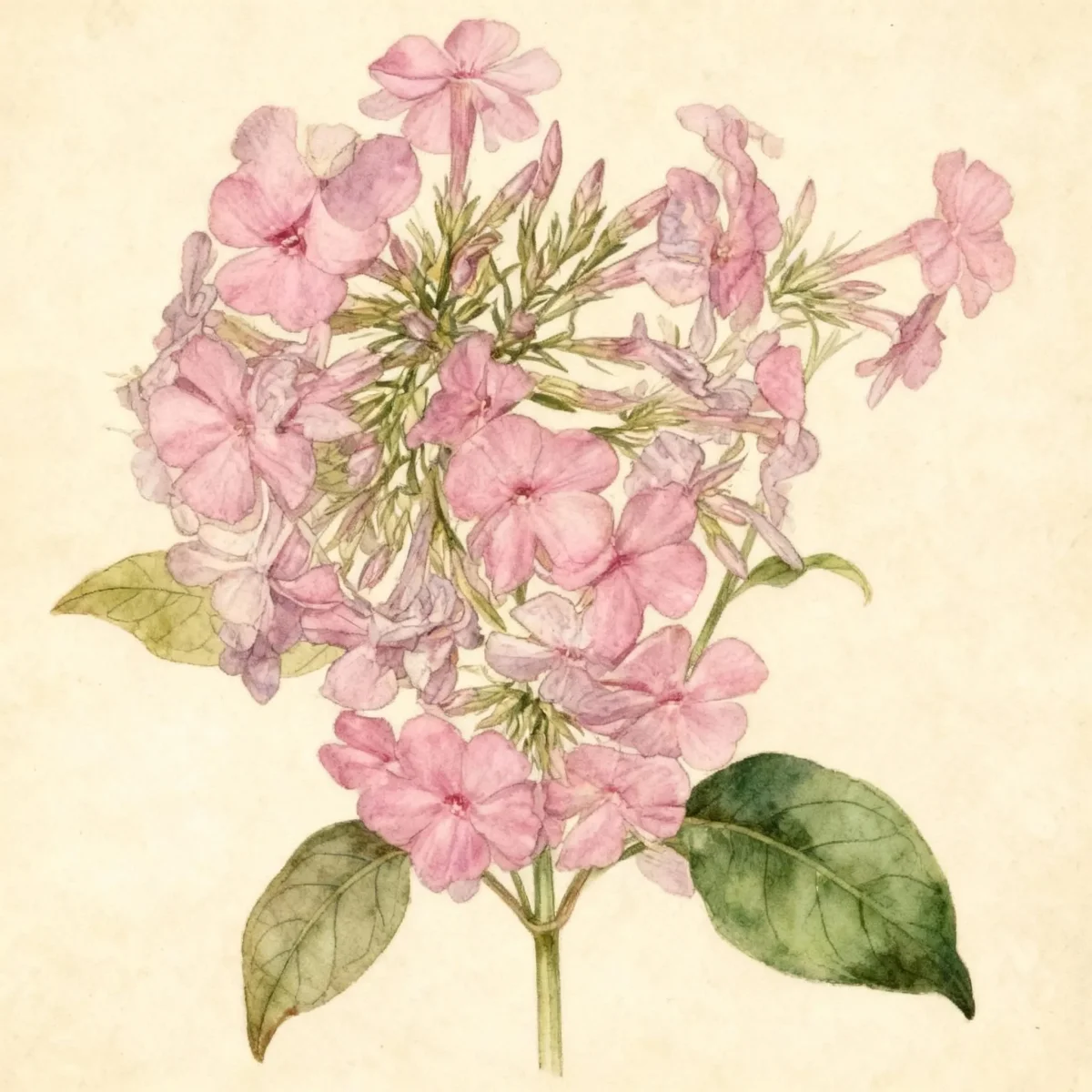
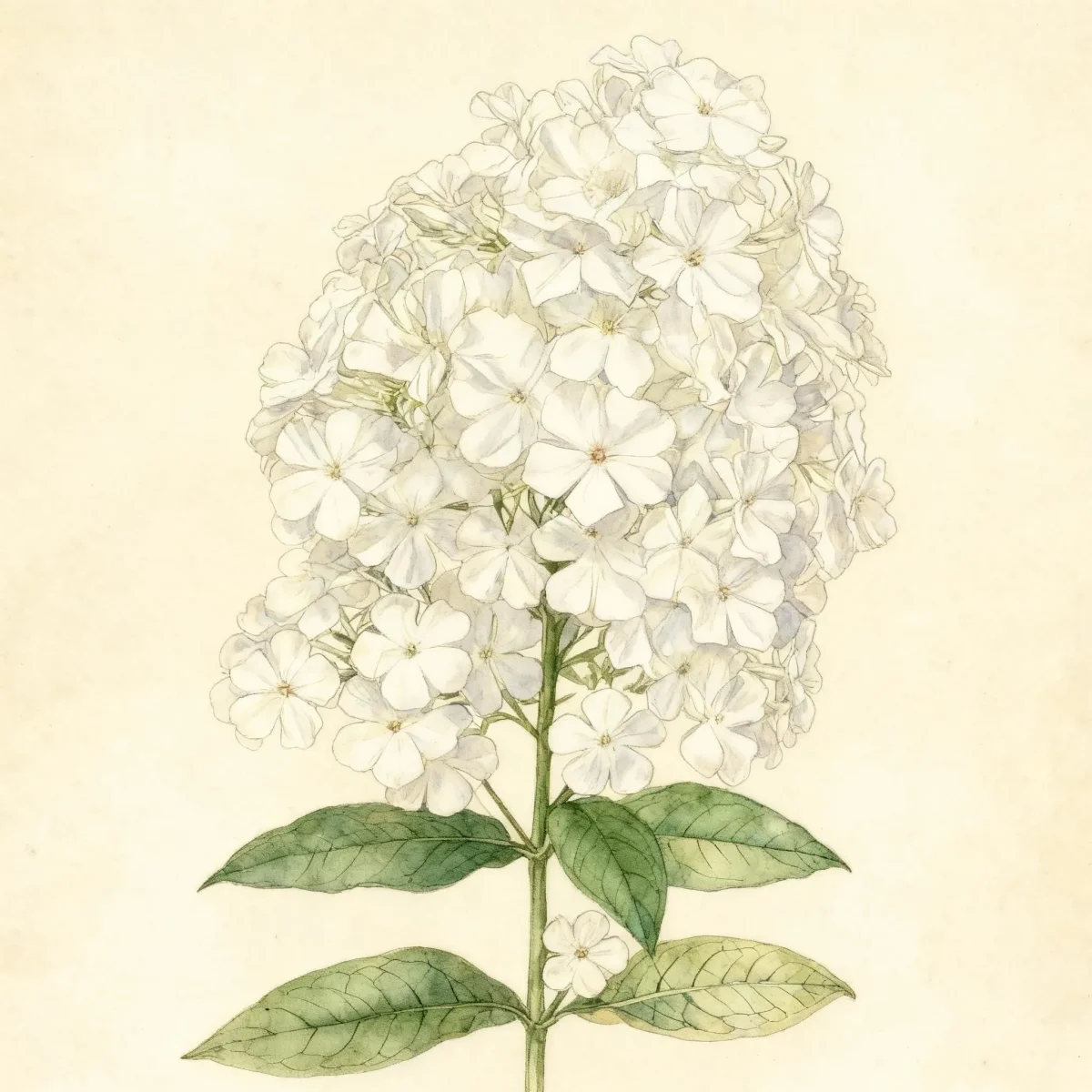
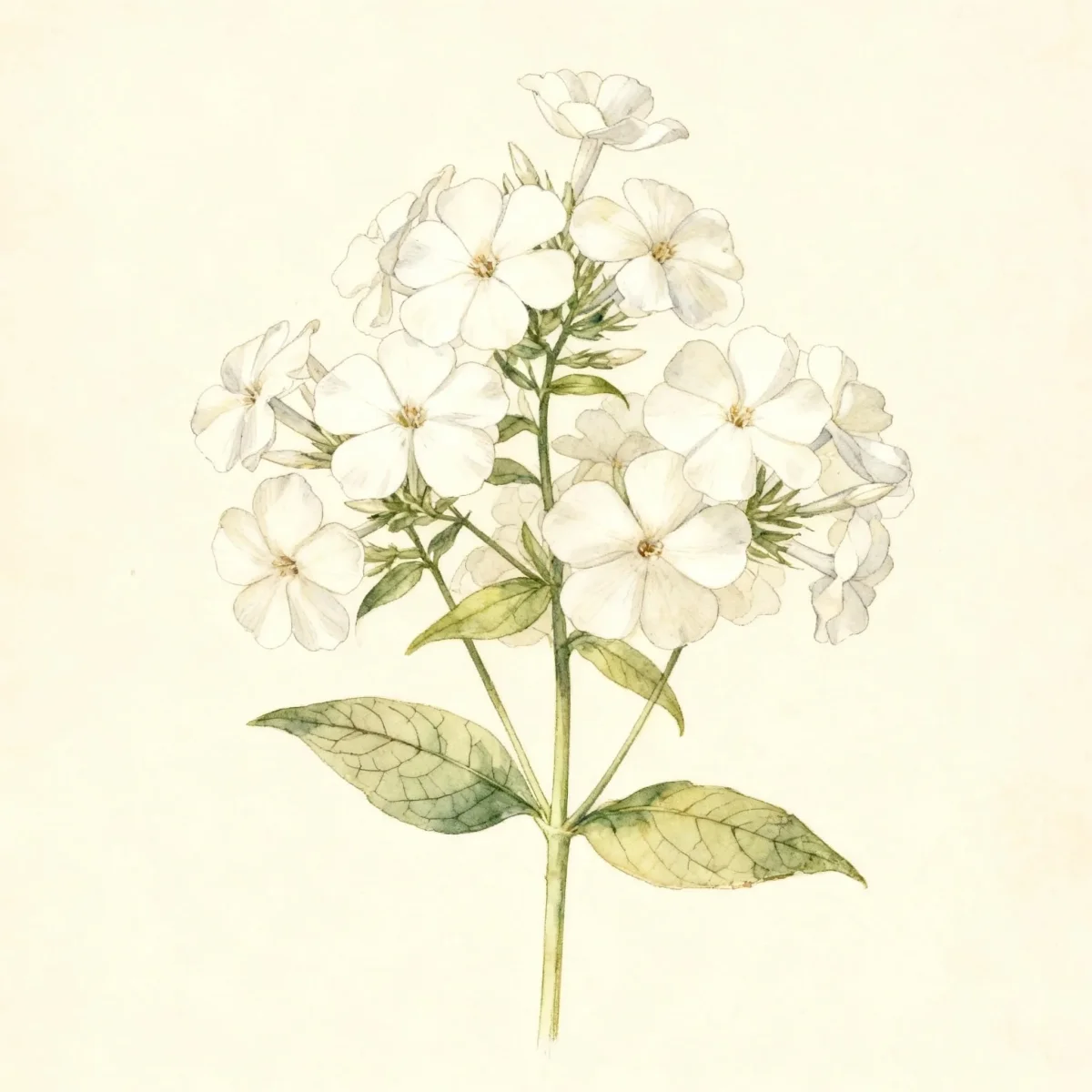
Garden phlox (Phlox paniculata 'Grenadine Dream')
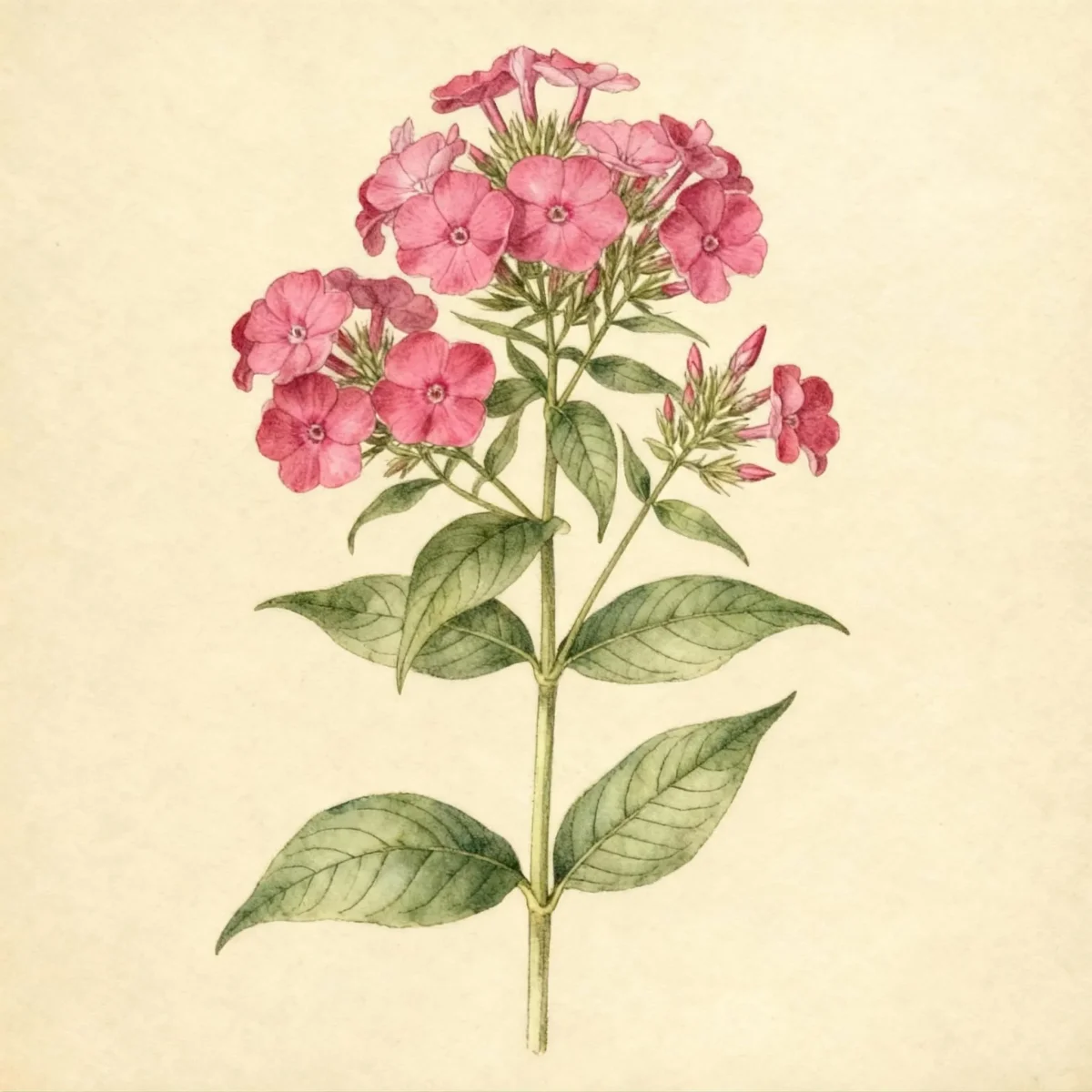
Phlox paniculata 'Grenadine Dream' offers showy, fragrant reddish-purple blooms from July to October. A compact Garden phlox perfect for borders.
Scroll down to discover growing tips, care requirements, companion plants, and more
Complete Plant Information
Overview
Phlox paniculata ‘Grenadine Dream’ is a highly valued herbaceous perennial, commonly known as Garden phlox, prized for its reliable, long-lasting summer color. This cultivar stands out with its compact growth habit, typically remaining smaller than its taller cousins, which reduces the need for structural support. Garden phlox contributes significant vertical interest and intense fragrance to late-season gardens.
Its dense, terminal clusters showcase beautiful reddish-purple florets beloved by critical garden visitors. As an upright perennial growing in a clump, Phlox paniculata ‘Grenadine Dream’ offers excellent visual impact in mixed plantings while maintaining a manageable stature suitable for defined borders.
Attracting hummingbirds and butterflies, this variety extends that vital summer to fall bloom period, making Phlox paniculata ‘Grenadine Dream’ a functional and aesthetic powerhouse. Gardeners appreciate its contribution to overall garden vitality and its resistance profile compared to older phlox types.
Fast Facts
- Plant Family: Polemoniaceae
- Plant Type: Herbaceous perennial
- Hardiness Zones: USDA Zones 4-8
- Size at Maturity:
- Height: 1-2 ft
- Spread: 0.75-1 ft
- Bloom Time: July to October
- Bloom Description: Reddish purple
- Sun Exposure: Full sun to part shade
- Water Needs: Medium
- Maintenance Level: Medium
How to Grow
Plant Garden phlox in locations offering moderately fertile, well-drained soil that retains medium moisture. While it tolerates light shade, maximum flowering for Phlox paniculata ‘Grenadine Dream’ is achieved in full sun, especially in climates with milder summers. Ensure plants are spaced adequately; good air circulation is crucial for preventing the common issue of powdery mildew, even on cultivars noted for resistance.
Water consistently, as this plant is intolerant of drought and requires regular deep watering during dry spells, though overhead watering should be avoided. Applying a summer mulch will help keep the root zone cool and conserve essential soil moisture, benefiting your Phlox paniculata ‘Grenadine Dream’ throughout the heat of the season.
Maintenance involves routine deadheading of faded flower panicles; this action prolongs the blooming period and discourages unwanted self-seeding. For winter cleanup, cut the spent stems down to the ground and thoroughly clean the area. This annual removal of plant debris minimizes the source of potential fungal spores for the following growing season.
Landscape Uses
Garden phlox provides a staple element for classic perennial borders, offering reliable structure and vibrant color from mid-summer well into autumn. Phlox paniculata ‘Grenadine Dream’ is an excellent choice due to its more compact size, which allows it to integrate seamlessly into the middle or front sections of borders without overwhelming smaller plants.
The intense reddish-purple tones of ‘Grenadine Dream’ mix well with soft yellows, whites, and deep blues found in complementary summer bloomers like coneflower (Echinacea) or salvia. Its vertical accent and fragrant displays make it perfect near seating areas where its attributes can be fully appreciated. Furthermore, Garden phlox is a recognized favorite, making it a good selection for inclusion in wildlife or bird gardens.
Standout Features
Flower Qualities
- Showy
- Fragrant
Noteworthy Characteristics
Phlox paniculata, commonly known as garden phlox, has roots in North America, with naturalized populations extending beyond its original native range. Distinctively, the cultivar ‘Grenadine Dream’ develops fragrant, tubular reddish-purple flowers clustered in large terminal panicles lasting from July through October. This variety is noted for its manageable size, typically reaching 15-20 inches tall on stiff stems clad with dark green, pointed leaves, often meaning staking is unnecessary for this specific selection.
Tolerances
- Deer
- Clay Soil
- Black Walnut
Potential Problems
Phlox cultivation can present challenges, most commonly involving fungal diseases or pests like phlox bugs which can severely impact plant health. Powdery mildew remains a primary concern for all garden phlox, although ‘Grenadine Dream’ exhibits improved resistance compared to older varieties. Root rot can occur in poorly draining soils, while spider mites may appear during hot, dry periods, sucking sap from the leaves. To manage mildew, ensure excellent air circulation through proper spacing and timely thinning of dense stems, and always practice good sanitation by clearing all plant debris in the fall.
Frequently Asked Questions
What hardiness zones is Garden phlox suitable for?
Phlox paniculata ‘Grenadine Dream’ is hardy and reliably perennial in USDA Zones 4 through 8.
How large does Garden phlox grow?
This compact cultivar typically achieves a height between 1 and 2 feet, with a spread ranging from 0.75 to 1 foot wide.
What sun exposure does Garden phlox need?
For the best bloom performance, Phlox paniculata ‘Grenadine Dream’ requires full sun, though it can tolerate part shade conditions.
When does Garden phlox bloom?
Garden phlox, including the ‘Grenadine Dream’ cultivar, displays its showy, reddish-purple flowers throughout the summer and into the fall, specifically from July to October.
Conclusion
Phlox paniculata ‘Grenadine Dream’ delivers intense, long-lasting color and fragrance to the summer garden in a convenient, compact form. Its ability to handle clay soil and resist deer browsing adds significant practical value for many landscapes. Before planting, confirm that your site provides the necessary full sun exposure and adequate air circulation to best showcase this exceptional Garden phlox.
Companion Planting
Selecting good companions prevents empty pockets in the border when the phlox finishes blooming, while also serving functional roles like shading the root zone. Pair Phlox paniculata ‘Grenadine Dream’ with plants that enjoy similar watering regimes and soil fertility. Consider incorporating late-season bloomers like Asters or hardier sedums that can fill in as the bloom time transitions toward the end of October. Plants that offer textural contrast to the upright spires of the garden phlox, such as Ornamental Grasses or Shasta Daisies, create dynamic visual interest.
Wildlife Benefits
The tubular structure of the flowers on Phlox paniculata ‘Grenadine Dream’ makes them exquisitely shaped for long-tongued pollinators. Butterflies are strongly attracted to the massed florets, ensuring consistent activity throughout the season. This plant contributes essential nectar resources during mid to late summer when many earlier spring bloomers have faded. Planting a block of Garden phlox effectively creates a vibrant landing pad for beneficial insects and hummingbirds visiting your garden space.