Apple tree (Malus pumila 'Caitlin' STARK GRANDGALA)
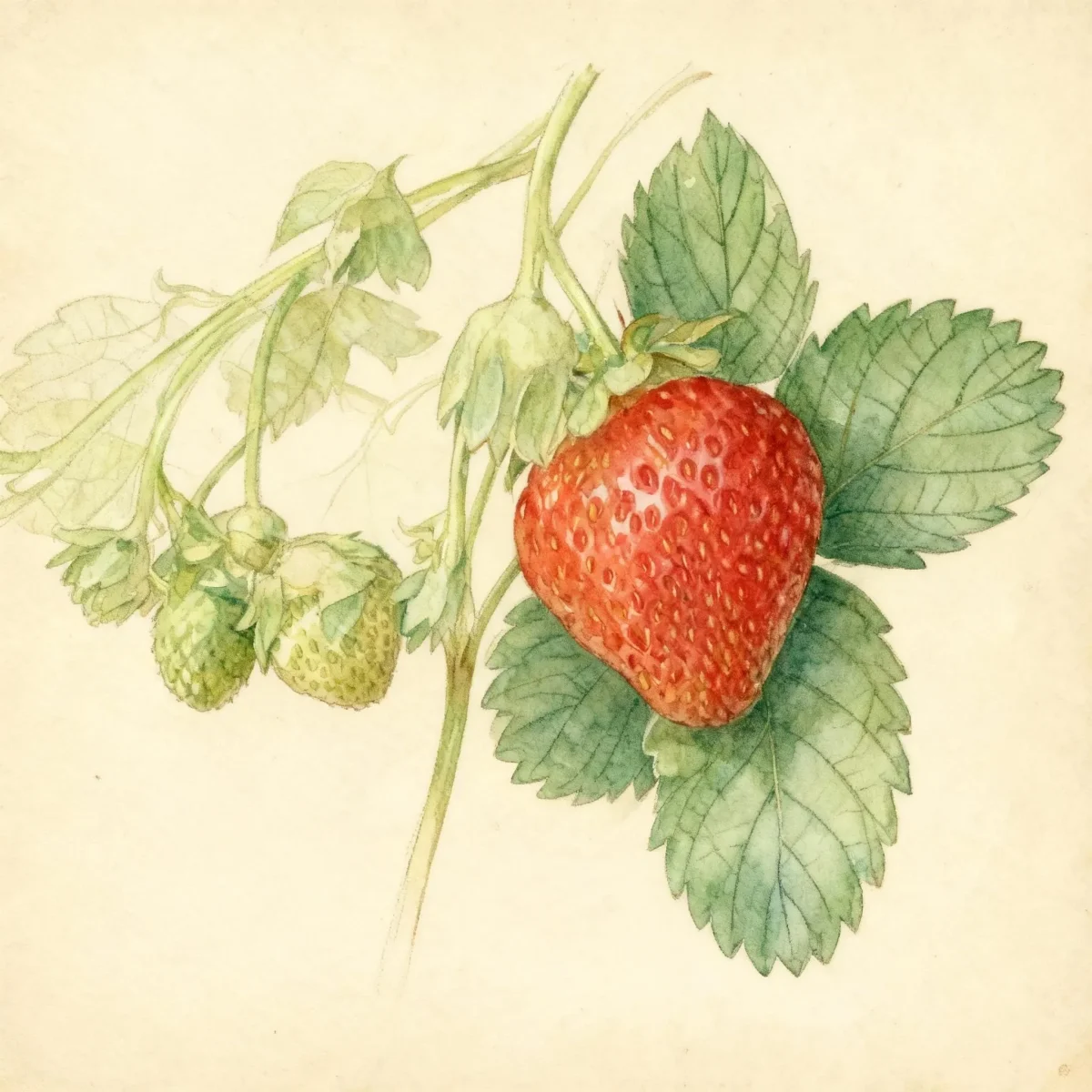
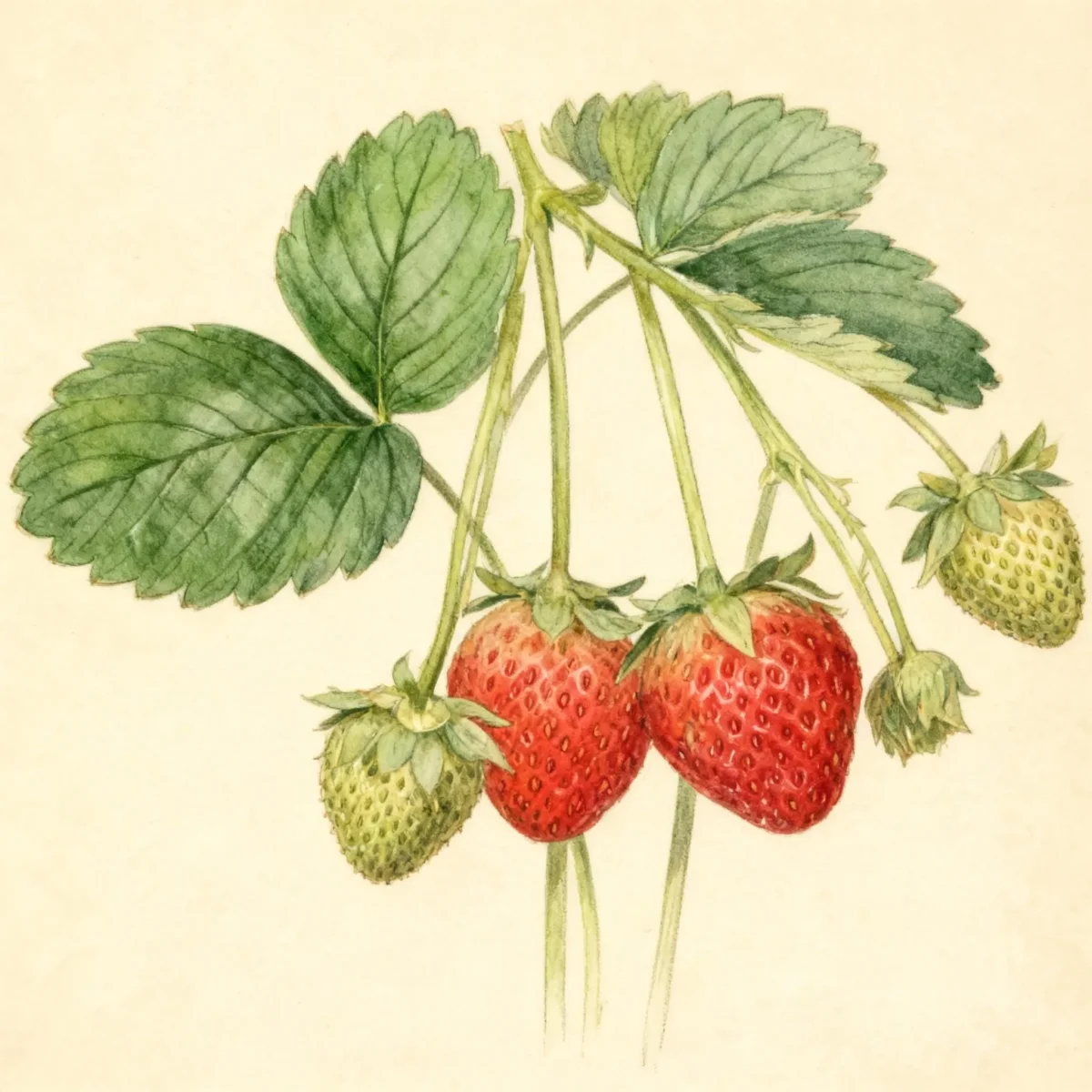
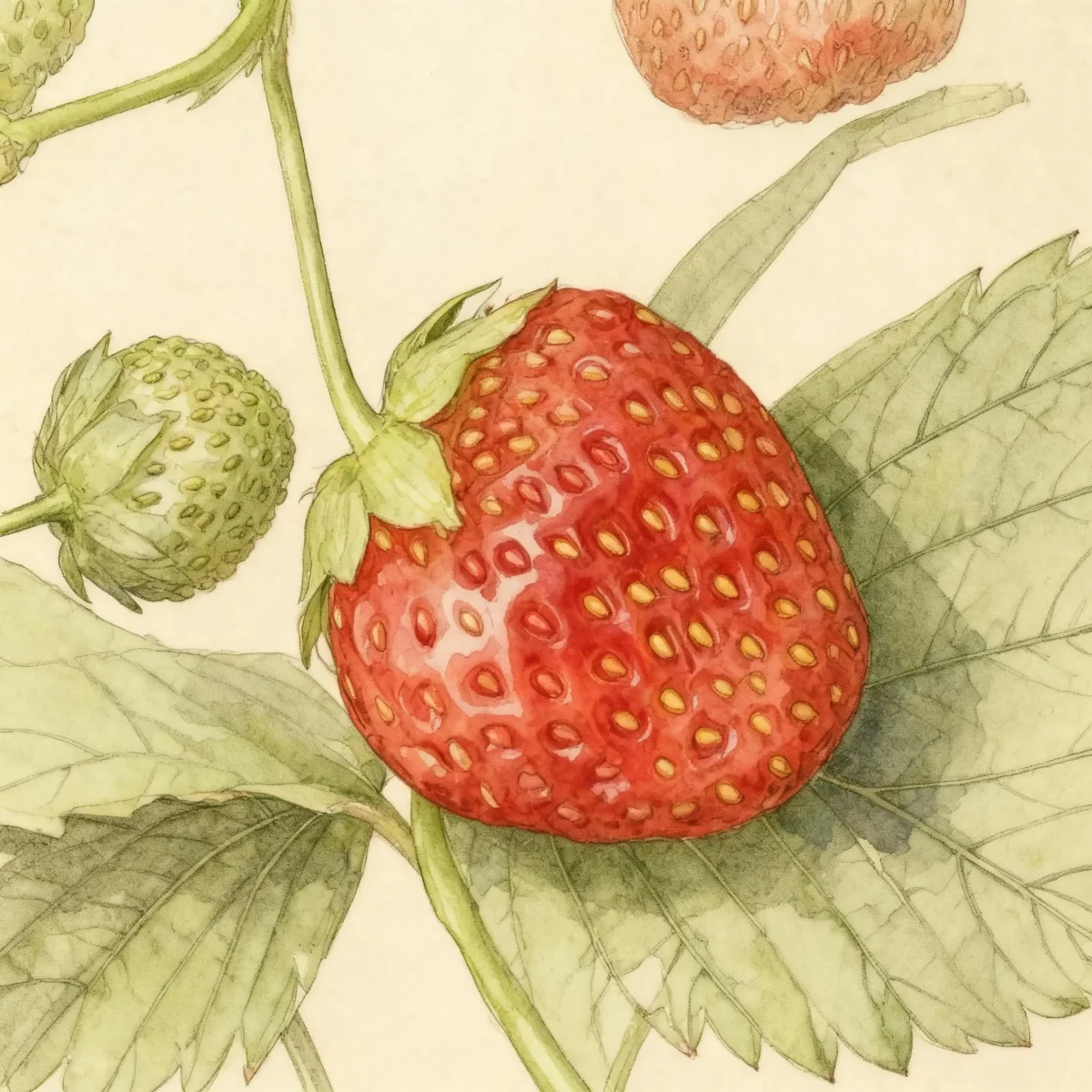
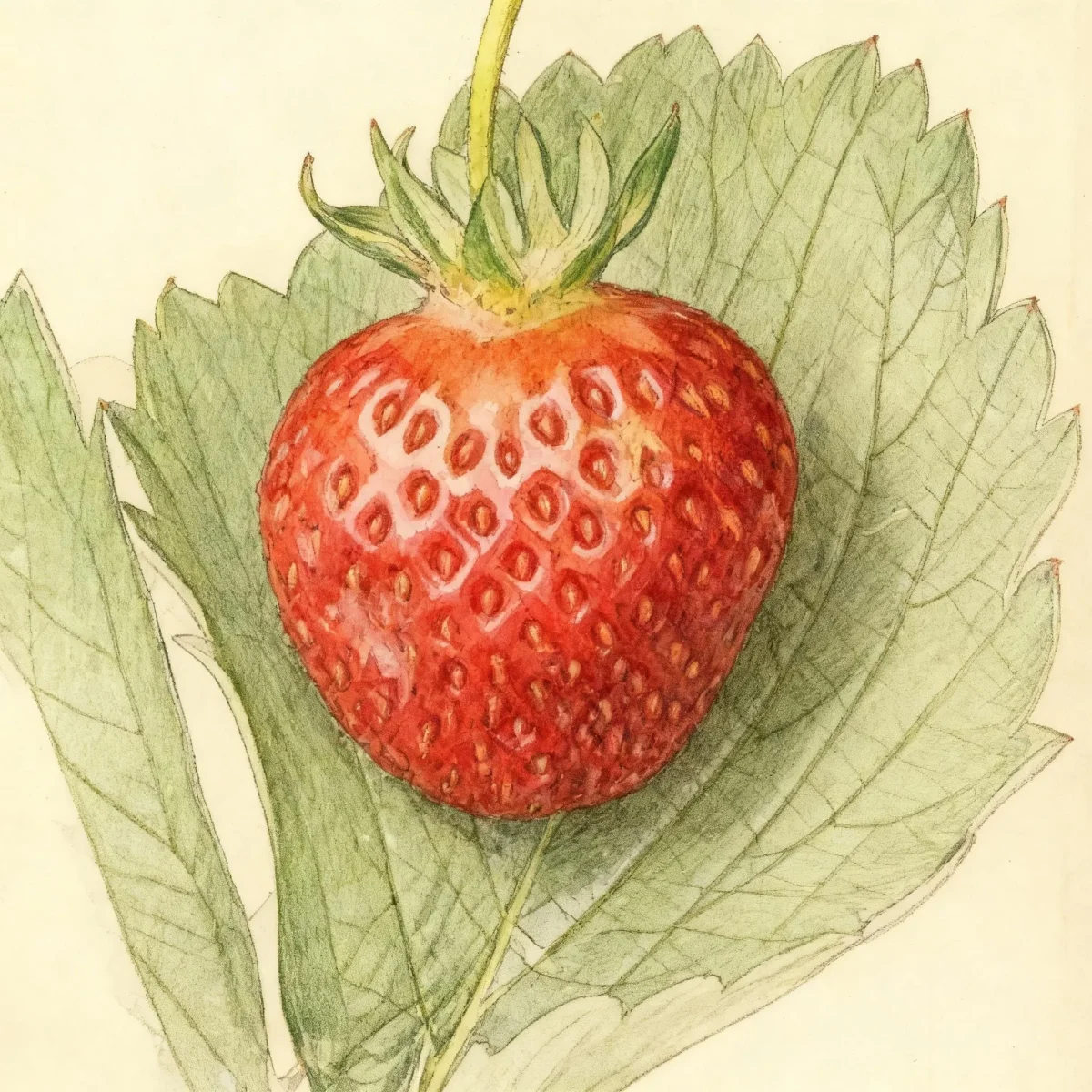
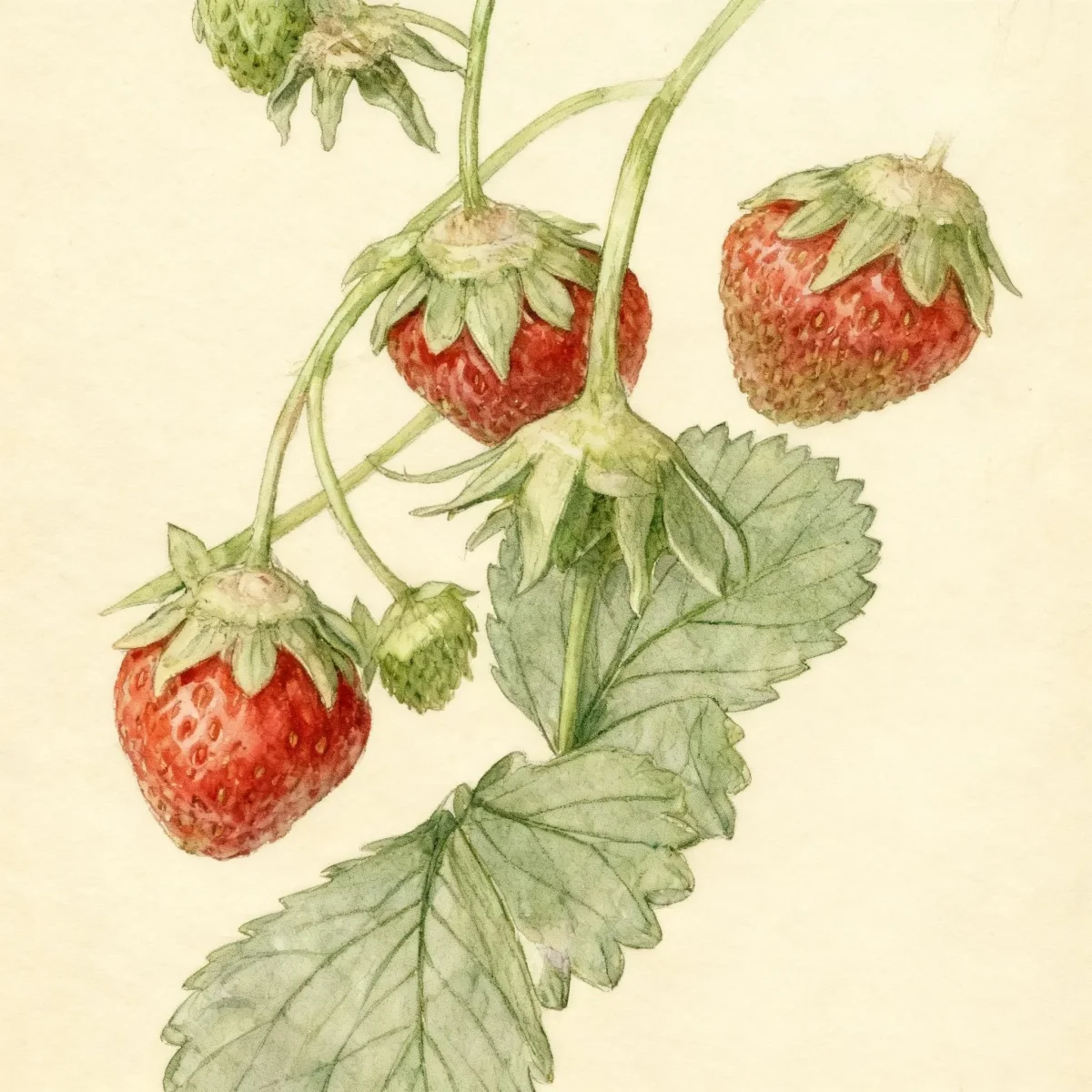
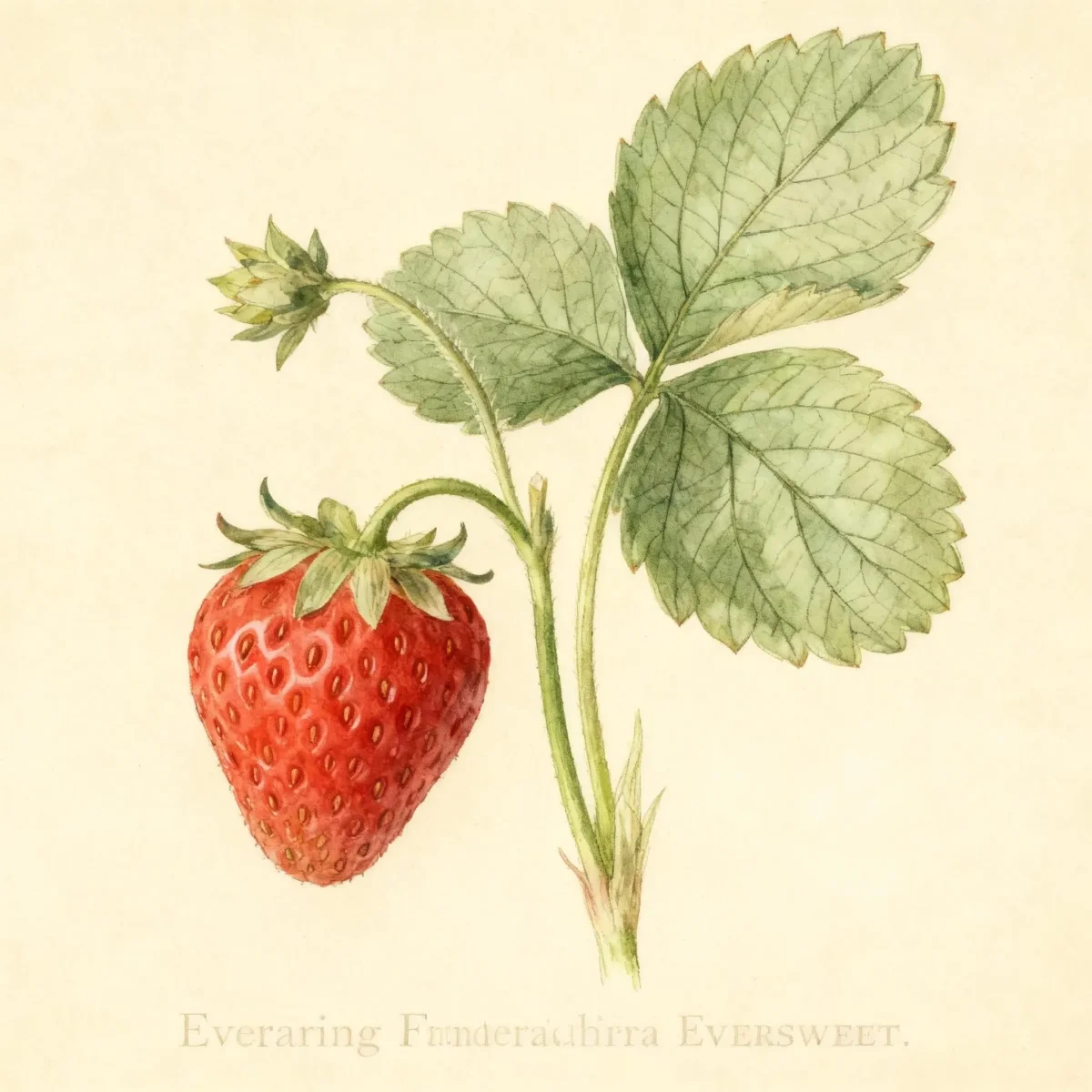
The Malus pumila 'Caitlin' STARK GRANDGALA Apple tree produces very large, bright red fruit. Ideal for USDA Zones 5-8, requiring full sun and high maintenance.
Scroll down to discover growing tips, care requirements, companion plants, and more
Complete Plant Information
Overview
The Malus pumila ‘Caitlin’ STARK GRANDGALA, commonly known as an Apple tree, offers gardeners the dual benefit of beautiful spring ornamentals and substantial edible harvests. This specific cultivar is notable for producing very large apples characterized by firm flesh and an appealing tart-sweet flavor, ripening reliably in early September in many regions. As a semi-dwarf variety, the GRANDGALA offers manageable tree size, making care and harvesting simpler than standard varieties, provided proper pollination partners are nearby. Growing the Malus pumila ‘Caitlin’ STARK GRANDGALA successfully requires commitment, as it demands full sun and specific soil conditions to maximize its fruit-bearing potential.
This Apple tree cultivar originated as a mutation of Malus pumila ‘Tenroy’ and is grafted onto rootstock designed to limit its height to a convenient 12 to 15 feet. While its primary purpose is fruit production, the spring display of white blossoms precedes the colorful fall fruit, adding significant seasonal interest to the landscape. For optimal performance in your home orchard, gardeners must prioritize excellent drainage and soil fertility when establishing the Malus pumila ‘Caitlin’ STARK GRANDGALA.
Fast Facts
- Plant Family: Rosaceae
- Plant Type: Fruit
- Hardiness Zones: USDA Zones 5-8
- Size at Maturity:
- Height: 12-15 ft
- Spread: 12-15 ft
- Bloom Time: April to May
- Bloom Description: Pinkish-white
- Sun Exposure: Full sun
- Water Needs: Medium
- Maintenance Level: High
How to Grow
Planting the Malus pumila ‘Caitlin’ STARK GRANDGALA should occur when dormant, ideally in early spring or fall, allowing the roots to establish before temperature extremes. Success hinges on location: choose a site receiving consistent full sun, essential for robust flowering and maximum fruit set. The soil must be deep, loamy, and fertile, with a slightly acidic pH, and most importantly, exceptionally well-drained. Avoid heavy clay soils that retain excess water, as these lead to poor performance and root issues.
Ongoing care for this high-maintenance Apple tree involves consistent attention to water and nutrition. Provide medium water, ensuring soil remains consistently moist but never waterlogged, especially during fruit development. Because it is grafted onto semi-dwarf rootstock, the Malus pumila ‘Caitlin’ STARK GRANDGALA benefits from consistent soil fertility. Pruning is vital; shape the tree during dormancy to establish an open structure that maximizes air circulation, which aids in managing potential fungal issues.
Pollination is critical for any fruit-bearing apple. You must plant at least one other compatible apple variety nearby to ensure successful cross-pollination and subsequent fruit development. For the GRANDGALA cultivar specifically, Stark Brothers suggests Starkspur Golden Delicious, Starkrimson Red Delicious, and Red Fuji as reliable cross-pollinators.
Landscape Uses
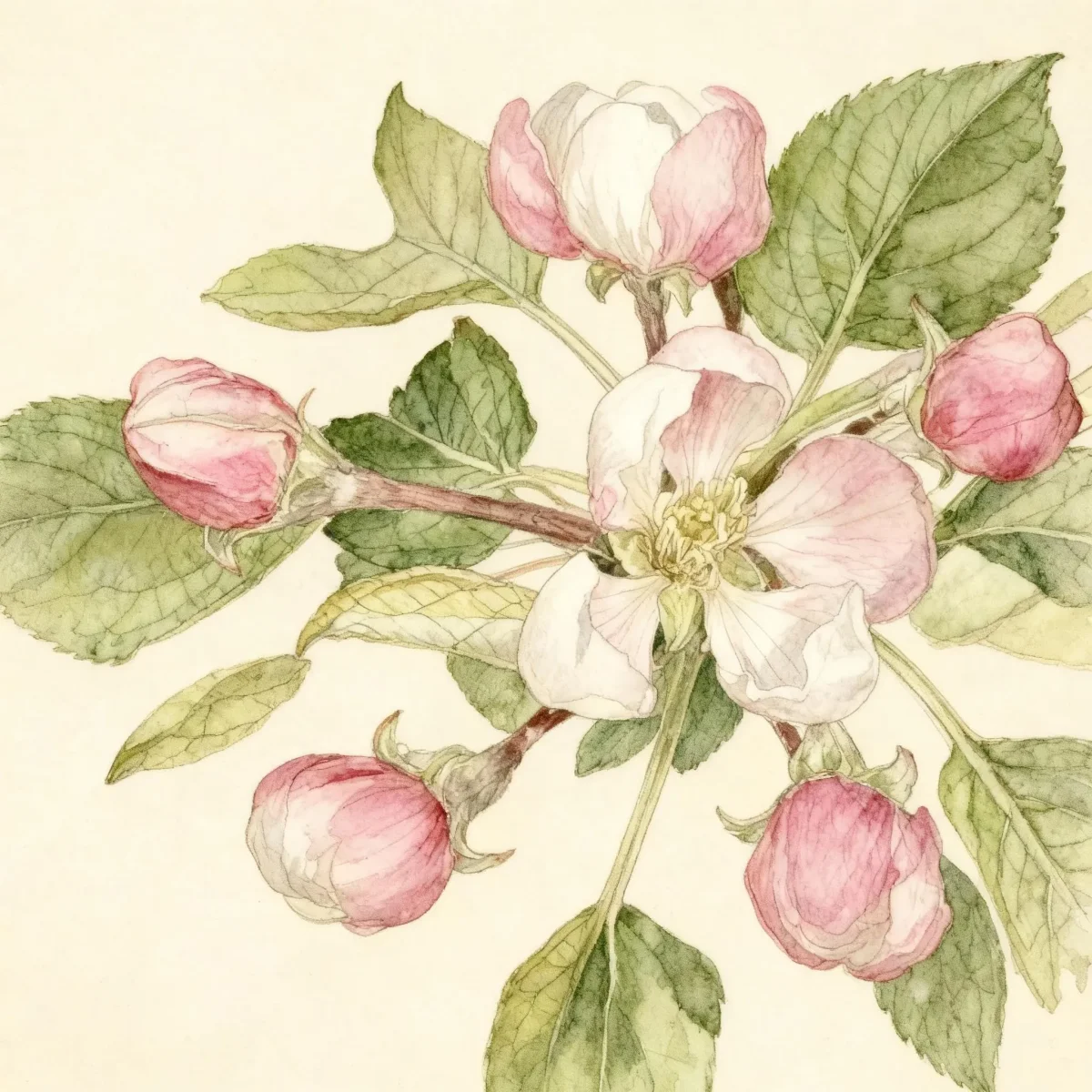
While the primary goal of growing the Malus pumila ‘Caitlin’ STARK GRANDGALA is yielding quality fruit, its ornamental value as a Flowering Tree should not be overlooked. In early spring, the tree provides a delicate screen of pinkish-white blossoms before leaf-out, providing early season interest for pollinators. Its semi-dwarf stature (12-15 feet) makes it an excellent choice for homesteads or larger garden spaces where a standard-sized tree would overwhelm the area.
Group your Malus pumila ‘Caitlin’ STARK GRANDGALA with other flowering or fruiting deciduous trees to create an effective orchard aesthetic. The structure of the mature tree, though secondary to its fruit, offers good form in a sunny location. Consider pairing it with shrubs that share similar sun and medium water needs, ensuring all plants benefit from the management practices required for successful apple culture.
Standout Features
Flower Qualities
- Showy
Fruit Qualities
- Showy
- Edible
Noteworthy Characteristics
Malus is a genus encompassing about 35 species of deciduous trees and shrubs originating from Europe, Asia, and North America. Edible apple cultivars generally require grafting onto rootstocks that manage tree size; the GRANDGALA is grafted onto a semi-dwarf stock, limiting its height to the 12-15 foot range while still producing full-sized fruit. This specific cultivar is recognized for its large, bright red fruit with firm flesh and a balanced tart yet sweet taste, typically ready for picking in early September.
Tolerances
- Air Pollution
Potential Problems
The GRANDGALA exhibits good resistance to cedar apple rust, which reduces one common headache for apple growers. However, gardeners should remain vigilant for susceptibility to apple scab, fire blight, and powdery mildew. Effective management of these fungal conditions relies heavily on good cultural practices, such as proper pruning for air circulation and avoiding overhead watering late in the day. Potential insect pests that target this Apple tree include aphids, codling moth, maggots, and plum curculio, with spider mites occasionally causing issues. Regular inspection and timely, targeted chemical spraying, when necessary, are essential components of the high maintenance required for this fruit producer.
Frequently Asked Questions
What hardiness zones is Apple tree (Malus pumila ‘Caitlin’ STARK GRANDGALA) suitable for?
The Malus pumila ‘Caitlin’ STARK GRANDGALA is suitable for cultivation within USDA Hardiness Zones 5 through 8.
How large does Apple tree (Malus pumila ‘Caitlin’ STARK GRANDGALA) grow?
This semi-dwarf variety matures to a height between 12 and 15 feet, with a corresponding spread of 12 to 15 feet.
When does Apple tree (Malus pumila ‘Caitlin’ STARK GRANDGALA) bloom?
This Apple tree bursts into bloom from April to May, displaying attractive pinkish-white flowers.
What sun exposure does Apple tree (Malus pumila ‘Caitlin’ STARK GRANDGALA) need?
For maximum flower and fruit production, the Malus pumila ‘Caitlin’ STARK GRANDGALA requires full sun exposure throughout the growing season.
Conclusion
The Malus pumila ‘Caitlin’ STARK GRANDGALA provides homeowners with an accessible, semi-dwarf option for growing premium apples, balancing ornamental spring beauty with reliable early-fall harvesting. Its success relies on diligent care, particularly regarding pollination requirements and soil quality. Before planting this high-value Apple tree, confirm your location falls within Zones 5-8 and secure the necessary cross-pollinating varieties.
Companion Planting
Selecting appropriate companions for the Malus pumila ‘Caitlin’ STARK GRANDGALA involves choosing plants that thrive under similar cultural conditions while avoiding those that harbor the same pests or diseases. Since apples prefer fertile, slightly acidic, well-drained soil and full sun, consider hardy herbs like chives or garlic, which are traditionally believed to help deter certain insect pests near fruit trees. Low-growing perennial flowers that do not compete heavily for surface moisture, such as catmint or creeping phlox, can serve as attractive, low-maintenance groundcovers around the drip line, provided they do not obscure early pest inspection needs.
Roses, being in the same family (Rosaceae), sometimes share vulnerabilities, so careful consideration is needed there. Instead, focus on plants that provide visual contrast without competing biochemically. Hardy spring bulbs that die back before the apple tree requires significant water, such as daffodils or tulips, create excellent early landscape interest beneath the canopy of the GRANDGALA.
Seasonal Care Calendar
Spring preparation is crucial for the health of your Malus pumila ‘Caitlin’ STARK GRANDGALA. As dormancy breaks, apply dormant oil spray to manage overwintering insects and scout for early signs of apple scab developing on emerging leaf tissue. Summer is primarily about monitoring fruit development and water needs, ensuring consistent medium moisture during dry spells, especially as the large, edible apples size up. Pruning should generally be completed during the dormant season, but summer pruning can be used later to control excessive vegetative growth.
Fall brings the harvest, typically occurring in early September for the GRANDGALA cultivar. Once harvested, ensure the area beneath the tree is cleared of dropped fruit and debris to reduce overwintering sites for pests and fungal spores. Winter care focuses on protection; protect the semi-dwarf trunk from rodent damage using tree guards, especially important on younger grafted trees, and plan your next pruning strategy.