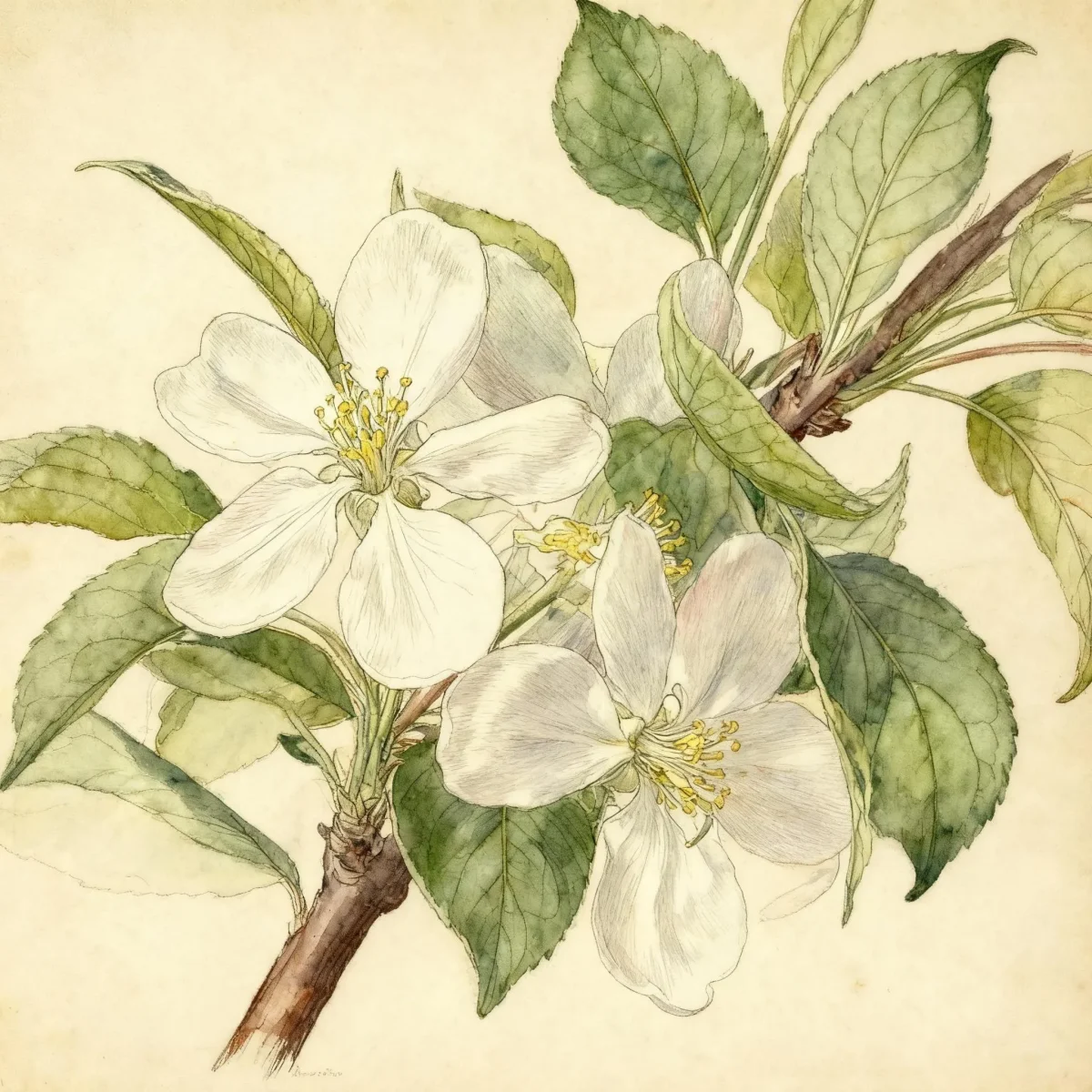
Semi-dwarf apple (Malus pumila 'Co-op 30' ENTERPRISE)
Grow the productive Malus pumila 'Co-op 30' ENTERPRISE Semi-dwarf apple. This tree offers ornamental spring beauty and harvests tart, edible fruit in October.
Scroll down to discover growing tips, care requirements, companion plants, and more
Complete Plant Information
Overview
The Malus pumila ‘Co-op 30’ ENTERPRISE, commonly known as the Semi-dwarf apple, is an excellent cultivar valued primarily for its reliable fruit production while still offering seasonal spring aesthetics. This grafted tree provides manageable size, making harvesting and maintenance significantly easier compared to standard varieties. Gardeners appreciate the dual benefit of ornamental blossoms followed by viable, edible fruit in the autumn landscape.
As a Semi-dwarf apple, the ‘Co-op 30’ ENTERPRISE reaches a manageable height between 12 and 15 feet, fitting well into home orchards or larger garden spaces. Successful cultivation requires dedication, as evidenced by its high maintenance rating, focusing heavily on sunlight needs and soil management to ensure optimal yields. The resulting medium to large, red-over-yellow apples possess a satisfyingly mildly tart flavor profile.
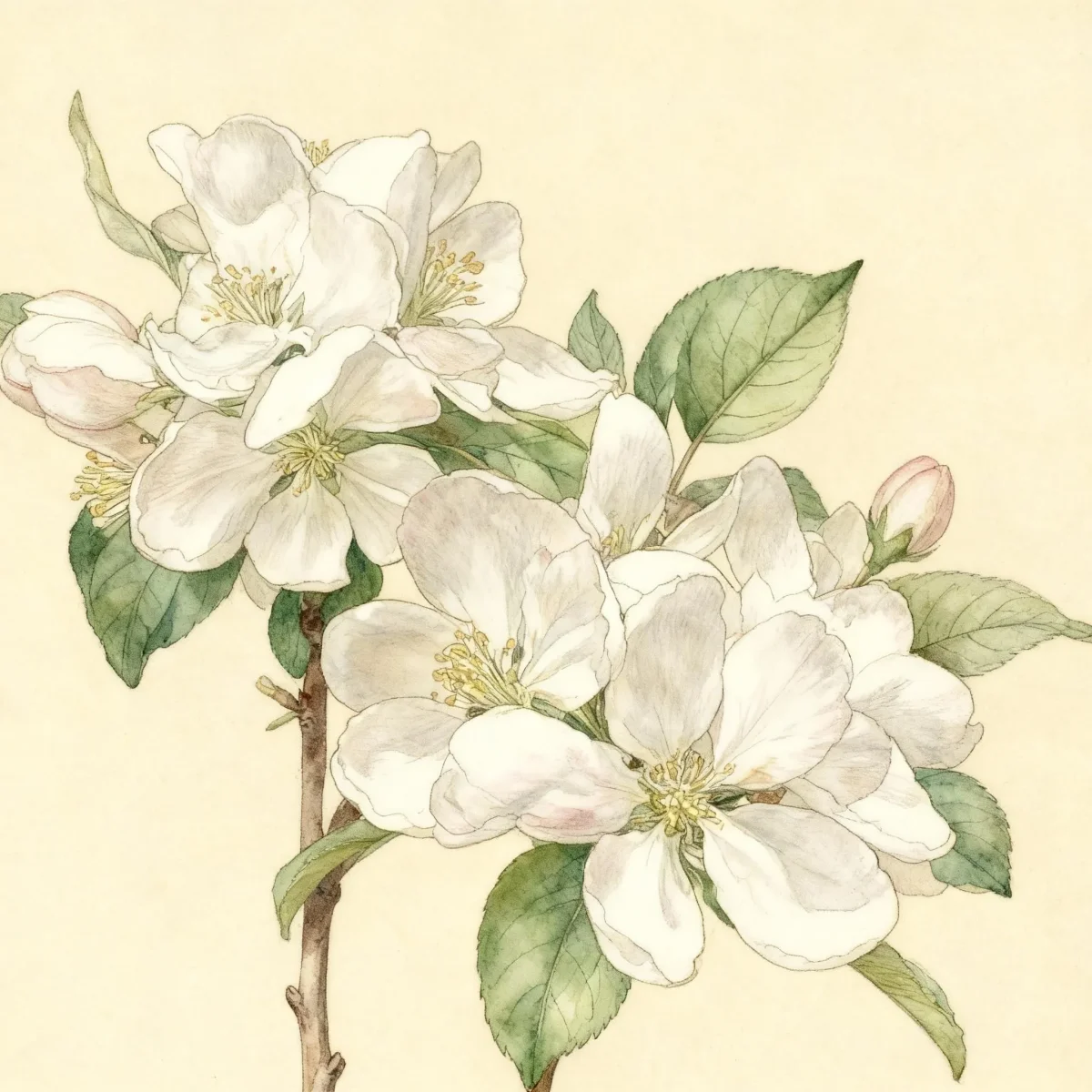
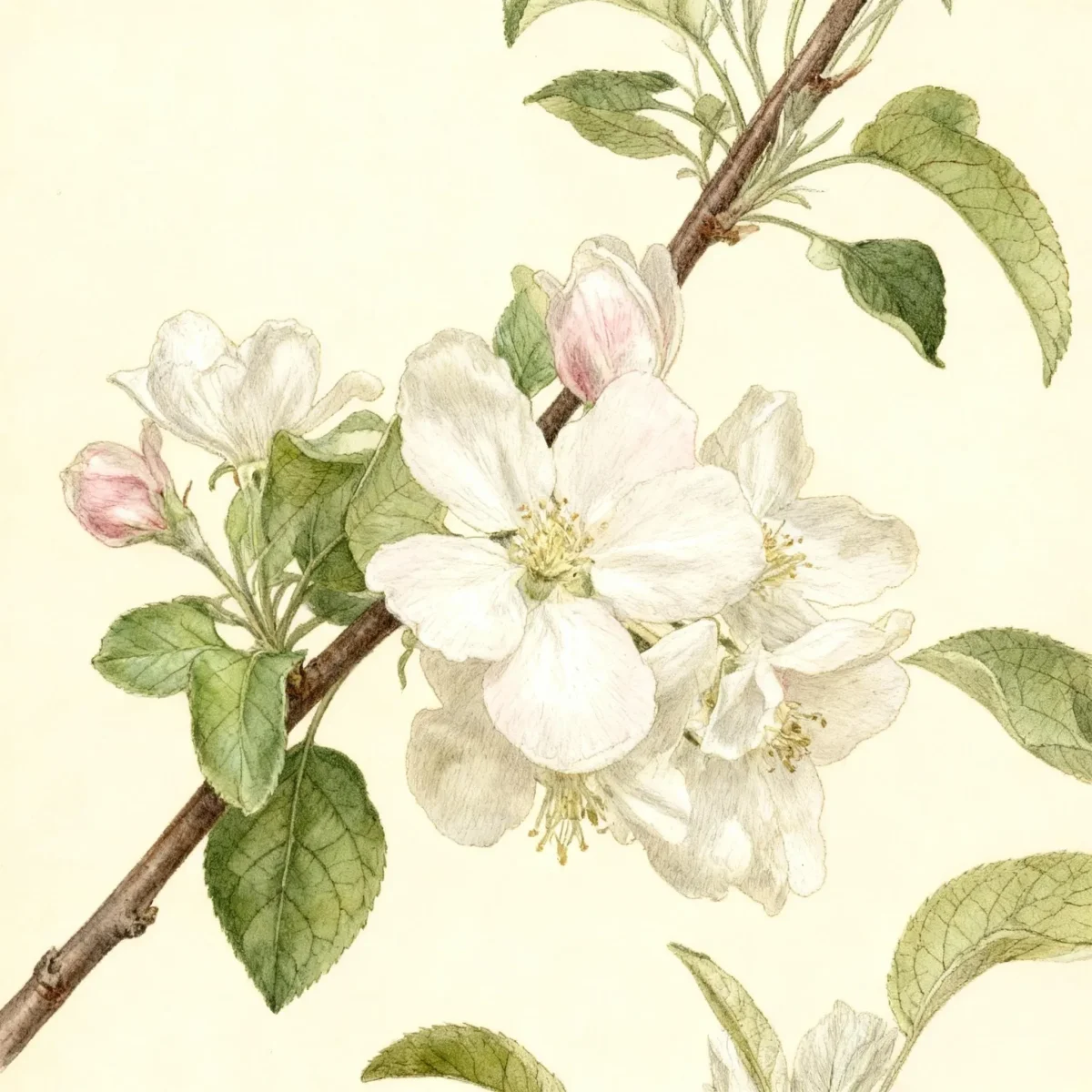
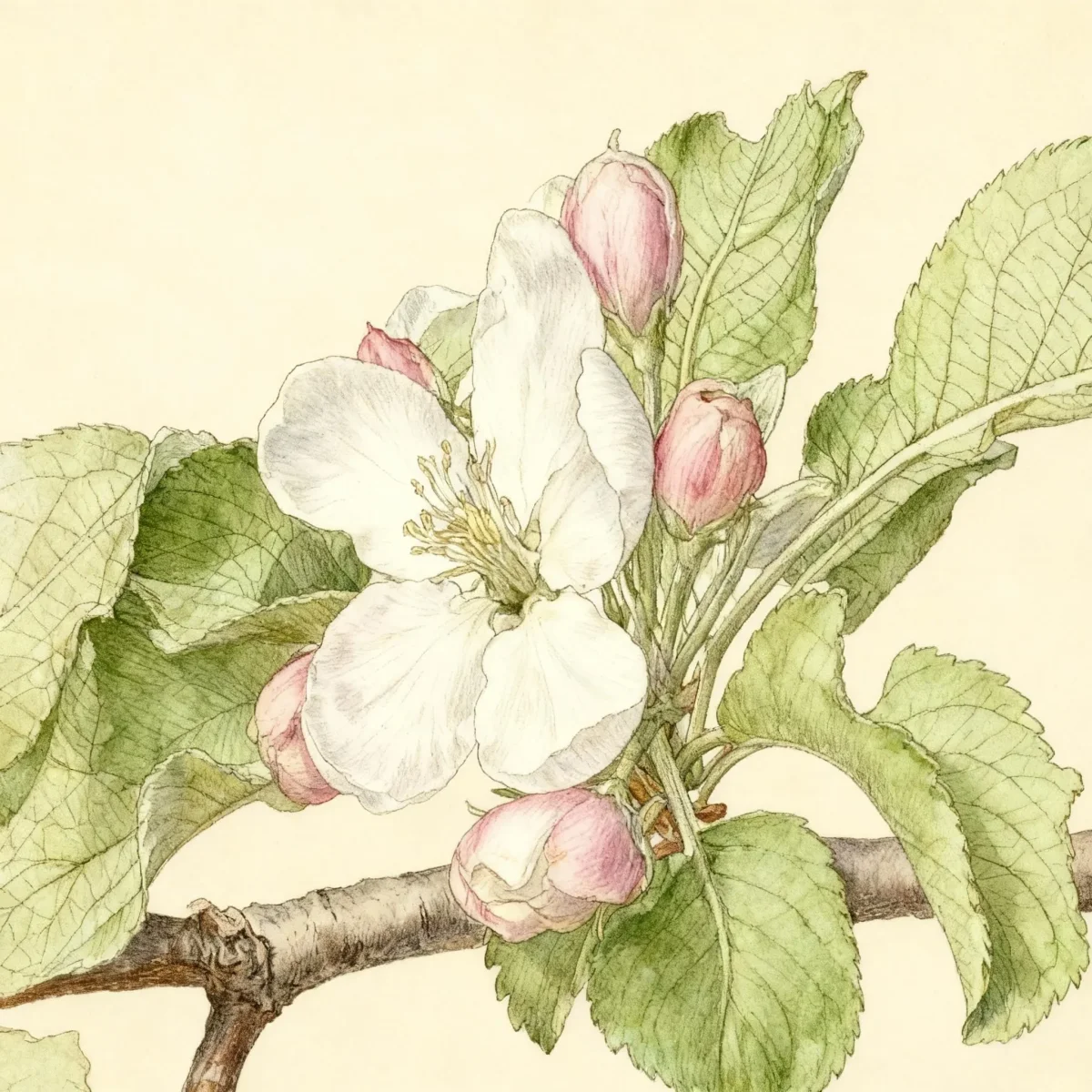
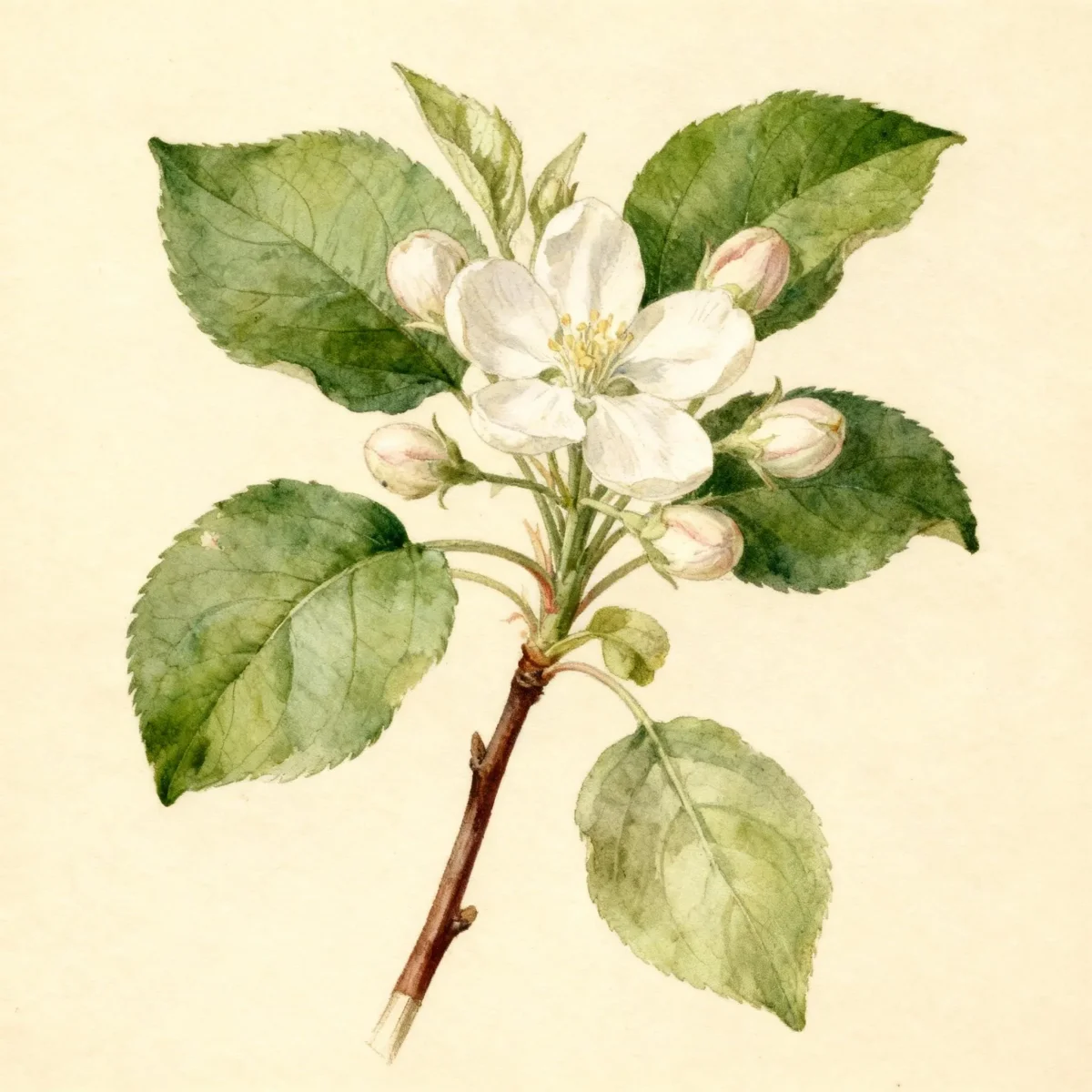
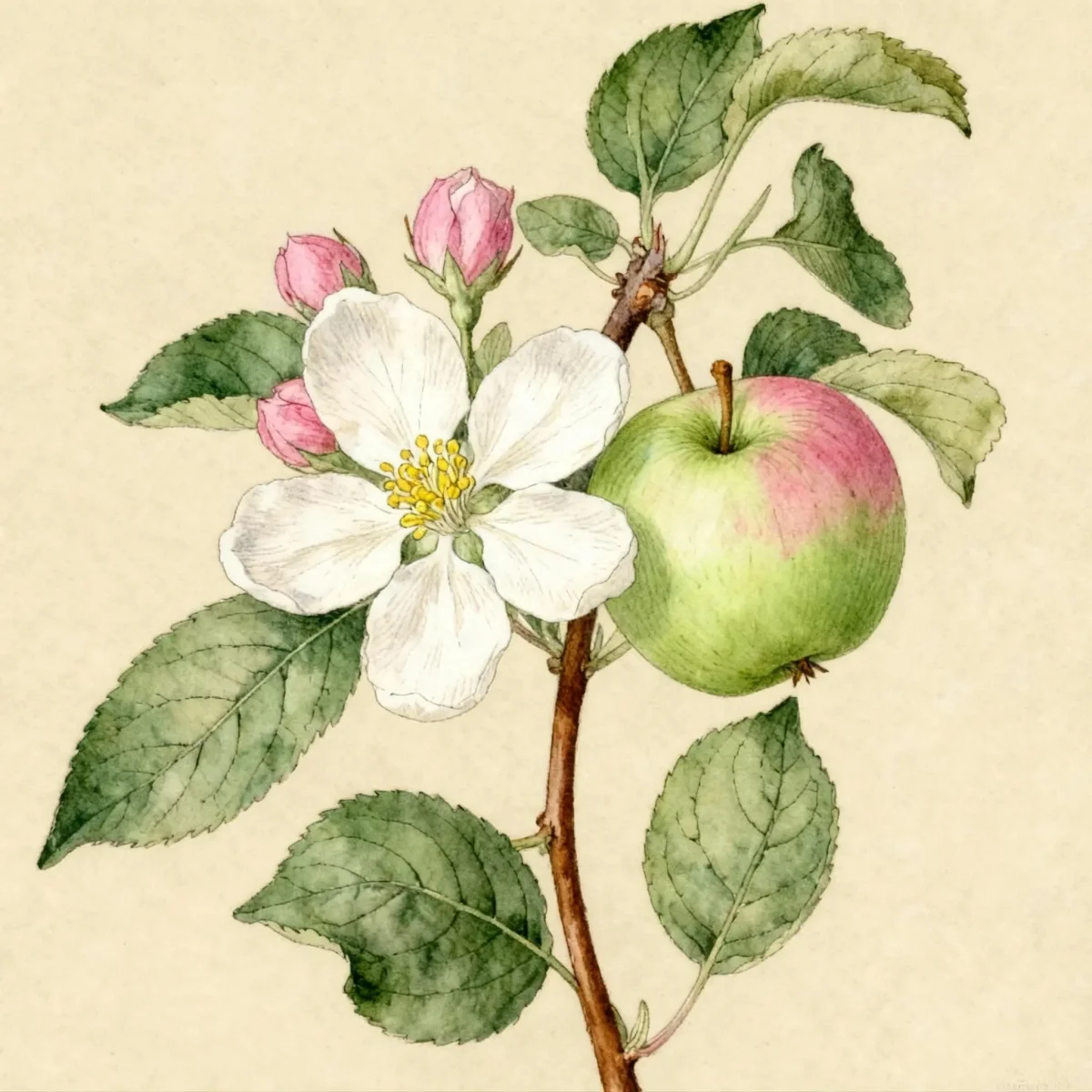
This variety is a significant addition to any landscape focused on productivity, offering both ornamental interest in April with pinkish white flowers and tangible results when the harvest arrives mid-October. For homeowners seeking the benefits of fresh apples without the massive footprint of a full-sized tree, the Malus pumila ‘Co-op 30’ ENTERPRISE stands out as a top contender.
Fast Facts
- Plant Family: Rosaceae
- Plant Type: Fruit
- Hardiness Zones: USDA Zones 5-8
- Size at Maturity:
- Height: 12-15 ft
- Spread: 12-15 ft
- Bloom Time: April
- Bloom Description: Pinkish white
- Sun Exposure: Full sun
- Water Needs: Medium
- Maintenance Level: High
How to Grow
The foundational requirement for cultivating a successful Semi-dwarf apple is rigorous attention to site selection and soil quality. Planting is best done during the dormant season, ensuring the tree establishes before the stress of summer heat. The ideal soil is deep, loamy, moderately fertile, slightly acidic, and possesses medium moisture retention while draining perfectly. Avoid embedding the roots in heavy clay that waterlogs easily, as poor drainage is detrimental to apple health.
Cultural care for Malus pumila ‘Co-op 30’ ENTERPRISE necessitates full sun exposure for maximum flower setting and fruit development; dappled shade will severely reduce yields. Water needs are categorized as medium; aim for consistent moisture, especially during fruit development, but never allow standing water. Due to the dwarfing rootstock, soil fertility maintenance is crucial; regular, balanced fertilization per horticultural guidelines is recommended for sustained vigor.
Pruning is a vital, high-maintenance component of growing this tree, focusing on structure, air flow, and light penetration to maximize fruit quality and disease resistance. Crucially, remember that pollination is essential; you must plant more than one apple variety nearby to ensure the ‘Co-op 30’ ENTERPRISE produces a successful harvest.
Landscape Uses
Although the primary goal for growing the Malus pumila ‘Co-op 30’ ENTERPRISE is fruit production, its early season blossoms deliver significant ornamental value, classifying it as a valuable Flowering Tree. These trees look fantastic when grouped together in an orchard setting or positioned as a striking specimen tree in a sunny portion of a larger lawn. The combination of spring flowers and the deep red fall fruit provides multi-season interest.
Consider integrating this Semi-dwarf apple into an edible landscape design alongside perennial herbs or low-growing flowering shrubs that share similar sun and soil requirements. Because the mature size is relatively predictable (12-15 feet), it can be placed where a standard tree would overwhelm the space, such as near boundaries or sightlines where the fall harvest adds a rustic, productive charm.
Standout Features
Flower Qualities
- Showy
- Fragrant
- Good Cut
Fruit Qualities
- Showy
- Edible
Noteworthy Characteristics
Malus is a genus of about 35 species of deciduous trees and shrubs from Europe, Asia and North America. Edible apple cultivars are typically grafted onto rootstocks to control size; the ENTERPRISE is specifically grown on a semi-dwarf stock, resulting in a 12 to 15’ tree that bears full-sized fruit earlier than standard types. These trees offer pinkish white flowers in April, maturing to medium-large, medium red-over-yellow apples with a mildly tart taste in mid-October.
Tolerances
- Air Pollution
Potential Problems
Apple trees, including the resilient Malus pumila ‘Co-op 30’ ENTERPRISE, face potential challenges from common diseases and pests. Fungal issues like apple scab, cedar apple rust, leaf spot, and powdery mildew are common threats, although this cultivar shows improved resistance to these specific ailments. Management should include preventative fungicide applications timed to protect new growth early in the season.
Insect pressures can include aphids, maggots that attack the developing fruit, borers that target the trunk, and spider mites which sap leaf vitality. Regular scouting is necessary; apply targeted insecticides only when pest thresholds are reached, often targeting codling moth eggs or larvae based on local biofix dates. Good orchard hygiene, such as removing fallen, infected fruit, helps break pest and disease cycles.
Frequently Asked Questions
What hardiness zones is Semi-dwarf apple suitable for?
The Malus pumila ‘Co-op 30’ ENTERPRISE is best suited for USDA Hardiness Zones 5 through 8.
How large does Semi-dwarf apple grow?
This Semi-dwarf apple typically matures to a height of 12 to 15 feet with a similar spread of 12 to 15 feet.
What sun exposure does Semi-dwarf apple need?
For optimal flowering and the best possible fruit production, the Malus pumila ‘Co-op 30’ ENTERPRISE requires full sun exposure throughout the day.
When does Semi-dwarf apple bloom?
This apple variety puts on a display of pinkish white flowers during the month of April.
Conclusion
The Malus pumila ‘Co-op 30’ ENTERPRISE successfully combines manageable size with high yield potential, making it a superb choice for home fruit enthusiasts who need a robust Semi-dwarf apple. While its high maintenance requirements demand regular attention to pruning and pollination planning, the slightly tart, mid-October harvest is a worthy reward. Assess your USDA hardiness zone compatibility and ensure you have a companion pollinator planned before purchasing your ENTERPRISE tree.
Companion Planting
Selecting appropriate companions for your Semi-dwarf apple improves overall garden health and maximizes space utilization beneath the canopy. Plants that thrive in full sun and prefer similar well-drained, fertile soils are ideal roommates. Consider companion planting low-growing, aromatic herbs near the base of the tree; chives, mint (in containers to prevent spreading), and oregano can help confuse certain pests through strong scent masking.
Groundcovers can help moderate soil temperature and moisture, reducing stress on the apple tree, provided they are not overly competitive for nutrients. Planting flowers that attract beneficial insects, such as dill, yarrow, or cosmos, can encourage predatory wasps and hoverflies which naturally manage aphids and other soft-bodied pests that bother the Malus pumila ‘Co-op 30’ ENTERPRISE. Always maintain a clear zone immediately around the trunk to improve air circulation and aid in visual inspection for early pest detection.
Seasonal Care Calendar
Spring preparation centers around pollination and pest management. As dormancy breaks, apply dormant oil to smother overwintering pests, followed by fungicide sprays targeted at scab development just as buds begin to swell. Once the distinctive pinkish white flowers open in April, ensure bees have access, as pollination is critical for the ENTERPRISE fruit set.
Summer care for this Semi-dwarf apple focuses heavily on fruit thinning, which should be performed when developing apples are nickel-sized to ensure the remaining fruit grows to optimal size and flavor. Continue monitoring for insect pests and maintain a consistent, medium watering schedule, especially during hot, dry spells, remembering that deep watering encourages deep root growth.
As autumn approaches, the medium red-over-yellow apples mature toward mid-October. Be vigilant for signs of falling premature fruit, which may indicate insect infestation or disease. Post-harvest cleanup involves removing all dead or diseased foliage and debris from beneath the tree base to reduce pathogen carryover for the next growing season, preparing the Malus pumila ‘Co-op 30’ ENTERPRISE for winter dormancy.