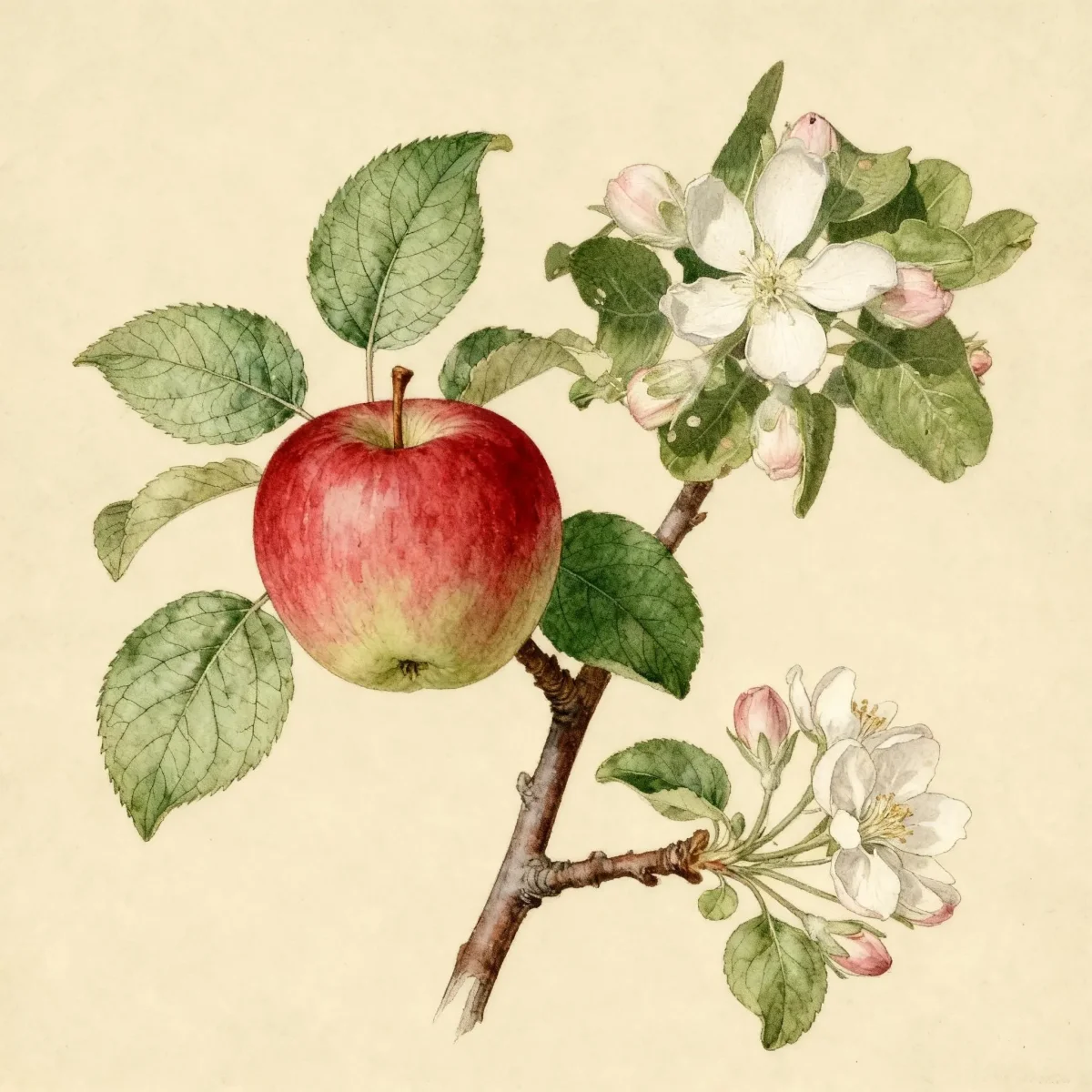
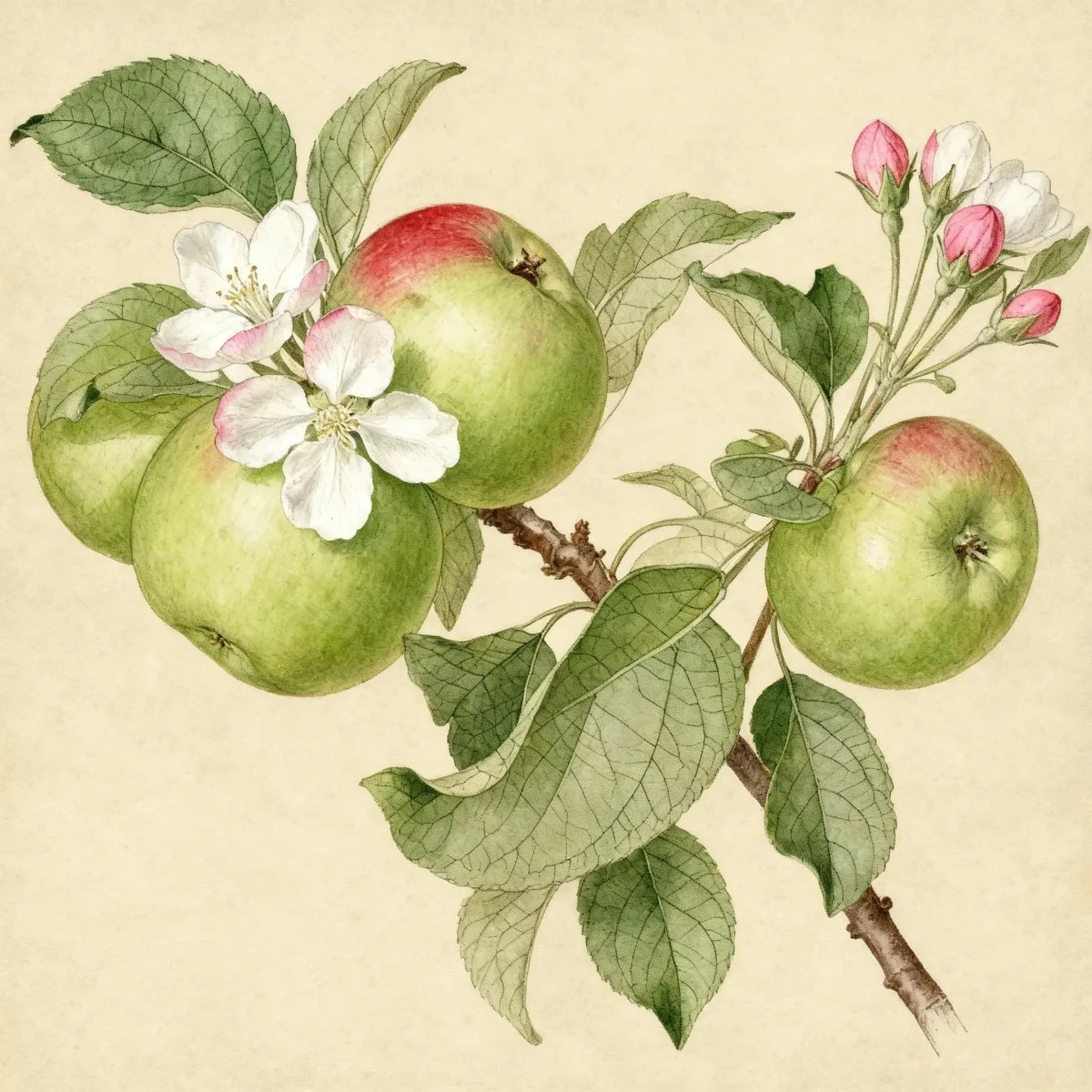
Dwarf apple (Malus pumila 'Dewar' STARKSPUR ULTRA MAC)
Grow Malus pumila 'Dewar' STARKSPUR ULTRA MAC, a productive Dwarf apple, yielding showy edible fruit. Ideal for Zones 4-6 in full sun.
Scroll down to discover growing tips, care requirements, companion plants, and more
Complete Plant Information
Overview
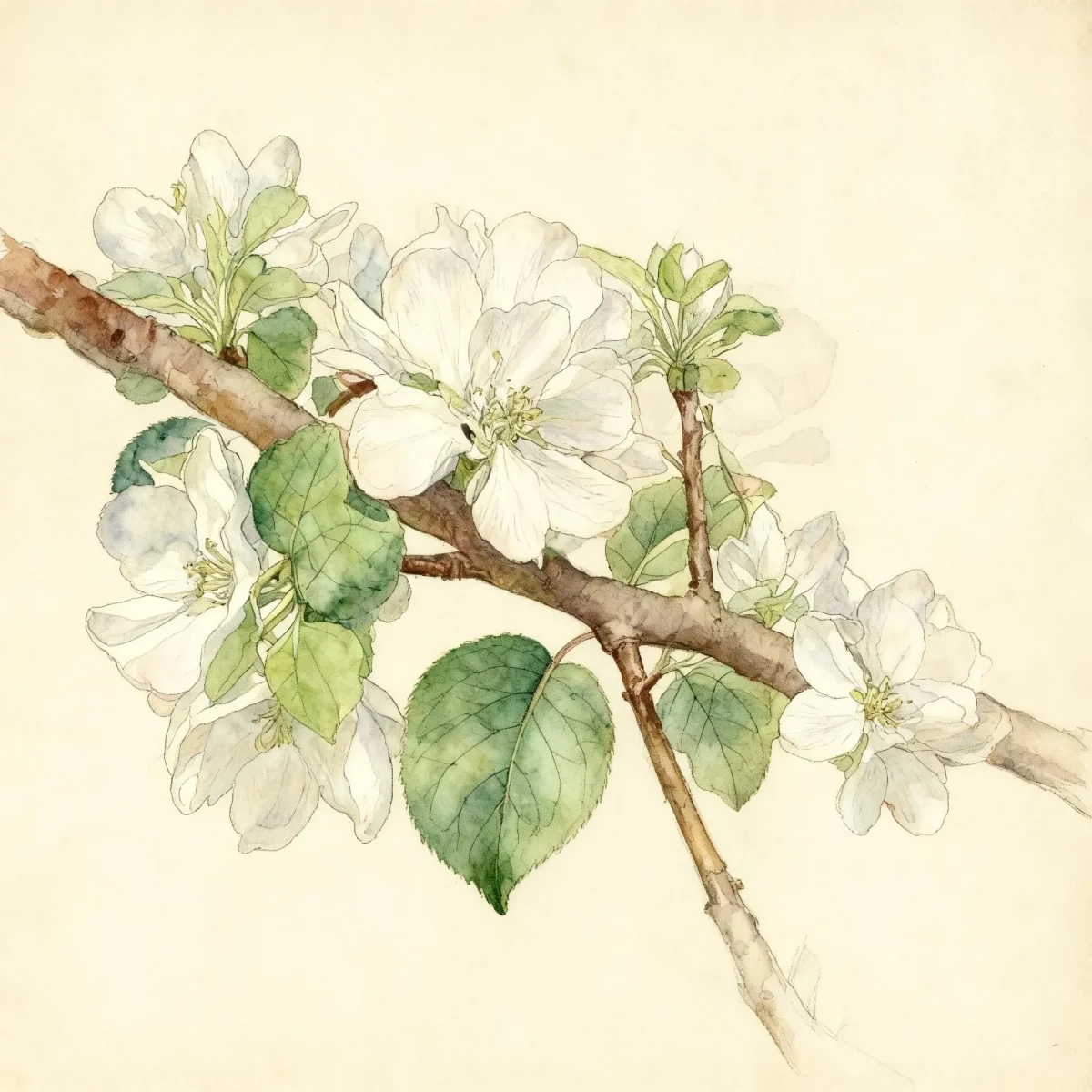
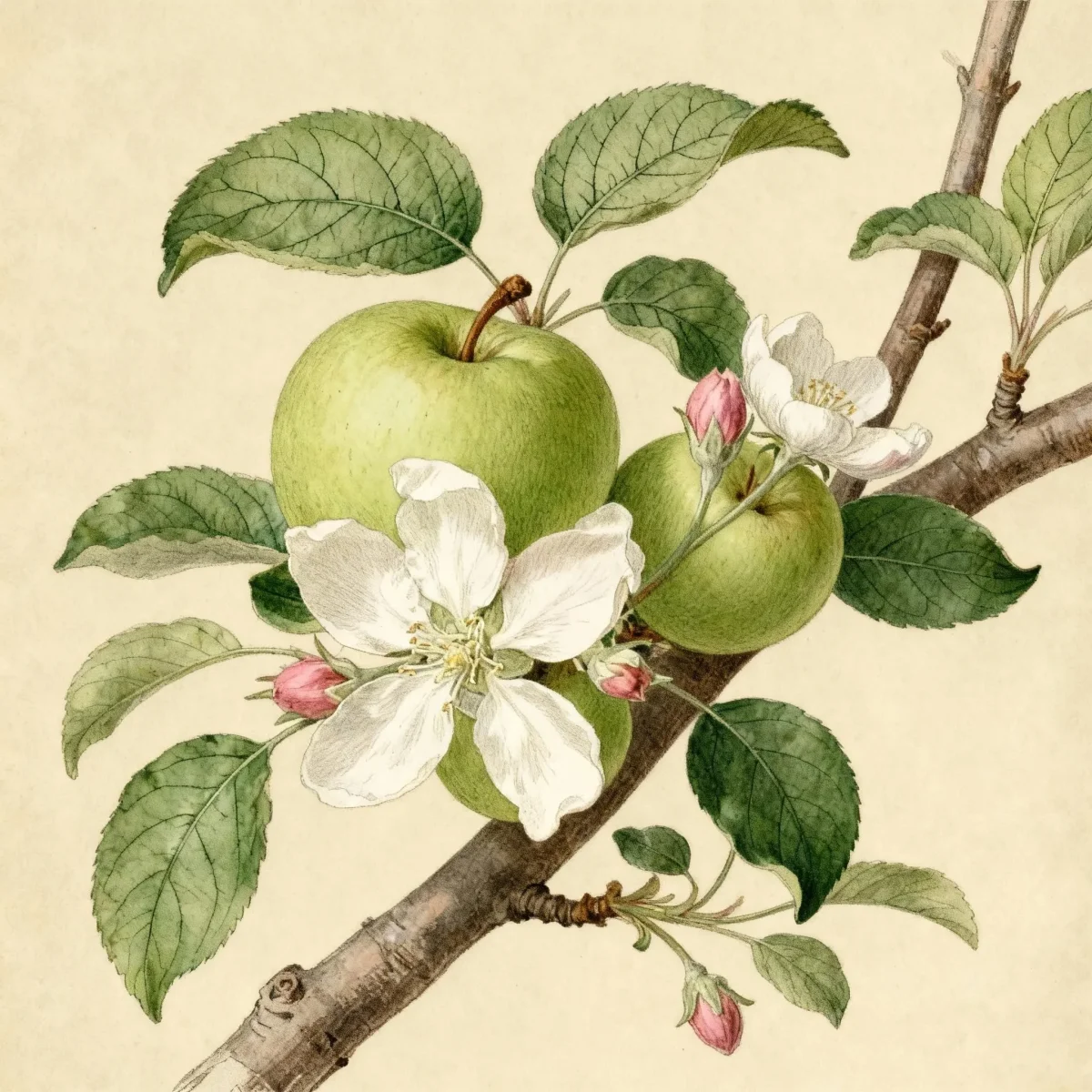
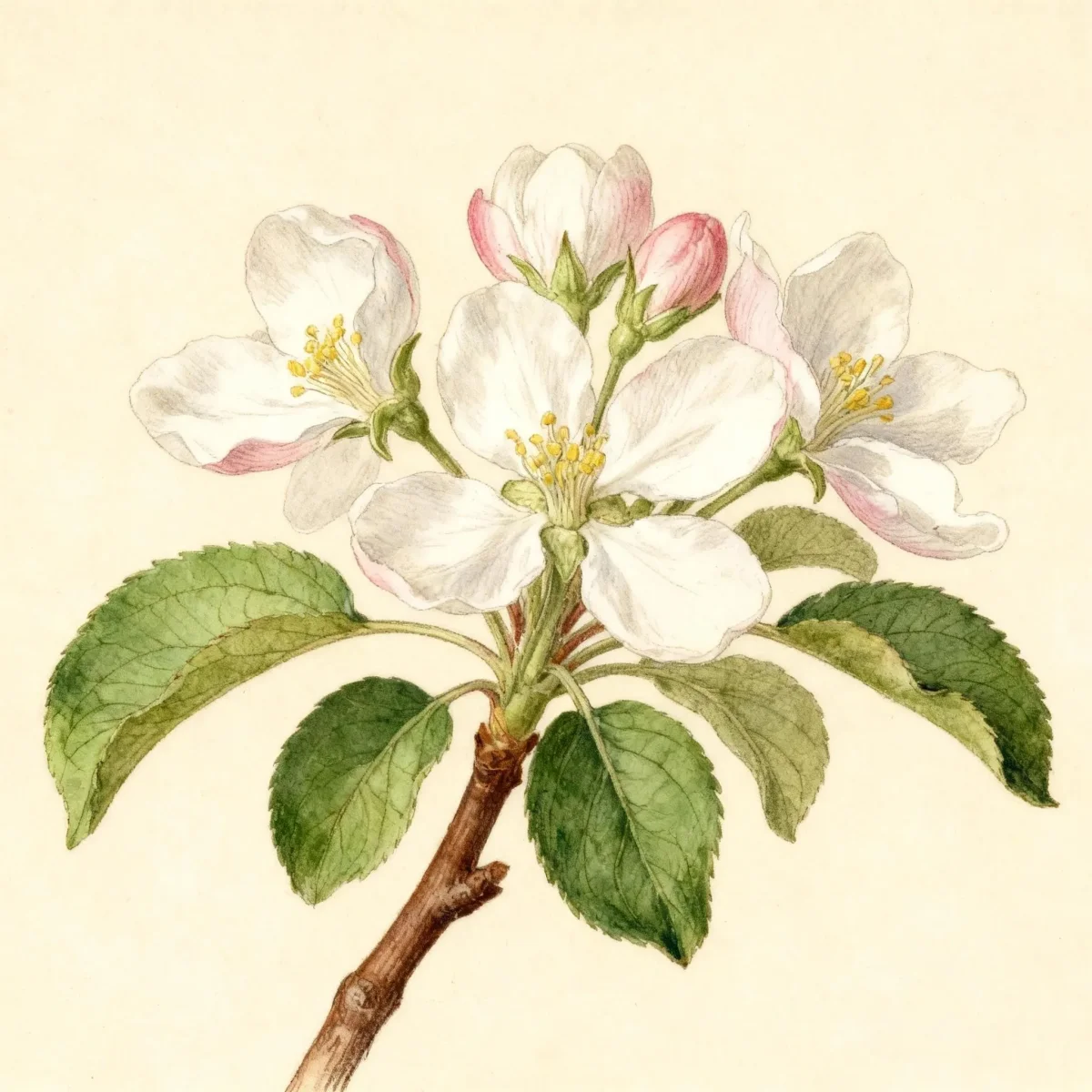
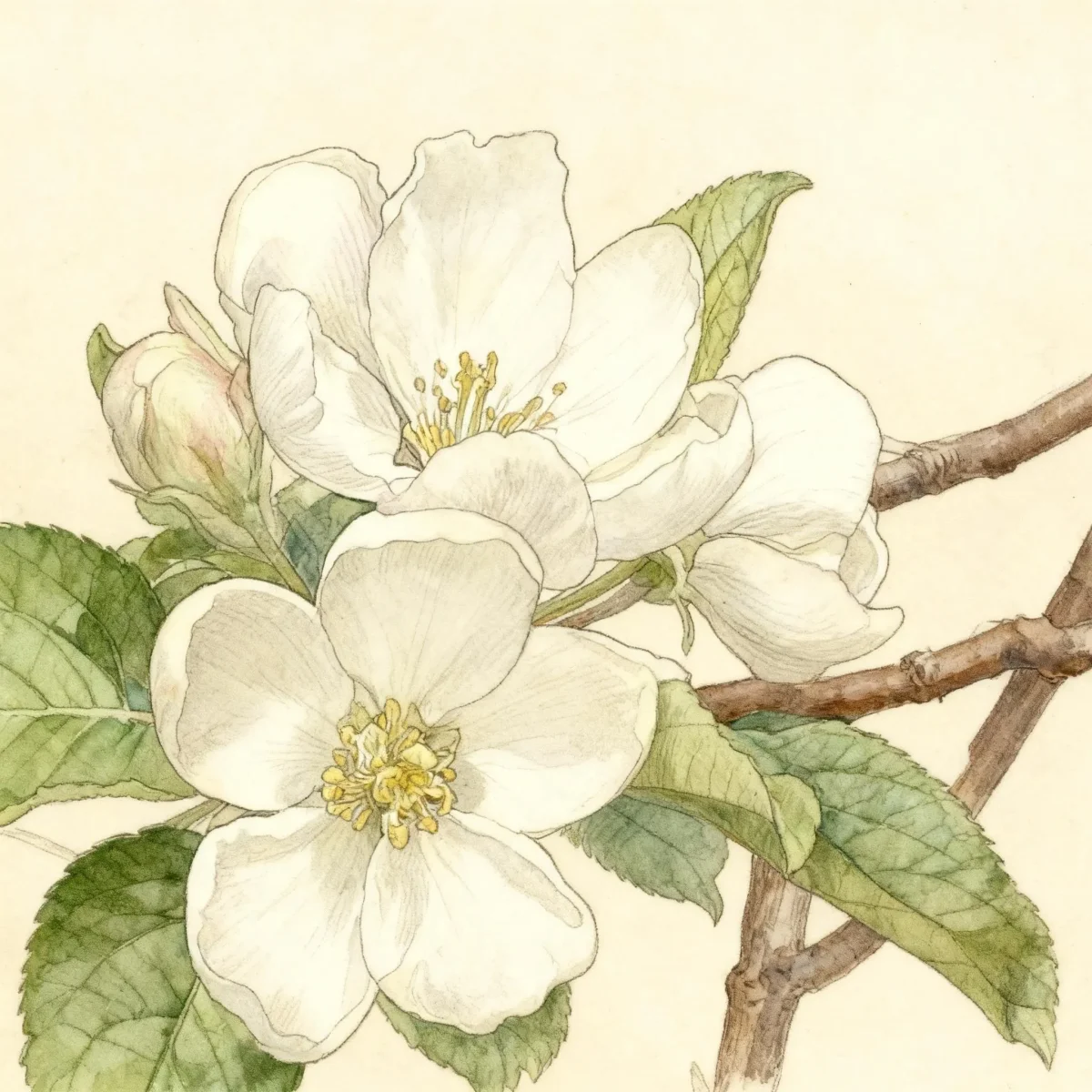
The Malus pumila ‘Dewar’ STARKSPUR ULTRA MAC provides the home gardener with the exceptional advantage of full-sized apples on a conveniently smaller stature. As a highly valued Dwarf apple cultivar, it is specifically grafted onto dwarfing rootstock, ensuring easier management, pruning, and harvesting compared to standard trees. This variety, exclusive to Stark Bro’s, is prized for its seasonal appeal, starting with fragrant white blooms in spring followed by ripe, McIntosh-type fruit ready for harvest in early autumn.
Cultivating Malus pumila ‘Dewar’ STARKSPUR ULTRA MAC allows growers to enjoy high-quality fruit production even in smaller yards where space is limited. While its primary focus is fruit yield, its ornamental value, especially during its bloom period, adds significant interest to the landscape. Successful cultivation of this Dwarf apple requires dedicated attention to site selection and soil quality to ensure optimum vigor and yield.
For reliable fruiting, gardeners must remember the necessity of cross-pollination; planting other suitable apple varieties nearby is essential for maximizing the harvest potential of the Malus pumila ‘Dewar’ STARKSPUR ULTRA MAC.
Fast Facts
- Plant Family: Rosaceae
- Plant Type: Fruit
- Hardiness Zones: USDA Zones 4-6
- Size at Maturity:
- Height: 8-10 ft
- Spread: 8-10 ft
- Bloom Time: May
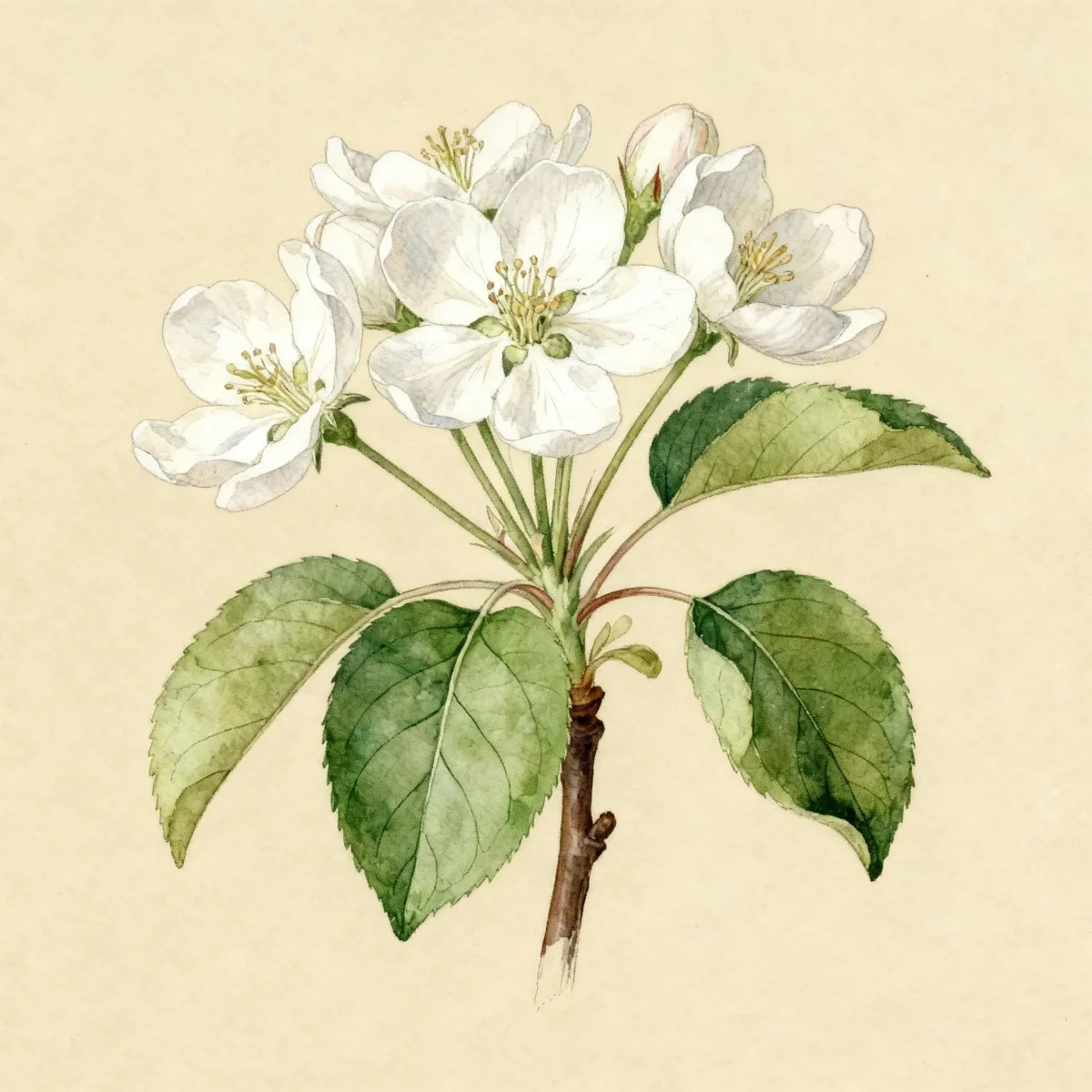
- Bloom Description: White
- Sun Exposure: Full sun
- Water Needs: Medium
- Maintenance Level: High
How to Grow
Planting Malus pumila ‘Dewar’ STARKSPUR ULTRA MAC should ideally occur in the early spring while the tree is dormant, or during the fall in milder climates. This Dwarf apple performs best when situated in deep, loamy soil that is well-drained, moderately fertile, and slightly acidic. Full sun exposure—at least six hours daily—is non-negotiable for achieving maximum flower production and the best fruit set. Avoid planting in heavy clay soils that retain excess moisture, as this can lead to root issues.
During the growing season, maintain medium water needs, ensuring consistent, steady moisture, especially during bloom and fruit development. Due to the dwarfing rootstock, soil fertility is crucial; ensure the soil is adequately enriched to support the tree’s bearing capacity. Pruning is a major component of the high maintenance required, focusing on shaping the tree for manageable fruit production and sound structure.
As this is a grafted cultivar, ensure that no sucker growth emerges below the graft union, as this growth originates from the rootstock and will revert to non-dwarfing characteristics. Crucially, remember that successful fruit production requires planting at least one other genetically distinct apple variety nearby to facilitate necessary cross-pollination for the Malus pumila ‘Dewar’ STARKSPUR ULTRA MAC.
Landscape Uses
The Dwarf apple’s structure, typically reaching 8 to 10 feet in height and spread, makes it an excellent specimen tree for smaller gardens or near patios where its seasonal interest can be appreciated. While shaped and grown primarily for its quality fruit, the ornamental features of spring blossoms and fall fruit clusters add excellent tiered interest to the landscape. Use this cultivar in sunny borders or as a central feature in an edible landscape design.
Because successful fruit production hinges on pollination, group Malus pumila ‘Dewar’ STARKSPUR ULTRA MAC with other compatible flowering fruit trees or compatible apple varieties. The dense spring flowering provides excellent early-season nectar sources, making it a beneficial addition near pollinator gardens. The compact size of this Dwarf apple also allows it to be successfully espaliered against fences or walls, maximizing fruit yield in narrow spaces while adding architectural interest.
Standout Features
Flower Qualities
- Showy
- Fragrant
Fruit Qualities
- Showy
- Edible
Noteworthy Characteristics
Malus is a genus of about 35 species of deciduous trees and shrubs. Edible apple cultivars do not grow particularly well on their own roots, so commercial varieties like Malus pumila ‘Dewar’ STARKSPUR ULTRA MAC are grafted onto rootstocks that control tree size. This cultivar typically reaches 8-10’ tall, bears white flowers in spring, and follows up with red, McIntosh-type eating apples maturing in early September.
Tolerances
- Air Pollution
Potential Problems
Apple trees, including the Dwarf apple Malus pumila ‘Dewar’ STARKSPUR ULTRA MAC, face susceptibility to numerous pests and diseases. The key fungal threats generally include fire blight, powdery mildew, apple scab, and cedar apple rust. Common insect pests requiring vigilance are aphids, codling moths, maggots, and spider mites.
While this specific cultivar is noted for having improved disease resistance compared to older varieties, proactive cultural management remains essential for long-term health. Ensure excellent air circulation through proper pruning to minimize fungal diseases. If problems persist, targeted chemical spraying, identified by local extension services, may be necessary to control outbreaks of pests like codling moth.
Frequently Asked Questions
What hardiness zones is Dwarf apple suitable for?
Malus pumila ‘Dewar’ STARKSPUR ULTRA MAC is best suited for gardeners located in USDA Hardiness Zones 4 through 6.
How large does Dwarf apple grow?
When grown on its designated dwarfing rootstock, this Malus variety typically achieves a height between 8 to 10 feet, with a corresponding spread of 8 to 10 feet at maturity.
When does Dwarf apple bloom?
The tree produces its visually appealing flowers in May; these blooms are characteristically white.
What sun exposure does Dwarf apple need?
For optimal flower and fruit production, Malus pumila ‘Dewar’ STARKSPUR ULTRA MAC requires full sun exposure throughout the day.
Conclusion
The Malus pumila ‘Dewar’ STARKSPUR ULTRA MAC offers a fantastic balance of high-quality fruit yield and manageable size, making it an excellent choice for modern orchards or suburban settings. As a productive Dwarf apple, it rewards dedicated care with fragrant spring blooms and delicious, showy red fruit. Before planting, confirm your microclimate falls within USDA Zones 4-6 and ensure you have adequate space and a cross-pollinator nearby to guarantee a successful harvest.
Companion Planting for Enhanced Vigor
Selecting appropriate neighbors for your Malus pumila ‘Dewar’ STARKSPUR ULTRA MAC can aid in managing pests and improving soil health. Because apple trees benefit from clear air circulation and targeted soil fertility, avoid planting vigorous shallow-rooted species directly at the drip line. Consider planting aromatic herbs like chives or garlic nearby, as their strong scents can sometimes confuse insect pests seeking the fruit or foliage.
Dwarf fruit trees thrive when companion planted with low-growing, nitrogen-fixing groundcovers that do not aggressively compete for water. Clover or vetch can slowly enrich the soil over time, providing a steady nutrient source that benefits the hungry Dwarf apple. Just ensure these companions are kept trimmed back to maintain the necessary air flow around the base of the tree.
Seasonal Care Calendar Highlights
Spring preparation for your Malus pumila ‘Dewar’ STARKSPUR ULTRA MAC is critical, focusing first on dormant pruning to establish good structure before the white flowers emerge in May. Follow bloom time with preventative fungicide applications if you have a history of apple scab in your area. Summer care centers on consistent, medium watering, especially during dry spells, and monitoring for common insect pests like codling moth larvae in developing fruit.
Fall management involves harvesting the McIntosh-type apples, typically in early September, and then ensuring the tree is well-watered going into winter dormancy, as dry soil during winter freeze can damage roots. Winter is the best time for heavy structural pruning on this high-maintenance Dwarf apple, removing crossing or dead wood while the tree is completely bare.