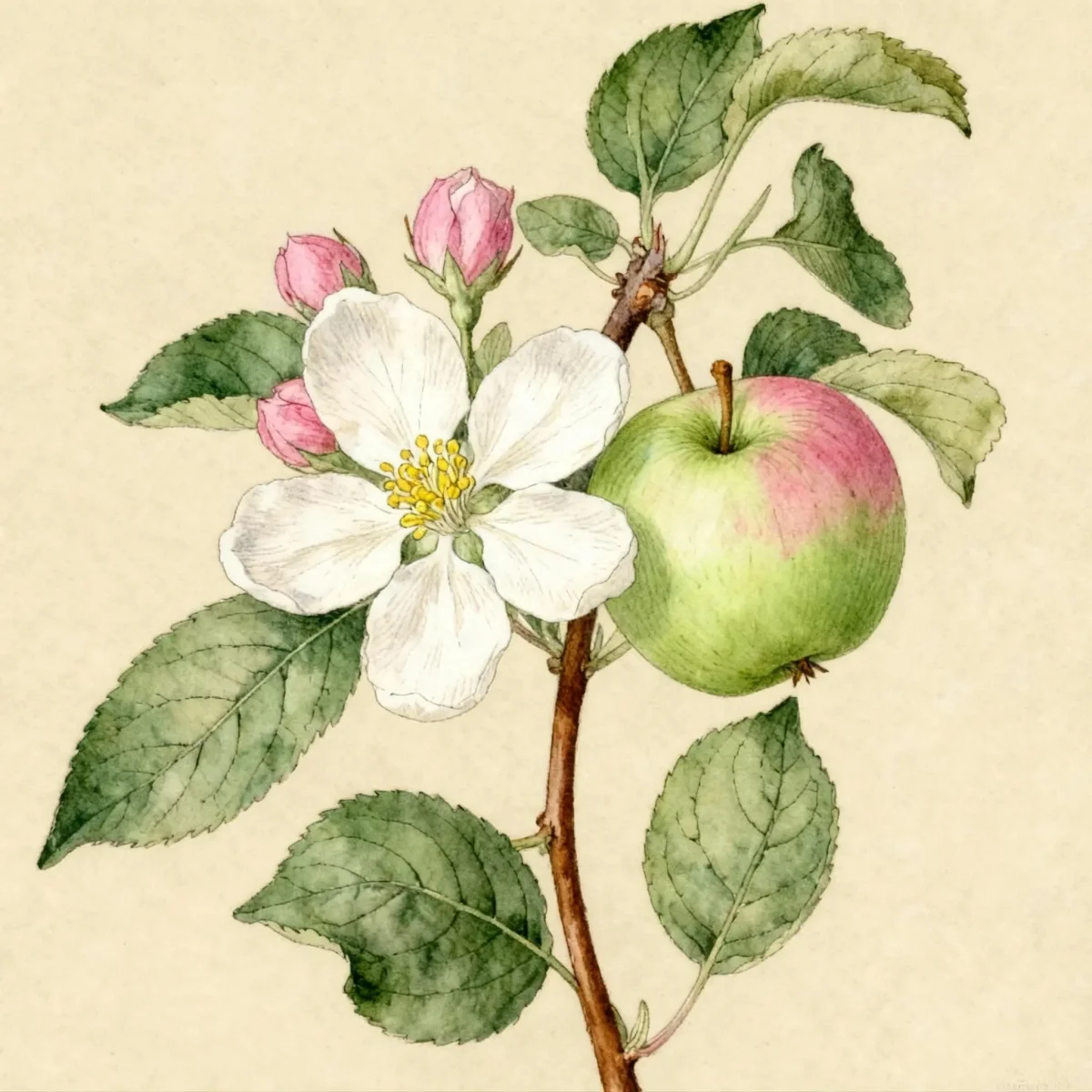
Semi-dwarf apple (Malus pumila 'Honeygold')
Malus pumila 'Honeygold' is a Semi-dwarf apple tree offering showy spring blossoms and excellent edible fruit, thriving in full sun.
Scroll down to discover growing tips, care requirements, companion plants, and more
Complete Plant Information
Overview
The Malus pumila ‘Honeygold’ is highly valued by home gardeners for producing delicious, golden apples with a subtle red blush, ready for harvest in early autumn. As a Semi-dwarf apple cultivar, it achieves manageable stature suitable for smaller properties while still bearing full-sized, high-quality fruit. This characteristic makes pruning and harvesting significantly easier compared to standard varieties.
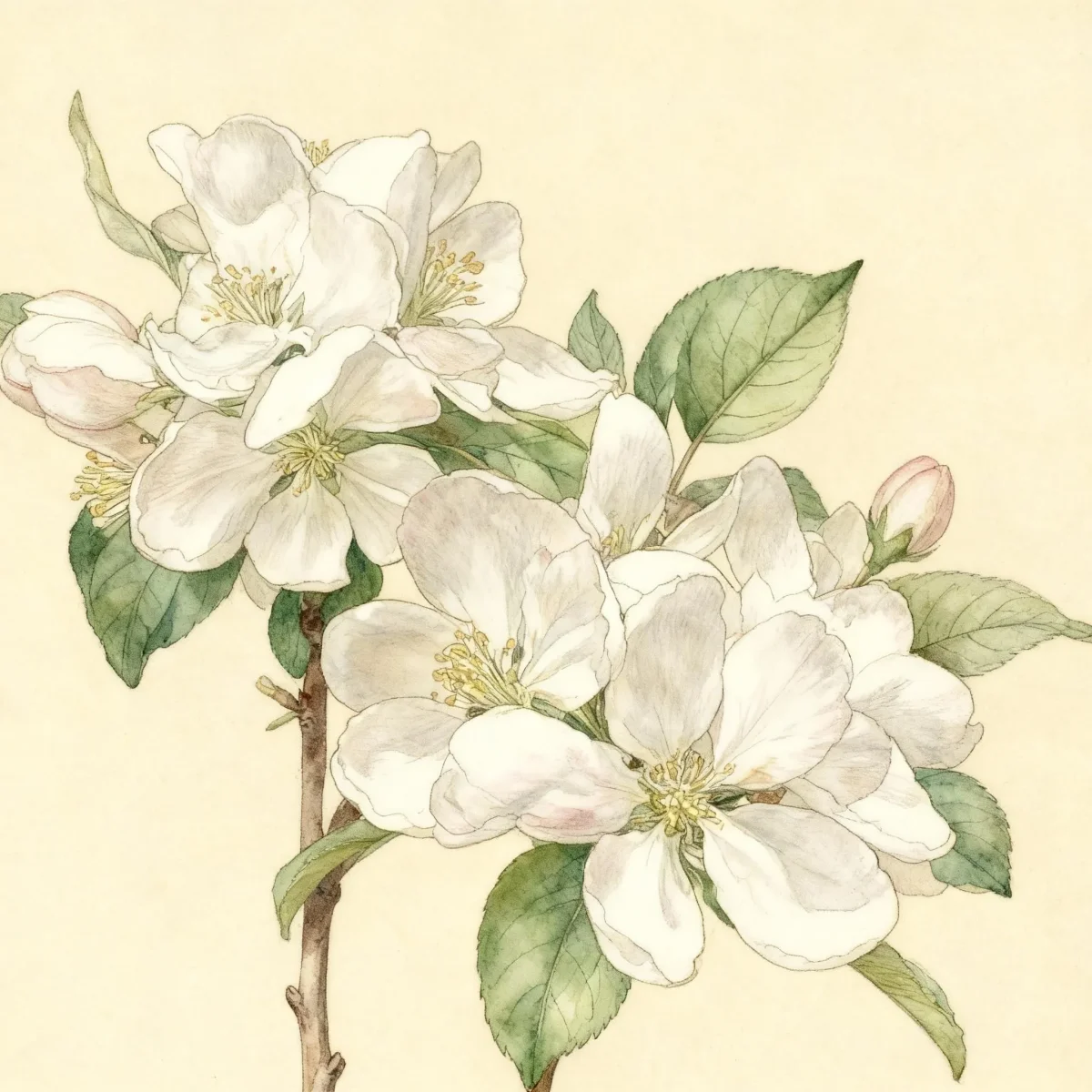
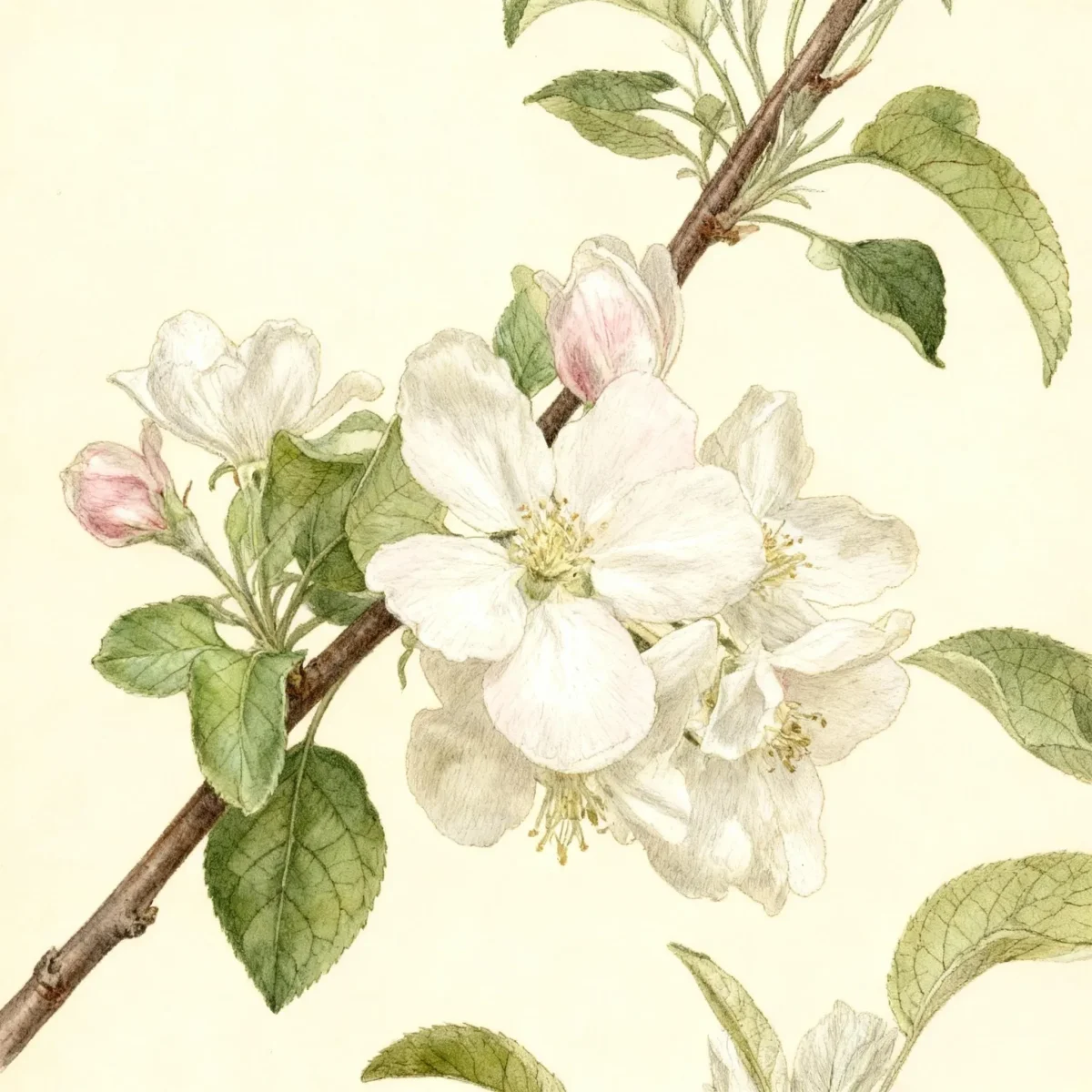
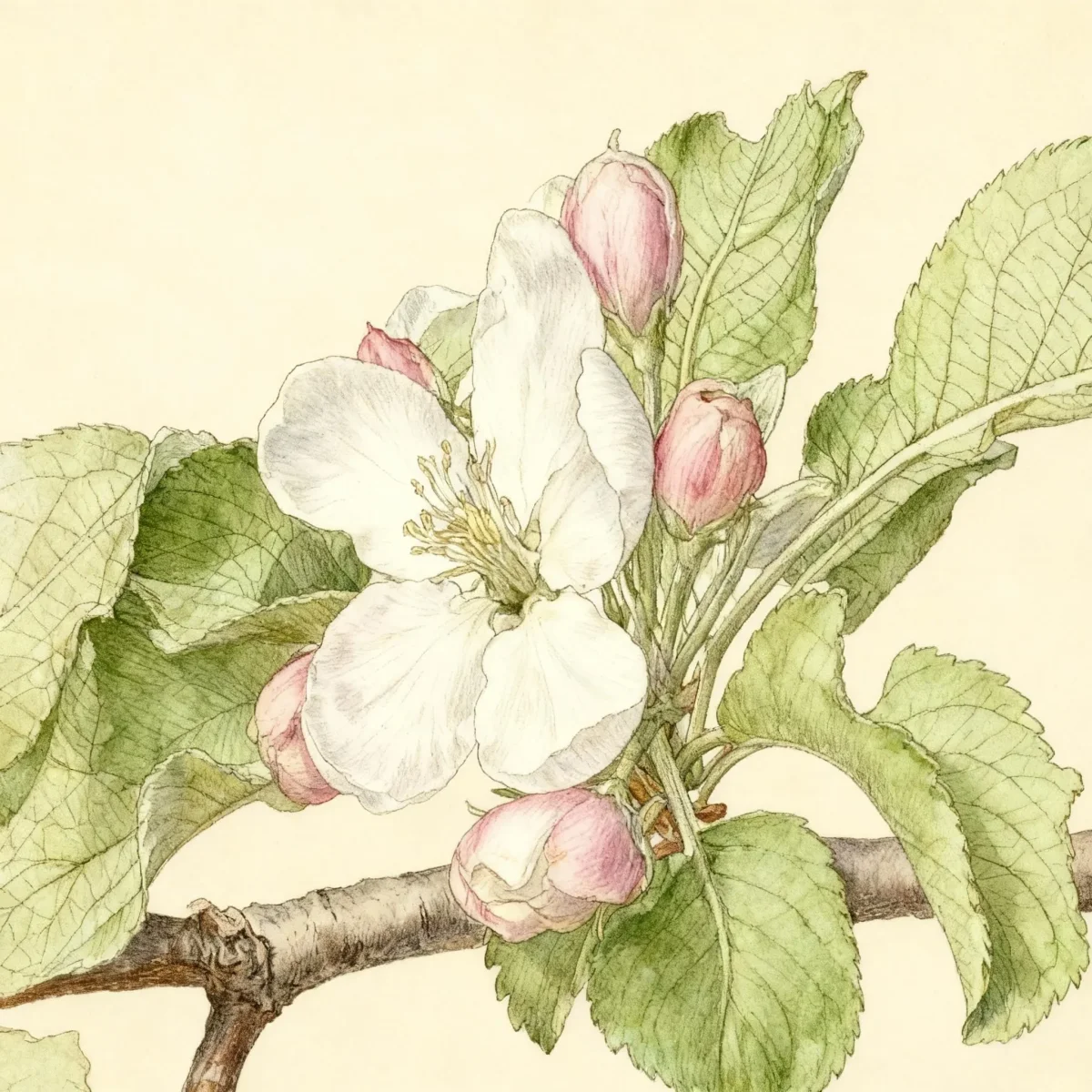
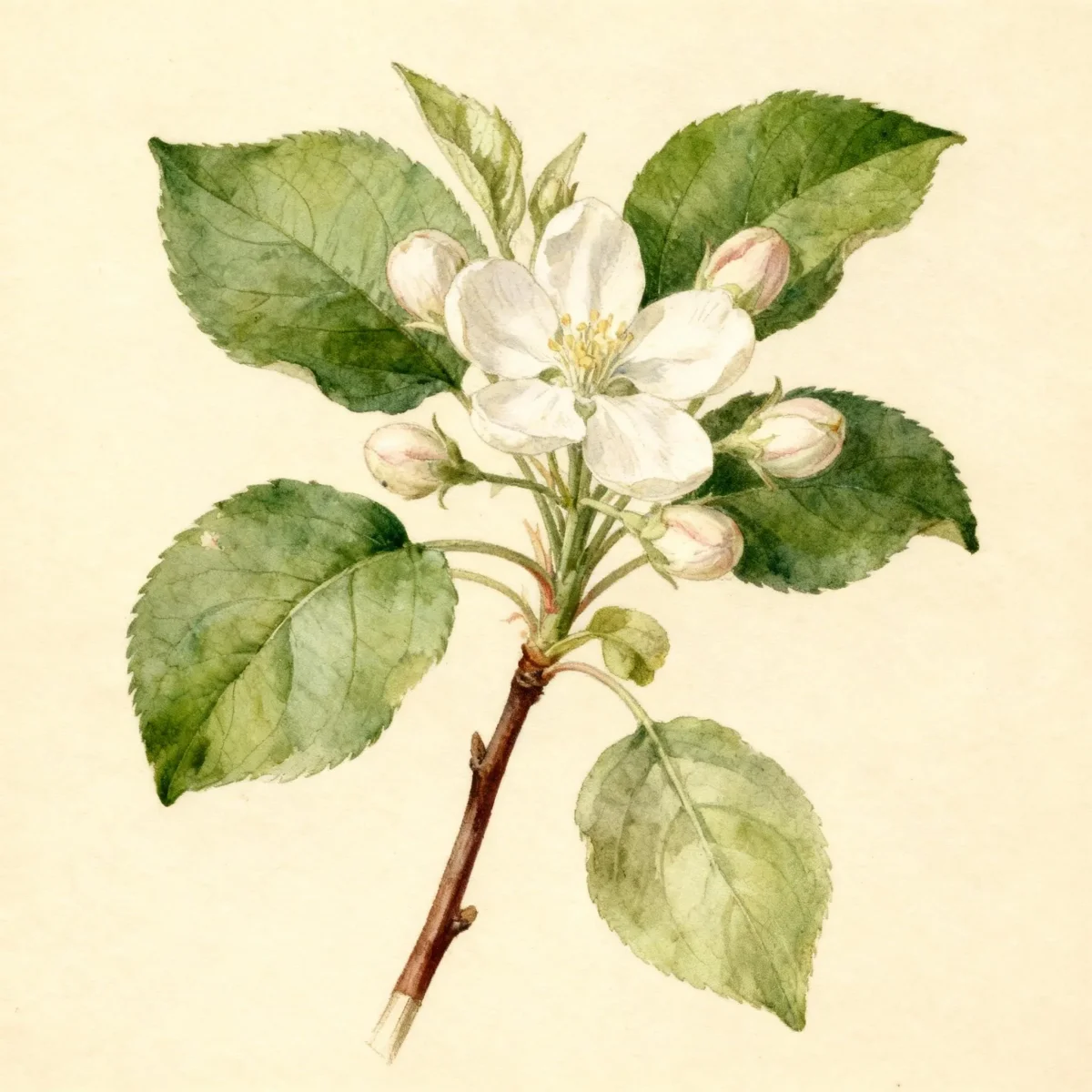
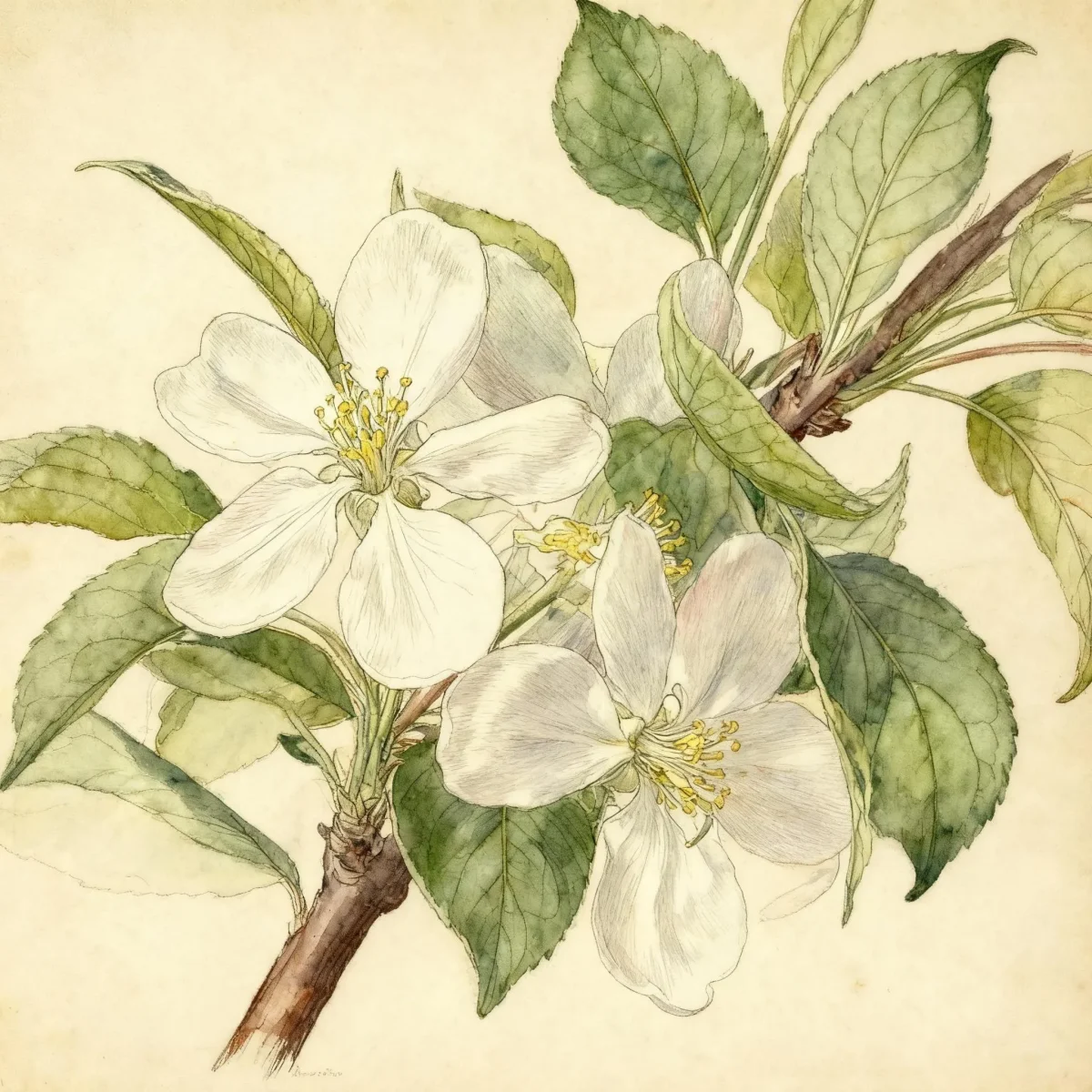
This deciduous fruit tree offers dynamic seasonal interest, beginning with a show of pinkish-white blossoms in spring followed by its noteworthy edible crop. While its primary function is fruit production, the ornamental value of the Malus pumila ‘Honeygold’ cannot be overlooked in a well-planned landscape. Proper site selection and annual care are crucial for maximizing the yield of this excellent apple variety.
Fast Facts
- Plant Family: Rosaceae
- Plant Type: Fruit
- Hardiness Zones: USDA Zones 4-7
- Size at Maturity:
- Height: 12-15 ft
- Spread: 12-15 ft
- Bloom Time: April to May
- Bloom Description: Pinkish white
- Sun Exposure: Full sun
- Water Needs: Medium
- Maintenance Level: High
How to Grow
Start by selecting a site that provides full sun exposure, which is non-negotiable for optimal flower and fruit production for the Semi-dwarf apple. The ideal growing medium is deep, loamy, moderately fertile, slightly acidic, and well-drained, absorbing medium moisture levels. Avoid heavy clay soils that retain too much water, as these can lead to root issues. As this tree is grafted onto a semi-dwarf rootstock, the soil fertility must be maintained diligently.
Watering should be consistent to meet its medium needs, especially during establishment and dry spells. Because cross-pollination is essential for fruit set, ensure you plant at least one recommended pollinator nearby; for ‘Honeygold’, Jonathans, Goldens, or Courtland varieties are excellent choices. Fertilization should align with the rootstock requirements—more dwarfing rootstocks generally demand higher fertility.
Pruning is a yearly necessity, especially since maintenance for Malus pumila ‘Honeygold’ is rated as high. Pruning focuses on maintaining good air circulation within the canopy to mitigate disease pressure and optimizing the tree structure for fruit load management. Good cultural practices throughout the growing season significantly reduce the necessity for aggressive chemical intervention against potential pests and diseases.
Landscape Uses
The Malus pumila ‘Honeygold’ is primarily cultivated for its delicious yield, meaning its success is intrinsically tied to its position near other apple varieties for pollination. However, its structure and spring bloom make it a valuable central element in the edible landscape or as a striking specimen tree in a sunny location. The combination of spring flowers and attractive golden fall fruit ensures year-round visual interest.
Integrate this Semi-dwarf apple into an orchard setting or place it strategically where its ornamental qualities contribute to the backdrop of a vegetable garden or informal border. Grouping the ‘Honeygold’ with other fruit bearers that share similar sun and soil needs creates an efficient and productive gardening area. Annual planning should account for space needed for its 12-to-15-foot mature spread.
Standout Features
Flower Qualities
- Showy
Fruit Qualities
- Showy
- Edible
Noteworthy Characteristics
Malus is a genus including many deciduous trees known for producing edible fruit, though most commercial apples are grafted onto rootstocks that control size; the semi-dwarf designation limits this tree to 12-15 feet tall for easier management. The ‘Honeygold’ cultivar is especially valued for its exceptionally sweet flavor profile and its golden fruit blush, ripening reliably in early October in temperate climates. Grafting allows the tree to produce full-size fruit earlier than its standard counterparts.
Tolerances
- Air Pollution
Potential Problems
The Malus pumila ‘Honeygold’ does have specific vulnerabilities that require proactive management, classifying its care level as high. Susceptibility includes common apple issues such as apple scab, fireblight, cedar apple rust, and powdery mildew. Pests that frequently target this fruit include aphids, maggots, codling moth, plum curculio, and spider mites.
Managing these issues starts with excellent cultural practices, such as ensuring proper spacing for air movement during pruning and promptly removing diseased wood. If a significant infestation or disease outbreak occurs, targeted chemical spraying may unfortunately become necessary to protect the fruit crop. Monitoring the foliage and fruit carefully from early spring onward is the best defense for your Semi-dwarf apple.
Frequently Asked Questions
What hardiness zones is Malus pumila ‘Honeygold’ suitable for?
The Malus pumila ‘Honeygold’ is suitable for USDA Hardiness Zones 4 through 7.
How large does the Semi-dwarf apple grow?
This Semi-dwarf apple typically reaches a mature height between 12 to 15 feet, with a similar spread between 12 and 15 feet.
What sun exposure does Malus pumila ‘Honeygold’ need?
This apple requires full sun to ensure maximum flower setting and robust fruit production.
When does the Semi-dwarf apple bloom?
The Semi-dwarf apple produces its pinkish white blossoms from April into May.
Conclusion
The Malus pumila ‘Honeygold’ offers gardeners the highly desirable combination of manageable size and superior fruit quality, making it a standout Semi-dwarf apple choice. Its spring flowers and autumn harvest provide extended aesthetic value, but remember the high maintenance required for disease control and successful pollination. Before planting, confirm your local hardiness zone compatibility and secure an appropriate cross-pollinator for a successful harvest.
Companion Planting
When designing an area around your Malus pumila ‘Honeygold’, selecting companions that benefit from or tolerate similar growing conditions is advantageous. Since this tree demands full sun and well-drained, fertile soil, consider planting low-growing perennial herbs like chives or garlic beneath its drip line. These groundcovers help utilize the space without competing aggressively for shallow nutrients and may offer mild protection against surface pests.
Avoid planting moisture-loving perennials too closely, as the apple tree thrives when soil moisture is consistent but not saturated—a key feature of its site requirements. Focus companions on those that enhance the productive nature of the edible landscape, perhaps incorporating nitrogen fixers in the surrounding area (used judiciously, given the grafted nature of the tree).
Seasonal Care Calendar
Spring management for your Semi-dwarf apple centers on monitoring for pests like aphids as the buds swell and ensuring adequate pollination by timing the bloom alongside compatible cultivars. Immediate post-bloom is the time to apply essential fungicide treatments if scab or rust pressure historically affects your site. Summer focuses on consistent watering, especially during fruit development, and routine inspection for signs of insect activity, like codling moth.
As autumn approaches, monitor the golden fruit development, harvesting when apples achieve their characteristic color and flavor, typically early October in reference locations. Post-harvest, focus on sanitation: rake up all fallen leaves and fruit debris promptly and dispose of them away from the tree, as this practice is vital for interrupting the overwintering cycles of various fungal spores that cause apple scab and mildew. Winter is the ideal time for dormant pruning of the Malus pumila ‘Honeygold’ to shape the tree structure before bud break.