Dwarf apple (Malus pumila 'MN#1711' HONEYCRISP)
The Dwarf apple Malus pumila 'MN#1711' HONEYCRISP offers high-yield fruit production in a compact 8-10 ft size, ideal for smaller yards.
Scroll down to discover growing tips, care requirements, companion plants, and more
Complete Plant Information
Overview
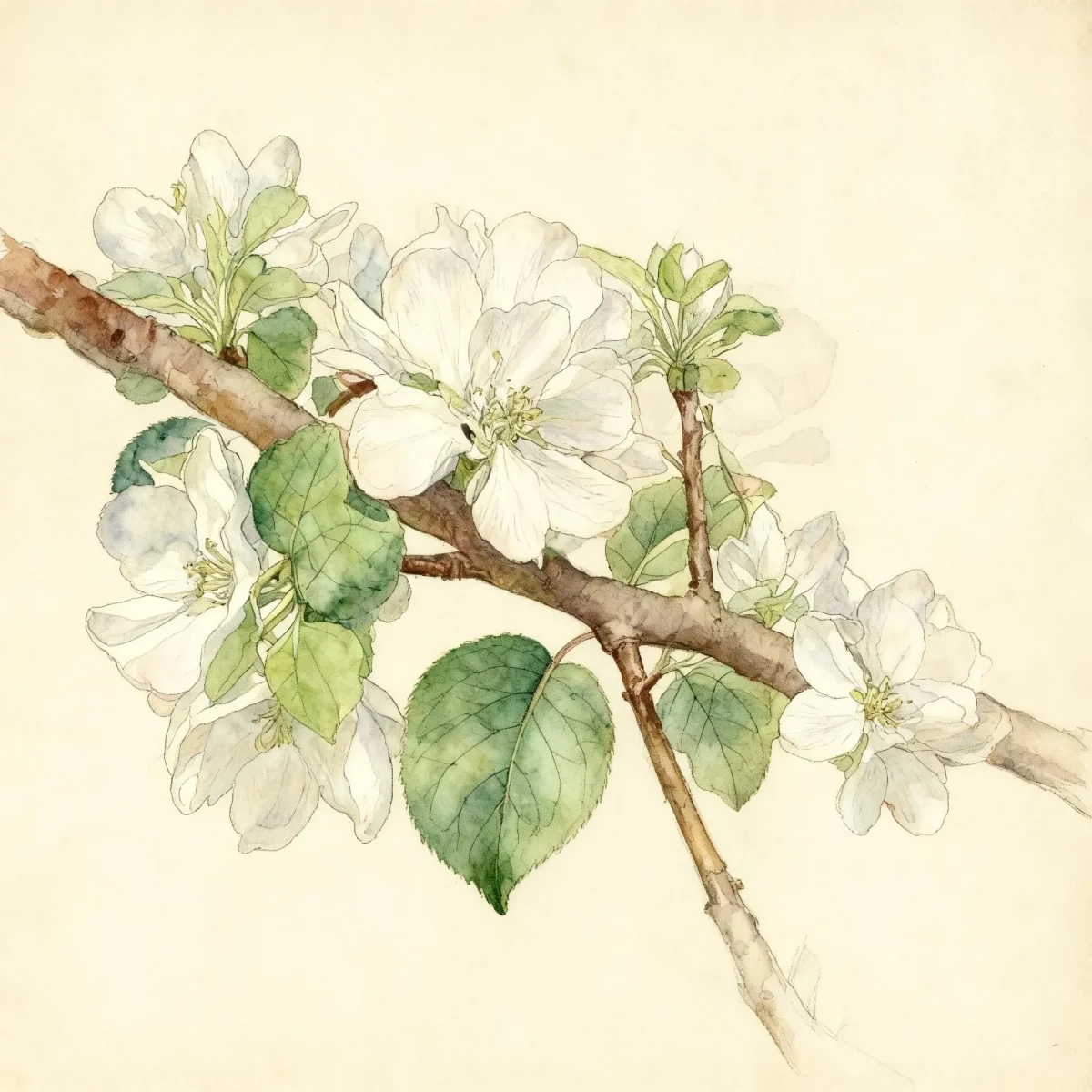
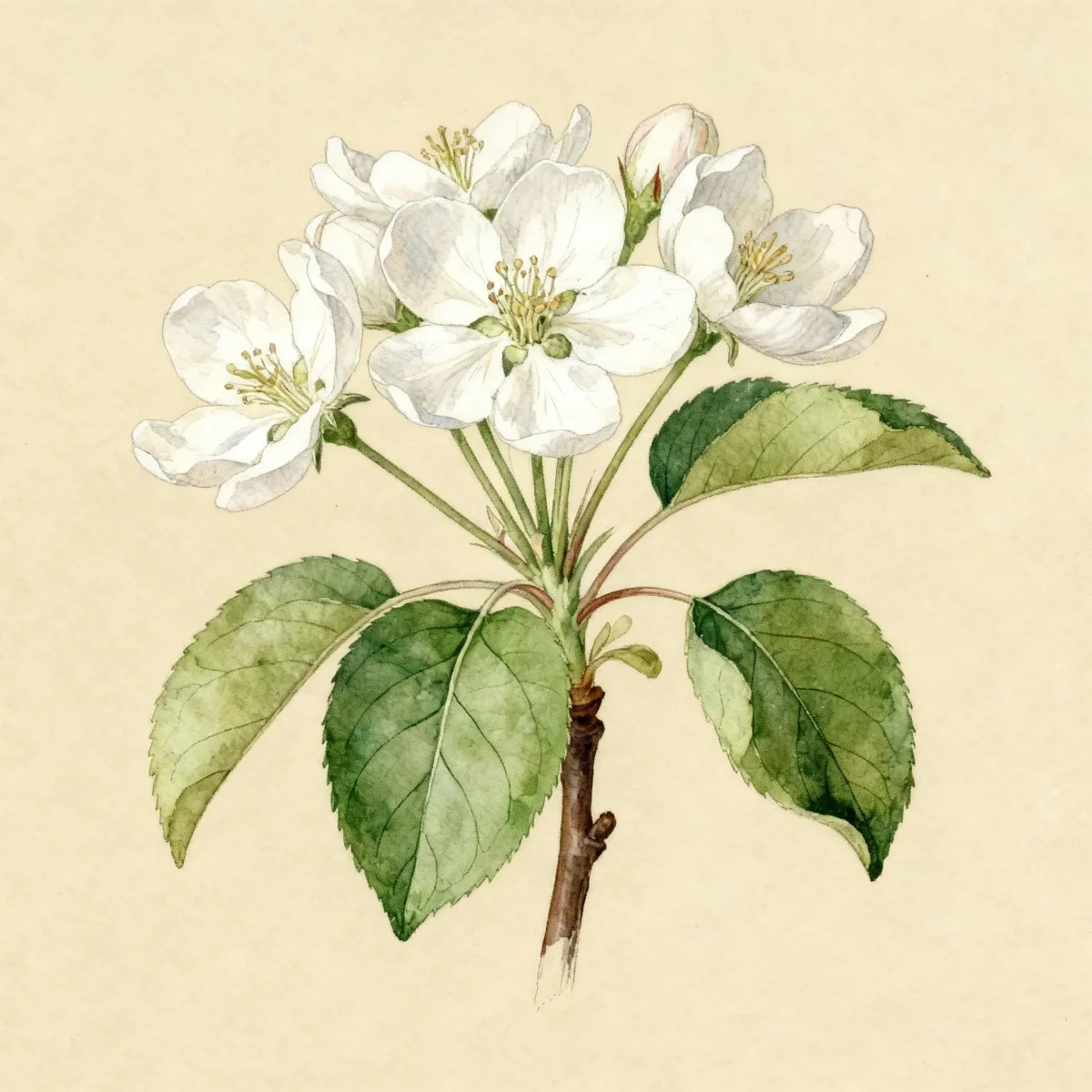
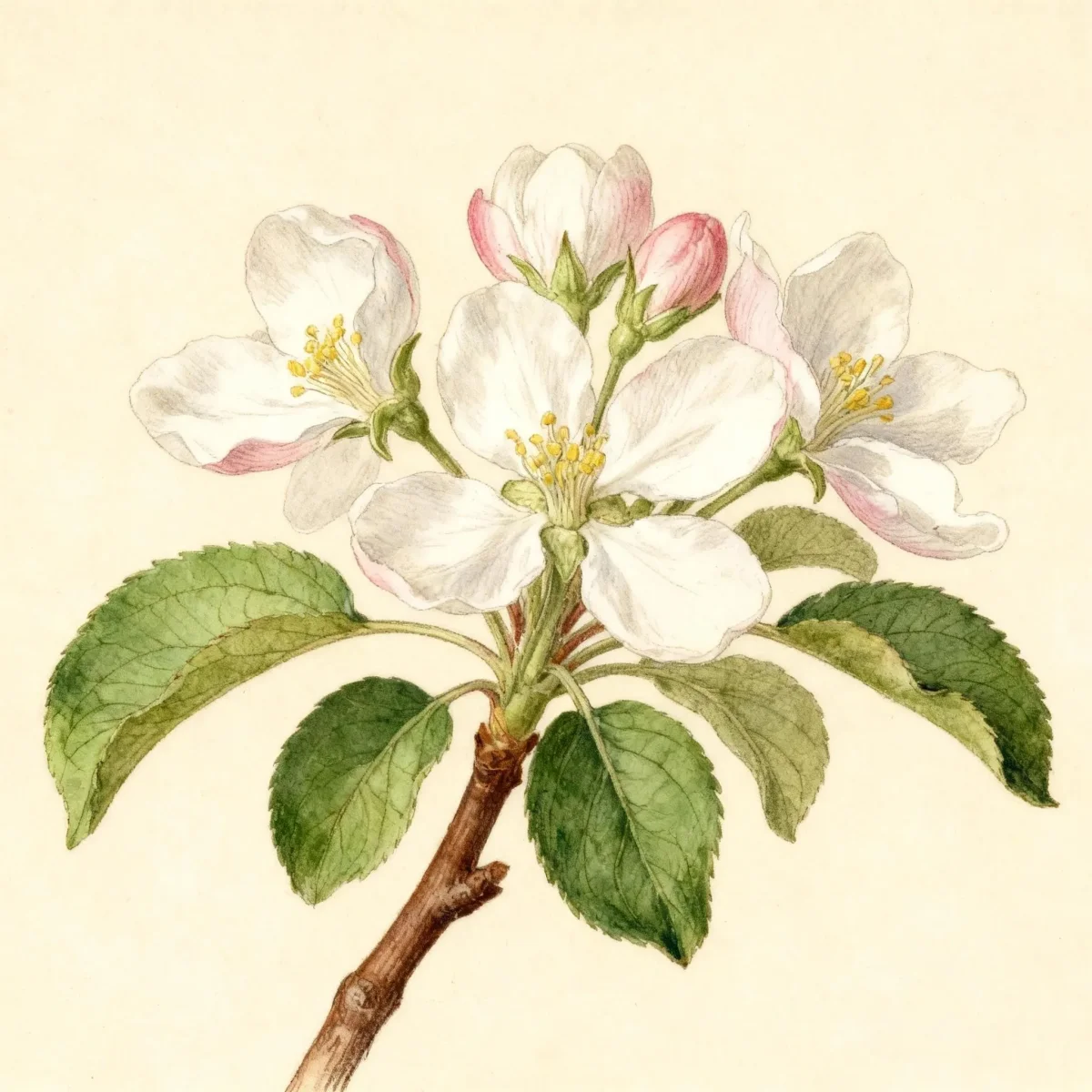
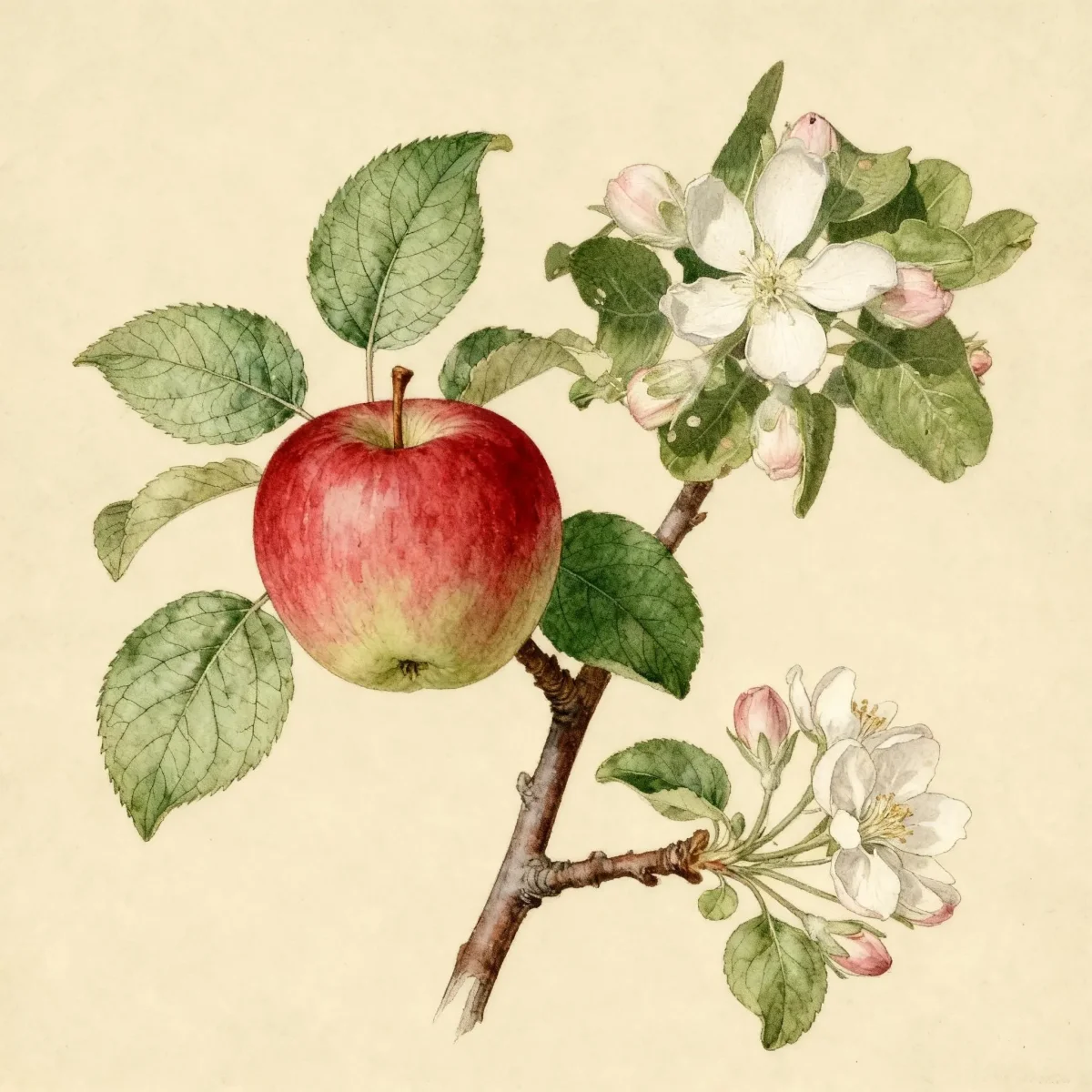
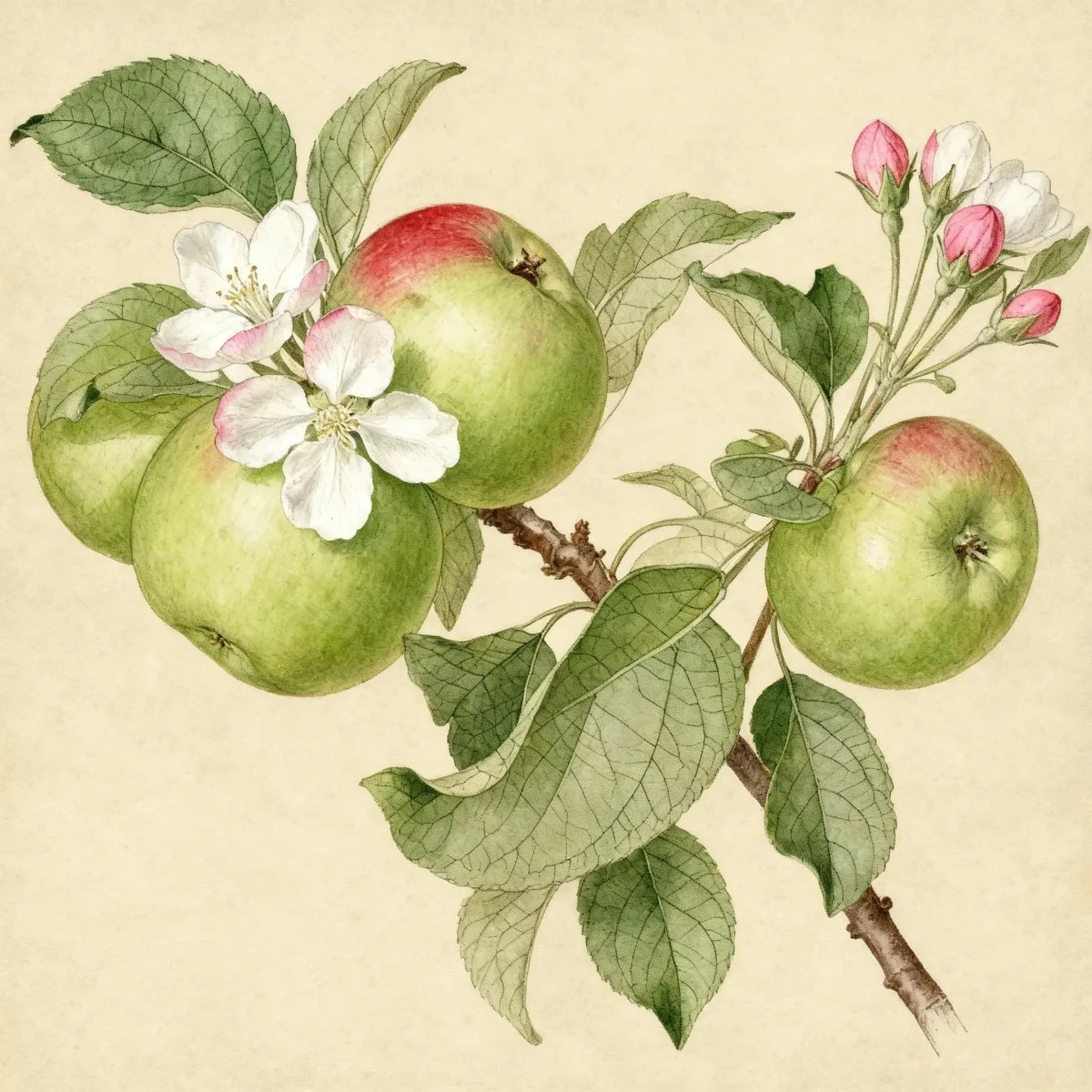
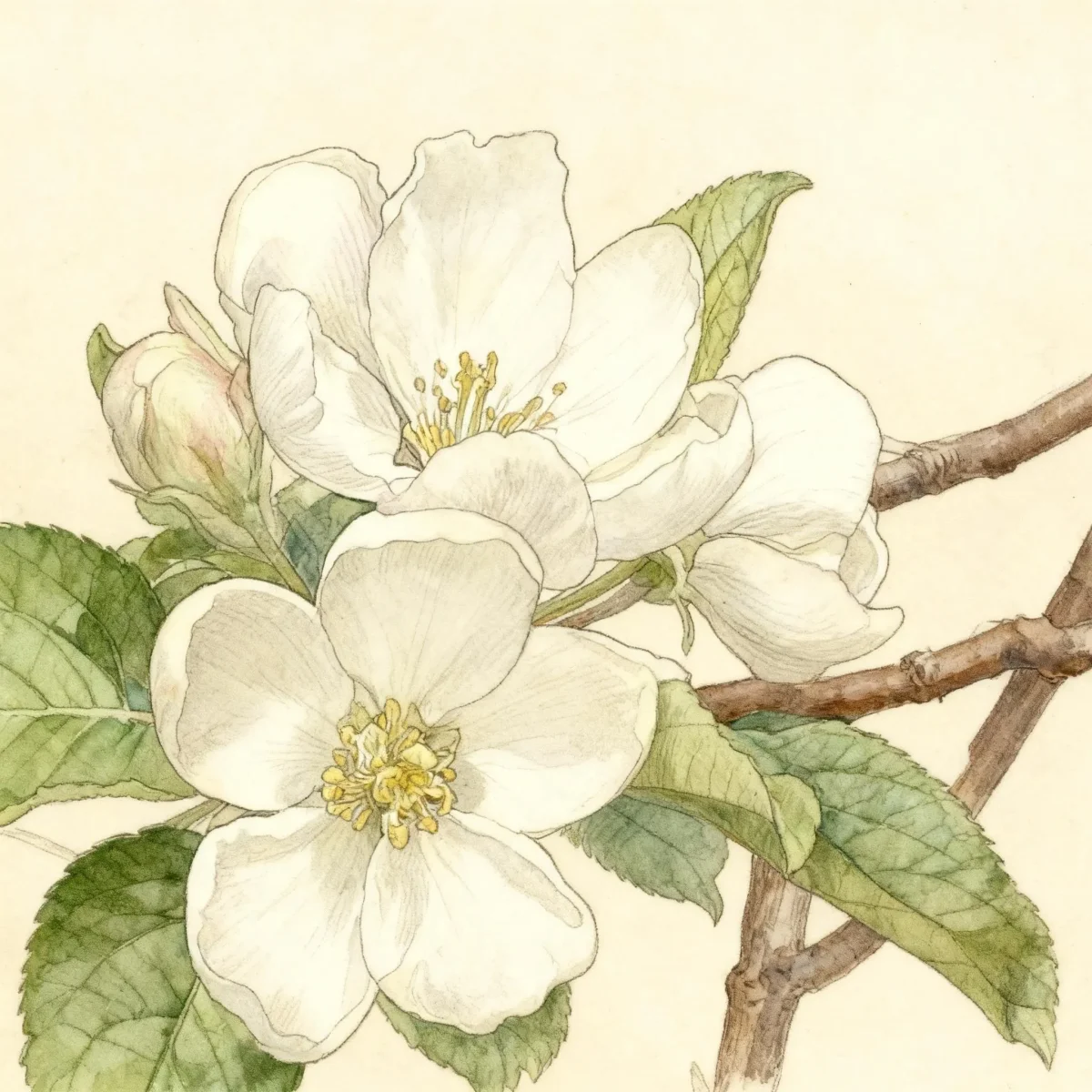
The Dwarf apple, specifically the Malus pumila ‘MN#1711’ HONEYCRISP cultivar, is highly valued by home gardeners seeking manageable fruit production. This grafted tree provides the satisfaction of harvesting full-sized apples while remaining compact, reaching only 8 to 10 feet tall and wide, which is characteristic of its dwarfing rootstock. Its aesthetic appeal is significant, offering showy, fragrant pinkish-white blossoms in April that herald the later harvest of large, red, edible fruit.
Grown primarily for its excellent fruit, the Malus pumila ‘MN#1711’ HONEYCRISP still serves as an attractive flowering tree in the landscape. Successful fruiting relies heavily on proper environmental conditions and the presence of another compatible Malus variety nearby for essential cross-pollination. Gardeners must be prepared for the higher maintenance demands associated with diligent care for apple cultivars.
This dwarf apple allows for easier spraying, pruning, and harvesting compared to standard-sized trees. It matures quickly, often producing fruit at an earlier age, making it an excellent choice for boosting productivity in smaller or more formal garden settings where space optimization is key.
Fast Facts
- Plant Family: Rosaceae
- Plant Type: Fruit
- Hardiness Zones: USDA Zones 4-7
- Size at Maturity:
- Height: 8-10 ft
- Spread: 8-10 ft
- Bloom Time: April
- Bloom Description: Pinkish white
- Sun Exposure: Full sun
- Water Needs: Medium
- Maintenance Level: High
How to Grow
Planting the Dwarf apple should occur in areas receiving consistent full sun, which is non-negotiable for maximizing flower and fruit yield. The ideal soil is deep, loamy, moderately fertile, slightly acidic, and, critically, well-drained with medium moisture retention. Avoid heavy clay soils that waterlog easily, as poor drainage can quickly lead to root issues. Note that dwarfing rootstocks generally require more soil fertility than standard apples.
Ongoing care for Malus pumila ‘MN#1711’ HONEYCRISP demands attention. Water needs are medium, meaning deep, infrequent watering is usually better than shallow daily sprinkles, especially once established. Due to its classification as high maintenance, regular scouting for common apple diseases and pests is required throughout the growing season.
Pruning is essential not only for shape but also for fruit production encouragement. Since this is a Dwarf apple, pruning helps manage size and improve air circulation within the canopy, which assists in disease management. Ensure that more than one variety of apple is planted nearby to guarantee adequate pollination and a rewarding harvest in mid-September when the red apples mature. Soil fertility should be monitored closely, as the dwarfing rootstock relies on external inputs more than a standard tree might.
Landscape Uses
While the primary focus for the Malus pumila ‘MN#1711’ HONEYCRISP is fruit harvest, its ornamental value should not be overlooked. It functions beautifully as a specimen tree in sunny transitional areas of the yard, providing springtime splendor with its pinkish white blossoms. Grouping this Dwarf apple with other Malus varieties is highly recommended, serving the dual purpose of ensuring robust pollination and layering color interest across the season.
The manageable 8-10 foot size of this cultivar makes it suitable for placement near patios or in smaller courtyards where a standard spreading apple would overwhelm the space. Consider pairing it with later-blooming ornamental shrubs to extend pollinator interest beyond the primary April bloom window. The visual interest provided by the spring flowers and the fall fruit on the Malus pumila ‘MN#1711’ HONEYCRISP ensures year-round garden appeal.
Standout Features
Flower Qualities
- Showy
- Fragrant
- Good Cut
Fruit Qualities
- Showy
- Edible
Noteworthy Characteristics
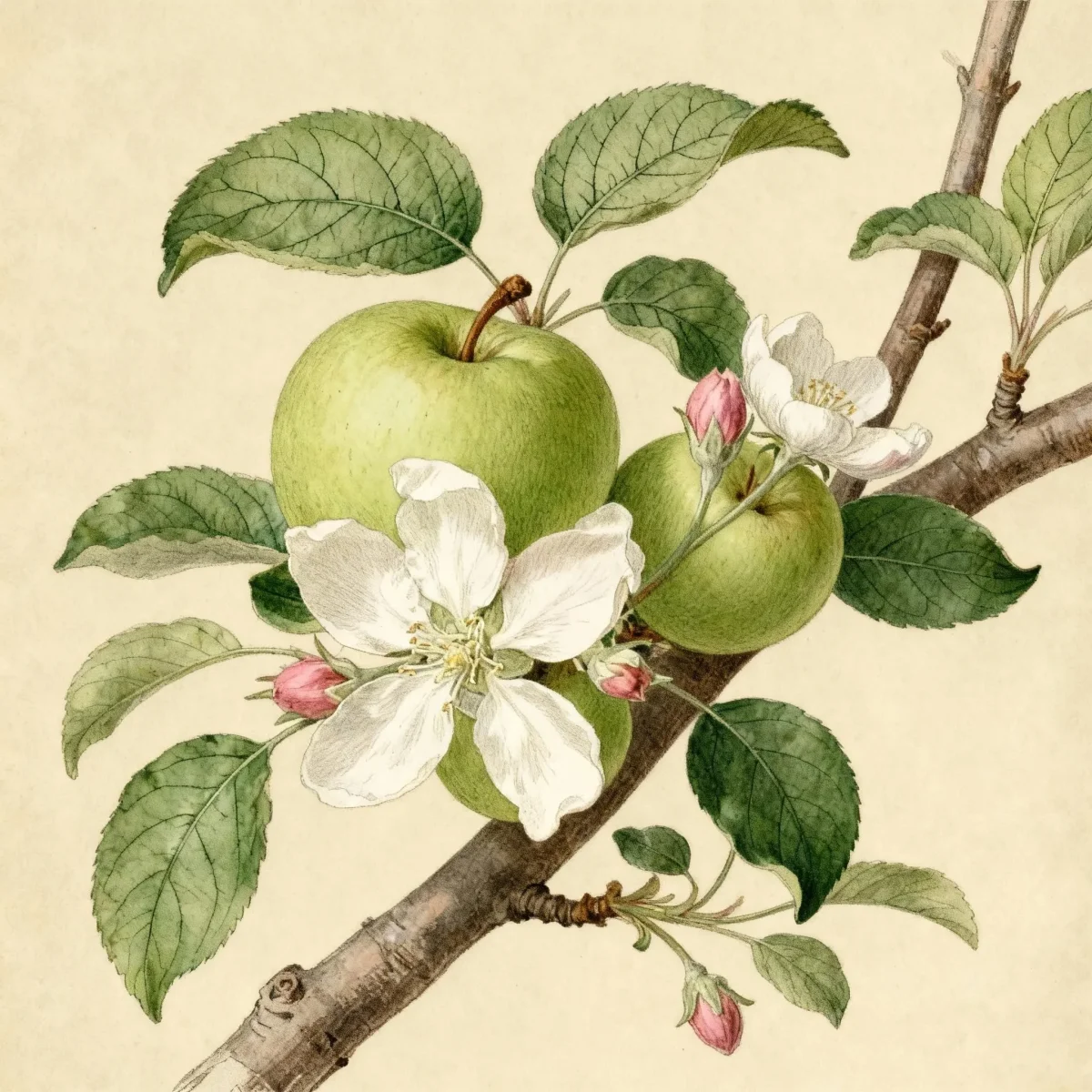
Malus is a genus of about 35 species of deciduous trees and shrubs from Europe, Asia and North America. Edible apple cultivars do not grow well on their own roots, hence the necessity of grafting onto rootstocks that control tree size; dwarfing rootstocks yield trees that are easier to manage and produce fruit sooner. The HONEYCRISP cultivar specifically grows 8 to 10’ tall, displaying pinkish white flowers in April, followed by large, red apples with cream-colored flesh maturing in mid-September.
Tolerances
- Air Pollution
Potential Problems
This apple is susceptible to several common fungal and bacterial diseases, requiring proactive management. Potential issues include cedar apple rust, fire blight, apple scab, powdery mildew, and various leaf spot infections. Insect pests commonly encountered include spider mites, aphids, borers, and maggots, which target the developing fruit.
Effective management of Malus pumila ‘MN#1711’ HONEYCRISP involves good cultural practices first, such as ensuring excellent air circulation through proper pruning and avoiding overhead irrigation to keep foliage dry. Applying fungicides preventatively against scab and rust during the spring risk periods is often necessary. Regular scouting allows you to target pest treatments before infestations become severe, especially regarding borers which benefit from trunk inspection.
Frequently Asked Questions
What hardiness zones is Dwarf apple suitable for?
The Malus pumila ‘MN#1711’ HONEYCRISP is suitable for USDA Hardiness Zones 4 through 7.
How large does Dwarf apple grow?
This Dwarf apple cultivar typically reaches a mature height and spread between 8 and 10 feet.
What sun exposure does Malus pumila ‘MN#1711’ HONEYCRISP need?
The Malus pumila ‘MN#1711’ HONEYCRISP requires full sun exposure to achieve maximum flower and fruit production.
When does Dwarf apple bloom?
This variety features pinkish white flowers that appear in April.
Conclusion
The Dwarf apple Malus pumila ‘MN#1711’ HONEYCRISP represents an excellent fusion of high ornamental value, highlighted by its fragrant April blossoms, and superior fruit yield in a space-saving package. Its easy-to-manage size makes it uniquely accessible for gardeners restricted by space but unwilling to compromise on eating quality. Before planting, confirm your location falls within USDA Zones 4 to 7 and ensure you have a pollination partner nearby to secure a bountiful crop.
Companion Planting
When planning the area immediately around your Dwarf apple, focus on companions that appreciate similar full sun exposure and medium water conditions, but avoid plants in the nightshade family which can sometimes compete heavily for nutrients. Low-growing herbs like chives or thyme make excellent groundcovers around the drip line, helping suppress grass competition without interfering with shallow apple roots. These herbs also have the added benefit of potentially deterring some surface pests.
Consider incorporating native flowering perennials that bloom later in the season, such as Echinacea (Coneflower) or Rudbeckia (Black-eyed Susan). While the Malus pumila ‘MN#1711’ HONEYCRISP provides early spring interest, these companions ensure that the area remains attractive to pollinators throughout the summer months after the apple blossoms have faded. Proper spacing is crucial to maintain good airflow, a key factor in reducing fungal issues common to apples.
Seasonal Care Calendar
Spring preparation involves applying dormant oil treatments before bud swell to manage overwintering insect eggs, followed by targeted fungicide applications when flower buds show color to protect against early-season scab infection. Once dormancy breaks, monitor closely for aphids, treating promptly if numbers increase.
Summer care centers around consistent, medium watering, especially during fruit sizing periods, and fruit thinning. To ensure large, high-quality apples from your Dwarf apple, thin developing fruit clusters so that only one fruit remains per spur cluster, usually about 4-6 weeks after petal fall. Continue scouting for insect damage weekly.
By late summer and early fall, the focus shifts to harvesting the flavorful fruit when the apples mature in mid-September. After leaf drop, conduct a thorough site cleanup, removing all fallen leaves and debris to reduce the overwintering sites for fungal spores, minimizing disease pressure for the next season.