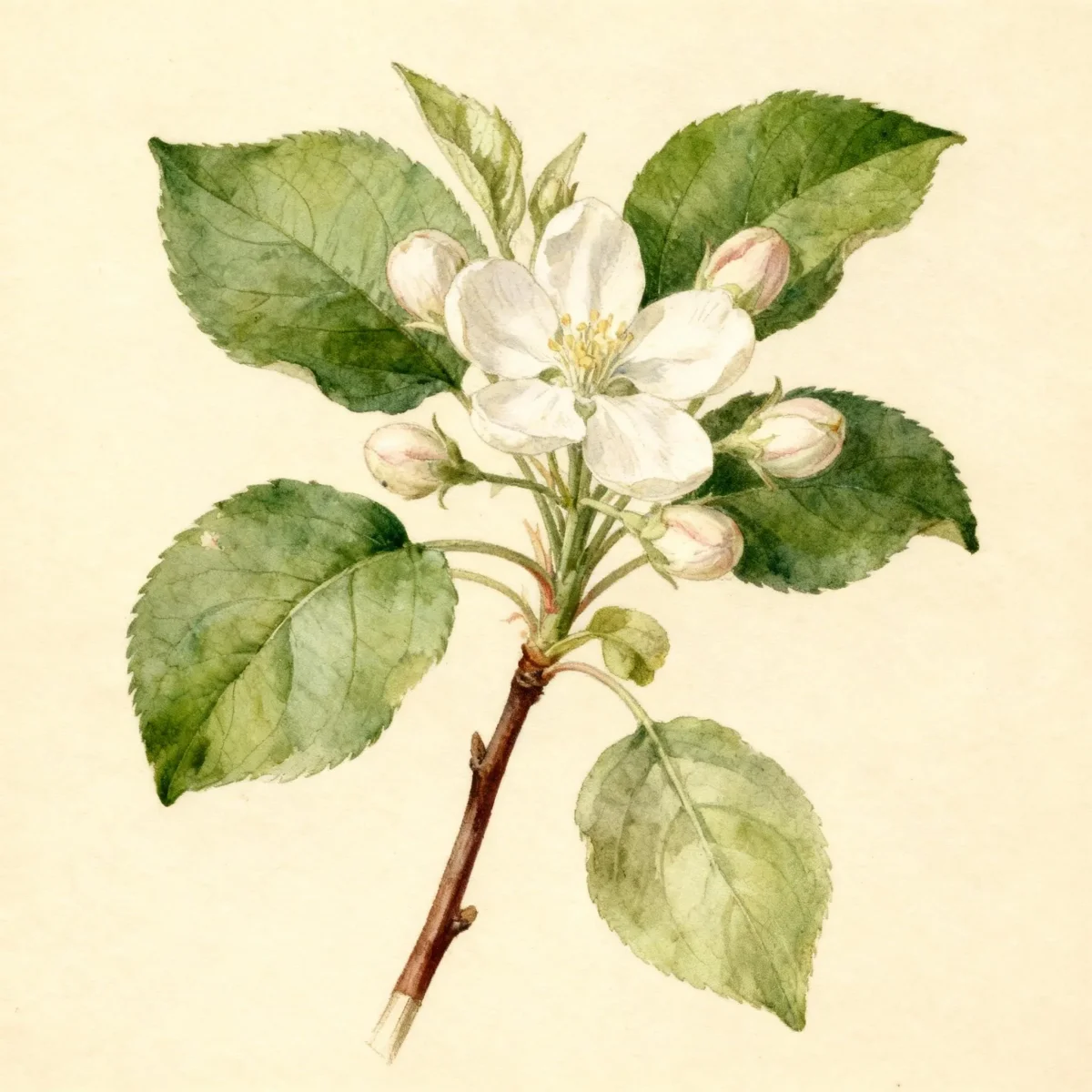
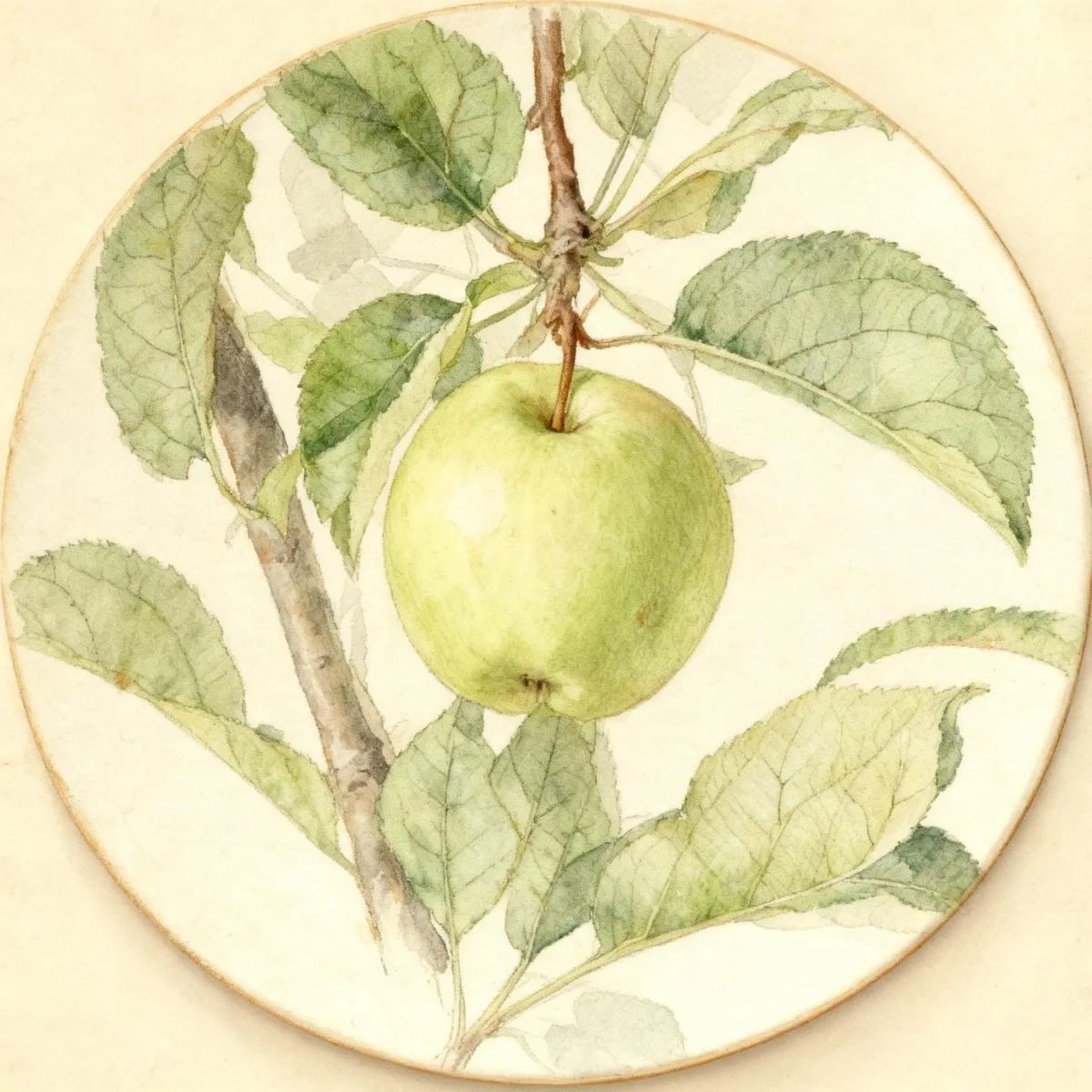
Apple (Malus pumila 'Nagafu 6' RED FUJI)
The RED FUJI Apple offers showy, edible fruit and fragrant blossoms, ideal for USDA Zones 6-8. Requires high maintenance for best results.
Scroll down to discover growing tips, care requirements, companion plants, and more
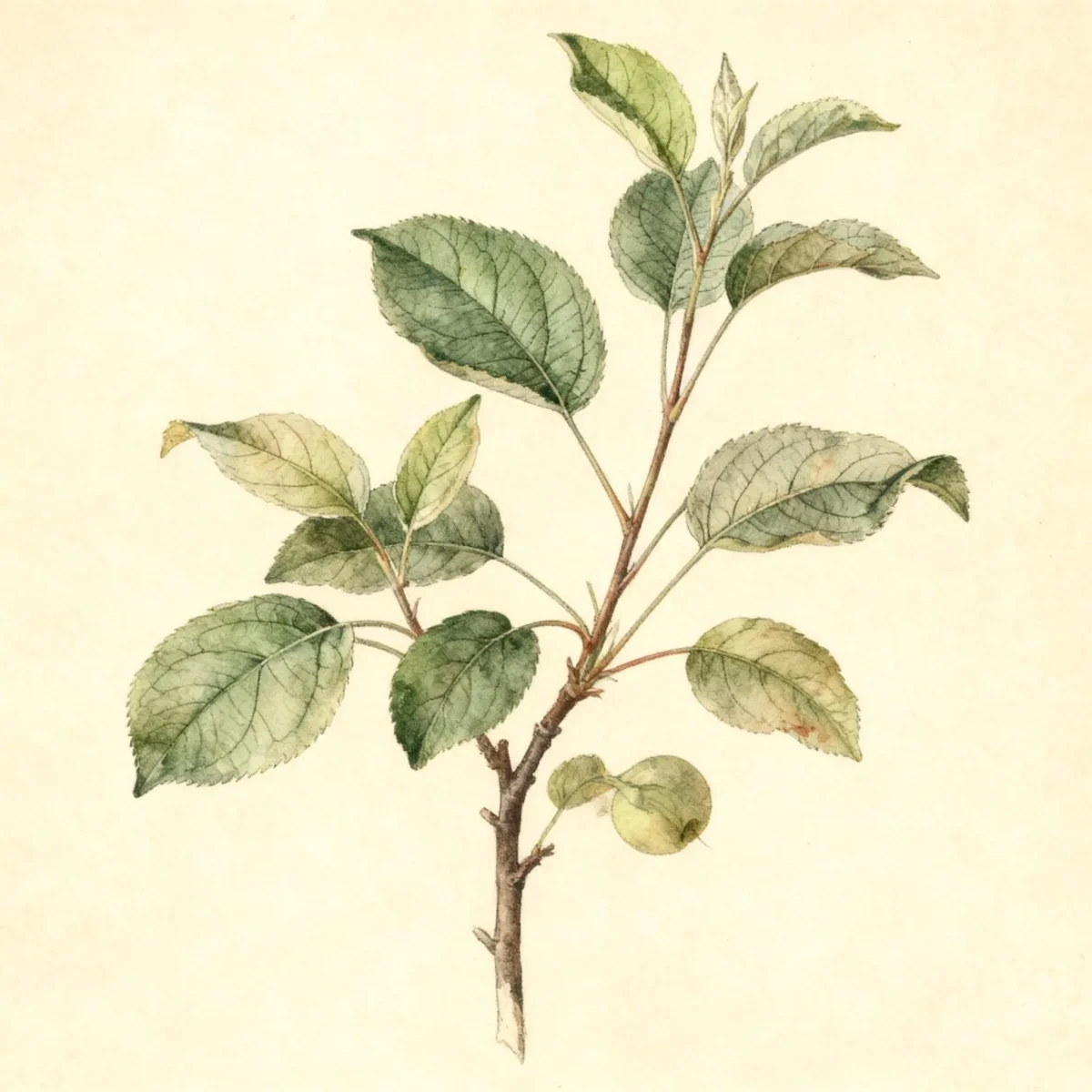
Complete Plant Information
Overview
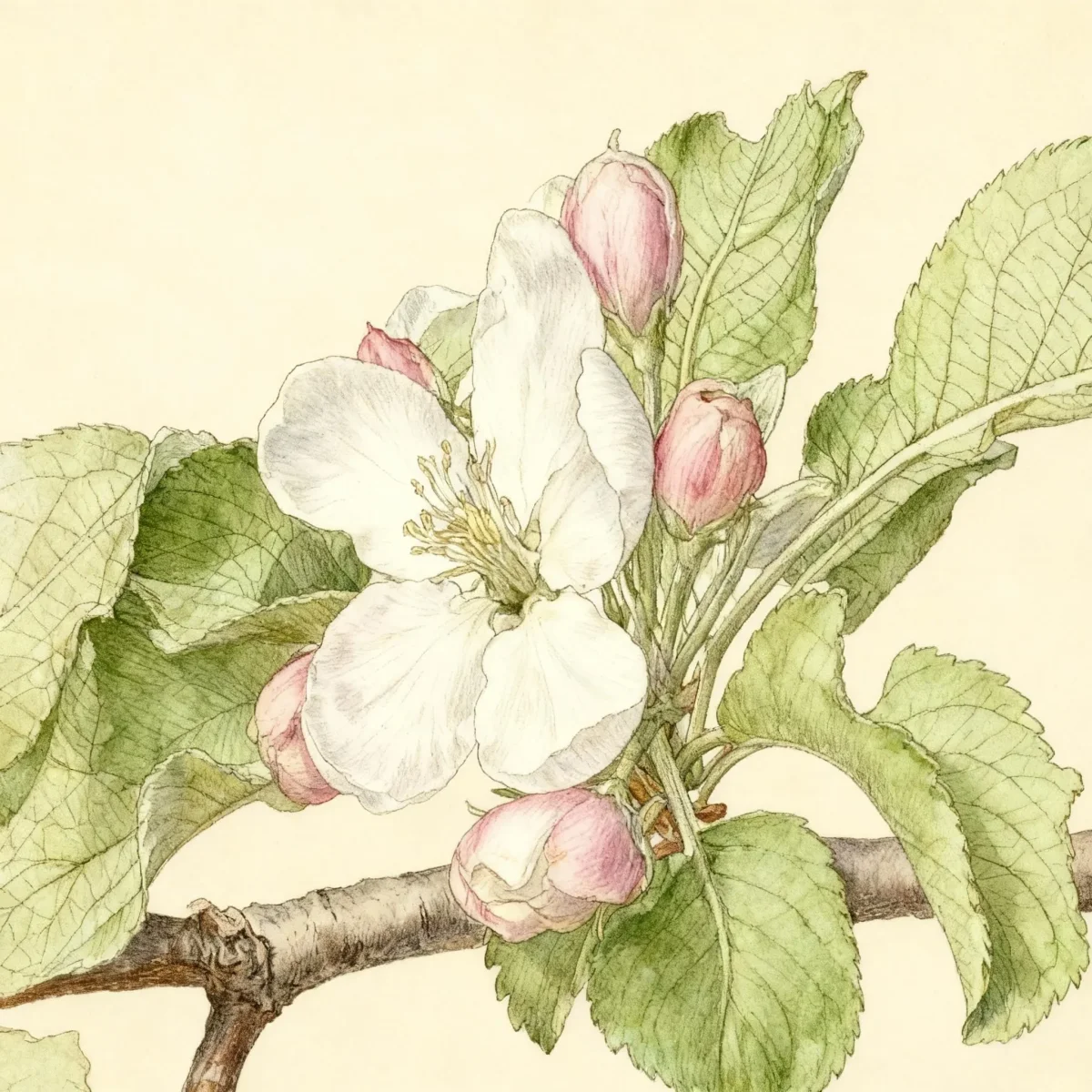
The Malus pumila ‘Nagafu 6’ RED FUJI is highly prized by home growers primarily for its dependable fruit production, though its seasonal beauty is a significant bonus. This Apple cultivar provides ornamental value through its attractive pinkish white blossoms in spring, which herald the arrival of the ripening crop later in the season. As a grafted top fruit, its ultimate size is dictated by the rootstock, making it manageable for typical residential spaces.
Cultivating the Malus pumila ‘Nagafu 6’ RED FUJI demands attentive care, classifying it as a high-maintenance specimen. Success relies heavily on adequate sun exposure and carefully selected soil conditions to ensure maximum flower and eventual fruit set. Pruning and pest management are essential components of keeping this variety healthy and productive throughout the growing season.
For gardeners seeking both aesthetic appeal and edible harvests, this Apple remains a worthwhile addition, provided they are prepared for the commitment required. Combining the visual interest of a flowering shade tree with the reward of autumn fruit makes the RED FUJI a central feature in the edible landscape.
Fast Facts
- Plant Family: Rosaceae
- Plant Type: Fruit
- Hardiness Zones: USDA Zones 6-8
- Size at Maturity:
- Height: 8-10 ft
- Spread: 8-10 ft
- Bloom Time: April
- Bloom Description: Pinkish white
- Sun Exposure: Full sun
- Water Needs: Medium
- Maintenance Level: High
How to Grow
The prime time for planting the Malus pumila ‘Nagafu 6’ RED FUJI is during the dormant season, typically early spring before bud break or in fall after leaves drop. Selection of a planting site is critical; this fruit variety requires full sun for optimal flowering and fruit development, meaning at least six hours of direct light daily. Ideal soil is deep, loamy, moderately fertile, slightly acidic, and, crucially, well-drained. Avoid heavy clay soils that easily waterlog, as these conditions promote root rot.
Once established, maintain a medium watering schedule, ensuring the soil remains consistently moist but never saturated. Due to the heavy demands of fruit production, fertility management is key, especially on dwarfing rootstocks where nutrient needs are higher. Implement a regular pruning program to maintain good air circulation, which helps mitigate potential common diseases.
A critical consideration for fruit set is pollination. You must plant more than one variety of Apple nearby to ensure successful cross-pollination, which leads to the best subsequent fruit production. Pay close attention toward late October, as the fruit ripens then, and be aware that rapid cooling or early frost may prevent full maturation of the RED FUJI crop in cooler sections of its hardiness range.
Landscape Uses
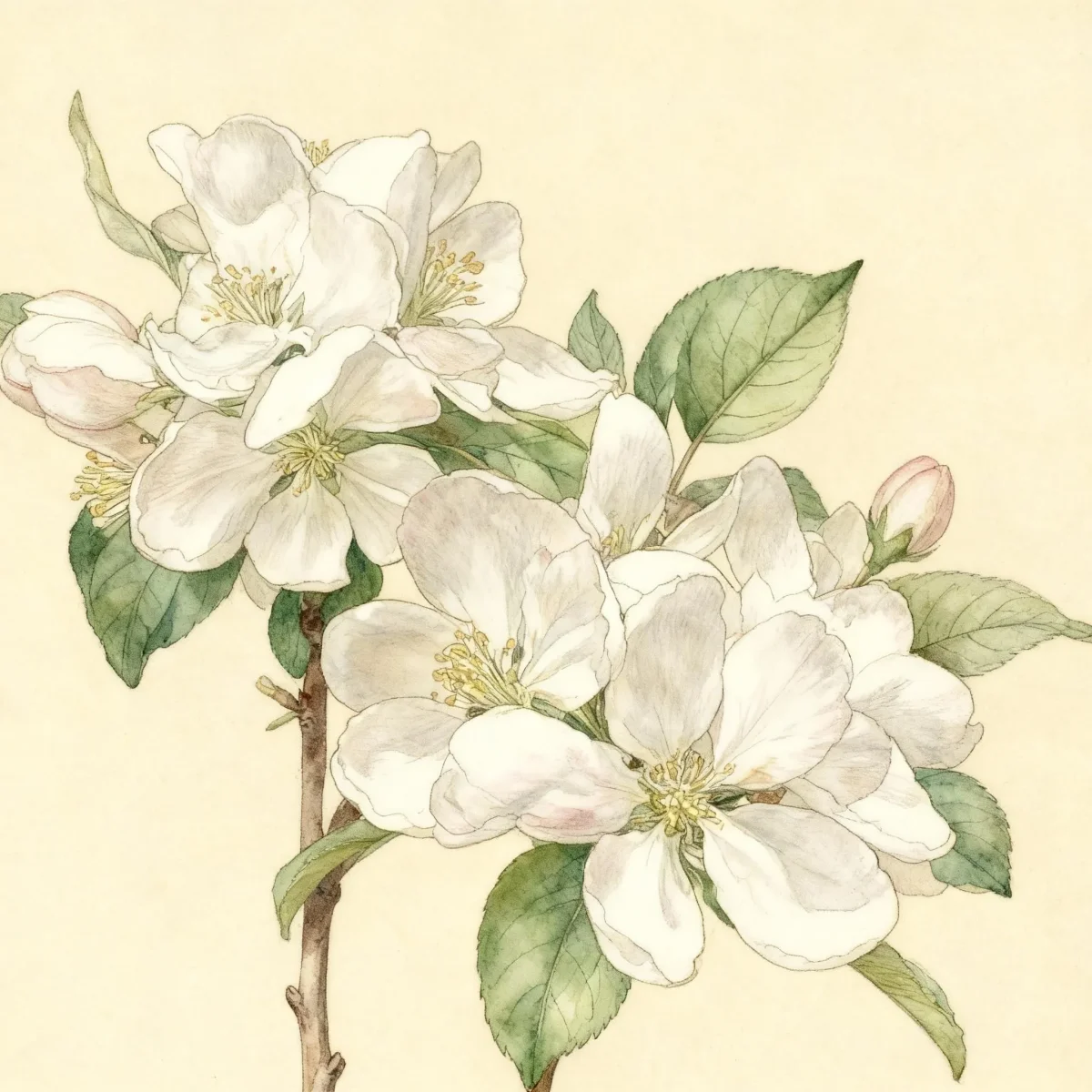
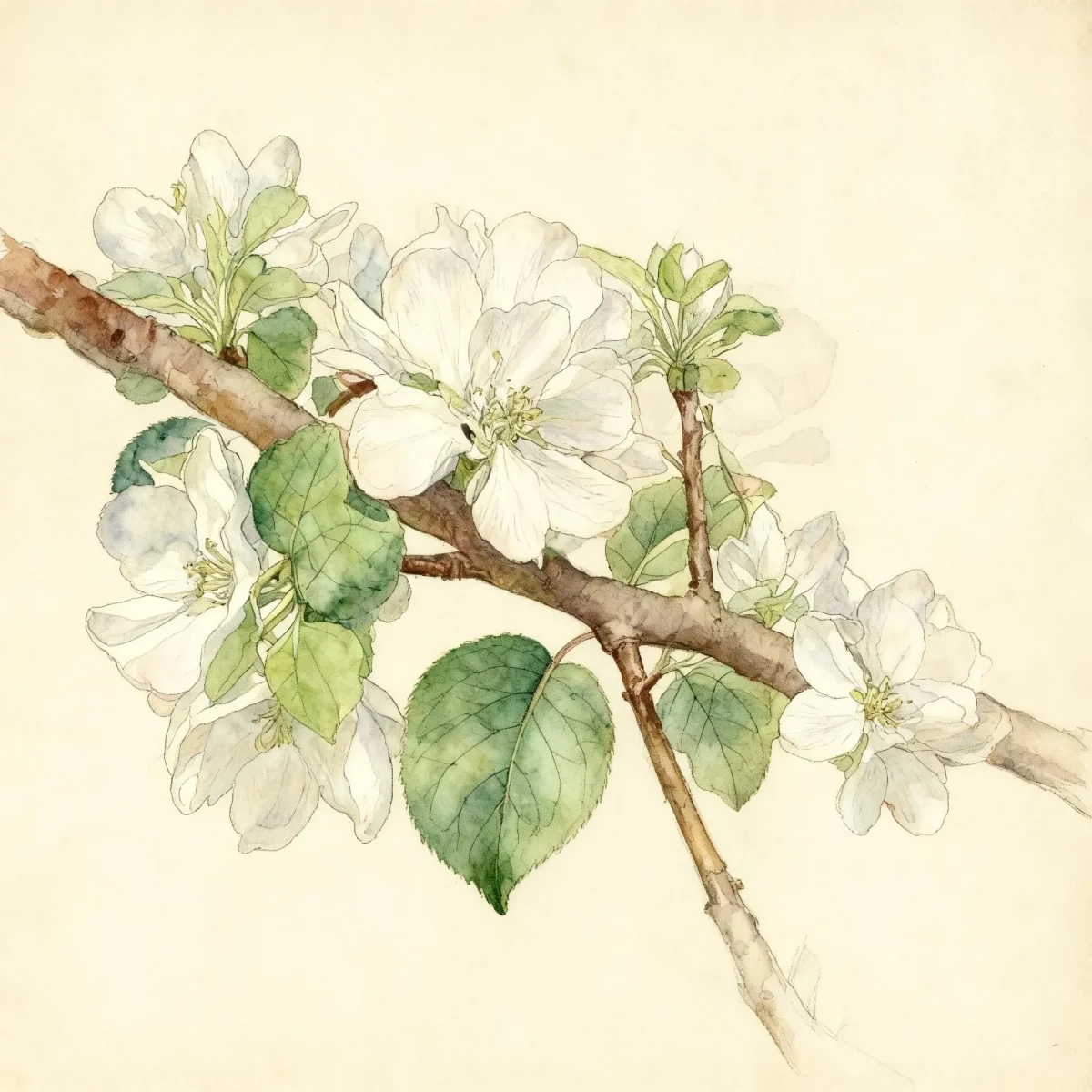
While the primary goal for growing RED FUJI is fruit production, its horticultural role as a Flowering Tree should not be overlooked. The April bloom offers a beautiful display of pinkish white flowers, providing early season interest when many other flowering plants are still dormant. Grouping this Malus variety alongside other flowering trees or complementary deciduous shrubs can create a dynamic, multi-season display.
Because the Malus pumila ‘Nagafu 6’ RED FUJI matures at a manageable height of 8 to 10 feet, it integrates well into orchards, specimen plantings, or standard mixed borders where taller trees might overwhelm the space. Plant it where its eventual fall fruit and ornamental structure can be easily viewed and harvested. Ensure companion plants share similar needs for full sun and well-draining media to maintain overall garden health.
Standout Features
Flower Qualities
- Showy
- Fragrant
- Good Cut
Fruit Qualities
- Showy
- Edible
Noteworthy Characteristics
Malus is a genus encompassing about 35 species of deciduous trees and shrubs originating from Europe, Asia, and North America. Most commercially available eating apple cultivars, including this one, are grafted onto rootstocks that control the final size of the tree for easier management and earlier fruiting. RED FUJI utilizes dwarfing rootstocks, resulting in trees that are easier to spray, prune, and harvest compared to standard-sized heritage apples.
Tolerances
- Air Pollution
Potential Problems
Gardeners must proactively manage several disease and pest issues common to Malus species. The primary disease threats include apple scab, cedar apple rust, fire blight, leaf spot, and powdery mildew. Integrating good cultural practices, especially ensuring excellent air circulation through proper pruning, is the first line of defense against fungal issues.
Insect management for the Malus pumila ‘Nagafu 6’ RED FUJI often targets aphids, maggots (codling moth larvae), borers, and spider mites. Applying dormant oil sprays in winter and carefully timing appropriate late-season insecticides, especially around bloom time, can significantly reduce pest pressure throughout the growing season.
Frequently Asked Questions
What hardiness zones is Apple (Malus pumila ‘Nagafu 6’ RED FUJI) suitable for?
This Apple variety is well-suited for cultivation in USDA Hardiness Zones 6 through 8.
How large does Apple (Malus pumila ‘Nagafu 6’ RED FUJI) grow?
When grafted onto appropriate rootstock, the mature height and spread typically range between 8 and 10 feet tall and wide.
What sun exposure does Apple (Malus pumila ‘Nagafu 6’ RED FUJI) need?
For maximum flower and fruit production, this tree absolutely requires full sun exposure throughout the day.
When does Apple (Malus pumila ‘Nagafu 6’ RED FUJI) bloom?
The Malus pumila ‘Nagafu 6’ RED FUJI produces lovely pinkish white flowers during the month of April.
Conclusion
The Malus pumila ‘Nagafu 6’ RED FUJI is an excellent choice for gardeners seeking both early spring ornamental blossoms and reliable, edible fruit. Managing its high maintenance requirements, particularly regarding pollination partners and soil drainage, ensures a strong return on your investment. Always confirm that USDA Zone 6-8 suitability matches your local climate before preparing your site for this productive Apple.
Companion Planting
When planning the landscape around your Malus pumila ‘Nagafu 6’ RED FUJI, consider companions that thrive in similar full sun and well-drained conditions, but avoid planting other heavy feeders directly at the drip line to minimize nutrient competition. Spring bulbs like daffodils and tulips offer early ground cover interest before the Apple canopy fully develops and help maximize the use of space under the canopy, especially while the tree is young. For long-term structure, consider pairing it with hardy, drought-tolerant perennials once established, such as ornamental grasses or coneflowers, which appreciate the bright light this fruit tree requires.
Seasonal Care Calendar
Spring care begins just as the pinkish white buds start to swell; this is the ideal time to apply the first round of fruit tree-specific fungicides to preemptively control diseases like apple scab before they establish. Summer months focus on irrigation, ensuring the medium water needs are met during hot, dry spells, and monitoring for common pests like aphids and spider mites. As summer transitions to autumn, stop fertilizing to encourage dormancy hardening, and time your harvest for late October, though checking for frost vulnerability is wise to ensure fruit quality.