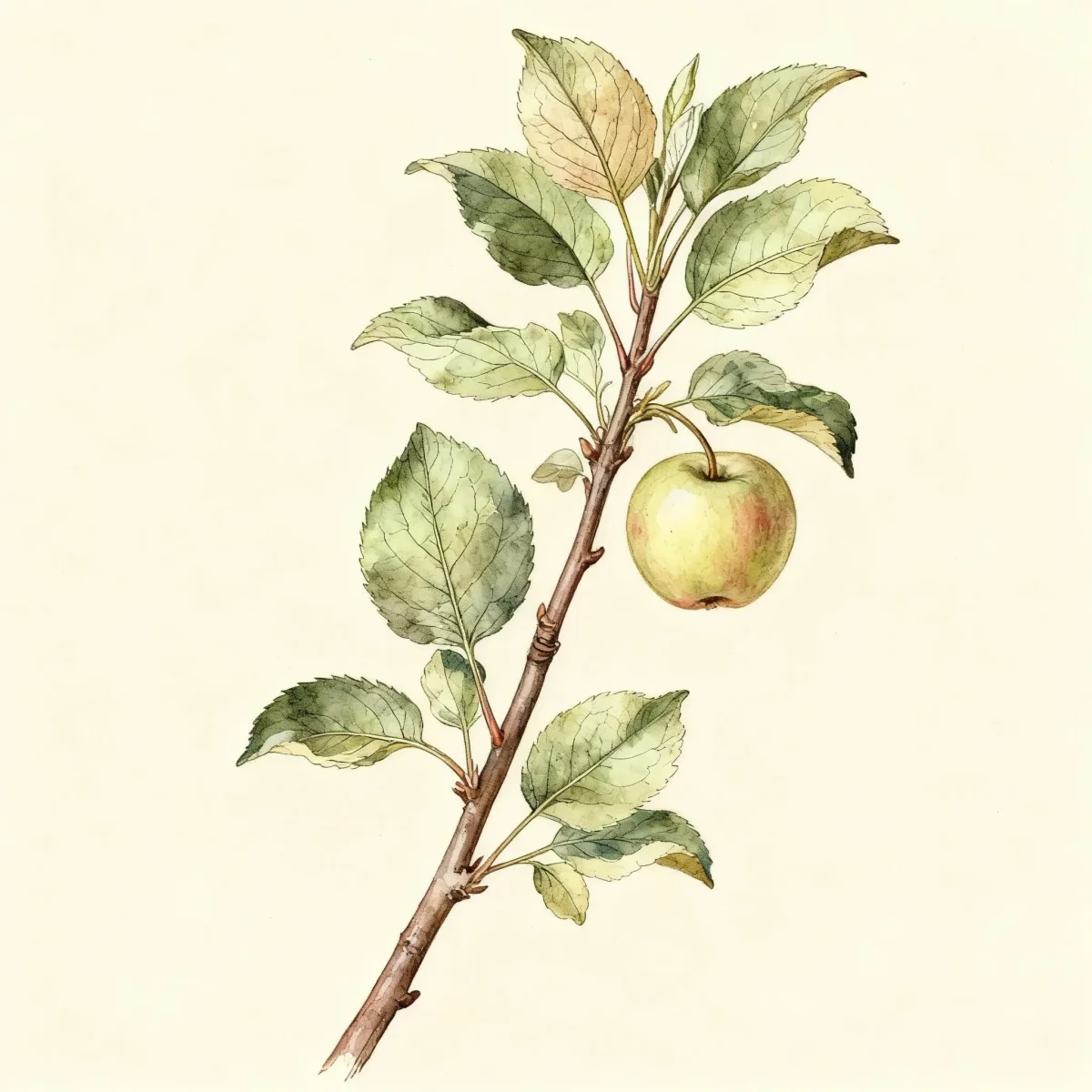
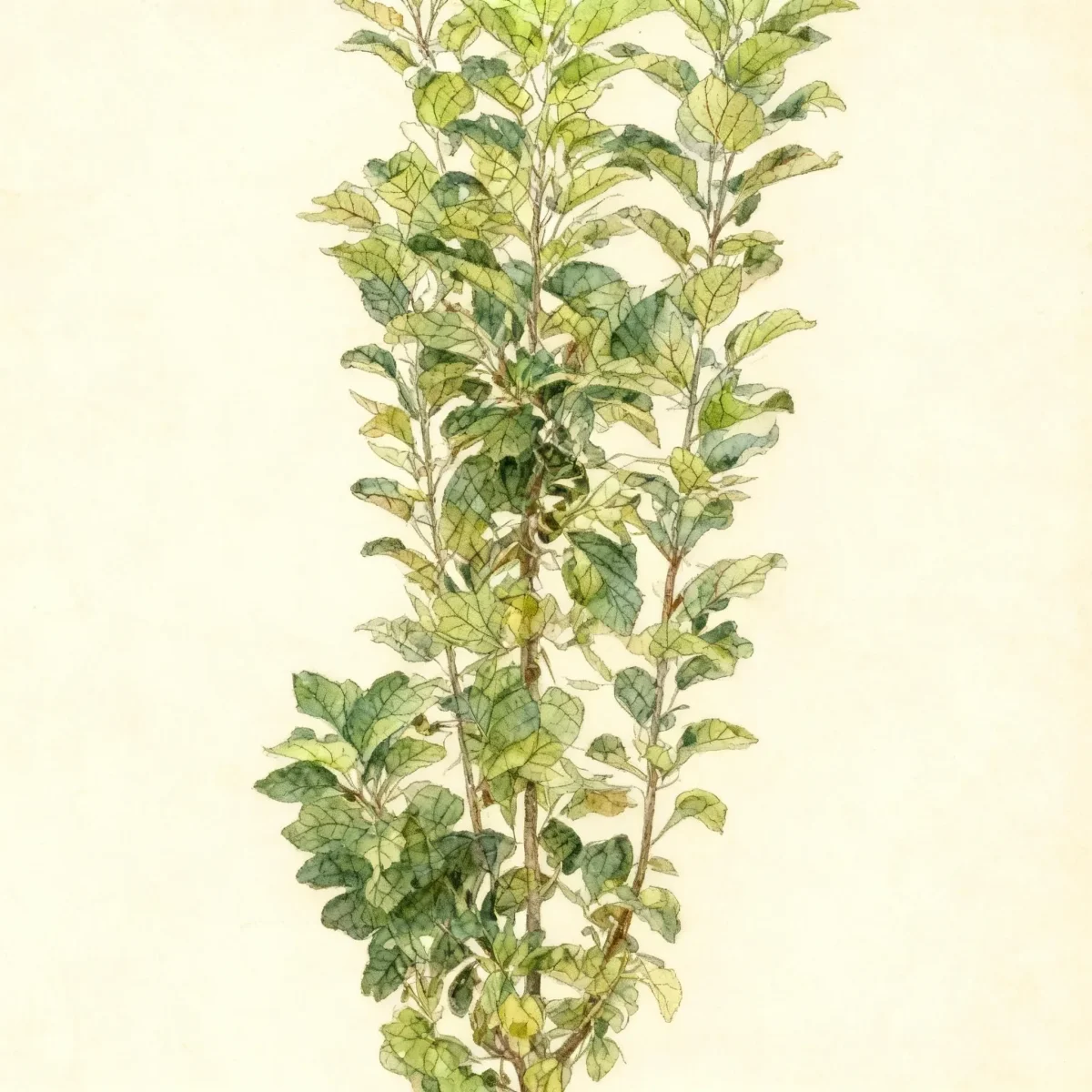
Columnar apple (Malus pumila 'Obelisk' STARK CRIMSON SPIRE)
Discover the Malus pumila 'Obelisk' STARK CRIMSON SPIRE, a space-saving Columnar apple offering pink/white blooms and crimson fruit in Zones 4-8.
Scroll down to discover growing tips, care requirements, companion plants, and more
Complete Plant Information
Overview
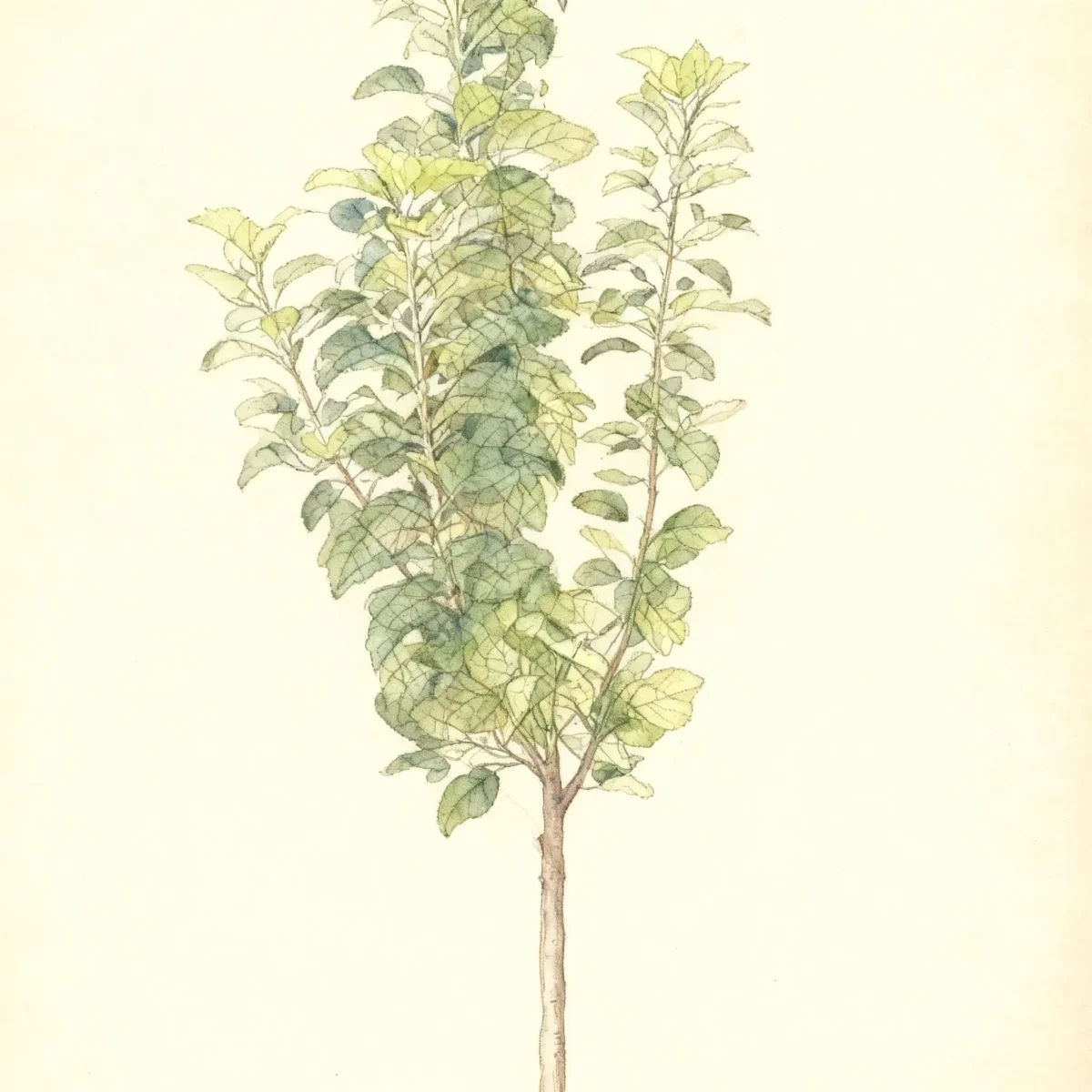
The Malus pumila ‘Obelisk’ STARK CRIMSON SPIRE is an exceptional choice for modern landscapes where space is limited, defining itself as a true Columnar apple. This cultivar is highly valued for its dramatic, narrow growth habit, which allows homeowners to enjoy traditional apple cultivation without the wide canopy of standard varieties. Its structure makes it a sophisticated accent piece even when not bearing fruit.
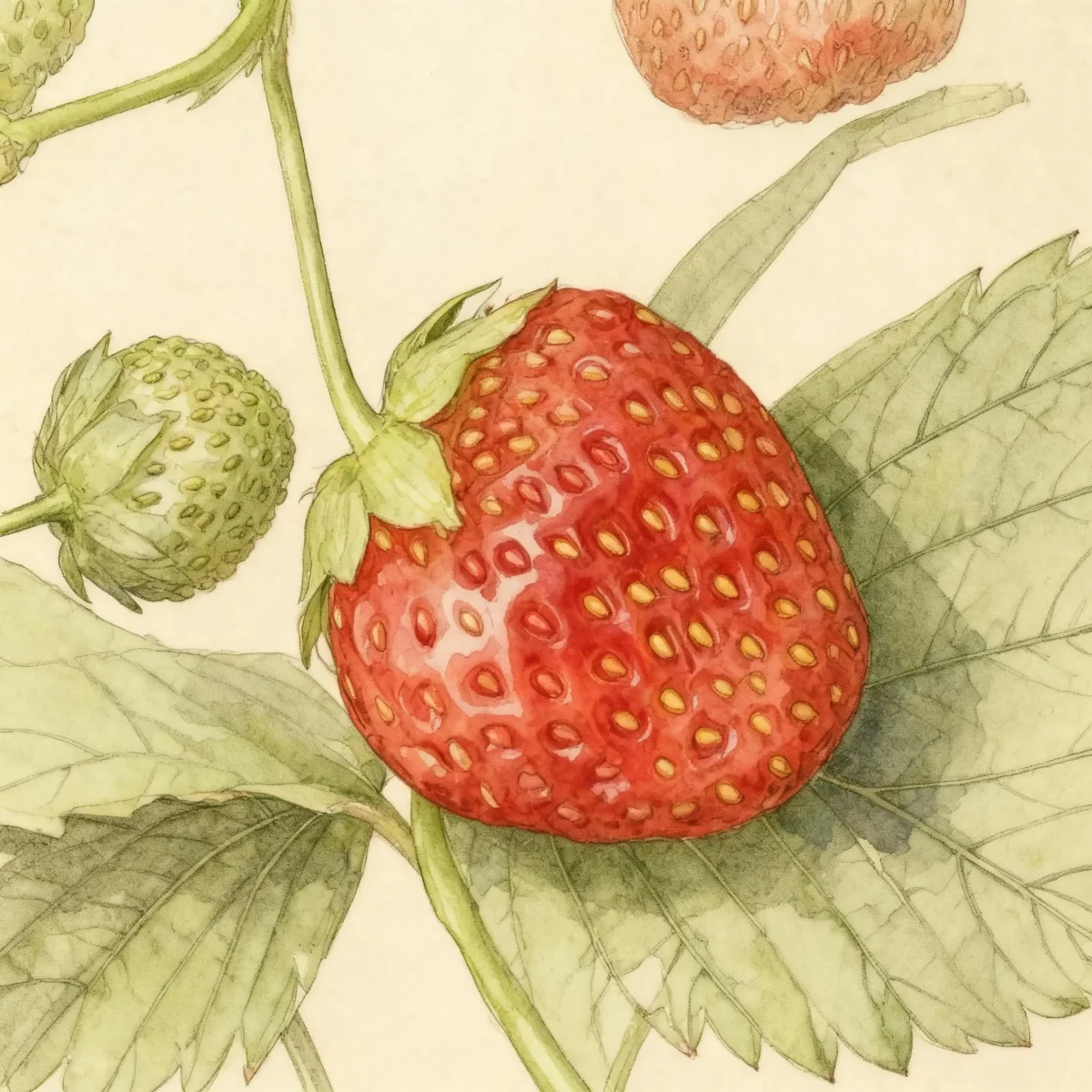
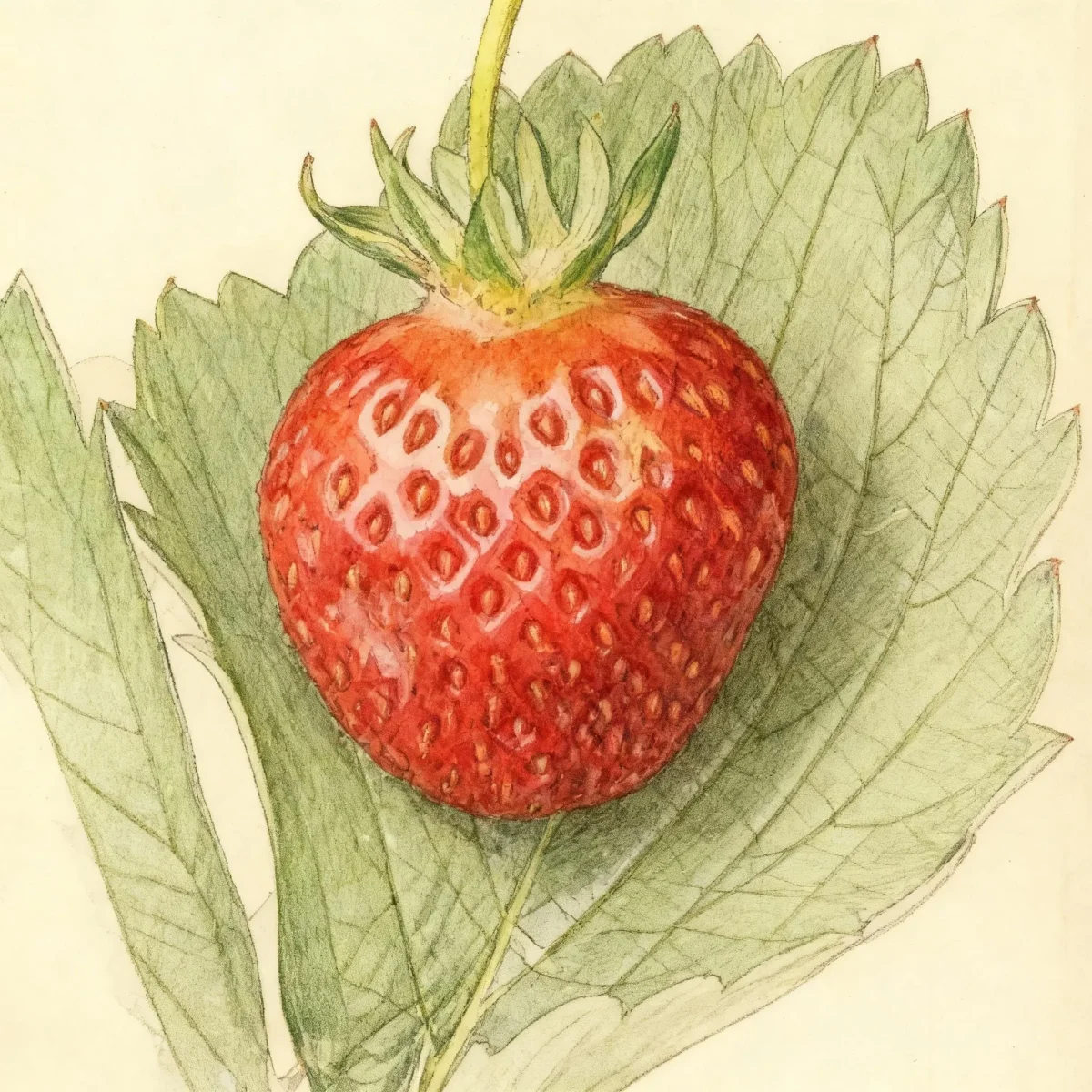
Blooming in April with lovely pink or white flowers, the Malus pumila ‘Obelisk’ STARK CRIMSON SPIRE transitions to full-sized, crimson red eating apples that typically ripen by September. Because this tree is grafted onto rootstocks to control its size and promote early fruiting, good horticultural care is essential to maximize yield and health.
This specific variety is an exclusive introduction known for its strong vertical presence, ideal for patios, narrow borders, or formal plantings. Gardeners seeking high fruit production in a compact form will find the STARK CRIMSON SPIRE an indispensable and productive addition to their edible landscape design.
Fast Facts
- Plant Family: Rosaceae
- Plant Type: Fruit
- Hardiness Zones: USDA Zones 4-8
- Size at Maturity:
- Height: 6-8 ft
- Spread: 1.5-2 ft
- Bloom Time: April
- Bloom Description: Pink or white
- Sun Exposure: Full sun
- Water Needs: Medium
- Maintenance Level: High
How to Grow
Planting the Columnar apple requires attention to soil quality for success. The ideal site provides deep, loamy, moderately fertile, slightly acidic, and well-drained soil. Ensure the area receives full sun daily, as this is critical for achieving maximum flower and fruit production of the Malus pumila ‘Obelisk’ STARK CRIMSON SPIRE. Avoid planting in heavy clay soils that retain excess water and drain poorly.
Water needs are medium; maintain consistent soil moisture, especially during dry spells, but never allow the soil to become waterlogged, which is detrimental to the root health. Due to the high-maintenance nature of grafted fruit trees, regular feeding appropriate for apple trees is recommended, particularly as dwarfing rootstocks often require more consistent fertility.
Pruning is relatively straightforward compared to standard apples due to the upright structure, but managing adequate airflow is crucial for disease prevention. Remember that pollination is essential for fruit set, requiring that more than one apple variety be planted nearby to facilitate the best fruit production.
Landscape Uses
The stunning vertical habit of the Malus pumila ‘Obelisk’ STARK CRIMSON SPIRE makes it an excellent choice for restricted areas. It excels as a formal accent near entryways or as a component in narrow side-yard plantings where wider ornamental trees would obstruct pathways. Its recommended use as a Flowering Tree also ensures ornamental appeal throughout the spring season.
Beyond in-ground planting, this Columnar apple thrives in large containers. A planter of at least 17 inches in diameter provides enough anchor and root space for the tree to establish and reliably produce fruit. This versatility allows apartment dwellers or patio gardeners to successfully grow this fruit tree.
When planning companions, select understory plantings that tolerate full sun and generally share similar soil and water needs, such as low-growing herbs or perennial groundcovers that won’t compete aggressively for nutrients near the base of the tree.
Standout Features
Flower Qualities
- Showy
- Fragrant
Noteworthy Characteristics
Malus is a genus of about 35 species of deciduous trees and shrubs from Europe, Asia and North America. Some eating apples are hybrids but others are attributed to M. Domestica or M. Pumila. Edible apple cultivars do not grow particularly well on their own roots, necessitating grafting onto rootstocks which control eventual tree size. STARK CRIMSON SPIRE is a colonnade-shaped apple tree that typically forms a compact column growing to 8’ tall but only 2’ wide, offering light pink to white flowers followed by edible, crimson red fruit ripening in September. Home growers benefit as trees grafted onto dwarfing rootstocks are easier to manage and fruit at an earlier age, often by the third year.
Tolerances
- Air Pollution
Potential Problems
Apple trees in general are susceptible to a number of pests and diseases, requiring consistent monitoring. The four major concerns include fire blight, powdery mildew, apple scab, and cedar apple rust. While this cultivar, Malus pumila ‘Obelisk’ STARK CRIMSON SPIRE, is reported to have much improved disease resistance, it is not immune.
Potential insect problems, generally of lesser concern, include aphids, maggots, codling moth, plum curculio, and spider mites. Excellent cultural practices are the primary defense; ensure proper spacing for airflow to prevent fungal issues and practice vigilant cleanup of fallen debris. Some chemical spraying may still be necessary during high-pressure years to maintain fruit quality.
Frequently Asked Questions
What hardiness zones is Columnar apple suitable for?
The Malus pumila ‘Obelisk’ STARK CRIMSON SPIRE is suitable for USDA Zones 4-8.
How large does Columnar apple grow?
At maturity, this tree typically reaches a height between 6 and 8 feet while maintaining a very narrow spread of 1.5 to 2 feet.
What sun exposure does Malus pumila ‘Obelisk’ STARK CRIMSON SPIRE need?
This variety requires full sun exposure to ensure the maximum potential for flower and subsequent fruit production.
When does Columnar apple bloom?
The Columnar apple blooms in April, producing flowers described as pink or white.
Conclusion
The Malus pumila ‘Obelisk’ STARK CRIMSON SPIRE provides a unique solution for gardeners desiring high-quality fruit in tight spaces, capitalizing on its essential columnar structure. As a productive yet highly space-efficient Columnar apple, it merits inclusion in many modern edible landscapes. Be sure to confirm your USDA hardiness zone compatibility and plan for necessary pollinator partners before planting this spring.
Companion Planting
Selecting appropriate companions for your STARK CRIMSON SPIRE depends largely on soil needs, as this apple requires well-drained, moderately fertile conditions. Consider low-growing perennial herbs beneath the canopy that do not strongly compete for surface nutrients, such as creeping thyme or chives, keeping vegetation minimal directly around the trunk base.
For broader companion planting benefits, consider planting spring bulbs like daffodils or tulips around the perimeter of the drip line; they bloom before the apple tree leafs out fully, utilizing the space without significant root conflict. Simply ensure that any companion chosen also thrives in the required full sun exposure.
Seasonal Care Calendar
Spring is crucial for the Malus pumila ‘Obelisk’ STARK CRIMSON SPIRE; monitor for the April bloom and ensure a compatible pollinator is also flowering nearby. Once leaves emerge, start regular inspections for common apple pests and diseases, applying preventative treatments if cultural controls are insufficient.
Summer requires consistent, medium watering, especially during fruit development, ensuring the soil remains evenly moist but never sodden. Apply fertilizer early in the season, only as needed, keeping in mind that overly vigorous summer growth can sometimes compromise fruit quality or density.
In autumn, harvest the crimson red apples typically by September. After leaf drop, clean up all fallen debris thoroughly to reduce overwintering fungal spores and potential pest populations, preparing the highly maintained tree for winter dormancy.