Dwarf apple (Malus 'Redfree')
Malus 'Redfree' is a visually appealing Dwarf apple known for its white spring blossoms and edible red fruit, ideal for smaller landscapes.
Scroll down to discover growing tips, care requirements, companion plants, and more
Complete Plant Information
Overview
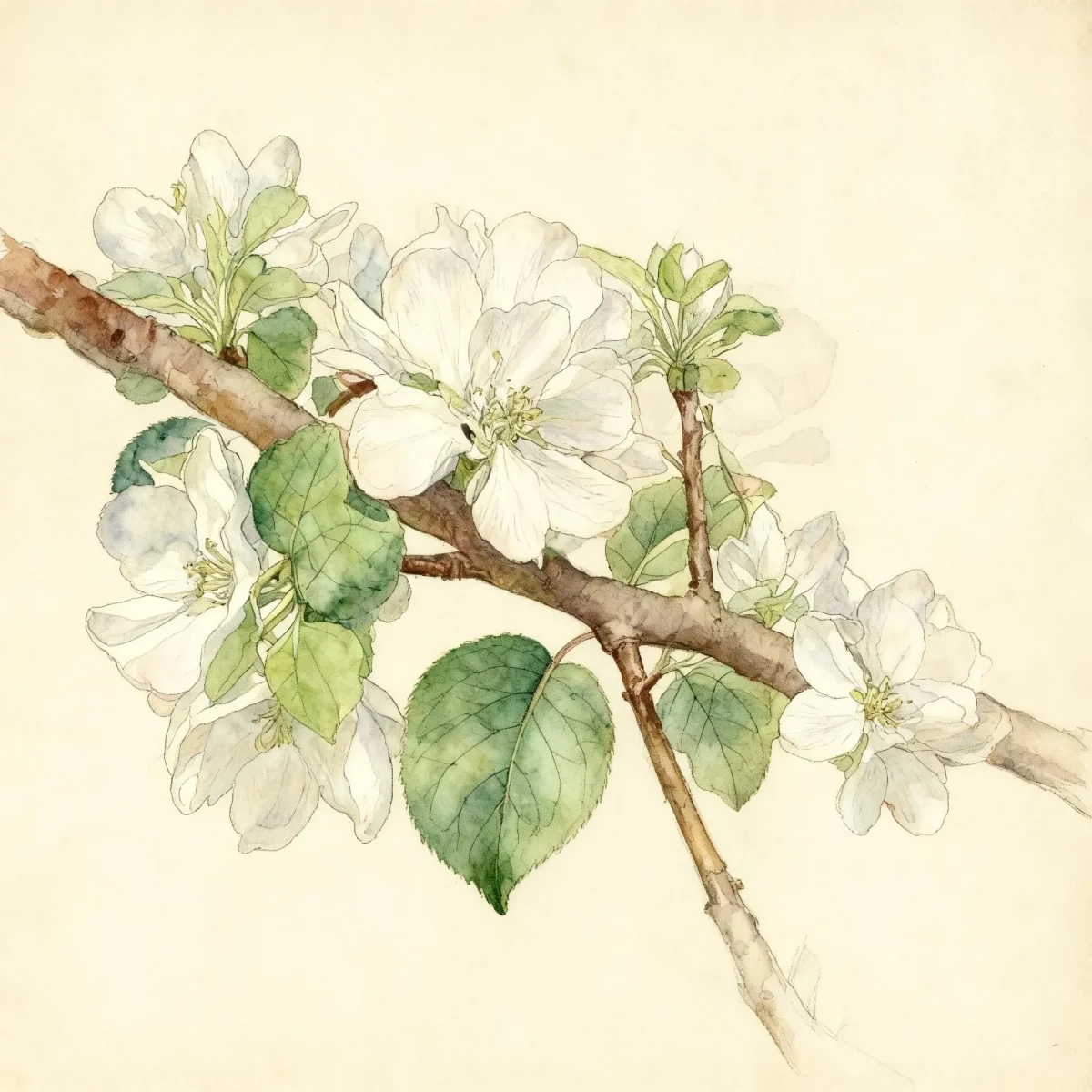
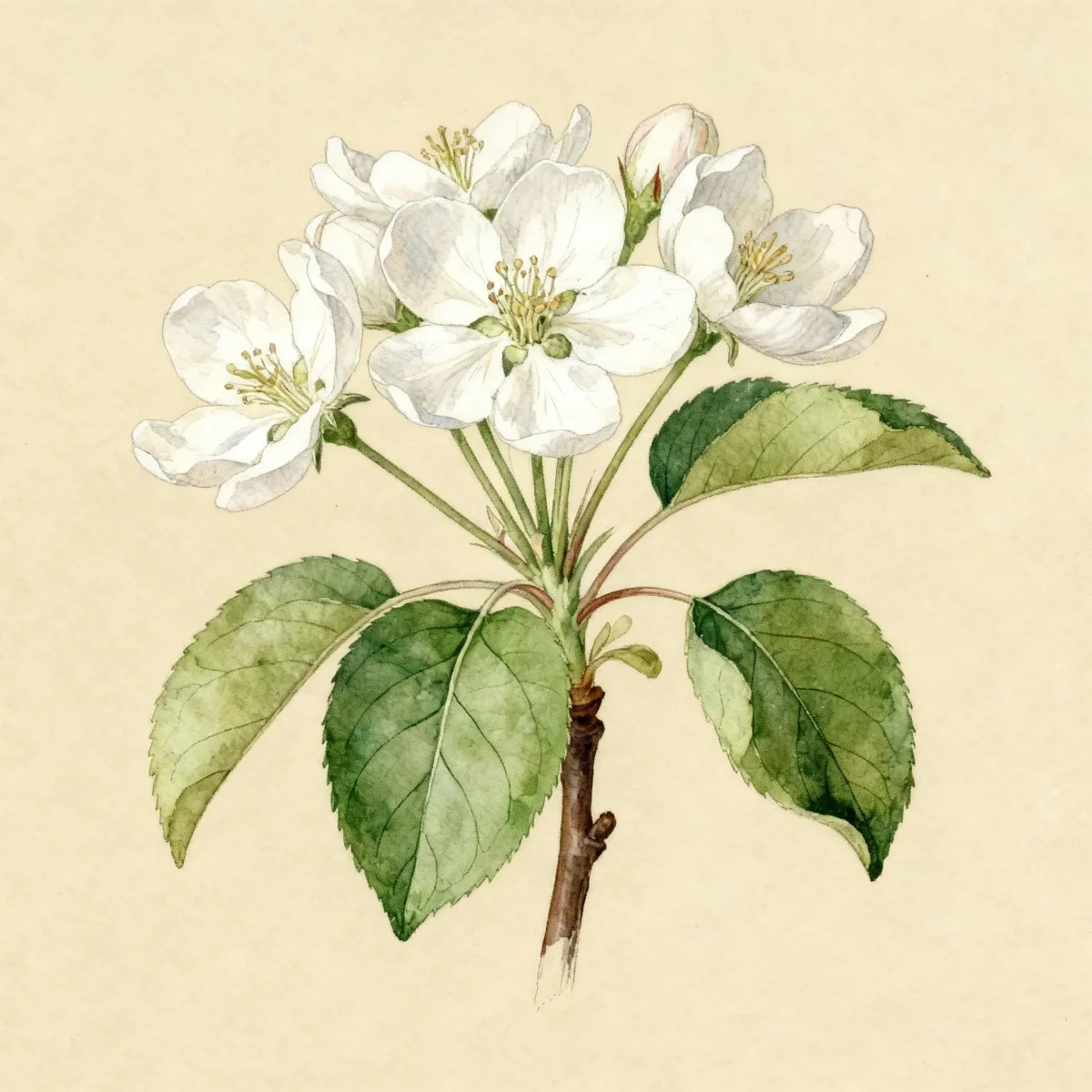
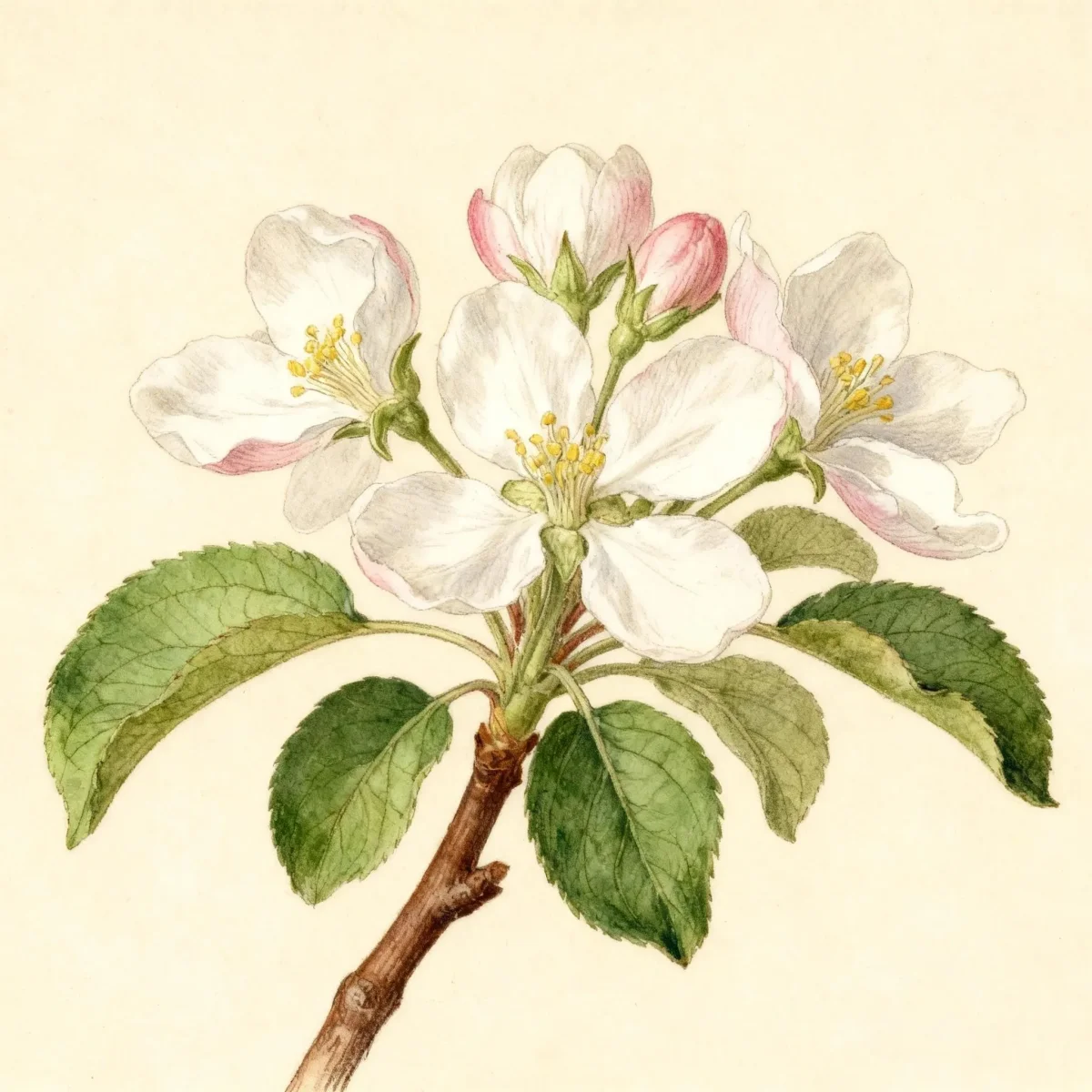
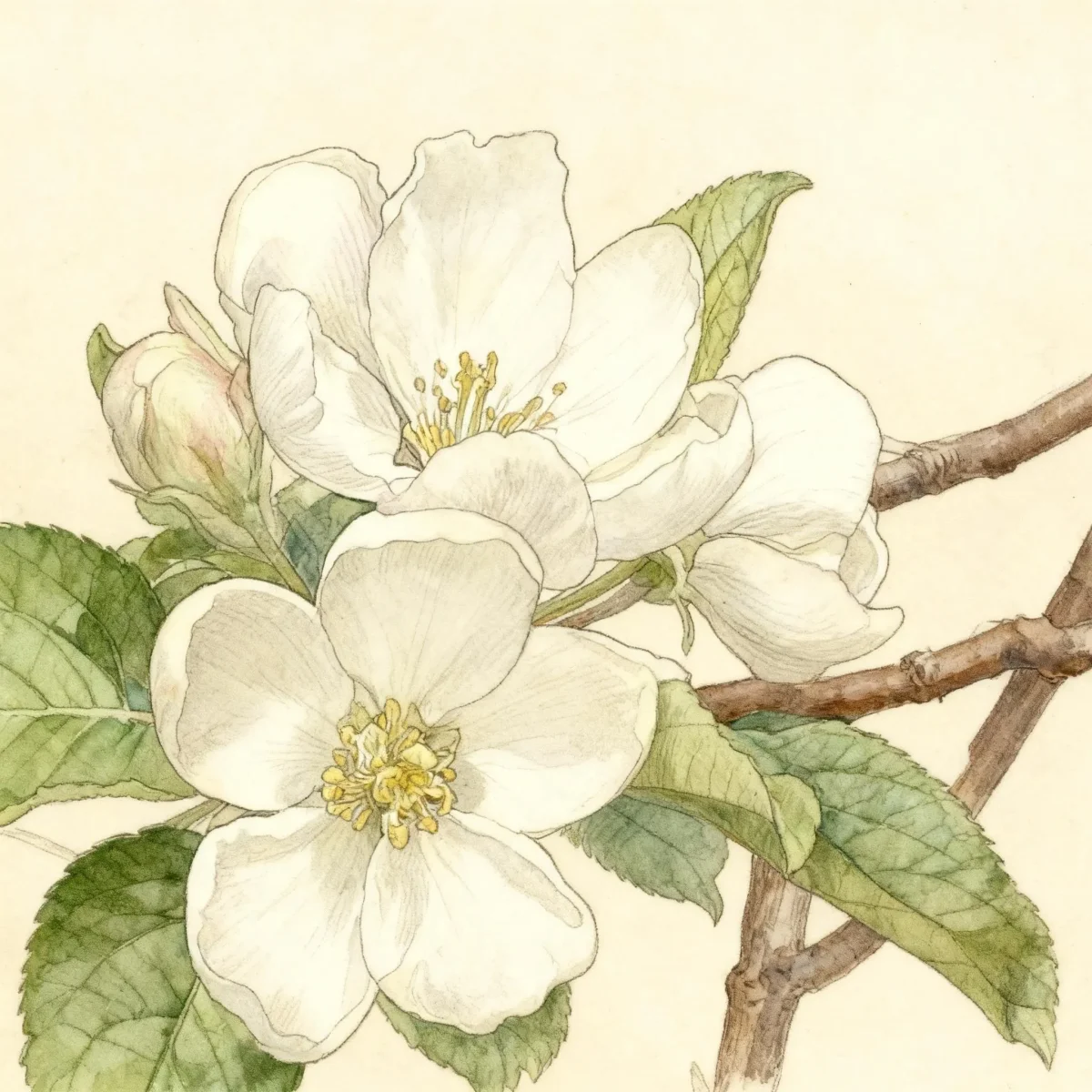
The Dwarf apple, Malus ‘Redfree’, offers gardeners the charm of a traditional apple tree scaled for smaller spaces. This cultivar is highly valued for its compact size, resulting from being grafted onto dwarfing rootstocks, making management easier for the home grower. Beyond its productive qualities, the ‘Redfree’ tree provides significant seasonal interest, beginning with fragrant white blossoms.
This specimen excels when planted in full sunlight to encourage robust flowering and fruit development. A key feature of Malus ‘Redfree’ is its commendable disease resistance profile, making maintenance slightly less daunting than with some other apple types. Gardeners seeking both beauty and harvest will appreciate this semi-dwarf variety.
Successful cultivation of the Dwarf apple requires attention to detail, especially regarding pollination. For optimal fruit production, always ensure you plant more than one apple variety nearby. This commitment to good horticultural practice ensures you enjoy the picturesque spring display and the medium-sized, slightly sweet red apples that mature in mid-August.
Fast Facts
- Plant Family: Rosaceae
- Plant Type: Fruit
- Hardiness Zones: USDA Zones 5-8
- Size at Maturity:
- Height: 12-15 ft
- Spread: 12-15 ft
- Bloom Time: May
- Bloom Description: White
- Sun Exposure: Full sun
- Water Needs: Medium
- Maintenance Level: High
How to Grow
The ideal planting location for Malus ‘Redfree’ is in full sun exposure, which maximizes flower and fruit yield. Soil preference leans towards deep, loamy, moderately fertile, slightly acidic, medium moisture, well-drained conditions. While it tolerates average garden soils, avoid heavy clay soils prone to waterlogging, as this stresses the Dwarf apple.
Watering should be consistent to maintain medium moisture levels, especially during establishment and fruit development. Due to the nature of grafted fruit trees, pay close attention to soil fertility; dwarfing rootstocks often require richer feeding than standard trees. Remember that successful fruit set absolutely requires cross-pollination, so plan to site this cultivar near a compatible apple variety.
Maintenance for this high-maintenance plant focuses heavily on preventative care. Though its disease resistance is notable, good cultural practices are the first line of defense against common pests and diseases. Pruning should be carried out to shape the tree to ensure easy access for spraying and harvesting, a significant benefit of the Dwarf apple form.
If space allows, group Malus ‘Redfree’ with other apple varieties to ensure effective pollination. Proper management of potential pests like spider mites or codling moths, coupled with essential pruning, ensures a healthy, productive tree throughout its life in USDA Zones 5 through 8.
Landscape Uses
While the primary mission of Malus ‘Redfree’ centers on fruit quality, its ornamental characteristics are substantial, particularly for a flowering tree. The spring display of white blossoms provides delicate texture and fragrance, making it an excellent specimen tree for smaller yards or near patios where the fragrance can be appreciated.
As a semi-dwarf variety, it integrates well into mixed borders, positioned where its mature height of 12 to 15 feet provides structure without overwhelming neighboring shrubs. Since fruit production is key, ensure this Dwarf apple is visible from living areas so the mid-August red fruit can be enjoyed until harvest. It should always be grouped with other apple varieties to ensure excellent cross-pollination.
Standout Features
Flower Qualities
- Showy
- Fragrant
Fruit Qualities
- Showy
- Edible
Noteworthy Characteristics
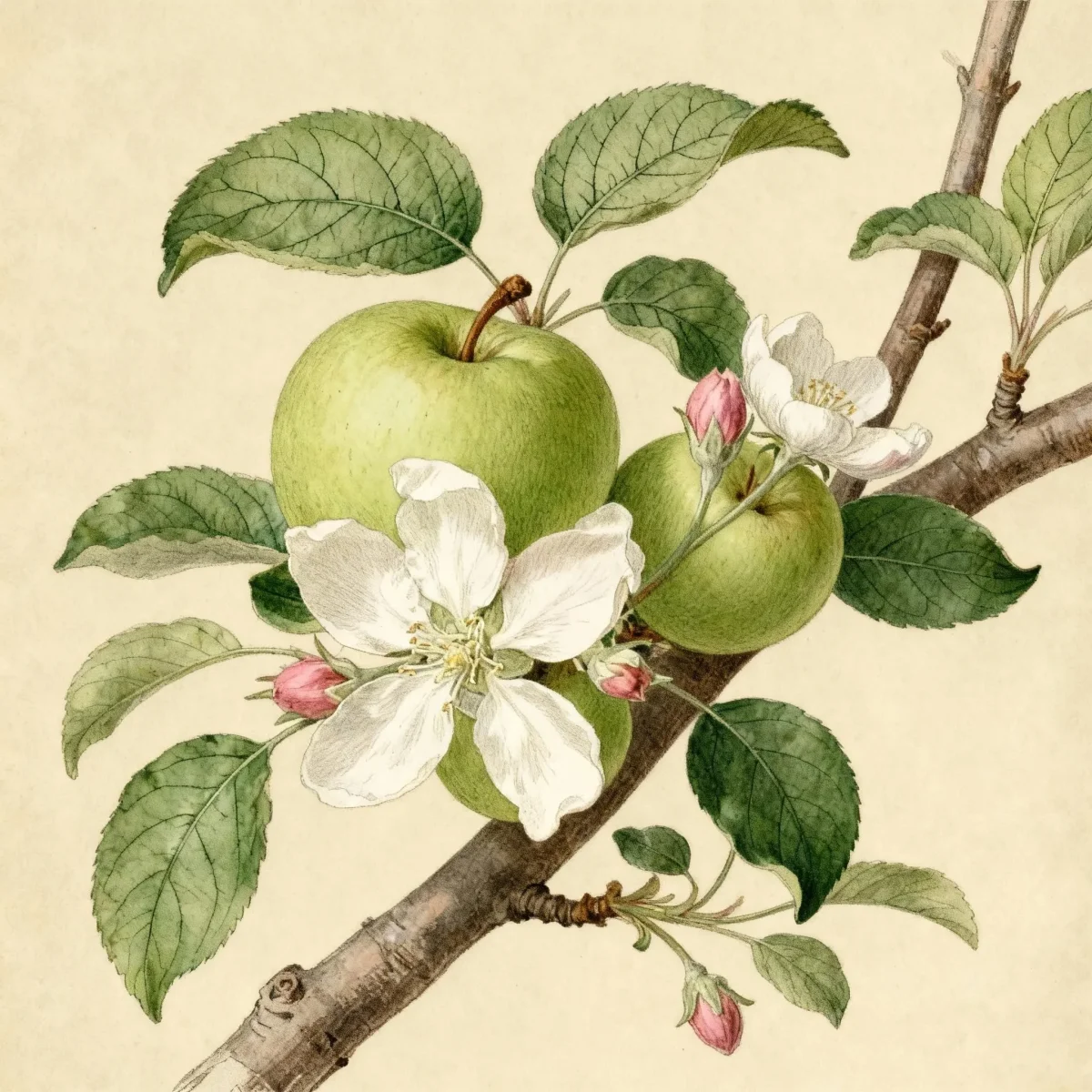
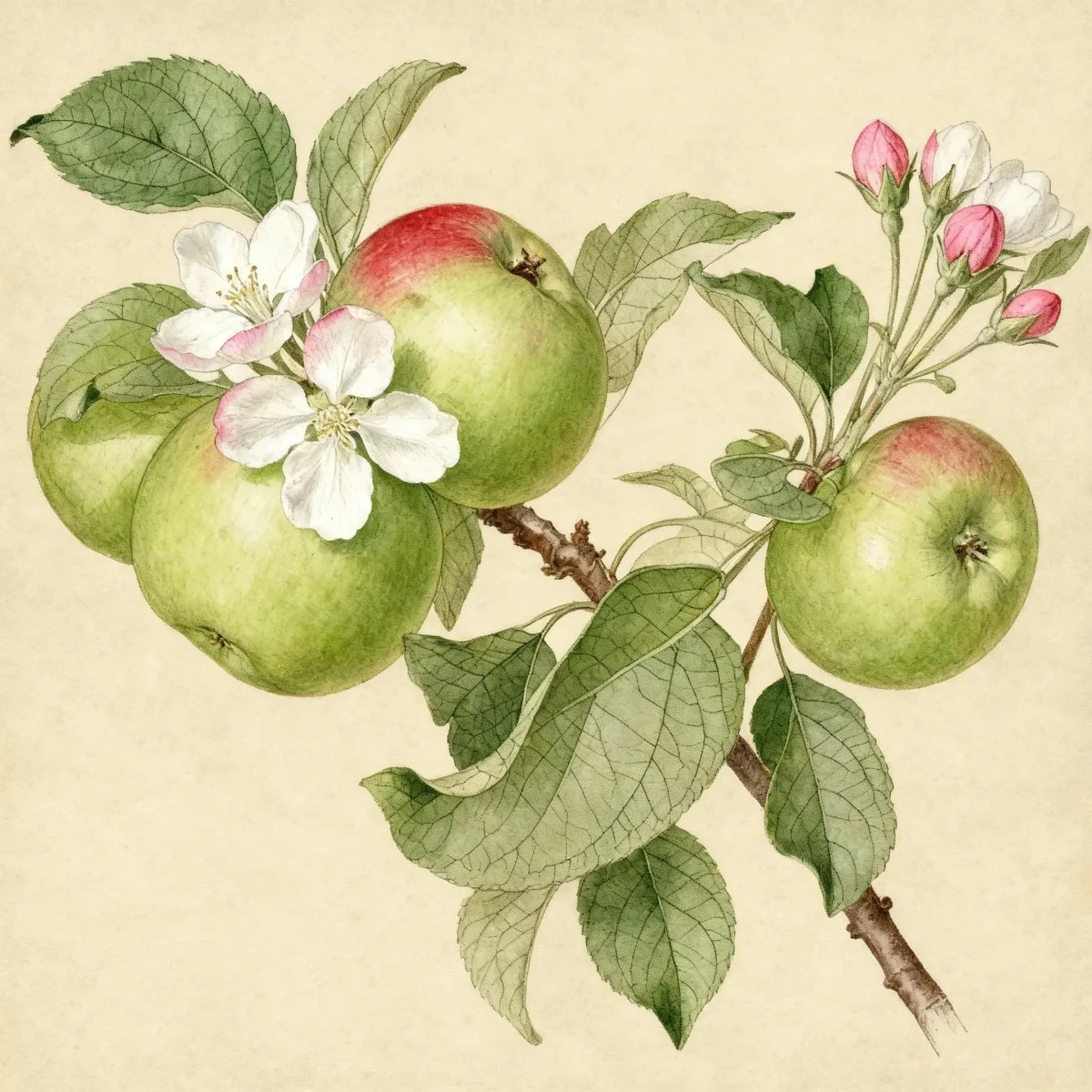
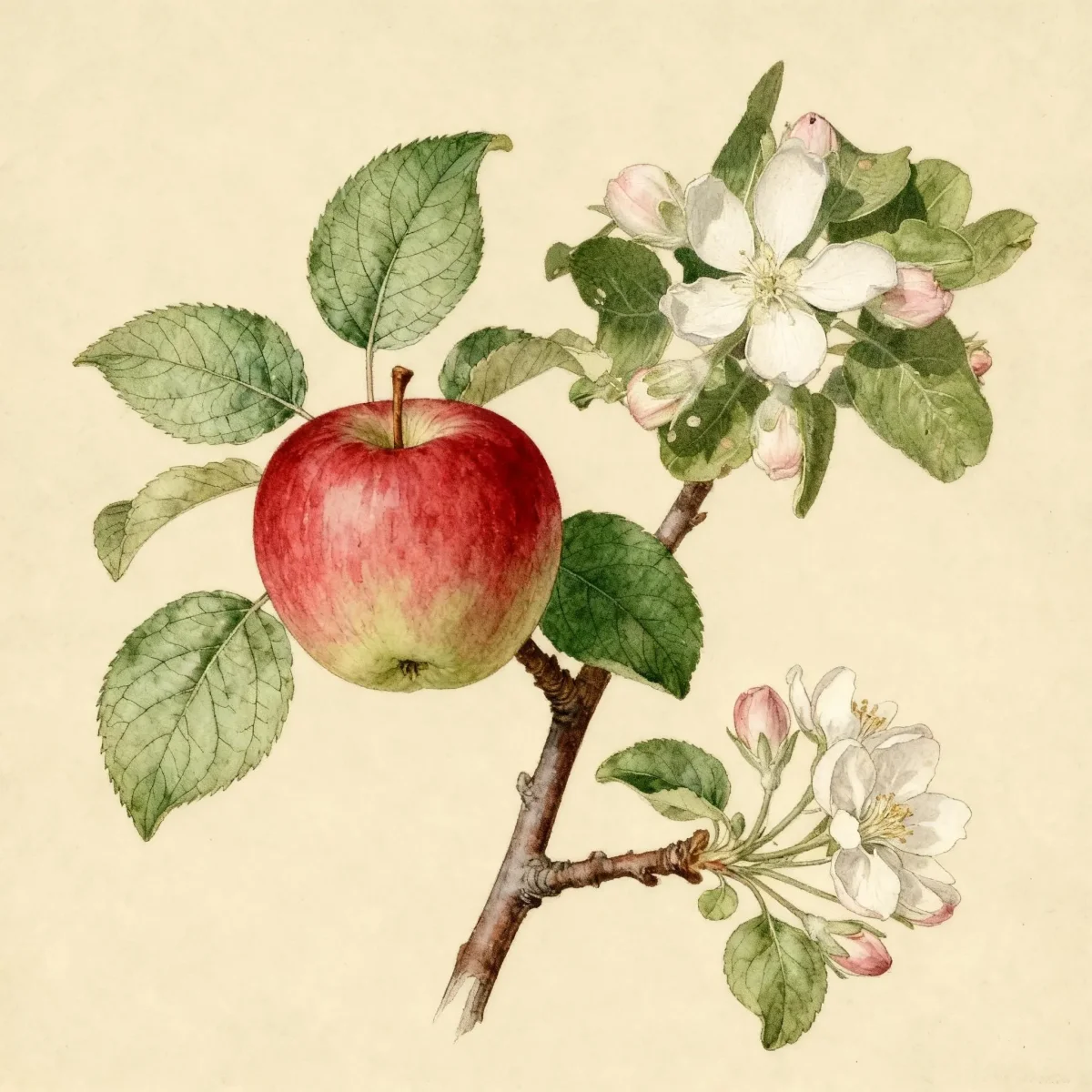
Malus is a genus famous worldwide, with cultivated apples typically being hybrids involving species like domestica or pumila. Most commercially available edible apple cultivars are grafted onto rootstocks that dictate final size; the ‘Redfree’ tree utilizes semi-dwarf rootstock, limiting its growth to 12-15 feet tall, ensuring easier management compared to full-sized standards. This popular cultivar produces fragrant white blossoms followed by medium-sized, slightly sweet, red apples ripening typically in USDA Zone 5 around mid-August.
Tolerances
- Air Pollution
Potential Problems
The specific cultivar Malus ‘Redfree’ offers superior protection against common orchard issues, noted for being virtually immune to cedar apple rust and very resistant to apple scab. It also shows resistance to fire blight and powdery mildew, which greatly reduces fungicide needs.
However, no apple is without potential issues. Gardeners must remain vigilant against common insect pests, including aphids, codling moth, plum curculio, maggots, and spider mites. Maintaining good cultural practices—proper spacing, soil health, and timely pruning—is vital, as even resistant varieties will benefit from occasional necessary chemical intervention against pests.
Frequently Asked Questions
What hardiness zones is Dwarf apple suitable for?
Malus ‘Redfree’ is suitable for gardeners residing in USDA Zones 5 through 8.
How large does Dwarf apple grow?
This Dwarf apple reaches a mature height between 12 and 15 feet, with a corresponding spread of 12 to 15 feet.
What sun exposure does Malus ‘Redfree’ need?
Malus ‘Redfree’ requires full sun exposure for optimal performance in terms of both flowering and fruit production.
When does Dwarf apple bloom?
This variety blooms in May, producing attractive white flowers.
Conclusion
The Dwarf apple, Malus ‘Redfree’, successfully merges manageable size with desirable fruit and aesthetic appeal, making it a top contender for home orchards needing space efficiency. Its inherent resistance to key diseases simplifies the care regimen, though its high maintenance classification reflects the need for diligent pollination planning and seasonal pruning. Ensure your garden falls within USDA Zones 5-8 and plan for a pollinator partner to maximize the harvest potential of your new Malus ‘Redfree’ tree.
Companion Planting
Selecting appropriate companions for Malus ‘Redfree’ enhances both its health and the overall garden aesthetic. Since apples thrive in well-drained, slightly acidic soil, pair it with other acid-loving fruits or ornamentals, such as blueberries (if soil pH can be adjusted accordingly) or rhododendrons and azaleas positioned further out where they won’t compete directly for deep root nutrients.
Avoid planting heavy feeders or crops that share similar pest vulnerabilities directly beneath the tree canopy, as this increases the risk of soil depletion and localized pest pressure. Instead, use the area below the weeping canopy of the Dwarf apple to house beneficial, shallow-rooted groundcovers that suppress weeds without competing aggressively for water resources needed by the tree.
Seasonal Care Calendar
Spring care for your Malus ‘Redfree’ begins immediately after the threat of hard frost, focusing on inspecting for winter injury and applying dormant or early-season sprays if pests were an issue the previous year. Promptly after bloom, assess fruit set; thin developing apples to one per cluster to encourage larger, higher-quality fruit development later in the season.
Summer maintenance is largely proactive, involving monitoring for pests and ensuring consistent, medium watering during dry spells, targeting the root zone rather than wetting the foliage. Late summer marks the harvest time for this Dwarf apple, usually around mid-August in Zone 5 climates.
Fall prepares the tree for dormancy; rake up fallen leaves and fruit debris promptly to disrupt the life cycles of overwintering pests and fungal spores that cause cedar apple rust or scab. Apply a protective mulch layer around the base (keeping it away from the trunk flare) to moderate soil temperatures and protect the shallow roots of the Dwarf apple through winter.