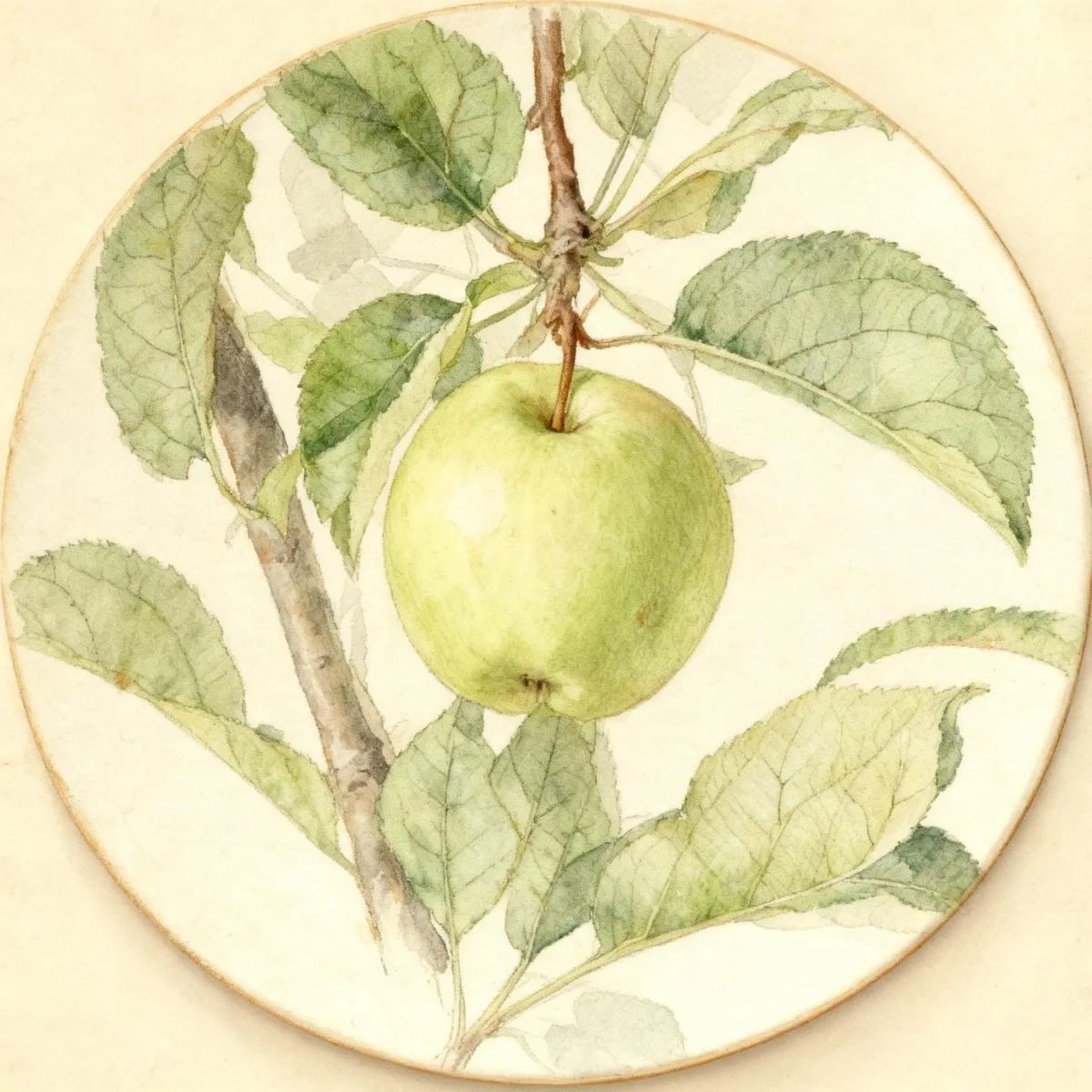
Standard apple (Malus pumila 'Tenroy' STARK ROYAL GALA)
Malus pumila 'Tenroy' STARK ROYAL GALA is a standard apple valued for showy, edible fruit and fragrant spring blossoms.
Scroll down to discover growing tips, care requirements, companion plants, and more
Complete Plant Information
Overview
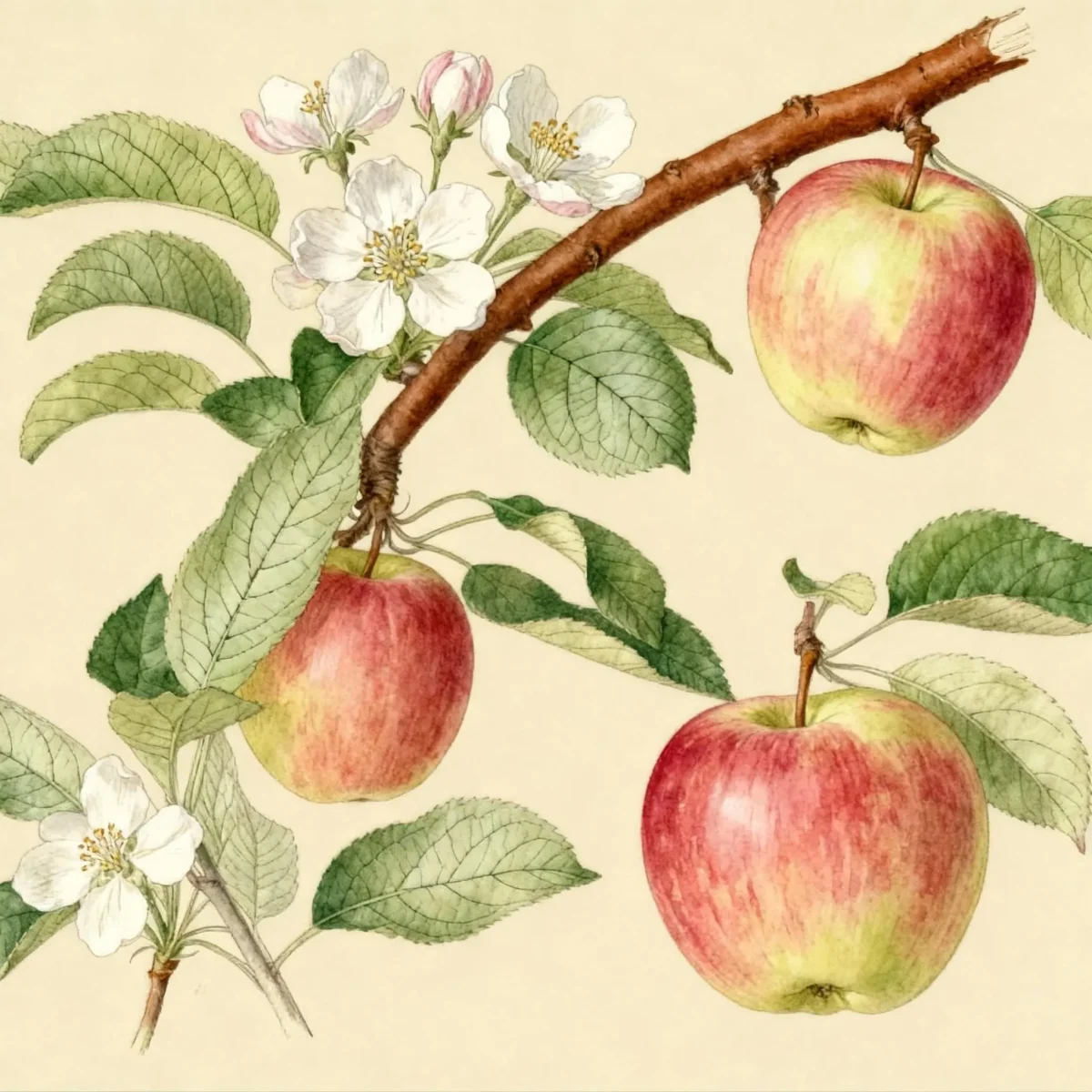
The Standard apple, specifically the Malus pumila ‘Tenroy’ STARK ROYAL GALA cultivar, offers significant value to the home orchardist centered around high-quality fruit production. This deciduous tree produces showy white flowers in May that are notably fragrant, adding temporary aesthetic appeal to the spring landscape. As a Standard apple variety, it will reach a substantial mature size, promising abundant red, medium-sized eating apples ripening toward early September.
Successful cultivation of Malus pumila ‘Tenroy’ STARK ROYAL GALA requires careful attention to cultural practices, as its maintenance level is rated as high. Proper soil conditions and consistent full sun exposure are critical parameters for maximizing both bloom and subsequent fruit set. Because this Malus pumila ‘Tenroy’ STARK ROYAL GALA is a fruit-bearing cultivar, growers must plan for cross-pollination by planting another suitable apple variety nearby.
This cultivar balances ornamental value, provided by its spring blossoms and attractive fall fruit, with its primary role as a productive fruit tree. Gardeners should note that while Malus pumila ‘Tenroy’ STARK ROYAL GALA has improved disease resistance reports, proactive care remains the foundation for a thriving tree.
Fast Facts
- Plant Family: Rosaceae
- Plant Type: Fruit
- Hardiness Zones: USDA Zones 5-8
- Size at Maturity:
- Height: 8-10 ft
- Spread: 8-10 ft
- Bloom Time: May
- Bloom Description: White
- Sun Exposure: Full sun
- Water Needs: Medium
- Maintenance Level: High
How to Grow
Planting standard apples like Malus pumila ‘Tenroy’ STARK ROYAL GALA is best achieved in early spring or late fall when the tree is dormant. Locate this cultivar where it receives consistent full sun, as this is mandatory for abundant flower and fruit production. The ideal soil profile is deep, loamy, moderately fertile, slightly acidic, and well-drained, maintaining medium moisture levels. Avoid planting standard apple trees in unamended heavy clay soils that tend to waterlog easily or drain poorly.
Ongoing care requires monitoring soil moisture to maintain medium water intake; avoid both drought and saturated conditions, especially in poorly drained areas. Since this is a high-maintenance plant, diligent attention to pest and disease management is essential. Remember the crucial requirement for Malus pumila ‘Tenroy’ STARK ROYAL GALA: you must plant it near another apple variety to ensure optimal pollination and reliable fruit yield. Generally, trees on more dwarfing rootstocks have a greater need for soil fertility compared to standard sizes, though fertility remains important across all types.
Pruning should focus on shaping the tree to allow light penetration and air circulation, which helps reduce fungal disease pressure. While the Standard apple is grafted onto rootstock that controls final size, good cultural practices must supplement any improved disease resistance this specific cultivar, Malus pumila ‘Tenroy’ STARK ROYAL GALA, may possess.
Landscape Uses
The Malus pumila ‘Tenroy’ STARK ROYAL GALA is fundamentally a fruiting specimen, shaped and pruned primarily for superior fruit quality, making its ornamental qualities secondary but still appreciated. It functions wonderfully as a focal point or specimen plant in sunny areas of the landscape. Pairing this Standard apple with other early-flowering spring trees or later-blooming crabapples can extend the display of blossoms through the season.
Grouping Malus pumila ‘Tenroy’ STARK ROYAL GALA with other fruit-bearing varieties is not just aesthetic but functionally necessary for pollination success. For the home orchard setting, consider spacing these standard fruit trees generously, recognizing their eventual 8-10 foot spread. Their use as impressive flowering trees in large mixed borders, where they can be easily accessed for spraying and harvesting, is highly recommended.
Standout Features
Flower Qualities
- Showy
- Fragrant
Fruit Qualities
- Showy
- Edible
Noteworthy Characteristics
Malus is a genus of about 35 species of deciduous trees and shrubs from Europe, Asia and North America. Some eating apples are hybrids but others are attributed to M. Domestica or M. Pumila. Edible apple cultivars do not grow particularly well on their own roots; thus, commercial varieties like this Standard apple are grafted onto rootstocks that control tree size. STARK ROYAL GALA typically grows 8-10’ tall, an exclusive introduction from Stark Bro’s, with white spring flowers followed by attractive, medium-sized red apples maturing in early September in USDA Zone 5.
Tolerances
- Air Pollution
Potential Problems
Apple trees, including the Malus pumila ‘Tenroy’ STARK ROYAL GALA, face susceptibility to numerous pests and diseases common to the genus. The four primary diseases gardeners must vigilantly watch for are apple scab, cedar apple rust, fire blight, and powdery mildew. Potential insect pests are varied and include aphids, maggots, codling moth, plum curculio, and spider mites.
Even though this specific cultivar is reported to offer much improved disease resistance, relying solely on genetics is insufficient. Excellent cultural practices form the essential first line of defense against these problems. This includes proper pruning for air flow and timely sanitation to remove infected plant debris. Chemical controls may still be necessary in certain seasons or environments to manage outbreaks of specific pests effectively.
Frequently Asked Questions
What hardiness zones is Standard apple suitable for?
The Malus pumila ‘Tenroy’ STARK ROYAL GALA is suitable for USDA Hardiness Zones 5 through 8.
How large does Standard apple grow?
At maturity, this Standard apple typically reaches a height between 8 and 10 feet, with a spread between 8 and 10 feet.
What sun exposure does Malus pumila ‘Tenroy’ STARK ROYAL GALA need?
This apple cultivar requires full sun exposure to ensure the best possible flower and fruit production.
When does Malus pumila ‘Tenroy’ STARK ROYAL GALA bloom?
It blooms in May, producing attractive white flowers.
Conclusion
The Standard apple, Malus pumila ‘Tenroy’ STARK ROYAL GALA, is an excellent choice for growers seeking both ornamental spring interest and reliable, edible fruit production from a standard-sized tree. Its attractive blossoms and medium-sized red apples make it a dual-purpose landscape asset. Before planting your Malus pumila ‘Tenroy’ STARK ROYAL GALA, confirm your site offers full sun and plan for a companion pollinator to guarantee the best harvest.
Design Ideas
When integrating Malus pumila ‘Tenroy’ STARK ROYAL GALA into a broader landscape design, treat it as a seasonal anchor. Its May bloom provides early structure and fragrance, making it ideal near patios or walkways where scent can be appreciated. Because it is a standard size tree, ensure adequate clearance from structures and service lines, planning for its 8-10 foot mature footprint.
Consider pairing this Standard apple with lower-growing, complementary shrubs that share similar needs for full sun and well-drained soil. Broadleaf evergreens or late-season flowering perennials can visually anchor the base of the tree until the fall fruit develops, offering continuous interest through the growing season. The structural presence of this apple tree looks fantastic when backed by slightly taller evergreen screens.
Companion Planting
Companion planting near fruit trees like Malus pumila ‘Tenroy’ STARK ROYAL GALA should focus on species that won’t aggressively compete for nutrients or harbor diseases. Avoid planting other members of the Rosaceae family too closely, as they often share susceptibility to the same blights and mildews affecting apples.
Instead, focus on companions that can distract pests or enhance soil health. Alliums, such as chives or garlic, planted at the drip line, are often cited for potentially deterring certain insect pests, though results vary. Low-growing herbs that enjoy full sun, like thyme or oregano, can function as useful, low-maintenance groundcovers that tolerate the occasional pruning or spray drift associated with managing a Standard apple.