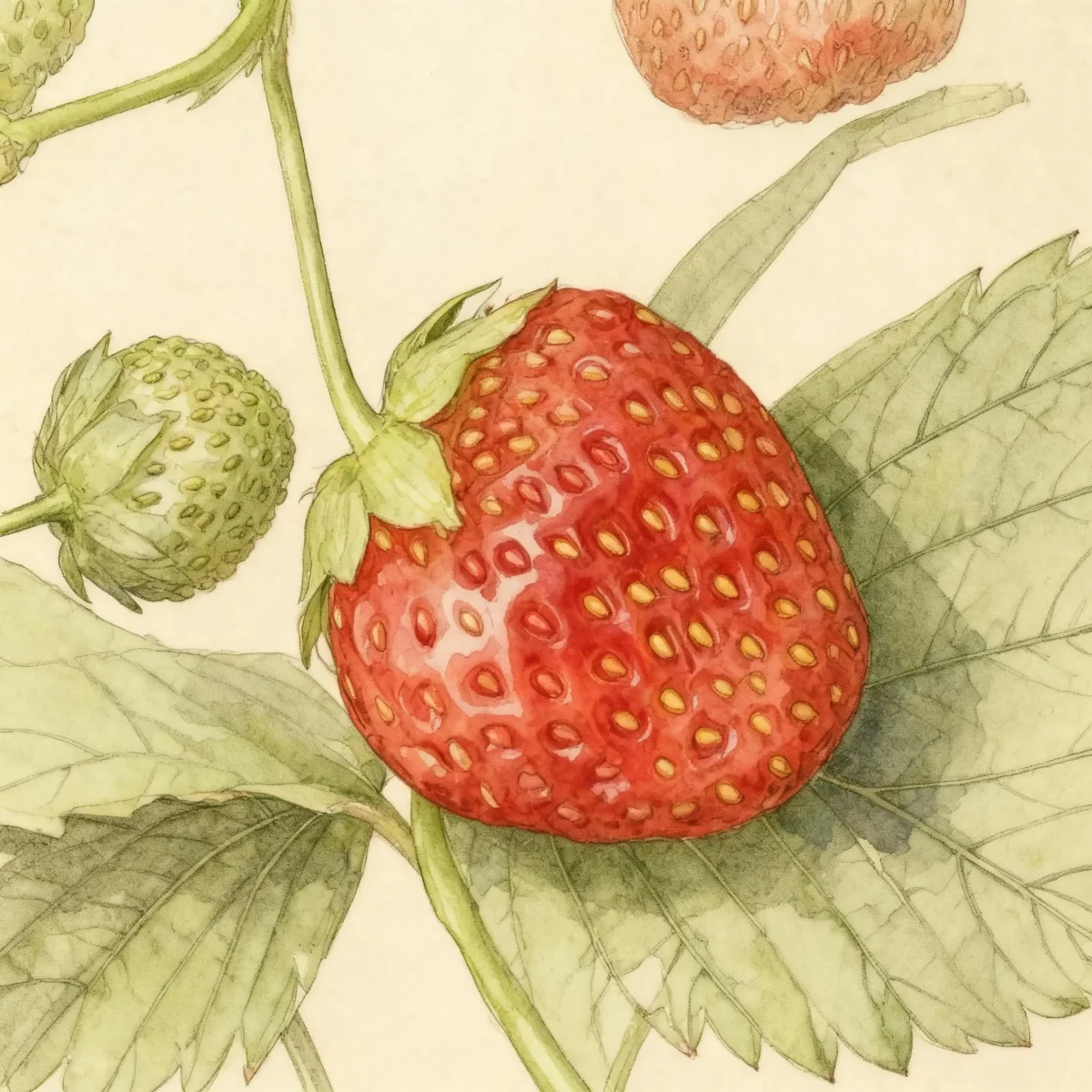
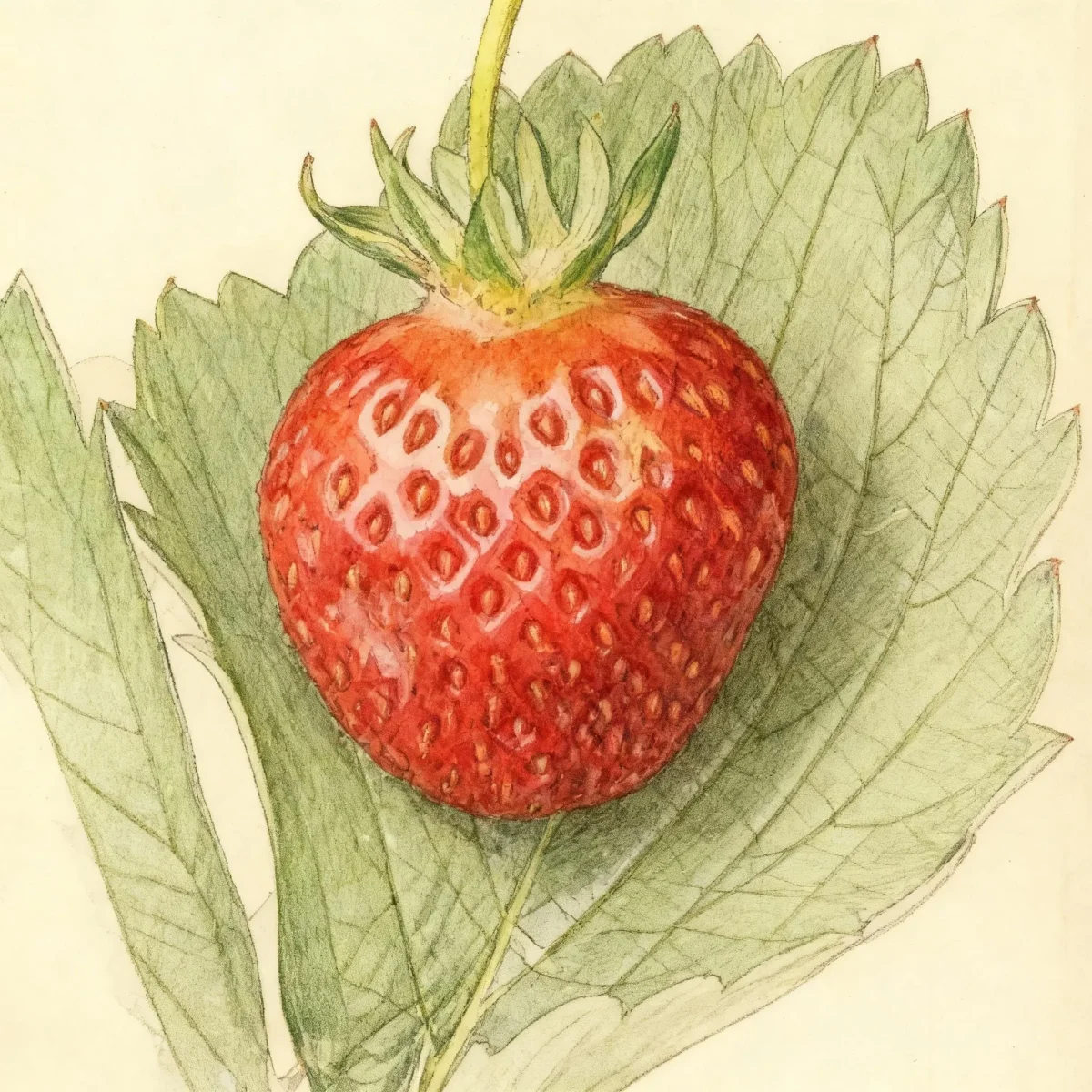
Columnar apple (Malus pumila 'Tuscan' STARK EMERALD SPIRE)
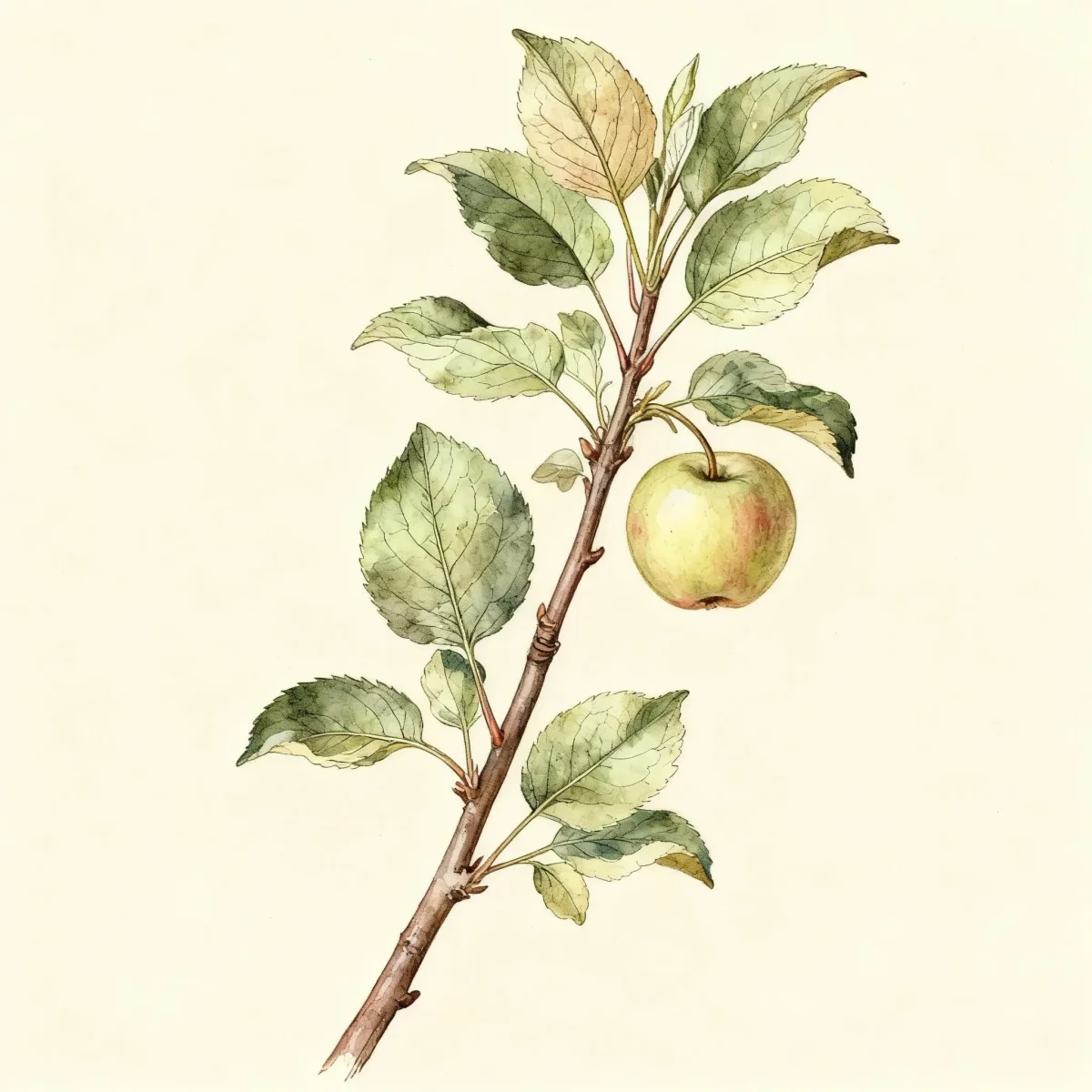
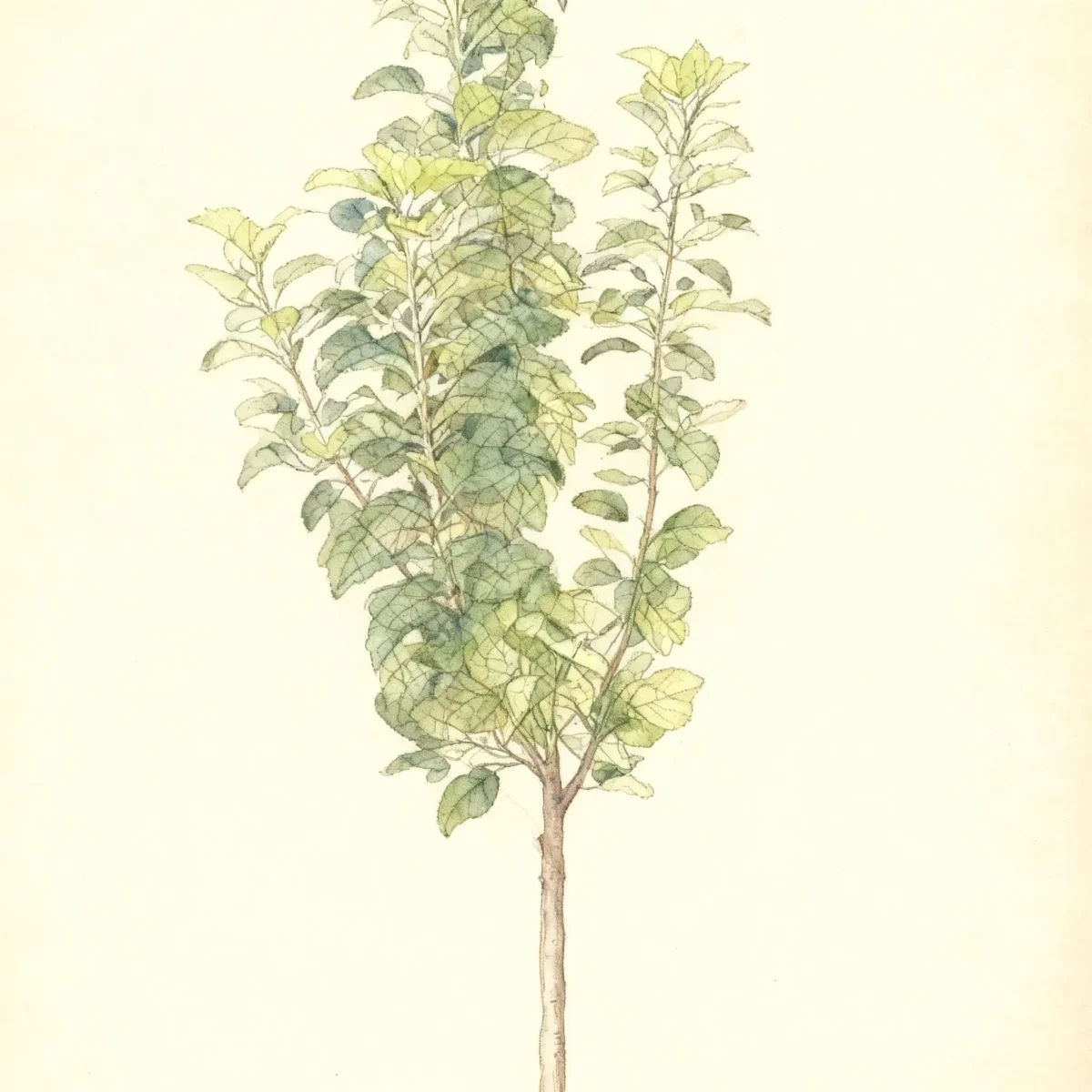
The Malus pumila 'Tuscan' STARK EMERALD SPIRE Columnar apple offers full-sized fruit on a compact, narrow tree ideal for small spaces.
Scroll down to discover growing tips, care requirements, companion plants, and more
Complete Plant Information
Overview
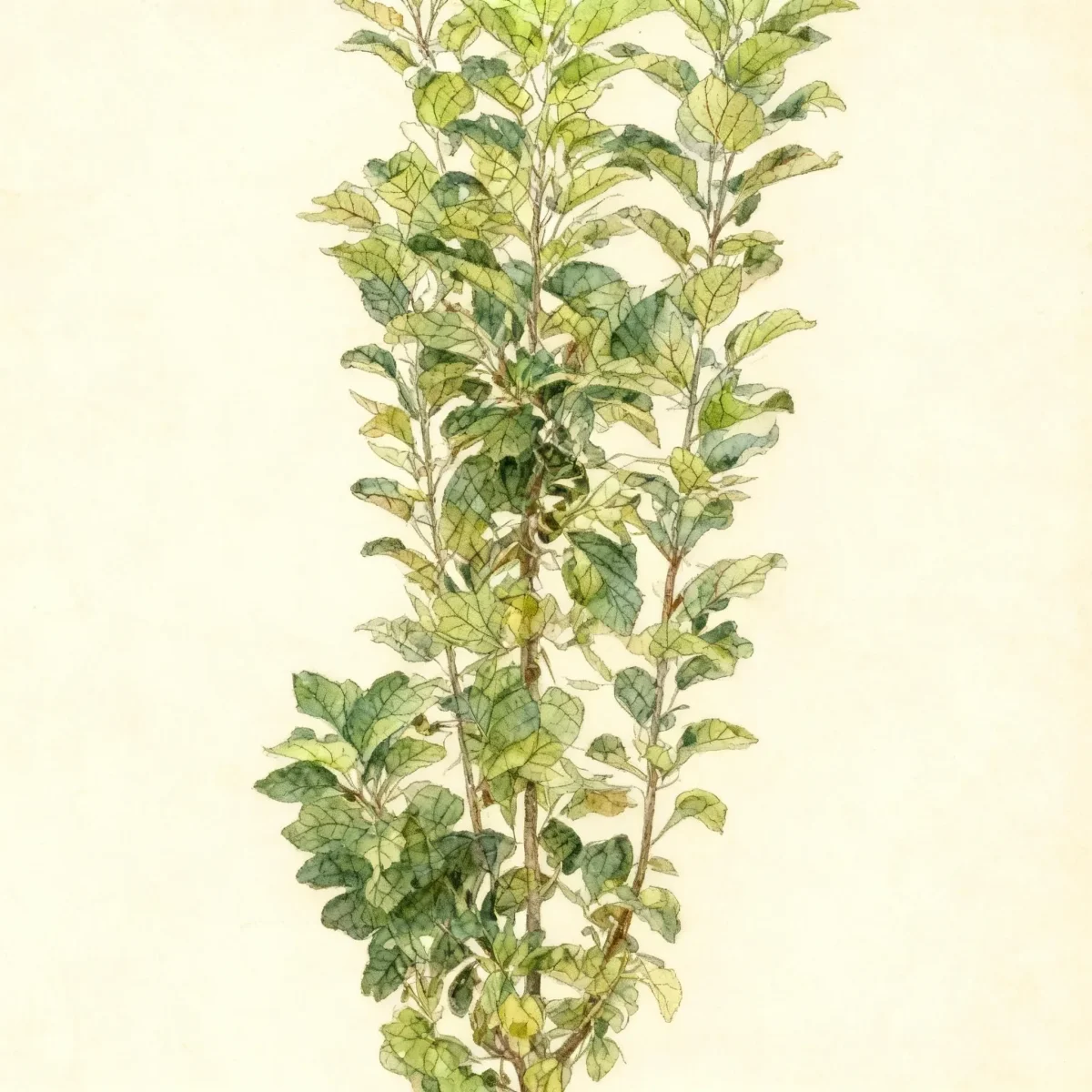
The Malus pumila ‘Tuscan’ STARK EMERALD SPIRE is a highly specialized cultivar prized for its extreme upright growth habit, allowing gardeners with limited space to enjoy traditional apple production. This columnar apple forms a tight, narrow column, typically growing up to 8 feet tall but spreading only 1.5 to 2 feet wide, making it perfect for urban settings or tight borders. In spring, it offers attractive, showy, and fragrant blooms before developing full-sized, edible green apples that ripen in September. Gardeners seeking functionality without sacrificing significant yard real estate should closely consider the benefits of planting the Malus pumila ‘Tuscan’ STARK EMERALD SPIRE.
Fast Facts
- Plant Family: Rosaceae
- Plant Type: Fruit
- Hardiness Zones: USDA Zones 4-8
- Size at Maturity:
- Height: 6-8 ft
- Spread: 1.5-2 ft
- Bloom Time: April
- Bloom Description: Pink or white
- Sun Exposure: Full sun
- Water Needs: Medium
- Maintenance Level: High
How to Grow
Planting the Columnar apple should occur when the soil is workable, favoring well-drained, loamy soil that is slightly acidic and moderately fertile. Full sun is non-negotiable for maximizing flower production and subsequent fruit set on the Malus pumila ‘Tuscan’ STARK EMERALD SPIRE. Avoid heavy, unamended clay soils that retain too much water, as this can lead to root issues. For successful pollination and fruit development, always ensure you plant at least one other compatible apple variety nearby.
Water needs are medium; maintain consistent moisture, especially during dry spells, ensuring the soil remains evenly moist but never waterlogged. Due to the intense focus on size reduction via dwarfing rootstocks, these trees often require higher soil fertility than standard apples to fuel good fruit production. This high maintenance level reflects the need for vigilant care, including regular feeding and monitoring for pests and diseases.
Pruning is crucial for maintaining the desirable columnar form of the STARK EMERALD SPIRE. While this cultivar is inherently compact, occasional selective pruning during the dormant season helps open up the canopy for better air circulation and light penetration, which aids in disease management.
Landscape Uses
The primary appeal of the Malus pumila ‘Tuscan’ STARK EMERALD SPIRE is its ability to deliver excellent fruit yield in a minimal horizontal footprint. As a flowering tree that also produces edible results, it excels in mixed foundation plantings or highly structured formal gardens where vertical interest is prized. This dwarf apple tree is particularly recommended for small areas adjoining a home or apartment balcony, where space is at a premium. Furthermore, the narrow profile of this Columnar apple makes it an excellent candidate for container growing, provided the planter is substantial—at least 17 inches in diameter—to support its root system adequately.
Standout Features
Flower Qualities
- Showy
- Fragrant
Fruit Qualities
- Showy
- Edible
Noteworthy Characteristics
Malus is a genus of about 35 species of deciduous trees and shrubs from Europe, Asia and North America. Edible apple cultivars are typically grafted onto rootstocks to control size; the STARK EMERALD SPIRE typically forms a compact column growing to 8’ tall but only 2’ wide, bearing full-sized, green eating apples which ripen in September. This tree usually begins bearing fruit by its third year, offering early rewards for attentive gardening.
Tolerances
- Air Pollution
Potential Problems
Apple trees, including the Malus pumila ‘Tuscan’ STARK EMERALD SPIRE, face susceptibility to numerous pests and diseases. Major concerns usually involve fire blight, powdery mildew, apple scab, and cedar apple rust, along with insects such as aphids, codling moths, and spider mites. While this specific Columnar apple cultivar reportedly exhibits improved disease resistance, diligent cultural practices remain essential for survival. Proactive monitoring is necessary, and gardeners should be prepared to implement targeted chemical controls if pest or disease pressure becomes severe to protect the expected fruit harvest.
Frequently Asked Questions
What hardiness zones is Columnar apple suitable for?
The Malus pumila ‘Tuscan’ STARK EMERALD SPIRE is suitable for USDA hardiness zones 4 through 8.
How large does Malus pumila ‘Tuscan’ STARK EMERALD SPIRE grow?
This columnar apple typically reaches a mature height between 6 and 8 feet tall, with a narrow spread of just 1.5 to 2 feet wide.
What sun exposure does Columnar apple need?
The STARK EMERALD SPIRE requires full sun exposure to ensure the best possible flower and fruit production throughout the season.
When does Malus pumila ‘Tuscan’ STARK EMERALD SPIRE bloom?
It blooms in April, typically displaying attractive pink or white flowers.
Conclusion
The Malus pumila ‘Tuscan’ STARK EMERALD SPIRE offers a rare combination of high yields and extreme vertical habit, making it an indispensable choice for space-constrained fruit enthusiasts. Cultivating this Columnar apple requires high maintenance due to its dwarfed nature, but the reward is home-grown, full-sized apples. Before purchasing, confirm that your site provides the required full sun and that you have a viable pollinator nearby, then plan your planting for the optimal early spring window.
Companion Planting
When planning a small space garden around your STARK EMERALD SPIRE Columnar apple, selecting companions that share similar cultural demands for full sun and medium water is key. Avoid planting invasive or aggressive root systems too close, as these could compete with the grafted rootstock. Consider low-growing herbs like thyme or chives at the base, provided you do not impede access for essential pollination checks. These low growers can help keep the soil surface cool without demanding deep moisture that might conflict with localized watering needs for the fruit tree.
Seasonal Care Calendar
Seasonal management directly impacts the performance of your Malus pumila ‘Tuscan’ STARK EMERALD SPIRE. During late winter dormancy, conduct any necessary structural pruning to maintain the slender column and improve airflow into the canopy. In early spring, right before bud break, monitor closely and apply preventative fungicides or insecticides if you noticed severe disease pressure the previous season. Summer requires consistent medium watering, especially during heat waves, and careful fruit thinning, as these trees often set more fruit than their compact structure can support well. In autumn, harvest the edible apples when they develop their characteristic green color with a golden blush, and ensure the soil around the base is clear of debris before winter sets in.