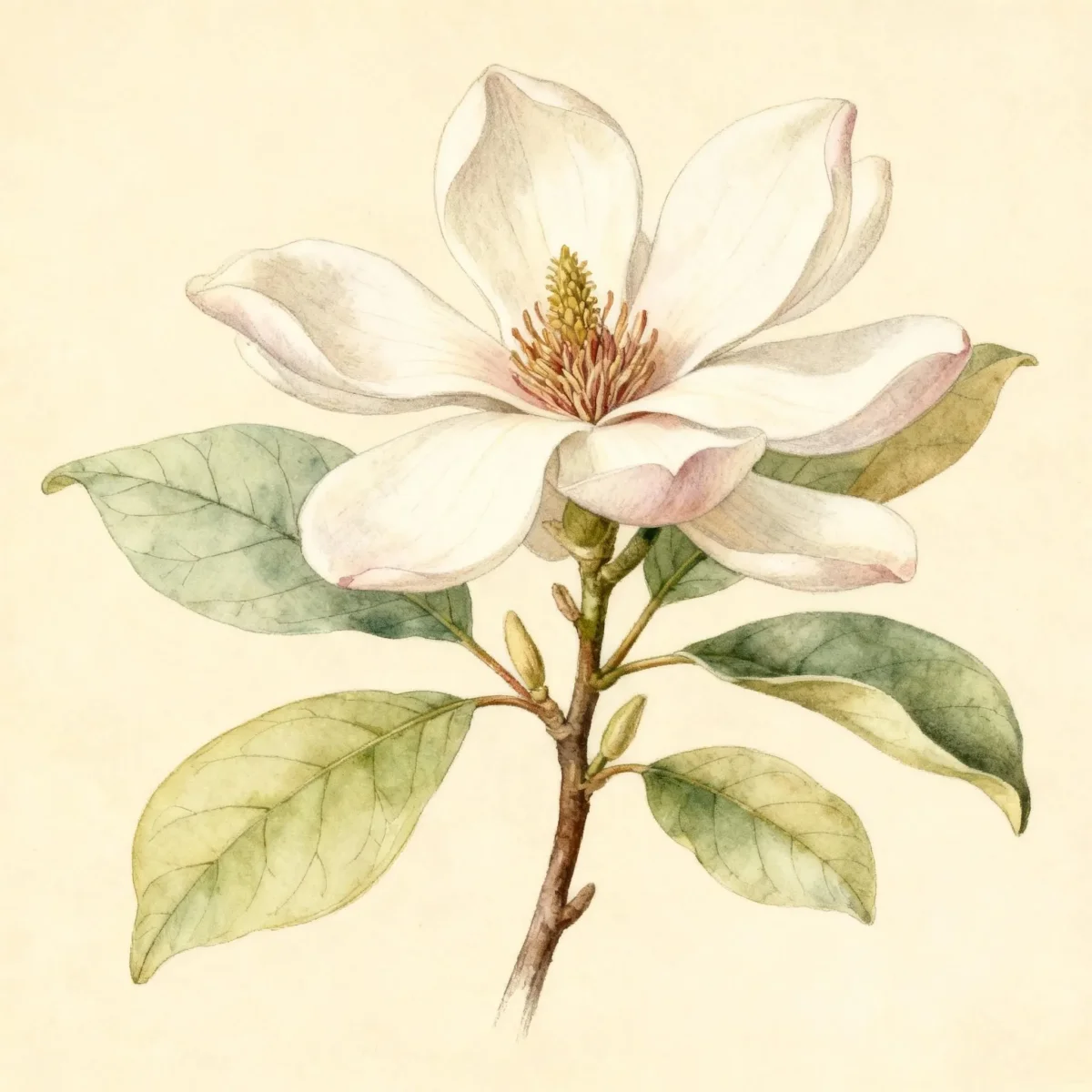
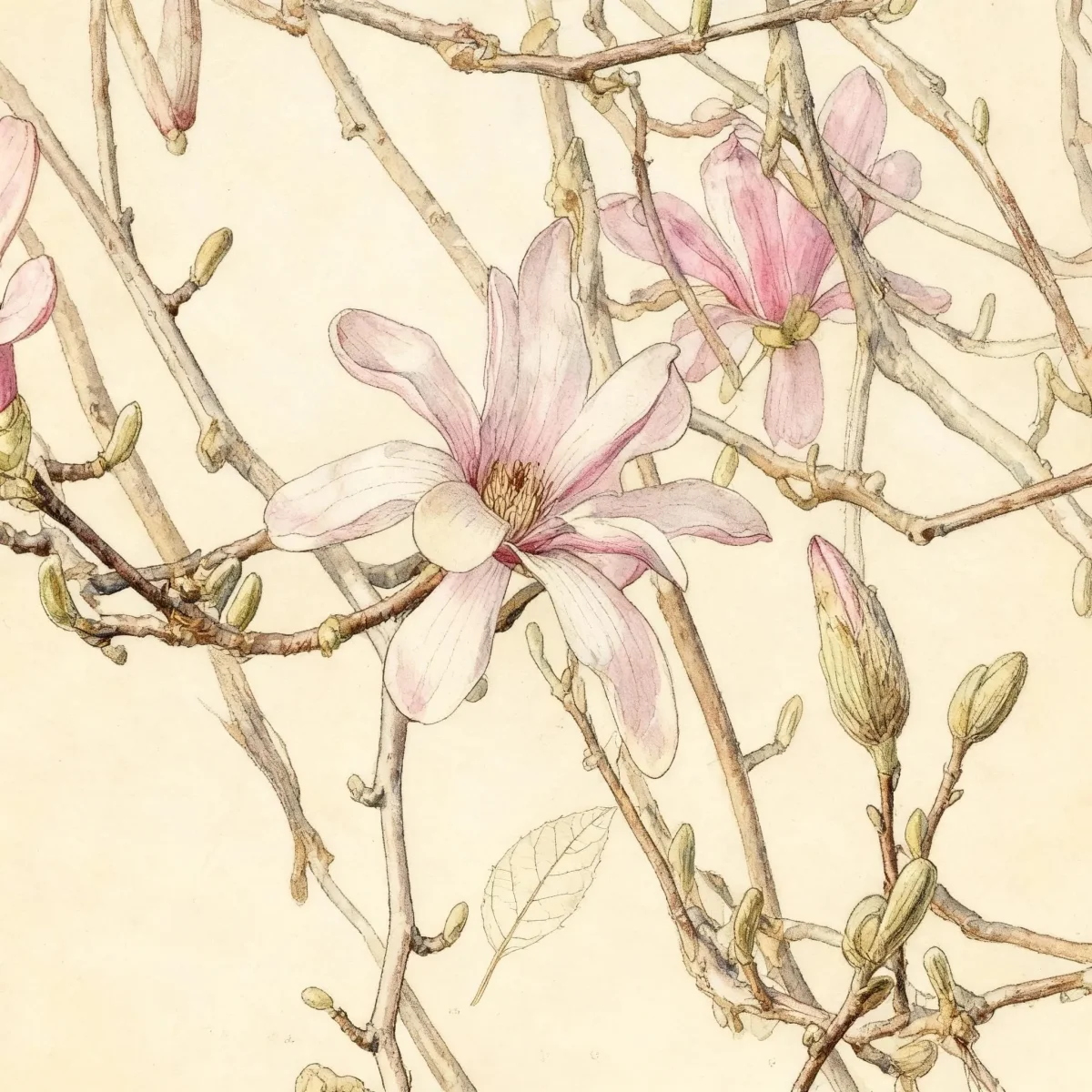
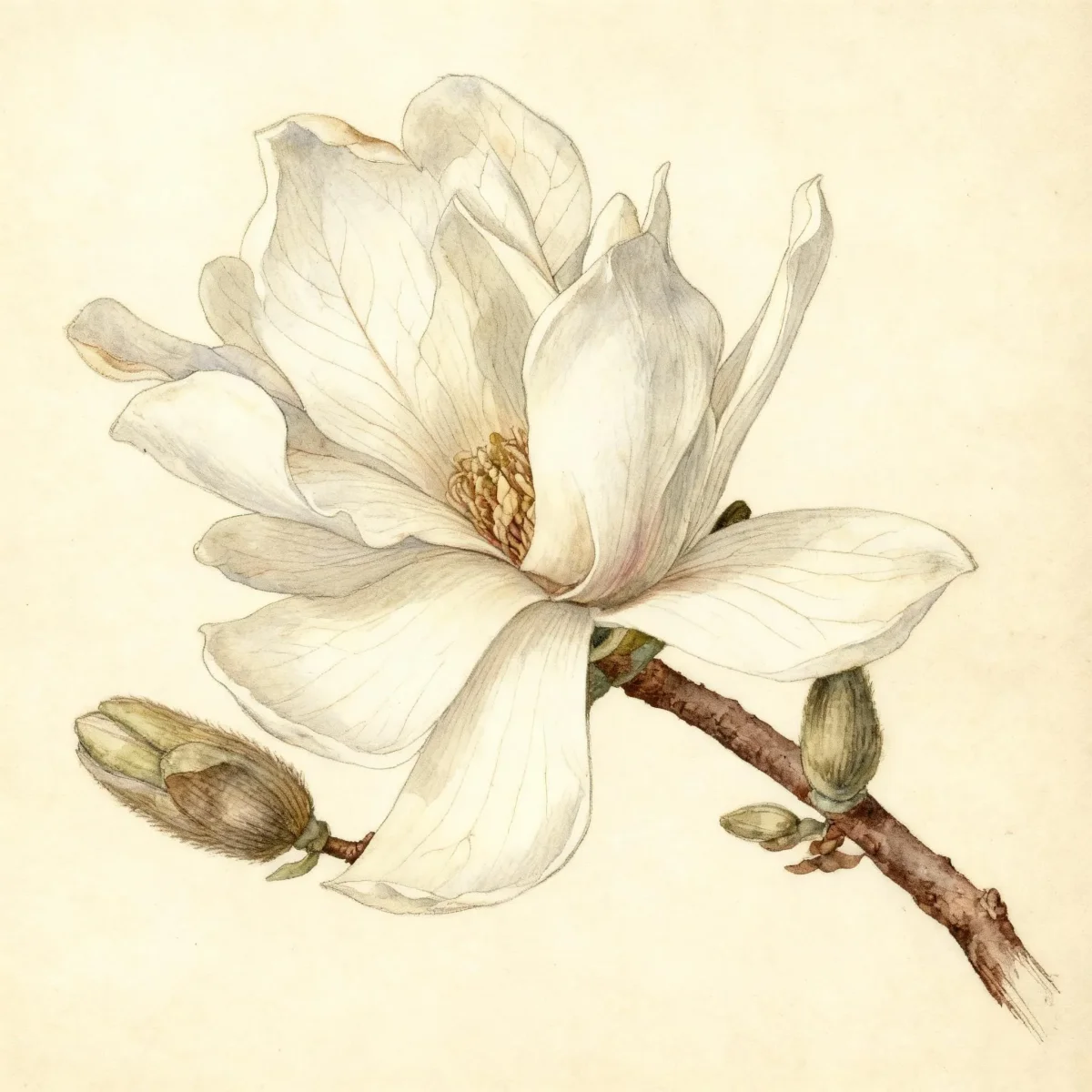
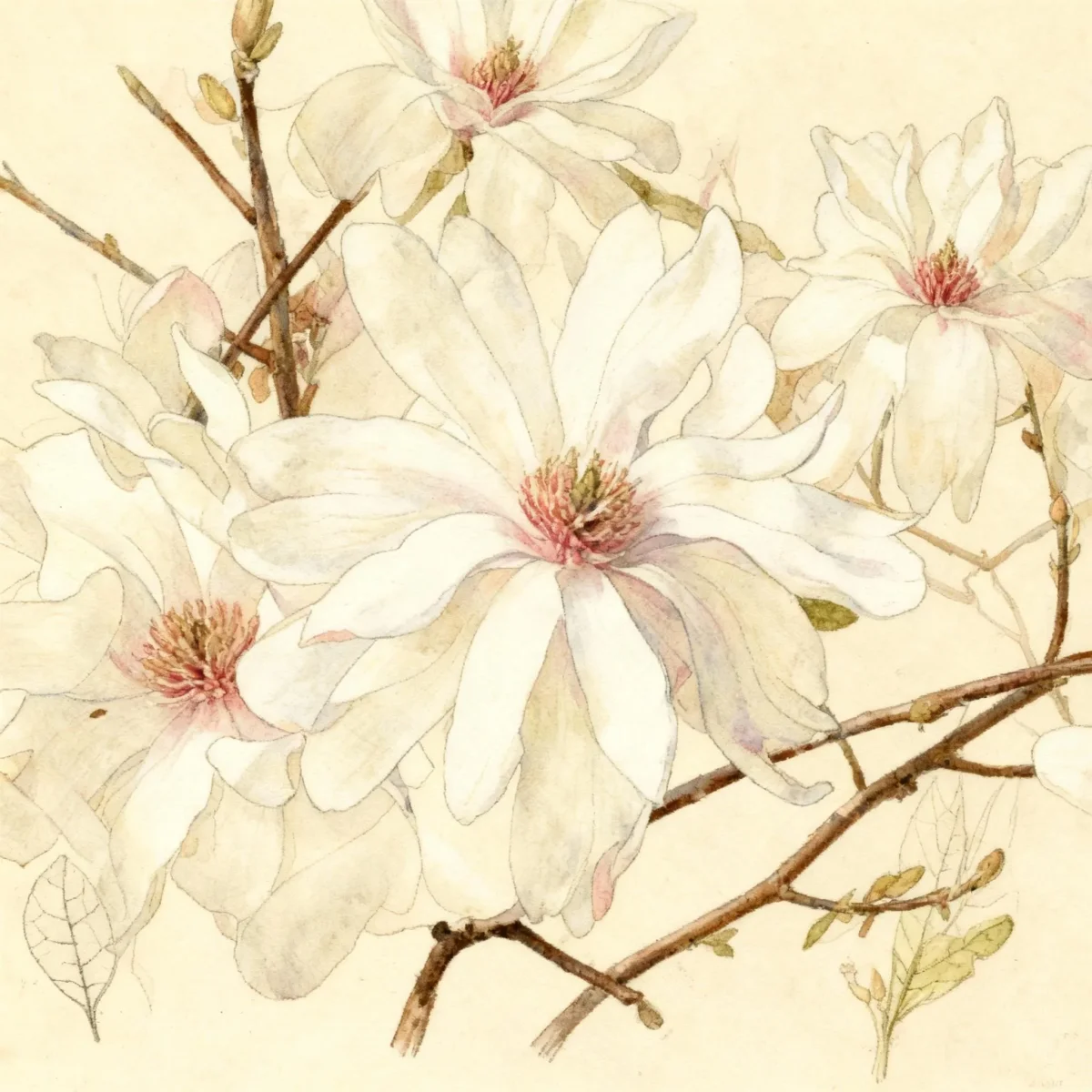
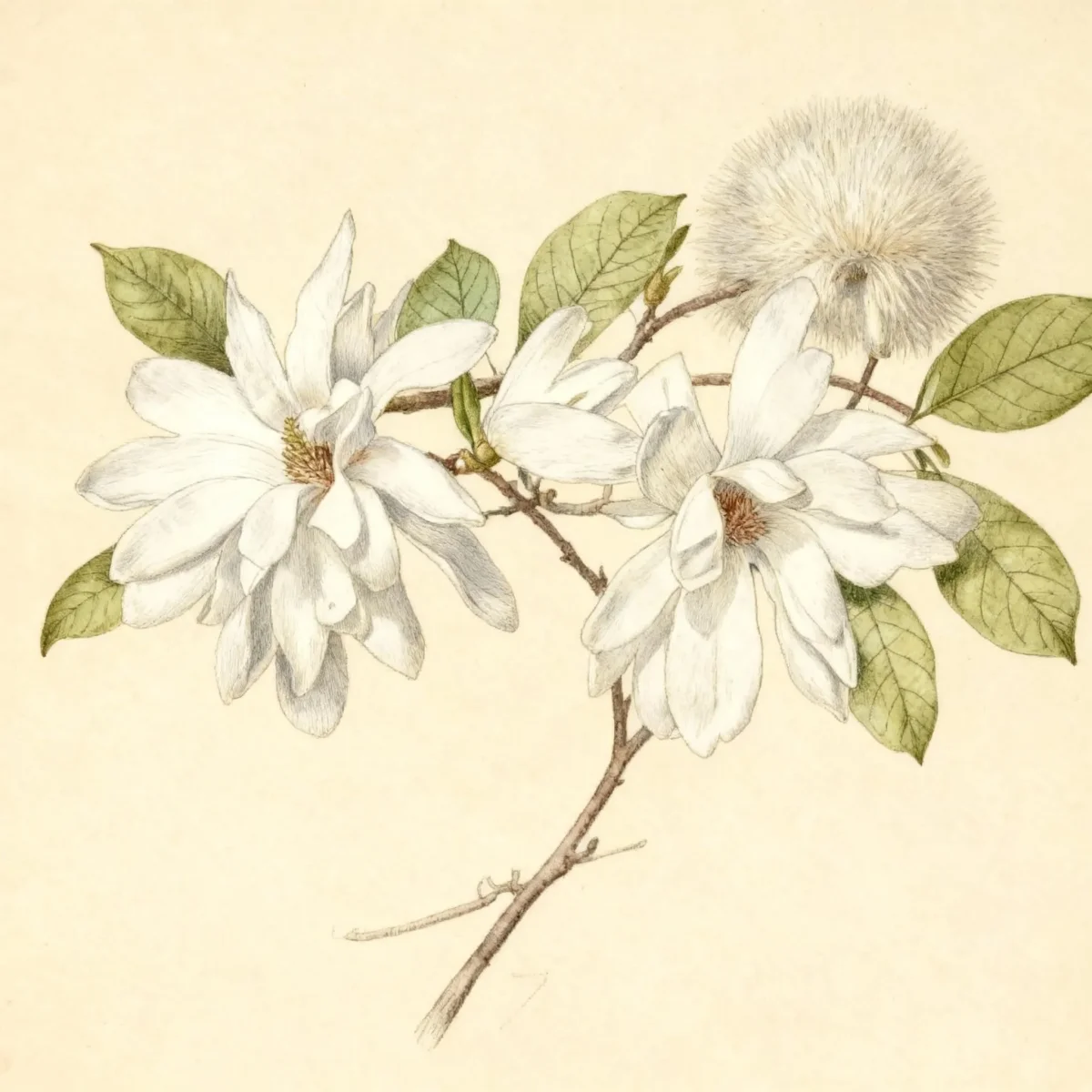
Magnolia (Magnolia 'Jane')
Magnolia 'Jane' is a late-blooming ornamental tree offering showy reddish-purple flowers. Hardy in Zones 4-8, this Magnolia requires medium care.
Scroll down to discover growing tips, care requirements, companion plants, and more
Complete Plant Information
Overview
Magnolia ‘Jane’ is a highly valued hybrid, recognized primarily for its unique ability to delay blooming relative to many other magnolias. This characteristic makes the distinctive reddish-purple flowers significantly less susceptible to damage from late spring frosts, a major benefit for gardeners in cooler climates. Belonging to the Little Girl Series, this specific Magnolia cultivar provides reliable color and structure.
This slow-growing, deciduous tree develops a compact, upright habit, reaching manageable heights perfect for smaller landscapes or as a specimen planting. Once established, the Magnolia ‘Jane’ offers substantial visual interest, transitioning from striking spring blooms to deep green summer foliage, culminating in warm yellow or bronze-copper fall tones.
For the gardener seeking low-risk springtime spectacle, Magnolia ‘Jane’ delivers large, cup-shaped flowers that emerge just before the leaves. Its reliable performance and refined size ensure this specific Magnolia remains a popular choice among landscape professionals.
Fast Facts
- Plant Family: Magnoliaceae
- Plant Type: Tree
- Hardiness Zones: USDA Zones 4-8
- Size at Maturity:
- Height: 20-25 ft
- Spread: 15-20 ft
- Bloom Time: April to May
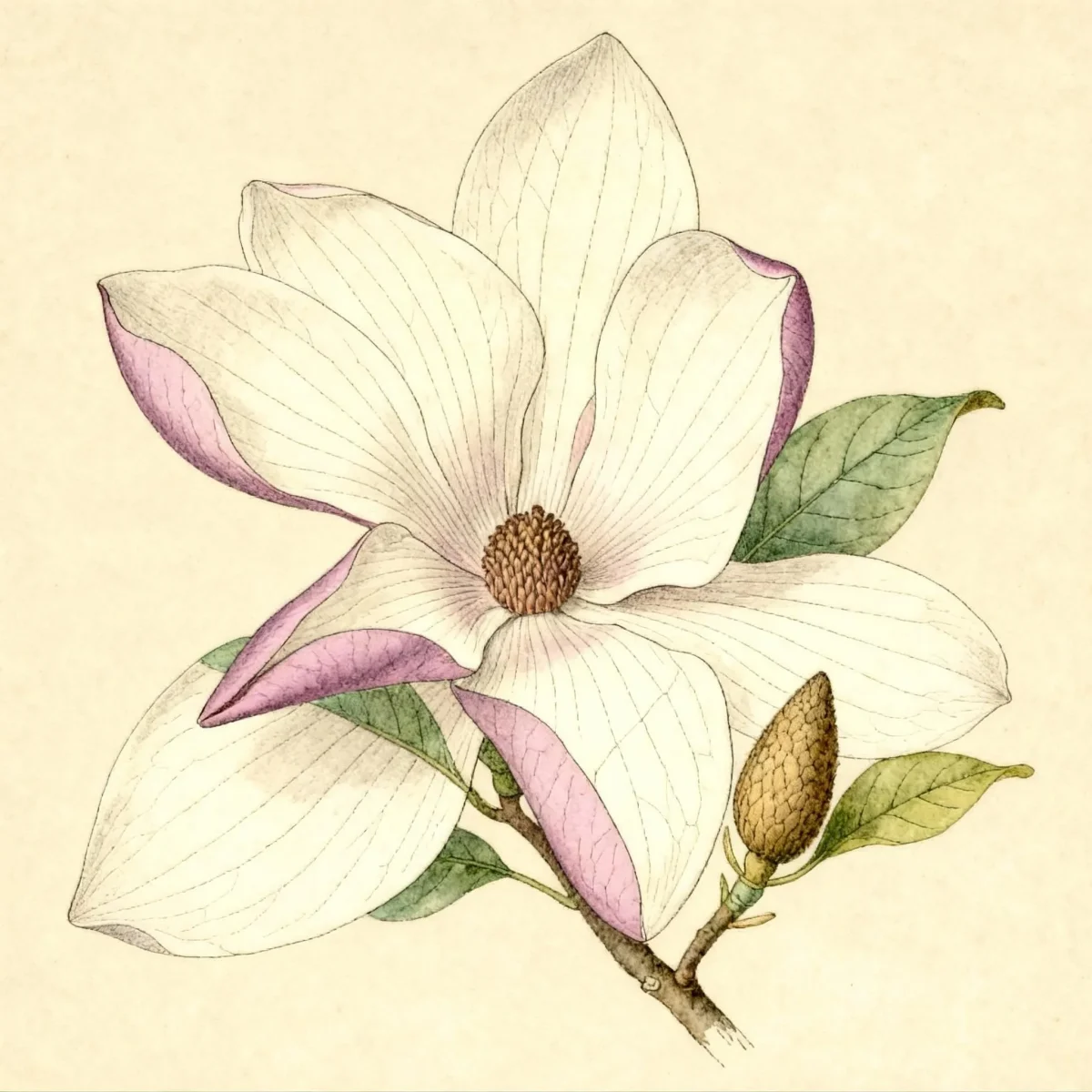
- Bloom Description: Reddish purple with white interior
- Sun Exposure: Full sun to part shade
- Water Needs: Medium
- Maintenance Level: Medium
How to Grow
Planting Magnolia ‘Jane’ should occur during the cooler seasons—fall or early spring—to minimize transplant shock. Choose a location that provides organically rich, neutral to slightly acidic soil that is consistently moist but exceptionally well-drained. The fleshy root system of this Magnolia is easily damaged; therefore, select the final site with care and avoid moving it once established. Site it away from structures that might catch falling debris, and ensure it receives full sun to part shade.
Maintain medium moisture levels, especially during dry periods, recognizing that this coverage appreciates a consistent application of root-zone mulch to help retain vital soil moisture. It is also beneficial to protect plants from harsh, strong winds. Furthermore, avoid warm southern exposures, as these can trick the buds into opening prematurely, leading to frost damage, even though Magnolia ‘Jane’ blooms later than many other species.
Pruning for Magnolia ‘Jane’ should be minimal, usually limited to removing any dead or damaged branches. If pruning is necessary, perform this task immediately after the spring blooming period concludes. The late bloom time of this specific Magnolia cultivar is one of its greatest assets, significantly lessening the risk associated with unpredictable spring weather patterns common in USDA Zones 4 through 8.
Landscape Uses
The versatility of Magnolia ‘Jane’ makes it an excellent focal point or structural element in residential designs. It excels as a beautiful specimen flowering shrub, drawing the eye with its initial burst of color. Because of its naturally compact, upright growth, it functions perfectly near foundations or as a structure within shrub borders where space might be limited compared to larger Magnolia species.
Consider utilizing Magnolia ‘Jane’ in woodland peripheries where it can benefit from dappled shade or integrate it into mixed borders to provide mid-story height. It can also be effectively pruned or allowed to grow naturally into a tall, informal hedge, offering season-long structure and seasonal privacy. Pairing it with early spring bulbs keeps the garden interesting before the main bloom.
Standout Features
Flower Qualities
- Showy
Noteworthy Characteristics
The genus Magnolia encompasses about 100 species of deciduous or evergreen trees and shrubs, often boasting large leaves and showy flowers. Magnolia ‘Jane’ is a specific cross bred at the National Arboretum, part of the Little Girl Series developed to flower later than standard magnolias. This slow-growing, multi-stemmed tree features cup-shaped, reddish-purple flowers with white interiors that bloom before the foliage emerges, sometimes repeating bloom sporadically in mid-summer.
Tolerances
- Clay Soil
- Air Pollution
Potential Problems
While generally robust, gardeners should monitor Magnolia ‘Jane’ for common fungal issues such as leaf spots, anthracnose, and powdery mildew, which can increase in humid conditions. Proactively manage sanitation in the fall to remove infected debris. Insect pests like scale, thrips, weevils, and snails can sometimes cause cosmetic damage. Ensure good air circulation and avoid overhead watering to reduce disease pressure, and promptly treat any confirmed infestations with appropriate horticultural oils or controls.
Frequently Asked Questions
What hardiness zones is Magnolia ‘Jane’ suitable for?
Magnolia ‘Jane’ thrives in USDA Hardiness Zones 4-8.
How large does Magnolia ‘Jane’ grow?
This cultivar typically reaches a mature height between 20 to 25 feet, with a spread ranging from 15 to 20 feet wide.
When does Magnolia ‘Jane’ bloom?
This specific Magnolia blooms reliably from April into May, showcasing reddish purple flowers with distinct white interiors.
What sun exposure does Magnolia ‘Jane’ need?
For best flowering and health, plant Magnolia ‘Jane’ where it will receive full sun to part shade exposure.
Conclusion
Magnolia ‘Jane’ provides a spectacular, late-season floral display, mitigating the risk of spring frost damage that plagues earlier-blooming varieties. Its manageable size and tolerance for slight soil imperfections make this handsome Magnolia a versatile, rewarding addition to nearly any yard plan. Check your local USDA zone compatibility and plan your planting for the best start this season.
Companion Planting
Choosing the right neighbors ensures Magnolia ‘Jane’ maintains its health and aesthetic appeal. Companion plants should share similar cultural requirements, primarily favoring neutral to slightly acidic soil and medium moisture. Consider planting lower-growing, acid-loving shrubs like Azaleas or Rhododendrons beneath the canopy line, ensuring these companions do not overly compete with the Magnolia’s easily damaged, shallow root system.
For ground cover beneath the drip line, use mulch liberally as recommended for Magnolia ‘Jane’ retention. If you desire additional early spring color near the crown, select low-growing perennials that don’t require deep cultivation, such as Hosta varieties (which tolerate the shaded understory) or Astilbe, which appreciates consistent moisture.
Design Ideas
The upright, multi-stemmed structure of Magnolia ‘Jane’ lends itself perfectly to creating an informal screen or backdrop against a fence or property line, functioning admirably as a tall hedge. When placed as a specimen, ensure it has enough room to spread to its mature 15-20 foot width to allow appreciation of its spring blooming habit from all sides. It also integrates beautifully into woodland garden concepts, where its canopy acts as a transition layer between taller shade trees and ground-level plantings.