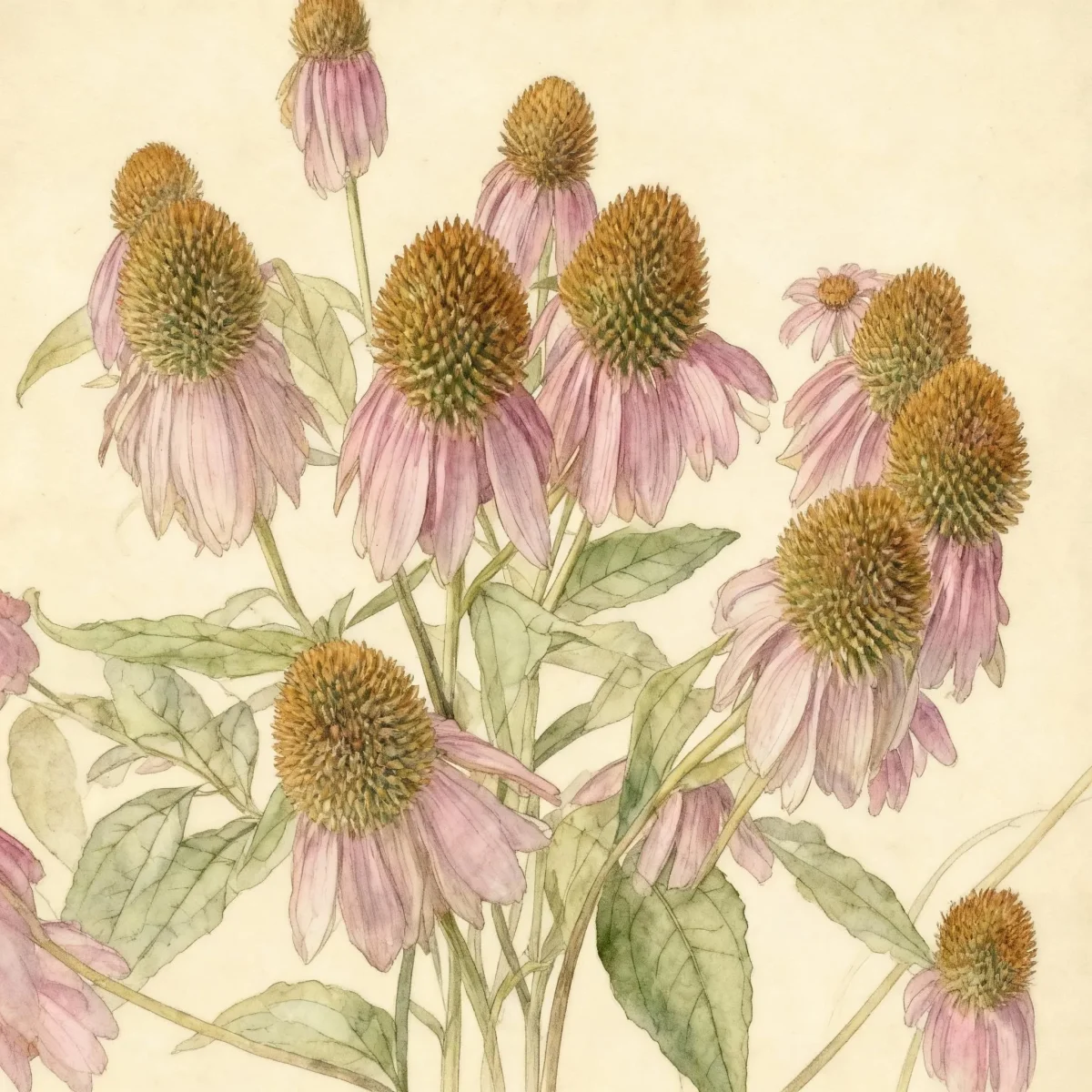
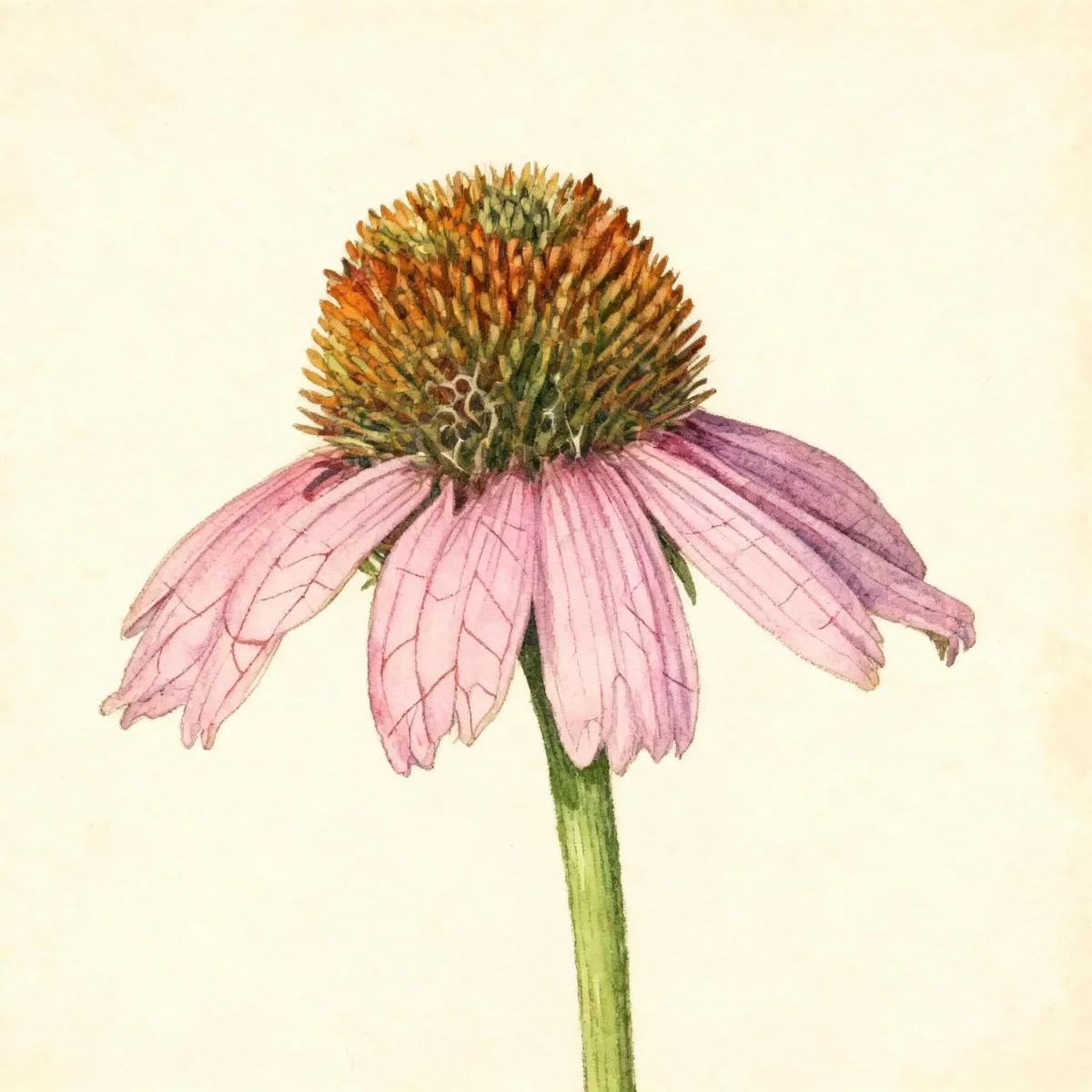
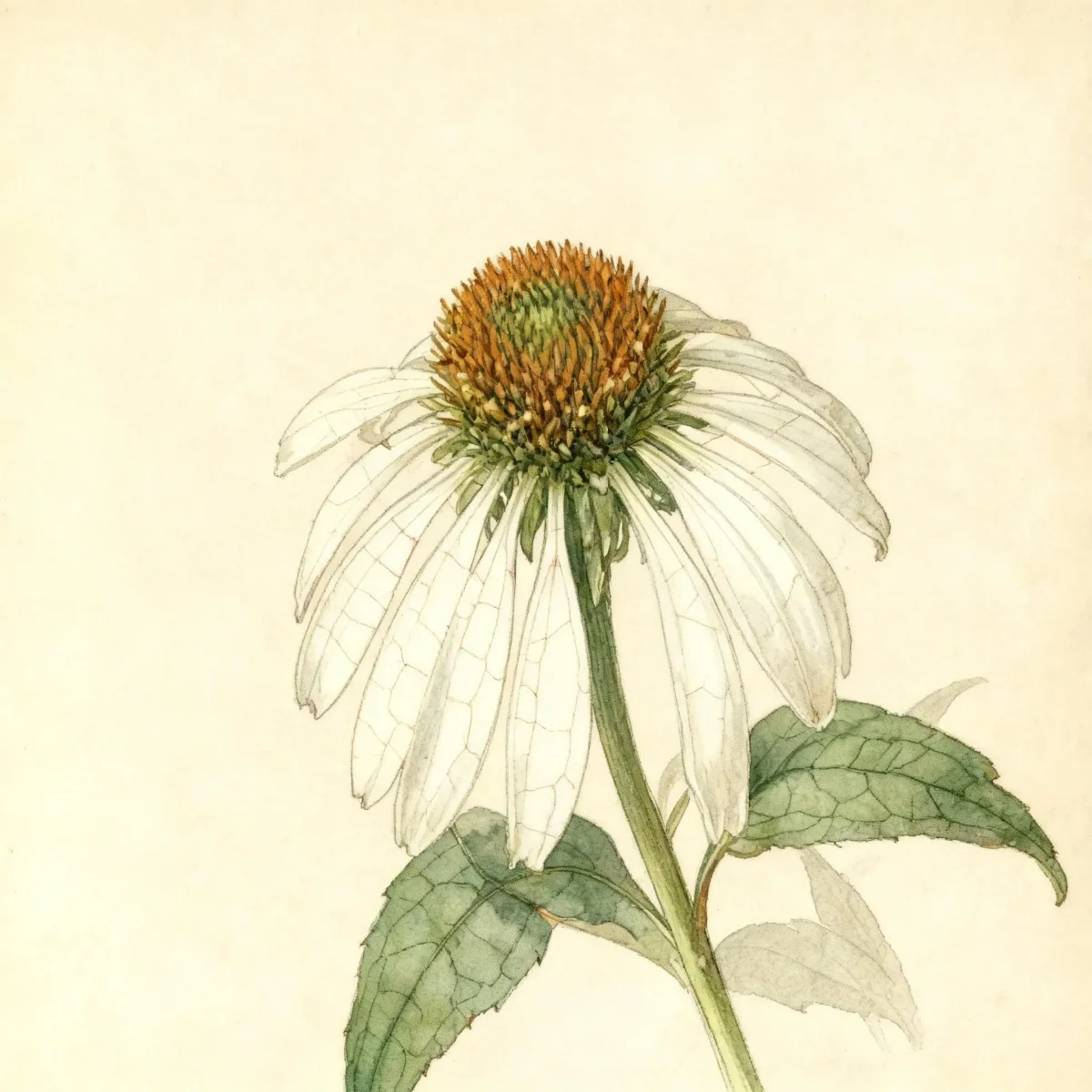
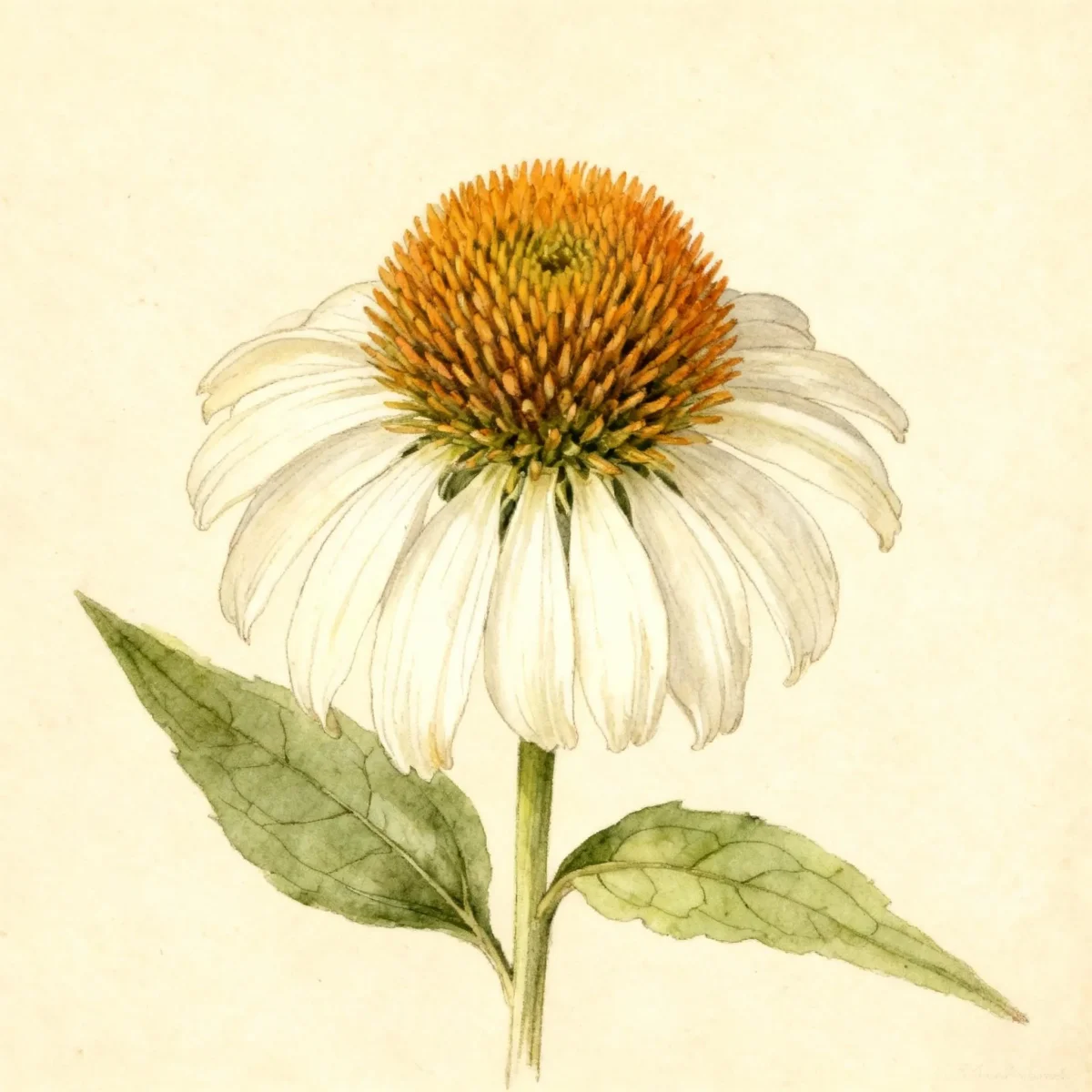
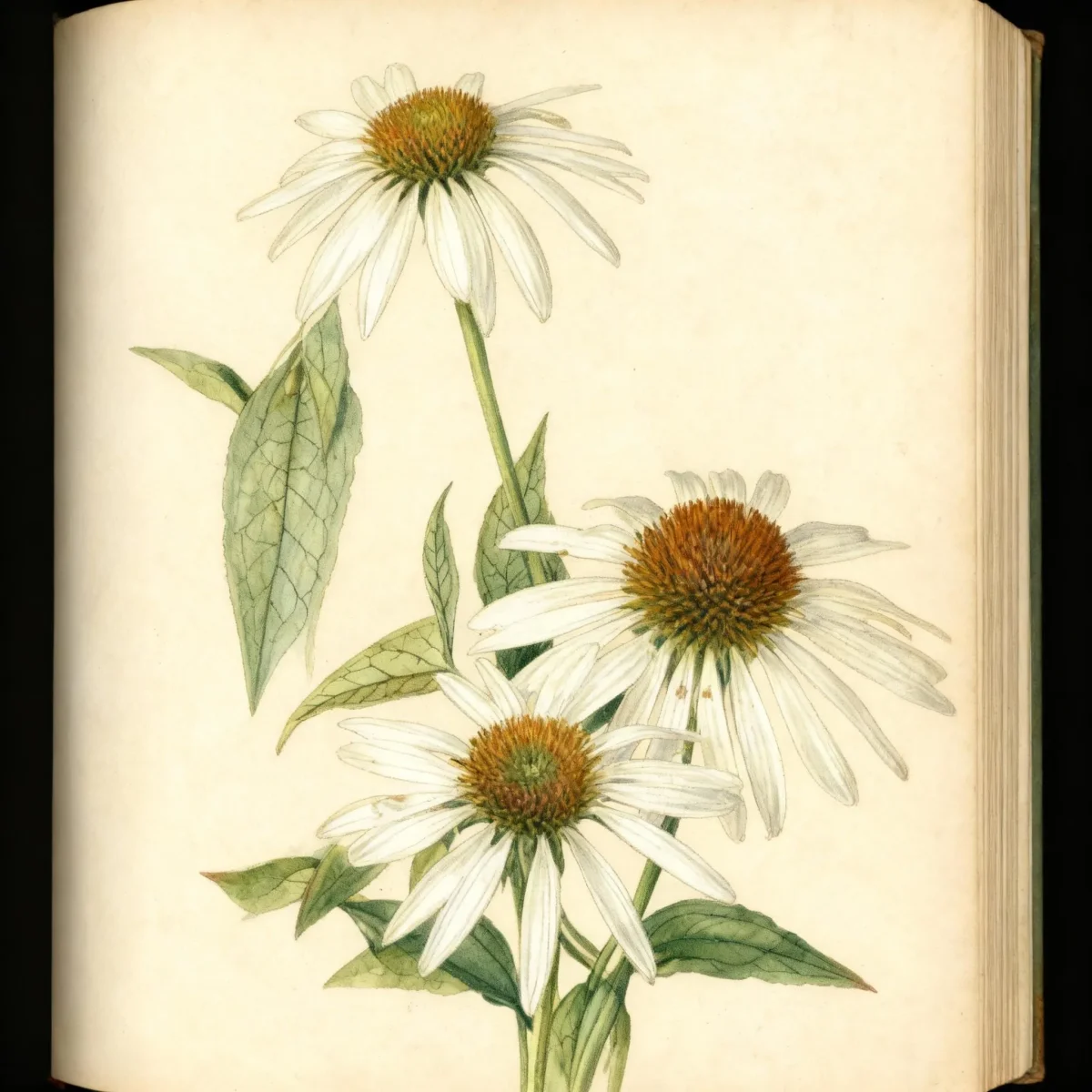
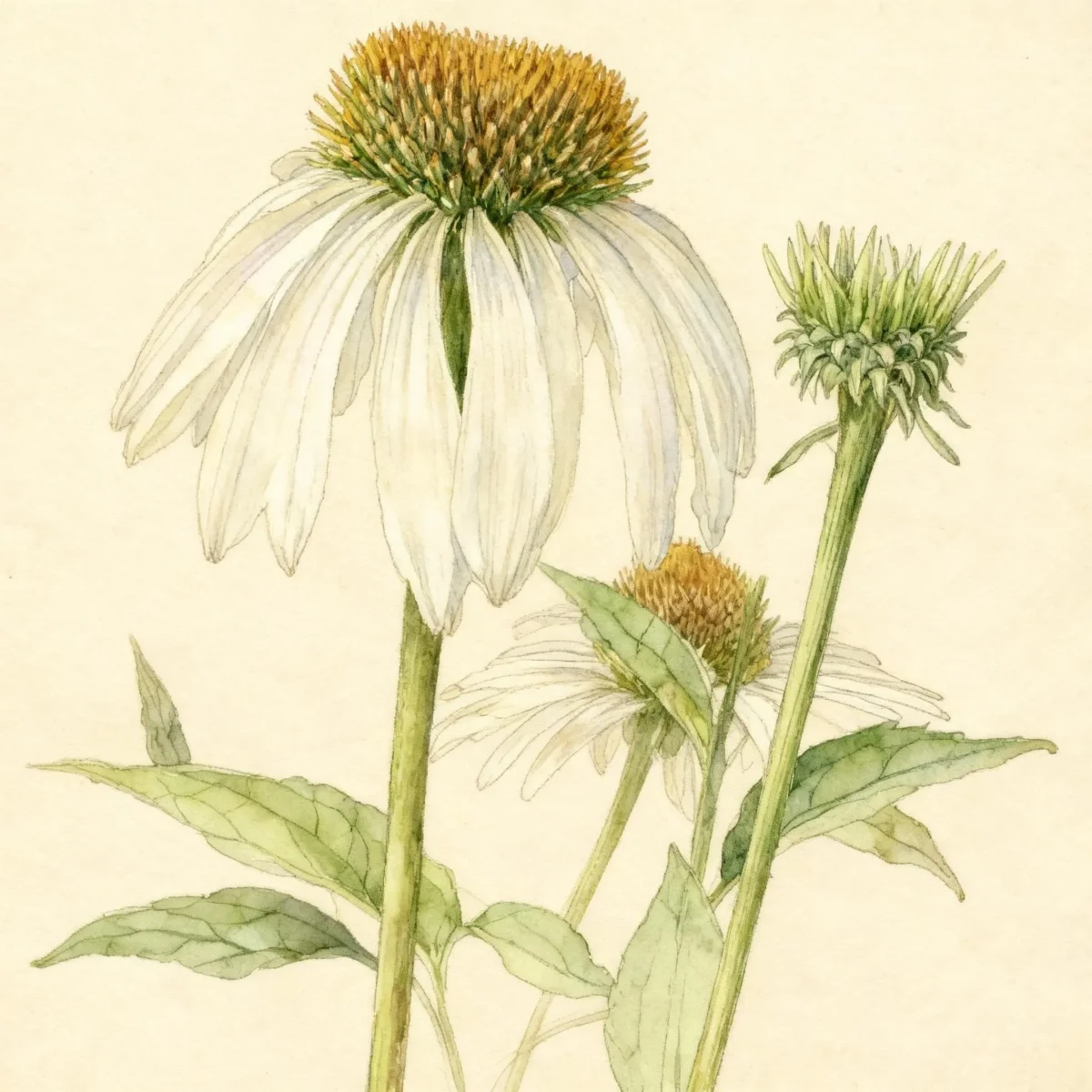
Purple coneflower (Echinacea 'Raspberry Tart')
Echinacea 'Raspberry Tart' is a compact, low-maintenance Purple coneflower blooming June-August. Ideal for sunny borders.
Scroll down to discover growing tips, care requirements, companion plants, and more
Complete Plant Information
Overview
Echinacea ‘Raspberry Tart’ is a highly desirable cultivar of the iconic Purple coneflower, prized for its reliable performance and vibrant summer color. This herbaceous perennial offers showy, raspberry-magenta blooms that continue reliably from early summer into fall, providing long-lasting appeal in perennial borders. As an adaptable species, the Purple coneflower establishes easily, thriving even in challenging conditions, which makes Echinacea ‘Raspberry Tart’ a fantastic addition for both novice and expert gardeners. Furthermore, its flowers are highly attractive to essential insect pollinators, and the remaining seed heads feed winter birds, boosting garden biodiversity.
Fast Facts
- Plant Family: Asteraceae
- Plant Type: Herbaceous perennial
- Hardiness Zones: USDA Zones 3-8
- Size at Maturity:
- Height: 1.5-2 ft
- Spread: 1-1.5 ft
- Bloom Time: June to August
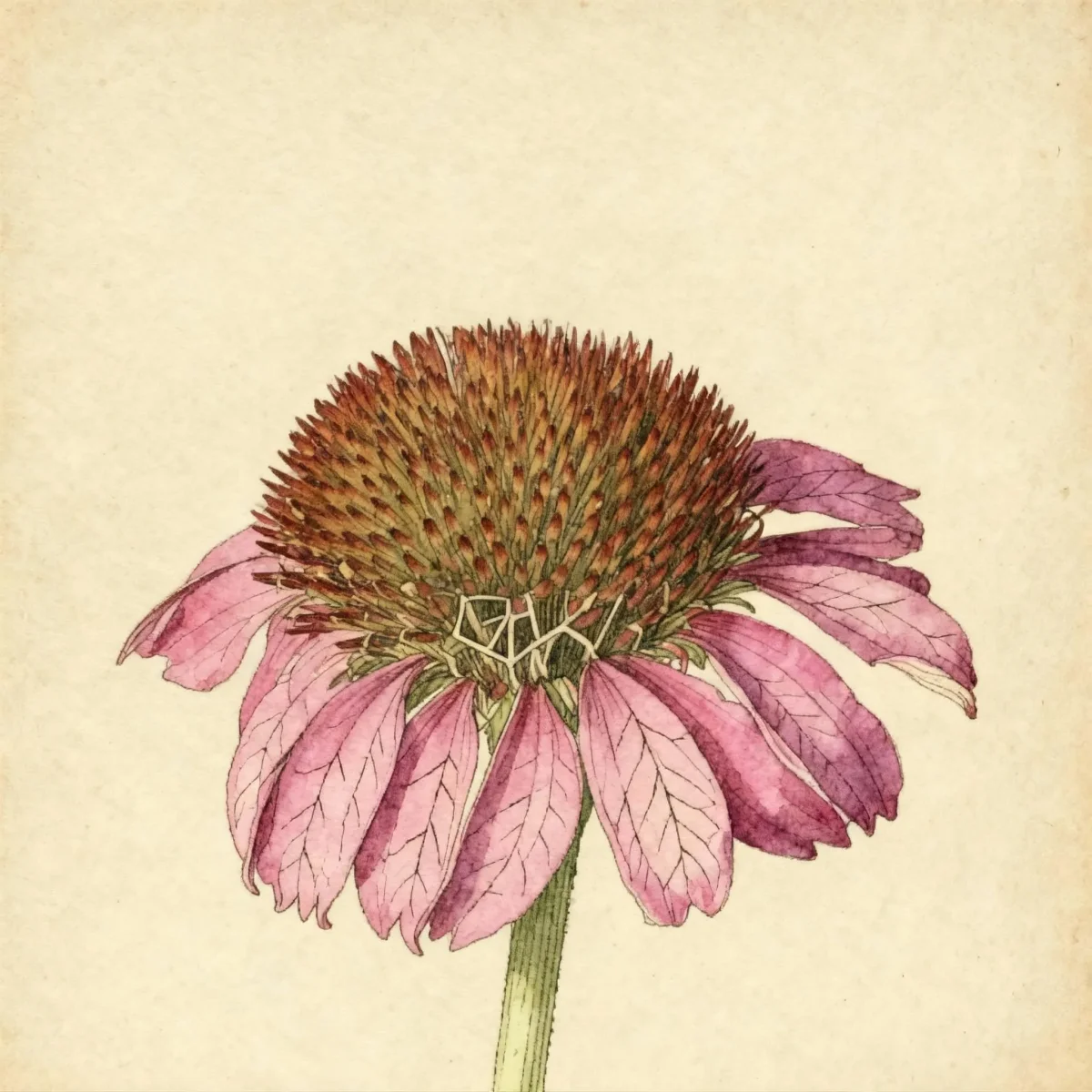
- Bloom Description: Rasberry rays with orange-brown center disk
- Sun Exposure: Full sun to part shade
- Water Needs: Dry to medium
- Maintenance Level: Low
How to Grow
The best time to establish Echinacea ‘Raspberry Tart’ is in spring or fall, ensuring the plant has time to settle roots before facing extreme summer heat or winter cold. Plant in well-drained soil; while it tolerates various mediums, drainage is key to preventing root rot. Although it prefers full sun for the best flowering performance, this Purple coneflower will adapt to partial shade.
Once established, care for this plant is minimal. Echinacea ‘Raspberry Tart’ is remarkably drought-tolerant, requiring only occasional watering, especially during prolonged dry spells. Avoid over-fertilizing, as rich soil can lead to weak, floppy stems. Deadheading spent flowers is not strictly necessary for rebloom, but prompt removal encourages a tidier appearance and prolonged blooming into early September.
If clumps become excessively crowded, typically every four years, late winter or early spring division is recommended to maintain vigor. Be prepared for the dead flower stems to remain upright through winter, offering structure to the dormant garden, or cut them back during routine spring cleanup.
Landscape Uses
Echinacea ‘Raspberry Tart’ shines when planted in groupings or massed displays, creating sweeping drifts of color reminiscent of native prairies. Due to its manageable 1.5 to 2-foot height, it is perfectly suited for the front lines of mixed borders, adding structure without obscuring shorter perennials. Consider using this durable cultivar in rock gardens where its tolerance for dry, even shallow-rocky soil proves invaluable.
This versatile plant works well alongside other sun-loving perennials that share similar dry-to-medium water needs, such as ornamental grasses, Russian Sage (Perovskia), or Coreopsis. Its upright habit also makes it an attractive specimen or accent plant near entryways or along pathways, where its beauty and long blooming season can be fully appreciated.
Standout Features
Flower Qualities
- Showy
- Fragrant
Noteworthy Characteristics
Genus name of Echinacea comes from the Greek word echinos meaning hedgehog or sea urchin in reference to the spiny center cone found on most flowers in the genus. ‘Raspberry Tart’ is a compact purple coneflower that typically grows in an upright clump to 18” tall and spreads to as much as 24” wide on stems clad with toothed, tapering, narrow-ovate, dark green leaves. Mildly fragrant, daisy-like coneflowers with raspberry-magenta rays and orange-bronze central cones bloom from June to early September, sometimes with sporadic later bloom to frost.
Tolerances
- Deer
- Drought
- Clay Soil
- Dry Soil
- Shallow-Rocky Soil
Potential Problems
All coneflowers are susceptible to aster yellows and various fungal and bacterial leaf spots. Watch for erythroid mites and Japanese beetles. Japanese beetle, powdery mildew, and fungal leaf spots are occasional problems requiring vigilance. Controlling these issues often involves ensuring excellent air circulation around the plants, which is achieved by following correct spacing guidelines and avoiding overcrowding. If Japanese beetles become persistent, manual removal early in the morning is often the most effective cultural control for Echinacea ‘Raspberry Tart’.
Frequently Asked Questions
What hardiness zones is Purple coneflower suitable for?
Echinacea ‘Raspberry Tart’ is robustly hardy across USDA Zones 3 through 8, making it highly adaptable across much of North America.
How large does Purple coneflower grow?
This compact variety typically reaches a height between 1.5 and 2 feet tall, with a spread generally ranging from 1 to 1.5 feet wide.
When does Purple coneflower bloom?
Echinacea ‘Raspberry Tart’ features its primary flush of bloom from June continuing through August, displaying beautiful raspberry rays with an orange-brown center disk.
What sun exposure does Echinacea ‘Raspberry Tart’ need?
It performs best in full sun but is adaptable enough to tolerate part shade conditions as well.
Conclusion
The combination of low maintenance, drought tolerance, and striking raspberry-hued flowers makes Echinacea ‘Raspberry Tart’ an invaluable asset to the summer garden. This resilient Purple coneflower supports pollinators while simplifying garden care routines. Before planting, confirm that your location falls within USDA Zones 3-8 and that you can provide adequate sun exposure for the best result.
Wildlife Benefits
Coneflowers are exceptional choices for gardeners dedicated to supporting local ecosystems. The genus Echinacea is nationally recognized for attracting butterflies, bees, and other beneficial insect pollinators throughout the heat of the summer. The structure of the dried seed heads on Echinacea ‘Raspberry Tart’ is equally important; leaving them intact through winter provides a crucial late-season food source for goldfinches and other seed-eating birds.
Companion Planting
Due to their shared requirement for full sun and well-drained soil, Echinacea ‘Raspberry Tart’ pairs beautifully with classic prairie and meadow companions. Excellent partners include tall ornamental grasses like Panicum (Switchgrass) for vertical contrast, or silver-leaved companions like Artemisia or Stachys to make the raspberry blooms pop. Planting these together creates a tapestry effect that mimics natural North American landscapes and ensures that all companions thrive under similar cultural conditions.