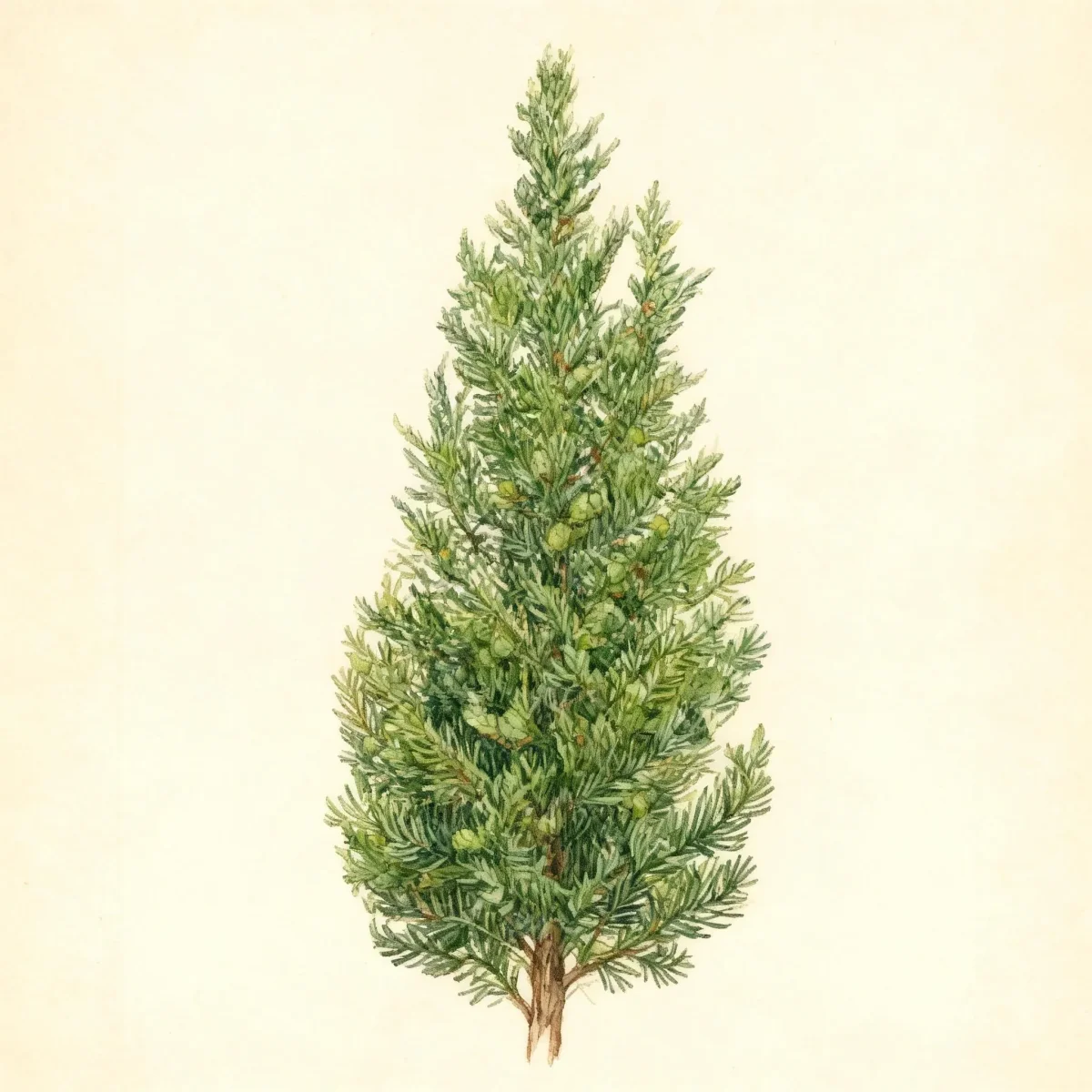
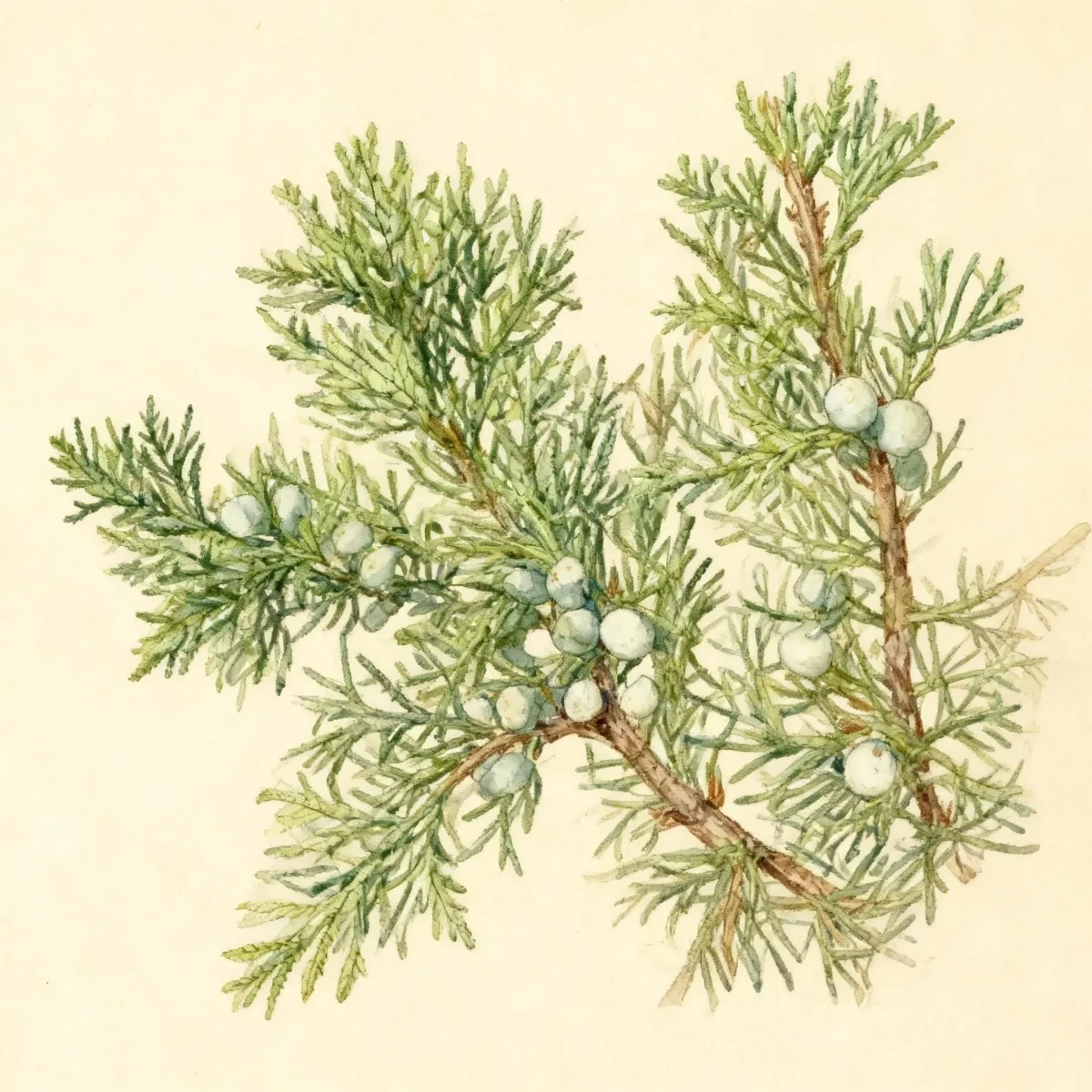
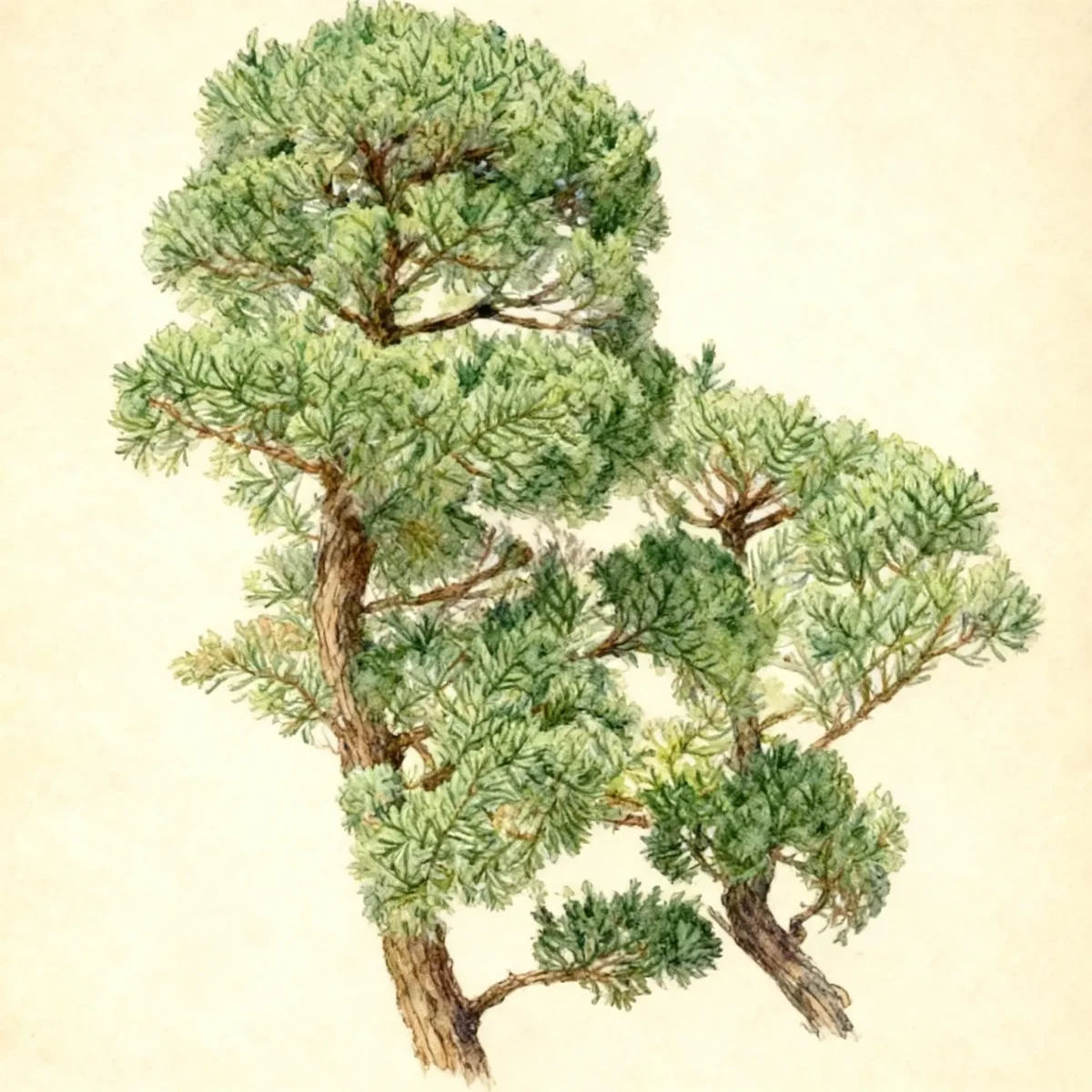
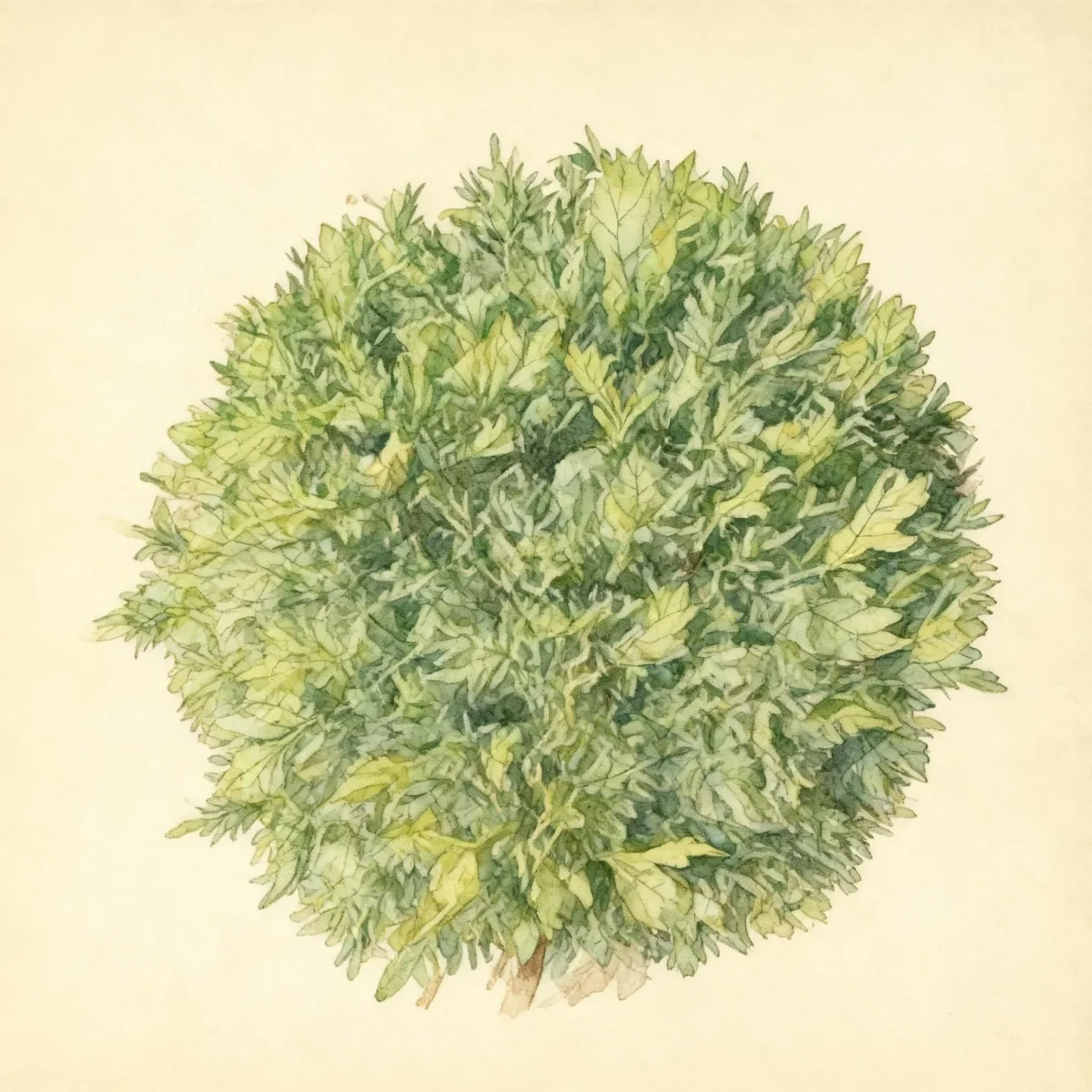
Chinese juniper (Juniperus × pfitzeriana 'Old Gold')
Juniperus × pfitzeriana 'Old Gold' is a low-maintenance, spreading needled evergreen valued for bright, bronze-gold winter color.
Scroll down to discover growing tips, care requirements, companion plants, and more

Complete Plant Information
Overview
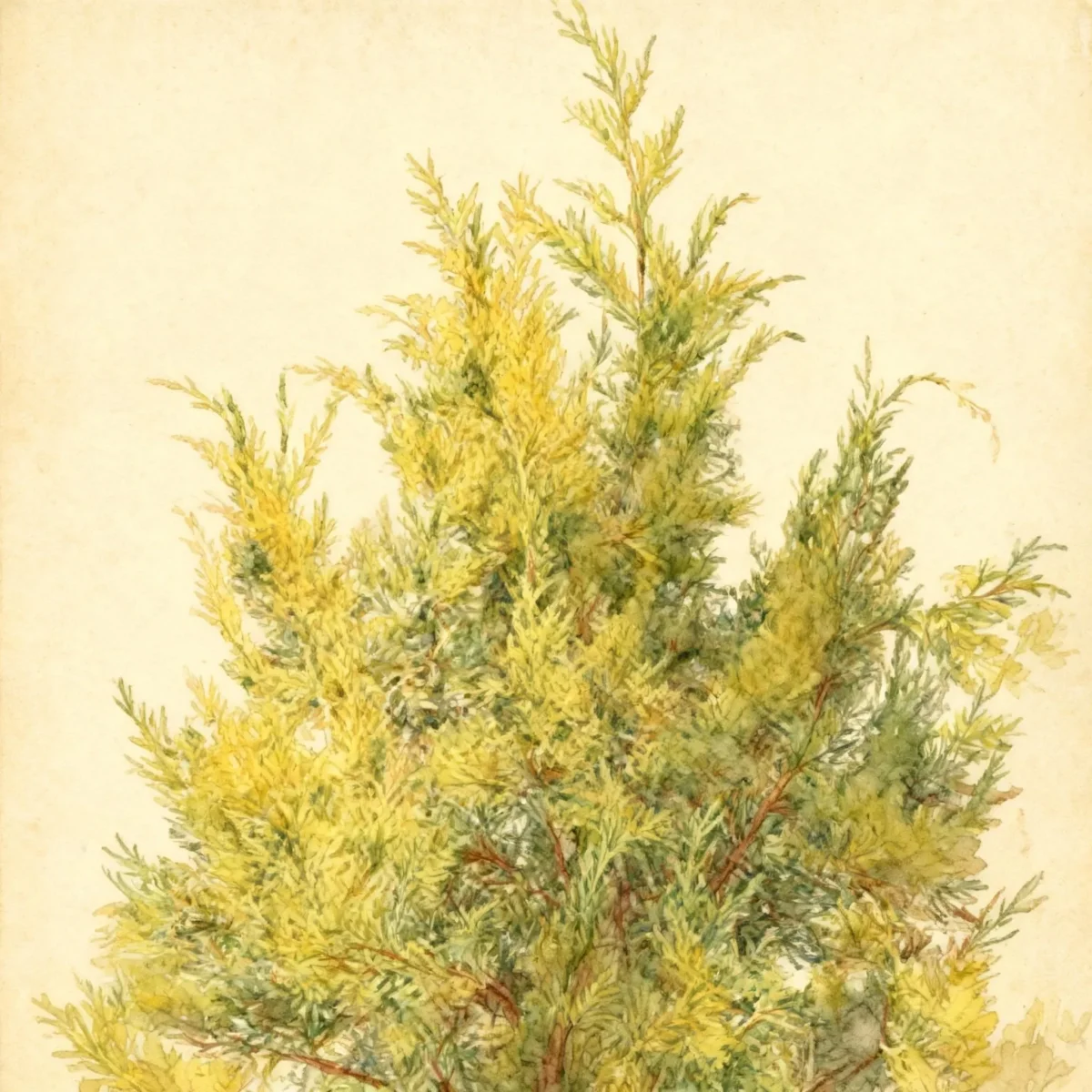
The Juniperus × pfitzeriana ‘Old Gold’ is a striking, compact, spreading needled evergreen highly valued for its year-round aesthetic appeal. This cultivar, often sold under the common name Chinese juniper, develops attractive bronze-gold foliage that provides excellent winter interest when many other plants fade. As a hardy hybrid, Juniperus × pfitzeriana ‘Old Gold’ demonstrates resilience across a wide range of conditions.
This shrub is characterized by its low growth habit, typically reaching only 2 to 3 feet in height but spreading outward to 4 or 5 feet wide. Its dense structure makes it an excellent, low-maintenance specimen for foundational plantings or ground cover applications. Gardeners appreciate the low demands of this sun-loving juniper.
The trade suitability of this specific selection is notable; while botanically a hybrid designation, Juniperus × pfitzeriana ‘Old Gold’ is frequently marketed under Juniperus chinensis or Juniperus x media. For gardeners seeking dependable evergreen texture and easy care combined with vibrant color, the Chinese juniper ‘Old Gold’ is an outstanding choice.
Fast Facts
- Plant Family: Cupressaceae
- Plant Type: Needled evergreen
- Hardiness Zones: USDA Zones 4-9
- Size at Maturity:
- Height: 2-3 ft
- Spread: 4-5 ft
- Bloom Time: Non-flowering
- Bloom Description: Non-flowering
- Sun Exposure: Full sun
- Water Needs: Medium
- Maintenance Level: Low
How to Grow
Planting should occur preferably in the spring or fall during cooler weather to help the roots establish before summer heat or deep winter freeze. Choose a location receiving full sun, as light is crucial for maintaining the vibrant bronze-gold coloration of the foliage on Juniperus × pfitzeriana ‘Old Gold’. This plant is highly adaptive and prefers well-drained soils, though it tolerates a wide variety of sites, including clay-heavy soils.
Care for this Chinese juniper is minimal once established. While it prefers medium moisture, it is notably drought tolerant once its root system has matured. Avoid wet, soggy areas, as this juniper is intolerant of wet soils and prolonged saturation can lead to root rot. Fertilizing is rarely necessary; if needed, apply a balanced, slow-release fertilizer in early spring.
Pruning should be done judiciously, primarily to maintain shape or restrict size, as it naturally maintains a compact habit. Excessive cutting back into old wood should be avoided. In urban settings, note that this variety exhibits good tolerance for typical city air pollutants, making it a reliable performer near roadsides or in moderate industrial zones.
Landscape Uses
The spreading habit of Juniperus × pfitzeriana ‘Old Gold’ makes it exceptionally versatile in landscape design. It serves admirably as a low hedge, providing evergreen structure without significant trimming requirements, or as foundational planting near buildings where a shorter, wider silhouette is desired. Its texture and color contrast beautifully against deciduous shrubs or brighter green conifers.
For ground cover applications, plant specimens at intervals that allow their branches to merge over time, effectively suppressing weeds. This Chinese juniper excels in rock gardens, softening hardscape lines with its cascading, mounding form. Ensure good air circulation around the plants, especially where they are used as a low hedge, to minimize potential fungal issues.
Standout Features
Noteworthy Characteristics
Juniperus × pfitzeriana is a hybrid designation that includes certain cultivars that are crosses between J. Chinensis and J. Sabina. Such cultivars in the Pfitzer Group are sometimes commonly called pfitzer juniper. The genus name comes from the Latin name for the juniper. ‘Old Gold’ is a compact, spreading, evergreen shrub that typically grows 2-3’ tall and 4-5’ wide over the first 10 years. As the cultivar name suggests, it is noted for its bronze-gold foliage which retains good color throughout winter, featuring primarily scale-like adult foliage with some juvenile needles.
Tolerances
- Deer
- Drought
- Erosion
- Dry Soil
- Shallow-Rocky Soil
- Air Pollution
Potential Problems
Junipers, including Juniperus × pfitzeriana ‘Old Gold’, can occasionally suffer from specific fungal diseases. Tip and needle blights are common targets, often exacerbated by poor air circulation or excessive moisture at the foliage level. Cedar-apple rust, which requires a host plant (like apple or hawthorn) to complete its life cycle, is another potential concern for your Chinese juniper.
Management involves selecting a full sun location with good drainage to avoid root rot, which is prevalent in poorly drained, wet soils. If canker appears on the bark or main stems, prune out the infected wood immediately to prevent spreading. Watch for occasional insect pests such as aphids, scale, bagworms, and webworms, treating them promptly with horticultural oil or targeted insecticides as necessary.
Frequently Asked Questions
What hardiness zones is Chinese juniper suitable for?
The Juniperus × pfitzeriana ‘Old Gold’ is reliably hardy in USDA Zones 4 through 9.
How large does Juniperus × pfitzeriana ‘Old Gold’ grow?
This slow-growing evergreen typically matures to a height between 2 and 3 feet, with a substantial spread ranging from 4 to 5 feet wide.
What sun exposure does Juniperus × pfitzeriana ‘Old Gold’ need?
For optimal growth and to achieve the best bronze-gold coloration, this plant requires consistent full sun exposure.
When does Chinese juniper bloom?
This species is non-flowering, meaning it does not produce conspicuous flowers, which aligns with its classification as a needled evergreen.
Conclusion
The Juniperus × pfitzeriana ‘Old Gold’ provides essential low-maintenance structure and reliable, unique golden color throughout the year, making it a staple for year-round evergreen interest. Its tolerance for dry, poor soils and urban pollution adds significant practical value to any landscape design. Before planting, confirm that USDA Zones 4-9 align with your region and ensure a full sun location for the best results with this excellent Chinese juniper cultivar.
Companion Planting
When selecting companions for Juniperus × pfitzeriana ‘Old Gold’, focus on plants that share its preference for full sun and well-drained soil. Consider pairing its coarse, spreading texture with finer-leaved perennials or contrasting colors. Hostas, while often favoring shade, can perform adequately in partially sunny, open woodland settings where the juniper is on the edge, offering a soft textural contrast.
For sunnier borders, pair this Chinese juniper with lighter-colored deciduous shrubs like potentilla or perhaps some ornamental grasses that offer movement. Since the juniper has low water needs once established, avoid planting it directly alongside thirsty species that require constant moisture, as this can lead to inconsistent soil conditions detrimental to the juniper’s shallow root system.
Seasonal Care Calendar
For spring care, inspect your Juniperus × pfitzeriana ‘Old Gold’ for winter damage and gently remove any dead or struggling foliage. This is also the ideal time for any structural pruning to maintain its compact habit, ensuring cuts are made just above a viable side shoot or bud. Avoid heavy fertilization; if growth seems poor, a light application of slow-release fertilizer can be beneficial early in the season.
Summer maintenance revolves around water management. While drought tolerant, the first year requires consistent medium watering, especially during dry spells, to help the root system develop. Once established, watering frequency can dramatically decrease, except during severe drought conditions. Monitor closely for signs of insect pests like scale during the warm months.
As fall approaches, ensure the plant is adequately hydrated before the ground freezes, as evergreens can lose moisture during dry winter winds. Minimal cleanup is required in winter unless heavy ice or snow accumulation threatens to break branches; gently brush off heavy snow to protect the bronze-gold foliage of your Chinese juniper.