False chamomile (Boltonia asteroides var. latisquama 'Masbolimket' JIM CROCKETT)
Boltonia asteroides var. latisquama 'Masbolimket' JIM CROCKETT, False chamomile, excels with low maintenance, full sun needs, and late-season violet blooms.
Scroll down to discover growing tips, care requirements, companion plants, and more
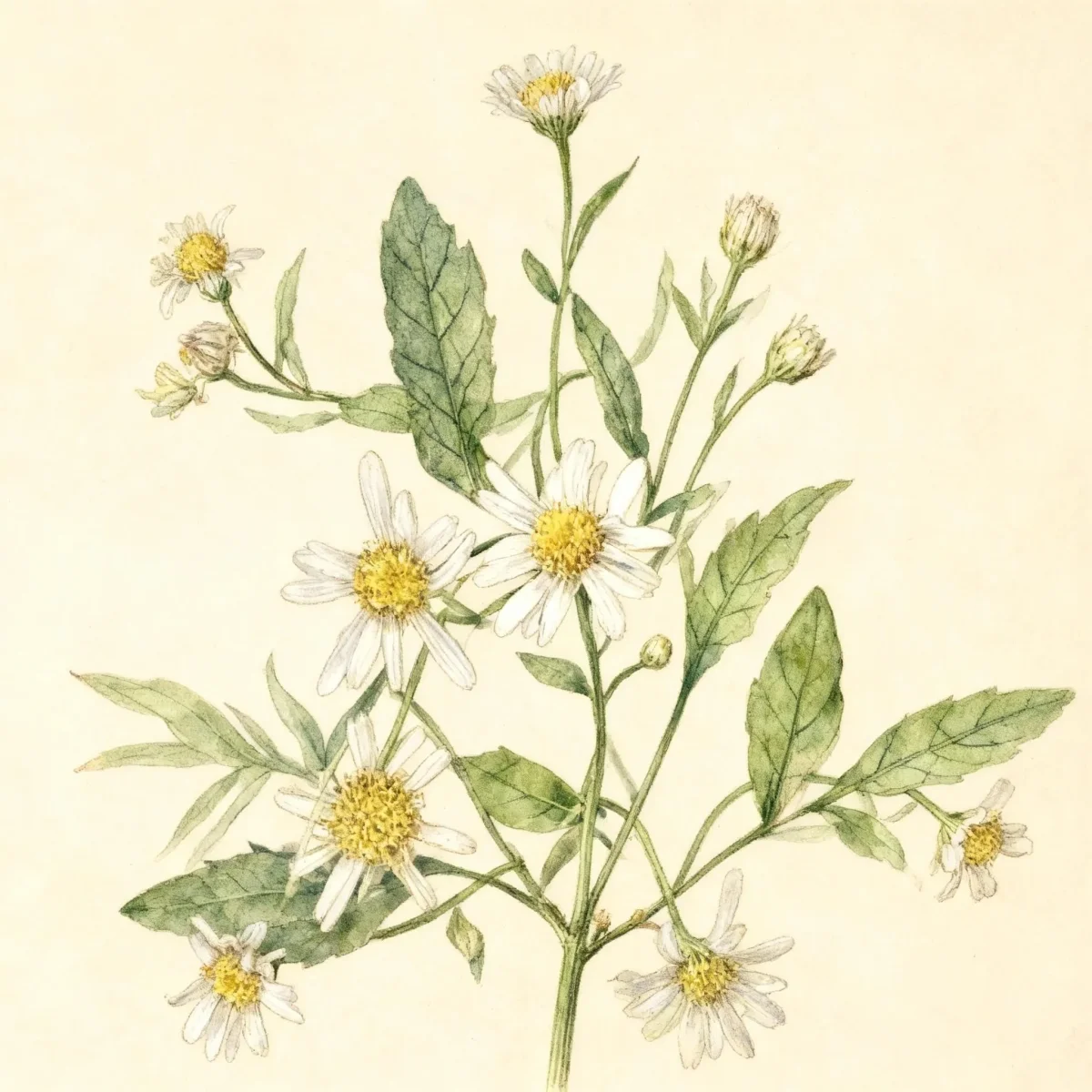
Complete Plant Information
Overview
Boltonia asteroides var. latisquama ‘Masbolimket’ JIM CROCKETT, often known as False chamomile, is a fantastic choice for gardeners seeking dependable, late-season color in the perennial border. This specific cultivar is prized for its compact habit and free-branching nature, which results in a striking display of color when many other summer bloomers are fading. It brings reliable structure and brilliant daisy-like flowers to the late summer garden.
Unlike its wilder relatives, Boltonia asteroides var. Latisquama ‘Masbolimket’ JIM CROCKETT offers superior garden performance without the common need for staking, provided it receives adequate light and is not grown in overly rich soil. It thrives in the challenging conditions of medium moisture and full sun exposure, making it versatile for many landscape situations. This herbaceous perennial slowly spreads via creeping rhizomes, gradually filling in larger areas gracefully.
The profuse bloom of False chamomile, featuring violet rays around bright yellow centers in August and September, provides essential late-season interest for pollinators. Its low maintenance requirements and tolerance for clay and wet soils establish Boltonia asteroides var. latisquama ‘Masbolimket’ JIM CROCKETT as a truly practical and aesthetically rewarding addition to native plant or cottage gardens.
Fast Facts
- Plant Family: Asteraceae
- Plant Type: Herbaceous perennial
- Hardiness Zones: USDA Zones 4-9
- Size at Maturity:
- Height: 1.5-2 ft
- Spread: 1.5-2 ft
- Bloom Time: August to September
- Bloom Description: Violet rays with yellow center
- Sun Exposure: Full sun
- Water Needs: Medium
- Maintenance Level: Low
How to Grow
Start planting Boltonia asteroides var. latisquama ‘Masbolimket’ JIM CROCKETT in spring or fall in an area receiving full sun. This plant prefers average moisture but is remarkably adaptable, tolerating a wide range of soils, including clay and wetter spots, as documented by its noted resistances. Ensure the soil is well-drained for best structural performance, though it handles drier conditions compared to some moisture-loving perennials.
Care for False chamomile is intentionally simple. Water when conditions become significantly dry, as it prefers medium moisture overall. Fertilizing should be kept to a minimum; overly rich soil encourages floppy growth that may require support, a problem alleviated by growing the compact JIM CROCKETT selection in full sun.
To manage height and ensure a dense shape, you may pinch the stems back by one-third in late spring or early summer, similar to practices used for many asters. This pruning technique reduces size and boosts bushiness before the August bloom begins. Plants will slowly spread via underground rhizomes, requiring minimal intervention once established.
Landscape Uses
The vigorous yet managed habit of Boltonia asteroides var. latisquama ‘Masbolimket’ JIM CROCKETT makes it ideal for naturalized areas or mixed herbaceous borders. Its late-season flowering fills the gap left by early summer favorites, providing structure until frost. Because the JIM CROCKETT cultivar is compact, it is suitable even for the middle of a border, whereas larger species plants might overwhelm foreground plantings.
Consider using this False chamomile variety in cottage gardens where its aster-like flowers can mingle freely with ornamental grasses or late-blooming Sedum. While the species can be somewhat weedy, this cultivar offers better control, making it an excellent choice for native plant gardens that still require a manicured look. It pairs well with plants that appreciate similar sun and moisture requirements.
This plant is fantastic for providing bulk and late color in low-maintenance areas. Its ability to handle clay soil means you can rely on Boltonia asteroides var. latisquama ‘Masbolimket’ JIM CROCKETT where turf struggles or where soil amendments are impractical.
Flower Qualities
- Showy
Noteworthy Characteristics
The genus name honors James Bolton (1735-1799), an English botanist, while the specific epithet means resembling asters in obvious reference to flower similarity. The cultivar ‘Masbolimket’ originated from breeding work conducted at the University of Massachusetts between 1997 and 2000, receiving the trade name JIM CROCKETT. This compact variety stands out due to its violet flowers with yellow discs, dark green foliage, and free branching, typically reaching only 2 feet tall on erect stems.
Tolerances
- Clay Soil
- Wet Soil
Potential Problems
Boltonia asteroides var. latisquama ‘Masbolimket’ JIM CROCKETT generally stays free of serious insect or disease problems, contributing to its low maintenance rating. The primary aesthetic concern arises if plants are situated in overly rich or shaded environments, which can lead to weakness and flopping. Providing full sun and avoiding excessive fertility helps keep stems erect. Susceptibility to powdery mildew is the main disease issue; improve air circulation around the plants and ensure medium moisture rather than constantly saturated conditions to mitigate this risk.
Frequently Asked Questions
What hardiness zones is False chamomile suitable for?
Boltonia asteroides var. latisquama ‘Masbolimket’ JIM CROCKETT is reliably hardy across USDA Zones 4 through 9.
How large does Boltonia asteroides var. latisquama ‘Masbolimket’ JIM CROCKETT grow?
This compact cultivar typically reaches a height between 1.5 and 2 feet, spreading to an equal width of 1.5 to 2 feet.
When does False chamomile bloom?
This charming perennial displays its violet-rayed flowers from August into September, providing excellent late-season color.
What sun exposure does Boltonia asteroides var. latisquama ‘Masbolimket’ JIM CROCKETT need?
For the best compact growth and to minimize the need for support, this plant requires full sun exposure in the garden.
Conclusion
Boltonia asteroides var. latisquama ‘Masbolimket’ JIM CROCKETT delivers exceptional value through its late-season beauty, compact form, and remarkable resilience to varied soil types. By incorporating False chamomile into your landscape designs, you gain reliable color from a robust, low-maintenance herbaceous perennial. Before planting, confirm your site offers full sun exposure and prepare average soil to ensure your Boltonia asteroides var. Latisquama ‘Masbolimket’ JIM CROCKETT thrives through fall.
Companion Planting
When planning companions for False chamomile, focus on plants that share the need for full sun and medium moisture, avoiding overly aggressive spreaders that might compete with its rhizomatous nature. Consider pairing Boltonia asteroides var. latisquama ‘Masbolimket’ JIM CROCKETT with later-blooming tall grasses, such as Panicum virgatum cultivars, to provide vertical contrast to its mounding, daisy-like flowers. Other late bloomers from the Asteraceae family, like certain asters (Symphyotrichum species) that bloom slightly later, or hardy rudbeckias, make excellent partners that extend the warm color palette well into autumn.
Propagation Tips
The primary method for increasing your stock of Boltonia asteroides var. latisquama ‘Masbolimket’ JIM CROCKETT is through division, as the plant spreads slowly by creeping rhizomes. Divide clumps in early spring just as new growth begins to emerge, ensuring each division retains several healthy roots and shoots. Additionally, the species is easily grown from seed, though germination success and stability of the true ‘Masbolimket’ characteristics may be better achieved through division for this specific cultivar. Maintaining its low-maintenance status means avoiding fussy propagation techniques when simple division works well.