Red cedar (Juniperus virginiana 'Taylor')
Juniperus virginiana 'Taylor' is a striking, narrow Red cedar offering silvery blue-green foliage in USDA Zones 4-9.
Scroll down to discover growing tips, care requirements, companion plants, and more
Complete Plant Information
Overview
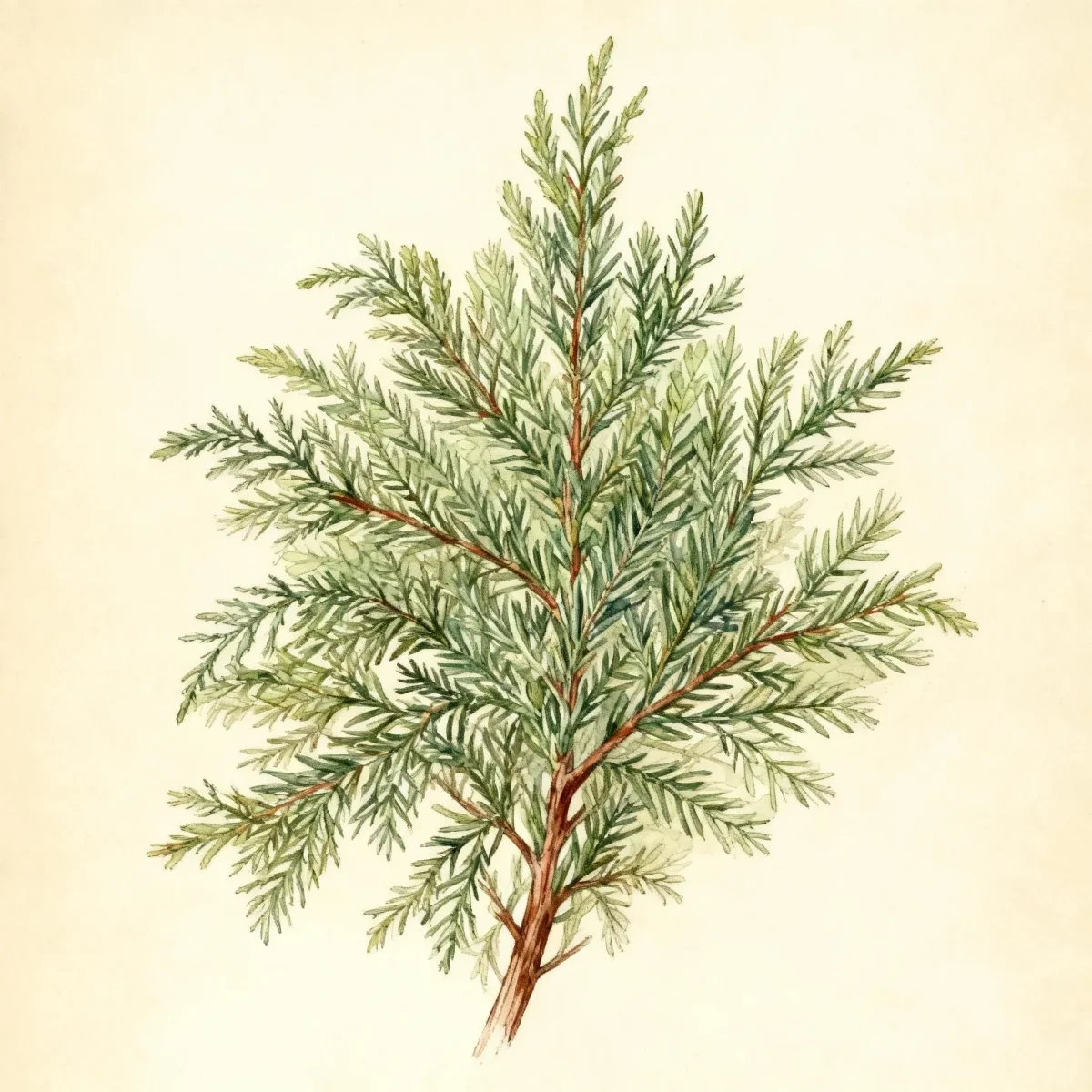
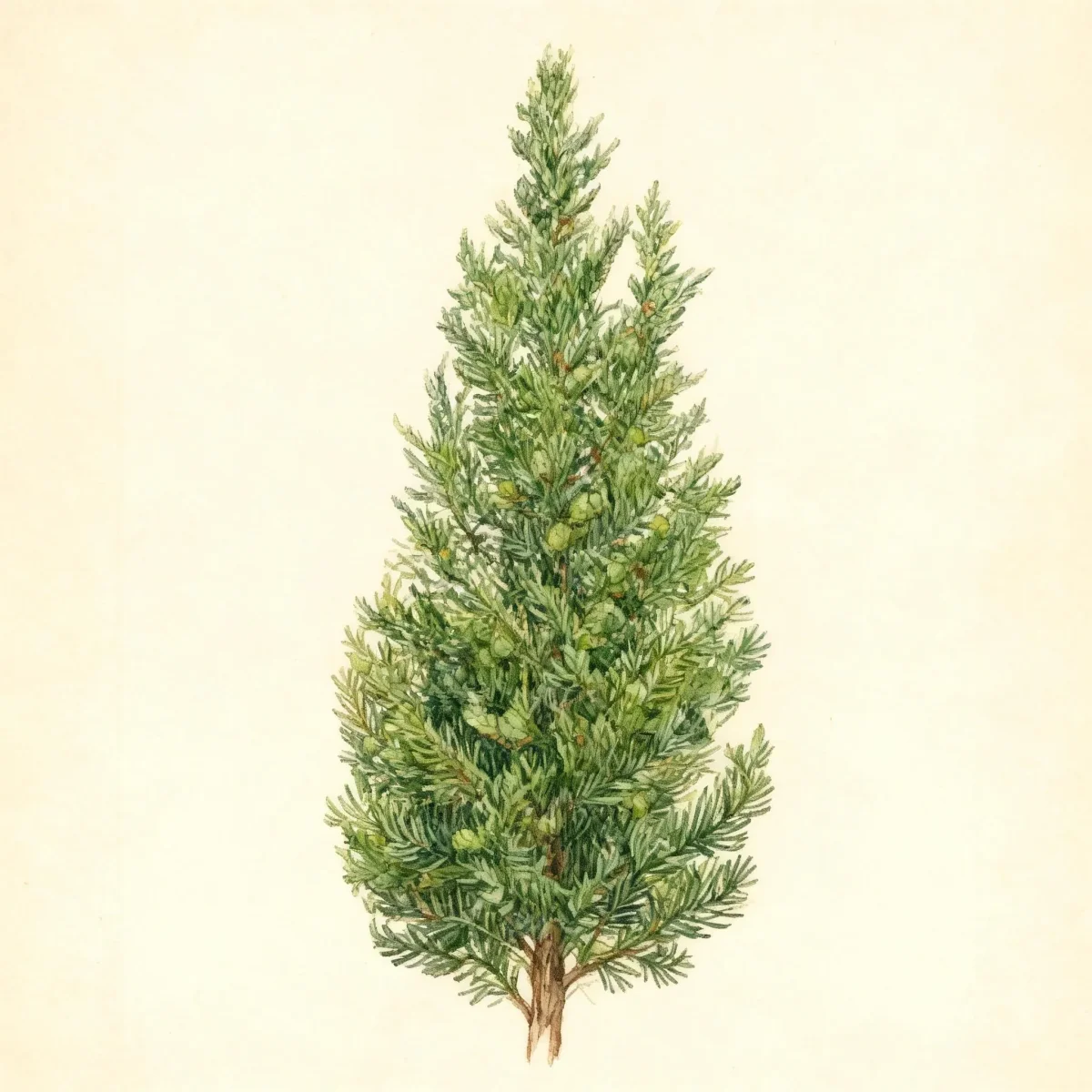
Juniperus virginiana ‘Taylor’, commonly known as Red cedar, is a highly valued cultivar prized for its exceptionally narrow, upright columnar habit, making it a standout specimen in tight spaces. Unlike the broader typical Eastern red cedar, ‘Taylor’ maintains a disciplined vertical profile ideal for formal structure or accent planting. This needled evergreen provides dense texture and attractive silvery blue-green foliage that offers year-round visual interest.
This cultivar retains many of the robust qualities of its parent species, including excellent adaptability to various conditions, though it thrives best with full sun exposure. Its low maintenance requirements and significant drought tolerance make Juniperus virginiana ‘Taylor’ an environmentally sound choice for challenging garden locations. Gardeners rely on this specific Red cedar form for vertical accents where width is a primary constraint.
Though it is a non-flowering conifer, the dense foliage creates effective screens and windbreaks, performing reliably across USDA hardiness zones 4 through 9. The structural integrity and aesthetic appeal of Juniperus virginiana ‘Taylor’ ensure it functions successfully as a vertical anchor in diverse landscape designs.
Fast Facts
- Plant Family: Cupressaceae
- Plant Type: Needled evergreen
- Hardiness Zones: USDA Zones 4-9
- Size at Maturity:
- Height: 15-20 ft
- Spread: 3-4 ft
- Bloom Time: Non-flowering
- Bloom Description: Non-flowering
- Sun Exposure: Full sun
- Water Needs: Medium
- Maintenance Level: Low
How to Grow
The Juniperus virginiana ‘Taylor’ cultivar is best planted in the spring or fall when temperatures are moderate, allowing the root system to establish before extreme summer heat or winter cold sets in. Ensure placement is in a location receiving full sun, as insufficient light will lead to sparse, open growth and reduced foliage density. This conifer is exceptionally adaptable, tolerating a wide spectrum of soil types, from dry, poor soils to areas with some moisture.
While Red cedar prefers moist, well-drained soils, it is renowned for having excellent drought resistance once established, a hallmark of native eastern conifers. Avoid heavy, constantly wet locations, as poor drainage can quickly lead to root issues. Fertilization is rarely necessary; focus on watering deeply but infrequently, especially during the first year or two of establishment, allowing the plant to build resilience. Pruning is generally minimal due to its naturally columnar shape, focusing only on removing any dead or damaged twigs.
Adaptability is the key strength of this plant; it handles shallow, rocky terrain and pollution well. When preparing the planting hole, amend the soil minimally to avoid encouraging weak surface roots. If planting near foundations or overhead wires, remember the mature height and spread, though ‘Taylor’ remains notably narrow.
Landscape Uses
The narrow, upright form of Juniperus virginiana ‘Taylor’ makes it an indispensable tool for structured, narrow plantings where space optimization is crucial. It excels as a formal, narrow landscape accent, framing doorways, or marking property lines without becoming overly wide like standard juniper varieties. These trees provide strong vertical punctuation in mixed borders.
Because of its dense, evergreen nature, Red cedar is excellent for creating tall, narrow screens or windbreaks where a traditional pyramidal or oval shape would intrude too much on adjacent space. Consider massing three or five together as a striking visual row, or use single specimens to break up long, horizontal lines in contemporary garden architecture.
Pair the silvery blue-green texture of Juniperus virginiana ‘Taylor’ with contrasting broadleaf evergreens or brightly colored deciduous shrubs. Its ability to handle tough conditions means it serves well as a reliable backdrop plant in low-water Xeriscape gardens.
Standout Features
Noteworthy Characteristics
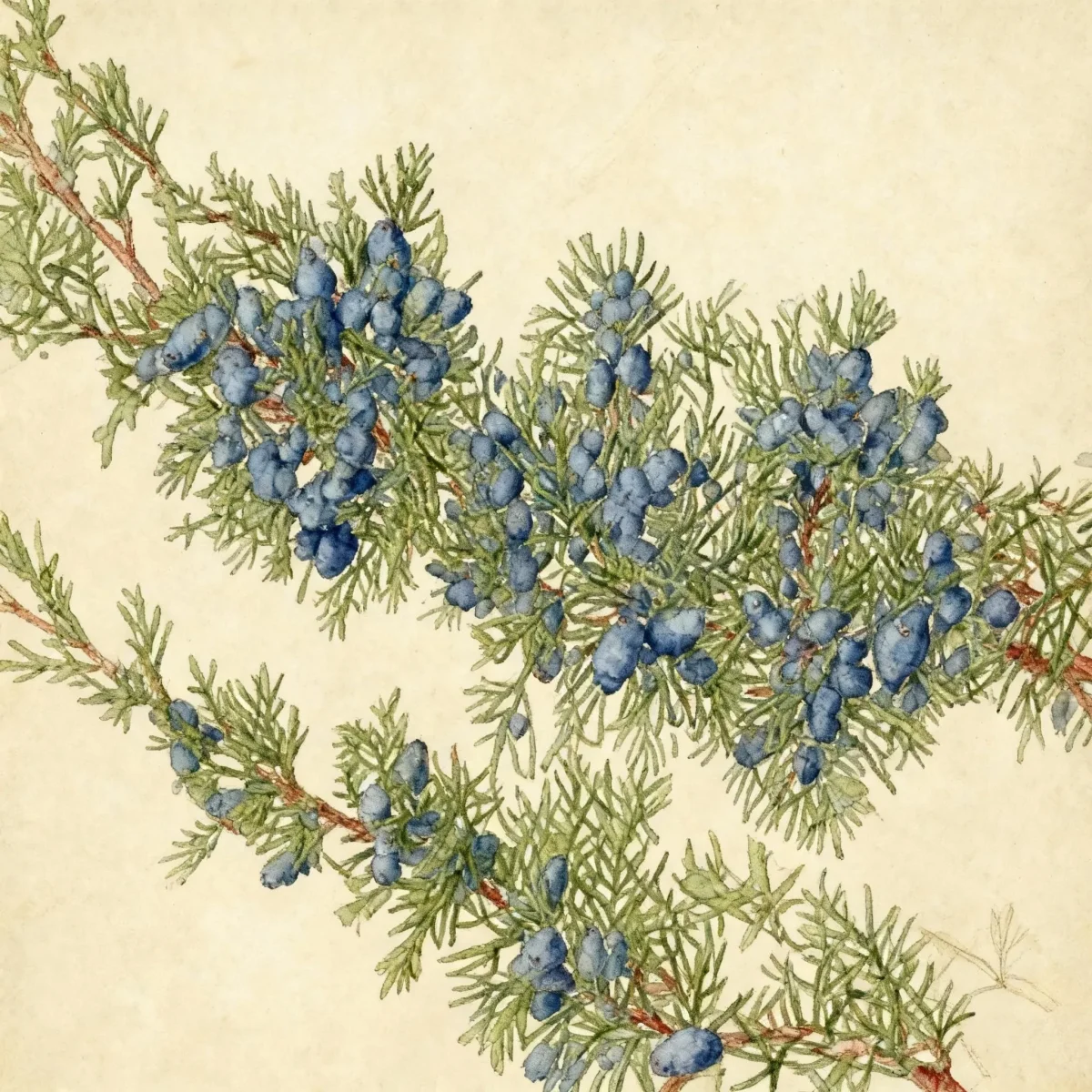
Juniperus virginiana, commonly called Eastern red cedar, is native to Missouri where it typically occurs on limestone bluffs and glades, wood margins, fields, pastures and fence rows throughout the state except for the southeastern lowlands (Steyermark). It is a broadly conical, sometimes columnar, dense, evergreen conifer with horizontal branching that typically grows to 30-65’ tall. Gray to reddish-brown bark exfoliates in thin shreddy strips on mature trees. Trunks are often fluted at the base. Heartwood is reddish-brown and aromatic, and is commonly used for cedar chests. Dark blue green scale-like foliage. Foliage may turn brown-green in winter. Cultivars of this species often retain better foliage color in winter. This is a dioecious species (separate male and female trees). Female trees produce round, gray to blackish-green berry-like cones (1/4” diameter) that ripen in fall the first year. Berry-like cones are attractive to many birds.Genus name comes from the Latin name for the juniper.Specific epithet means of Virginia.‘Taylor’ is an upright narrow columnar eastern red cedar that typically grows to 15-20’ tall but to only 3-4’ feet wide. Silvery blue-green foliage is attractive throughout the growing season. Foliage may take on some bronze tones in winter. ‘Taylor’ was reportedly discovered in Taylor, Nebraska as a chance seedling and was released in 1992 to the nursery trade by the Nebraska Statewide Arboretum. Release information does not list a sex for this cultivar but it is believed to be male.
Tolerances
- Deer
- Drought
- Erosion
- Dry Soil
- Shallow-Rocky Soil
- Black Walnut
- Air Pollution
Potential Problems
The primary concern for many junipers, including this Red cedar cultivar, is Cedar apple rust. This fungal disease manifests as orange, gelatinous horns on the branches in spring and requires preventative fungicide treatment timed correctly before infection occurs. Susceptibility to twig blight and scale insects also exists, which can weaken the overall appearance of the Juniperus virginiana ‘Taylor’. Regularly inspect the foliage for early signs of infestation or disease, such as discolored tips or sticky residue, to treat promptly with appropriate horticultural oils or systemic controls if necessary. Watch specifically for bagworms, which can rapidly defoliate sections of the tree if left unchecked.
Frequently Asked Questions
What hardiness zones is Red cedar ‘Taylor’ suitable for?
Juniperus virginiana ‘Taylor’ is reliably cold-hardy across USDA Zones 4 through 9, offering wide adaptability throughout much of the temperate US.
How large does Juniperus virginiana ‘Taylor’ grow?
This narrow cultivar typically matures to a height between 15 and 20 feet, maintaining a notably slender spread of only 3 to 4 feet wide.
What sun exposure does Red cedar ‘Taylor’ need?
For the best density, rich color, and manageable maintenance, Juniperus virginiana ‘Taylor’ requires full sun exposure throughout the day.
When does Red cedar ‘Taylor’ bloom?
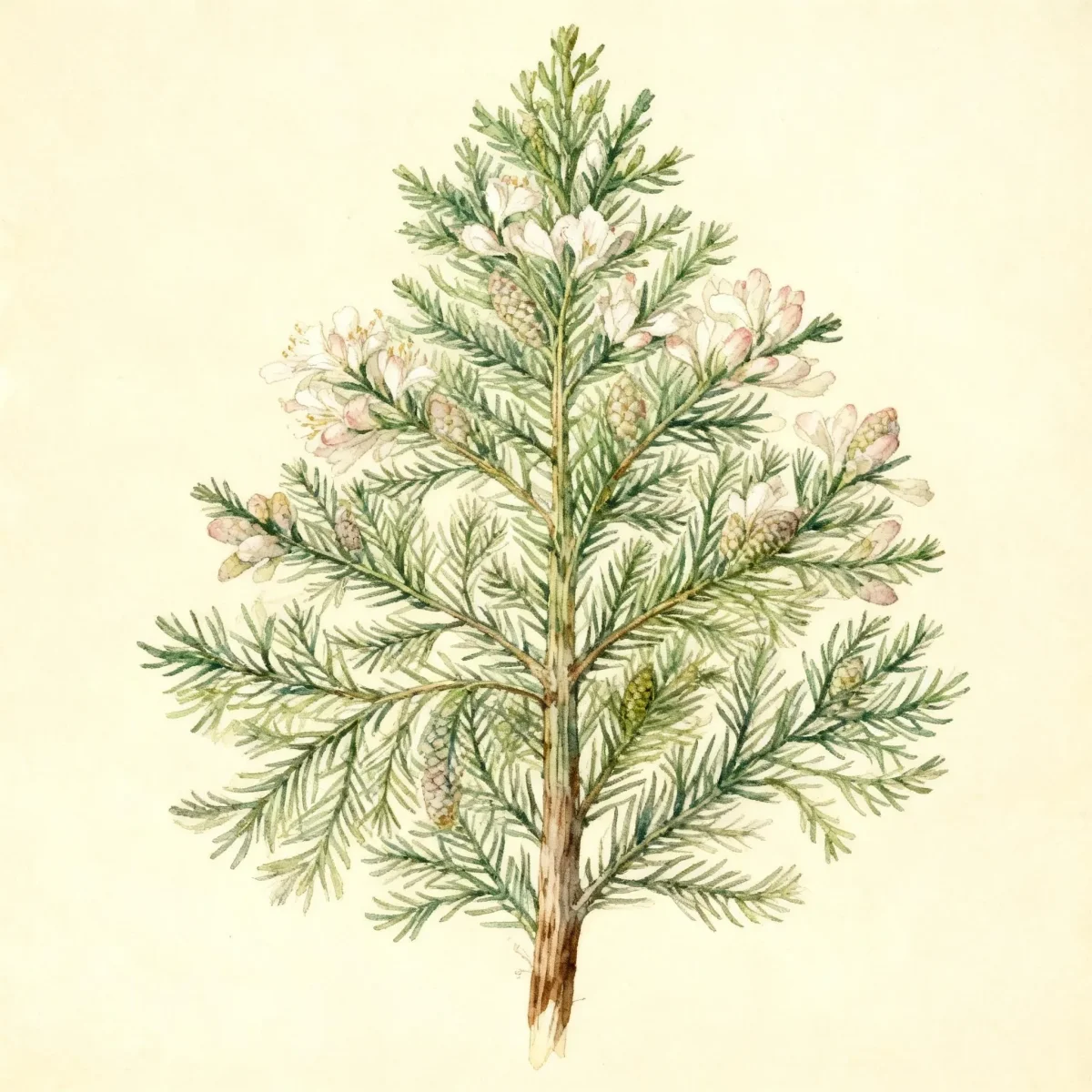
This conifer is non-flowering; it does not produce ornamental blossoms, though female plants would produce berry-like cones.
Conclusion
For gardeners needing significant height with minimal horizontal reach, the Juniperus virginiana ‘Taylor’ is an outstanding choice, providing excellent evergreen structure and proven drought tolerance. This upright Red cedar reliably offers year-round color and architectural interest, cementing its place as a low-maintenance asset in any landscape foundation. Plan your site selection now, ensuring full sun exposure to maximize the performance of your Juniperus virginiana ‘Taylor’.
Companion Planting
When designing beds that feature the narrow impact of Juniperus virginiana ‘Taylor’, select companions that contrast effectively in form or texture. Because the Red cedar is needle-like and upright, consider planting it near deciduous shrubs that offer wide, rounded forms or brilliant fall color, such as Japanese maples if space allows, or contrasting viburnums. Pair it with lower-growing, spreading groundcovers that thrive in dry, sunny conditions to soften the base of the columnar tree without competing heavily for the upper light.
Since this plant is highly adaptable to dryer, poorer soils, avoid pairing it with moisture-loving perennials that would require excessive supplemental watering, which ‘Taylor’ tolerates poorly over the long term. Focus on other sun-loving, drought-tolerant evergreens or perennials that appreciate excellent drainage, ensuring all components of the planting scheme share similar minimal water needs once established.
Wildlife Benefits
Although Juniperus virginiana ‘Taylor’ is often propagated as a male clone (and thus produces no visible cones), the species from which it originates is highly valuable to local fauna. If you plant standard female Red cedars nearby, the small, blue-gray berry-like cones produced are an important winter food source for numerous bird species, often providing critical sustenance during colder months. Beyond food, the dense, year-round foliage offers excellent cover and nesting material for small birds seeking shelter from predators and harsh weather.
Even without cones, the dense structure of the ‘Taylor’ cultivar itself provides significant structure for wildlife habitats within the garden space. Its tight branching pattern offers reliable visual screening against predators, making it an effective, vertical refuge for robins, chickadees, and sparrows navigating the garden. Consider planting it close to native shrub borders to maximize the functional benefit for local wildlife populations.