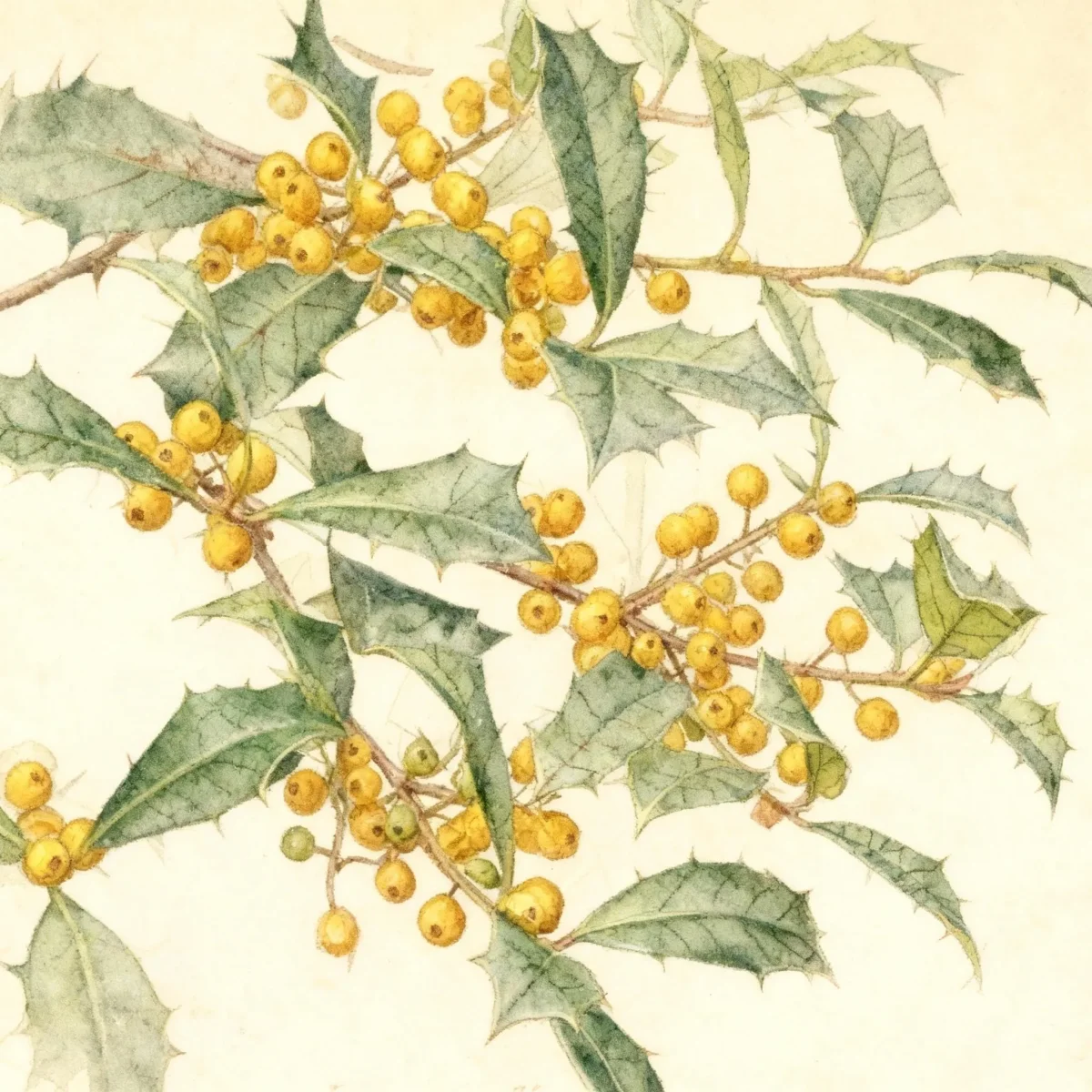
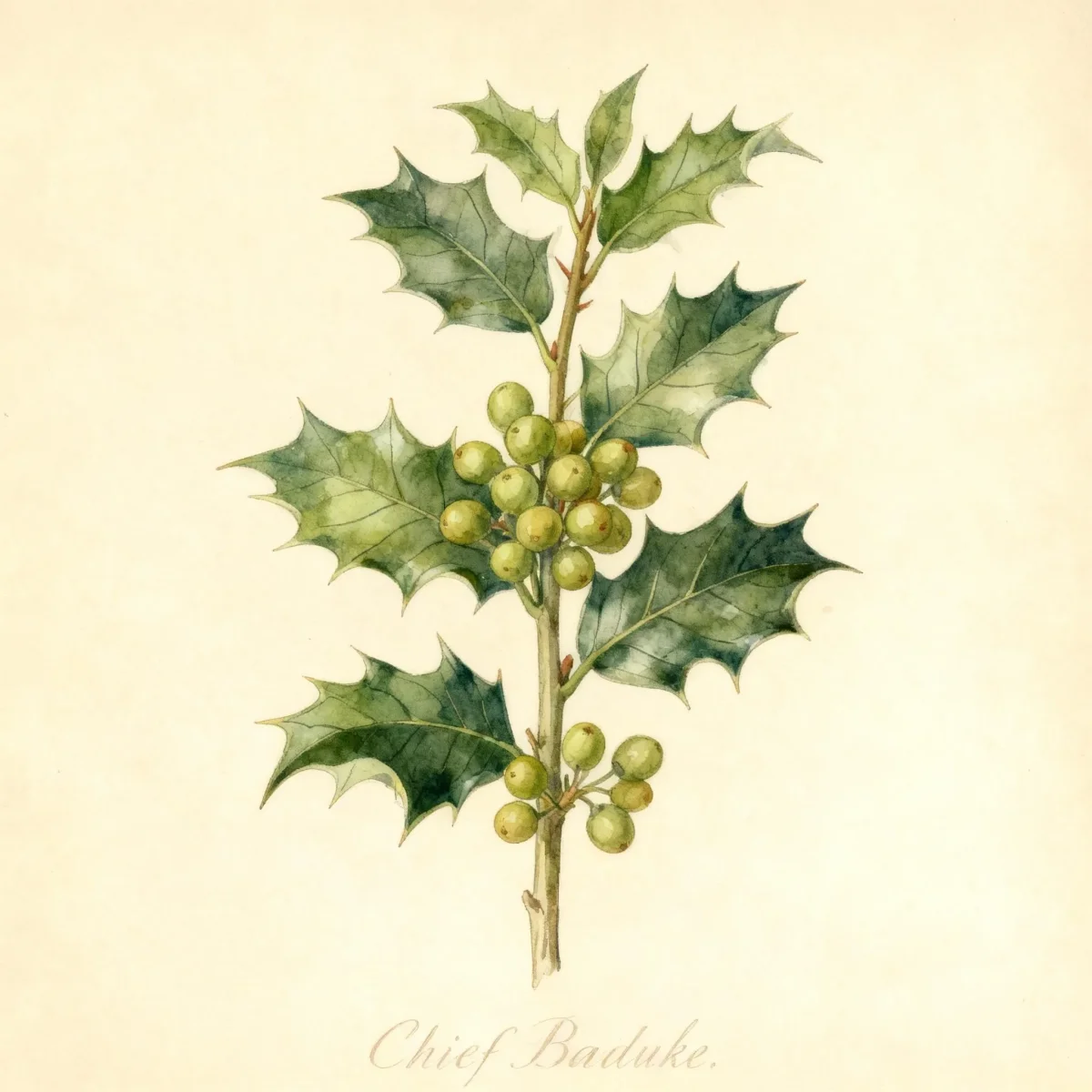
Blue holly (Ilex × meserveae BLUE PRINCE)
Ilex × meserveae BLUE PRINCE is a low-maintenance, broadleaf evergreen Blue holly, excellent for screens or hedges in Zones 4-7.
Scroll down to discover growing tips, care requirements, companion plants, and more
Complete Plant Information
Overview
Ilex × meserveae BLUE PRINCE, commonly known as Blue holly, is a highly valued broadleaf evergreen hybrid prized for its superior winter hardiness and dense structure. Developed to withstand harsh northeastern winters, this cultivar provides year-round texture with its glossy, dark blue-green foliage, making it invaluable for foundational plantings and screening. As a male clone, the significant role of the Ilex × meserveae BLUE PRINCE is providing essential pollen.
This robust shrub typically reaches 8 to 12 feet in height and spread, maintaining a manageable, dense habit suitable for creating formal hedges or privacy screens. Although the male flowers are inconspicuous, they bloom abundantly in spring, guaranteeing good fruit set on nearby female Blue holly varieties. Gardeners appreciate the Blue holly for its low maintenance requirements once established.
The creation of this Meserve holly resulted from crosses aimed at combining the hardiness of I. rugosa with the classic look of English holly. For gardeners seeking reliable evergreen structure and excellent pollinator support, the Ilex × meserveae BLUE PRINCE is an outstanding choice for colder climates.
Fast Facts
- Plant Family: Aquifoliaceae
- Plant Type: Broadleaf evergreen
- Hardiness Zones: USDA Zones 4-7
- Size at Maturity:
- Height: 8-12 ft
- Spread: 8-12 ft
- Bloom Time: April to May
- Bloom Description: White
- Sun Exposure: Full sun to part shade
- Water Needs: Medium
- Maintenance Level: Low
How to Grow
Plant Ilex × meserveae BLUE PRINCE during the cooler parts of the year—fall or early spring—to allow the roots to establish before summer heat stress. This Blue holly thrives in average, slightly acidic, moist, well-drained soils. Ensure a location that offers full sun to partial shade; however, in regions with intense summer heat, providing afternoon shade will prevent leaf scorch and maintain optimal foliage color.
Watering should be consistent, aiming for medium moisture, especially during the first year after planting. Once established, this holly is relatively drought-tolerant but appreciates soil that never completely dries out. Fertilization is rarely necessary if the soil quality is adequate, but a balanced, slow-release fertilizer in early spring can support vigorous growth.
Because Ilex × meserveae BLUE PRINCE is a male holly, no pruning is required for fruit production. If pruning is needed for shaping hedges or size control, perform it lightly immediately after the spring growth flush subsides. Gardeners in Zone 5 should select sheltered sites and consider providing winter protection, as hardiness can be variable in the colder edges of its range. Remember that the primary function of Ilex × meserveae BLUE PRINCE is pollination; plant it near desirable female cultivars like ‘Blue Princess’ at a ratio of one male to three or five females.
Landscape Uses
The strong, upright habit of the Ilex × meserveae BLUE PRINCE makes it an exceptional choice for structured landscape applications. Its primary recommended use is as a formal or informal hedge due to its dense evergreen nature, which provides excellent year-round screening and definition. It also works beautifully as a vertical accent near foundations or as a backdrop plant in mixed borders.
Even though this specific plant is male and will not produce the famed red berries, its glossy, blue-tinged foliage—a hallmark of the Meserve hollies—provides vital contrast against lighter green plants or deciduous shrubs during winter months. Use it alongside plants that appreciate similar acidic soil conditions, perhaps utilizing evergreen ferns beneath its canopy or flowering shrubs that bloom before its spring pollen release.
For creating year-round privacy, space these shrubs according to their 8-12 ft mature spread, or plant them closer for a dense screen. The strong structural evergreen presence of Blue holly ensures that the winter garden retains visual interest and architectural form.
Standout Features
Flower Qualities
- Insignificant
Noteworthy Characteristics
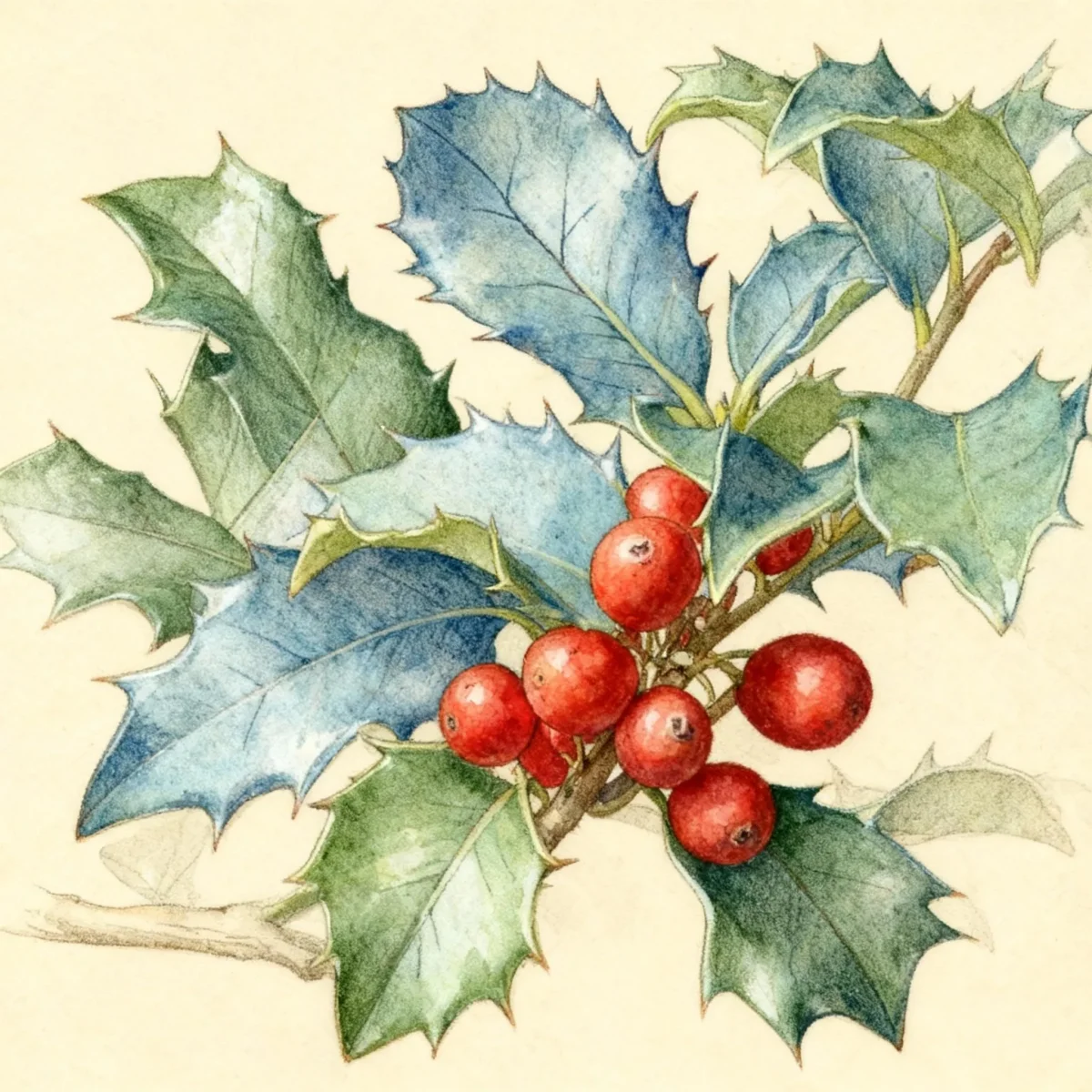
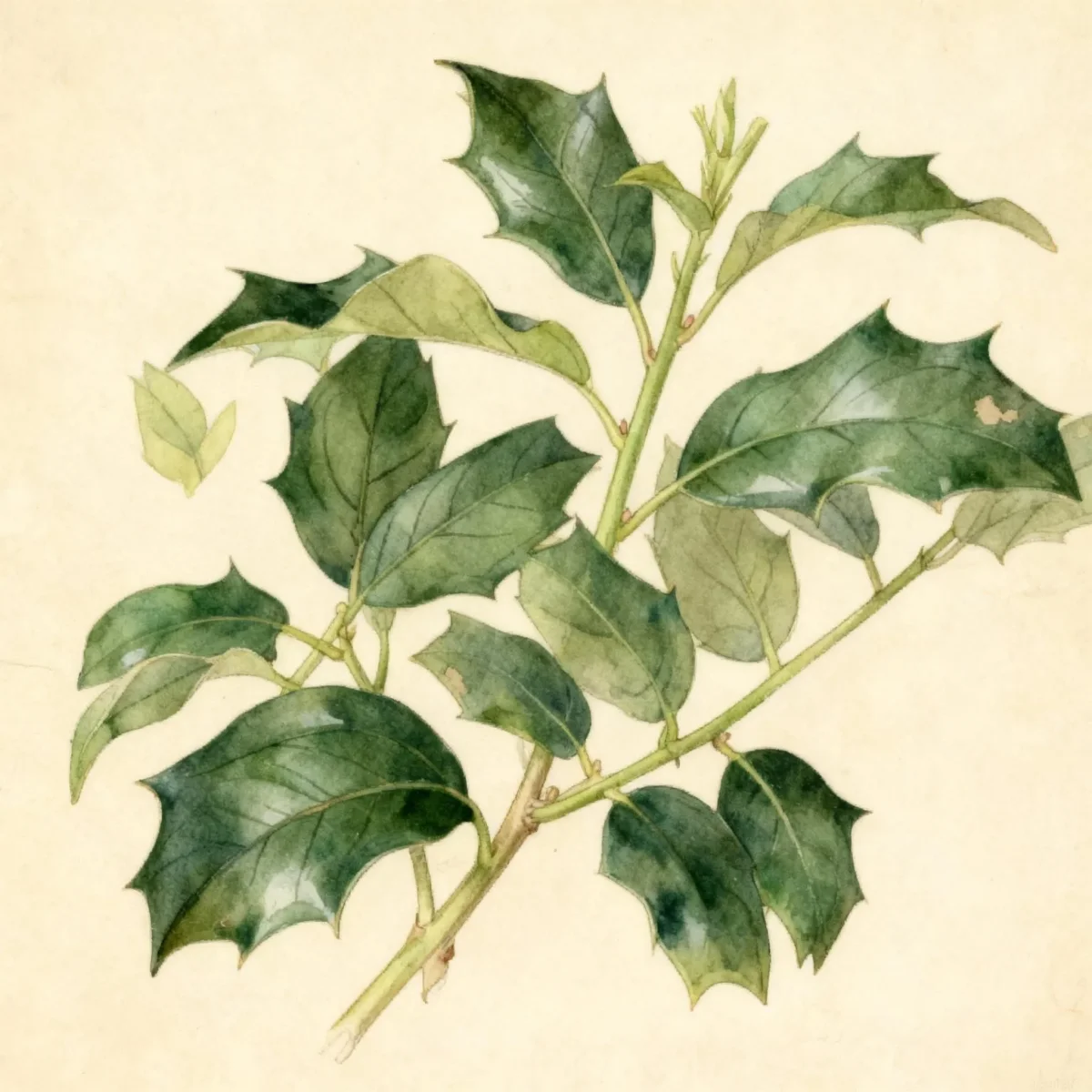
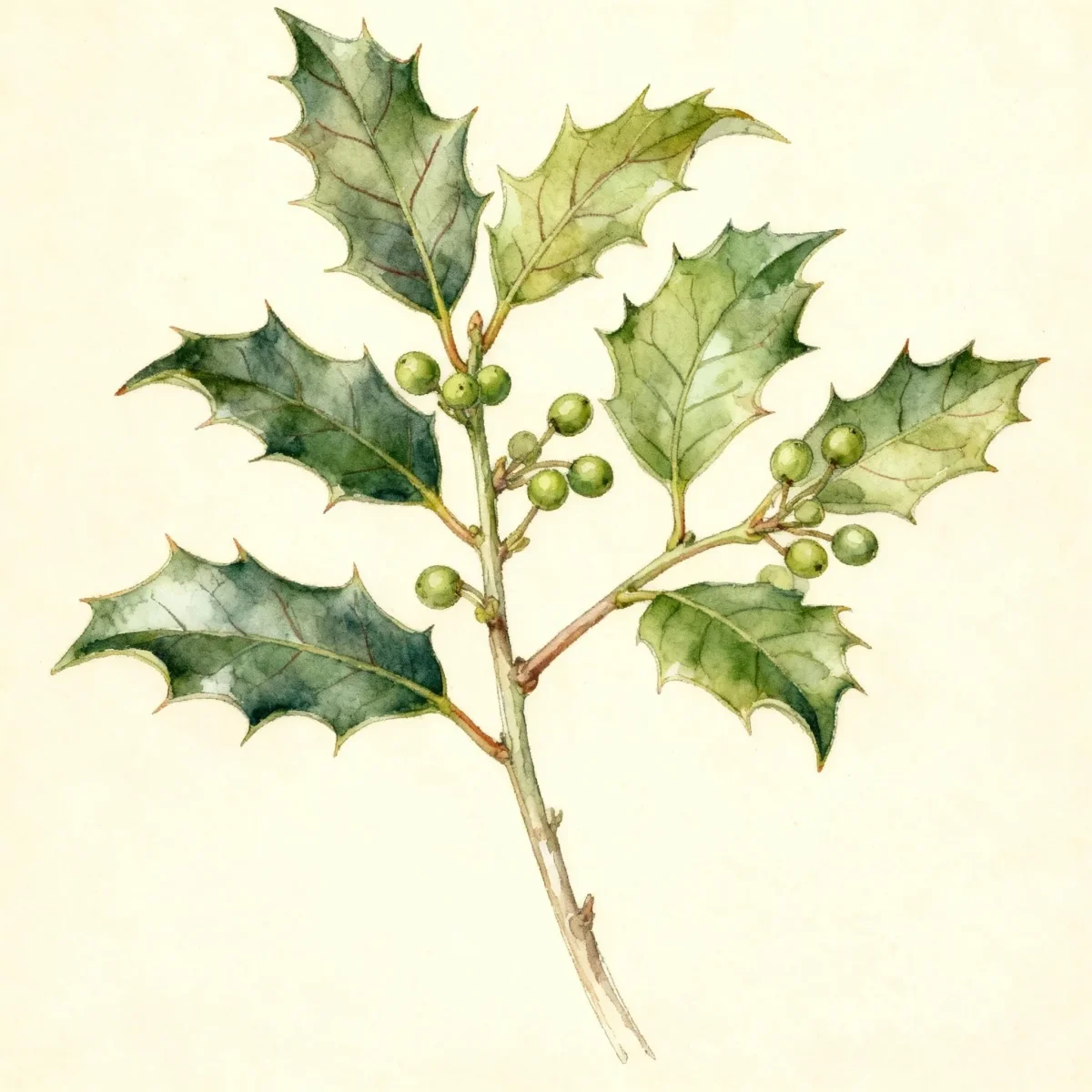
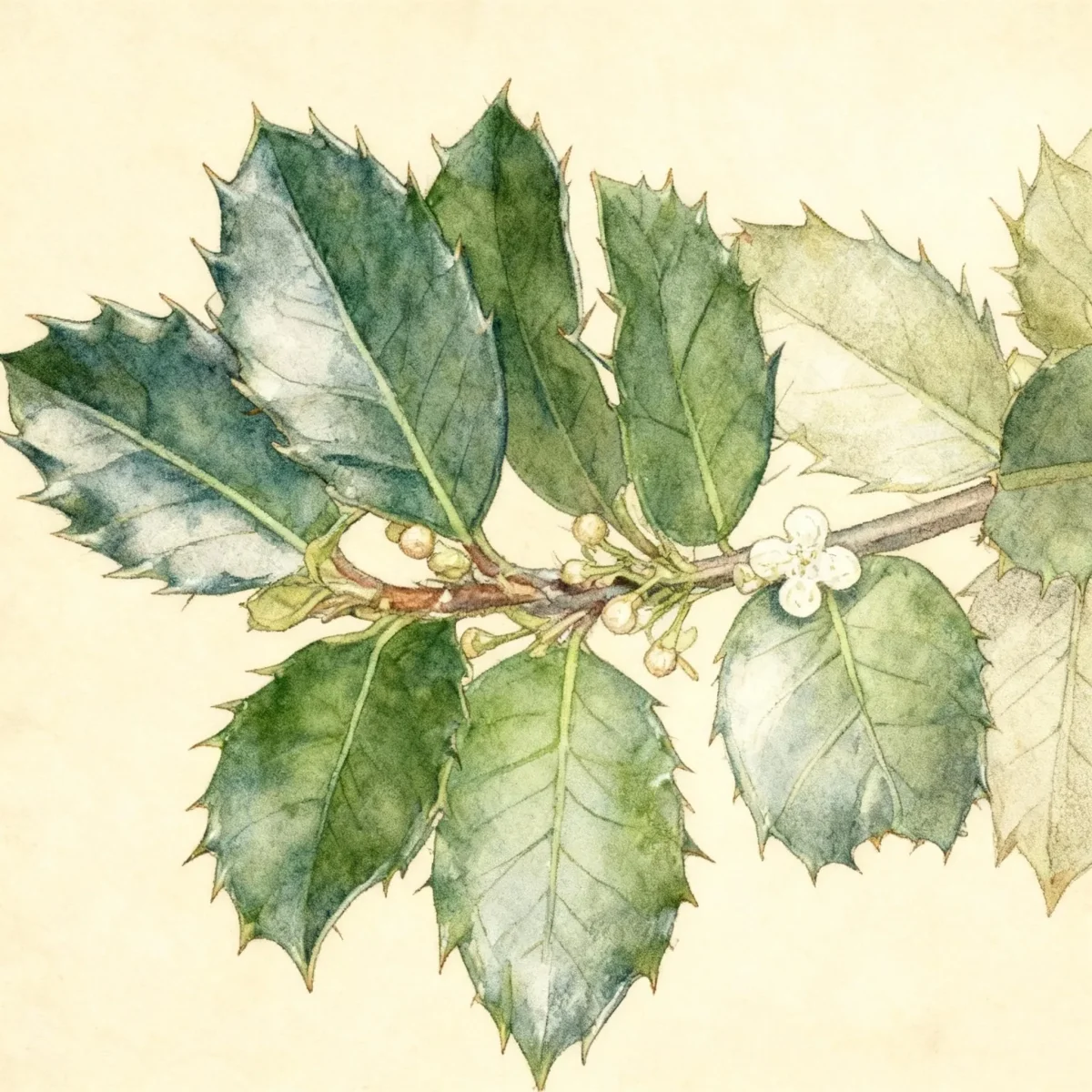
The Ilex × meserveae lineage was ingeniously developed in the mid-20th century by crossing hardy Japanese holly (I. rugosa) with classic English holly (I. aquifolium) to create durable winter-hardy hybrids often called blue hollies. A defining feature of the Ilex × meserveae BLUE PRINCE is its dense structure, purplish stems, and deep blue-green, spiny leaves, ensuring visual appeal throughout the year. As a dedicated male pollinator, this cultivar is crucial for ensuring that nearby female counterparts produce the desirable, often persisting, bright red berries.
Tolerances
- Air Pollution
Potential Problems
Blue holly, including Ilex × meserveae BLUE PRINCE, can occasionally suffer from several pest or disease issues if conditions are unfavorable. Common pest concerns include spider mites, scale insects, whitefly, or the holly leaf miner. Fungal diseases such as powdery mildew, leaf spot, and tar spot can affect foliage, particularly where air circulation is poor.
To mitigate these issues, ensure good site selection regarding airflow and avoid overhead watering that keeps foliage wet too long. Healthy plants are less susceptible; address chlorosis (yellowing leaves) immediately by amending high-pH soils, as this plant demands slightly acidic conditions to properly absorb nutrients.
Frequently Asked Questions
What hardiness zones is Blue holly suitable for?
Ilex × meserveae BLUE PRINCE is reliably hardy in USDA Zones 4 through 7, though shelter from severe winter winds is recommended in Zone 5.
How large does Ilex × meserveae BLUE PRINCE grow?
This dense evergreen shrub typically reaches a mature height between 8 and 12 feet and spreads to a similar width of 8 to 12 feet.
When does Blue holly bloom?
The greenish-white flowers of this male Blue holly appear across a long spring bloom period, typically from April to May, providing essential pollen.
What sun exposure does Ilex × meserveae BLUE PRINCE need?
This plant performs best when situated in locations receiving full sun to part shade, with afternoon shade being beneficial in hotter climates.
Conclusion
The Ilex × meserveae BLUE PRINCE remains a cornerstone for gardeners needing robust, low-maintenance evergreen structure. Its deep blue-green foliage and function as a premier pollinator for fruiting female Blue holly varieties secure its high value in the landscape. Before planting, confirm that your site falls within USDA Zones 4-7 and that you have planned its placement near a compatible female holly for pollination success.
Companion Planting
Selecting companions that share the love for slightly acidic, moist, well-drained soil will ensure a low-stress planting area around your Blue holly. Consider pairing the structure of Ilex × meserveae BLUE PRINCE with acid-loving flowering shrubs like Rhododendrons or Azaleas, which offer seasonal color splashes near the deep evergreen base.
For ground cover beneath the canopy, hostas or perennial groundcovers that tolerate partial shade and don’t compete aggressively for surface nutrients are ideal partners. Avoid planting shallow-rooted competitors immediately against the base where they might steal the water needed by your holly.
Design Ideas for Hedgerows
When using Ilex × meserveae BLUE PRINCE for hedging, consider staggering the planting depth slightly to create a more natural, layered effect rather than a rigid, single-line wall. The dense foliage responds well to formal shearing, making it perfect for creating low foundation borders or high privacy screens that block winter views.
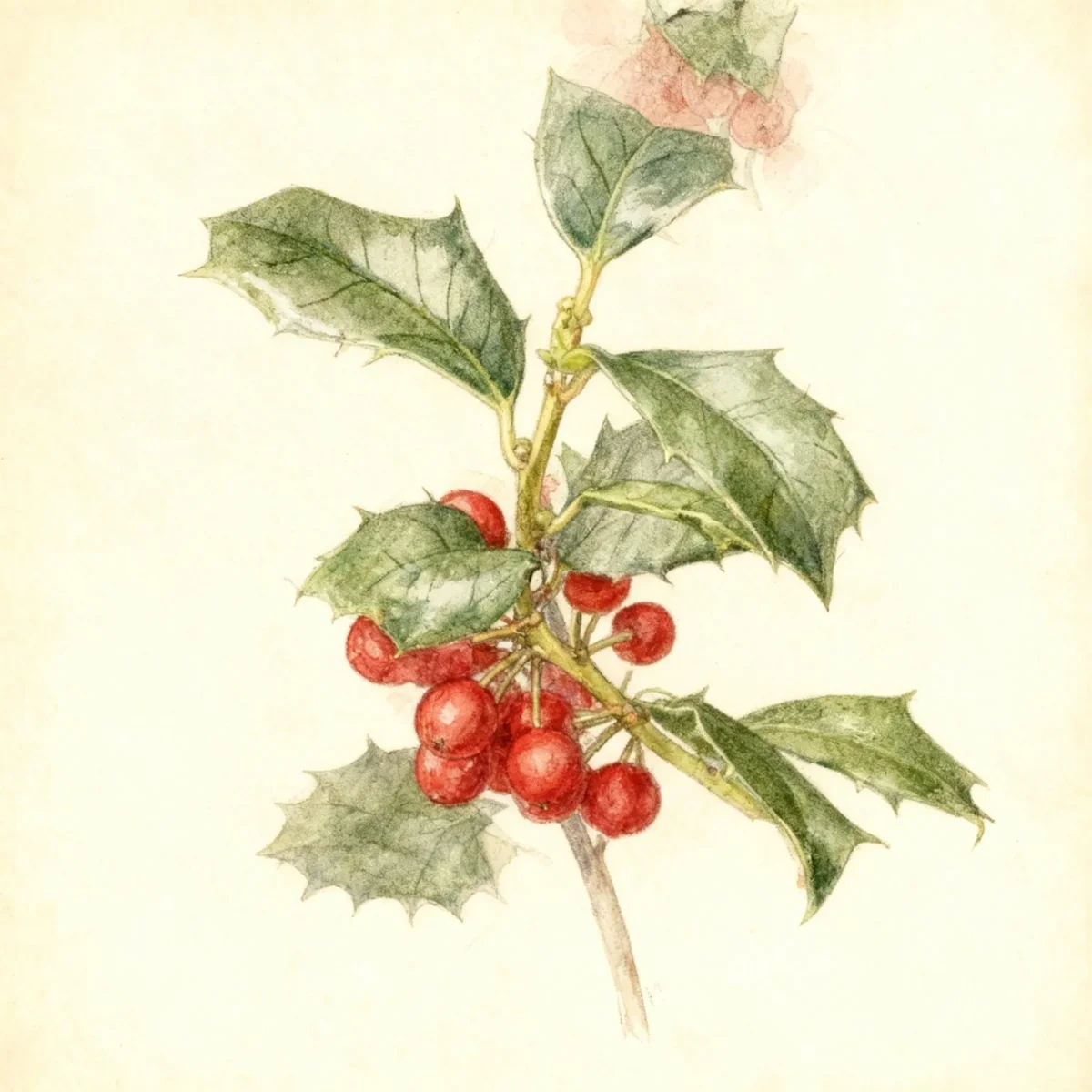
Because this cultivar is male, use its structure as a foil for colorful female hollies planted just behind or adjacent to it. This strategy ensures that you maximize the visual benefit of the BLUE PRINCE’s evergreen structure while guaranteeing abundant red berries from its pollinated neighbors the following winter.