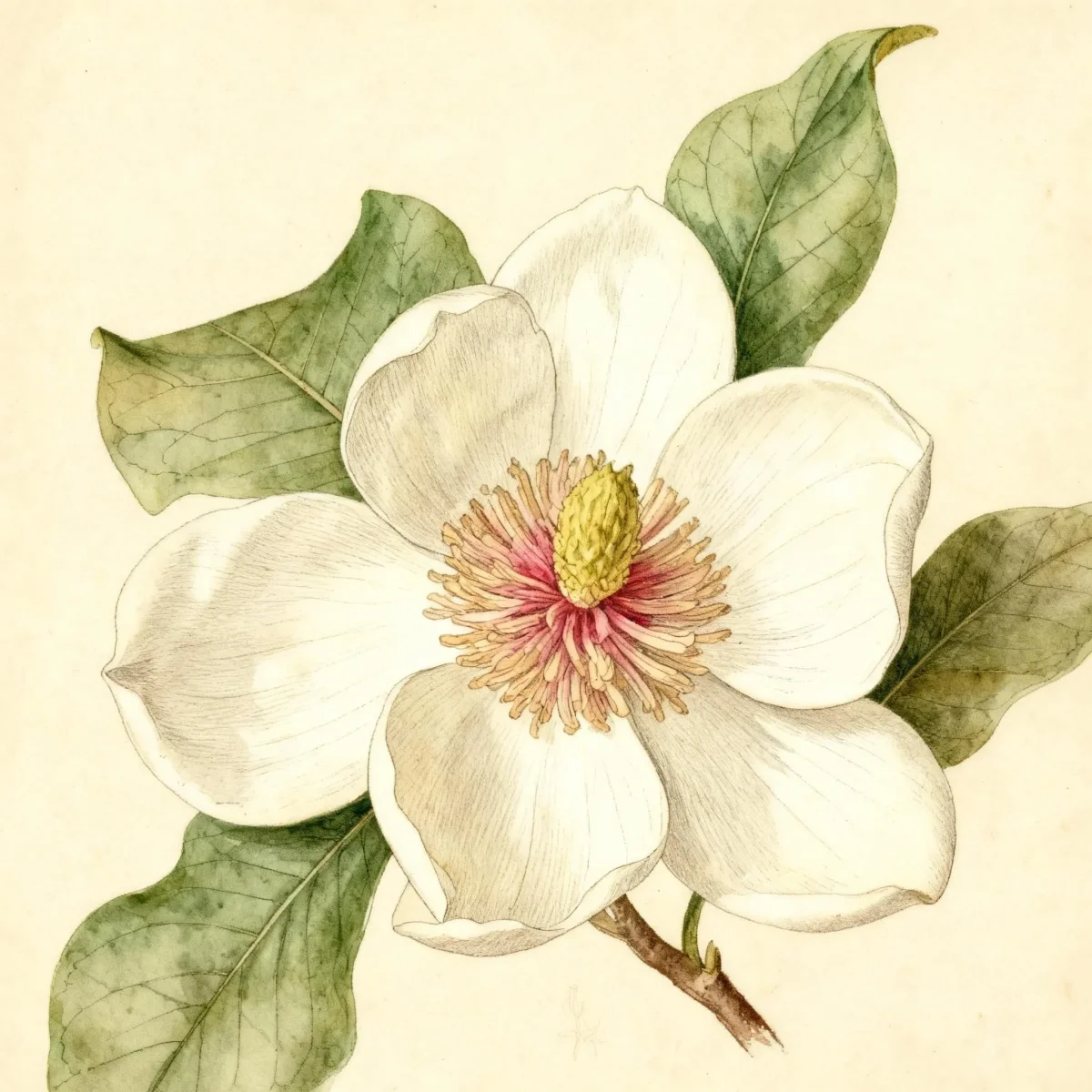
Magnolia (Magnolia 'Judy Zuk')
Magnolia 'Judy Zuk' is a deciduous tree prized for showy, fragrant yellow spring flowers. Grow in USDA Zones 5-9.
Scroll down to discover growing tips, care requirements, companion plants, and more
Complete Plant Information
Overview
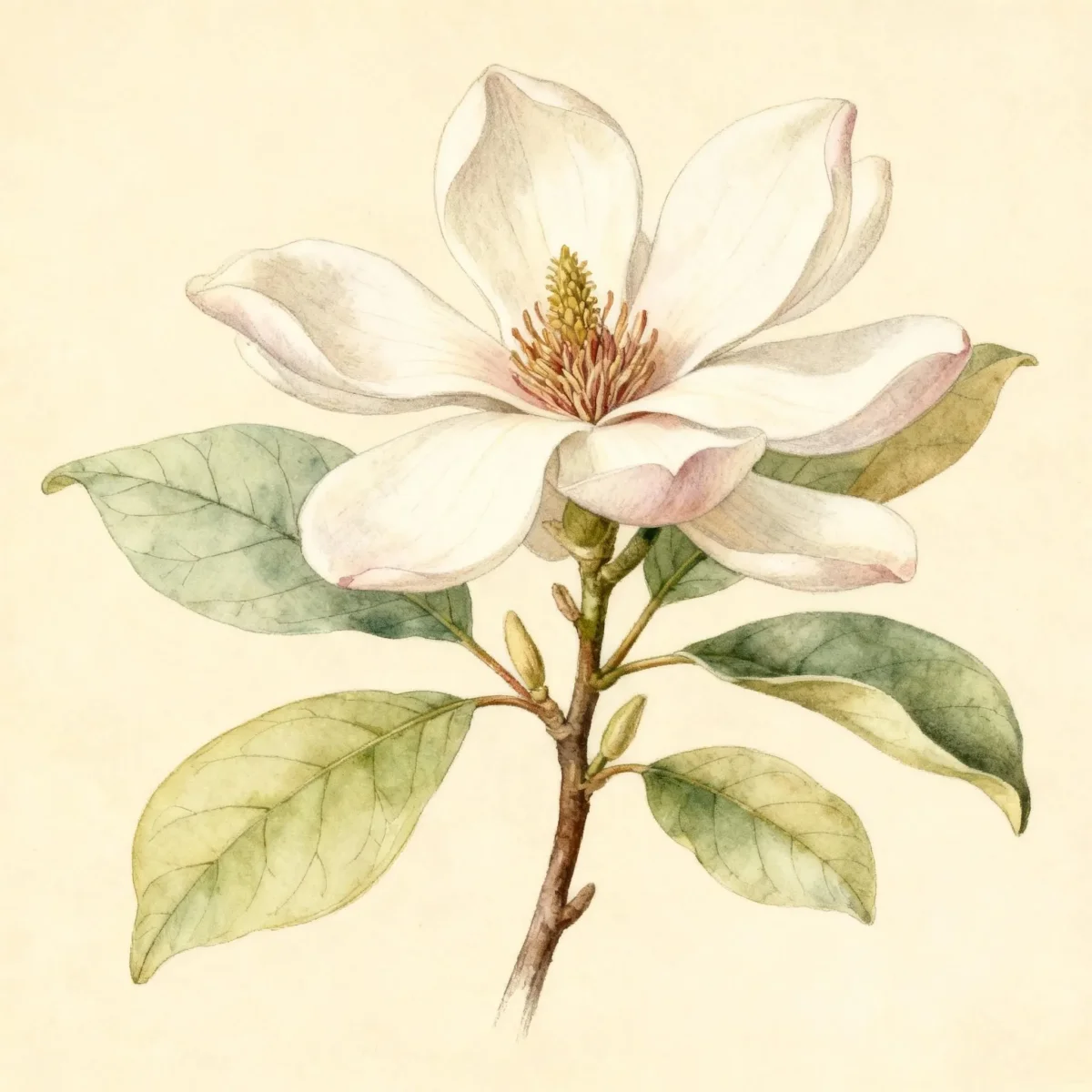
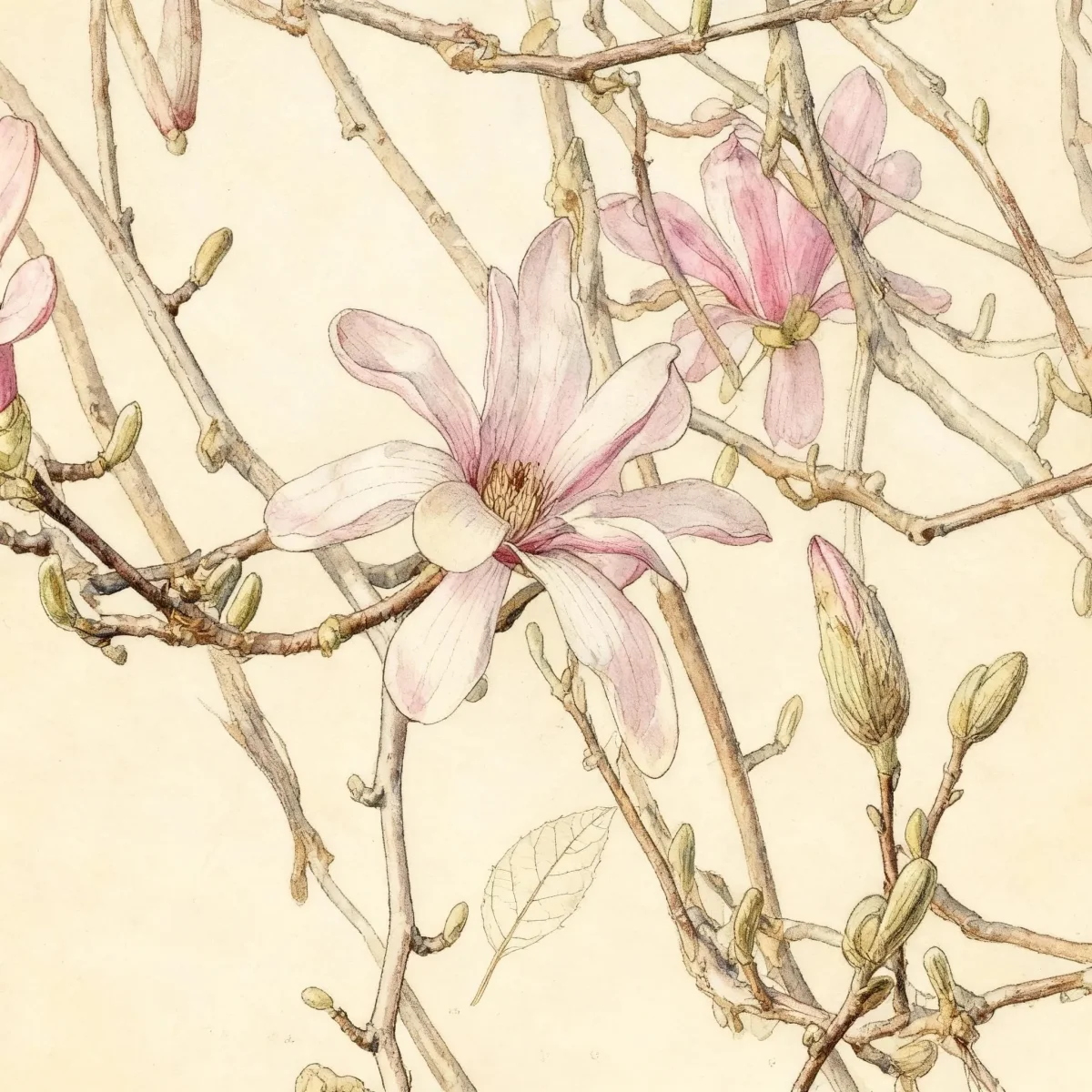
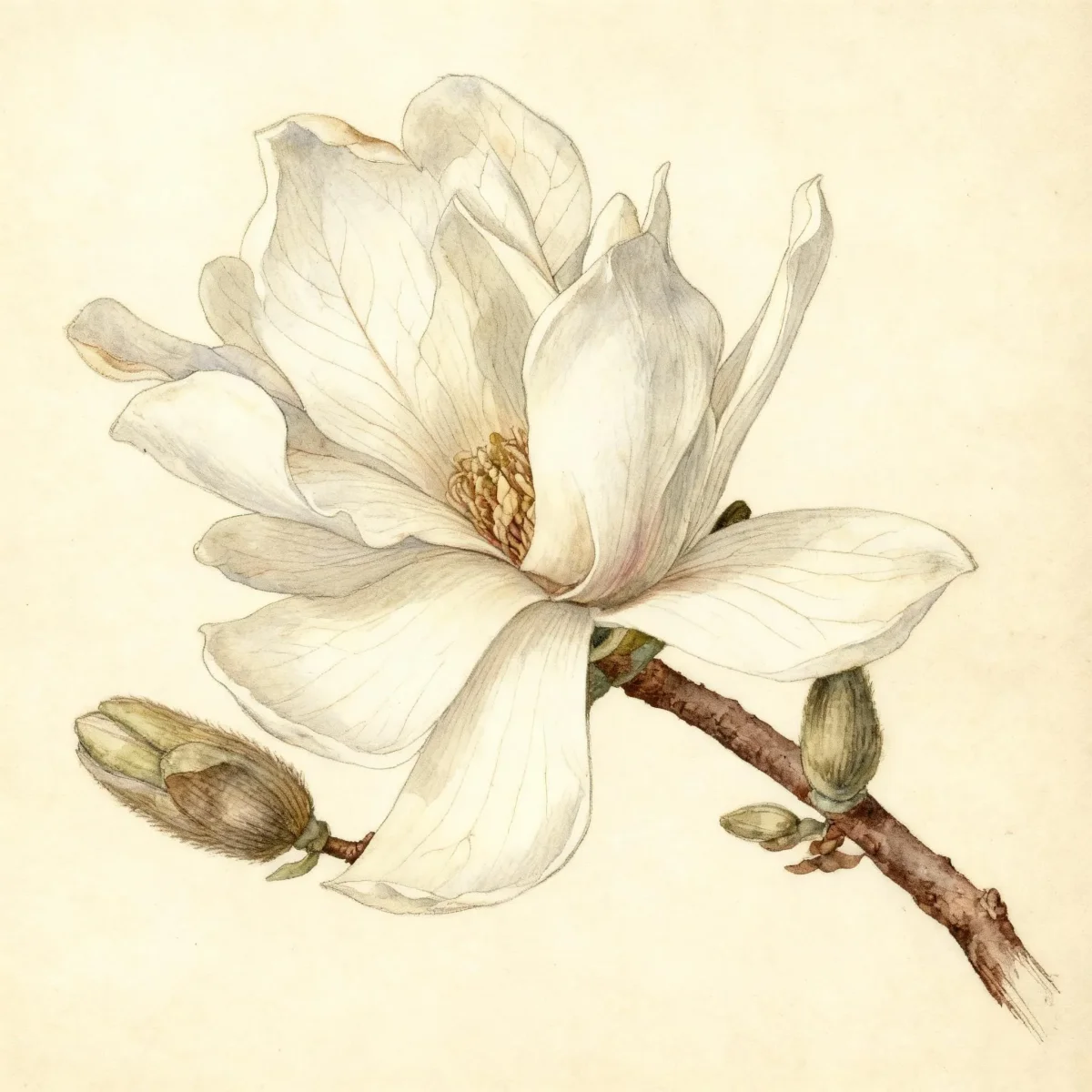
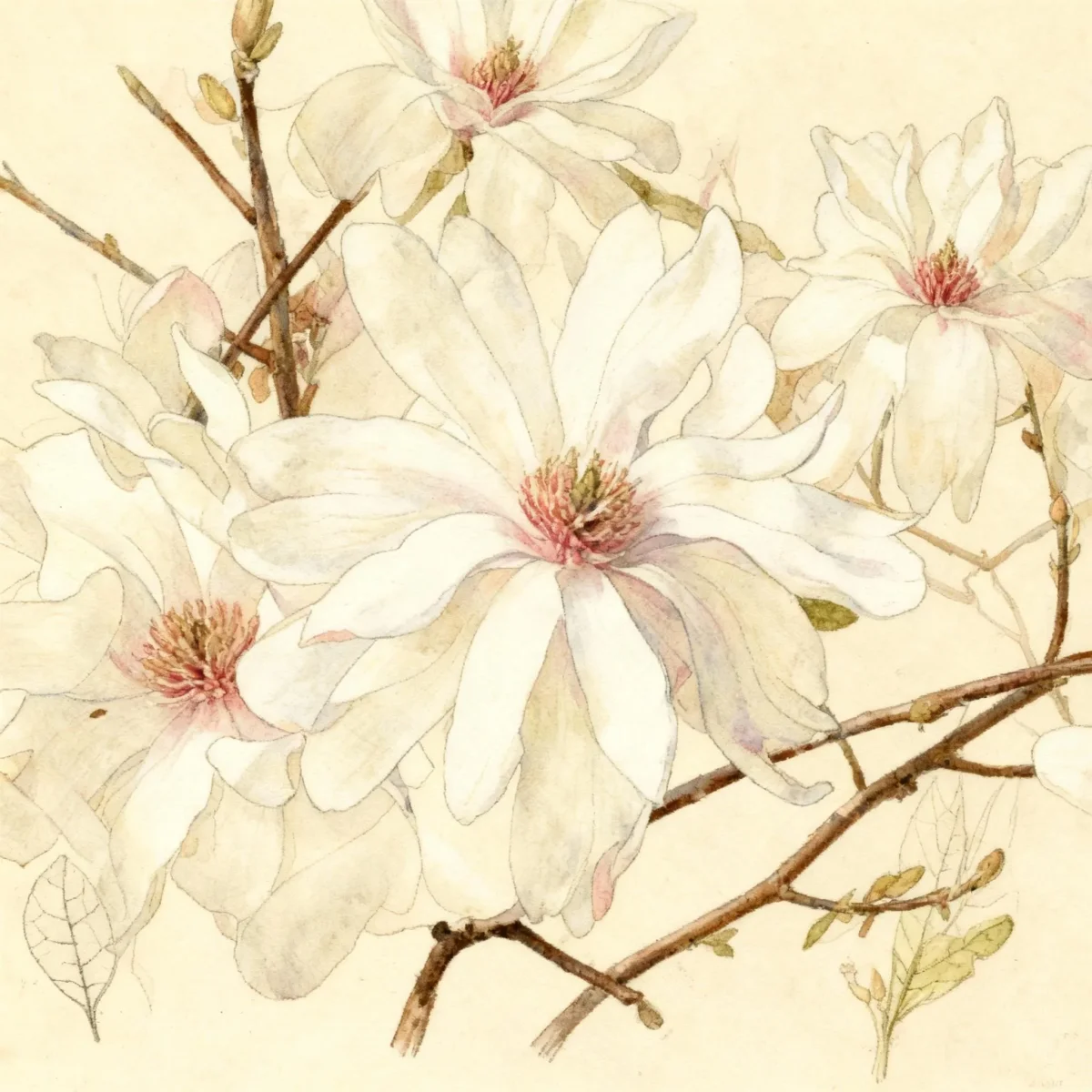
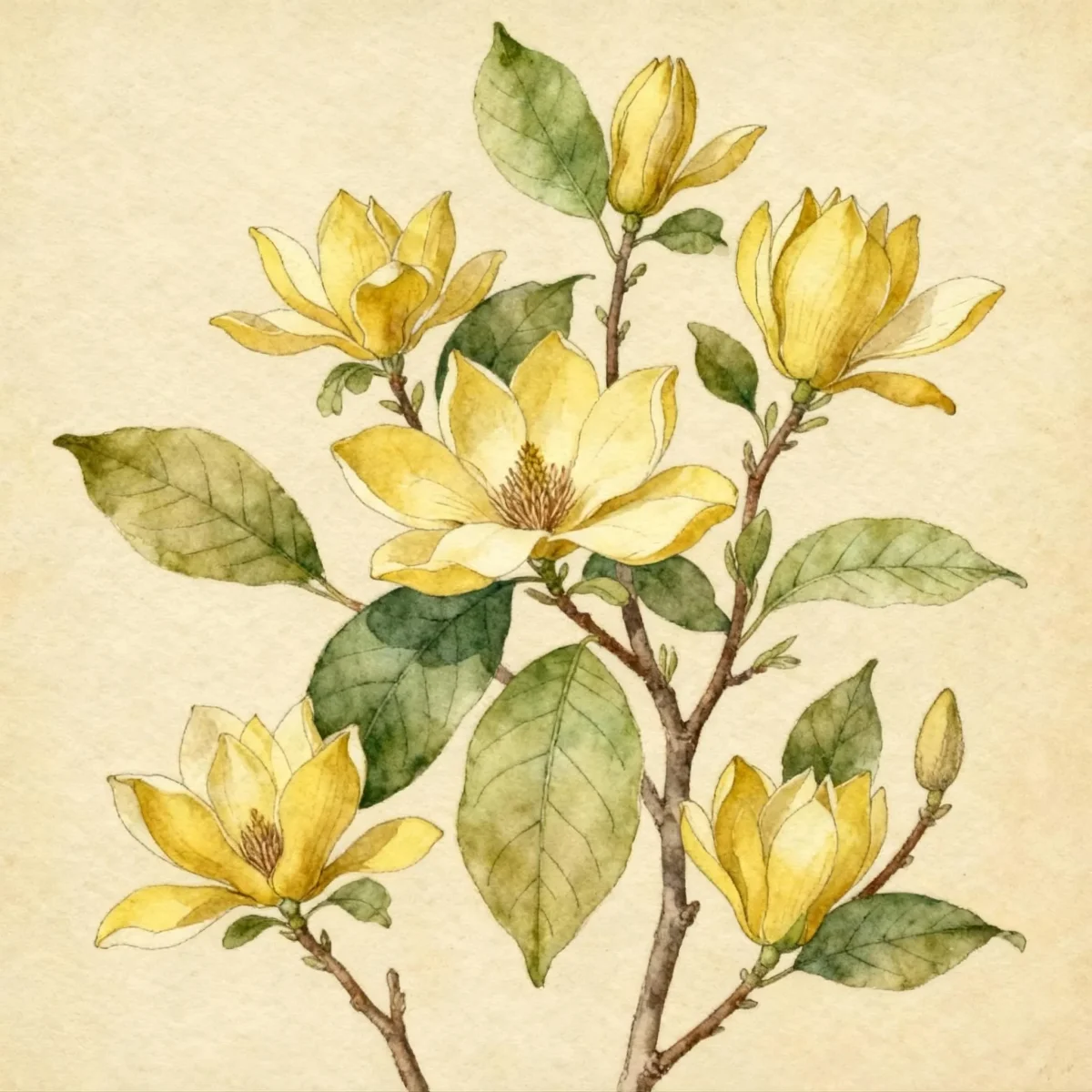
Magnolia ‘Judy Zuk’ is a highly valued deciduous tree within the expansive Magnolia genus, celebrated for its striking early spring floral display. This specific cultivar honors Judy Zuk, a past President of the Brooklyn Botanic Garden. It offers upright growth and features tulip-shaped blooms noted for being both showy and wonderfully fragrant, making it an excellent focal point in any landscape.
This sturdy Magnolia typically matures between 20 and 28 feet tall, displaying a relatively narrow spread, which suits many residential settings. It establishes best when planted carefully, as the fleshy root system dislikes disturbance once established. Gardeners appreciate the combination of high aesthetic value and manageable stature offered by Magnolia ‘Judy Zuk’.
The early bloom period—March to April—is significant, often before the larger leaves fully emerge, maximizing flower visibility. While these blossoms are a prime feature, gardeners must be aware that the initial bloom of Magnolia ‘Judy Zuk’ is susceptible to late spring frosts. Proper siting is key to ensuring this beautiful Magnolia thrives for many years.
Fast Facts
- Plant Family: Magnoliaceae
- Plant Type: Tree
- Hardiness Zones: USDA Zones 5-9
- Size at Maturity:
- Height: 20-28 ft
- Spread: 6-8 ft
- Bloom Time: March to April
- Bloom Description: Yellow with plum tinged bases
- Sun Exposure: Full sun to part shade
- Water Needs: Medium
- Maintenance Level: Medium
How to Grow
Planting Magnolia ‘Judy Zuk’ should occur when the tree is dormant, typically in the fall or early spring, ensuring careful handling of the easily damaged fleshy root system. Choose a location that provides organically rich, neutral to slightly acidic, well-drained soil. While it tolerates partial shade, full sun encourages the best flowering, though the site should be protected from harsh, desiccating winds.
Once established, maintain medium moisture levels by providing consistent water, especially during dry spells. Applying a root-zone mulch will help retain necessary soil moisture and keep the roots cool. Avoid warm southern exposures, as these can sometimes trick the buds into opening prematurely before the danger of frost has passed.
Maintenance for this Magnolia is generally low. Pruning should be minimal, usually limited to removing dead or damaged branches, and performed immediately following the spring flowering period. Since the flowers are typically sterile, maintenance related to fruit or seed clean-up is rare, allowing the gardener to focus on enjoying the early spring display of Magnolia ‘Judy Zuk’.
Landscape Uses
Magnolia ‘Judy Zuk’ functions excellently as a specimen or accent tree where its early, fragrant flowers can be fully appreciated. Its upright growth habit makes it a compelling choice for sunny areas along sightlines or near patios and entryways. Since it eventually reaches heights topping 20 feet, it can also serve as a small shade tree, softening the western exposure of a home or deck.
When integrating this Magnolia into the landscape, consider companion plantings that thrive in similar acidic soil conditions and partial shade, such as azaleas, rhododendrons, or Japanese maples, which offer contrasting foliage textures later in the season. Use the distinct yellow blooms of Magnolia ‘Judy Zuk’ as a vertical anchor in a spring border display, ensuring it remains the star before surrounding shrubs leaf out fully.
Standout Features
Flower Qualities
- Showy
- Fragrant
Noteworthy Characteristics
The genus Magnolia encompasses about 100 species of flowering trees and shrubs, widely known for large leaves and impressive blooms. Magnolia ‘Judy Zuk’ itself is an upright, deciduous magnolia cultivar that produces fragrant yellow flowers with distinctive plum-flushed bases as the new leaves emerge in early spring. This cultivar often exhibits sterile flowers, simplifying landscape management compared to species that produce large, persistent fruit.
Tolerances
Potential Problems
Like many Magnolias, this cultivar may face potential disease issues, including leaf spots, anthracnose, canker, dieback, and powdery mildew. Insect pests that might require attention include scale, thrips, weevils, and snails. The greatest risk to the overall appearance of the Magnolia ‘Judy Zuk’ in spring is late frost, which can severely damage or destroy the developing flower buds and early blooms.
To mitigate disease, ensure good air circulation through proper spacing and avoid overhead watering whenever possible. Regular scouting for early signs of insect infestation allows for targeted, localized treatments, protecting your valuable flowering tree.
Frequently Asked Questions
What hardiness zones is Magnolia ‘Judy Zuk’ suitable for?
This beautiful flowering tree is hardy outdoors in USDA Zones 5 through 9, offering versatility across many temperate regions.
How large does Magnolia ‘Judy Zuk’ grow?
At maturity, you can expect this tree to reach a height between 20 and 28 feet, with a moderate spread ranging from 6 to 8 feet wide.
What sun exposure does Magnolia ‘Judy Zuk’ need?
For optimal health and the best performance of its showy flowers, plant in full sun to partial shade.
When does Magnolia ‘Judy Zuk’ bloom?
The bloom time is generally early spring, specifically from March to April, featuring distinctive yellow flowers with plum tinged bases.
Conclusion
Magnolia ‘Judy Zuk’ brings significant architectural structure and unparalleled early-season color to the garden, boasting fragrant, unique yellow flowers. Understanding the specific needs of this Magnolia, particularly regarding soil drainage and frost protection, ensures its long-term success. Check your local USDA zone compatibility before purchasing to guarantee that this fantastic cultivar of Magnolia enhances your landscape for decades.
Companion Planting
Choosing companions for Magnolia ‘Judy Zuk’ revolves around matching its preference for organically rich, slightly acidic, well-drained soils. Plants that share these cultural requirements will create a cohesive garden tapestry. Consider groundcovers that thrive in partial shade and help maintain consistent soil moisture around the Magnolia’s shallow roots; ferns, hostas, and woodland phlox are excellent choices that won’t compete aggressively for surface nutrients.
For height contrast and late-season color, position later-blooming shrubs behind the Magnolia. Hydrangeas (especially those preferring acid soil) or late spring flowering rhododendrons complement the overall aesthetic without competing during the critical March-April bloom window of the Magnolia.
Seasonal Care Calendar
Spring is critical for enjoying the blooms of Magnolia ‘Judy Zuk’. As flowers appear, monitor the forecast closely for hard frosts; while minor protection is rarely feasible for a mature tree, site selection must account for this vulnerability. Immediately after flowering concludes, apply any necessary shaping or pruning, focusing only on removing crossing or damaged wood to maintain the desired upright form.
Summer care centers on water management. Because this Magnolia requires medium moisture and dislikes drying out, especially near the surface where its fleshy roots reside, deep, consistent watering is vital throughout heat waves. Ensure any mulch layer remains intact to prevent soil temperature fluctuations and conserve moisture.
Conclusion
Magnolia ‘Judy Zuk’ brings significant architectural structure and unparalleled early-season color to the garden, boasting fragrant, unique yellow flowers. Understanding the specific needs of this Magnolia, particularly regarding soil drainage and frost protection, ensures its long-term success. Check your local USDA zone compatibility before purchasing to guarantee that this fantastic cultivar of Magnolia enhances your landscape for decades.