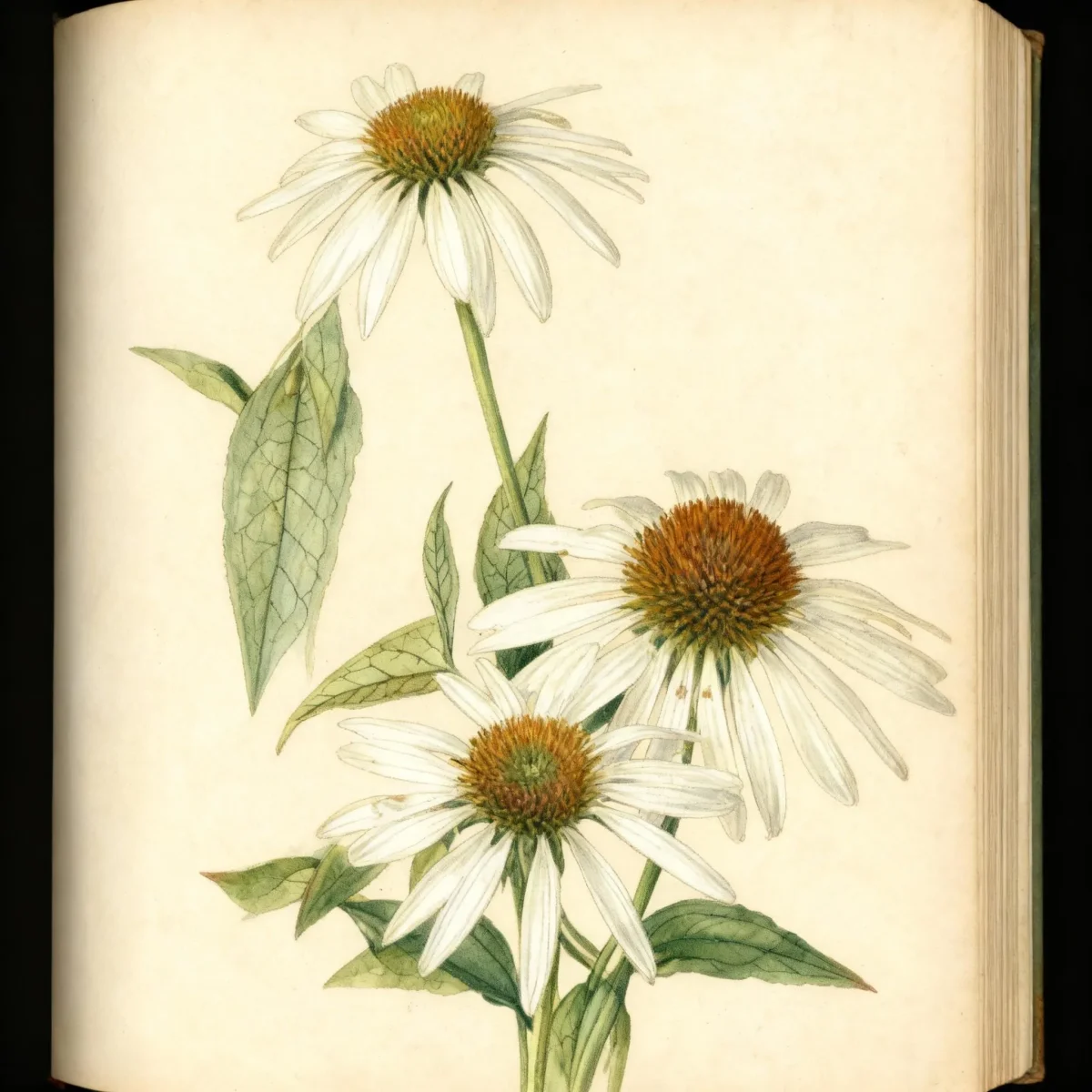
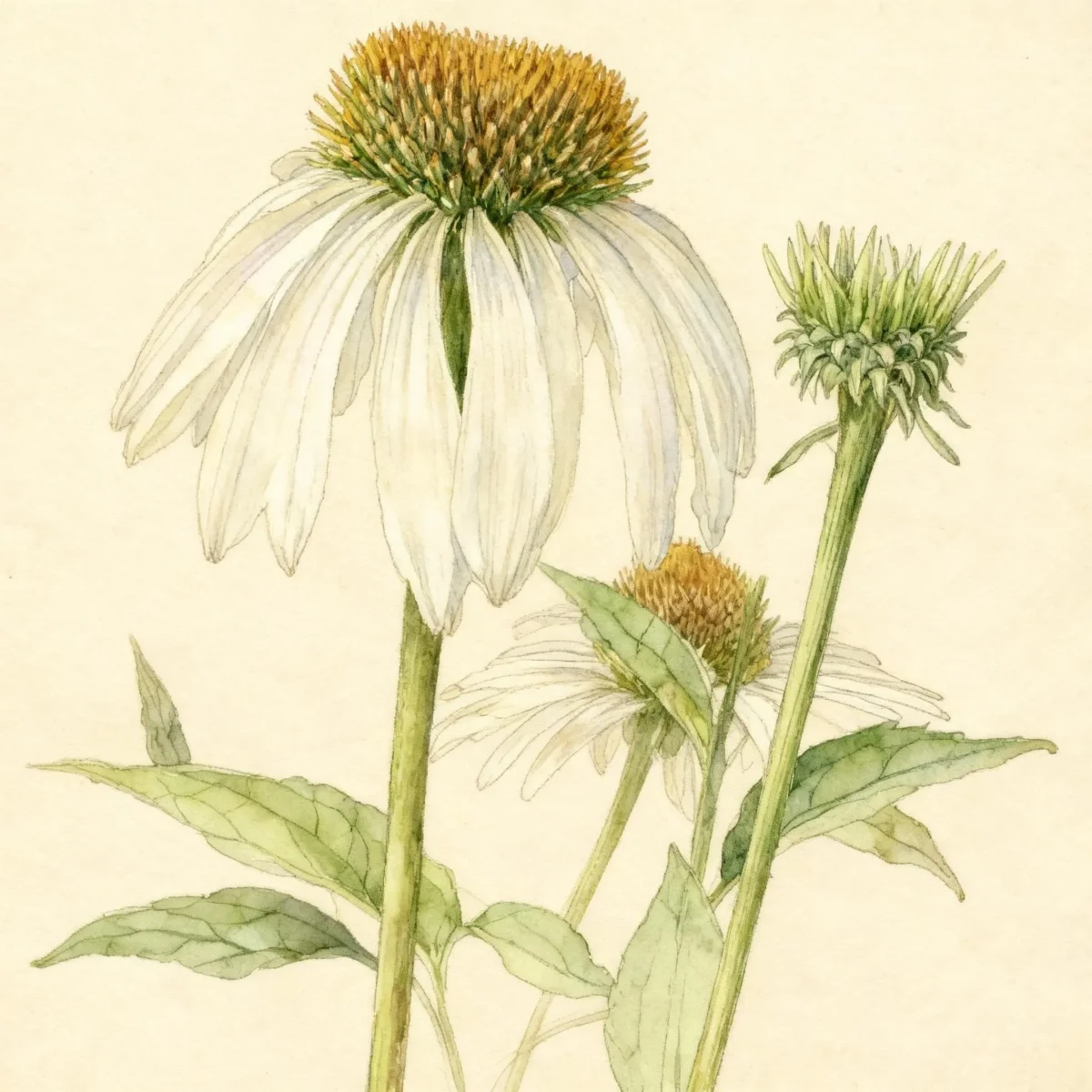
Purple coneflower (Echinacea purpurea 'Hope')
Echinacea purpurea 'Hope' is a vigorous, low-maintenance Purple coneflower blooming pink from June to August, perfect for dry, sunny gardens.
Scroll down to discover growing tips, care requirements, companion plants, and more
Complete Plant Information
Overview
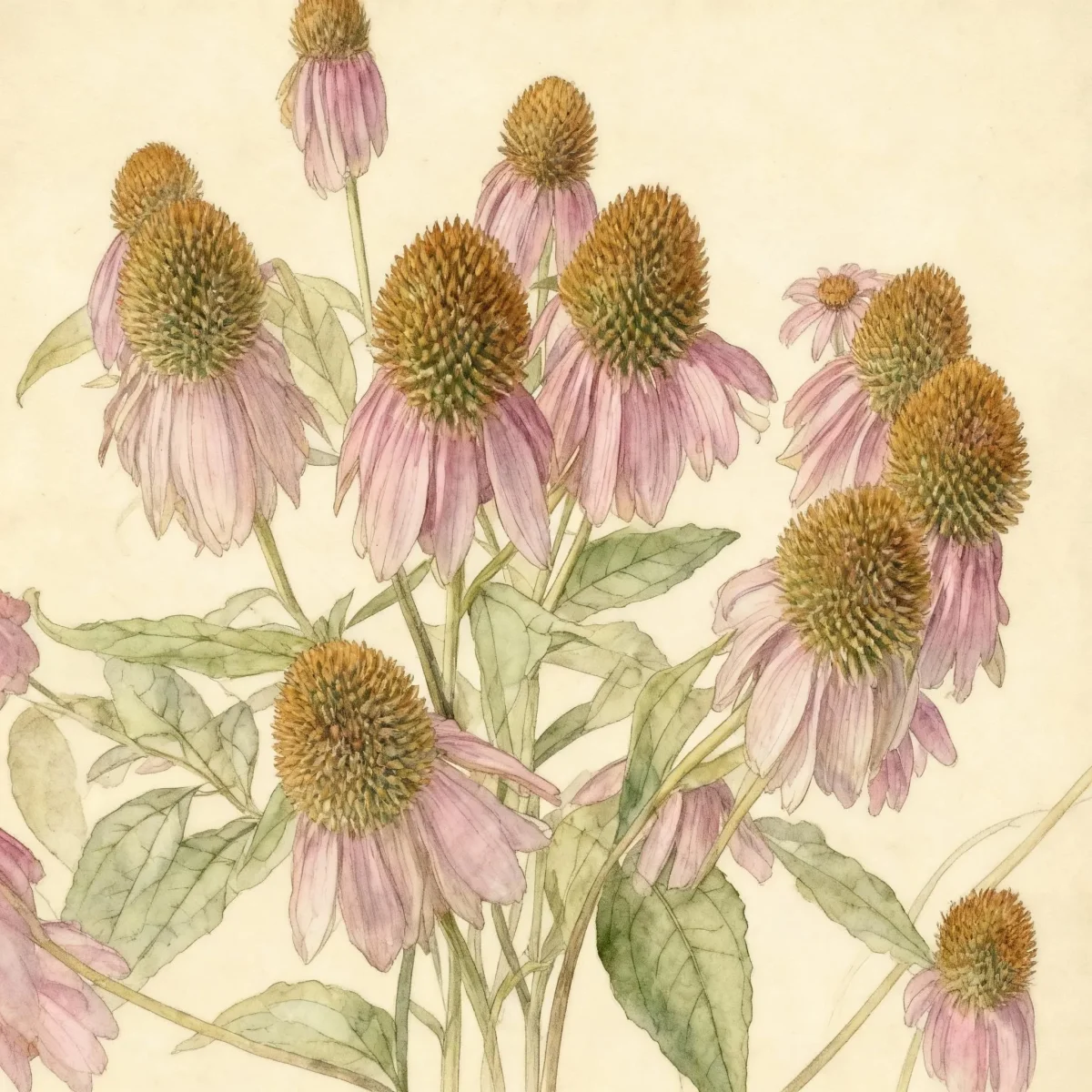
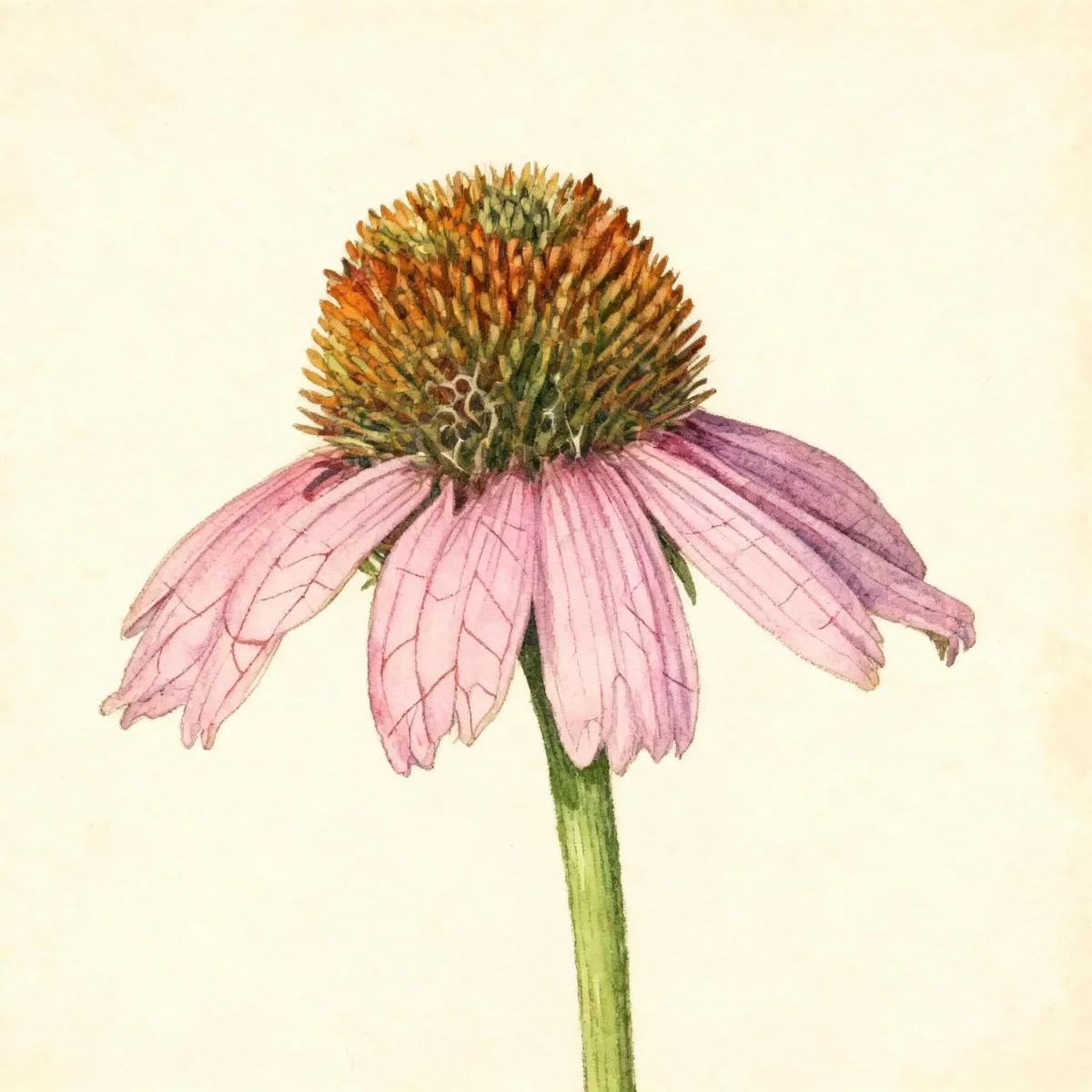
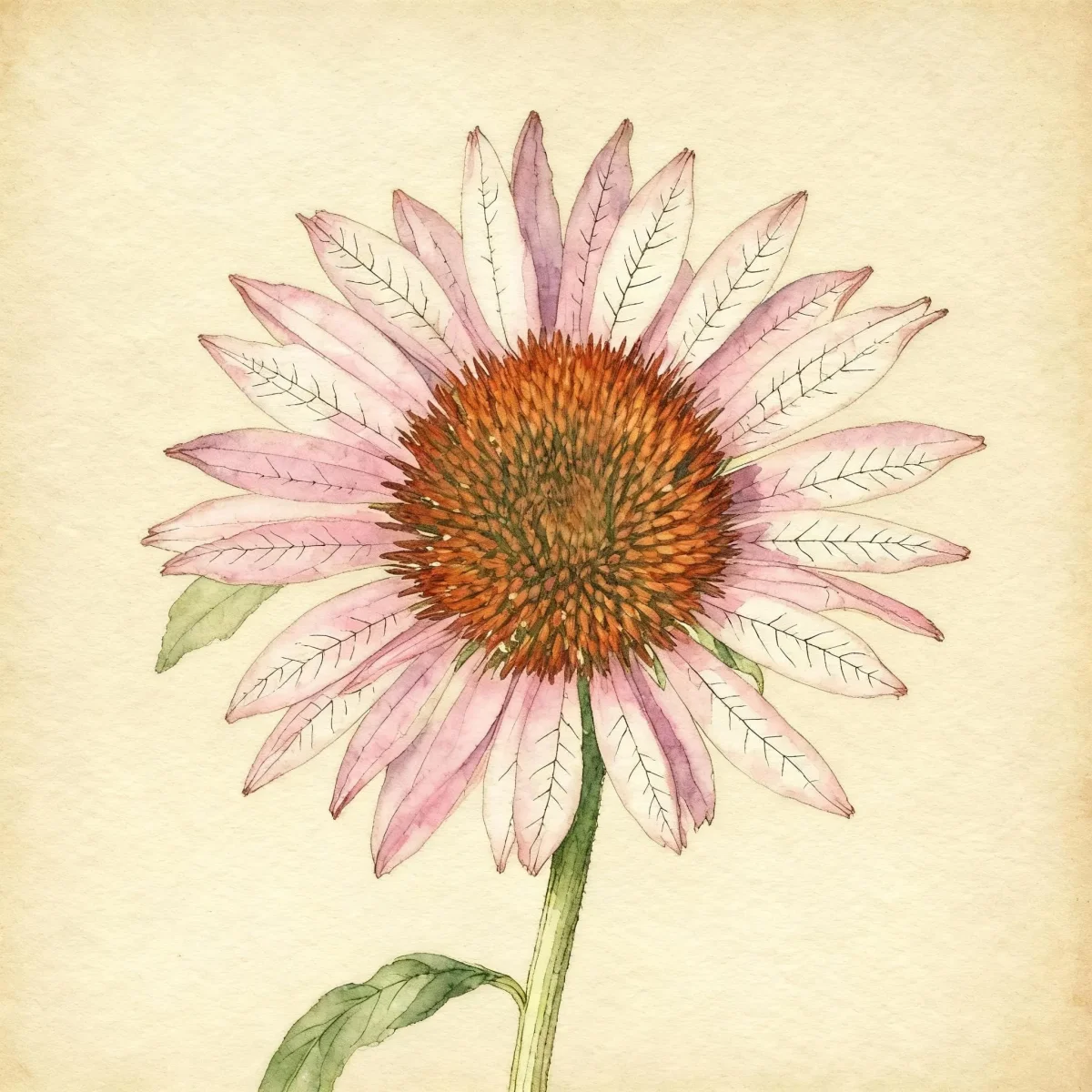
Echinacea purpurea ‘Hope’ is a celebrated herbaceous perennial known for its robust constitution and cheerful summer display. Introducing significantly vibrant color, this variety of Purple coneflower excels due to its fragrant, daisy-like flowers featuring soft pink rays contrasted by rich, dark orange-brown central cones. Gardeners value this cultivar for its adaptability and low maintenance profile.
As an improvement on the classic Purple coneflower, Echinacea purpurea ‘Hope’ typically forms clumps reaching two to three feet tall, making it an excellent mid-border specimen. It thrives across a wide range of conditions, tolerating heat, humidity, and even poorer soils once established. This resilience ensures reliable seasonal interest, attracting pollinators while providing beautiful material for both fresh and dried arrangements.
This specific selection, ‘Hope’, carries a special dedication to supporting breast cancer research, adding meaning to its aesthetic appeal. Planting Echinacea purpurea ‘Hope’ contributes structure and vital food sources to the ecosystem throughout the summer months, confirming its status as a gardener favorite.
Fast Facts
- Plant Family: Asteraceae
- Plant Type: Herbaceous perennial
- Hardiness Zones: USDA Zones 3-9
- Size at Maturity:
- Height: 2-3 ft
- Spread: 1-2 ft
- Bloom Time: June to August
- Bloom Description: Pink
- Sun Exposure: Full sun to part shade
- Water Needs: Dry to medium
- Maintenance Level: Low
How to Grow
Best establishment of Echinacea purpurea ‘Hope’ occurs when planted in the spring or fall, allowing the roots time to settle before intense summer heat or winter freezes arrive. Aim for a location receiving full sun, although partial shade is tolerated; however, maximum bloom performance is achieved with ample light. This plant prefers average, well-drained soil, but it is highly adaptable, handling clay, dry, or rocky soils with ease.
Water newly planted Purple coneflower regularly until the root system is developed. Established Echinacea purpurea ‘Hope’ plants are highly drought-tolerant and require only occasional deep watering during extended dry spells. Fertilization is usually unnecessary, especially if the plant is situated in native or average garden soil.
For optimal appearance, divide overcrowded clumps of Echinacea every four years to maintain vigor. While the plant often reblooms without attention, promptly removing spent flowers improves the overall summer look. If you choose to leave some seed heads standing, the blackened cones provide winter visual interest and food for visiting goldfinches.
Landscape Uses
Echinacea purpurea ‘Hope’ adds spectacular texture and color to numerous garden settings due to its sturdy stems and continuous bloom period. It is an excellent selection for mass planting within borders, creating drifts of soft pink color that blend beautifully with other late-summer perennials. Consider using it in native plant gardens or naturalized meadows where its rugged nature shines.
Companion planting is easy with this adaptable perennial. It pairs famously with Rudbeckia (black-eyed Susans) for a classic prairie aesthetic, or plant it alongside ornamental grasses and salvias for varying texture and height. The height range of Echinacea purpurea ‘Hope’ also makes it suitable for the front or middle layer of a mixed perennial bed.
For homeowners seeking low-impact, high-reward gardening, this Purple coneflower thrives in sunny woodland edges or mixed shrub borders, succeeding where consistent moisture might be lacking. Its resistance to deer browsing further increases its utility in suburban landscapes.
Standout Features
Flower Qualities
- Showy
- Fragrant
- Good Cut
- Good Dried
Noteworthy Characteristics
The genus name Echinacea derives from the Greek word for hedgehog, referencing the spiny central cone characteristic of most flowers in this group. Echinacea purpurea ‘Hope’ stands out with showy, daisy-like blooms featuring soft pink rays and large, dark orange-brown central cones, blooming vigorously from June to August. This patented cultivar honors the survivors of breast cancer, with a portion of sales dedicated to related cancer research.
Tolerances
- Deer
- Drought
- Clay Soil
- Dry Soil
- Shallow-Rocky Soil
Potential Problems
Japanese beetles can occasionally sample the foliage of this otherwise tough plant. Fungal issues like leaf spot may appear, particularly if air circulation is poor or if the plant is stressed. Good garden hygiene, including ensuring proper spacing between plants, helps mitigate these occasional issues.
If aster yellows disease is suspected, management is difficult and the affected plant should usually be removed to prevent spread. Always source your Echinacea purpurea ‘Hope’ stock from reputable nurseries to minimize disease risk entering your garden.
Frequently Asked Questions
What hardiness zones is Purple coneflower suitable for?
Echinacea purpurea ‘Hope’ is hardy across USDA Zones 3 through 9, providing reliable perennial coverage for a vast portion of North America.
How large does Purple coneflower grow?
This cultivar typically reaches a mature height between 2 to 3 feet tall, with a spread of 1 to 2 feet wide.
What sun exposure does Echinacea purpurea ‘Hope’ need?
For best flowering results, Echinacea purpurea ‘Hope’ requires a location offering full sun, though it will tolerate partial shade conditions.
When does Purple coneflower bloom?
The primary bloom time for this variety is from June through August, offering reliable pink color through the peak summer heat.
Conclusion
Echinacea purpurea ‘Hope’ provides exceptional value through its summer-long pink display, impressive drought tolerance, and low maintenance requirements. Integrating this vigorous Purple coneflower into your landscape guarantees beautiful texture and supports local wildlife. Before planting, confirm that your site offers the necessary full sun exposure and remember that proper zone selection is key to perennial success.
Companion Planting
When designing space for Echinacea purpurea ‘Hope’, consider companions that share its preference for full sun and dry to medium moisture levels. Plants that mature slightly earlier or later can help extend the visual interest of the border. Excellent partners include Coreopsis verticillata ‘Zagreb’ for fine texture, or taller Russian Sage (Perovskia atriplicifolia) which offers a contrasting airy habit and silvery foliage.
Grouping this Purple coneflower with other sturdy natives like Butterfly Weed (Asclepias tuberosa) or sturdy Rudbeckia varieties ensures a unified, resilient planting scheme that requires minimal supplemental watering once established. These combinations create a dynamic, multi-layered pollinator garden.
Wildlife Benefits
The structure of the coneflower itself offers significant support to local fauna throughout the seasons. The large, prominent central cone of Echinacea purpurea ‘Hope’ is a magnet for summer pollinators, including bees and butterflies seeking nectar. When flowers fade, leaving the seed heads standing provides crucial sustenance.
Goldfinches and other seed-eating birds readily visit the dried flower heads well into winter, gleaning the seeds from the spiny cones. This characteristic makes the plant invaluable for supporting winter bird populations, providing both food and vertical structure when deciduous plants have lost their foliage.