Rusty blackhaw viburnum (Viburnum 'Royal Guard')
Viburnum 'Royal Guard', a Rusty blackhaw viburnum, features an upright habit, glossy foliage turning burgundy, and edible blue berries. Low maintenance.
Scroll down to discover growing tips, care requirements, companion plants, and more
Complete Plant Information
Overview
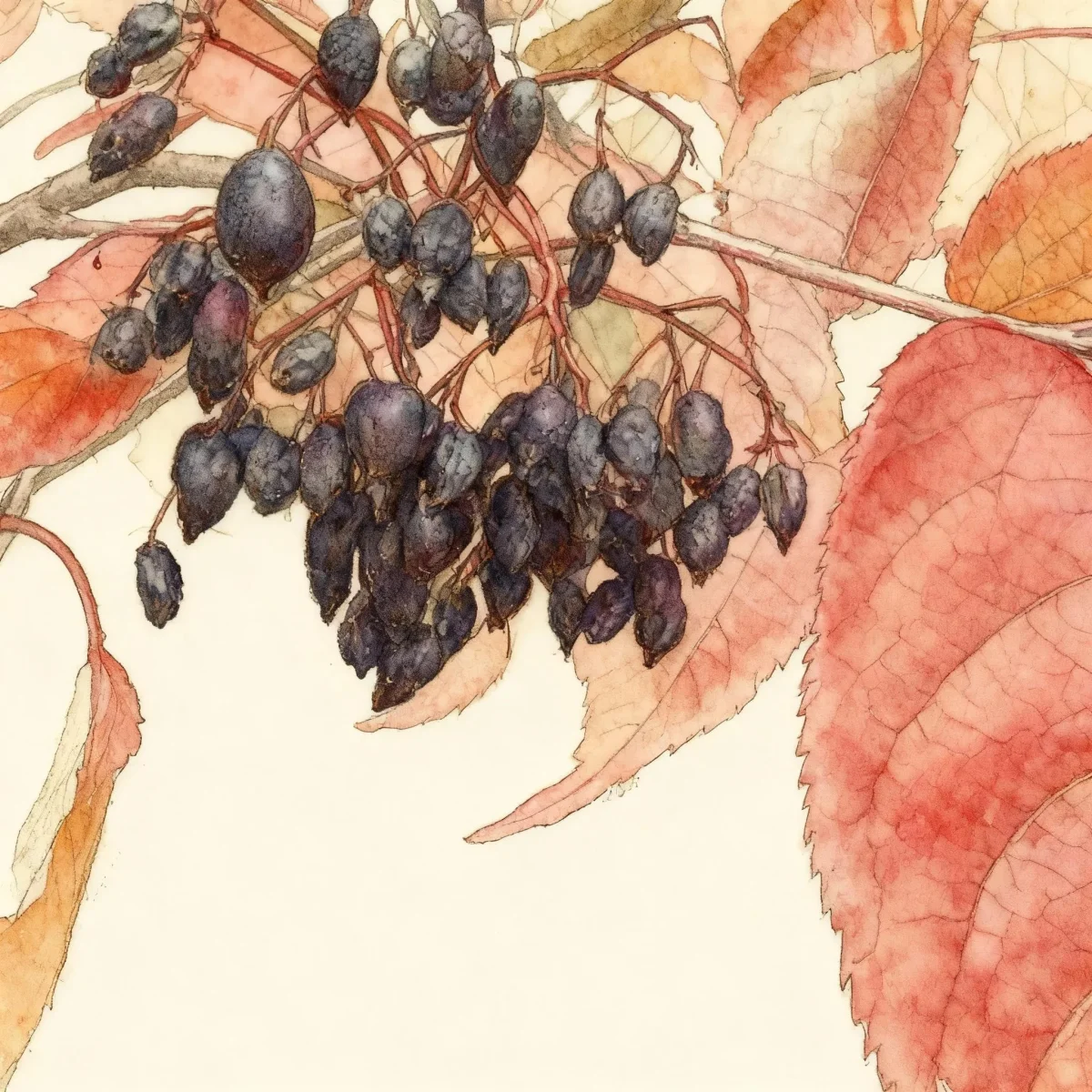
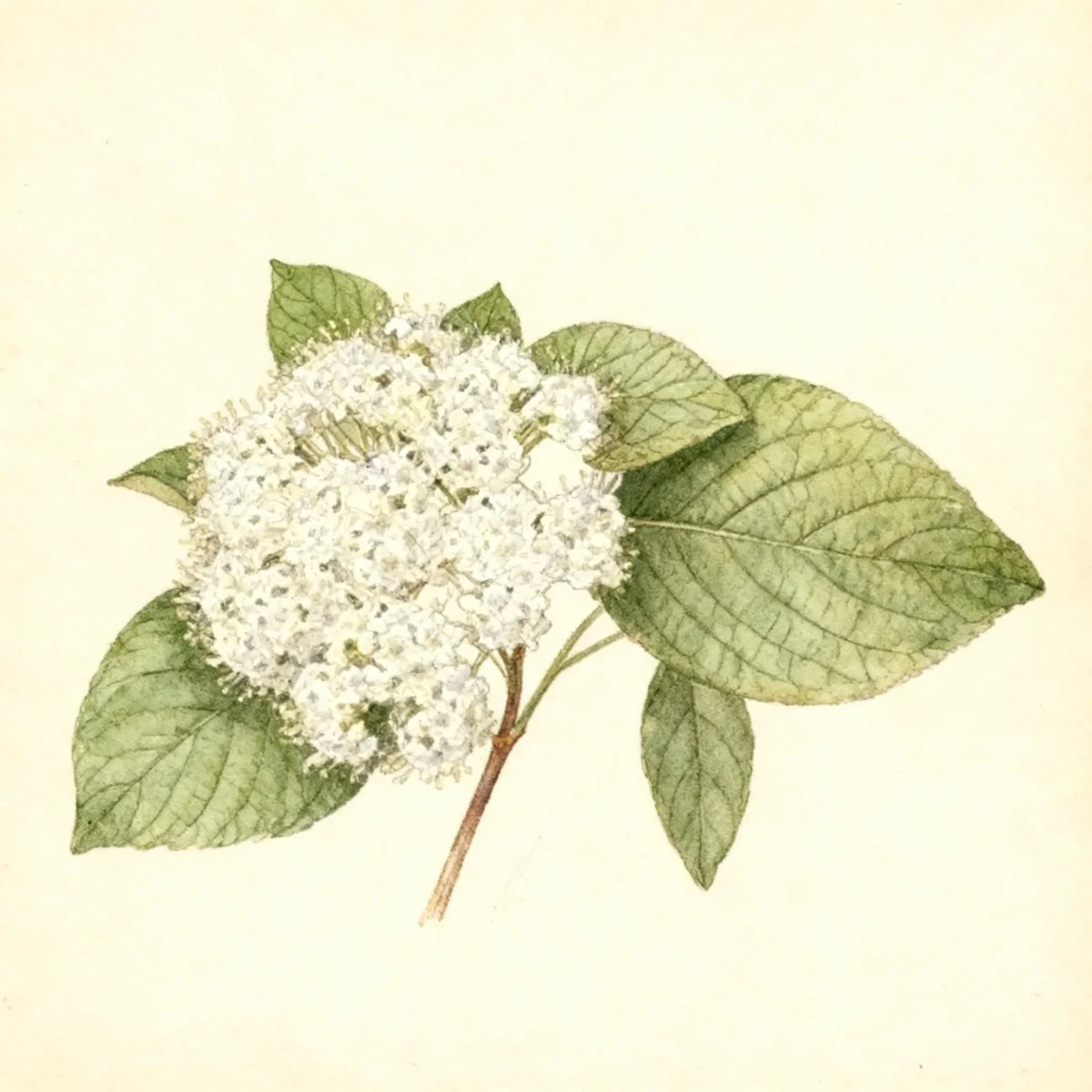
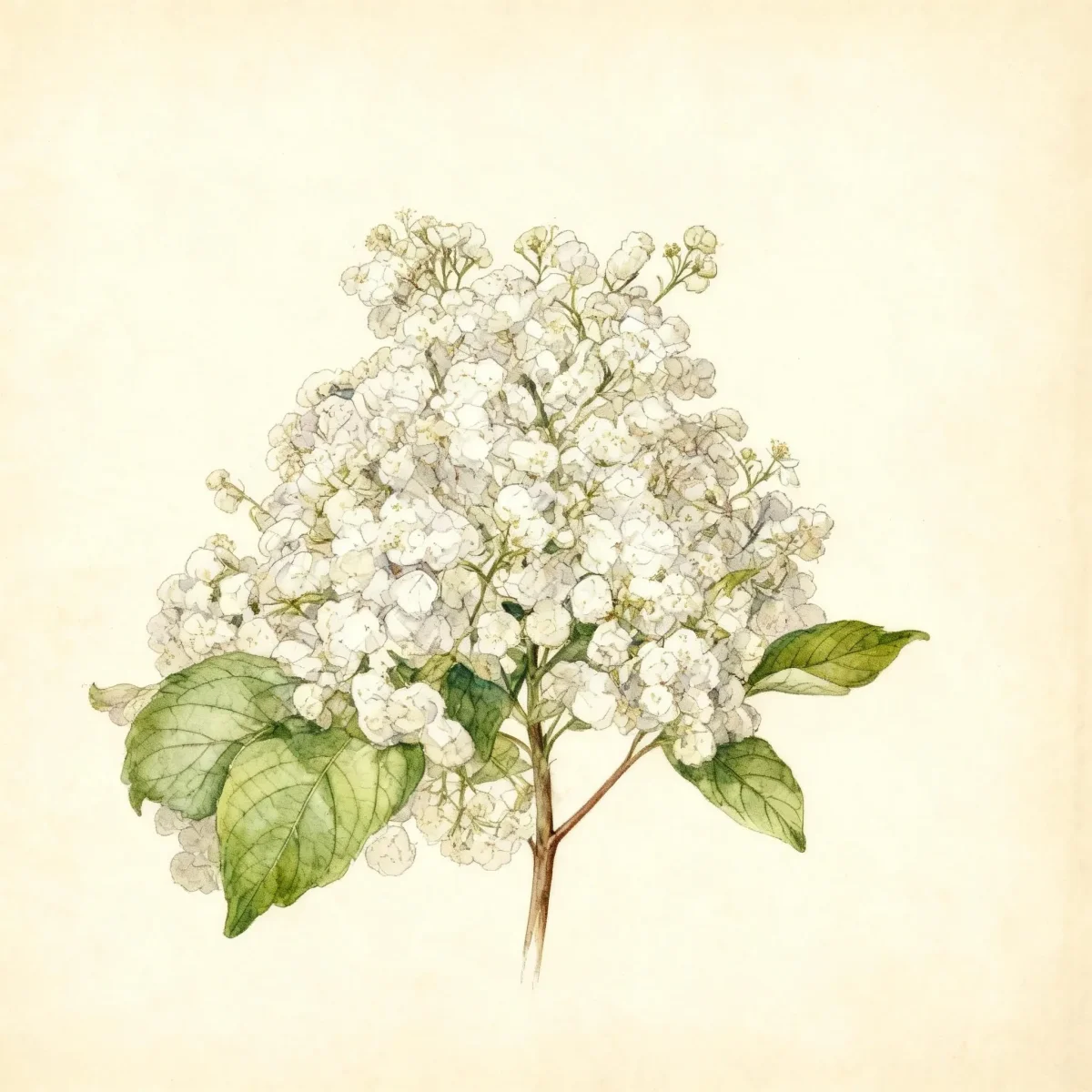
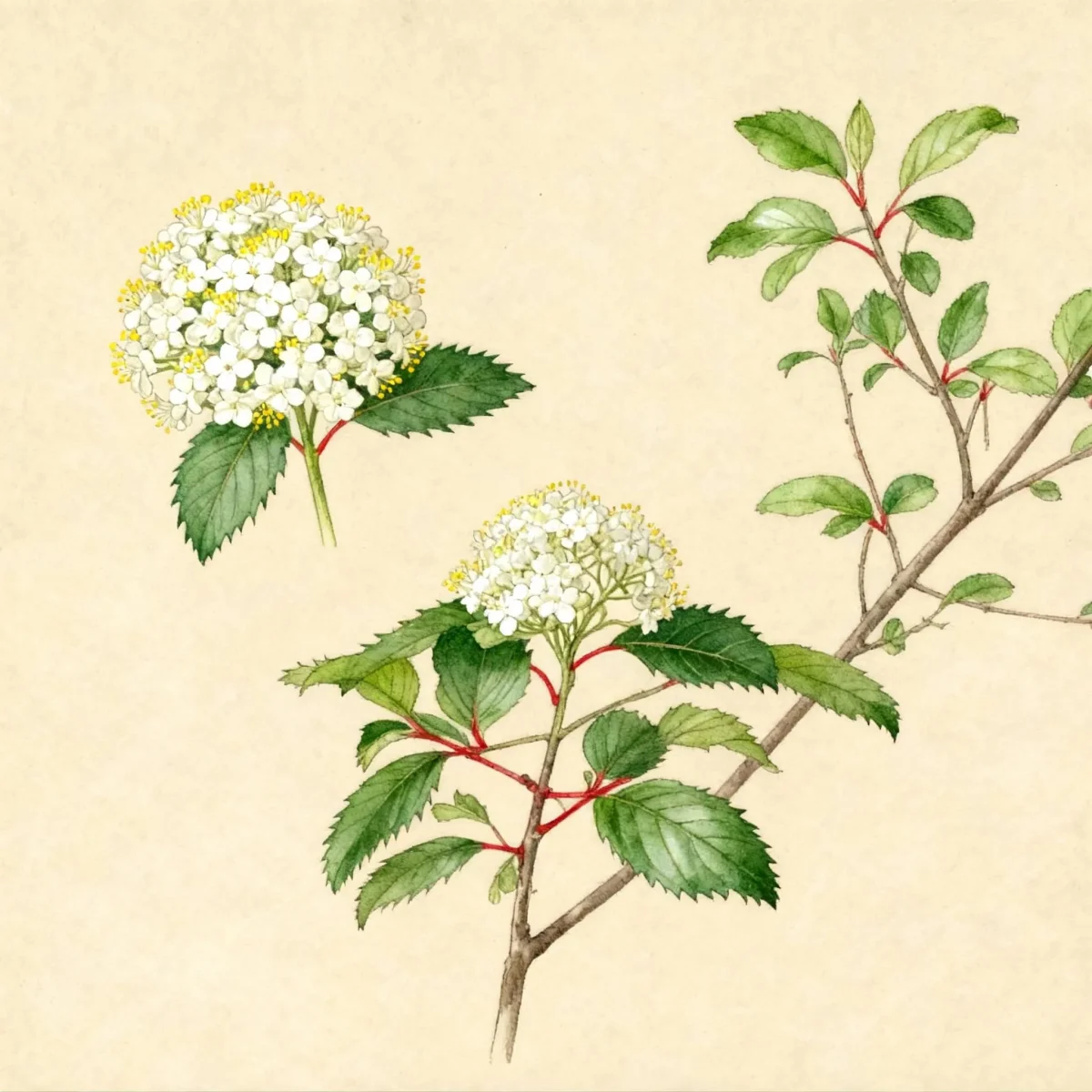
Viburnum ‘Royal Guard’ is a highly desirable deciduous shrub renowned for its vigorous, narrow upright habit that lends excellent vertical interest to landscapes. This cultivar of Rusty blackhaw viburnum is appreciated for its glossy, dark green leaves that provide exceptional seasonal appeal, culminating in a rich burgundy fall color. It offers significant ornamental value through its spring white flowers and subsequent clusters of edible blue berries that attract local bird populations.
As a low-maintenance selection, the Rusty blackhaw viburnum thrives in average garden conditions, making it a versatile choice for screening or specimen planting. Viburnum ‘Royal Guard’ requires diligent attention to proper siting early on, ensuring it receives adequate light while navigating its specific pollination needs for successful fruit yield. Gardeners value this plant for its reliable structure and multi-season texture.
Fast Facts
- Plant Family: Adoxaceae
- Plant Type: Deciduous shrub
- Hardiness Zones: USDA Zones 5-9
- Size at Maturity:
- Height: 8-15 ft
- Spread: 6-10 ft
- Bloom Time: April to May
- Bloom Description: White
- Sun Exposure: Full sun to part shade
- Water Needs: Dry to medium
- Maintenance Level: Low
How to Grow
The best planting time for Viburnum ‘Royal Guard’ is typically in the fall or early spring, ensuring the plant establishes before summer heat or winter freezes. Plant in average, well-drained loams. While easily grown, locating Viburnum ‘Royal Guard’ in full sun promotes denser growth, though some afternoon shade might benefit plants in the hottest climates.
Maintenance for this shrub is generally low once established. Water when soils approach dry conditions, favoring a dry to medium moisture level. Fertilization is rarely necessary unless the soil is extremely poor. If colonial spread via root suckers is undesirable, promptly remove new suckers as they emerge at the base of the plant.
A crucial cultural requirement for successful fruiting is cross-pollination. Since species plants are self-incompatible, you must plant another compatible cultivar or seed-grown species nearby to ensure you receive the showy, edible blue berries in autumn. Otherwise, the plant will bloom but fail to set fruit reliably.
Landscape Uses
Viburnum ‘Royal Guard’ excels when used formally or informally within the landscape due to its upright stature, making it perfect for structural elements. It functions superbly as a screen or hedge, providing year-round structure thanks to its semi-evergreen tendencies and good fall color. Consider placing specimens at entryways or anchoring foundation plantings where its narrow habit won’t overwhelm smaller neighboring perennials.
For mixed borders, utilize the contrast between the lustrous dark green foliage of Viburnum ‘Royal Guard’ and plants with contrasting textures or lighter-colored flowers, such as lighter hydrangeas or spireas. Its ability to tolerate dry soils once established makes it a reliable component in low-water mixed shrub groupings.
Standout Features
Flower Qualities
- Showy
Fruit Qualities
- Showy
- Edible
Noteworthy Characteristics
Viburnum is a genus valued for its diverse attractive flowers, colorful fruit, and foliage traits across its 150 species. Specifically, ‘Royal Guard’ is noted for its narrow upright habit and leathery, glossy dark green leaves that develop an attractive burgundy hue in the fall. Distinguishing features include persistent rusty brown hairs found on the leaf undersides, young stems, and buds, separating it easily from similar species like V. Prunifolium. Spring brings tiny white flowers in showy, rounded cymes, followed by clusters of edible blue berries that ripen late in the season, providing late-year food for birds.
Tolerances
No specific tolerances were listed for this cultivar.
Potential Problems
Potential issues for this plant primarily involve diseases and pests, though deer tend to avoid the Rusty blackhaw viburnum. Fungal and bacterial problems such as mildews and bacterial leaf spot can occur, particularly in areas with high humidity or poor air circulation. Inspect regularly for scale insects or aphids, treating promptly with horticultural oil or insecticidal soap if populations become heavy. Proper spacing, referencing the 6 to 10-foot spread, aids air circulation, minimizing most common foliage diseases.
Frequently Asked Questions
What hardiness zones is Rusty blackhaw viburnum suitable for?
Viburnum ‘Royal Guard’ is suitable for USDA Hardiness Zones 5 through 9. Always confirm your location matches these ranges before planting.
How large does Viburnum ‘Royal Guard’ grow?
This deciduous shrub typically reaches a mature height between 8 and 15 feet tall, with a spread ranging from 6 to 10 feet wide.
What sun exposure does Viburnum ‘Royal Guard’ need?
It performs best when placed in full sun to partial shade conditions. Plants grown in full sun tend to be denser overall.
When does Rusty blackhaw viburnum bloom?
The beautiful, showy white flowers appear relatively early in the season, blooming from April to May.
Conclusion
The Viburnum ‘Royal Guard’ offers gardeners a low-maintenance, versatile shrub that rewards with excellent foliage structure, beautiful spring blooms, and autumnal color. Remember the requirement for a pollinator partner to ensure abundant, edible fruit production from this Rusty blackhaw viburnum cultivar. Check the specific hardiness zone requirements for your location and plan your spring or fall planting window soon.
Wildlife Benefits
The fruit production of Viburnum ‘Royal Guard’ creates a valuable late-season food source for local fauna. Clusters of blue berries, ripening in September and October, are highly attractive to numerous native bird species seeking provisions before winter migration or settling in for the colder months. While the aesthetic appeal of the flowers is noted, their function as potential nectar sources for early-season pollinators should not be overlooked.
Design Ideas for Screening
Due to its upright habit and reliable size (8 to 15 feet tall), Viburnum ‘Royal Guard’ is an exceptional choice for creating semi-formal or informal privacy screening. Plant specimens 6 to 8 feet apart on center to allow them freedom to spread slightly to their full ten-foot width while still forming a dense visual barrier. For a layered look, back the screening row with taller evergreen trees or shrubs, and place lower-growing, shade-tolerant perennials in front of the base to hide the lower stem area.