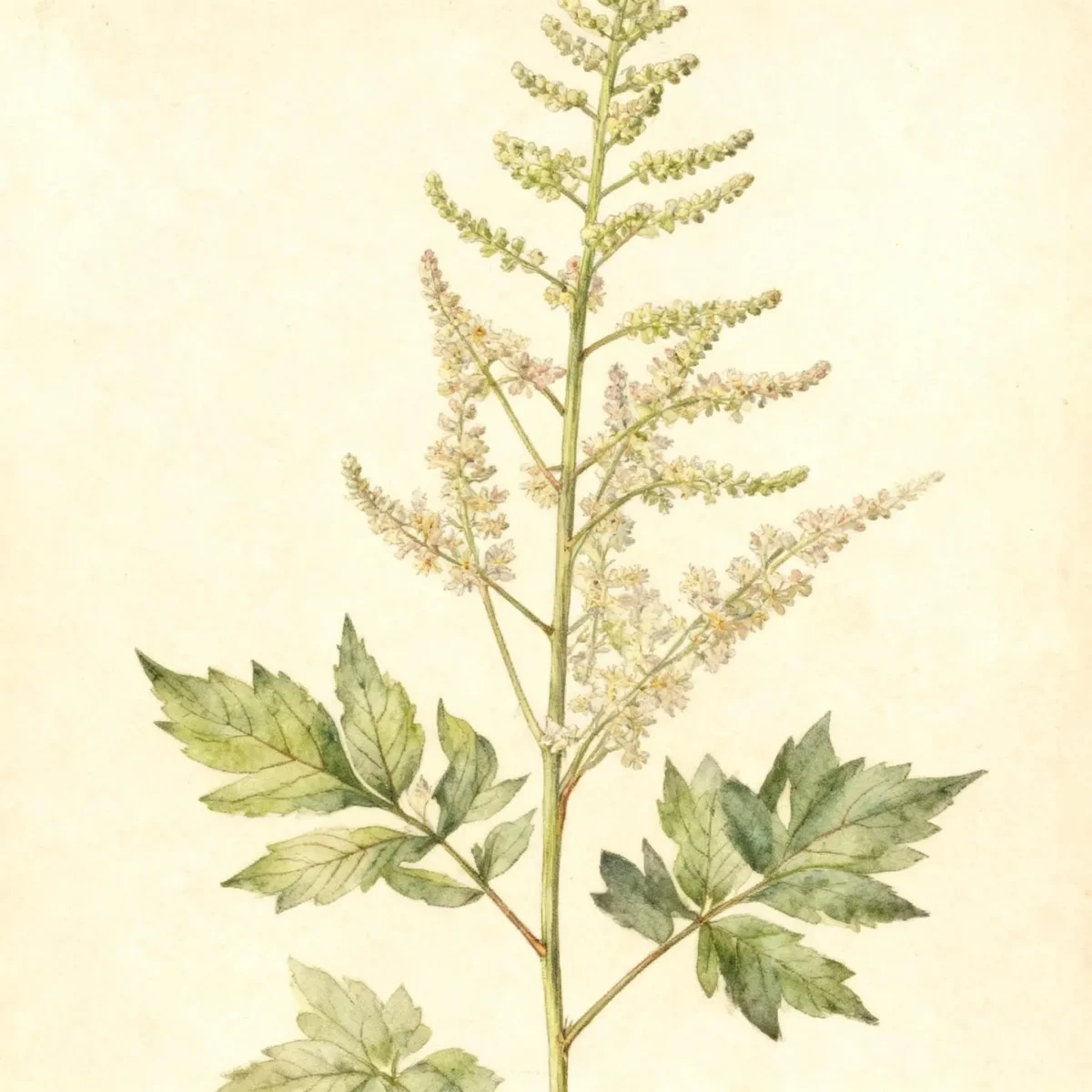
Astilbe (Astilbe 'Federsee')
Astilbe 'Federsee' delivers showy, deep salmon pink plumes in May-June; ideal for low-maintenance, moist, shady garden spaces.
Scroll down to discover growing tips, care requirements, companion plants, and more
Complete Plant Information
Overview
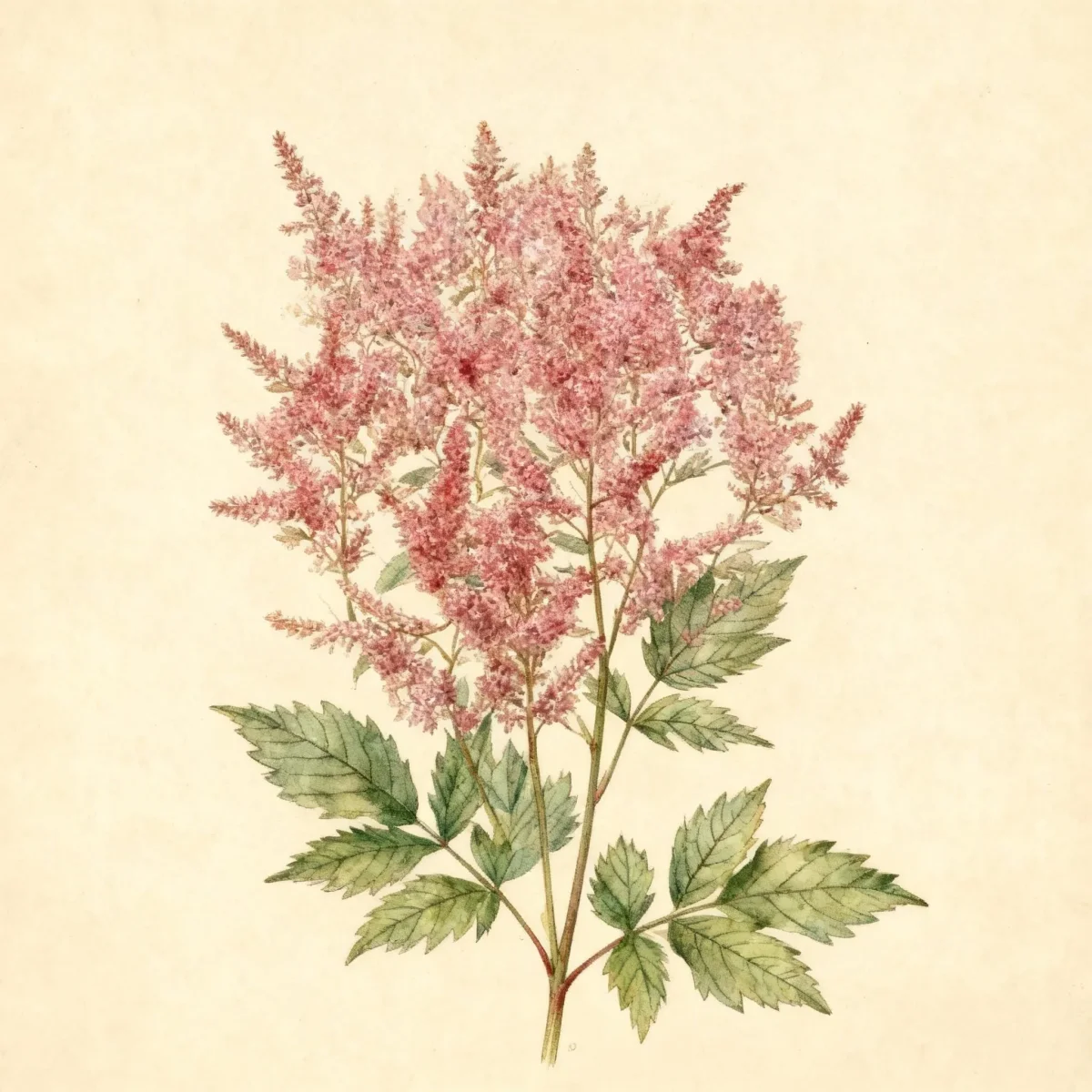
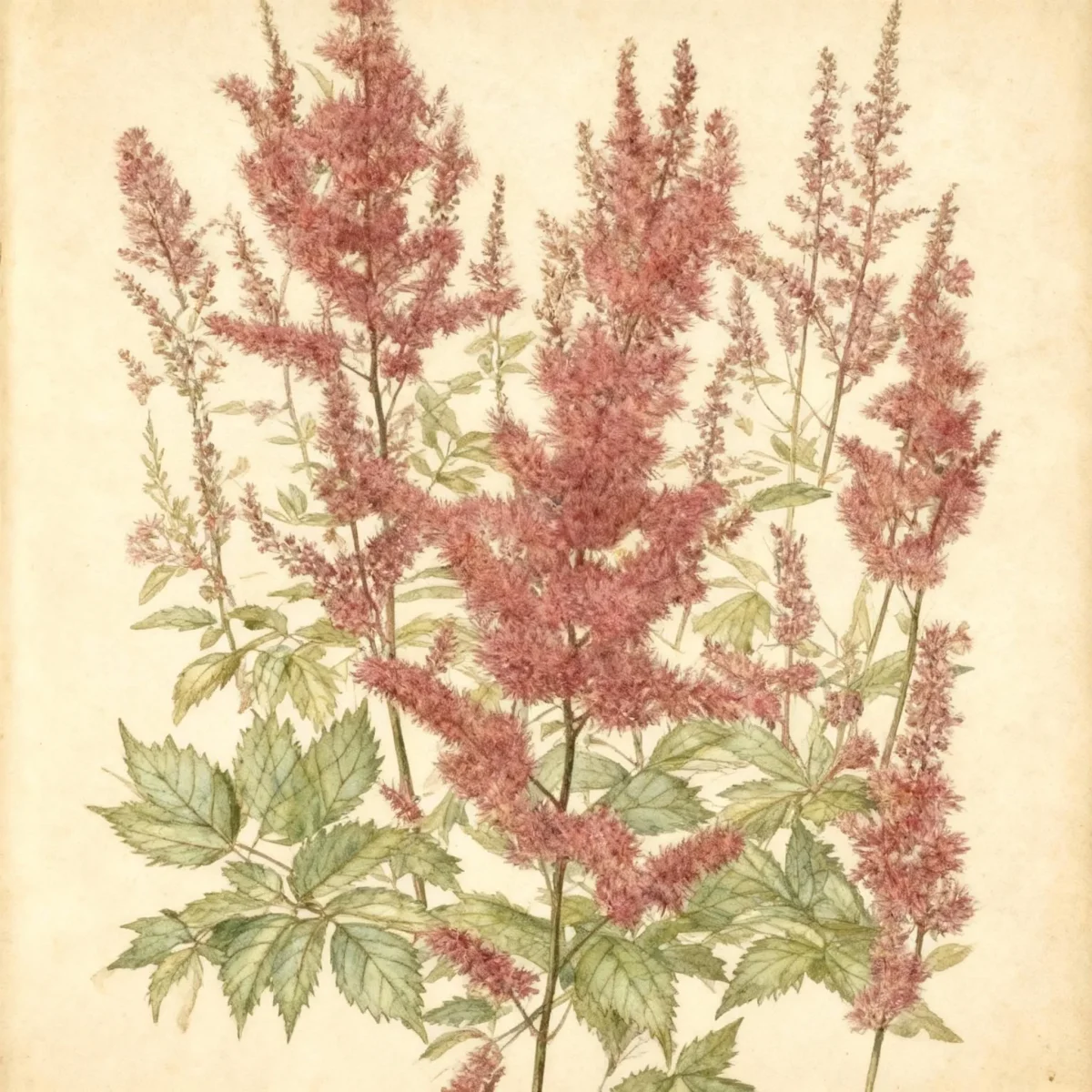
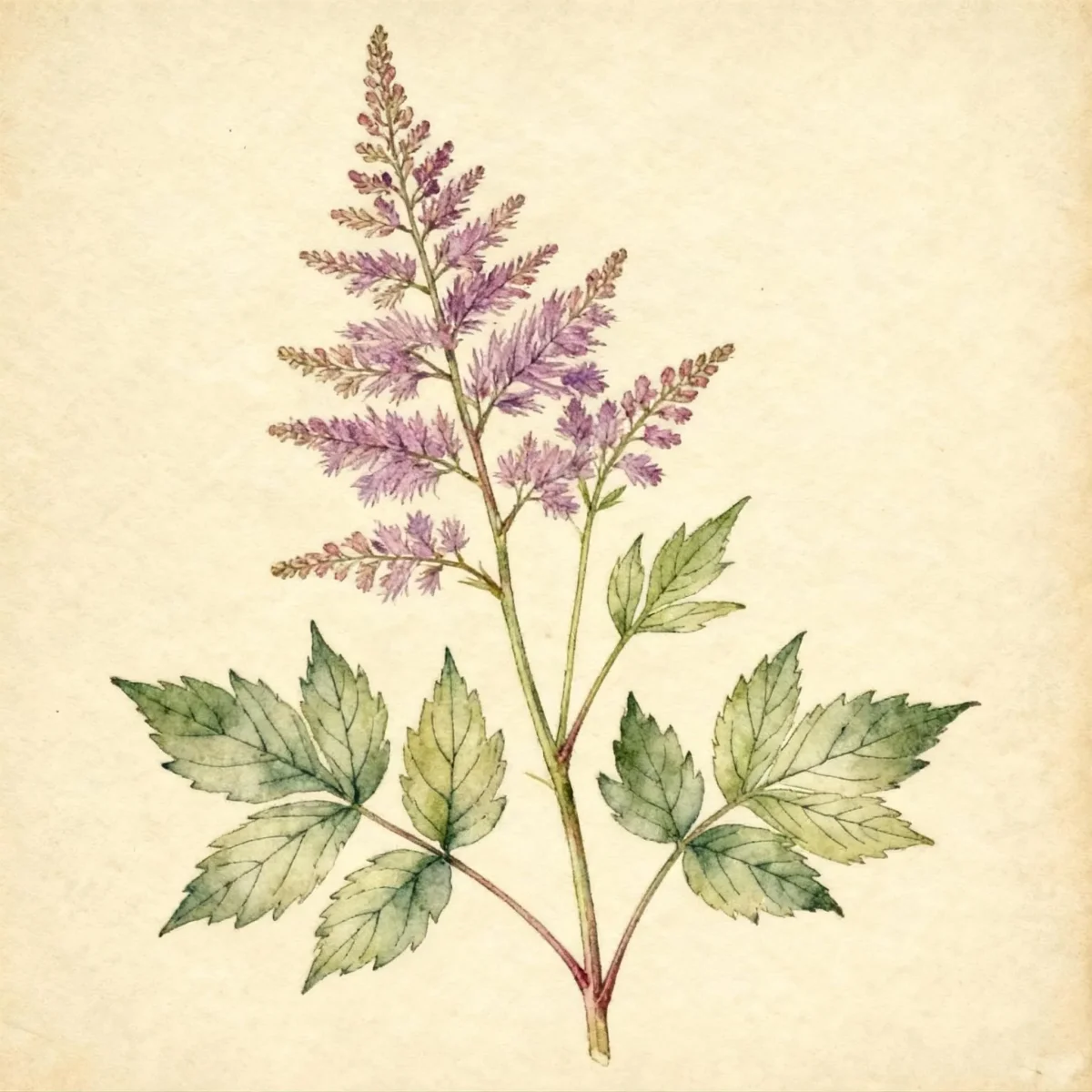
Astilbe ‘Federsee’ is a highly valued herbaceous perennial, celebrated for its vibrant, plume-like flower displays that brighten deep shade borders. This cultivar produces large, dense, conical panicles of rich carmine-rose blooms, contrasting beautifully against its fern-like, medium green foliage. Gardeners rely on Astilbe for its reliable texture and low maintenance needs, especially in difficult, moist, shady sites where few other plants thrive.
This specific Astilbe hybrid typically reaches 2.5 to 3 feet tall, forming an upright clump perfect for adding vertical interest in shaded perennial beds. Astilbe ‘Federsee’ is generally pest-resistant and appreciated for its ability to handle heavy shade conditions better than many perennials. Achieving success with Astilbe requires consistent moisture; keeping the soil enriched and damp throughout the summer ensures the dark green leaves remain attractive all season long.
Valuable for structure and color toward late spring and early summer, Astilbe provides excellent impact when massed together or used as an edging element near water features or woodland paths. If you are seeking dependable, lush texture and low-effort summer color for dark corners of your garden, Astilbe ‘Federsee’ remains an expert choice.
Fast Facts
- Plant Family: Saxifragaceae
- Plant Type: Herbaceous perennial
- Hardiness Zones: USDA Zones 4-9
- Size at Maturity:
- Height: 2.5-3 ft
- Spread: 1.5-2 ft
- Bloom Time: May to June
- Bloom Description: Deep salmon pink
- Sun Exposure: Part shade to full shade
- Water Needs: Medium
- Maintenance Level: Low
How to Grow
Planting Astilbe should occur in the spring or fall when temperatures are moderate, ensuring they receive adequate moisture to establish. They thrive in average, moisture-retentive, well-drained soils that are organically rich. While they tolerate heavy shade, ensure the location is protected from hot afternoon direct sun, which can scorch the foliage.
Care for your Astilbe by maintaining consistently moist soil; Astilbe must not be allowed to dry out, especially during hot periods. A summer compost mulch is highly recommended as it conserves this necessary soil moisture and helps keep the root zone cool. Fertilization is usually unnecessary if the soil is organically rich, but a spring application of compost benefits clump vigor.
Pruning involves minimal effort. While removing faded flower stalks improves the overall tidy appearance, leaving the dried seed heads provides ornamental interest well into the winter months. To maintain health and vigor, aim to divide the dense clumps of Astilbe every three to four years when overcrowding becomes evident.
Landscape Uses
Astilbe ‘Federsee’ excels in any area requiring reliable, colorful vertical accents beneath a tree canopy or along a shaded structure. They are highly recommended for mass plantings within woodland gardens, creating drifts of contrasting texture against groundcovers or ferns. Their upright habit makes them useful for the front of shaded borders, defining edges where they mingle well with hostas and bleeding hearts.
These perennials are particularly effective near natural water features, such as pond margins or stream banks, appreciating the higher humidity they provide. For urban landscapes, Astilbe functions perfectly as an excellent low-growing edging plant or cover in deeply shaded foundation plantings where lawn grass struggles.
Standout Features
Flower Qualities
- Showy
- Good Cut
Noteworthy Characteristics
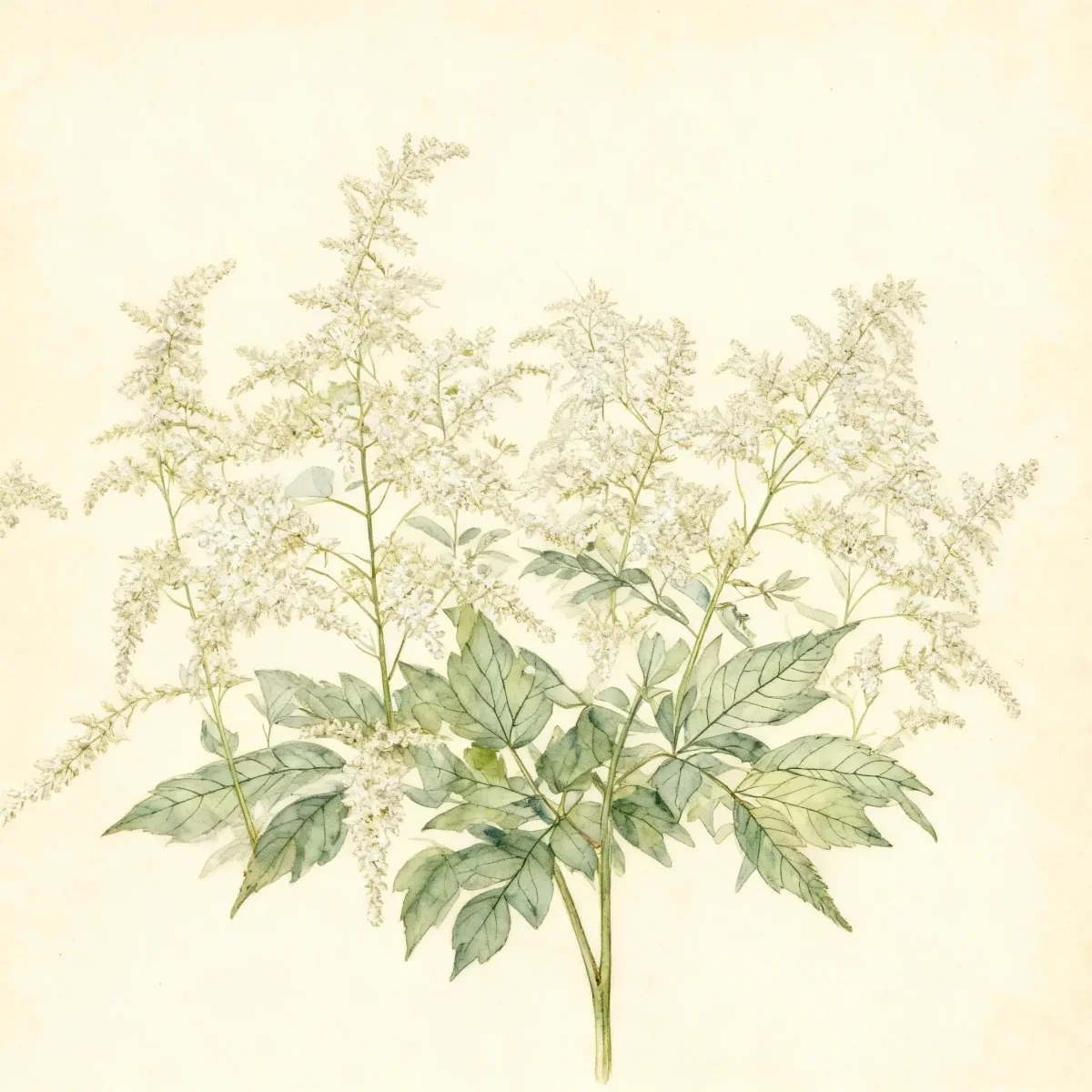
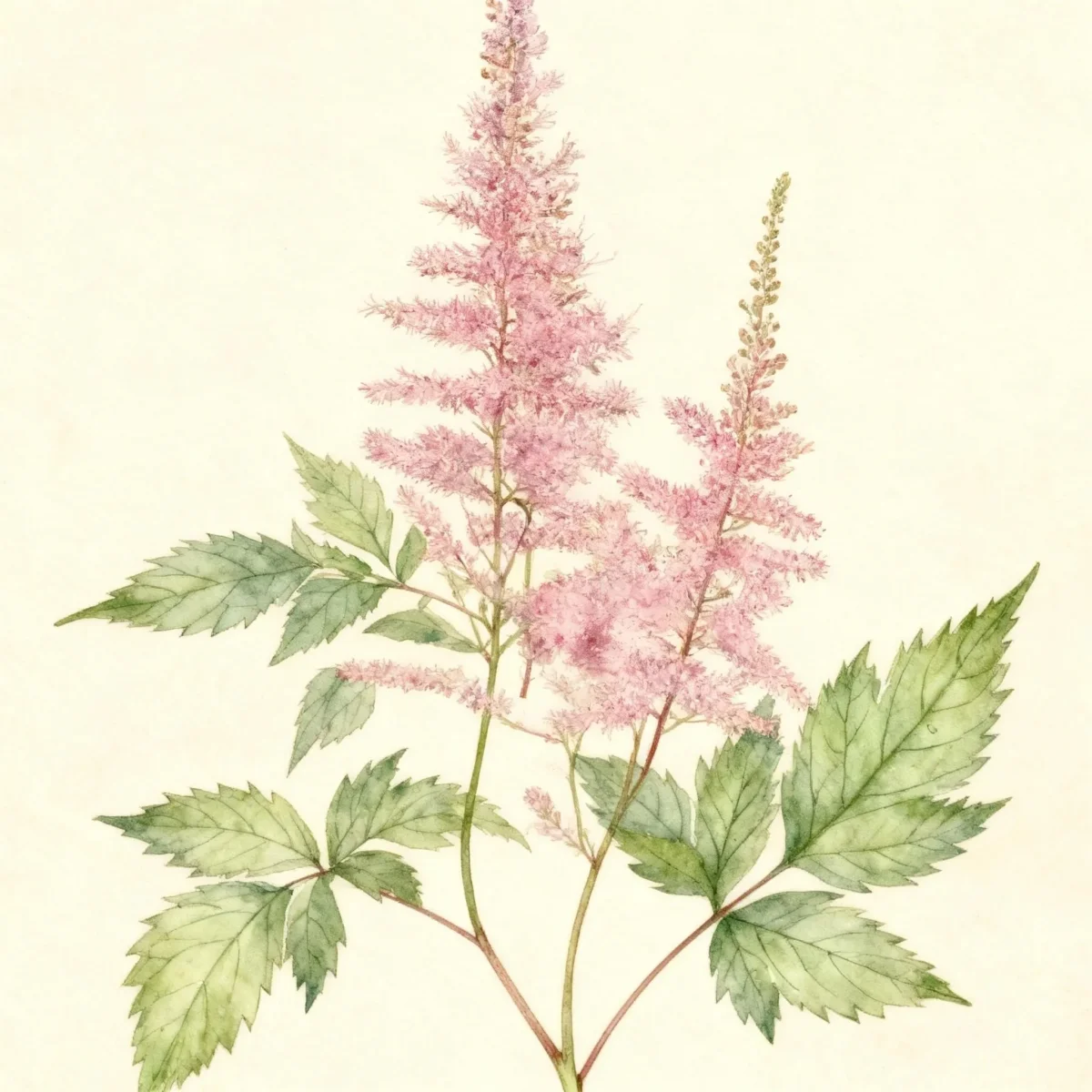
Astilbe is a genus of around 20 species of clump-forming, herbaceous perennials native to eastern Asia and eastern North America. Plants are characterized by graceful, fern-like mounds of mostly basal, 2-3 ternately compound leaves, usually with sharply-toothed leaflets, and tiny flowers densely packed into erect to arching, plume-like flower panicles rising above the foliage on slender, upright stems. The genus name comes from the Greek words a meaning without and stilbe meaning brightness in reference to the dull leaves of some species. The cultivar Astilbe ‘Federsee’ is a medium-sized hybrid featuring large, dense, conical panicles perfect for late spring and early summer interest.
Tolerances
- Rabbit
- Deer
- Heavy Shade
- Black Walnut
Potential Problems
The most common issue gardeners face with Astilbe is foliage decline, where leaf edges brown up, which is typically a sign of insufficient summer watering or intense heat. To manage this, ensure your Astilbe receives consistent moisture; if watering is difficult, apply a thick layer of compost mulch annually. Powdery mildew and wilt can occasionally appear, often signaling humidity stress or poor air circulation. While Japanese beetles may sample the foliage, the planting is generally avoided by common garden pests like deer and rabbits. Notably, Astilbe ‘Federsee’ reportedly maintains better drought tolerance than many other Astilbe hybrids, making it slightly more resilient.
Frequently Asked Questions
What hardiness zones is Astilbe suitable for?
Astilbe ‘Federsee’ is reliably hardy across USDA Zones 4 through 9.
How large does Astilbe ‘Federsee’ grow?
This perennial typically reaches a height between 2.5 and 3 feet tall, spreading 1.5 to 2 feet wide at maturity.
What sun exposure does Astilbe need?
Astilbe requires protection from harsh light, thriving best in part shade conditions, though it tolerates full shade well.
When does Astilbe bloom?
You can expect the deep salmon pink flower plumes of Astilbe to appear between May and June.
Conclusion
Astilbe ‘Federsee’ remains a superstar for shaded garden spaces, offering low maintenance coupled with superb late spring floral displays and strong foliage texture. Its capacity to thrive where other plants struggle, alongside its deer and rabbit resistance, makes planning for Astilbe a wise move. Before planting, confirm your soil can reliably meet its medium water requirements, and enjoy the dependable cool-season color provided by this outstanding Astilbe cultivar.
Companion Planting
When integrating Astilbe ‘Federsee’ into your shade garden design, focus on companions that share its need for consistently moist, humus-rich soil. Hostas provide a wonderful contrast in foliage size and shape directly underneath the taller Astilbe plumes. Similarly, Tiarella (Foamflower) and Helleborus (Lenten Rose) offer different bloom times and textures yet thrive under similar overhead canopy conditions. These pairings help create a lush, layered look that maximizes visual interest throughout the growing season in shady locations.
Design Ideas for Moisture-Loving Perennials
Utilizing Astilbe ‘Federsee’ near the edges of patios or walkways allows gardeners to appreciate the fine texture of its foliage up close. Since this Astilbe cultivar tolerates root competition surprisingly well—thanks to its Black Walnut tolerance—consider using it near established, dry-shade trees. When planting, group at least three to five plants together; this mass planting technique allows the carmine-rose plumes to read as a significant block of color against the deep greens of the surrounding shade garden architecture.