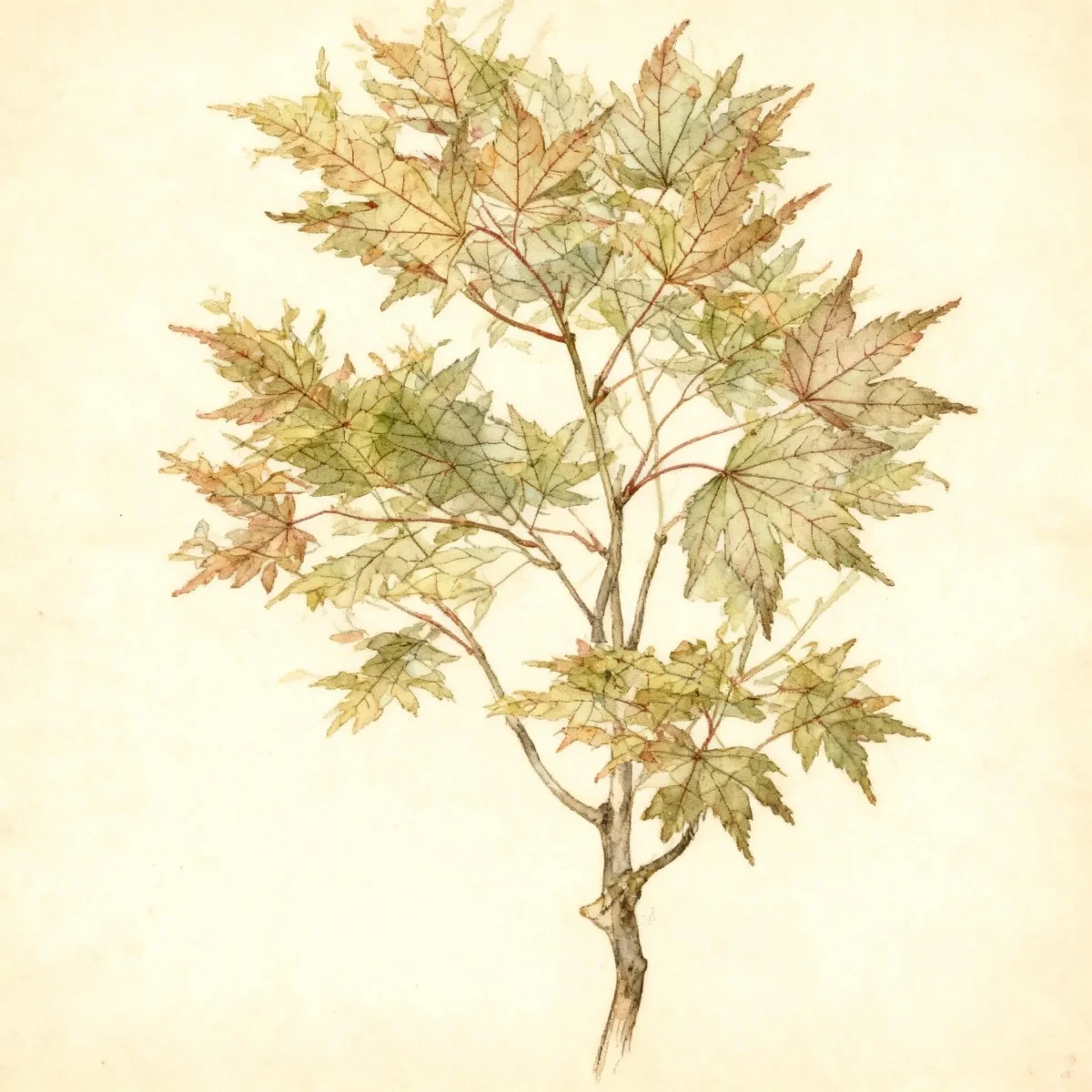
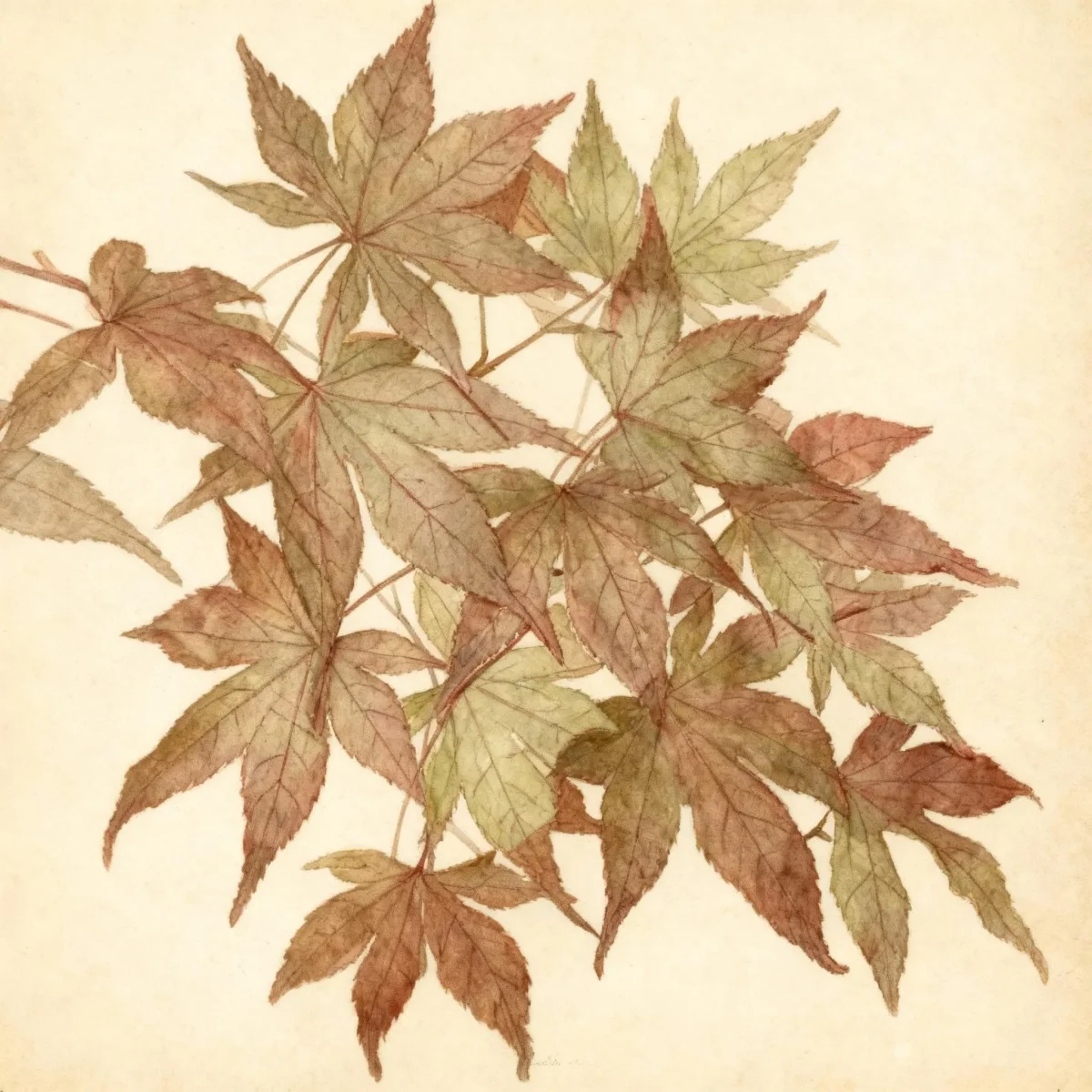
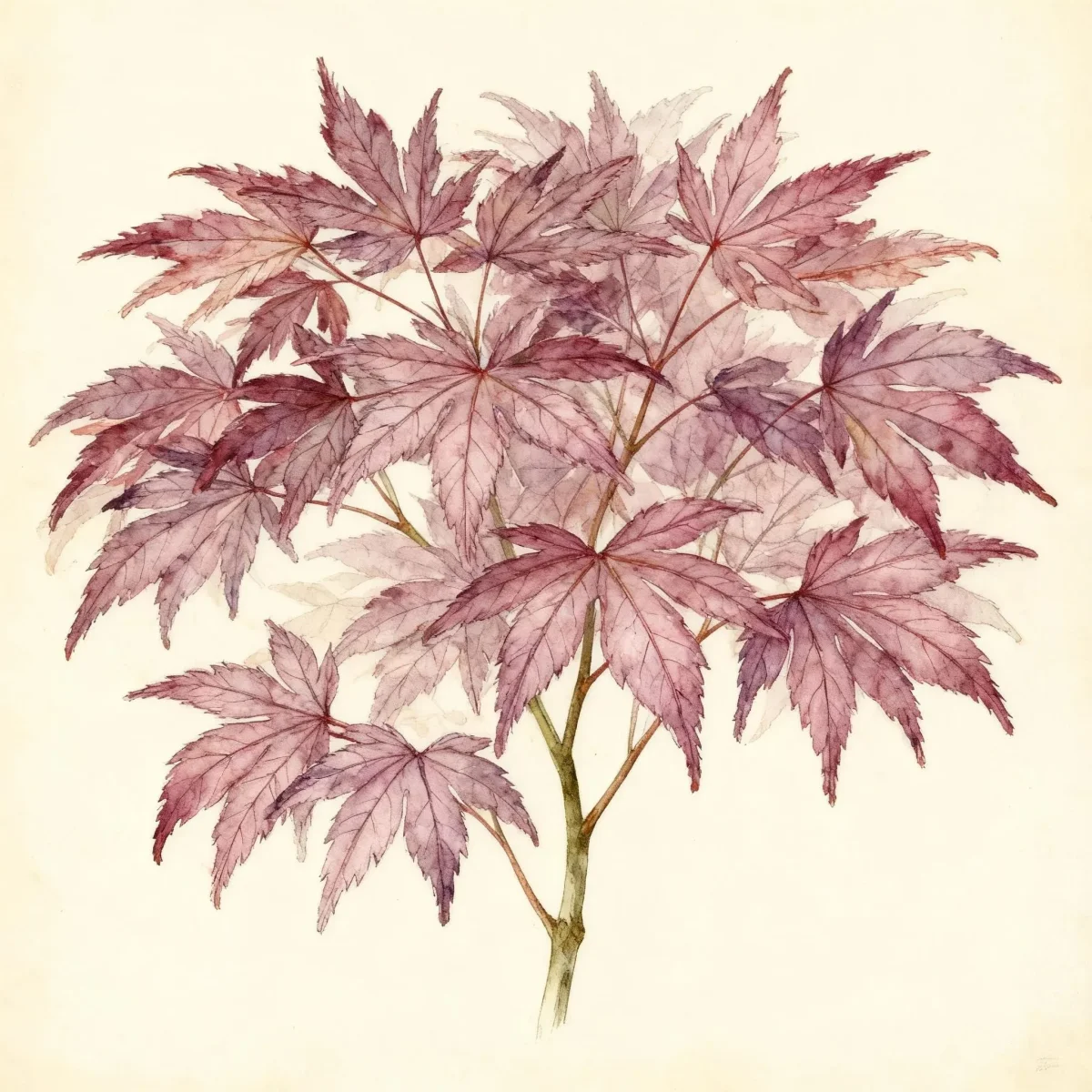
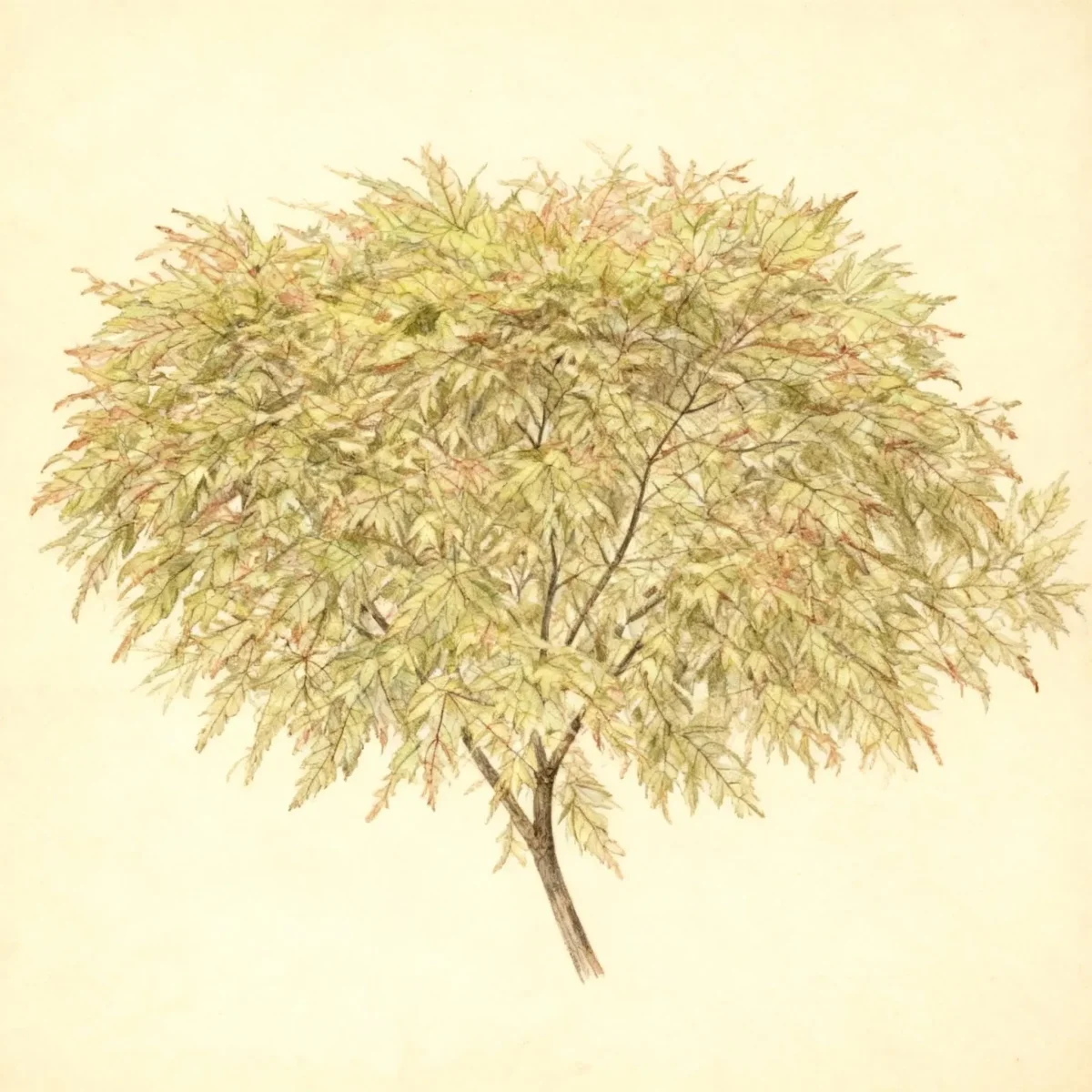
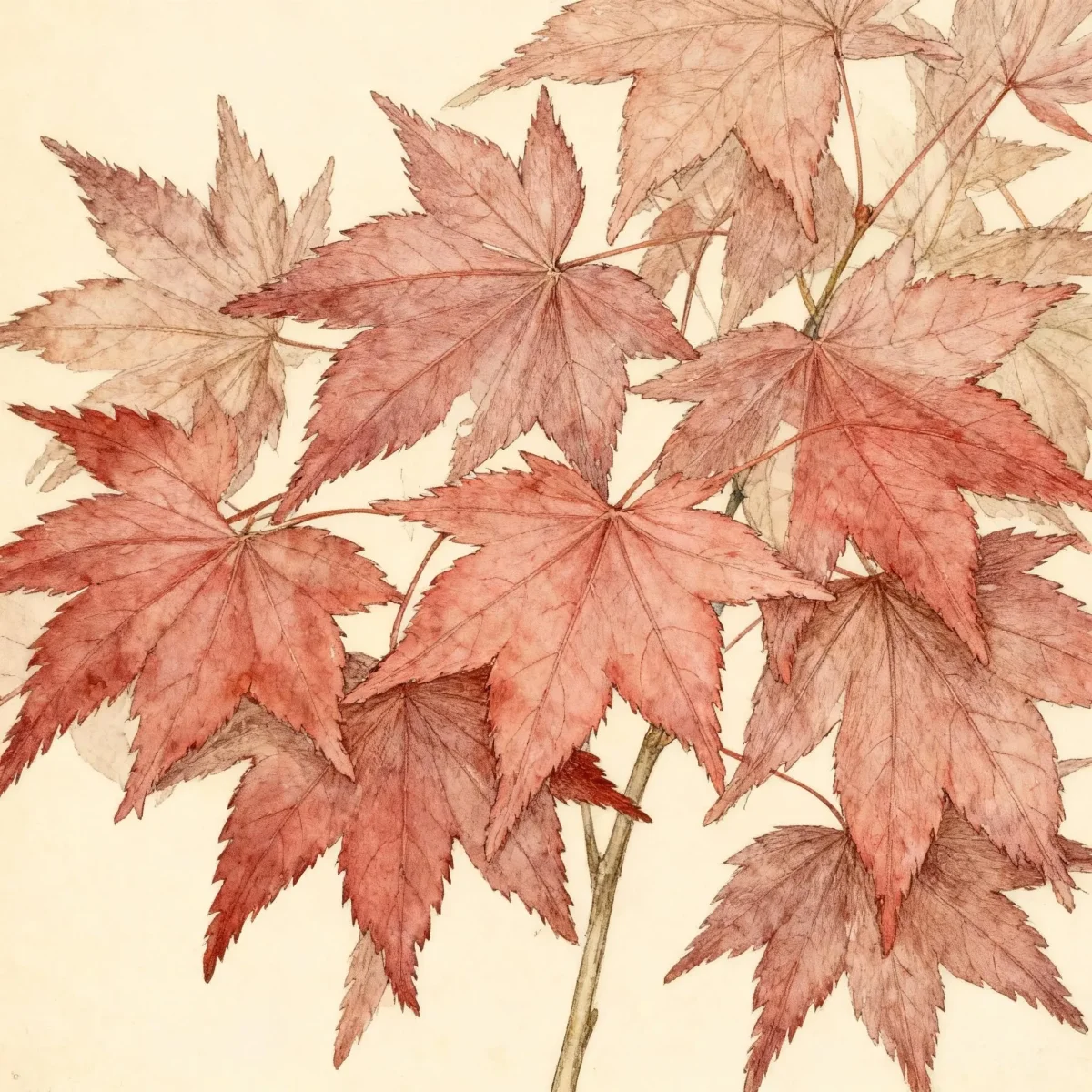
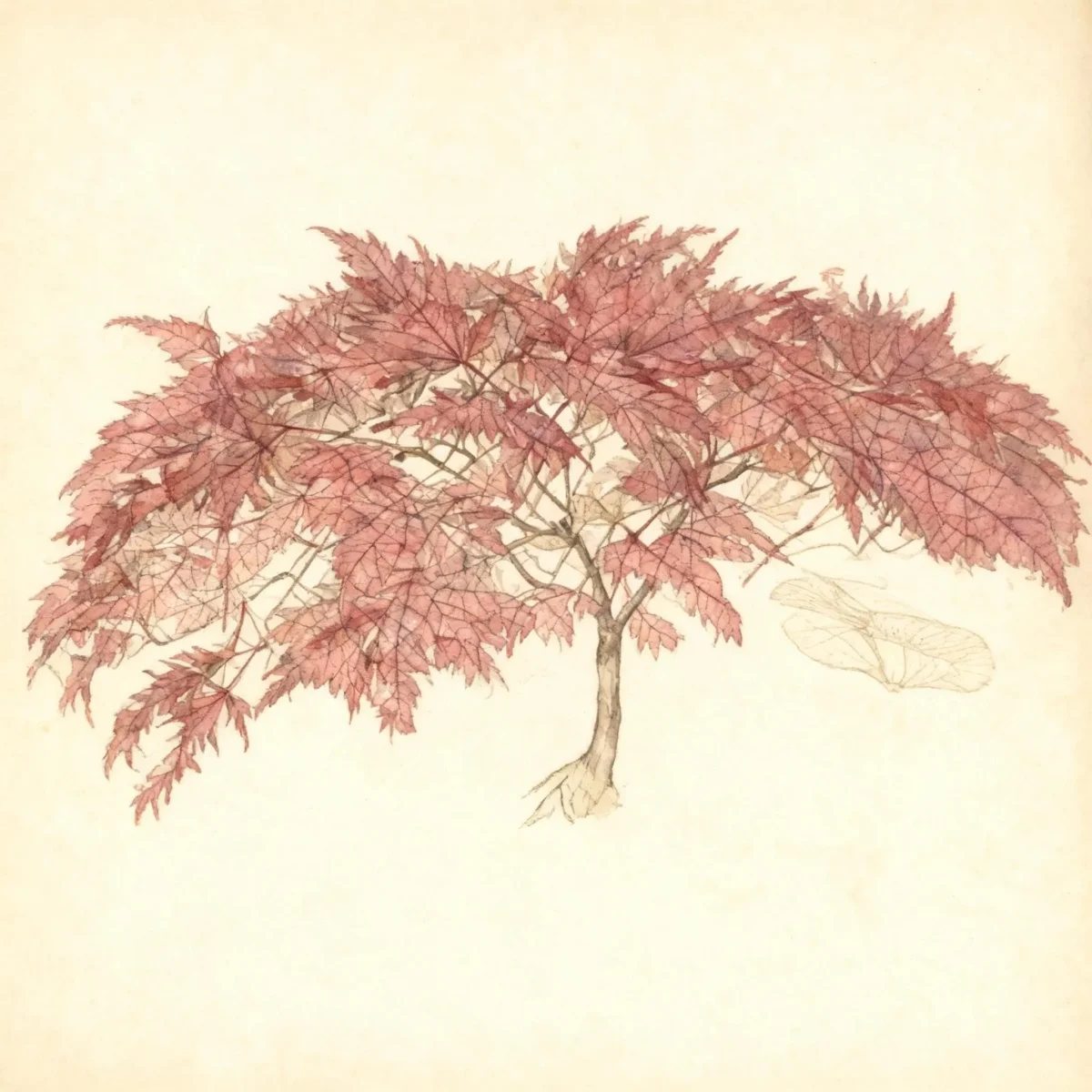
Japanese maple (Acer palmatum 'Fall's Fire')
Acer palmatum 'Fall's Fire' is a vigorous Japanese maple known for its stunning yellow-orange-red fall display. Easy to maintain.
Scroll down to discover growing tips, care requirements, companion plants, and more
Complete Plant Information
Overview
The Acer palmatum ‘Fall’s Fire’, a captivating cultivar of the Japanese maple, offers gardeners an exceptionally vibrant autumn display. This small, vigorous tree is prized for its upright growth habit and deeply lobed foliage that undergoes a dramatic seasonal shift. It provides structure and fine texture to the landscape, setting it apart even among other beloved Japanese maples.
This deciduous shrub or small tree typically matures between 8 and 10 feet tall, maintaining a consistent, manageable size perfect for smaller gardens or as a focal accent. It thrives best when provided with care that respects its need for consistent moisture and protection from harsh midday sun in warmer climates. Its low maintenance level makes the Acer palmatum ‘Fall’s Fire’ an excellent choice for gardeners seeking high aesthetic impact with minimal ongoing effort.
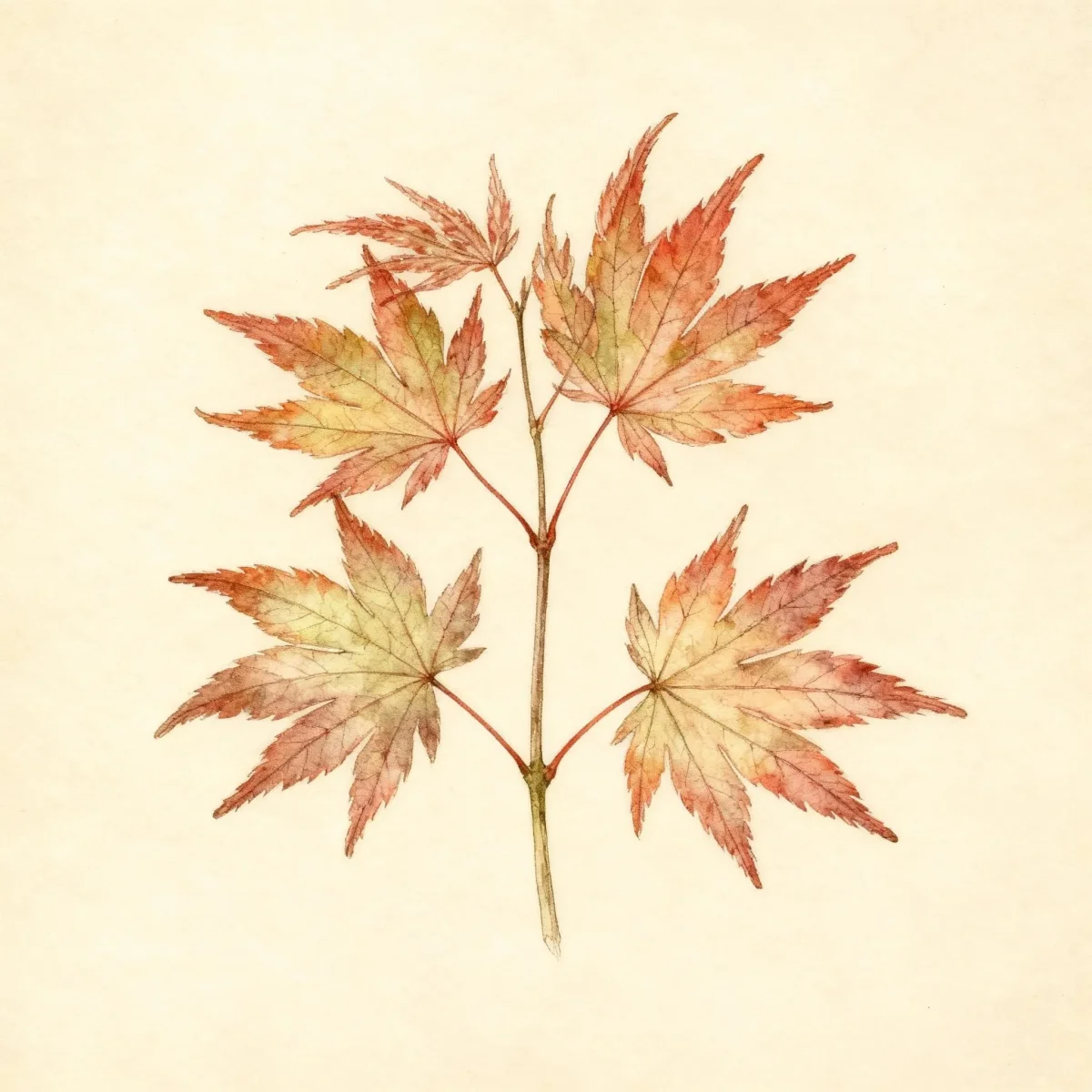
Beyond its excellent fall color performance, the ‘Fall’s Fire’ Japanese maple adds year-round interest with its unique leaf emergence—yellow-green with pink tips in spring—before settling into summer green. Its eventual coloring to yellow-orange-red ensures a long season of visual appeal, solidifying its role as a premier specimen plant.
Fast Facts
- Plant Family: Sapindaceae
- Plant Type: Deciduous shrub
- Hardiness Zones: USDA Zones 5-9
- Size at Maturity:
- Height: 8-10 ft
- Spread: 8-10 ft
- Bloom Time: April
- Bloom Description: Reddish-purple
- Sun Exposure: Full sun to part shade
- Water Needs: Medium
- Maintenance Level: Low
How to Grow
For optimal health, establish your Acer palmatum ‘Fall’s Fire’ in the spring or fall. Select a location offering moist, organically rich, and slightly acidic, well-drained soil. While this Japanese maple appreciates full sun, especially in northern zones, southern gardeners must provide afternoon shade to prevent new foliage from scorching during hot summers. Site the tree away from strong winds to protect its delicate branches and foliage.
Watering should be consistent; the soil must be kept moist, particularly during establishment and dry summer periods. Mulching is highly recommended as it helps retain crucial soil moisture and keeps the roots cool—a significant benefit for this species. Fertilize lightly in the spring before the leaves fully expand.
Pruning this variety is best kept to a minimum intervention. If pruning is absolutely necessary, plan this task for late fall or mid-winter. Avoid pruning during spring or summer, as cutting maples at these times frequently results in significant sap bleeding, which can temporarily stress the plant.
Landscape Uses
Japanese maples are universally celebrated for their refined shapes and stunning foliage displays. The Acer palmatum ‘Fall’s Fire’ excels as a specimen or accent plant, drawing the eye with its upright structure and vibrant seasonal changes. It functions beautifully as a focal point near an entry point or within a mixed border where its coloring can contrast against evergreen backgrounds.
This cultivar also works well as a sun-dappled understory tree, thriving near the edges of woodlands where it receives dappled light throughout the day. Consider grouping several Japanese maples of varying forms and colors to create layered interest in a woodland garden setting. Although vigorous, its manageable 10-foot height also makes it suitable for screening low views or integrating into large container arrangements near patios.
Standout Features
Flower Qualities
- Insignificant
Noteworthy Characteristics
Acer palmatum ‘Fall’s Fire’ is a vigorous, upright Japanese maple cultivar that matures to a modest 8–10 feet tall. Its palmate leaves emerge yellow-green with pink margins in spring, maturing to green before shifting into a sensational yellow-orange-red fall tapestry. The species name itself references the prominent, deeply divided lobes resembling an open, outstretched hand.
Tolerances
- Rabbit
- Black Walnut
Potential Problems
The main concerns for this Japanese maple involve environmental stress and common fungal issues. To prevent foliage scorch, ensure consistent moisture: dry soil exacerbates sun damage, especially in hot climates. Chlorosis (yellowing) can develop if the soil pH is too high.
Potential diseases include verticillium wilt, various leaf spots, and root rots—these are often minimized by ensuring excellent soil drainage. Insect pests such as scale, borers, and mites can appear, requiring monitoring. Be aware that the early spring leaf-out makes the foliage susceptible to damage from late spring frosts; siting protection from unpredictable weather is crucial for maintaining perfect leaf quality.
Frequently Asked Questions
What hardiness zones is Japanese maple suitable for?
The Acer palmatum ‘Fall’s Fire’ thrives reliably in USDA Hardiness Zones 5 through 9.
How large does Japanese maple grow?
This particular cultivar typically develops into a tree reaching 8 to 10 feet in height, with a similar spread of 8 to 10 feet at maturity.
What sun exposure does Acer palmatum ‘Fall’s Fire’ need?
This Japanese maple performs best in locations ranging from full sun to partial shade, though south-facing sites often require afternoon protection.
When does Japanese maple bloom?
The Acer palmatum ‘Fall’s Fire’ produces small, reddish-purple flowers during the month of April.
Conclusion
The Acer palmatum ‘Fall’s Fire’ remains a top choice for the dedicated gardener seeking dynamic color and an elegant, manageable form. Its reliably spectacular transition to yellow-orange-red in autumn ensures it earns its place as a centerpiece specimen. Before planting, confirm your site offers the slightly acidic, moist, well-drained soil this Japanese maple requires, and plan your pruning for the dormant season to showcase this beauty for years to come.
Companion Planting
Selecting appropriate partners is vital for creating the right microclimate for your Acer palmatum ‘Fall’s Fire’. Because this plant benefits from consistent soil moisture and appreciates some protection from intense afternoon heat, companion plants that help shade the shallow root system are ideal. Consider low-growing groundcovers like Sweet Woodruff (Galium odoratum) or Hosta varieties that thrive in partial shade and maintain consistent soil moisture without competing aggressively at the surface level.
When choosing shrubs or perennials for contrast, focus on texture and summer foliage color. Plants with fine, airy textures, such as certain types of ferns or Astilbe, complement the deeply dissected foliage of the Japanese maple. Conversely, broad-leaved evergreens placed strategically can help anchor the scene when the Acer palmatum ‘Fall’s Fire’ is dormant in winter.
Seasonal Care Calendar
Spring is the busiest time for this cultivar concerning care. As soon as the leaves emerge—after the threat of hard frost has passed—apply a spring fertilizer and ensure consistent watering begins immediately. Summer care centers on deep, regular watering, especially during heatwaves, to prevent leaf scorch associated with dryness.
Autumn is when the ‘Fall’s Fire’ earns its name; monitor the color transition but otherwise require minimal intervention. In winter, protect the plant from strong, drying winds, particularly if it is newly planted. If major structural pruning is necessary, winter is the correct time to make those cuts, avoiding sap bleed common with later pruning.