Iris (Iris (Dutch Hybrid Group))
Iris (Dutch Hybrid Group) are vibrant bulbous perennials providing excellent spring color, thriving in full sun settings across Zones 6-9.
Scroll down to discover growing tips, care requirements, companion plants, and more
Complete Plant Information
Overview
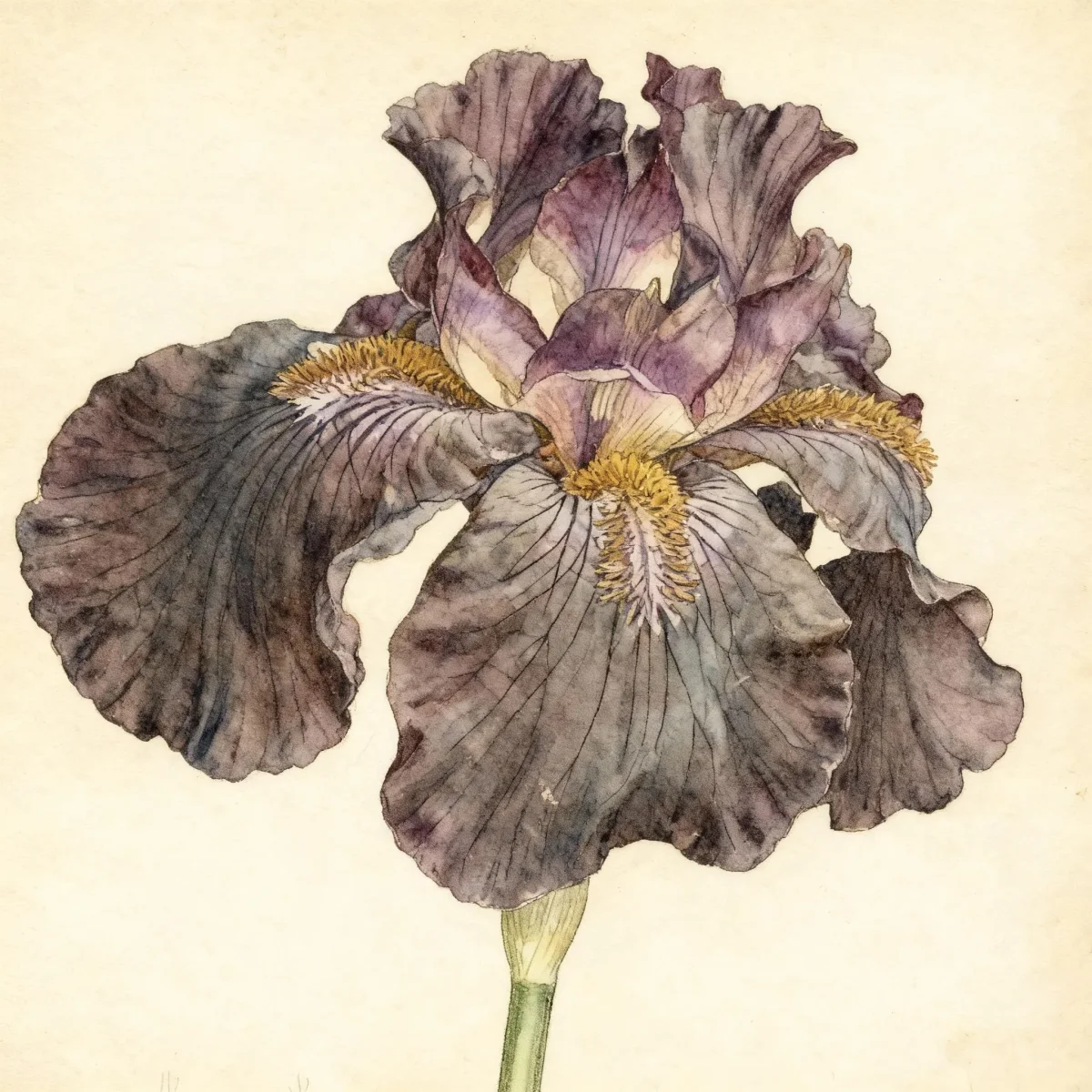
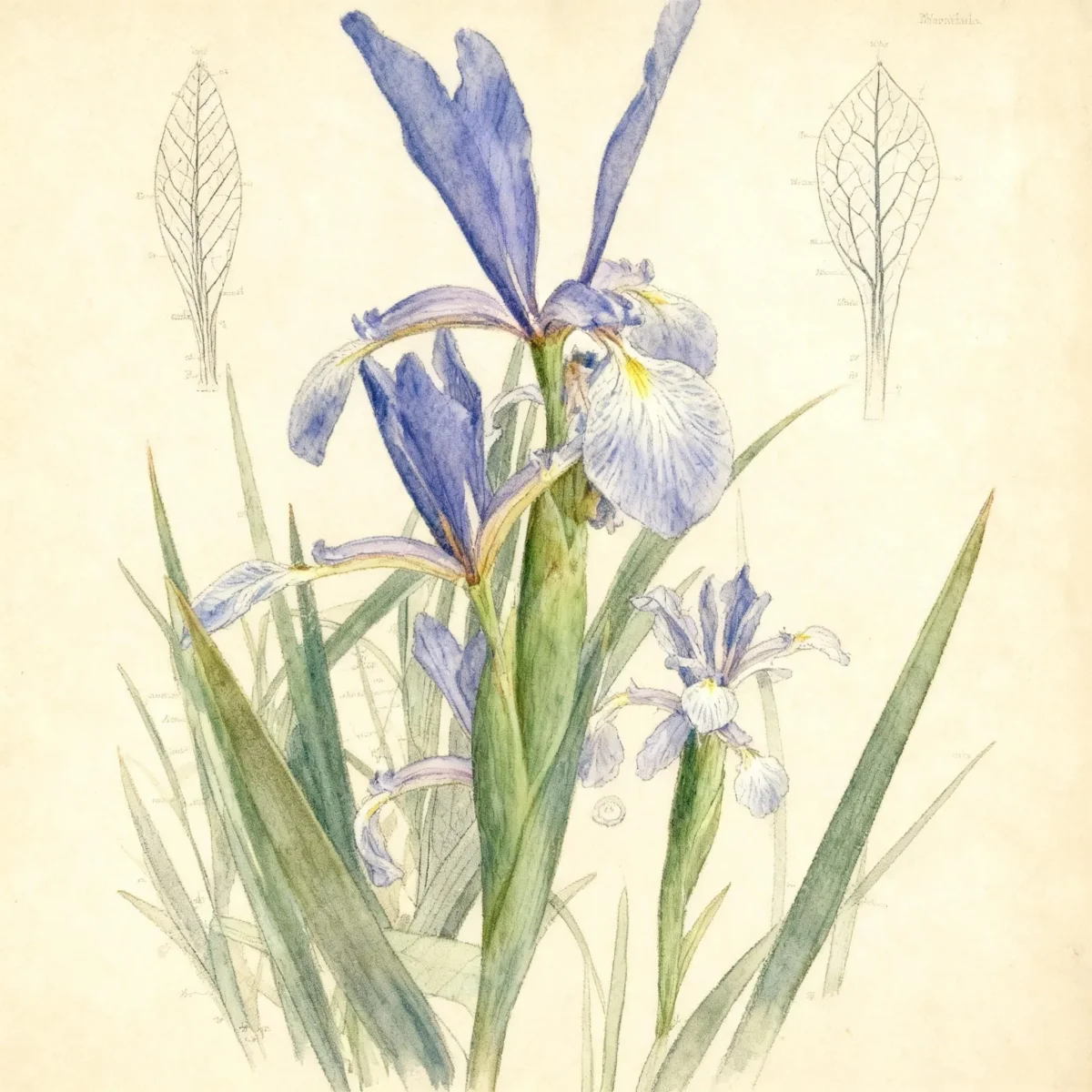
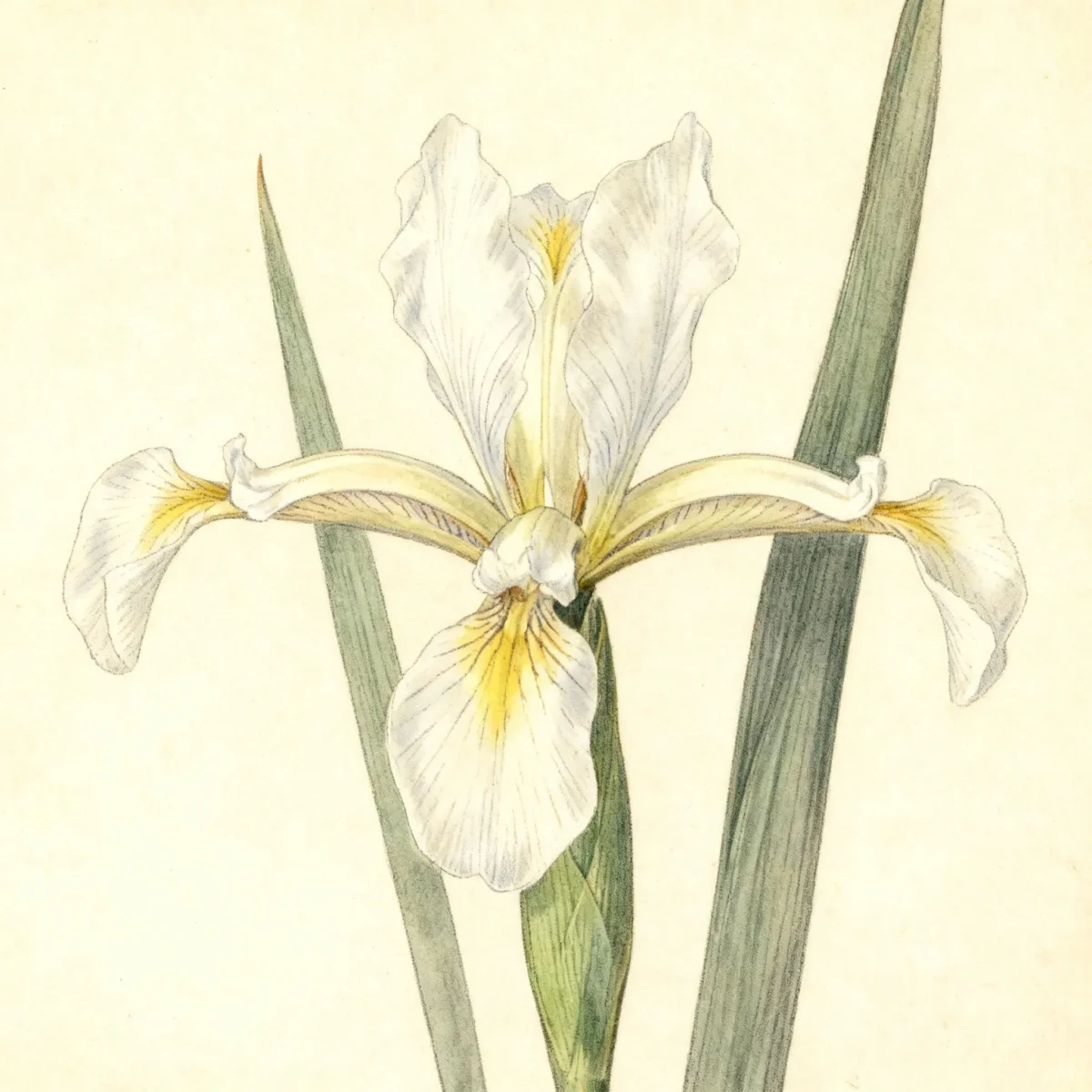
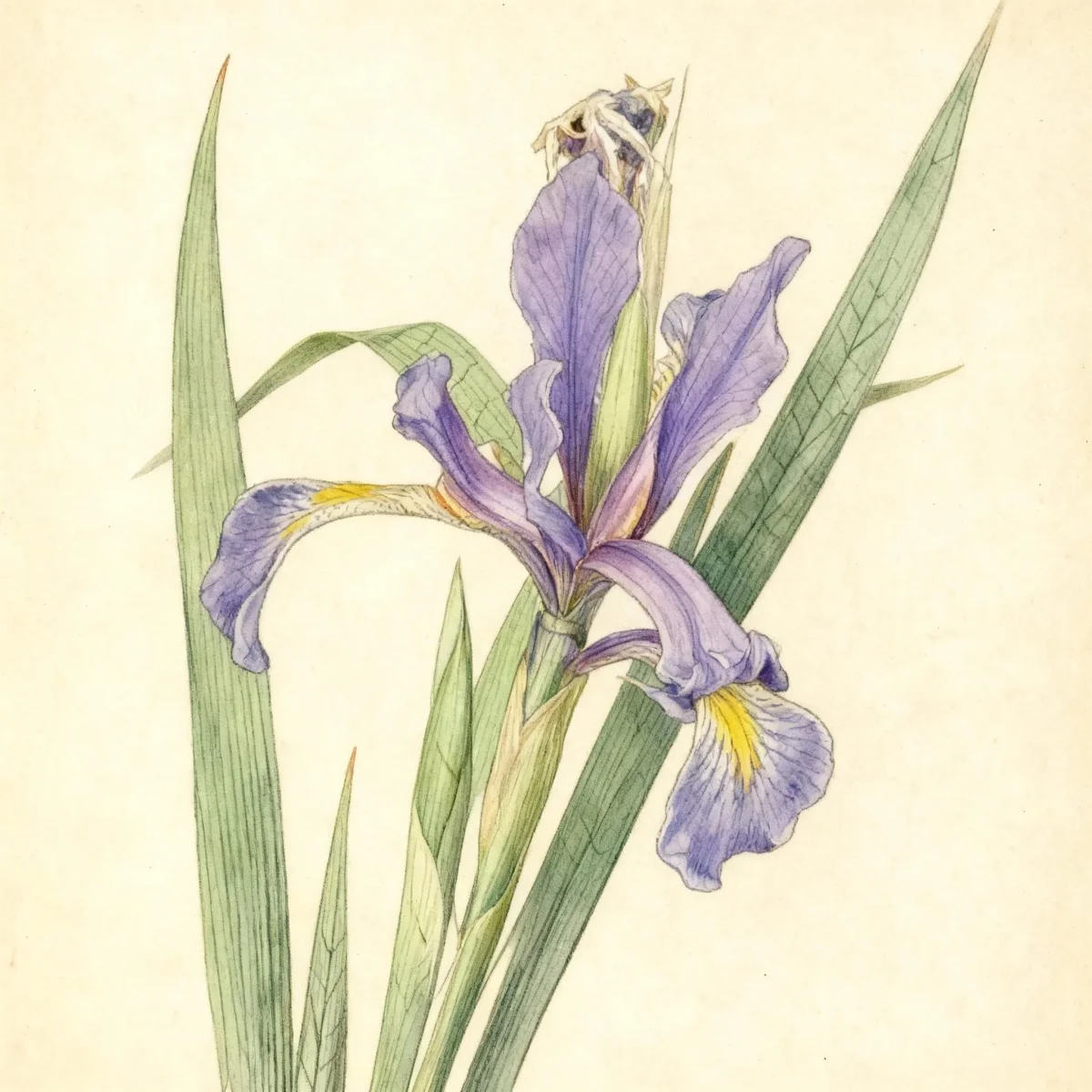
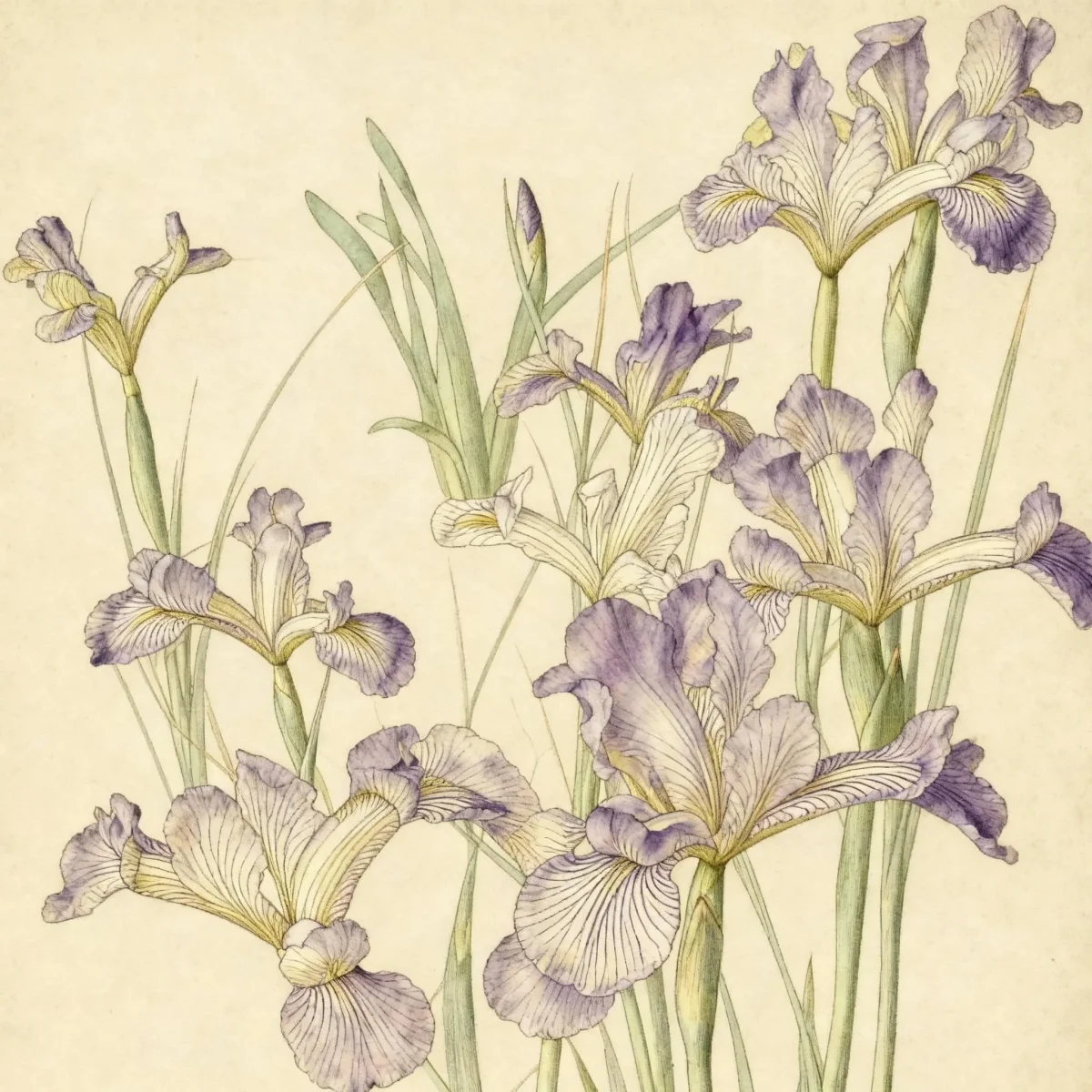
The Iris (Dutch Hybrid Group), commonly known as Iris, represents a celebrated group of bulbous perennials esteemed for their elegant, rainbow-hued spring blooms. Developed by expert Dutch growers, this form of Spanish Iris offers slender, upright plants culminating in striking 3-4 inch flowers often featuring a distinctive yellow blotch on the falls. Gardeners value the Iris (Dutch Hybrid Group) for its reliable color palette that dances between blue, yellow, and white, providing crisp vertical accents in the late spring landscape.
These herbaceous perennials require conditions that mimic their preference for excellent drainage, succeeding best when planted in the autumn. While they are generally hardy perennials, their bulbs are considered somewhat short-lived, prompting some gardeners to treat this beautiful Iris variety as an annual for guaranteed performance. Proper aftercare, specifically waiting until foliage yellows naturally before cutting it back, is crucial for storing energy back into the bulb for future seasons.
From borders to cutting gardens, the Iris (Dutch Hybrid Group) delivers superior performance when situated in full sun. Their relatively compact size makes them excellent focal points in mass plantings or refined containers, bringing sophisticated color to beds just as other spring bulbs fade. Success with this bulbous iris hinges primarily on avoiding wet, heavy soil conditions, where root rot becomes a significant risk.
Fast Facts
- Plant Family: Iridaceae
- Plant Type: Herbaceous perennial
- Hardiness Zones: USDA Zones 6-9
- Size at Maturity:
- Height: 1.5-2 ft
- Spread: 0.25-0.5 ft
- Bloom Time: May to June
- Bloom Description: Blue to yellow to white
- Sun Exposure: Full sun
- Water Needs: Medium
- Maintenance Level: Medium
How to Grow
Planting Dutch iris bulbs requires preparation focused on drainage. The best time to establish your Iris (Dutch Hybrid Group) is in the fall, setting bulbs 3-5 inches deep and spacing them 3-5 inches apart. These plants flourish in average, medium moisture, well-drained soils basking in full sun, though they can tolerate a little part afternoon shade. Excellent drainage is paramount for the success of this bulbous Iris.
During the active growing season in spring and early summer, provide consistent moisture to support flower development and foliage health. Once the flowers fade in late spring, resist the urge to cut the foliage immediately. The narrow, linear green leaves must remain in place after blooming so the plant can photosynthesize and redirect energy back into the bulb. Wait until the foliage naturally yellows, indicating dormancy has begun, before removing the leaves.
Because Iris (Dutch Hybrid Group) bulbs can be short-lived systems, consistent yearly performance may require intervention. To ensure a robust display each year, you can dig up and divide the clustered bulbs following the spring bloom, or supplement your planting bed by adding fresh bulbs every fall. Alternatively, many gardeners choose the easiest path and grow this Iris variety entirely as an annual.
Landscape Uses
The striking form and vibrant colors of the Iris (Dutch Hybrid Group) make it an indispensable component in structured sunny borders. Mass planting or grouping these bulbs creates significant drifts of color in May and June, offering excellent contrast against emerging summer greenery. Beyond the garden bed, these slender beauties excel when grown in containers, adding sophisticated, vertical interest to patios or entryways.
Perhaps their most renowned functional application is as a prime cut flower. Florists frequently utilize Dutch iris stems because of their slim structure and long vase life, making the plant highly desirable for spring bouquet production. Companion planting should focus on species that enjoy similar sun and water needs, placing lower-growing annuals or groundcovers around the base to hide the foliage as it matures and yellows post-bloom.
Standout Features
Flower Qualities
- Showy
Noteworthy Characteristics
Dutch iris is a bulbous iris whose hybrids were developed by Dutch growers and is part of the Iris xiphium group. These slender plants typically reach 15-24 inches tall, displaying flowers often 3-4 inches wide with slim, upright standards and downward falls, predominantly in shades of blue, yellow, or white. The genus derives its name from the Greek goddess associated with the rainbow, a fitting moniker for this colorful array.
Tolerances
- Deer
- Black Walnut
Potential Problems
Gardeners should be watchful for several common afflictions, though proper cultural practices significantly reduce risk. Fungal issues like leaf spot and root rot are primary concerns, usually stemming from overly wet conditions or poor drainage, which stresses the bulbs. Mosaic virus can also appear, and the presence of iris borers might necessitate vigilant monitoring and management. Always ensure soil drains perfectly to mitigate the most serious rot issues associated with this bulbous plant.
Frequently Asked Questions
What hardiness zones is Iris suitable for?
The Iris (Dutch Hybrid Group) is generally suited for USDA Zones 6 through 9.
How large does Iris grow?
This plant typically reaches a mature height between 1.5 and 2 feet tall, with a narrow spread of only 0.25 to 0.5 feet.
When does Iris bloom?
The Iris (Dutch Hybrid Group) opens its blooms from May into June, presenting colors ranging from blue to yellow to white.
What sun exposure does Iris need?
This beautiful Iris requires full sun exposure for optimal flowering and health.
Conclusion
The Iris (Dutch Hybrid Group) offers superb, formal elegance and reliable spring color, making it a worthwhile investment for dedicated gardeners, especially given its popular use as an excellent cut flower. While their lifespan can be short, managing moisture and considering annual replanting ensures robust displays of this classic bloom. Before autumn planting, confirm your site offers the full sun and exemplary drainage required for this delicate bulb.
Companion Planting
When planning spring displays alongside your Iris (Dutch Hybrid Group), select companions that share its moderate water needs and appreciation for full sun. Tulips and Daffodils may finish blooming just as the Iris begins, creating a beautiful succession of color. Consider low-growing, fine-textured foliage, such as Alyssum or creeping Thyme, to softly drape over the area as the Iris foliage begins to senesce later in the season.
Seasonal Care Calendar
Success with this bulbous plant depends on recognizing the seasonal shift in care requirements. In early spring, immediately after bloom, ensure the foliage remains untouched to feed the bulb below ground. Mid-summer signals the start of dormancy; cease supplemental watering entirely unless you are experiencing extreme drought conditions during a hot spell. Prepare for autumn planting by amending the soil with sharp grit or incorporating compost to improve drainage well before you place the new Iris bulbs into the ground.