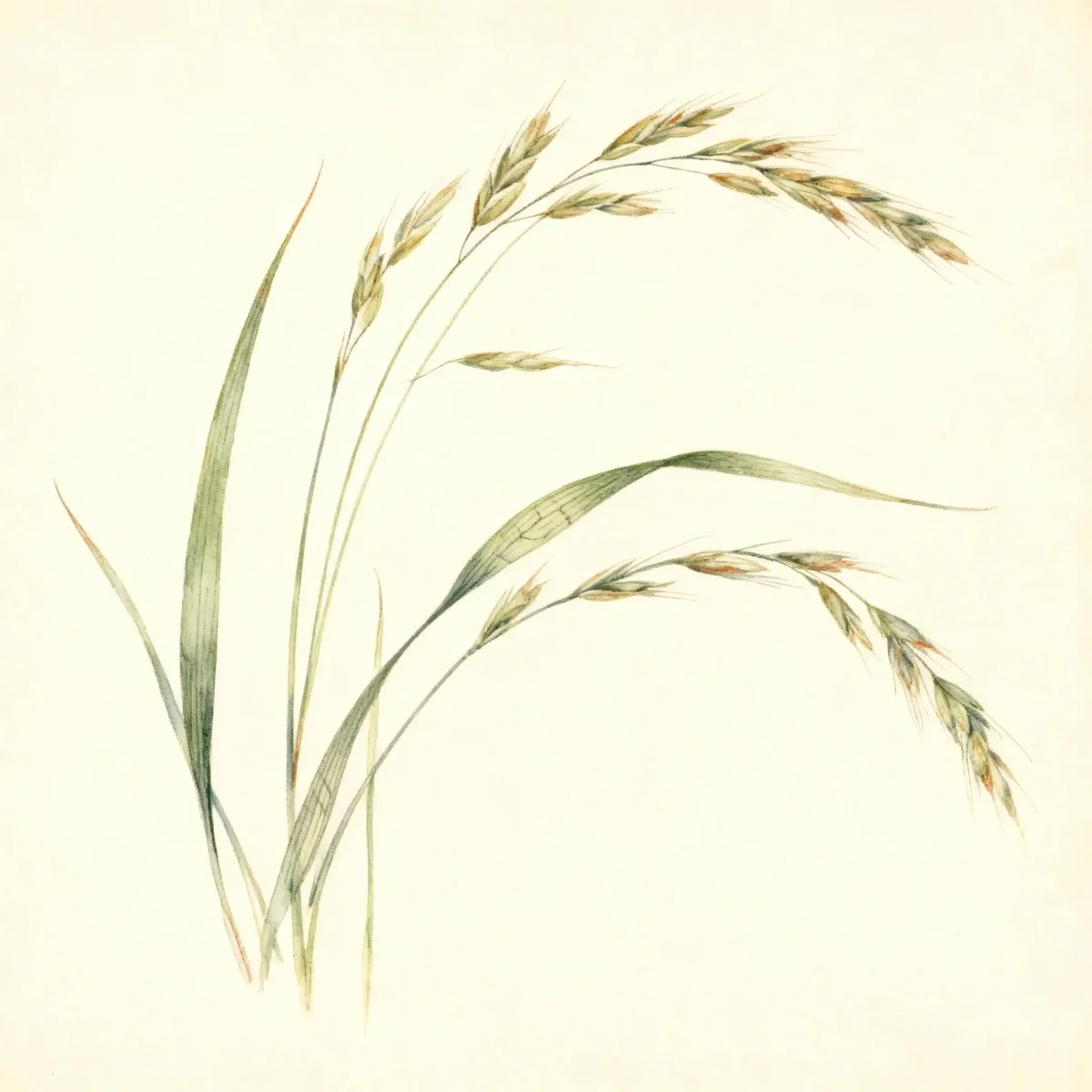
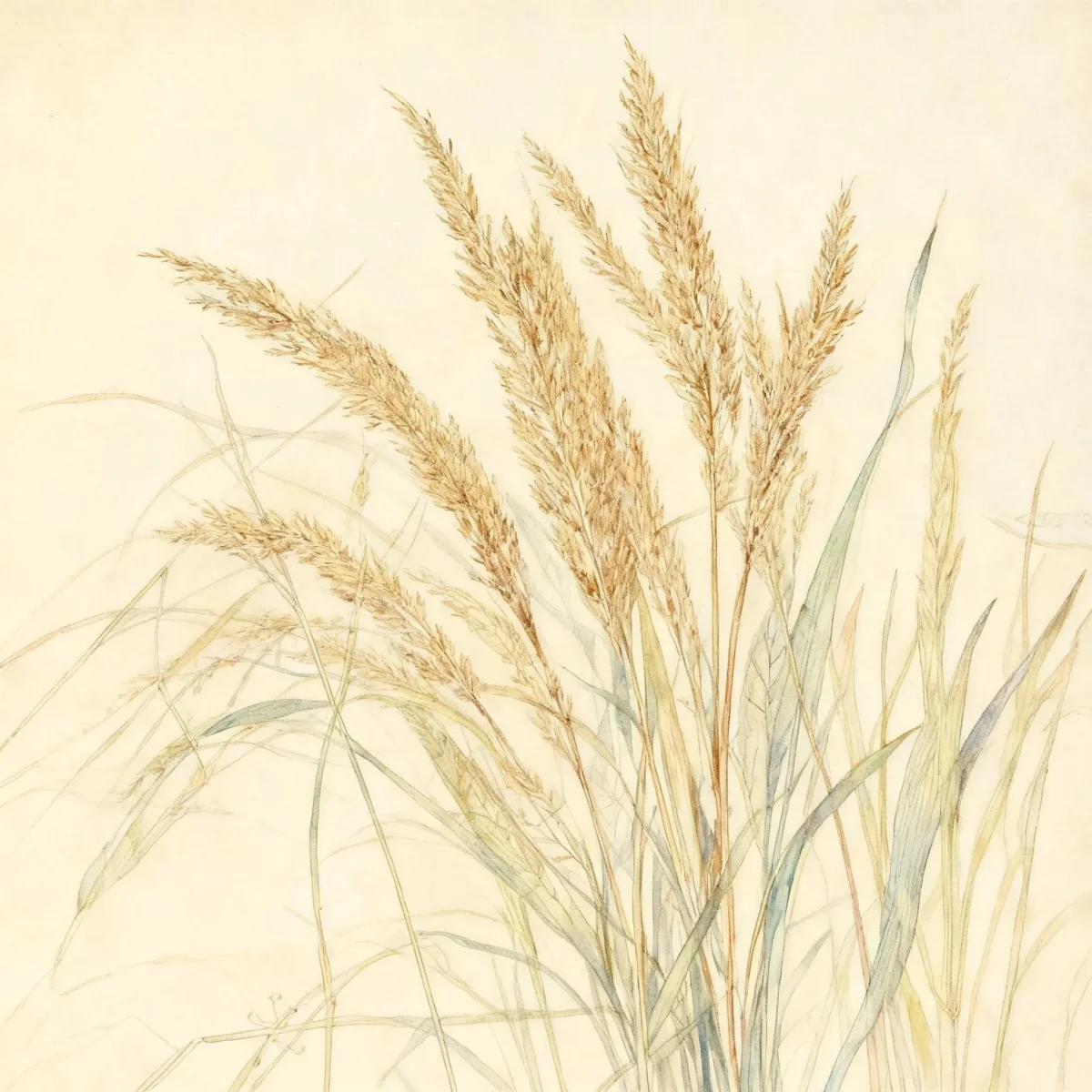
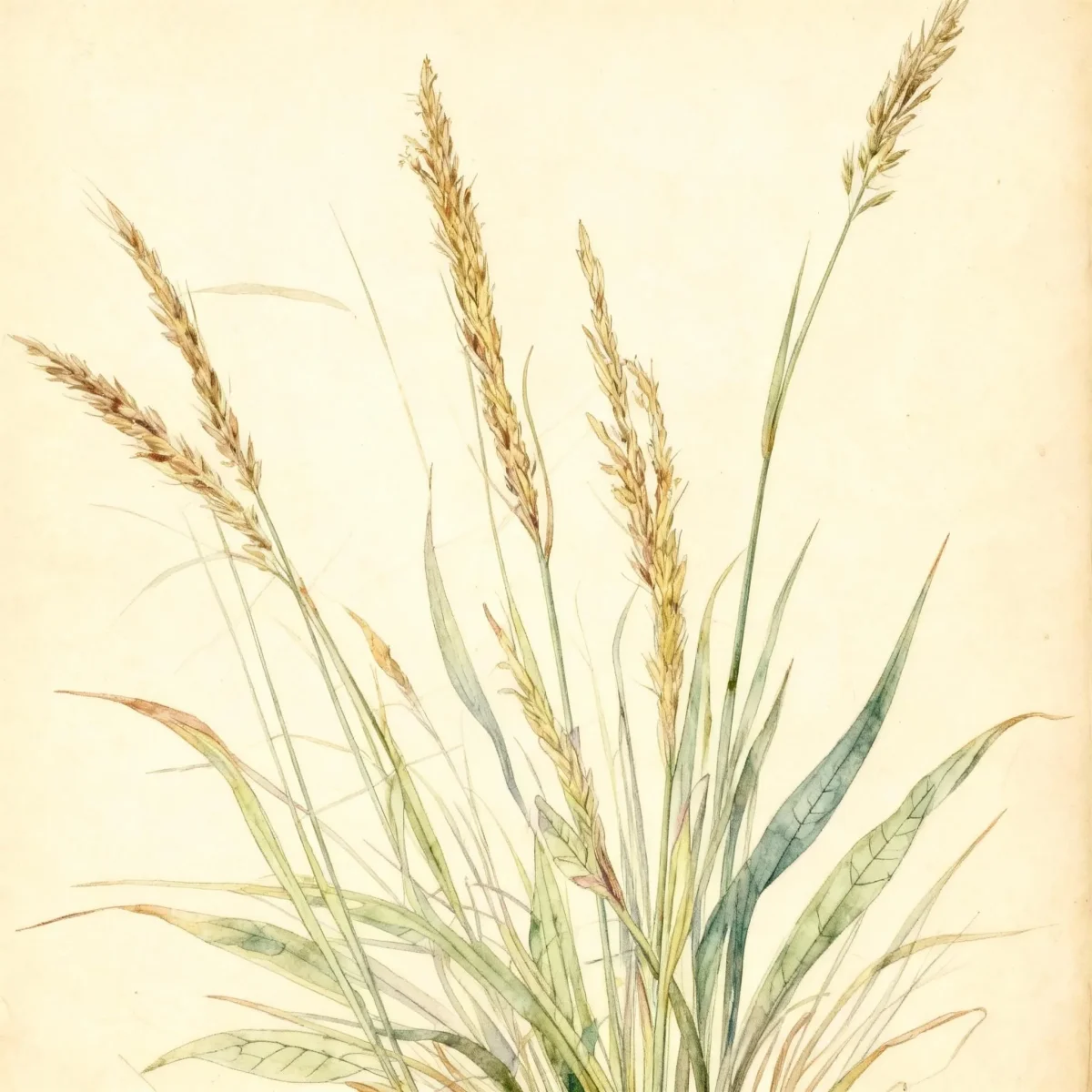
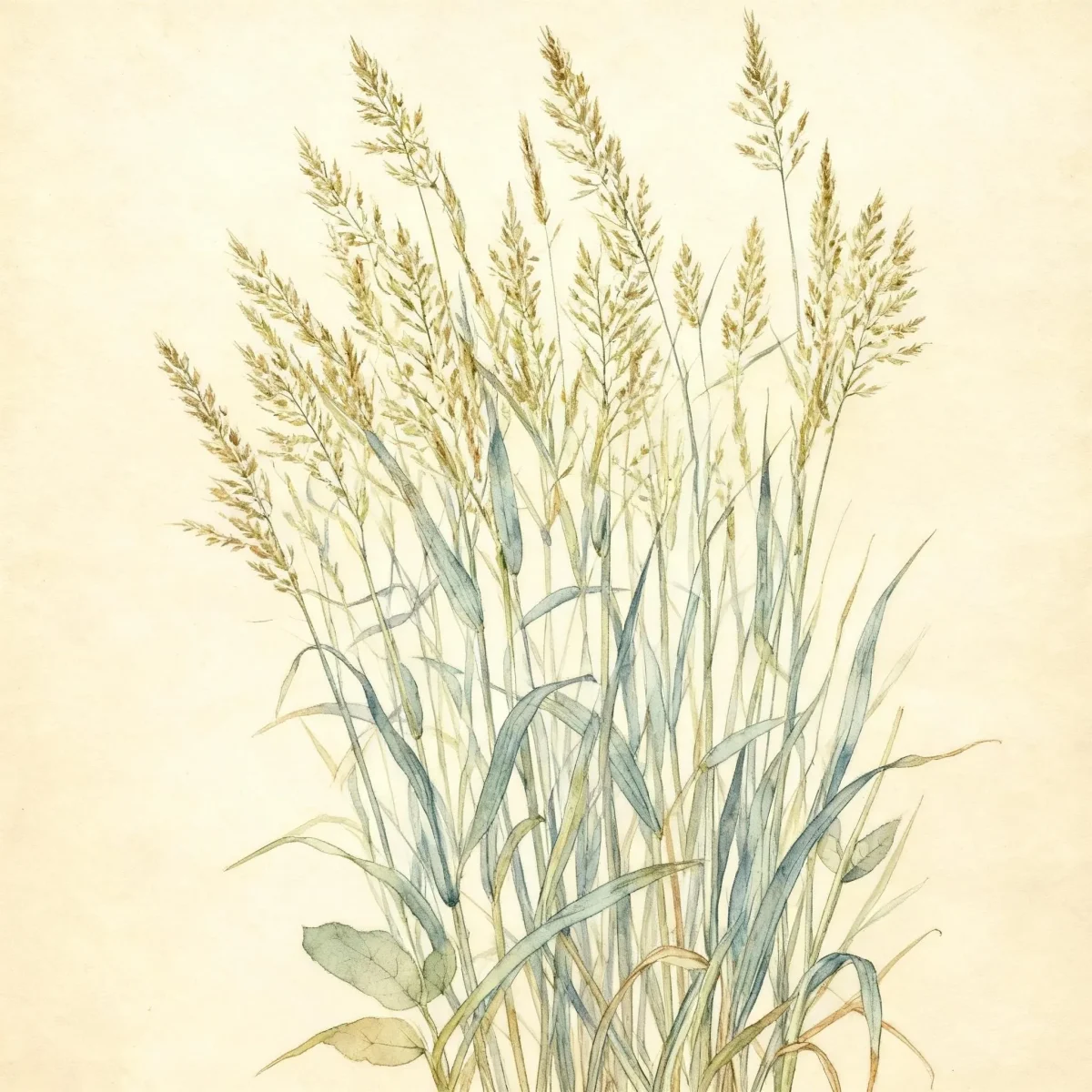
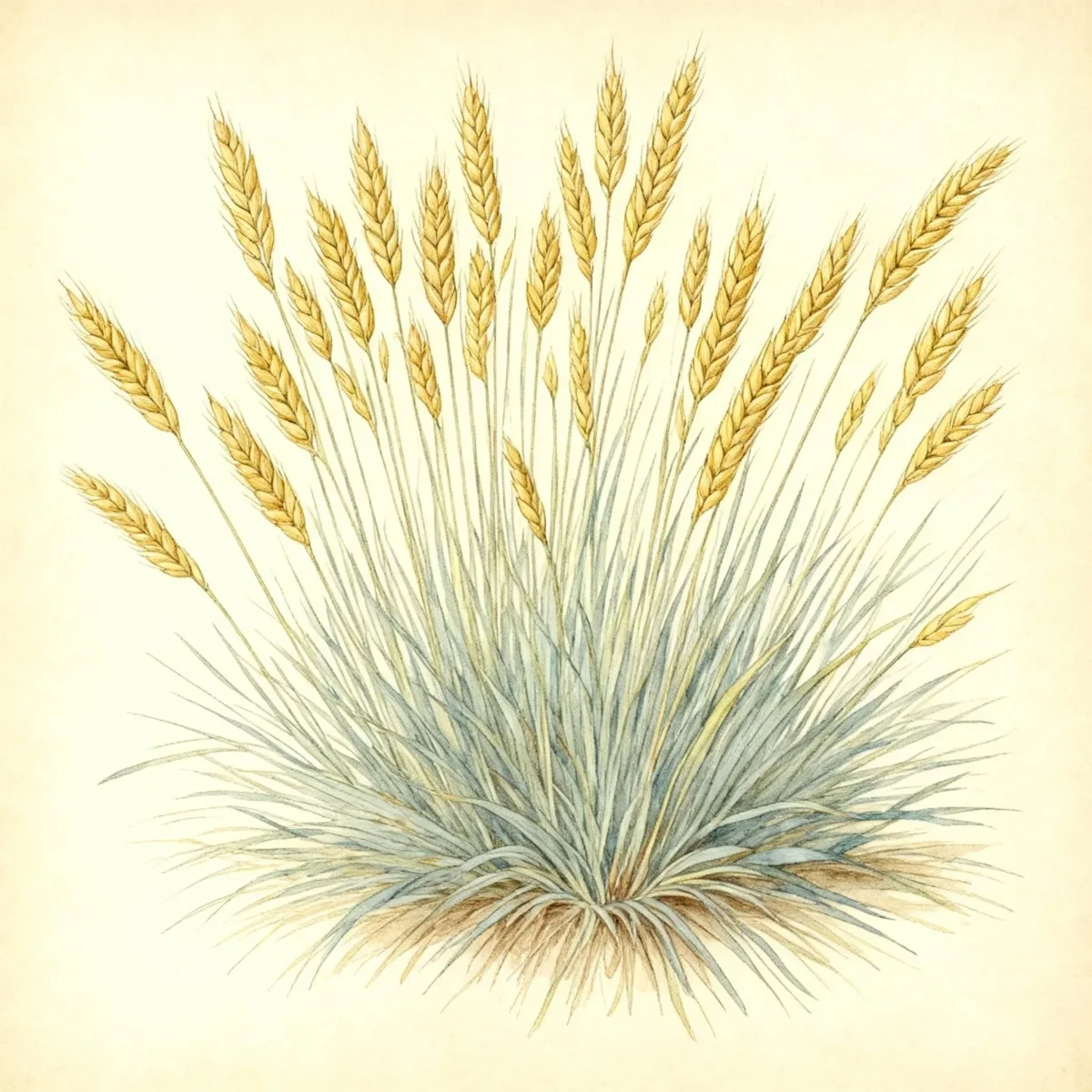
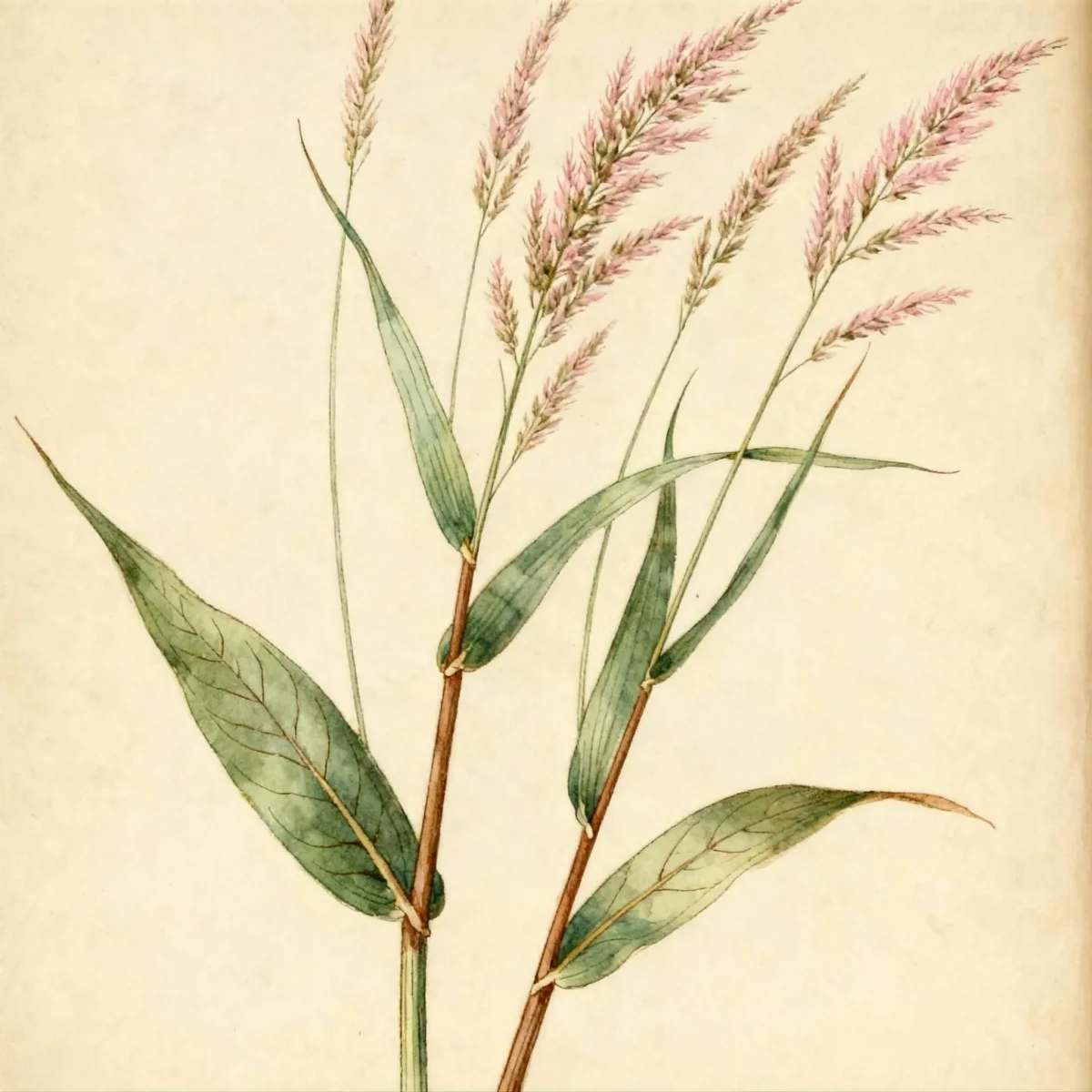
Pampas grass (Cortaderia selloana 'Pumila')
Cortaderia selloana 'Pumila' (Pampas grass) is a dwarf, cold-hardy ornamental grass featuring showy, creamy white plumes from late summer to fall.
Scroll down to discover growing tips, care requirements, companion plants, and more
Complete Plant Information
Overview
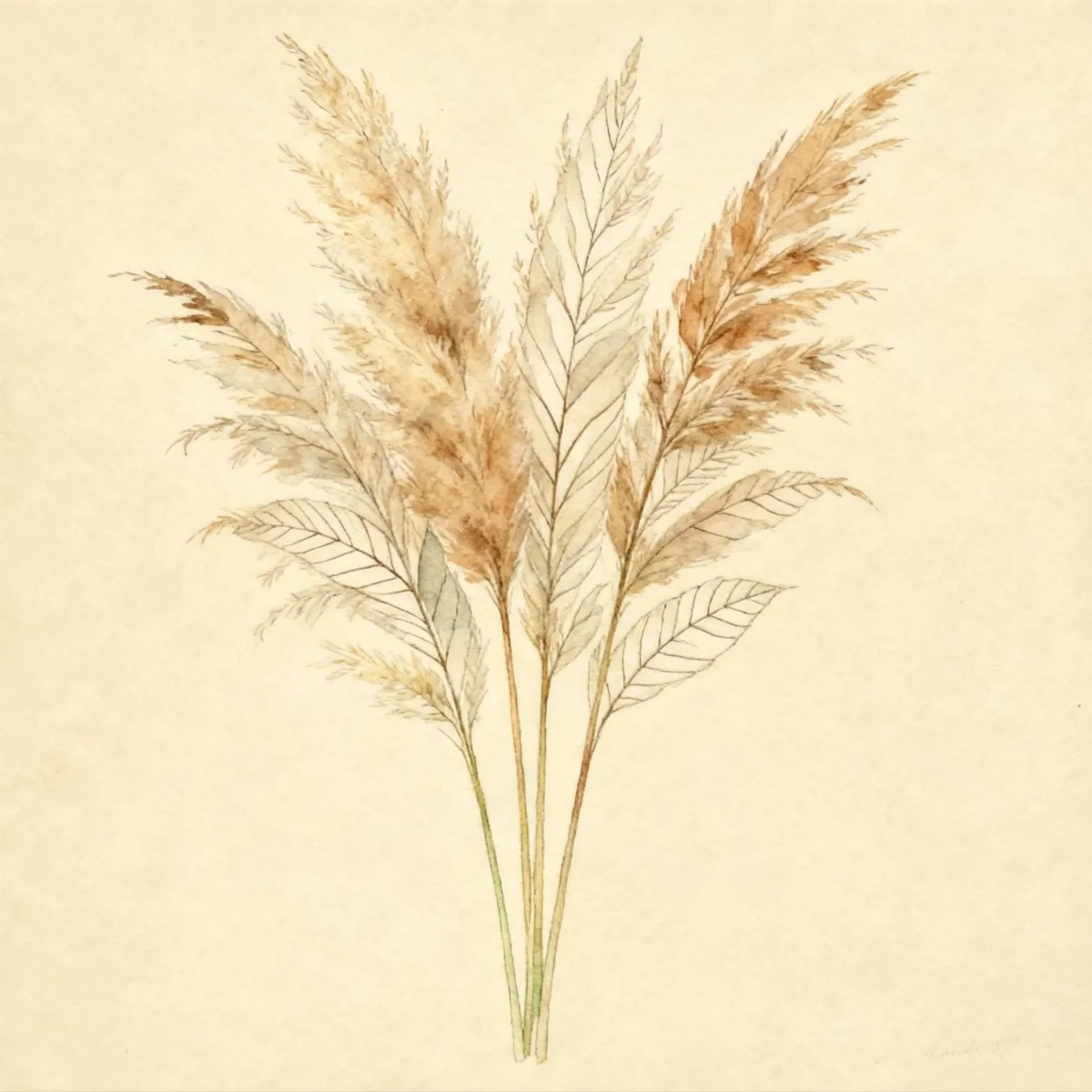
Cortaderia selloana ‘Pumila’, commonly known as dwarf Pampas grass, delivers the majestic visual impact of its larger relatives but in a more manageable size perfect for many modern landscapes. This ornamental grass forms dense clumps of arching, narrow green leaves, dramatically topped by huge, feathery plumes that appear reliably from late summer into the fall. Its aesthetic value lies in the silvery white, showy flower heads, which provide excellent vertical interest and texture.
This cultivar offers increased cold tolerance over standard selections, making it a valuable landscape feature where hardiness allows. While Cortaderia selloana ‘Pumila’ is tough and drought-tolerant once established, gardeners must be mindful of its growth habit and potential invasiveness in warmer climates where it readily self-seeds. For gardeners seeking bold texture and striking winter interest, this Pampas grass variety is an excellent choice.
Fast Facts
- Plant Family: Poaceae
- Plant Type: Ornamental grass
- Hardiness Zones: USDA Zones 5-5
- Size at Maturity:
- Height: 4-6 ft
- Spread: 3-4 ft
- Bloom Time: August to November
- Bloom Description: Creamy white
- Sun Exposure: Full sun
- Water Needs: Dry to medium
- Maintenance Level: Medium
How to Grow
Planting Cortaderia selloana ‘Pumila’ should occur when hardiness allows, ideally preparing the site for its preference for full sun exposure. This grass thrives in medium moisture, well-drained soils. While it tolerates light shade, maximum plume production requires unobstructed sunlight. Sites should accommodate its mature spread of up to 4 feet.
Maintenance for Pampas grass is generally moderate. Water deeply but infrequently once the plant is established, as it exhibits good drought tolerance. Major cultural work involves a necessary cleanup routine: cut the entire foliage mass back to the ground in late winter before new growth begins. This sharp task prepares the plant for fresh spring growth and optimizes summer display.
It is important to note regional variations in cultivation. While hardy in specific zones 6-10, gardeners in marginal zones, such as USDA Zone 6 (St. Louis area), should treat Cortaderia selloana ‘Pumila’ as a container plant, overwintering it indoors or in a greenhouse. Furthermore, be aware that this plant is technically gynodioecious; female plants produce large amounts of seed, leading to aggressive self-seeding in certain western US regions where this cultivar is discouraged due to invasive potential.
Landscape Uses
Where geographically hardy, Cortaderia selloana ‘Pumila’ functions beautifully as a massive specimen plant, drawing the eye with its vertical stature and dramatic plumes. It is highly effective when used as a background anchor in perennial borders or massed plantings where its size can be fully appreciated. For a bold architectural statement, place one or two specimens in a large, open area.
The dried plumes of this Pampas grass are highly valued commercially and domestically for indoor arrangements. Plan to harvest stalks after the color has fully set but before the plumes completely disintegrate. Due to its substantial size, using dwarf Pampas grass in smaller residential gardens often necessitates container culture, especially in colder zones, allowing easy winter protection.
Standout Features
Flower Qualities
- Showy
- Good Cut
- Good Dried
Noteworthy Characteristics
Cortaderia selloana, commonly called pampas grass, is native to Brazil, Argentina and Chile. This is a tough, large grass that forms dense, substantial clumps featuring arching, finely serrated, narrow green leaves that are topped in fall by huge, feathery, silvery white plumes. ‘Pumila’ is a dwarf, floriferous, cold hardy pampas grass selection that features showy plumes of flowers, reaching 6’ tall and spreading to 4’.
Tolerances
- Drought
- Black Walnut
- Air Pollution
Potential Problems
This ornamental grass generally avoids serious insect or disease issues, presenting a low chemical maintenance threat. The primary concern with Cortaderia selloana ‘Pumila’ relates to its physical hazards and environmental impact. Leaf blades possess extremely sharp edges that can easily cut human skin, requiring caution during handling or pruning tasks. Furthermore, in warmer environments, the species has invasive tendencies due to prolific naturalization through self-seeding, displacing valuable native flora.
Management of the sharp foliage is best achieved by wearing heavy gloves and long sleeves when cutting back the dead foliage in late winter. To mitigate invasiveness where it is a local concern, immediately remove spent flower heads if the plant is female and producing viable seed, or research local regulations before planting.
Frequently Asked Questions
What hardiness zones is Cortaderia selloana ‘Pumila’ suitable for?
Cortaderia selloana ‘Pumila’, offering enhanced cold tolerance, is generally hardy in USDA Zones 5 through 5, though it performs optimally in zones 6-10.
How large does Pampas grass grow?
Mature plants typically reach a height between 4 to 6 feet tall, spreading to occupy an area 3 to 4 feet wide.
What sun exposure does Cortaderia selloana ‘Pumila’ need?
This grass requires full sun exposure to achieve the best growth and the most impressive plume display.
When does Pampas grass bloom?
The showy, creamy white plumes of this plant appear reliably from August and continue blooming through November.
Conclusion
Cortaderia selloana ‘Pumila’ remains a highly desirable ornamental grass, celebrated for its structure and dramatic, feathery plumes that offer late-season interest. Although it is a tough, drought-tolerant performer, gardeners must respect its potential sharp leaf blades and local invasiveness concerns. Before adding this magnificent Pampas grass to your garden, verify that USDA Zone 5 conditions suit its long-term survival.
Companion Planting
When integrating Cortaderia selloana ‘Pumila’ into a large border, consider pairing it with plants that contrast its texture or bloom time. Given its height, it serves well behind sturdy perennials that remain attractive when the grass is dormant. Good companions might include large Sedum cultivars (like ‘Autumn Joy’) or Coneflowers (Echinacea), which provide a block of lower color contrast during the summer months before the plumes emerge.
Additionally, since this grass demands excellent drainage and full sun, select drought-tolerant shrubs or perennials for adjacent plantings. Avoid placing it near sensitive groundcovers that might be overwhelmed by falling debris or competition from the grass’s spreading roots.
Seasonal Care Calendar
Spring is the crucial time for rejuvenation; ensure you cut back all existing foliage to the ground in late winter or very early spring before active growth starts, enabling a clean slate for the new season. As summer progresses into late July or August, monitor moisture, particularly if you are establishing new plants, though established Cortaderia selloana ‘Pumila’ rarely needs supplemental watering unless the drought is severe.
Fall is when the ornamental value peaks; enjoy the silvery plumes, but be meticulous if you have female plants and wish to limit naturalization. Once the plumes fade and winter weather sets in, resist the urge to cut the foliage back too early, as the dead leaves can offer some protection to the crown in colder marginal areas.