Canna (Canna (aquatic group))
The Canna (aquatic group) is a vibrant herbaceous perennial offering colorful blooms and tolerance for wet soil; ideal for pond margins and rain gardens.
Scroll down to discover growing tips, care requirements, companion plants, and more
Complete Plant Information
Overview
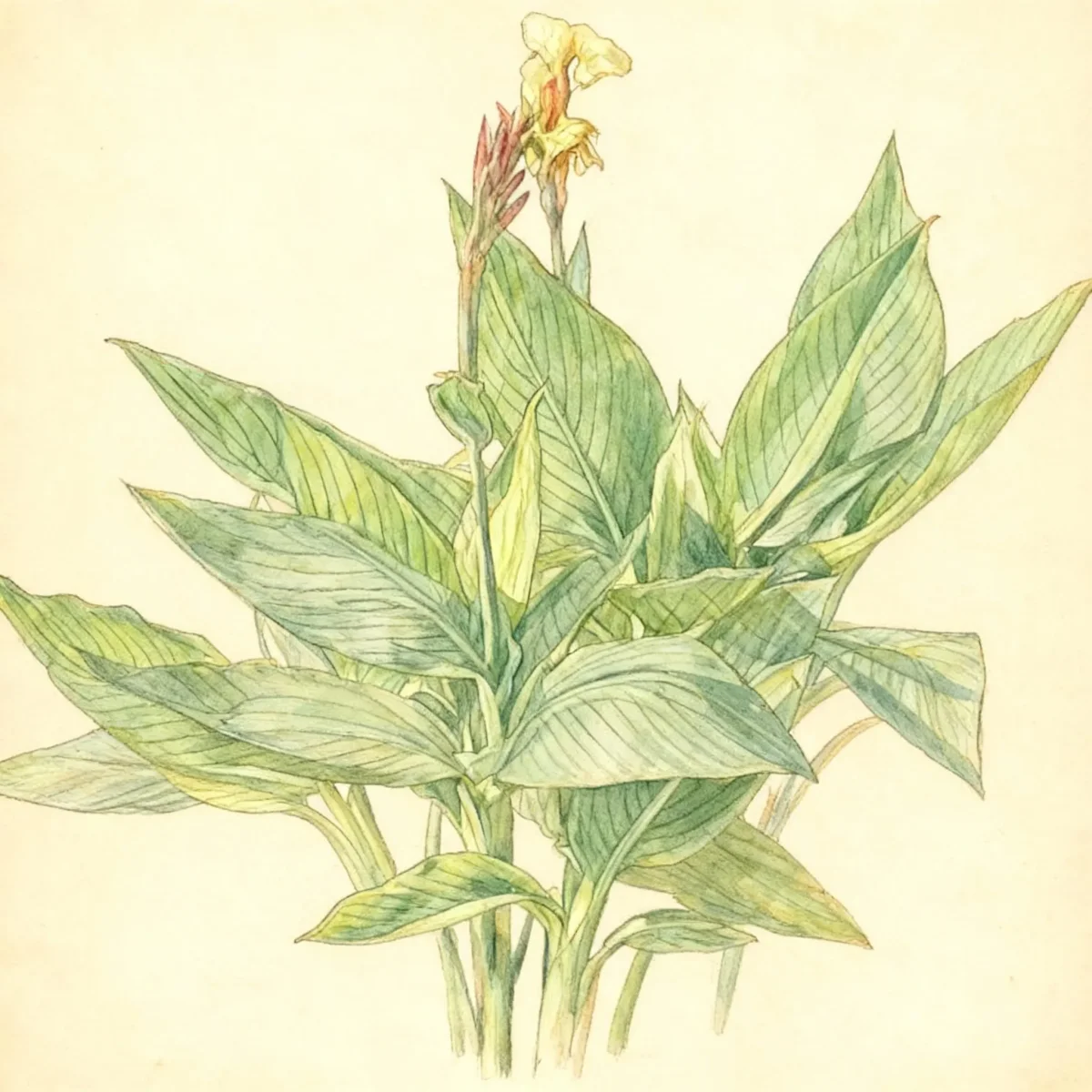
The Canna (aquatic group) offers striking tropical flair, bringing height and vibrant color to moisture-retentive areas of the landscape. These rhizomatous perennials are prized not only for their sensational flower spikes but also for their large, paddle-shaped leaves, which provide dramatic architectural structure. Growing readily in full sun to partial shade, this variety stands out due to its adaptability near pond edges or in rain gardens where other specimens struggle with consistently damp soil.
As hybrid cultivars, Canna (aquatic group) plants are often crosses involving Canna glauca, lending them their signature tolerance for shallow water immersion. They are reliable bloomers from mid-summer until the first hard frost, painting the garden with rich warm hues. This genus, Canna generally, is a fantastic choice for gardeners seeking dramatic summer impact and functional water management capabilities.
Handling Canna rhizomes requires attention, especially in northern zones, as they require division and careful winter storage to ensure return performance. For gardeners looking to maximize summer impact with minimal fuss near water features, the Canna (aquatic group) provides robust, year-after-year returns when managed correctly.
Fast Facts
- Plant Family: Cannaceae
- Plant Type: Herbaceous perennial
- Hardiness Zones: USDA Zones 7-10
- Size at Maturity:
- Height: 2-6 ft
- Spread: 2-3 ft
- Bloom Time: July to September
- Bloom Description: Red, salmon pink, yellow, burnt orange
- Sun Exposure: Full sun to part shade
- Water Needs: Medium to wet
- Maintenance Level: Medium
How to Grow
Planting Canna rhizomes is best done in spring after all danger of frost has completely passed, allowing the warm soil to encourage robust growth. These plants thrive in moist, organically rich, well-drained soils; however, the aquatic grouping thrives closer to saturation. Space the rhizomes widely, approximately 18 to 24 inches apart, ensuring they are set 4 to 6 inches deep.
Consistent water is key for Canna, especially during the active growing season, reinforcing their classification as a water plant. While pruning is minimal, immediately remove entire flowering stems once they fade to encourage continuous bloom production through September. This constant deadheading ensures the plant directs energy into rhizome development and more flowers, rather than seed production.
Winter preparation varies based on local conditions for Canna. In USDA Zones 7 through 10, rhizomes often remain reliably hardy outdoors. However, if you live outside this range, or wish to ensure vigor, wait until after the first hard frost in the fall to cut the foliage back to the ground. Lift entire clumps, dry them slightly, and store the rhizomes in a cool, dry location (above 40°F) packed in peat or vermiculite.
Landscape Uses
The bold structure and vibrant flowers of Canna make them indispensable for high-impact landscapes. They function excellently when grouped or massed in borders, creating vertical accents that draw the eye deep into the garden design. Furthermore, their tolerance for significant moisture makes them excellent candidates for dedicated rain gardens situated where water naturally collects.
Beyond traditional beds, Canna performs well when integrated with both annuals and perennials, their lush foliage contrasting beautifully with finer-textured neighbors. For dramatic container displays, ensure pots are large enough to support the substantial root system of the Canna. When positioning them, utilize their impressive leaves—they look particularly striking when backlit by the afternoon sun, highlighting their tropical texture.
Standout Features
Flower Qualities
- Showy
Noteworthy Characteristics
Canna is a genus of rhizomatous, tropical and subtropical, herbaceous perennials known for producing flower spikes from summer into early fall atop erect stems encased in large paddle-shaped leaves. Cultivars boast colorful foliage and flowers ranging from red and orange to yellow and creamy white, attracting hummingbirds to the garden. The specific Canna (aquatic group) is notable because it includes hybrid cultivars of Canna glauca, allowing them to thrive when grown directly in shallow water.
Tolerances
- Wet Soil
Potential Problems
Rhizomes are susceptible to rot if soils are poorly drained or overly wet during dormant periods; ensuring proper soil preparation despite their water needs is crucial. Gardeners should monitor for common fungal issues such as leaf spots, rust, and bacterial blight, treating them promptly to prevent spread. Inspect foliage regularly for insect damage; pests like Japanese beetles, various caterpillars, leaf rollers, slugs, and snails frequently chew on the large leaves of Canna.
Frequently Asked Questions
What hardiness zones is Canna suitable for?
The Canna (aquatic group) is reliably hardy in USDA Zones 7 through 10.
How large does Canna grow?
Mature specimens typically reach heights between 2 and 6 feet, with a spread of 2 to 3 feet wide.
When does Canna bloom?
You can expect vibrant blooms from July through September, featuring colors like red, salmon pink, yellow, and burnt orange.
What sun exposure does Canna need?
This plant performs best when situated in a location receiving full sun, though it can tolerate partial shade conditions.
Conclusion
The Canna (aquatic group) delivers unmatched tropical drama through its large leaves and bright, late-season flowers, making it a superstar in moist garden areas. Whether used as a bold annual accent or kept as a perennial in warmer climates, this Canna variety adds significant value. Before planting your rhizomes, confirm your hardiness zone compatibility or plan your autumn digging schedule accordingly for best results next season.
Companion Planting
When selecting companions for Canna (aquatic group), focus on plants that appreciate similar moisture levels and benefit from the Canna’s bold vertical texture. Plants like Pickerel Rush (Pontederia cordata) or Irises that tolerate wet feet provide complementary shapes without outcompeting the Canna for light. In drier edges of a rain garden, consider grasses or sedges that offer fine texture contrast against the broad Canna leaves.
Wildlife Benefits
The showy flowers of the Canna genus are specifically noted for their attractive qualities toward hummingbirds, which readily feed on the nectar-rich blooms throughout the summer. While the foliage is attractive to various chewing insects, the flowers act as a dependable nectar source during the peak summer months when many early-season bloomers have finished. Providing this late-season resource helps support migratory and resident hummingbird populations.