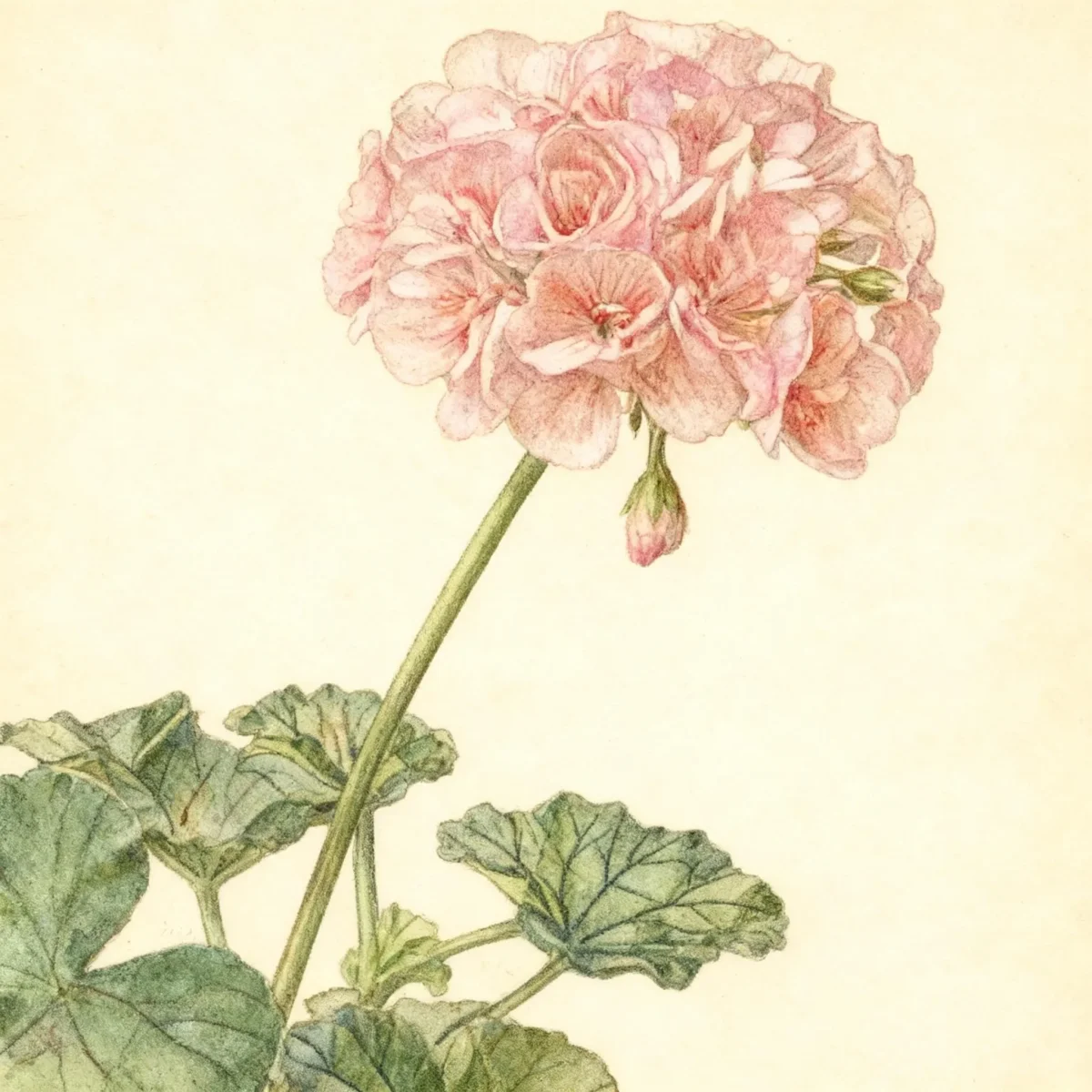
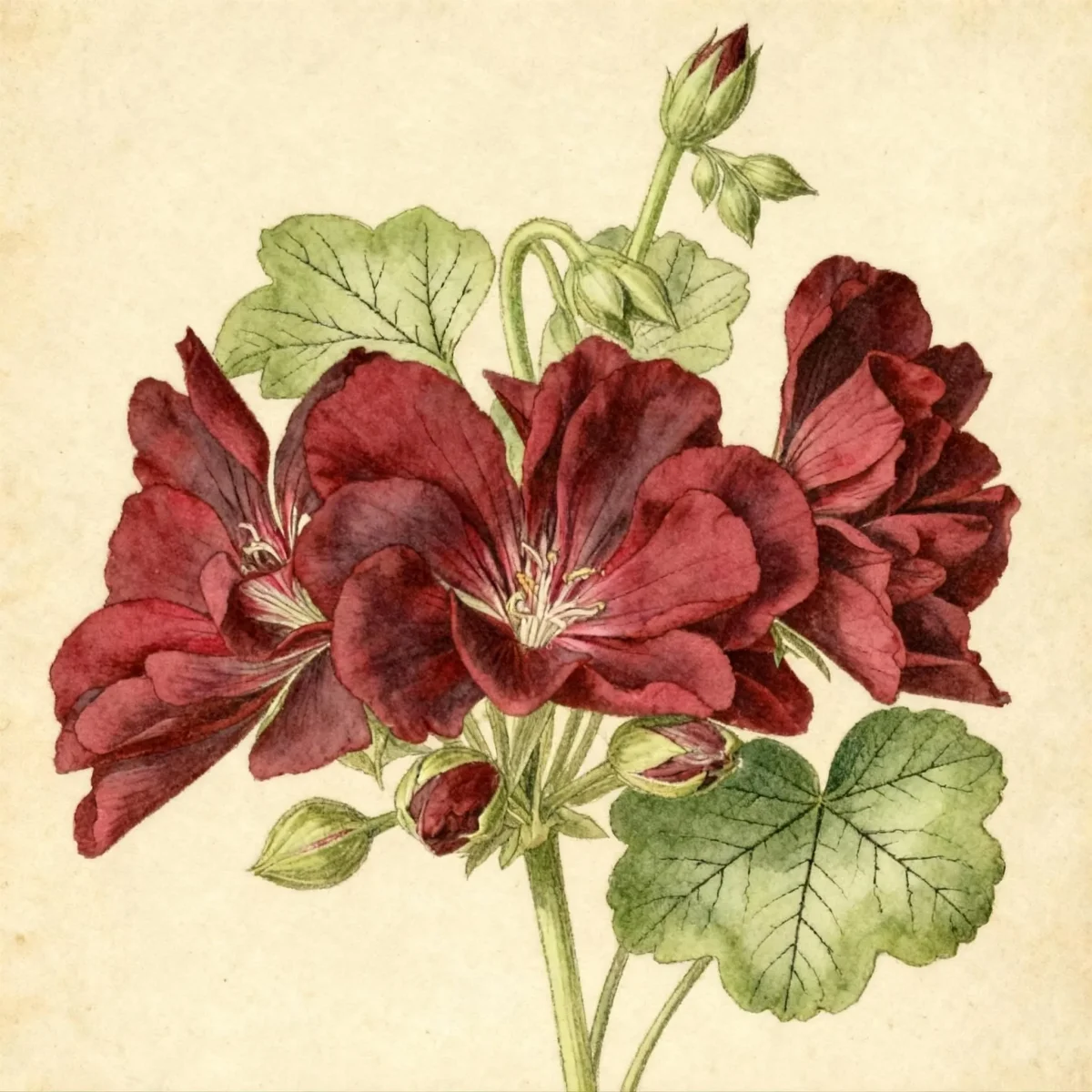
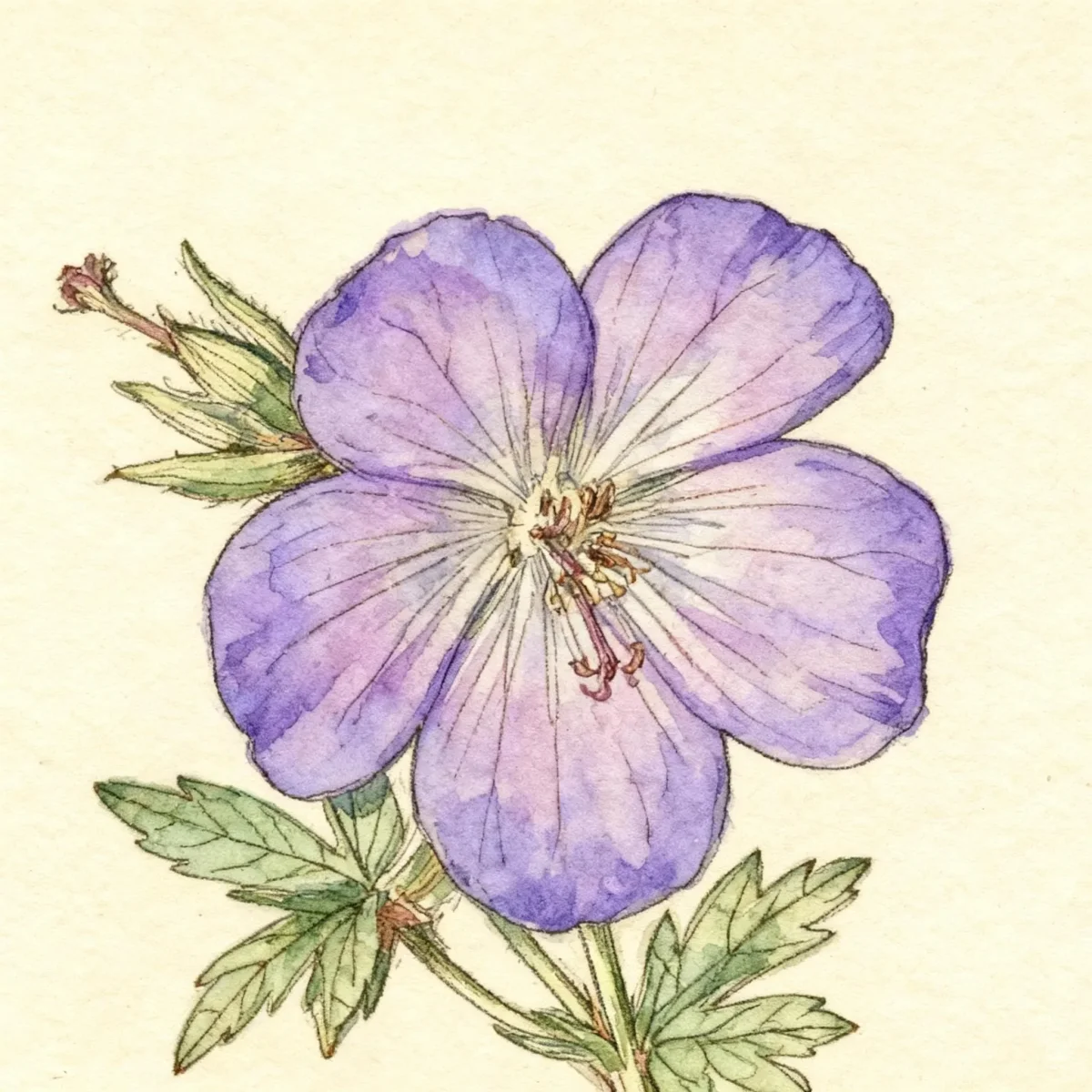
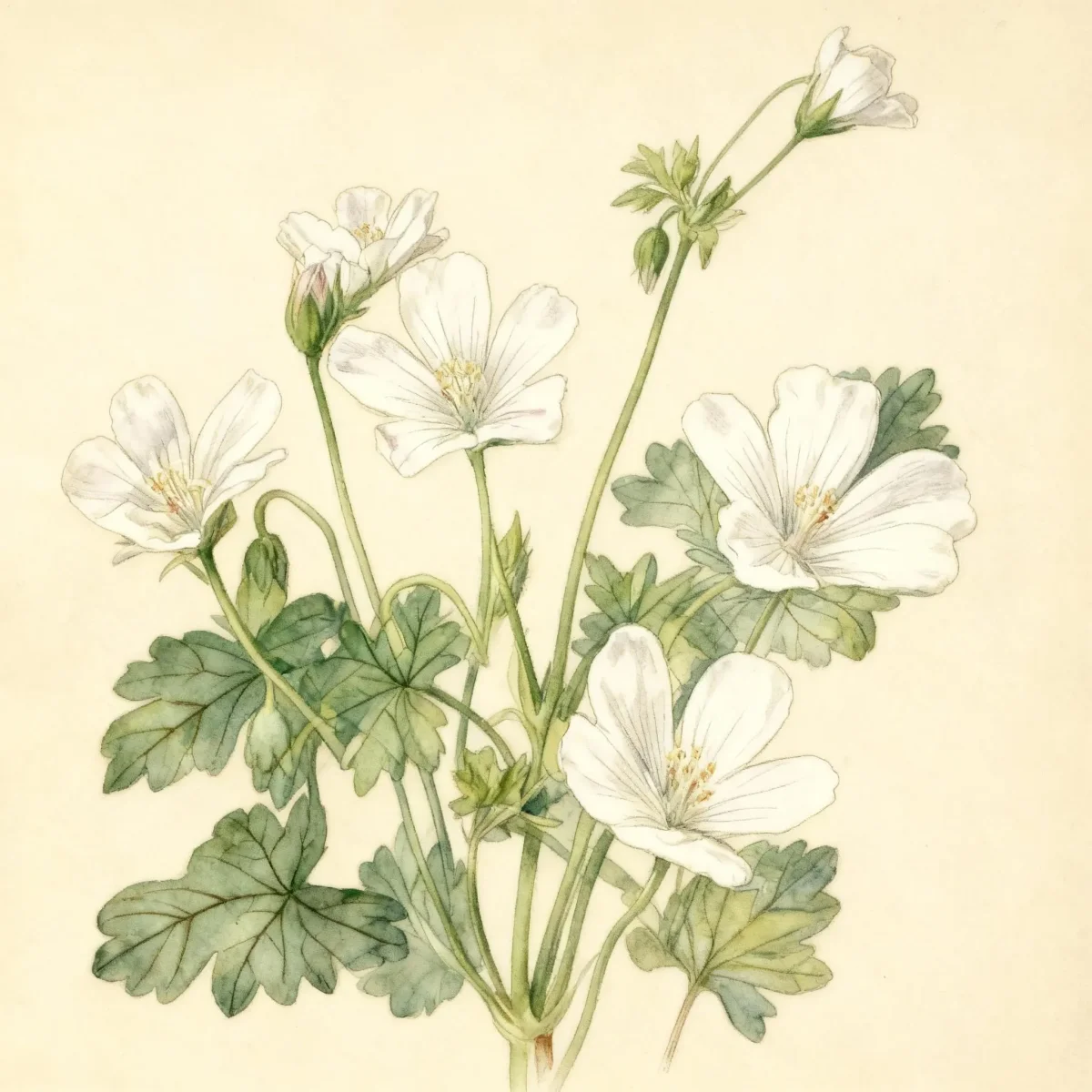
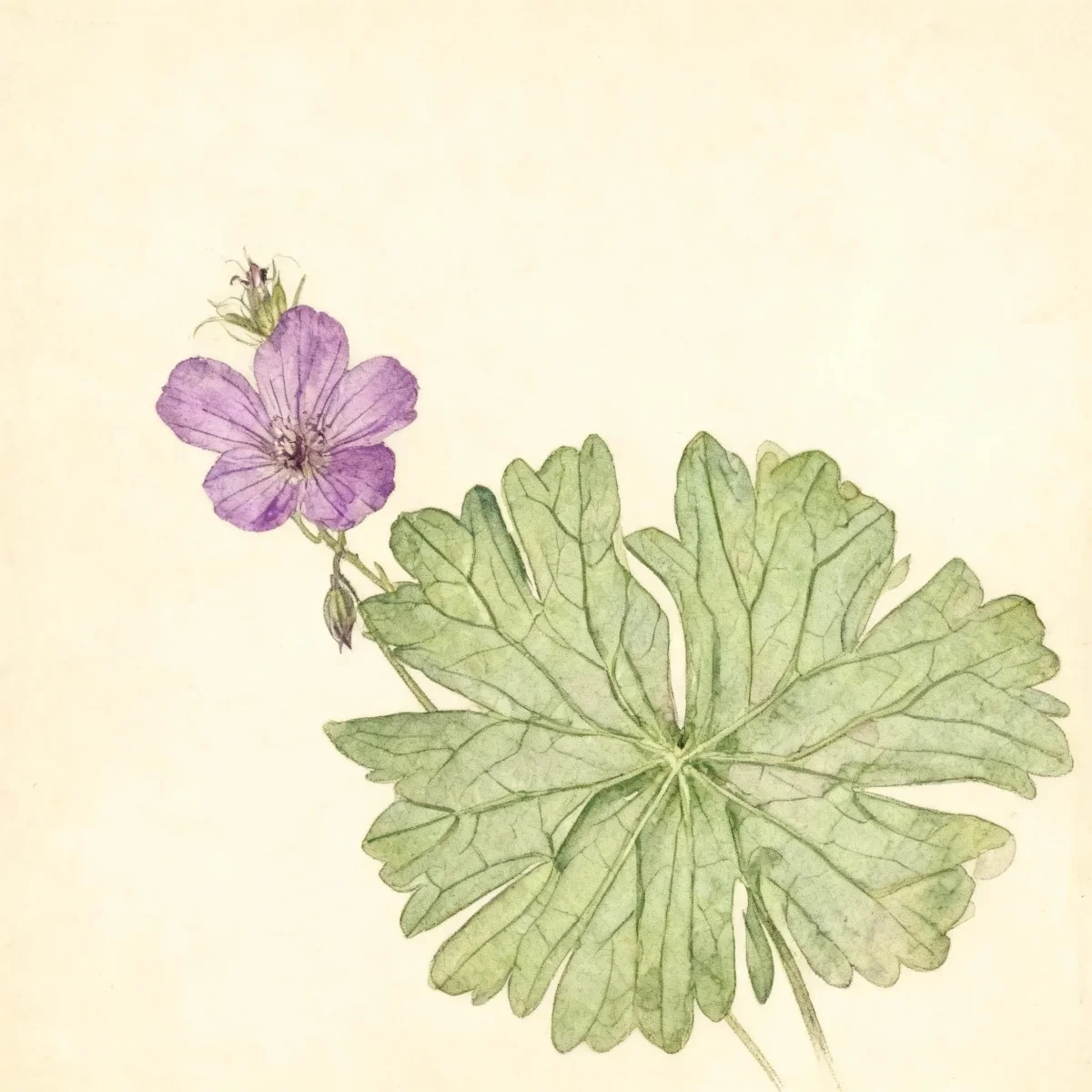
Scented-leaved geranium (Pelargonium (scented-leaved group))
Discover Scented-leaved geranium, primarily grown for aromatic foliage. This Pelargonium (scented-leaved group) is a low-maintenance perennial.
Scroll down to discover growing tips, care requirements, companion plants, and more
Complete Plant Information
Overview
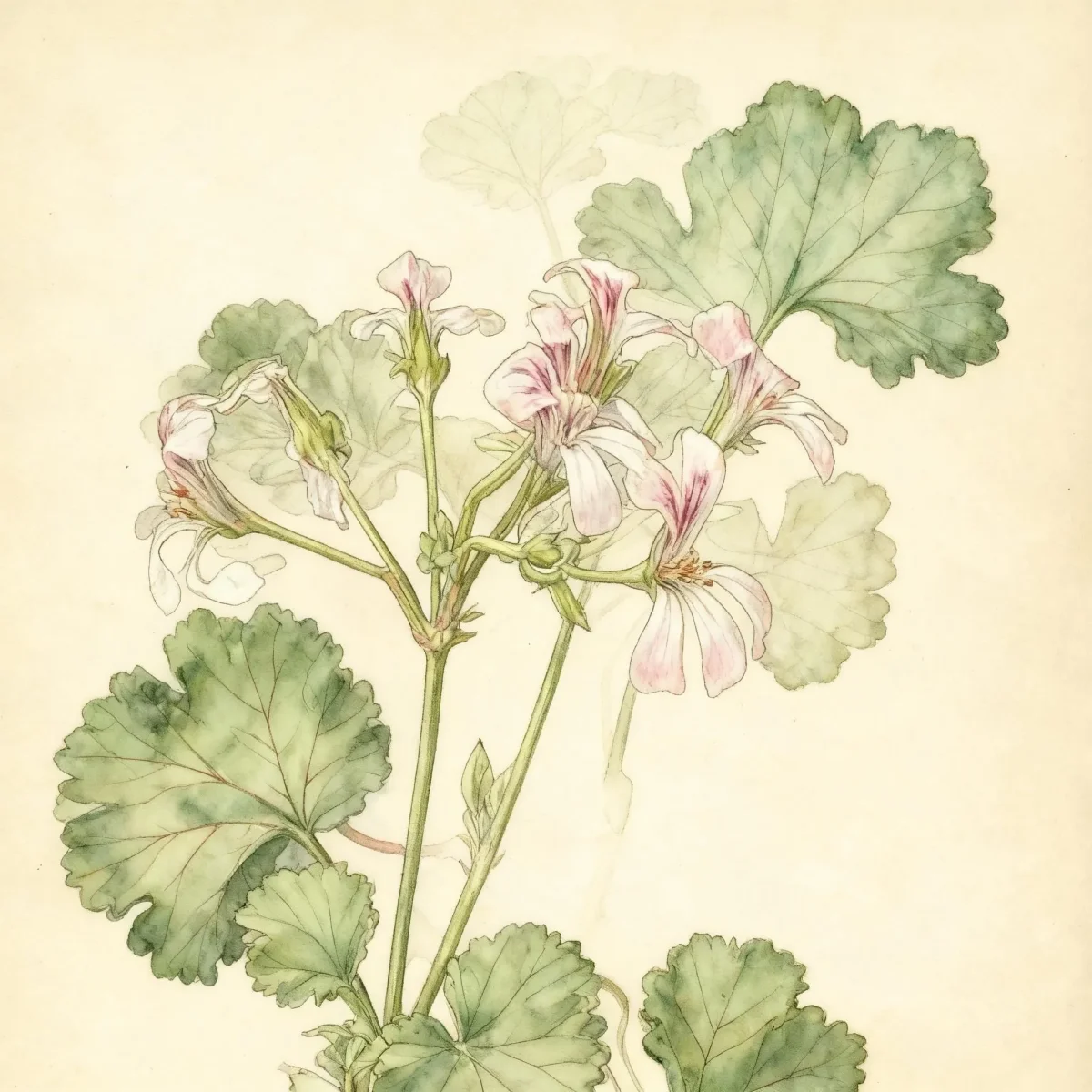
The Pelargonium (scented-leaved group), commonly known as the Scented-leaved geranium, offers remarkable tactile and aromatic rewards in the garden. While the small pink to white flowers are pleasant, the main feature is the foliage, which releases strong, complex scents—like rose, lemon, or peppermint—when brushed or handled. These tender perennials are highly adaptable and favored for their low maintenance needs.
Gardeners prize this Pelargonium (scented-leaved group) not for formal displays, but for sensory gardens, pathways, and mixed containers where their fragrant leaves can be easily enjoyed. They typically mature into rounded herbaceous forms between one and three feet tall, making them excellent medium-sized accents in warmer climates.
In most regions, the Scented-leaved geranium is valued as a summer annual, thriving in full sun to part shade. For gardeners in temperate zones, learning overwintering techniques is essential to keep prized varieties beyond a single growing season, making them a reliable, fragrant addition year after year.
Fast Facts
- Plant Family: Geraniaceae
- Plant Type: Herbaceous perennial
- Hardiness Zones: USDA Zones 10-11
- Size at Maturity:
- Height: 1-3 ft
- Spread: 1-2 ft
- Bloom Time: Seasonal bloomer
- Bloom Description: Pink to white
- Sun Exposure: Full sun to part shade
- Water Needs: Medium
- Maintenance Level: Low
How to Grow
Scented-leaved geranium thrives when planted in well-drained soil amended with organic matter; an average to organically rich composition with a neutral to slightly alkaline pH is ideal in the garden setting. Hardy only in USDA Zones 10-11, these plants function best as annuals outside these ranges. Ensure excellent drainage, as poorly performing soil is the number one cause of root and stem rot issues for Pelargonium (scented-leaved group).
Watering should be regular throughout the active growing season to maintain medium moisture levels. While thirsty during the summer heat, avoid waterlogging the roots. These plants perform best in full sun but appreciate relief from the harshest afternoon intensity during extreme summer weather. Keep the plant tidy by promptly deadheading spent flower stalks.
To maintain a compact, bushy habit, pinch the stems regularly to prevent the Pelargonium (scented-leaved group) from becoming leggy. For winter preparation in colder zones, plan to bring containers indoors before the first frost. Options include treating them as bright, cool houseplants or allowing them to go dormant in a cool, dark area like a basement or garage.
Landscape Uses
The primary value of the Scented-leaved geranium lies in its aromatic foliage, suggesting placement where physical contact is frequent. They are perfectly suited for containers, hanging baskets, or window boxes directly adjacent to patios or entryways where their scent can be released upon brushing past them. Training selected specimens as standards can also add vertical, fragrant interest.
These plants are highly effective when massed or grouped within dedicated herb gardens, capitalizing on their unique aromatic profiles, which range from coconut to peppermint. Since their flowers are secondary to their scent, use them as textural fillers or edgings along garden paths where their leaves will naturally be touched, maximizing enjoyment of this Pelargonium (scented-leaved group).
Standout Features
Flower Qualities
- Showy
Noteworthy Characteristics
Scented geraniums are tender perennials typically treated as annuals reaching 1–3 feet tall. Although they produce small, pale pink to white flowers in summer, they are celebrated primarily for their aromatic foliage, which releases scent when handled. Common varieties include types scented like rose, lemon, apple, and peppermint, with dried leaves suitable for potpourri and sachets.
Tolerances
This section is blank based on provided data.
Potential Problems
Scented-leaved geranium generally suffers from few serious disease or pest issues, provided cultural needs are met. The most significant threat comes from overly wet conditions; poorly drained soils guarantee stem and root rots for the Pelargonium (scented-leaved group). When grown as indoor overwintering specimens, watch vigilantly for common houseplant pests like aphids and whiteflies, treating infestations quickly with insecticidal soap.
Frequently Asked Questions
What hardiness zones is Scented-leaved geranium suitable for?
The Scented-leaved geranium is winter hardy only in USDA Zones 10 and 11. Gardeners in cooler regions should treat them as summer annuals or plan for careful overwintering indoors.
How large does Scented-leaved geranium grow?
This plant typically reaches a mature height between 1 to 3 feet tall and spreads from 1 to 2 feet wide, developing a rounded habit.
What sun exposure does Pelargonium (scented-leaved group) need?
This species performs best when placed in full sun conditions but will readily tolerate partial shade, especially appreciating some respite from the most intense afternoon sun.
When does Pelargonium (scented-leaved group) bloom?
This plant is classified as a seasonal bloomer, generally producing clusters of small flowers during the summer months that range in color from white to pale pink.
Conclusion
The Pelargonium (scented-leaved group) provides unparalleled sensory appeal through its highly fragrant foliage, making it a low-maintenance favorite for tactile gardening spaces. Ensure you have well-draining soil and plan your strategy for overwintering if you live outside Zones 10-11 to preserve your prized Scented-leaved geranium specimen across seasons.
Propagation Tips
Taking cuttings is an accessible and cost-effective way to propagate your favorite fragrant varieties of Pelargonium (scented-leaved group). Cuttings are best taken in late summer before the threat of frost if you plan on propagating for overwintering these tender perennials. Alternatively, cuttings can be successfully rooted in early spring from the plants that survived the winter indoors.
Once you have taken the cuttings, allow the bottom ends to callous over briefly before placing them in a sterile, lightweight rooting medium, ensuring they are kept in bright, indirect light away from harsh drafts. This method ensures you can easily expand your collection of unique Scented-leaved geranium scents without relying on purchasing new plants each year.
Companion Planting
Because the Pelargonium (scented-leaved group) requires excellent drainage and medium watering, pair it with other Mediterranean herbs or drought-tolerant annuals for consistent cultural needs in containers or borders. Grouping them with upright rosemary or lavender allows their mounded forms to contrast nicely while sharing similar sun requirements. Avoid planting near moisture-loving species that might lead to the Scented-leaved geranium struggling with excess water retention.