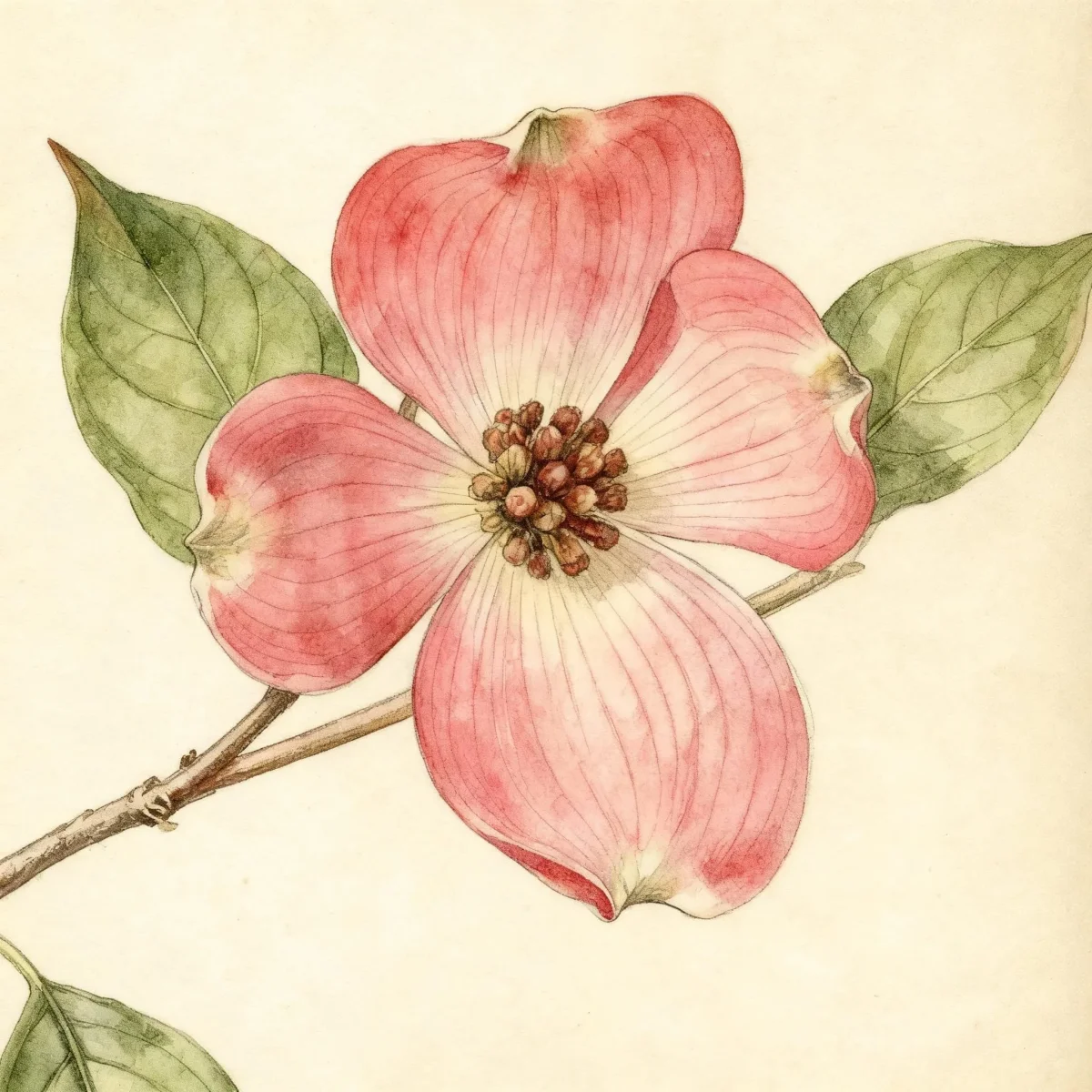
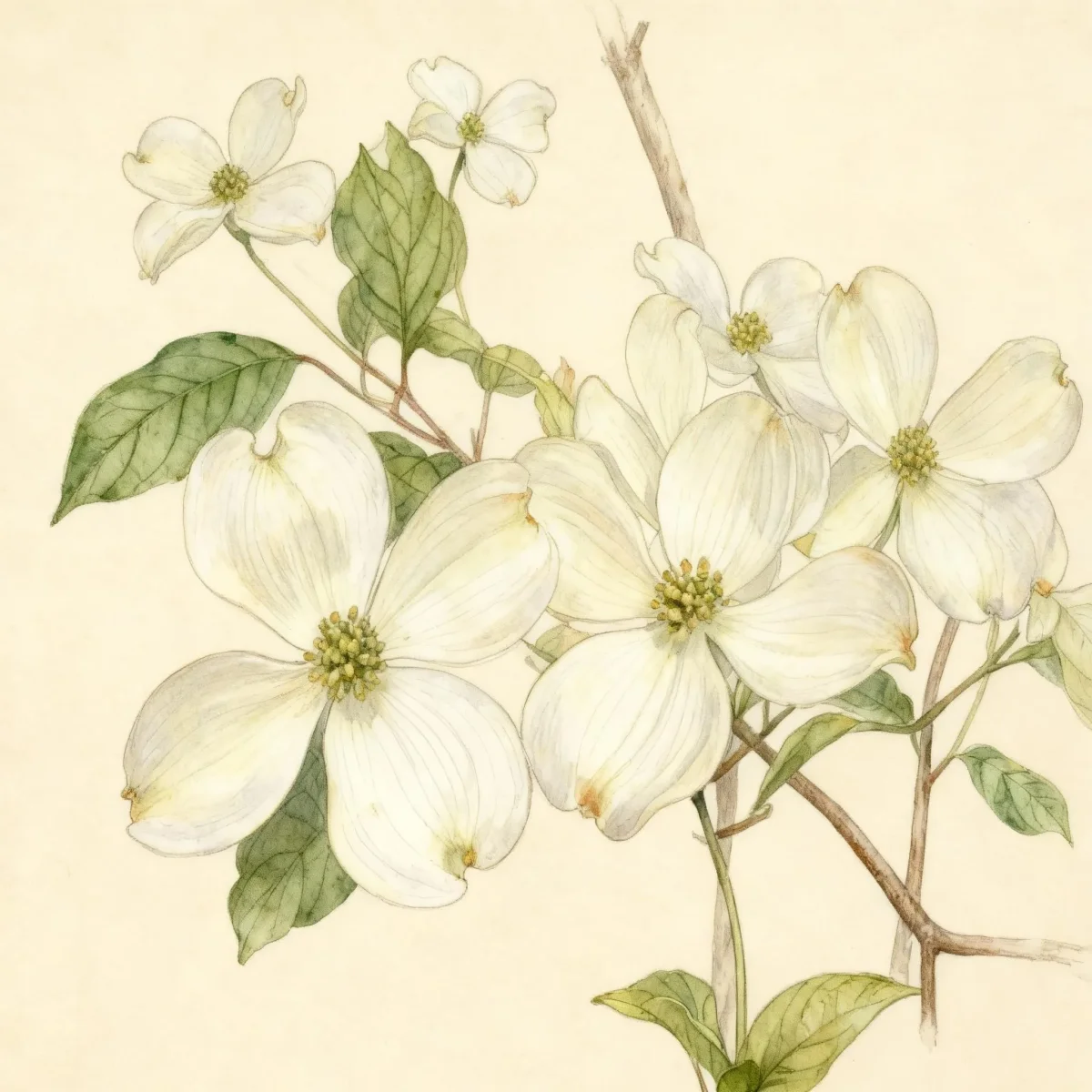
Flowering dogwood (Cornus florida 'Comco No. 1' CHEROKEE BRAVE)
Discover Cornus florida 'Comco No. 1' CHEROKEE BRAVE, a stunning Flowering dogwood tree, known for medium size, deer tolerance, and unique red-to-white spring bracts.
Scroll down to discover growing tips, care requirements, companion plants, and more
Complete Plant Information
Overview
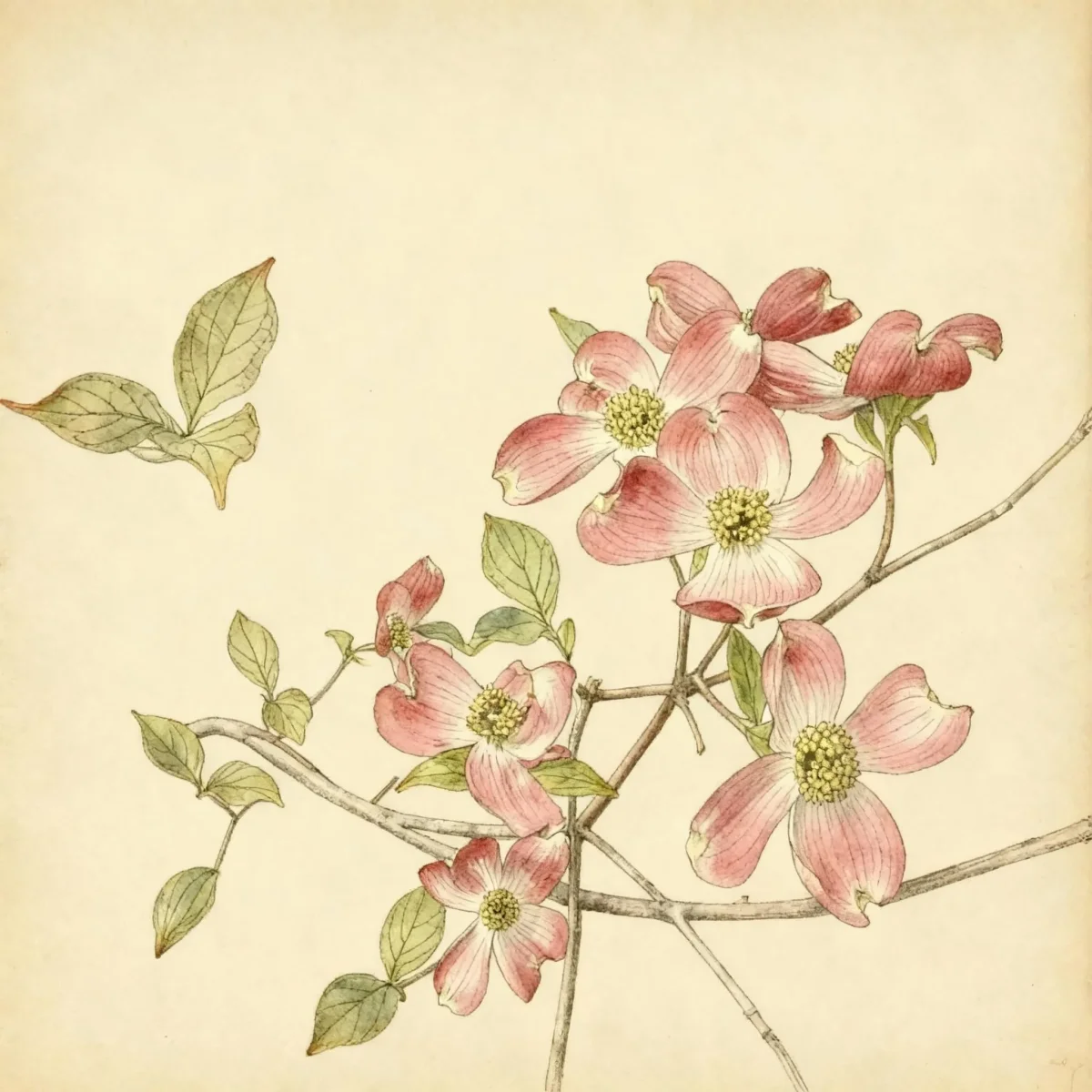
The Flowering dogwood (Cornus florida ‘Comco No. 1’ CHEROKEE BRAVE) stands out as one of the most beautiful native American flowering trees, perfect for adding structure and seasonal interest to any landscape. This cultivar is highly prized because it inherits the classic beauty of the species while reportedly offering better drought resistance than many common flowering dogwood types. As a small deciduous tree, Cornus florida ‘Comco No. 1’ CHEROKEE BRAVE develops a lovely, low-branching, broadly-pyramidal habit reaching modest heights, making it suitable for residential properties. Gardeners value this tree for its stunning spring display where showy bracts emerge with a unique red blush that fades toward the white center.
Fast Facts
- Plant Family: Cornaceae
- Plant Type: Tree
- Hardiness Zones: USDA Zones 5-9
- Size at Maturity:
- Height: 15-30 ft
- Spread: 25-35 ft
- Bloom Time: May
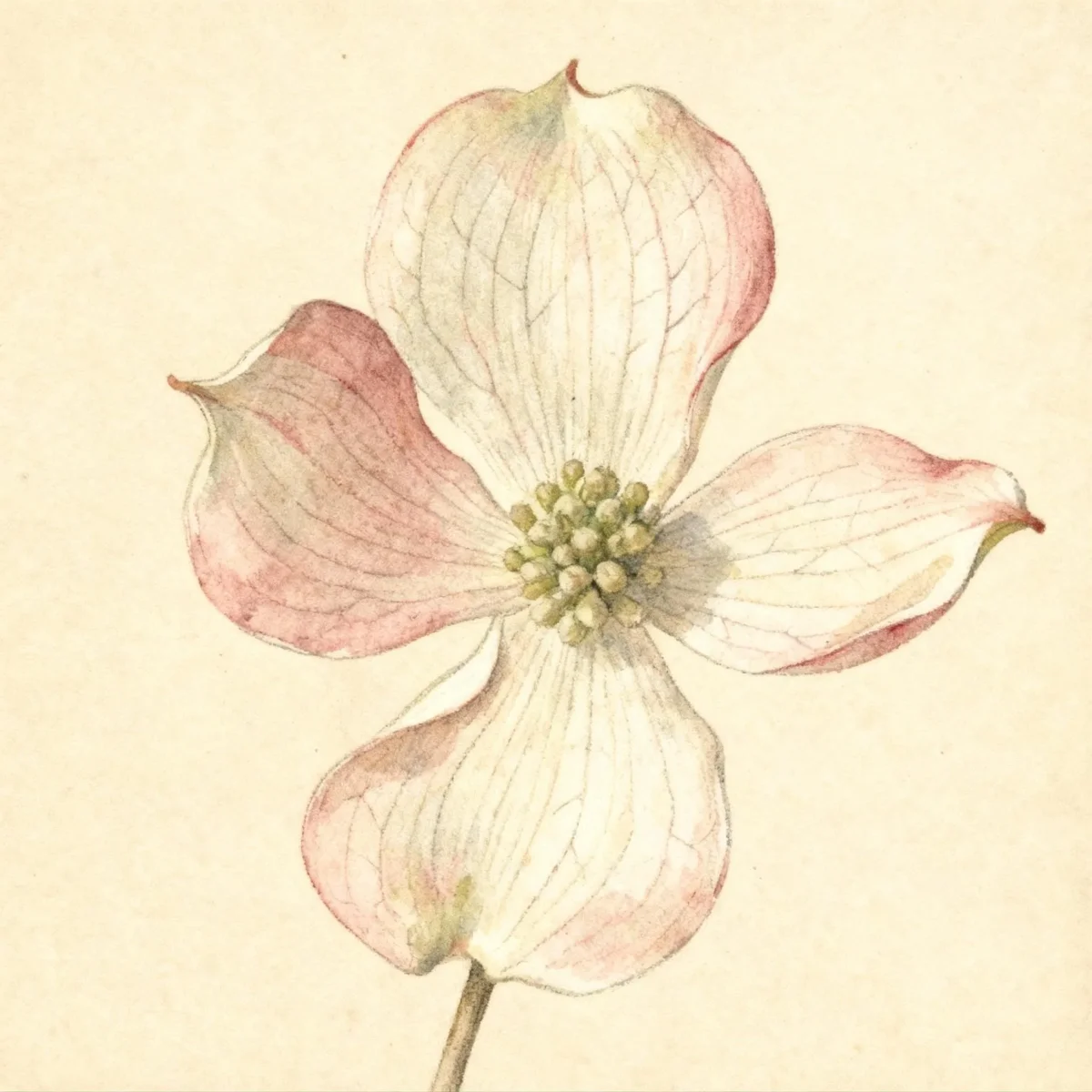
- Bloom Description: Red fading to white in the center
- Sun Exposure: Full sun to part shade
- Water Needs: Medium
- Maintenance Level: Medium
How to Grow
For optimal health, plant Cornus florida ‘Comco No. 1’ CHEROKEE BRAVE in the spring or fall when temperatures are mild. Site this Flowering dogwood where it will receive full sun to dappled part shade; protection from intense afternoon sun often prevents leaf scorch. It thrives best in moist, organically rich, acidic soils that are well-drained.
Consistent moisture management is crucial, especially during establishment, as it requires medium water input. To support cooler roots and retain soil moisture—a requirement for this species—apply a 2-4 inch layer of mulch around the base, keeping it away from the trunk flare. While this cultivar shows improved drought tolerance, maintaining even moisture will encourage robust flowering and growth throughout the season.
Maintenance is considered medium. When pruning is necessary, perform corrective cuts in the dormant season to shape structure or remove crossing branches. Be aware that dogwoods stressed by improper siting or poor cultural care become more vulnerable to pests and diseases, such as dogwood anthracnose, which is a serious concern in some eastern regions.
Landscape Uses
The Flowering dogwood excels when used as a focal point specimen on residential properties due to its captivating spring flowers and excellent fall color. Its manageable size, reaching 15 to 30 feet tall, makes it a superb choice near patios, entryways, or within smaller lawn areas where a large canopy tree would overwhelm the space. Consider placing Cornus florida ‘Comco No. 1’ CHEROKEE BRAVE within woodland garden settings to mimic its native habitat, ensuring it receives filtered light filtering through taller canopy trees.
This tree is also highly effective in mixed borders or incorporated into native plant gardens, providing essential mid-story structure. The bright red fruits, though inedible for humans, offer vibrant fall color and are a significant attractant for numerous species of songbirds, enhancing the wildlife value of your landscape design throughout late summer and into early winter.
Standout Features
Flower Qualities
- Showy
Fruit Qualities
Noteworthy Characteristics
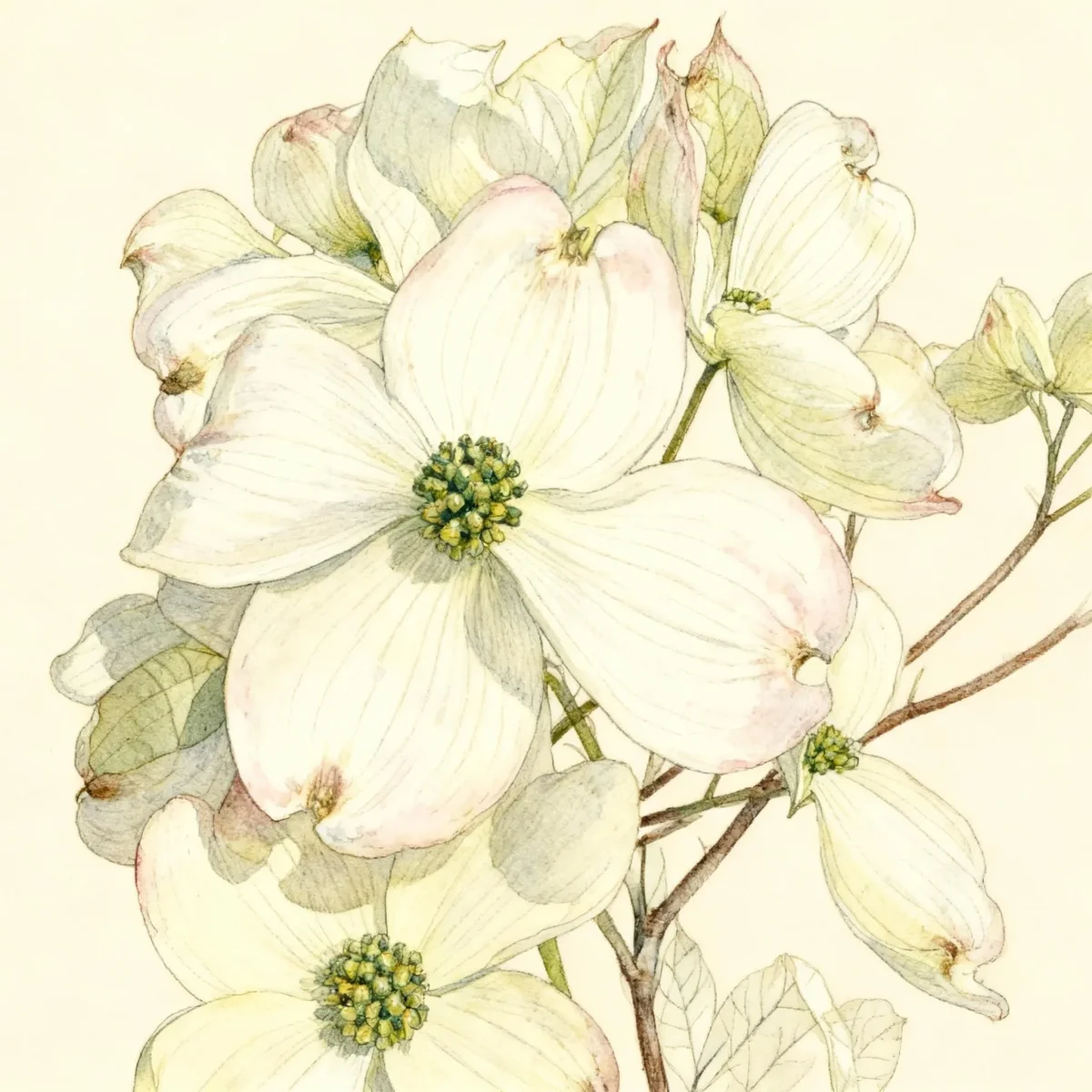
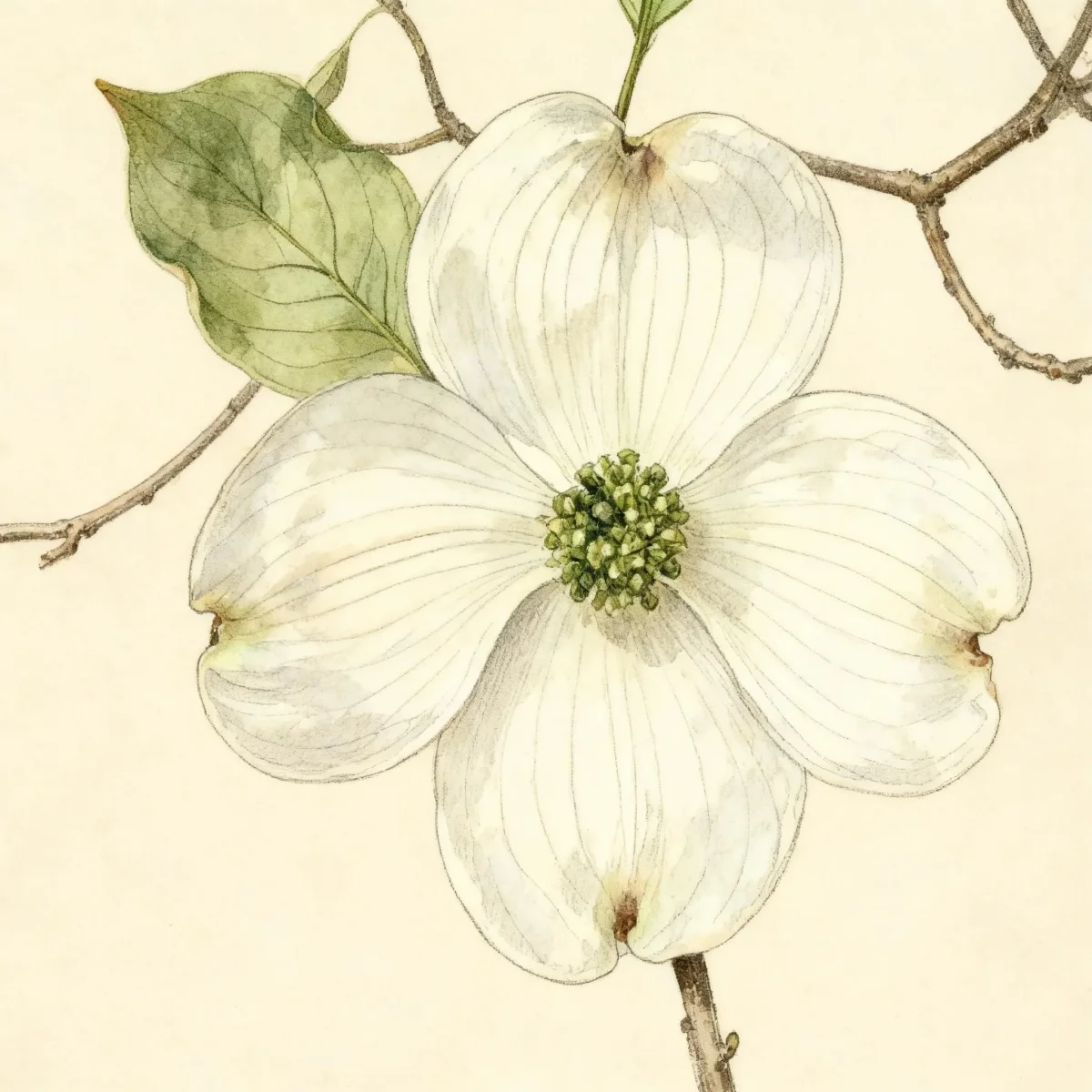
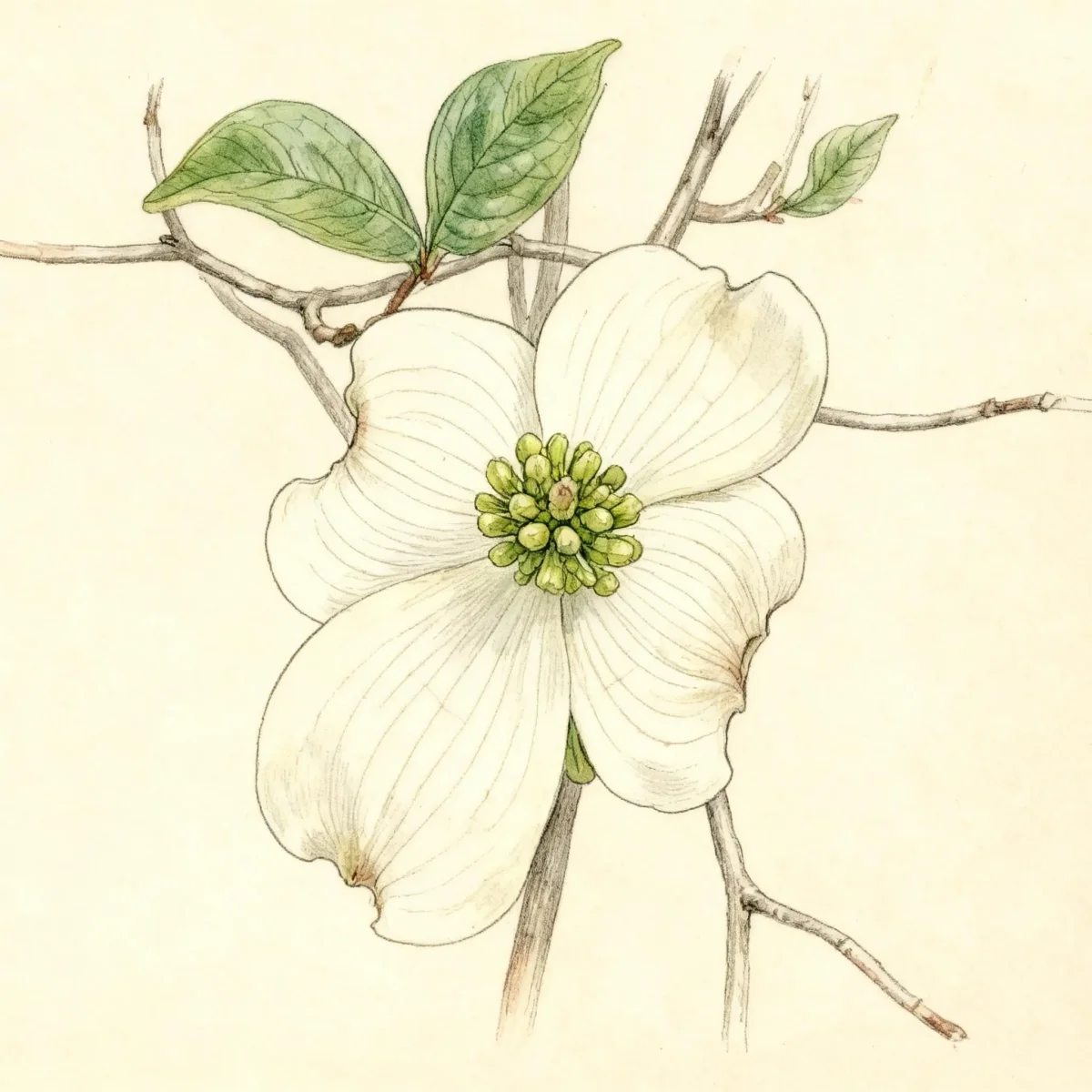
Cornus florida, commonly known as flowering dogwood, is a small deciduous tree that typically grows 15-30’ tall with a low-branching, broadly-pyramidal but somewhat flat-topped habit. The tiny, true flowers are surrounded by four showy, white, petal-like bracts that open flat, giving the appearance of a single, large, 3-4” diameter flower. Oval, dark green leaves turn attractive shades of red in fall, and its bright red fruits are an important food source for birds. ‘Comco No. 1’ is uniquely sold as CHEROKEE BRAVE, featuring attractive red bracts that fade beautifully to white toward the center.
Tolerances
- Deer
- Clay Soil
- Black Walnut
Potential Problems
The primary concern for any Flowering dogwood is disease susceptibility, particularly when the tree is under environmental stress. The most devastating issue is dogwood anthracnose, a fungal disease that causes severe leaf spots and twig blight, impacting aesthetics and vigor significantly in certain geographical areas. Additionally, plants can suffer from powdery mildew, cankers, root rot, and leaf spot.
To mitigate these risks, ensure proper planting techniques are used to avoid girdling roots or excessive stress. Stressed trees also become more vulnerable to insect pests like borers. Planting in the preferred medium moisture, well-drained, and moderately acidic soil, coupled with proper mulching, supports the tree’s natural defenses against these challenges.
Frequently Asked Questions
What hardiness zones is Flowering dogwood suitable for?
This Flowering dogwood cultivar, Cornus florida ‘Comco No. 1’ CHEROKEE BRAVE, thrives in USDA Hardiness Zones 5 through 9.
How large does Cornus florida ‘Comco No. 1’ CHEROKEE BRAVE grow?
This tree typically matures to a height range of 15 to 30 feet, with a spread between 25 and 35 feet, maintaining a moderately broad silhouette.
When does Flowering dogwood bloom?
The spectacular bloom period for this variety is usually in May, displaying signature bracts that exhibit a base color of red fading inward to white.
What sun exposure does Flowering dogwood need?
For the best flowering performance and overall health, Cornus florida ‘Comco No. 1’ CHEROKEE BRAVE prefers locations receiving full sun to part shade conditions.
Conclusion
The Flowering dogwood, especially the tough and beautiful Cornus florida ‘Comco No. 1’ CHEROKEE BRAVE, offers unparalleled spring drama combined with reliable four-season interest for the landscape. Its improved drought tolerance makes it a slightly more adaptable choice among dogwoods. To ensure success, verify your location falls within USDA Zones 5-9 and prioritize planting in well-drained, acidic soil.
Companion Planting
When planning a garden around your Flowering dogwood, select plants that share similar needs for acidic soil and partial shade, mimicking a natural woodland edge environment. Understory shrubs like Rhododendrons, Azaleas, and Mountain Laurels (Kalmia latifolia) are excellent companions, offering similar bloom structures and foliage texture, though they all compete for nutrients.
For groundcover beneath the Cornus florida ‘Comco No. 1’ CHEROKEE BRAVE, consider spreading hostas or ferns, which tolerate the lower light levels created by the tree’s spreading canopy. Avoid planting highly shallow-rooted grasses directly under the drip line, as these will compete heavily with the dogwood’s feeder roots for essential moisture.
Wildlife Benefits
The Flowering dogwood is invaluable for supporting local avian populations through both its flowers and its fruit. While the true flowers are small, the surrounding bracts attract early-season pollinators, but the plant’s main wildlife contribution comes later in the season.
The brilliant red fruits mature in late summer and early fall; these berries are readily consumed by numerous bird species throughout the autumn and sometimes into winter when other food sources are scarce. Because the fruits are “loved by birds” and often serve as a late-season buffet, planting Cornus florida ‘Comco No. 1’ CHEROKEE BRAVE is a great way to diversify food sources in a bird-friendly garden design.