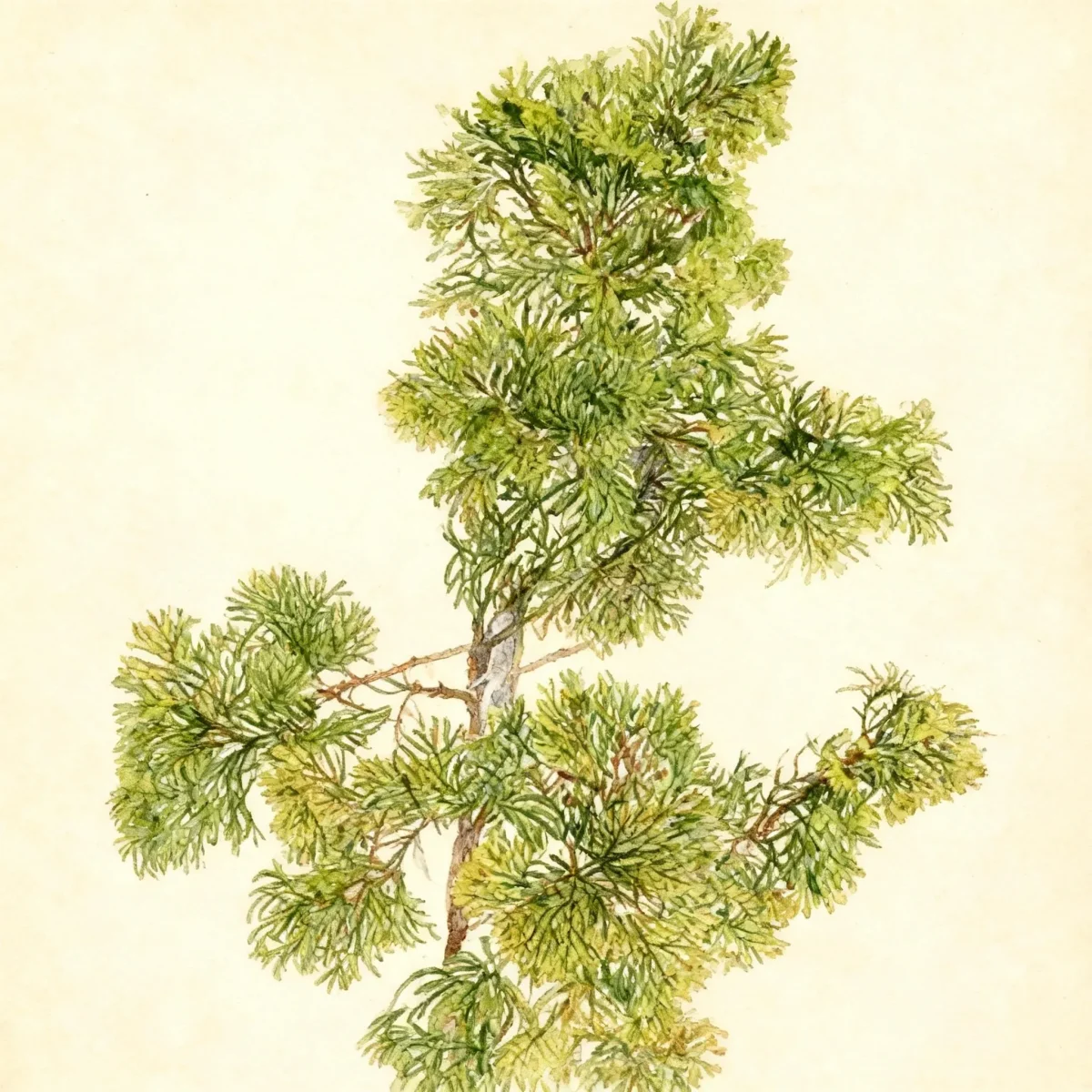
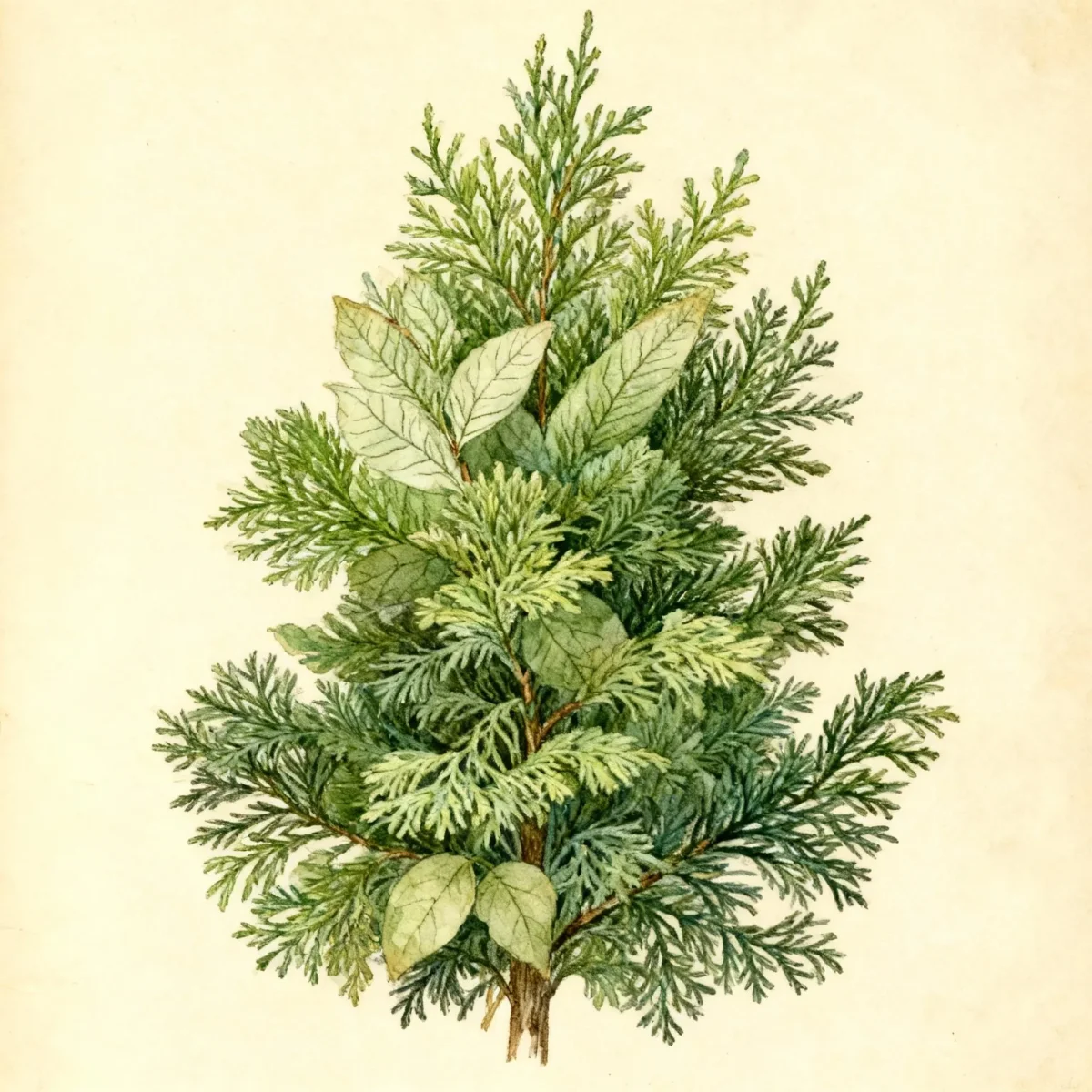
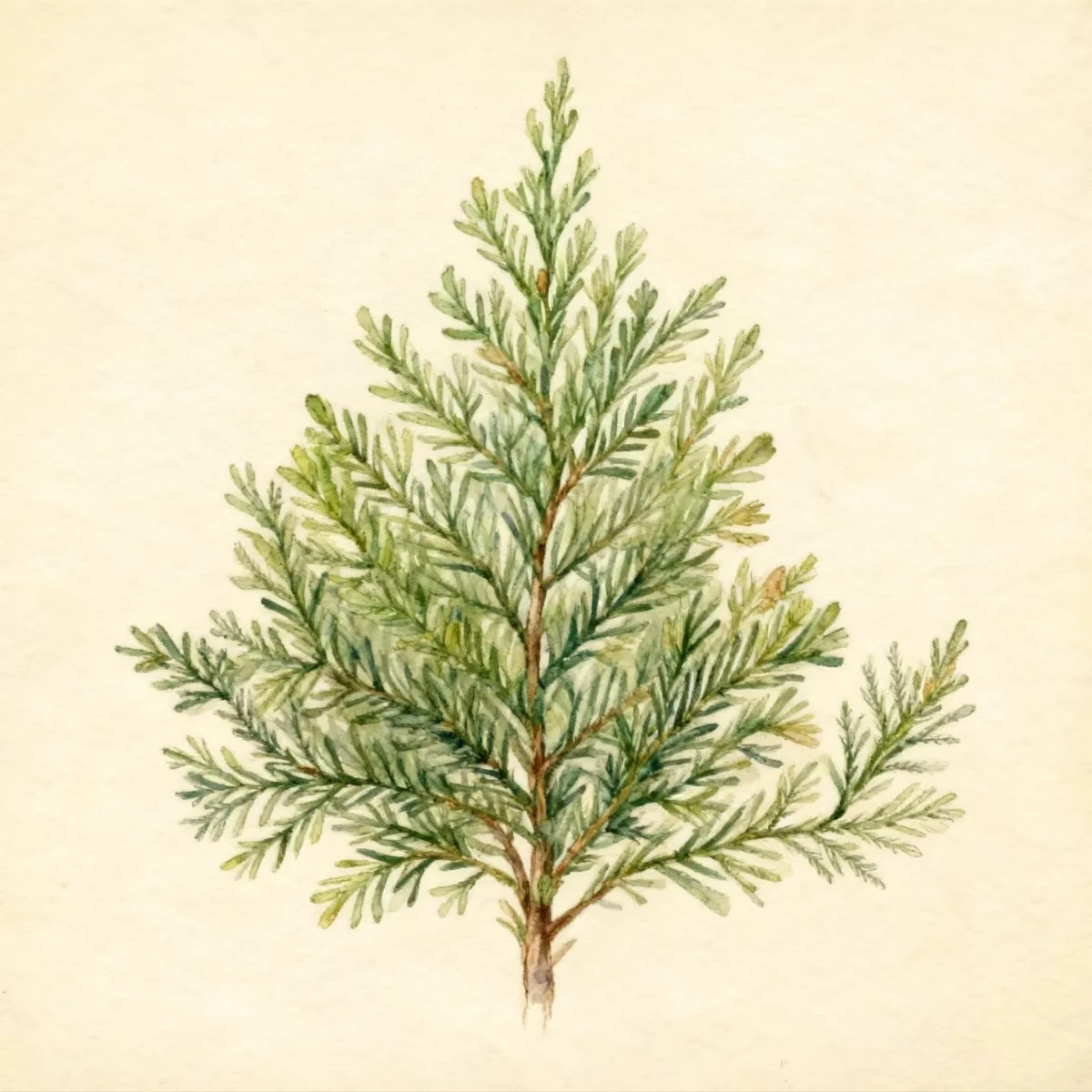
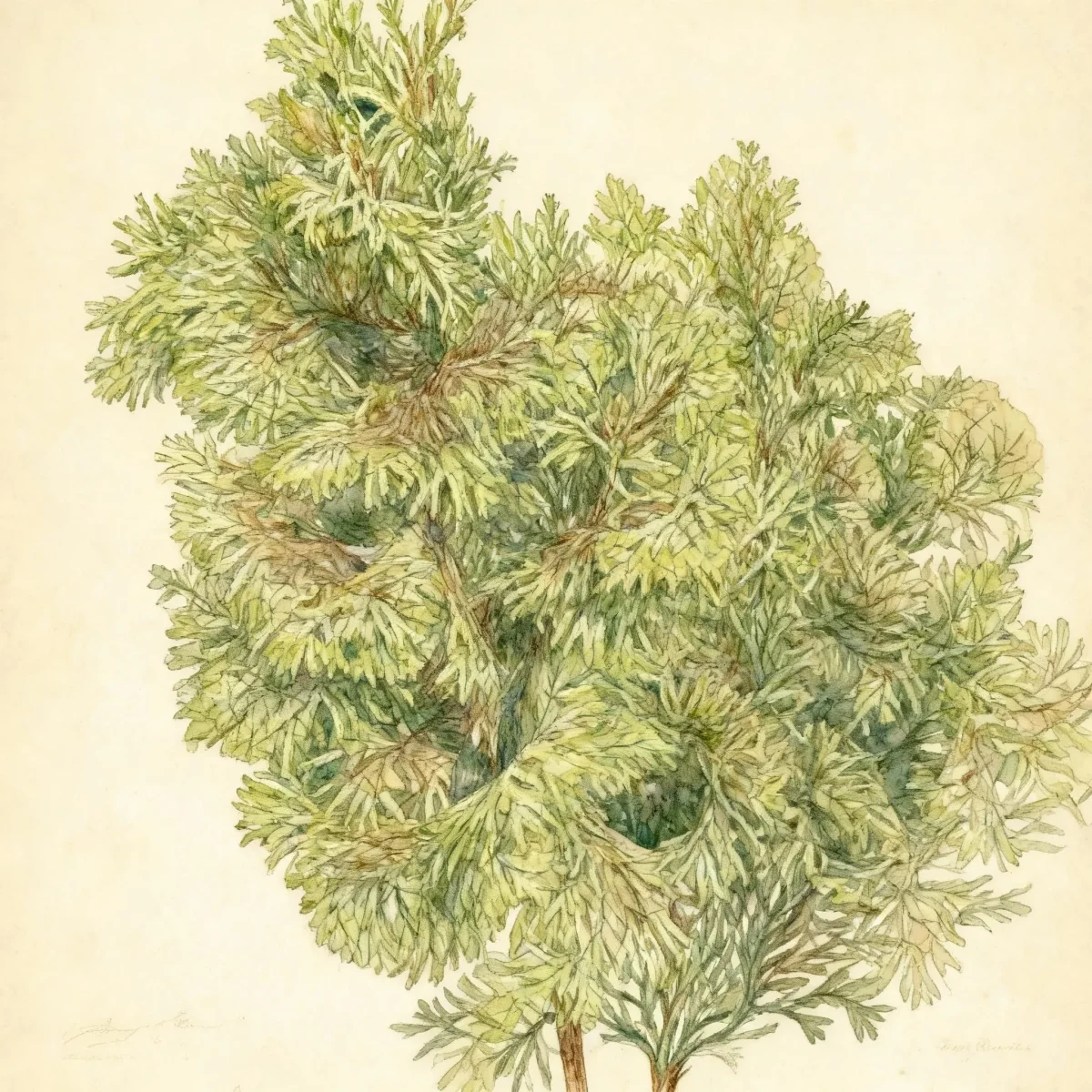
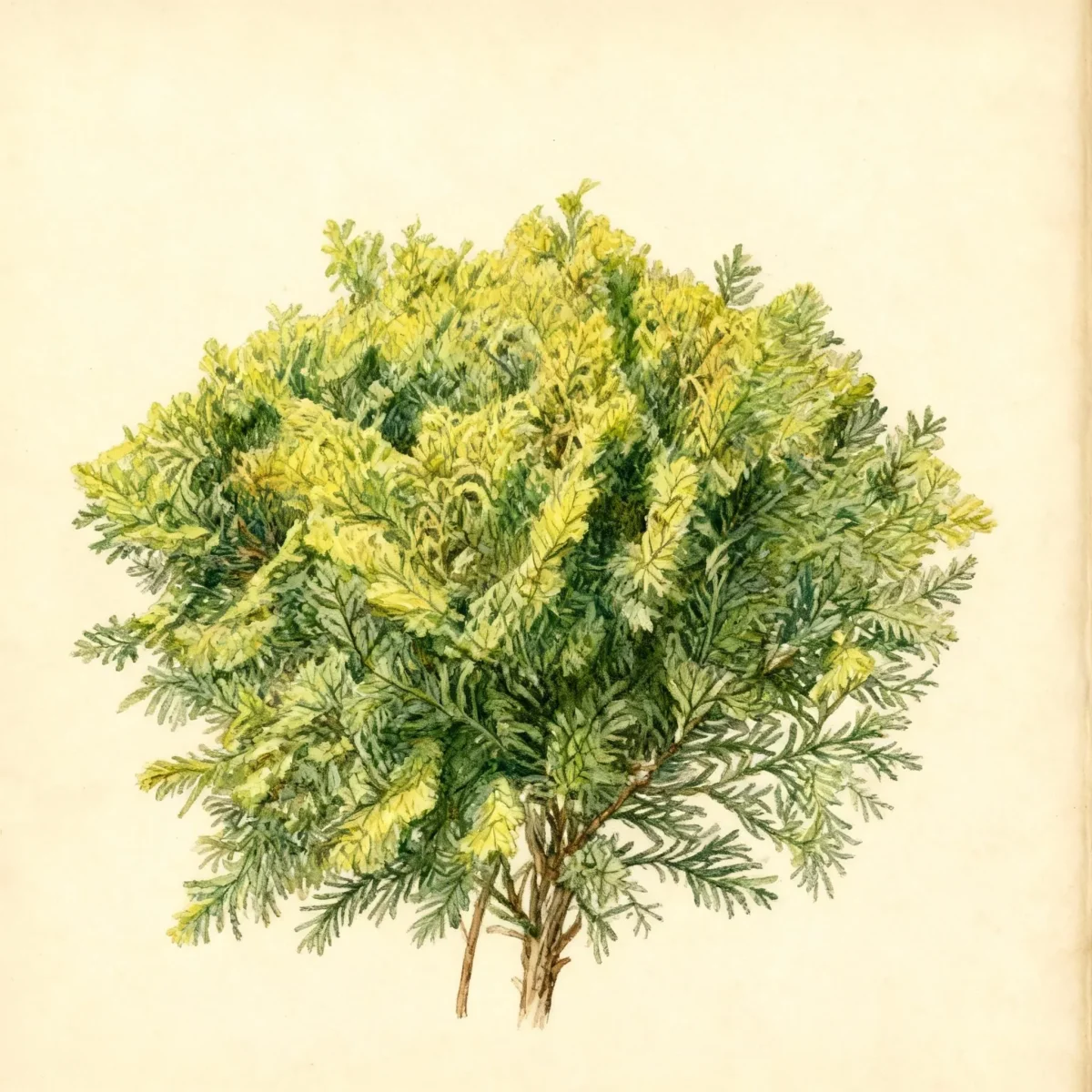
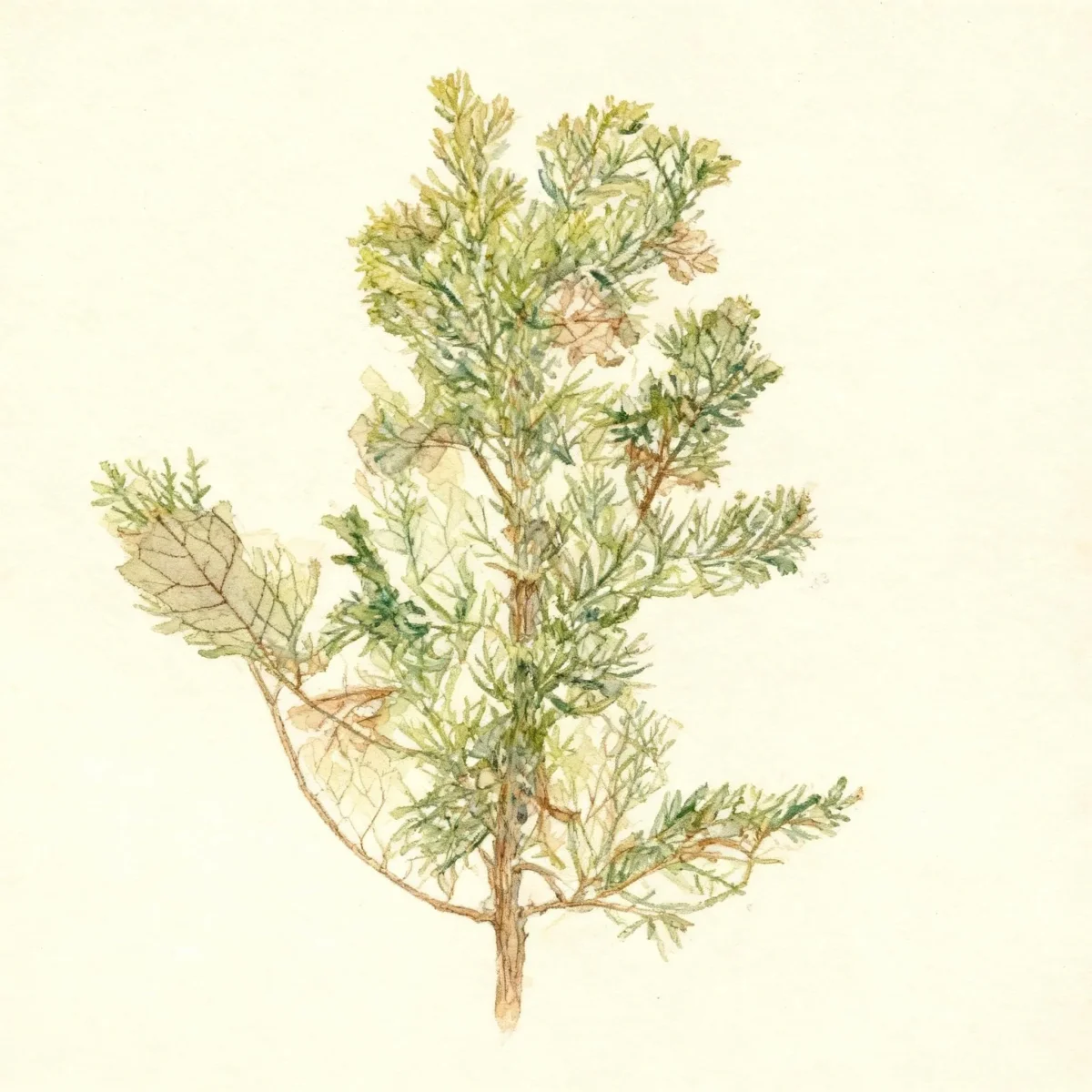
Hinoki cypress (Chamaecyparis obtusa 'Filicoides')
Chamaecyparis obtusa 'Filicoides' offers unique fern-like foliage. This low-maintenance Hinoki cypress thrives in zones 4-8.
Scroll down to discover growing tips, care requirements, companion plants, and more
Complete Plant Information
Overview
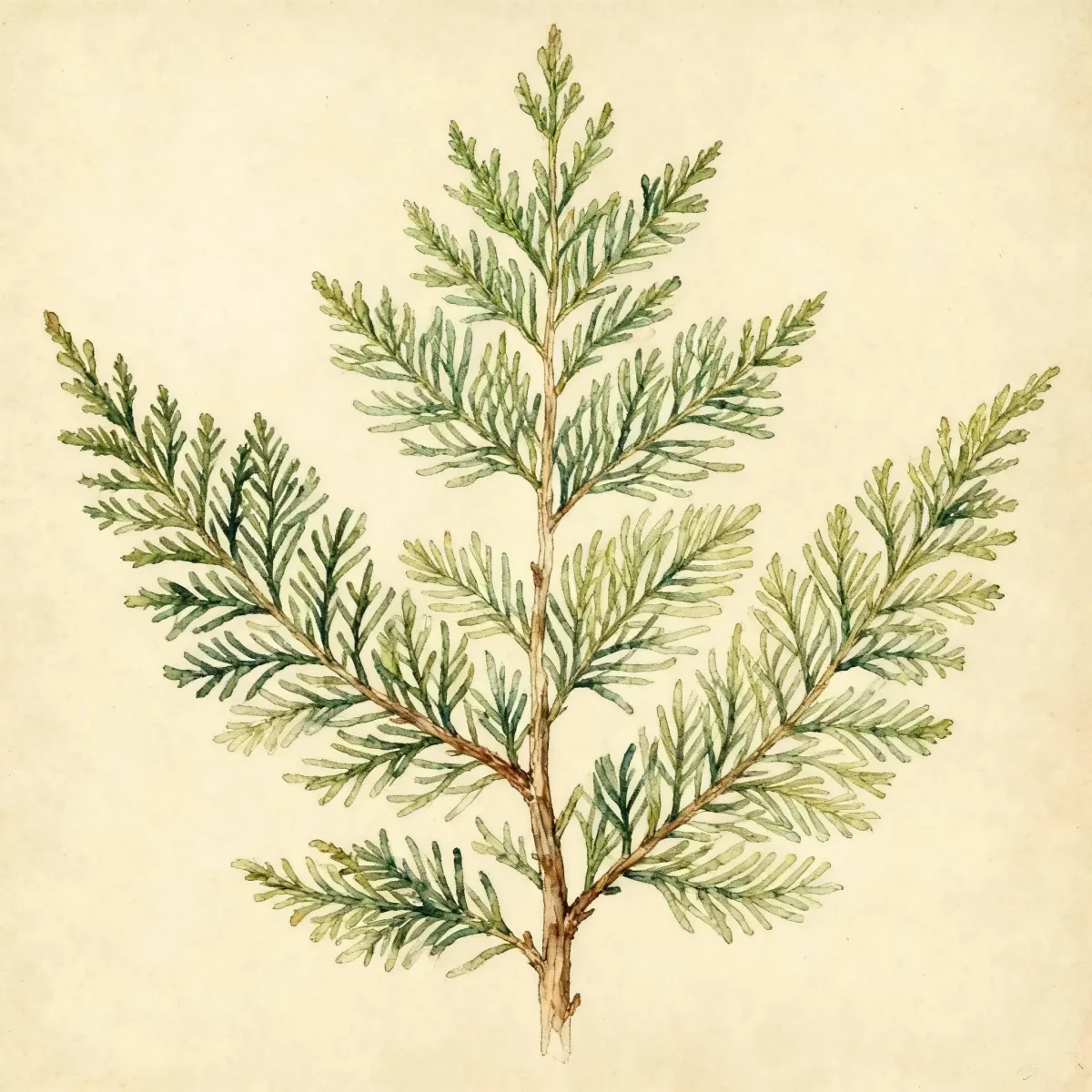
The Chamaecyparis obtusa ‘Filicoides’, commonly known as the fernspray Hinoki cypress, provides exceptional textural contrast in the landscape. This needled evergreen stands out due to its unique, drooping, fern-like branchlets, setting it apart from standard conifers. It is a generally low-maintenance specimen, making it a rewarding choice for gardeners seeking year-round evergreen interest without demanding extensive care.
This cultivar maintains a manageable size, usually reaching 10 to 20 feet, fitting well into smaller gardens or foundation plantings where larger species trees are unsuitable. When sited correctly in sun to partial shade, the Chamaecyparis obtusa ‘Filicoides’ offers enduring visual appeal through its distinctive green curtain of foliage.
Gardeners appreciate the reliability and unique form of this Hinoki cypress. Its slow growth rate means it holds its shape well, offering long-term architectural integrity in design schemes. Even the crushed foliage releases an aromatic scent, adding another sensory layer to its landscape appeal.
Fast Facts
- Plant Family: Cupressaceae
- Plant Type: Needled evergreen
- Hardiness Zones: USDA Zones 4-8
- Size at Maturity:
- Height: 10-20 ft
- Spread: 8-16 ft
- Bloom Time: Non-flowering
- Bloom Description: Non-flowering
- Sun Exposure: Full sun to part shade
- Water Needs: Medium
- Maintenance Level: Low
How to Grow
Planting Chamaecyparis obtusa ‘Filicoides’ is best done in spring or early fall to allow roots to establish before temperature extremes. Locate your Hinoki cypress where it receives full sun for the best color and densest growth, though it tolerates light afternoon shade. Soil should be average, medium moisture, and importantly, well-drained. Avoid areas where water collects, as this cultivar struggles in wet, poorly-drained conditions.
Watering needs are medium; establish a consistent moisture level, especially during the first few growing seasons. Mature plants are somewhat drought-tolerant but prefer consistently moist, fertile soils. Minimal fertilization is usually required; if growth is slow, a balanced, slow-release fertilizer applied in early spring can be beneficial.
Pruning Chamaecyparis obtusa ‘Filicoides’ is generally unnecessary given its naturally interesting, open shrub form. If shaping is required, light pruning should only be done sparingly to avoid disrupting the delicate, fern-like sprays. Always shelter this conifer from strong winds, which can damage the pendant branch tips, especially during winter freezes.
Landscape Uses
The unique texture of the fernspray Hinoki cypress makes it an exceptional specimen evergreen conifer. Due to its moderate height and spread, it excels as a focal point where its unusual foliage can be admired up close without overpowering surrounding plantings. Consider using a single Chamaecyparis obtusa ‘Filicoides’ near an entry point or tucked near a patio wall for year-round visual interest.
This cultivar also works well near rock gardens or in specialized woodland settings where its shade tolerance (partial shade is acceptable) can be utilized alongside moisture-loving, shade-tolerant perennials. While it is too open to function effectively as a dense screen, it can serve as an informal border element alongside other textural evergreens like dwarf pines or spreading junipers, provided soil and light requirements are compatible.
Standout Features
Noteworthy Characteristics
Chamaecyparis obtusa is native to Japan and is commonly known as hinoki cypress or hinoki falsecypress. The species is a large evergreen conifer, but cultivars like ‘Filicoides’ offer more manageable sizes, growing slowly as an open shrub or small tree up to 20 feet tall, featuring pendant flattened sprays of fern-like foliage on straggly branches. The genus name references ‘dwarf’ from the Greek, reflecting the smaller nature of many popular cultivars.
Tolerances
- Avoid wet, poorly-drained soils
Potential Problems
The Chamaecyparis obtusa ‘Filicoides’ exhibits some susceptibility to common cypress issues, primarily juniper blight, which can cause branch dieback. Root rot is another significant concern, directly related to improper drainage; ensuring the soil drains freely is the best preventative measure. Pests such as bagworms may occasionally infest the foliage. Regular inspection, especially of the lower branches, and prompt removal of any blighted material or hand-picking of pests will keep this Hinoki cypress healthy.
Frequently Asked Questions
What hardiness zones is Hinoki cypress suitable for?
The Chamaecyparis obtusa ‘Filicoides’ is reliably hardy in USDA Zones 4 through 8.
How large does Chamaecyparis obtusa ‘Filicoides’ grow?
This cultivar typically reaches a mature height between 10 and 20 feet, with a spread ranging from 8 to 16 feet.
What sun exposure does Hinoki cypress need?
It prefers full sun for optimal health, but the Chamaecyparis obtusa ‘Filicoides’ can successfully grow in partial shade conditions.
When does Chamaecyparis obtusa ‘Filicoides’ bloom?
This plant is a needled evergreen conifer and is classified as Non-flowering; it does not produce noticeable flowers.
Conclusion
The Chamaecyparis obtusa ‘Filicoides’ is an indispensable specimen plant, offering a unique, finely textured, fern-like appearance that elevates any year-round garden composition. Its relatively low maintenance requirements and reliable performance make this Hinoki cypress an excellent investment for structured landscape designs. Before planting, confirm your site offers the necessary well-drained soil and appropriate sun exposure for this distinctive cultivar.
Companion Planting
When selecting companions for Chamaecyparis obtusa ‘Filicoides’, focus on plants that contrast its fine texture while sharing similar sun and moisture needs. Pair it with broadleaf evergreens, such as broadleaf rhododendrons or azaleas, which thrive in slightly acidic, consistently moist soils, creating a layered look. For seasonal color beneath the Hinoki cypress, consider groundcovers like Hosta (in shadier spots) or colorful, low-growing Heuchera varieties, ensuring they do not compete heavily for root space near the base.
Design Ideas
The architectural form of the fernspray Hinoki cypress lends itself well to Japanese-inspired garden designs or contemporary minimalist landscapes. Use it off-center as a primary vertical accent against a plain backdrop, such as a light-colored stucco wall or dark mulch, which helps the unique green foliage stand out. In small gardens, training a single Chamaecyparis obtusa ‘Filicoides’ over a low mound of river stones enhances its natural, slightly windswept aesthetic, emphasizing its slow, deliberate growth habit.