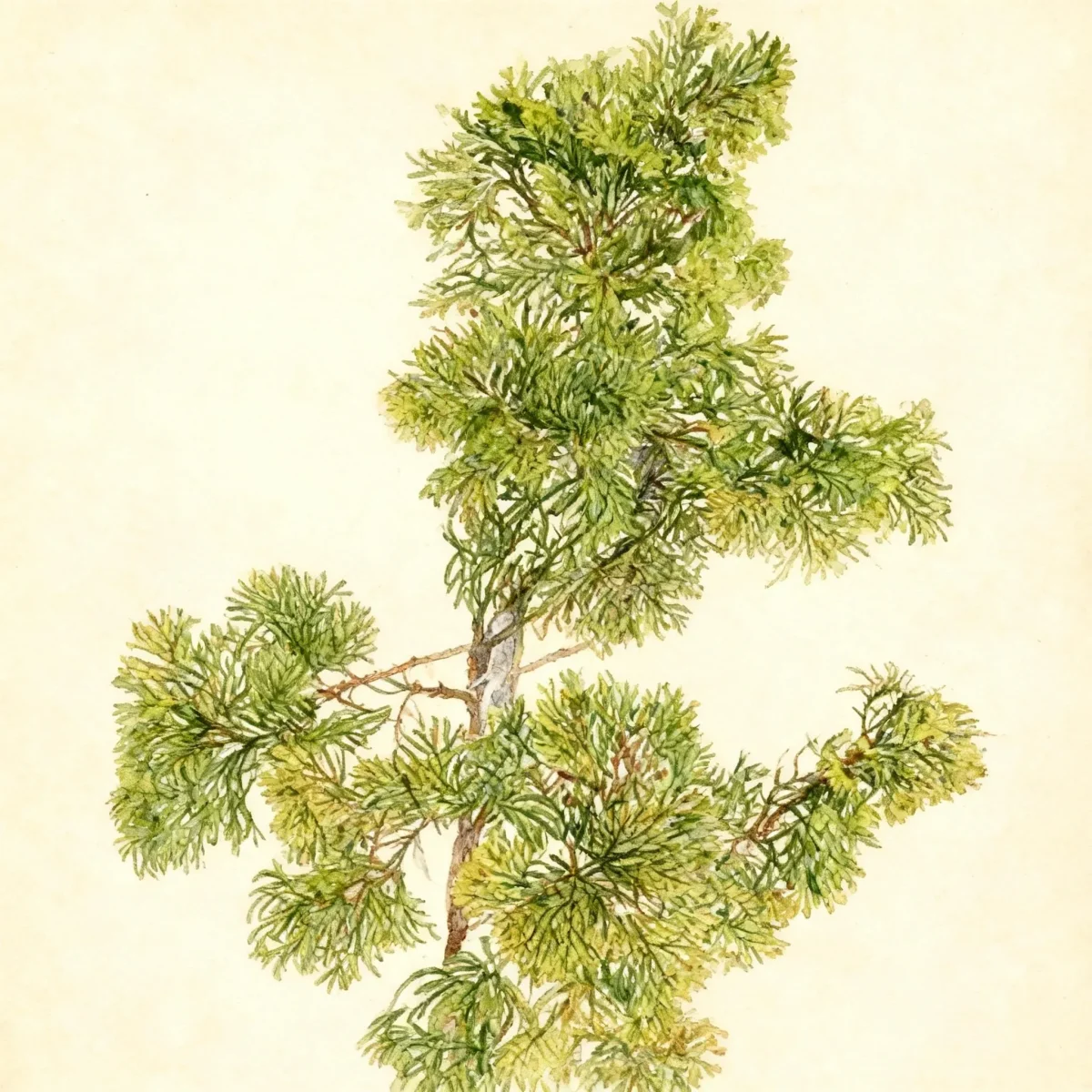
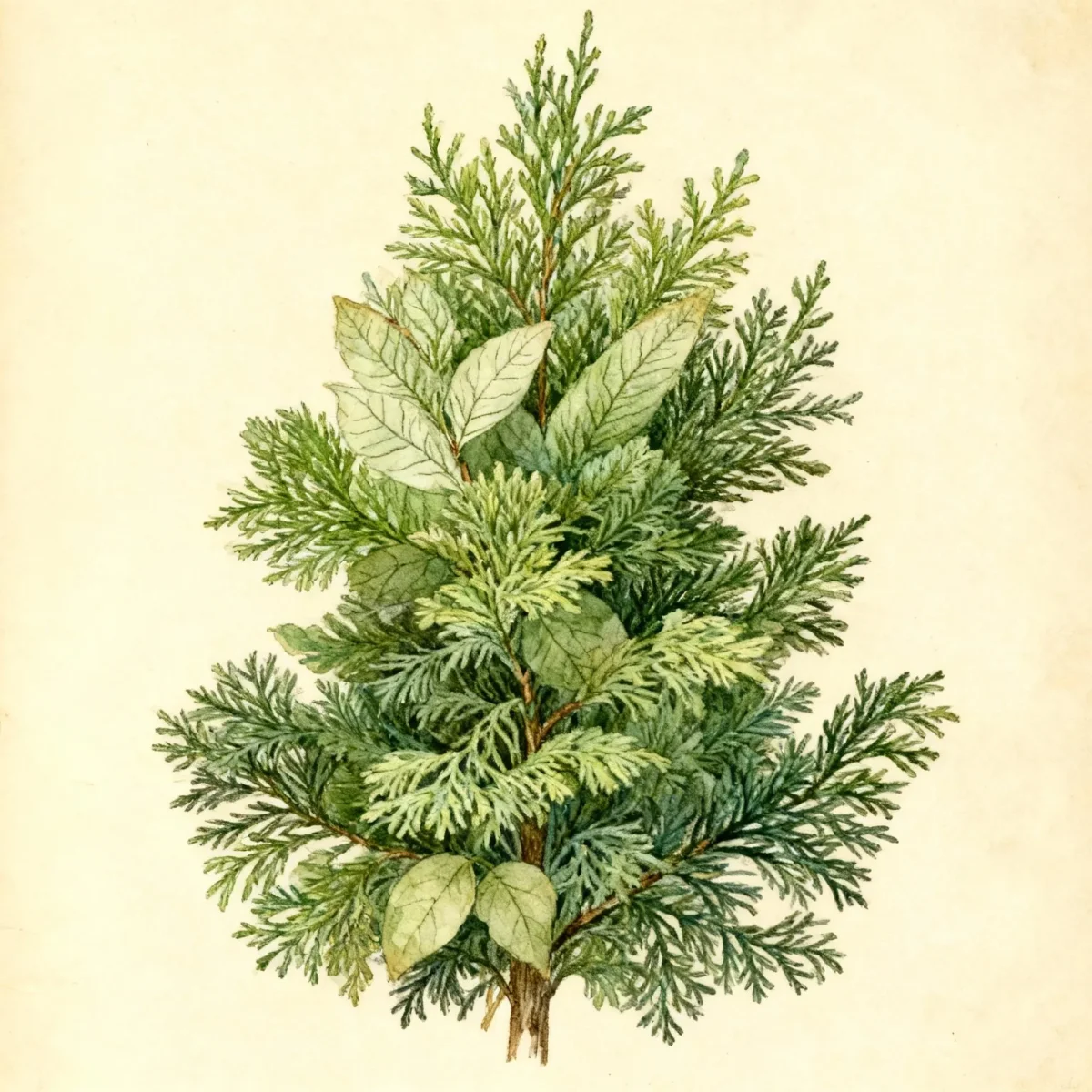
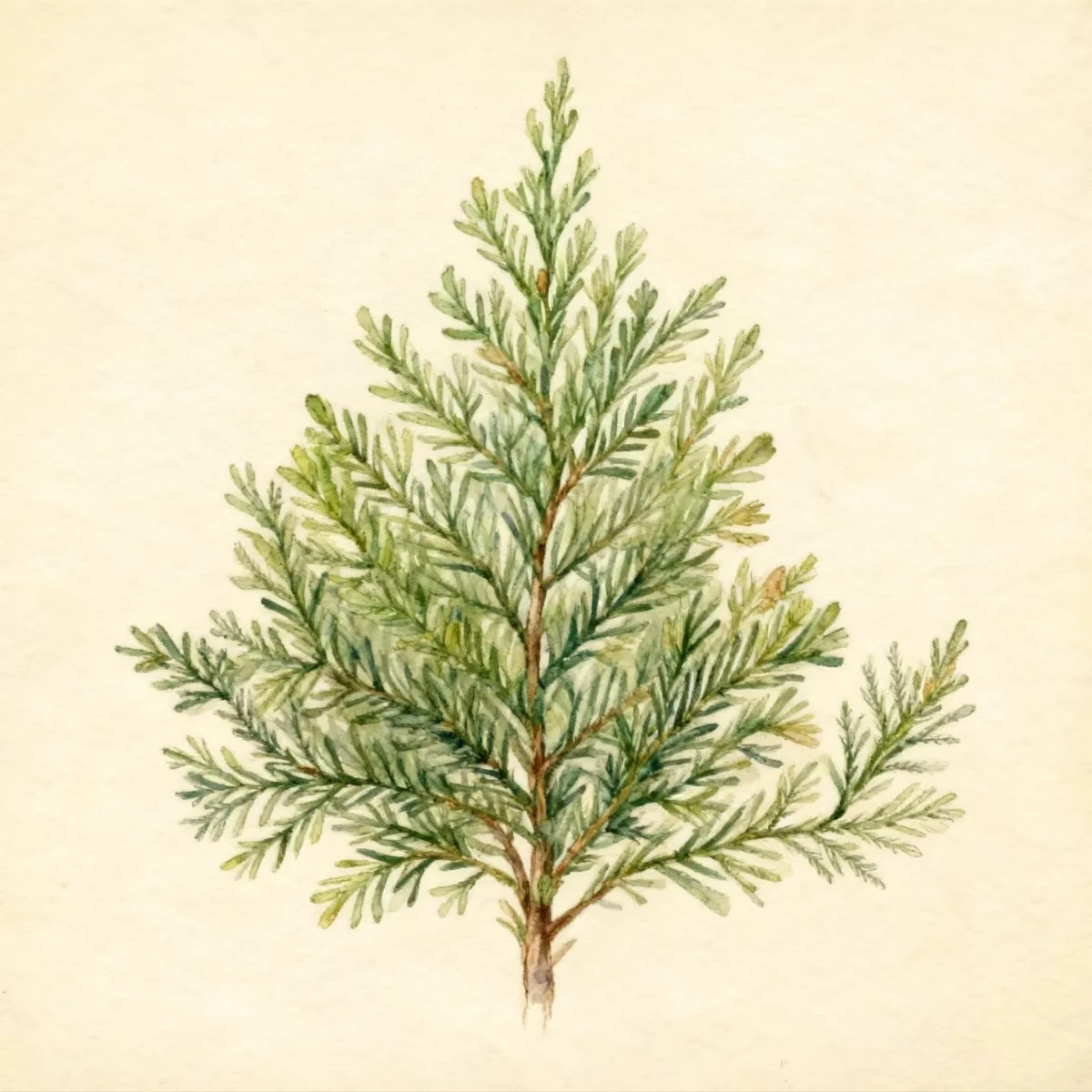
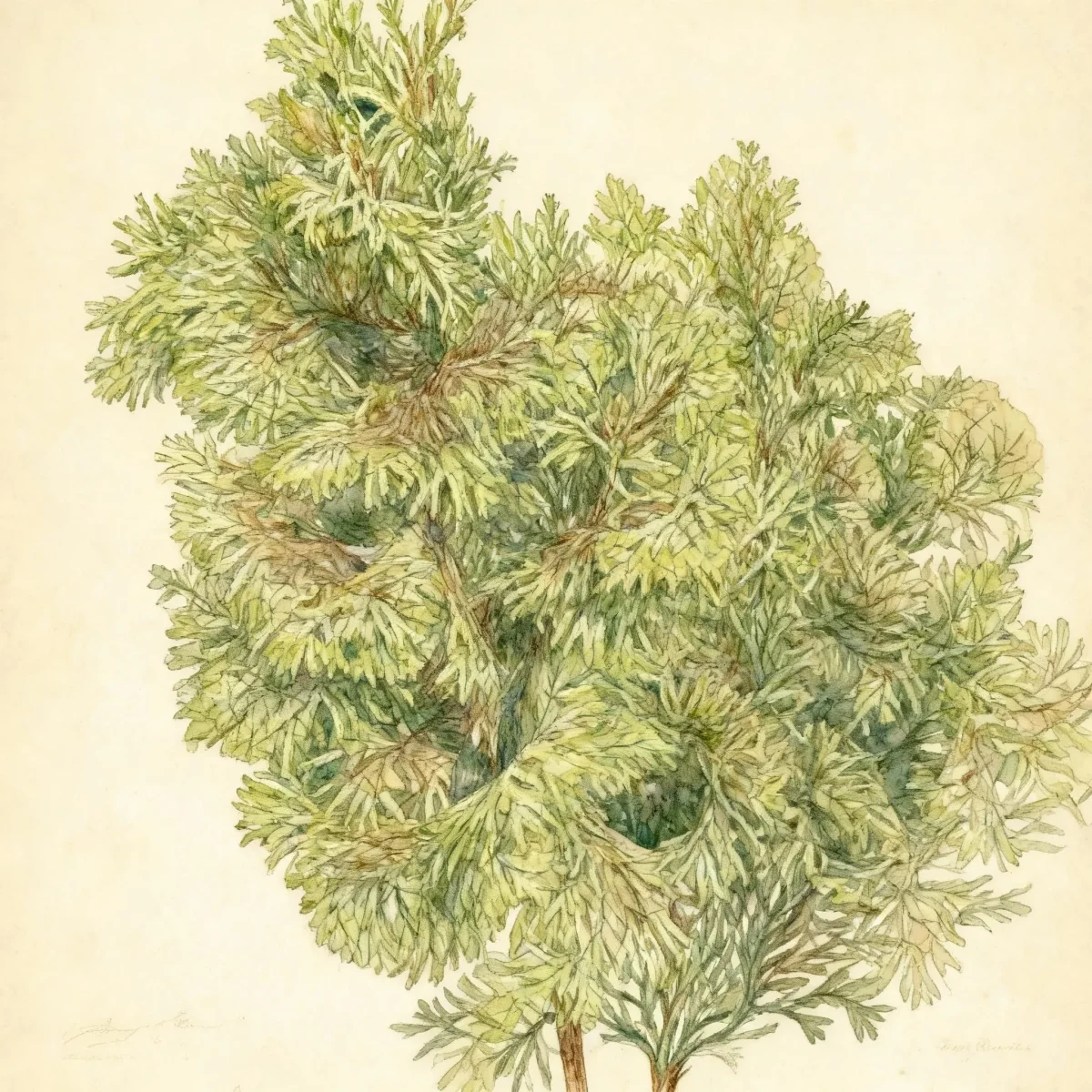
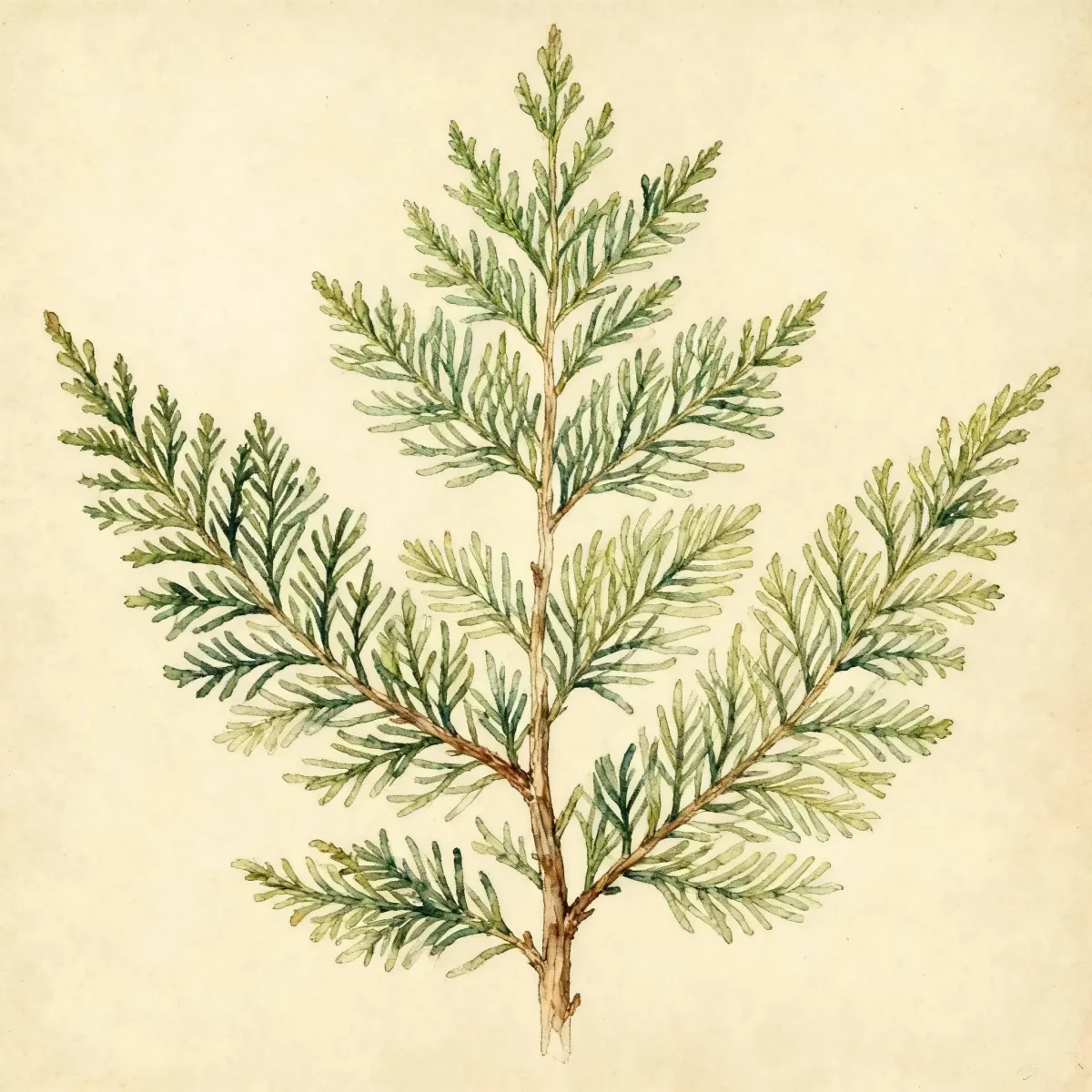
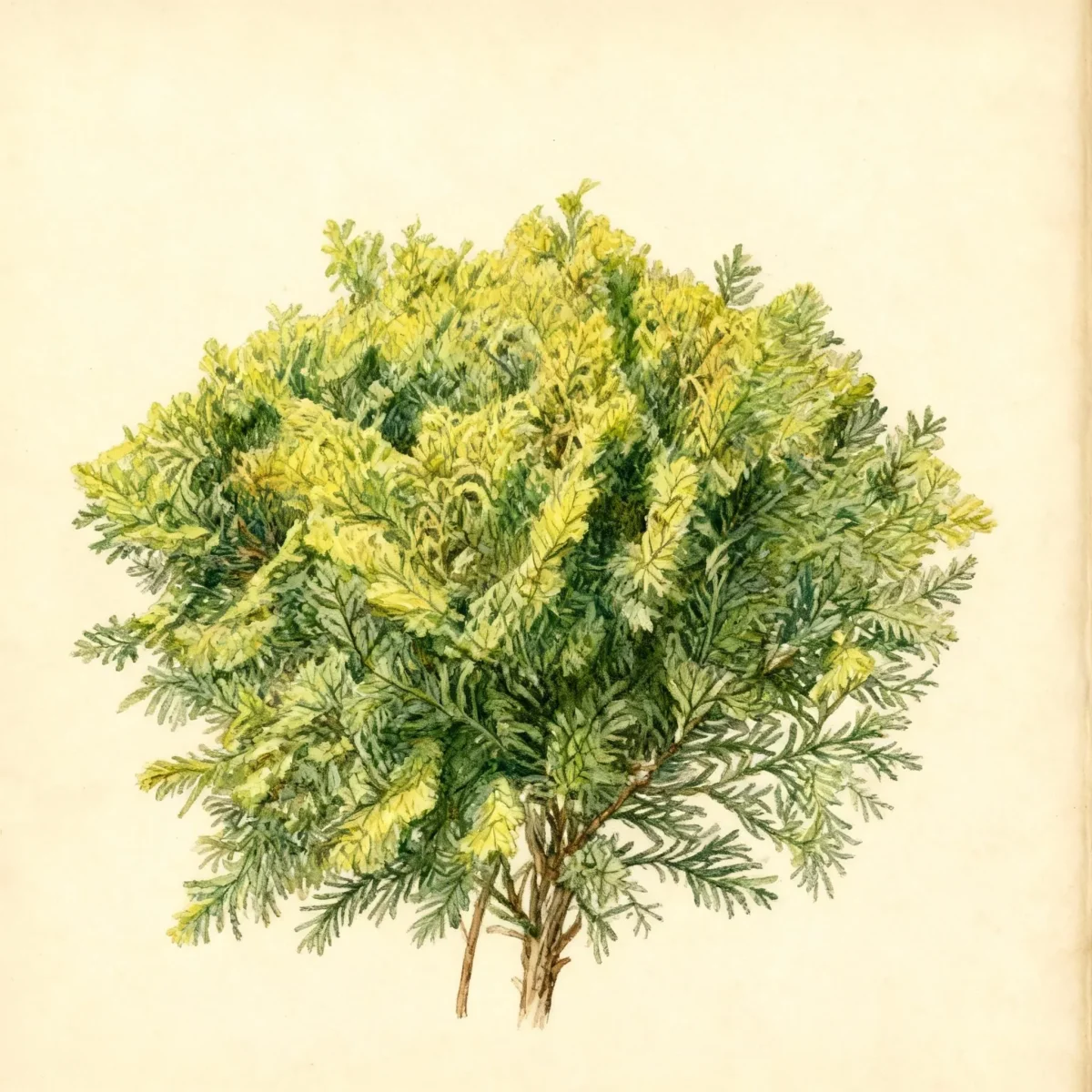
Hinoki cypress (Chamaecyparis obtusa 'Heavy Texture')
Chamaecyparis obtusa 'Heavy Texture' is a compact, slow-growing Hinoki cypress perfect for specimen planting in zones 4-8.
Scroll down to discover growing tips, care requirements, companion plants, and more
Complete Plant Information
Overview
The Chamaecyparis obtusa ‘Heavy Texture’, commonly known as Hinoki cypress, offers exceptional texture and deep green color to the landscape. This cultivar is highly prized for its dense, upright habit, distinguishing it from the species’ towering stature. Gardeners value this slow-growing conifer for its reliable evergreen structure, making it an excellent focal point even in smaller spaces.
As a needled evergreen, the Hinoki cypress requires minimal intervention once correctly situated, fitting well where low maintenance is key. Its structure provides year-round visual interest, contrasting nicely with deciduous plantings nearby. Selecting Chamaecyparis obtusa ‘Heavy Texture’ ensures slow, controlled growth ideal for foundation plantings or accent features near entryways.
Native to Japan, this hardy specimen thrives across USDA Zones 4 through 8. Providing consistent moisture and adequate sunlight ensures the ‘Heavy Texture’ maintains its rich color and compact form throughout the growing season, promising years of aesthetic reward without demanding constant attention.
Fast Facts
- Plant Family: Cupressaceae
- Plant Type: Needled evergreen
- Hardiness Zones: USDA Zones 4-8
- Size at Maturity:
- Height: 3-6 ft
- Spread: 2-4 ft
- Bloom Time: Non-flowering
- Bloom Description: Non-flowering
- Sun Exposure: Full sun to part shade
- Water Needs: Medium
- Maintenance Level: Low
How to Grow
Planting Chamaecyparis obtusa ‘Heavy Texture’ is best accomplished in spring or fall when temperatures are moderate, allowing the root system to establish before stressful heat or deep freezes. Ensure the planting location offers average, medium moisture, well-drained soil. Full sun exposure is preferred for the deepest green color, though the Hinoki cypress tolerates part shade.
Maintain medium water needs by watering deeply but infrequently once established. The goal is consistently moist, fertile soil; avoid low spots where water collects, as this conifer suffers in wet, poorly-drained conditions. Little to no fertilization is typically necessary if soil conditions are adequate.
Pruning should be kept minimal to preserve the natural, dense shape of the ‘Heavy Texture’ cultivar; tip pruning light growth in early spring can maintain density if needed. Always shelter the plant from harsh winds, which can desiccate the foliage, especially during winter months.
Landscape Uses
The compact nature of the Chamaecyparis obtusa ‘Heavy Texture’ makes it an ideal candidate for specimen evergreen conifer placement across various residential settings. Due to its relatively slow vertical growth and upright silhouette, it functions wonderfully as a formal accent near architectural elements or flanking doorways.
This unique Hinoki cypress cultivar shines in smaller foundation plantings where larger conifers would eventually overwhelm the space. Consider mass planting a series of ‘Heavy Texture’ specimens to create a textured, year-round screen that offers more visual interest than a traditional hedge.
When selecting companions, choose plants that contrast in texture or color, such as fine-textured grasses or plants with bright, contrasting foliage. Its low-growing habit also suits rock gardens or mixed perennial borders where a strong vertical anchor is required without significant size commitment.
Standout Features
Noteworthy Characteristics
The species, Chamaecyparis obtusa, is native to Japan and is commonly called hinoki cypress or hinoki falsecypress. The species grows much larger, reaching 50-75’ tall, but the ‘Heavy Texture’ cultivar is a dense, upright, evergreen shrub valued for its dependable green foliage on sturdy stems. Crushed foliage releases an aromatic scent, adding a sensory dimension to the garden setting.
Potential Problems
While generally robust, this Hinoki cypress has some susceptibility to juniper blight, requiring vigilance regarding fungal issues. Root rot is a risk if drainage is poor, emphasizing the need for well-draining soil preparation. Watch for certain insect pests, particularly bagworms, which can rapidly defoliate sections if left untreated. Prompt removal of blighted twigs and ensuring proper soil aeration are key preventative measures.
Tolerances
- Shelter from wind
Frequently Asked Questions
What hardiness zones is Hinoki cypress suitable for?
The Chamaecyparis obtusa ‘Heavy Texture’ is reliably hardy in USDA Zones 4-8.
How large does Chamaecyparis obtusa ‘Heavy Texture’ grow?
This specific cultivar typically ranges from 3 to 6 feet in height and spreads between 2 to 4 feet at maturity.
What sun exposure does Hinoki cypress need?
This plant performs best in general sun conditions ranging from full sun to only light part shade, preferring the former for optimal health.
When does Chamaecyparis obtusa ‘Heavy Texture’ bloom?
This plant is classified as non-flowering; the cones it produces are small and inconspicuous.
Conclusion
The Chamaecyparis obtusa ‘Heavy Texture’ offers remarkable density and year-round structure, making it a standout choice among compact conifers for discerning gardeners. Its low maintenance profile and handsome deep green needles ensure the Hinoki cypress remains a valuable accent in smaller gardens or specialized plantings. Before installing your specimen, confirm your site offers well-drained soil and adequate space for its mature 6-foot potential.
Companion Planting
When designing beds that feature the Chamaecyparis obtusa ‘Heavy Texture’, consider pairing it with deciduous shrubs that offer seasonal drama. Blue-needled conifers, such as certain forms of Juniperus, create a stunning color contrast against the dark green scale-like leaves of the Hinoki cypress.
For foundation planting, low-growing perennials or groundcovers like Liriope (Monkey Grass) or creeping Thyme work well around the base. These choices offer softer textures beneath the sturdy branches of the ‘Heavy Texture’, softening the transition to the surrounding lawn or hardscaping without competing for root space.
Seasonal Care Calendar
In early spring, inspect the Chamaecyparis obtusa ‘Heavy Texture’ for any winter damage or early signs of blight, pruning away diseased or crossing branches immediately. Apply a light, balanced fertilizer only if growth seems stunted, preferably before summer heat begins.
Summer care revolves entirely around consistent moisture management. While drought-tolerant once established, supplementing water deeply during extended dry spells is crucial, especially for younger plants to build resilience against heat stress.
Late fall and early winter are critical times to protect the hinoki cypress from harsh drying winds. If planting occurred recently, consider temporarily wrapping the plant or applying an anti-desiccant spray to protect the foliage from winter burn before the ground completely freezes.