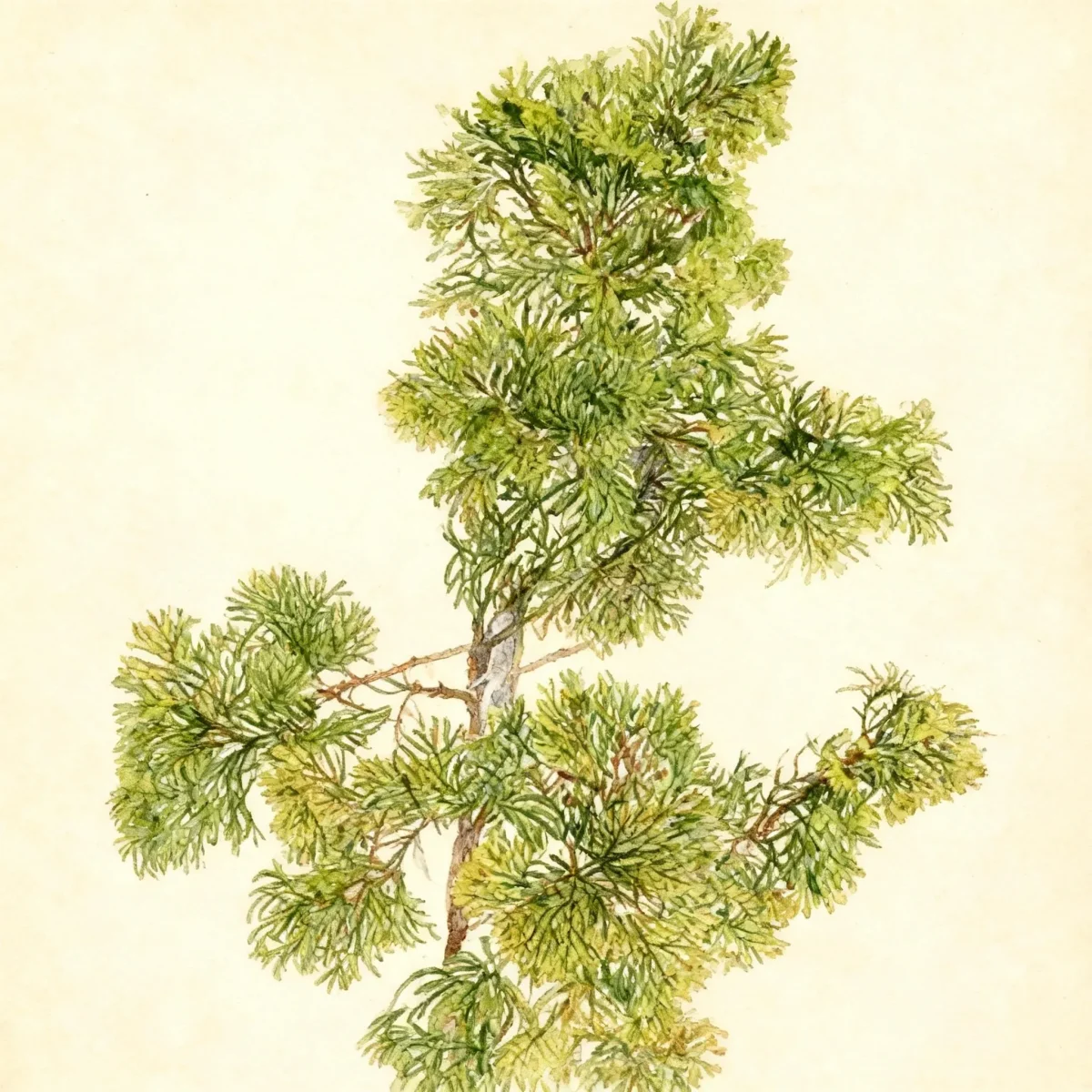
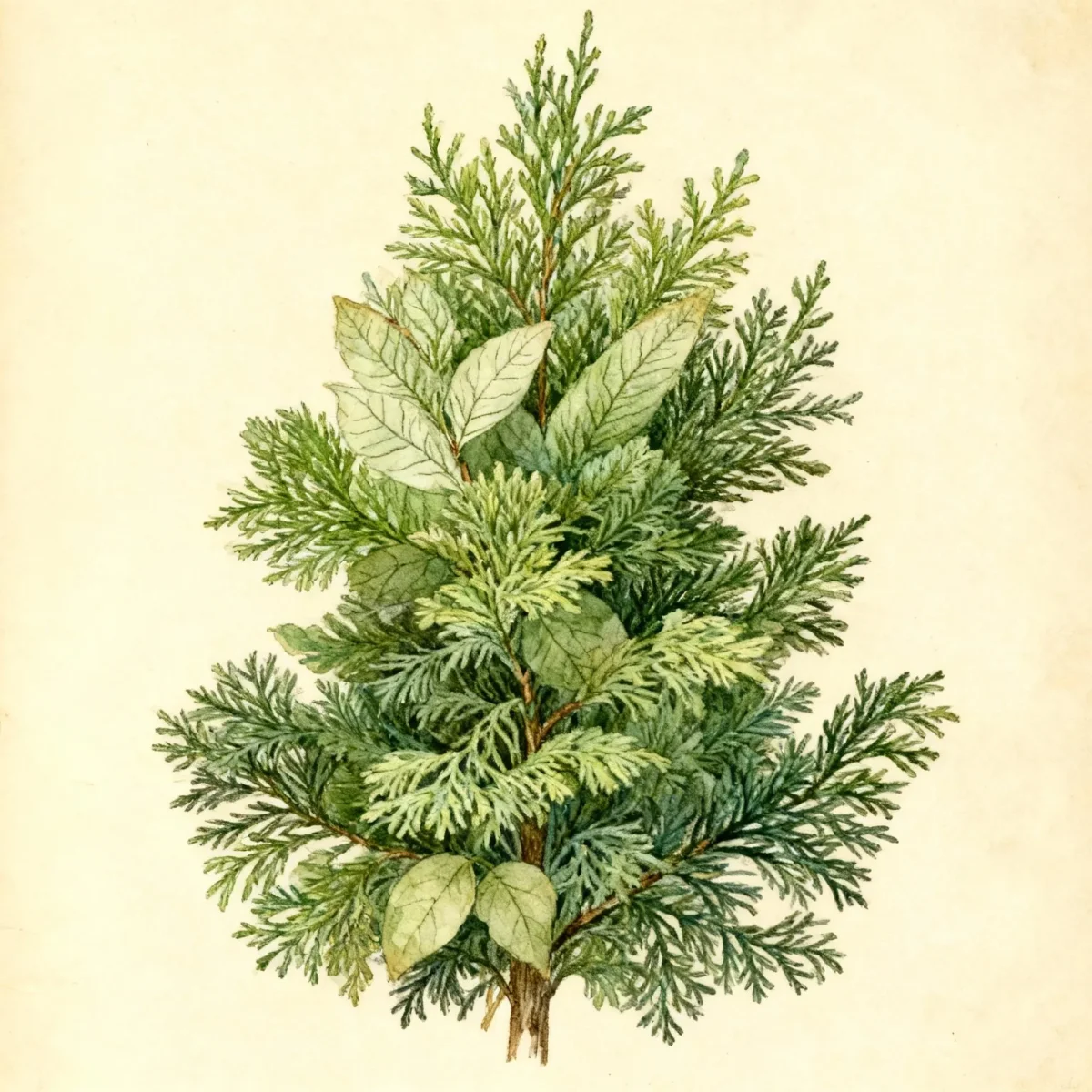
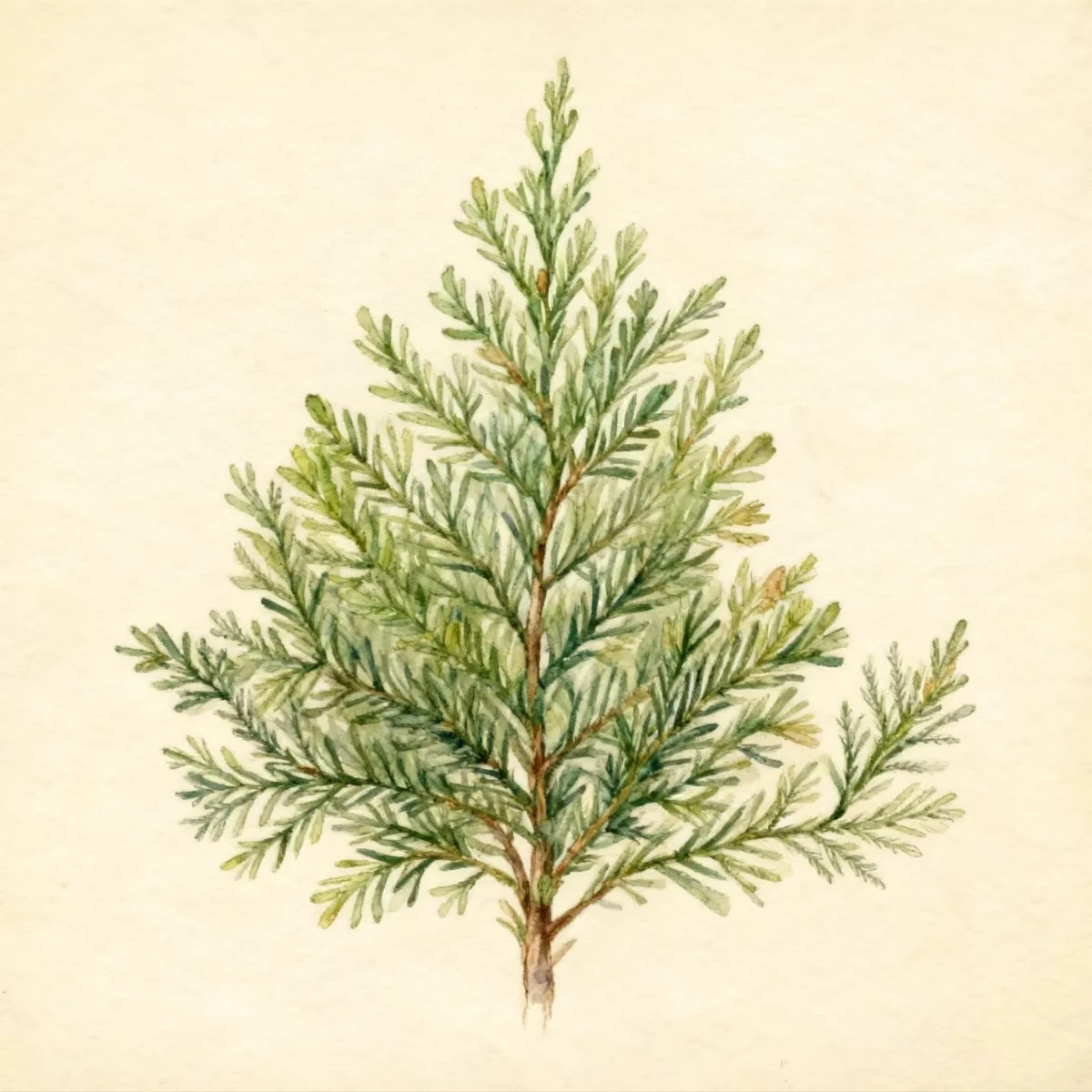
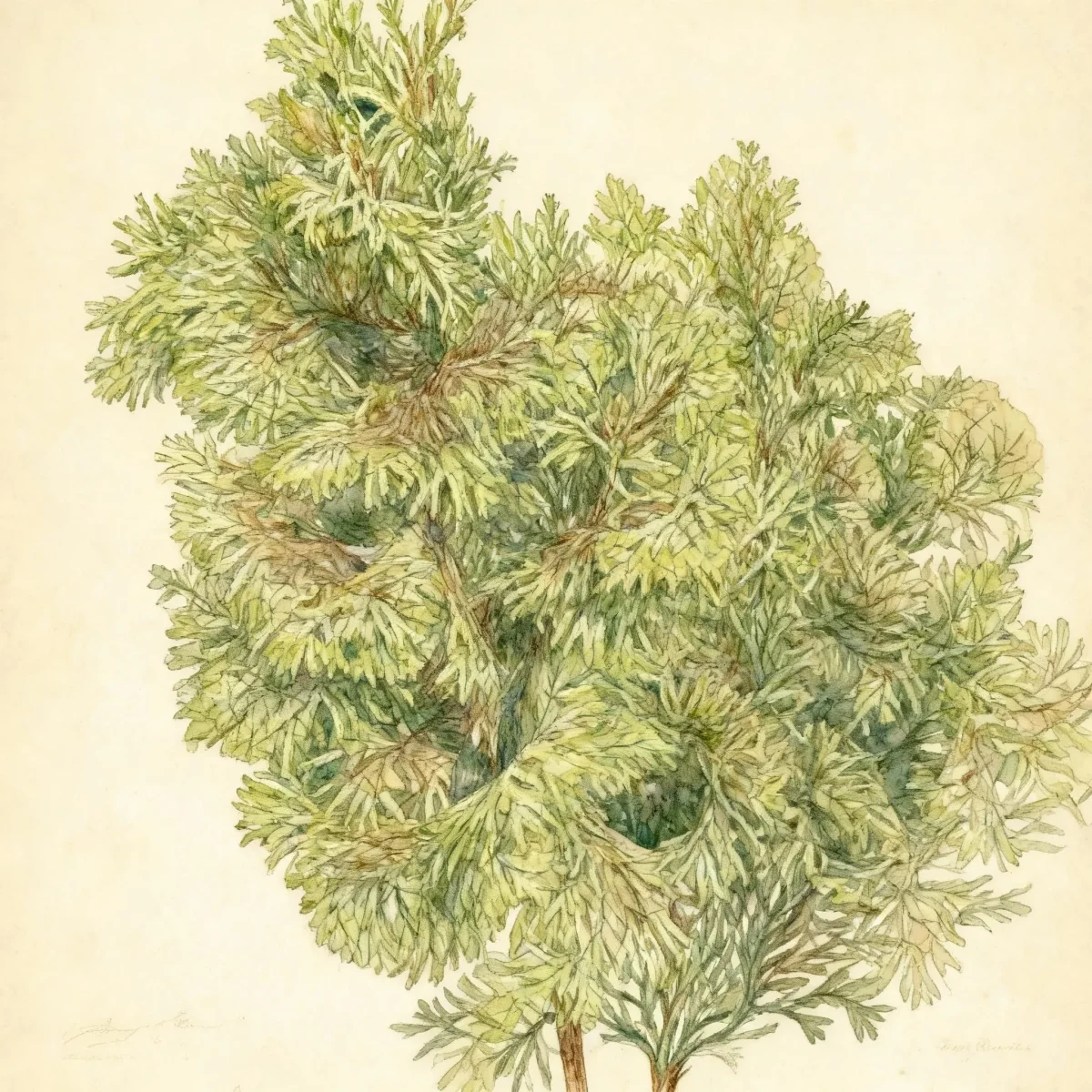
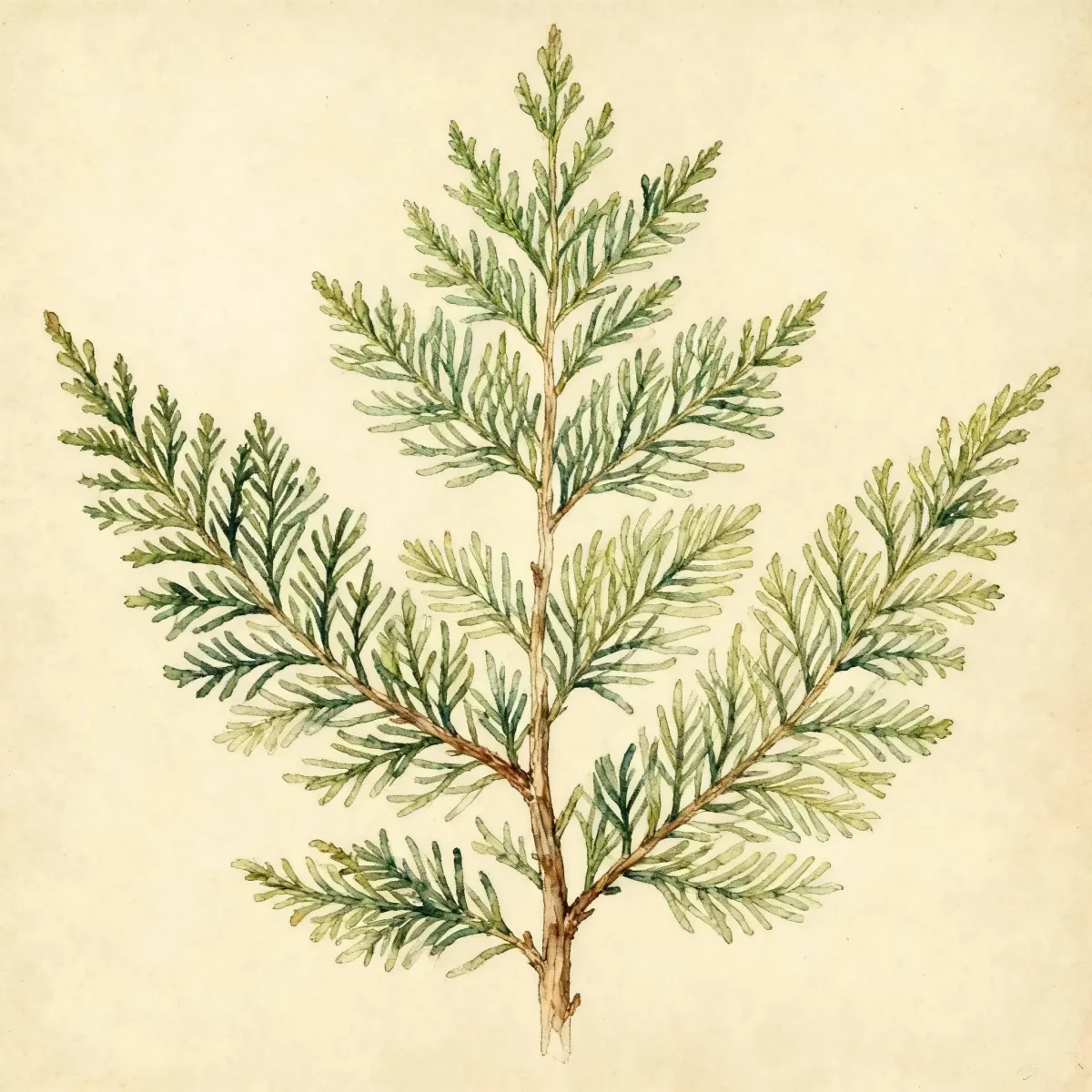
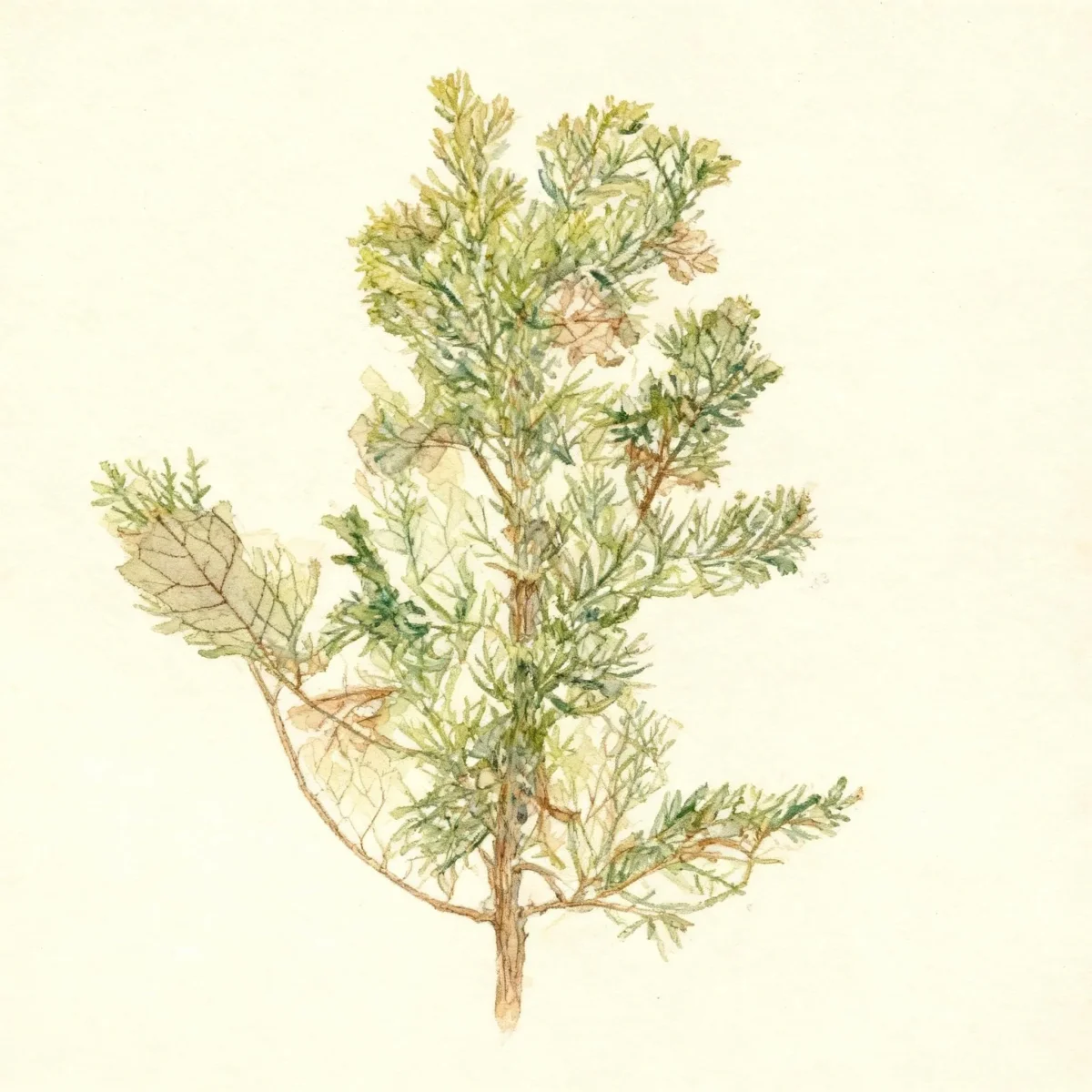
Hinoki cypress (Chamaecyparis obtusa 'Lynn's Golden')
Chamaecyparis obtusa 'Lynn's Golden' is a slow-growing, golden-foliaged Hinoki cypress offering low maintenance and pyramidal form.
Scroll down to discover growing tips, care requirements, companion plants, and more
Complete Plant Information
Overview
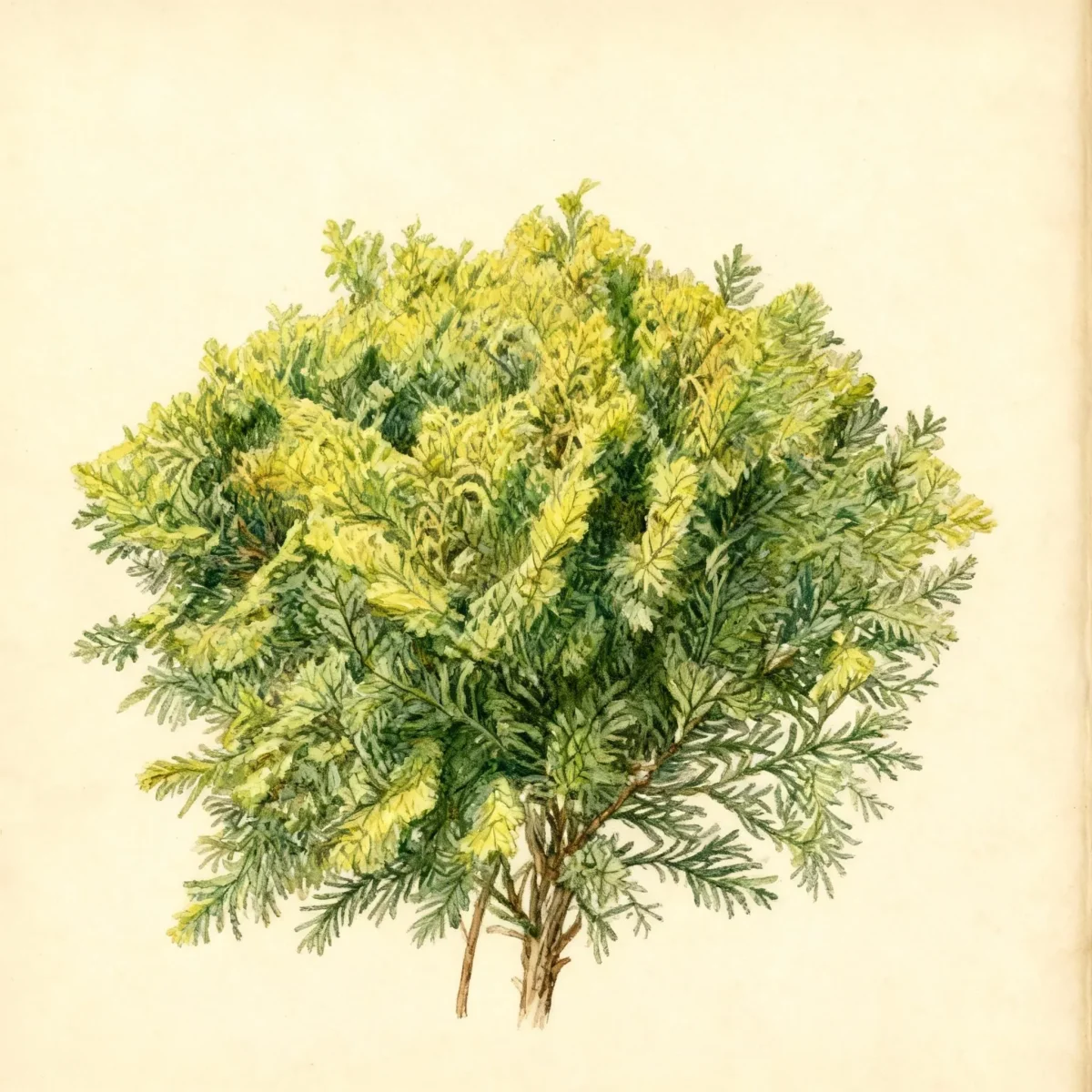
The cultivar Chamaecyparis obtusa ‘Lynn’s Golden’, commonly known as Hinoki cypress, is a treasured specimen evergreen. It stands out in the landscape due to its dense, pyramidal form and striking golden-yellow foliage which provides year-round color contrast. This slow-growing conifer offers exceptional texture in smaller gardens where larger species trees might overwhelm the space.
As a relatively low-maintenance plant, the Hinoki cypress thrives when given proper soil and light conditions. Its compact nature makes Chamaecyparis obtusa ‘Lynn’s Golden’ highly versatile for gardeners seeking permanent structure without excessive input. It’s an excellent choice for foundation plantings or as a unique textural accent.
This species, native to Japan, brings an element of exotic texture combined with reliable hardiness in appropriate zones. Gardeners appreciate the enduring structure and the subtle winter shift in foliage color, ensuring this Hinoki cypress remains a focal point throughout all four seasons.
Fast Facts
- Plant Family: Cupressaceae
- Plant Type: Needled evergreen
- Hardiness Zones: USDA Zones 5-8
- Size at Maturity:
- Height: 6-10 ft
- Spread: 4-6 ft
- Bloom Time: Non-flowering
- Bloom Description: Non-flowering
- Sun Exposure: Full sun to part shade
- Water Needs: Medium
- Maintenance Level: Low
How to Grow
Planting Chamaecyparis obtusa ‘Lynn’s Golden’ is best achieved in spring or fall, allowing the root system to establish before summer heat or deep winter cold sets in. Ensure the planting location provides average, medium moisture, well-drained soil. While it tolerates part shade, this golden cultivar displays its best color when situated in full sun.
Watering should be consistent, aiming for medium moisture levels, especially during establishment. Avoid heavy, wet, or poorly-drained soils, as these conditions increase the risk of root rot, a notable concern for this species. Once established, this Hinoki cypress requires little supplemental fertilizer if the soil is naturally fertile.
Shelter the shrub from strong winds, which can damage the delicate branchlets, particularly in exposed winter landscapes. Pruning is generally minimal due to the naturally attractive, dense pyramidal shape, focusing mainly on removing any dead or damaged wood as needed.
Landscape Uses
The primary application for Chamaecyparis obtusa ‘Lynn’s Golden’ is as a specimen evergreen conifer, where its unique golden hue can be appreciated against darker green backgrounds. It offers permanent, vertical interest without demanding the vast space required by mature forest specimens.
Due to its manageable size (eventually reaching 8-10 feet or more), it integrates beautifully into foundation plantings near homes or garages, providing year-round screening or accent points. Consider pairing the bright foliage of the Hinoki cypress with contrasting textures like broadleaf evergreens or deciduous shrubs that offer vibrant fall color.
This cultivar also works well as a bold element in rock gardens or in formal, geometric designs where repetitive elements create structure. Its slow growth rate means it retains its intended landscape placement for many years.
Standout Features
Noteworthy Characteristics
Chamaecyparis obtusa is native to Japan and is commonly called hinoki cypress or hinoki falsecypress. The species is a tall evergreen conifer, but cultivars like ‘Lynn’s Golden’ offer compact, slow growth, reaching 3-4’ in ten years before potentially maturing to 8-10’ tall. It is recognized for its golden yellow foliage which often acquires attractive purple tones during the winter months. The branches feature flattened horizontal branchlets, and crushed foliage releases an aromatic scent.
Tolerances
- Some susceptibility to juniper blight, root rot and certain insect pests such as bagworms
Potential Problems
The greatest concern when cultivating the Hinoki cypress involves soil moisture management. Some susceptibility exists to juniper blight, root rot, and certain insect pests such as bagworms. Root rot is often preventable by ensuring excellent drainage; if the soil remains waterlogged, the plant will suffer.
Regular inspection beneath the foliage can help catch early infestations of bagworms. Management often involves handpicking early in the season or using targeted, horticultural oil treatments as necessary, adhering strictly to product labels for application timing.
Frequently Asked Questions
What hardiness zones is Hinoki cypress suitable for?
Chamaecyparis obtusa ‘Lynn’s Golden’ thrives in USDA Hardiness Zones 5 through 8.
How large does Hinoki cypress grow?
The mature height for this cultivar typically ranges between 6 to 10 feet tall, with a spread of 4 to 6 feet, though it is slow-growing.
What sun exposure does Hinoki cypress need?
This plant performs best in full sun but can tolerate partial shade, though sunnier locations enhance the golden color of the foliage.
When does Hinoki cypress bloom?
This needled evergreen is non-flowering; it does not produce noticeable flowers for ornamental display.
Conclusion
Offering year-round golden color and a desirable pyramidal form, Chamaecyparis obtusa ‘Lynn’s Golden’ is a superb choice for adding texture and structure to temperate gardens. The low maintenance needs of this Hinoki cypress make it an accessible option for most gardeners. Evaluate your site conditions, ensuring excellent drainage and adequate sun exposure, before planting this beautiful accent evergreen.
Companion Planting Strategies
Selecting partners that share the cultural needs of Chamaecyparis obtusa ‘Lynn’s Golden’ will result in a cohesive planting scheme. Look for plants that thrive in medium moisture and can handle full sun to part shade conditions. Consider low-growing groundcovers that contrast texturally with the fine needles of the Hinoki cypress, such as creeping thyme or sedums that tolerate slightly drier conditions once established.
For contrasting color, incorporate Japanese maples (Acer palmatum cultivars) nearby, especially those with deep burgundy or lime-green foliage. The strong vertical lines of the Chamaecyparis obtusa ‘Lynn’s Golden’ are beautifully complemented by mounding shrubs or perennials that softly spill over garden edges.
Design Ideas for Golden Foliage
The intense golden hue of ‘Lynn’s Golden’ makes it an excellent visual anchor in landscape designs. Use it as a focal point near an entryway where its color is visible even from a distance. In mixed evergreen borders, position it where its brightness can illuminate darker conifer neighbors, such as Taxus or Picea cultivars.
Because its mature size is relatively restrained, this cultivar works well in larger containers, providing vertical presence on patios or decks, provided container drainage is meticulously managed. When mass planting, space the plants according to their mature spread to allow air circulation, which helps prevent fungal issues near the base.