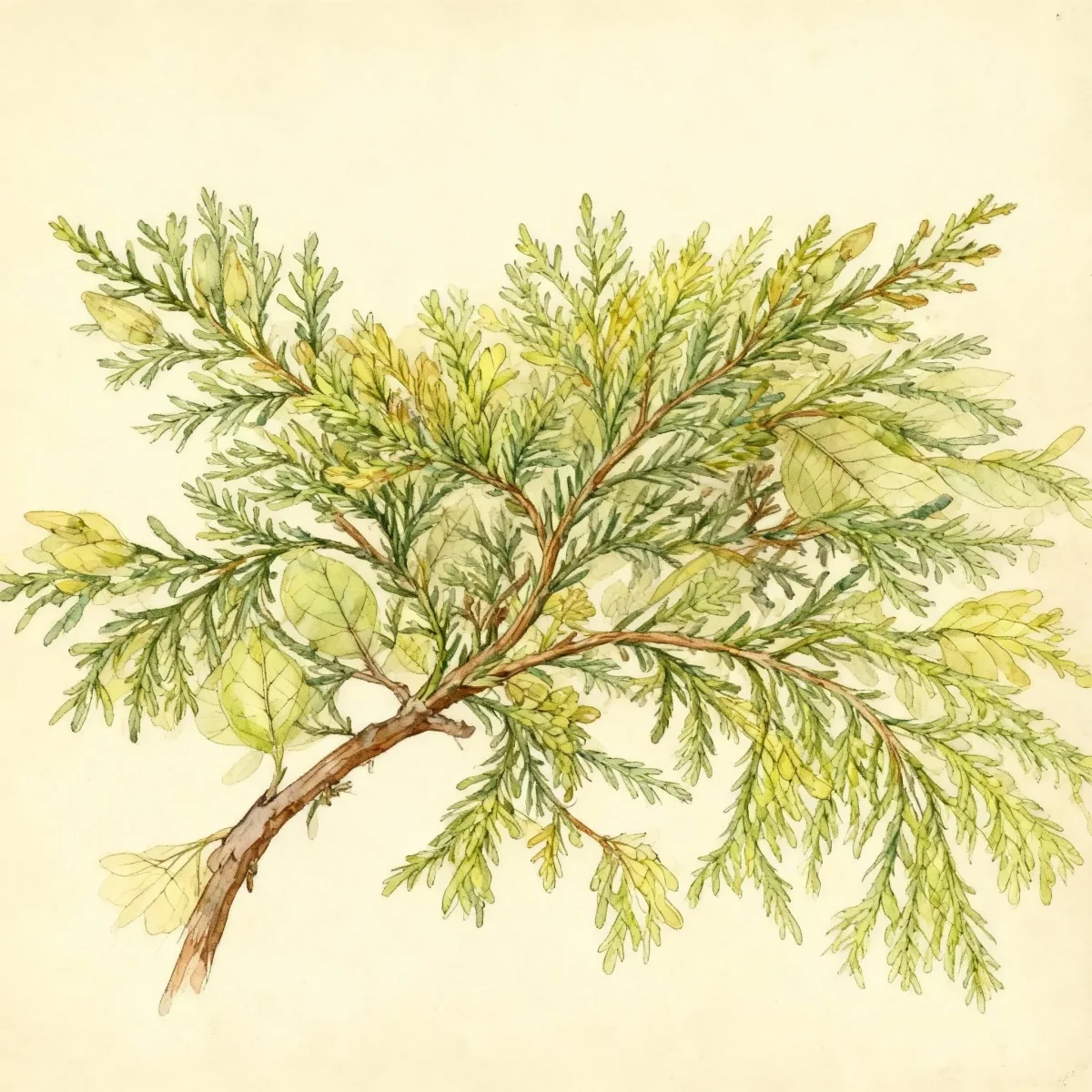
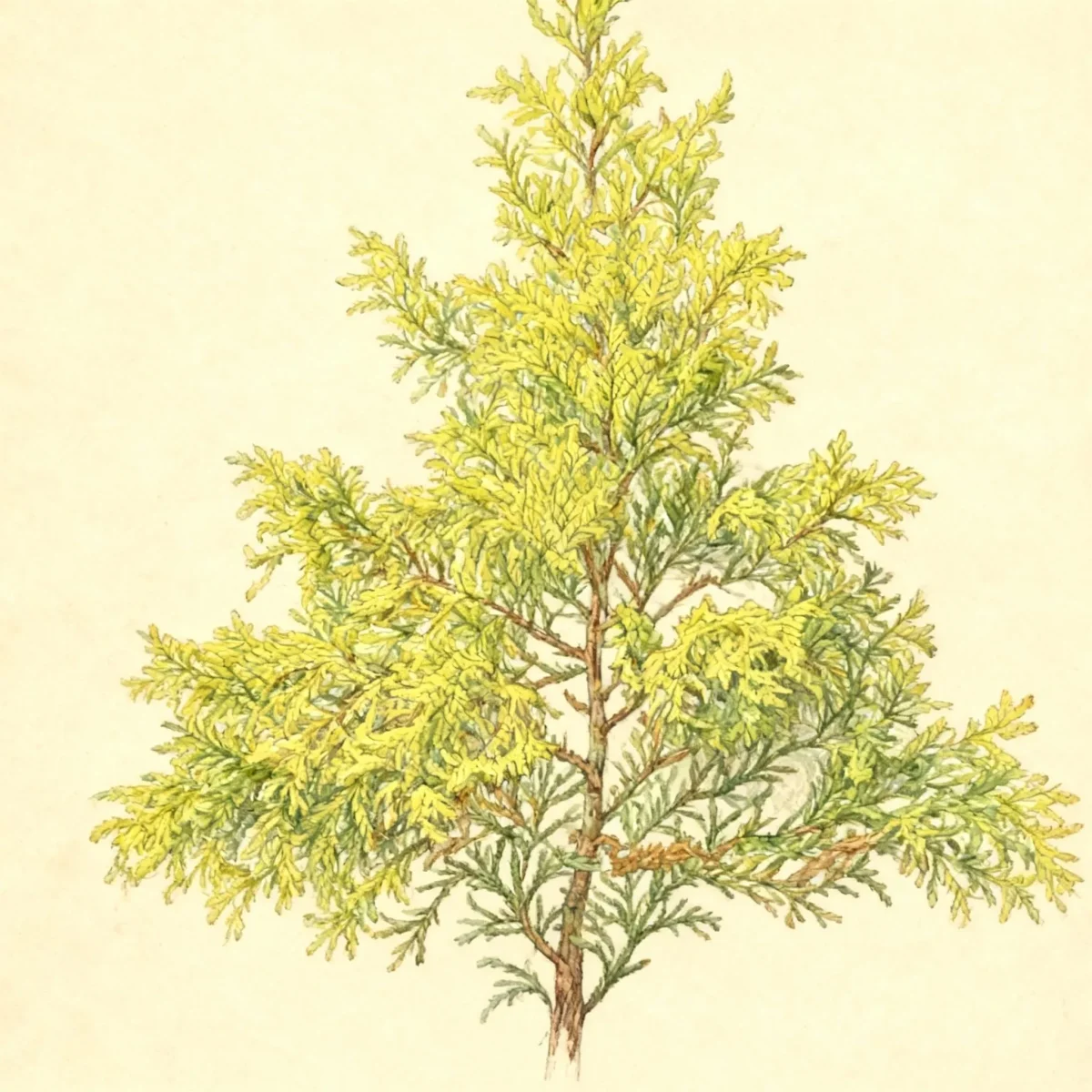
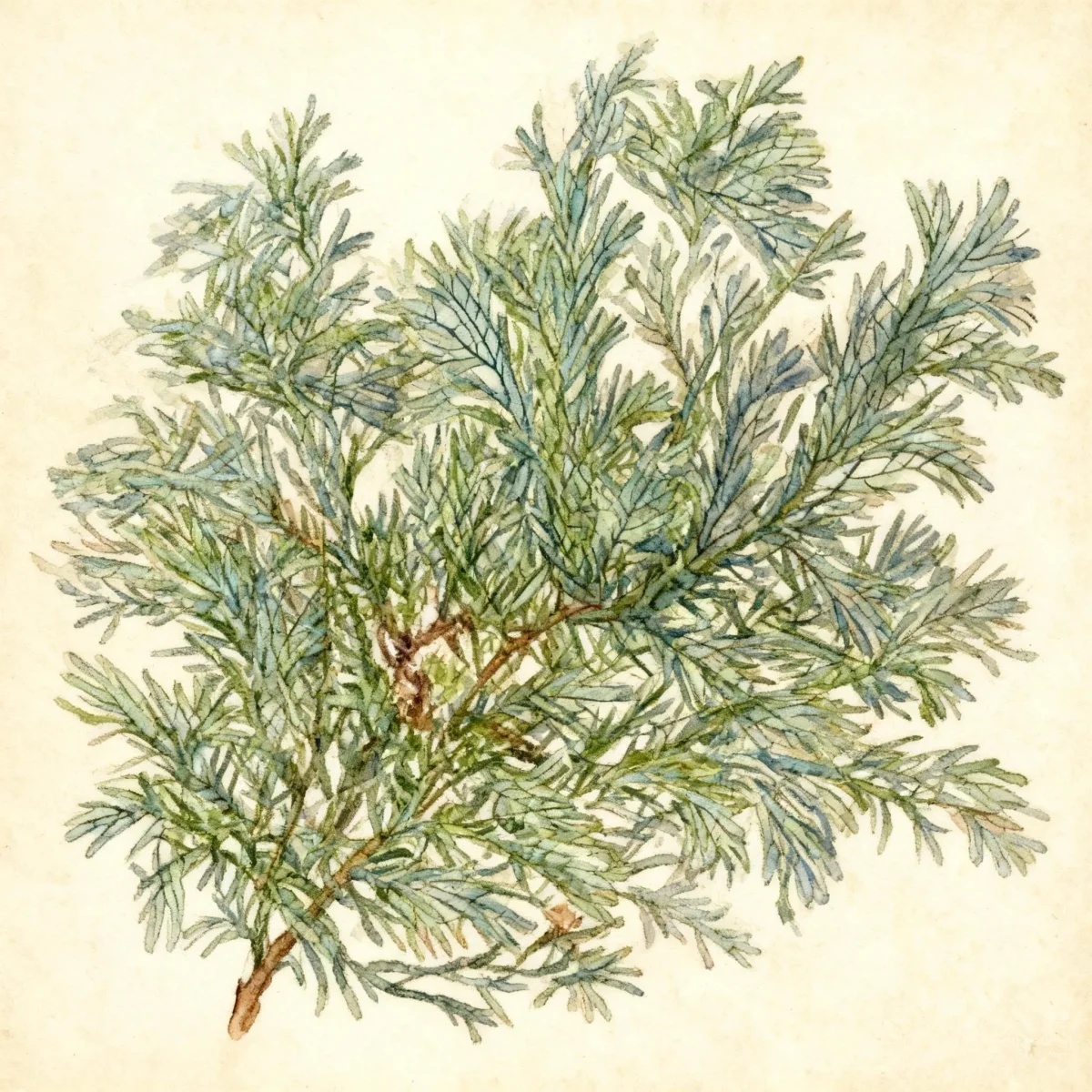
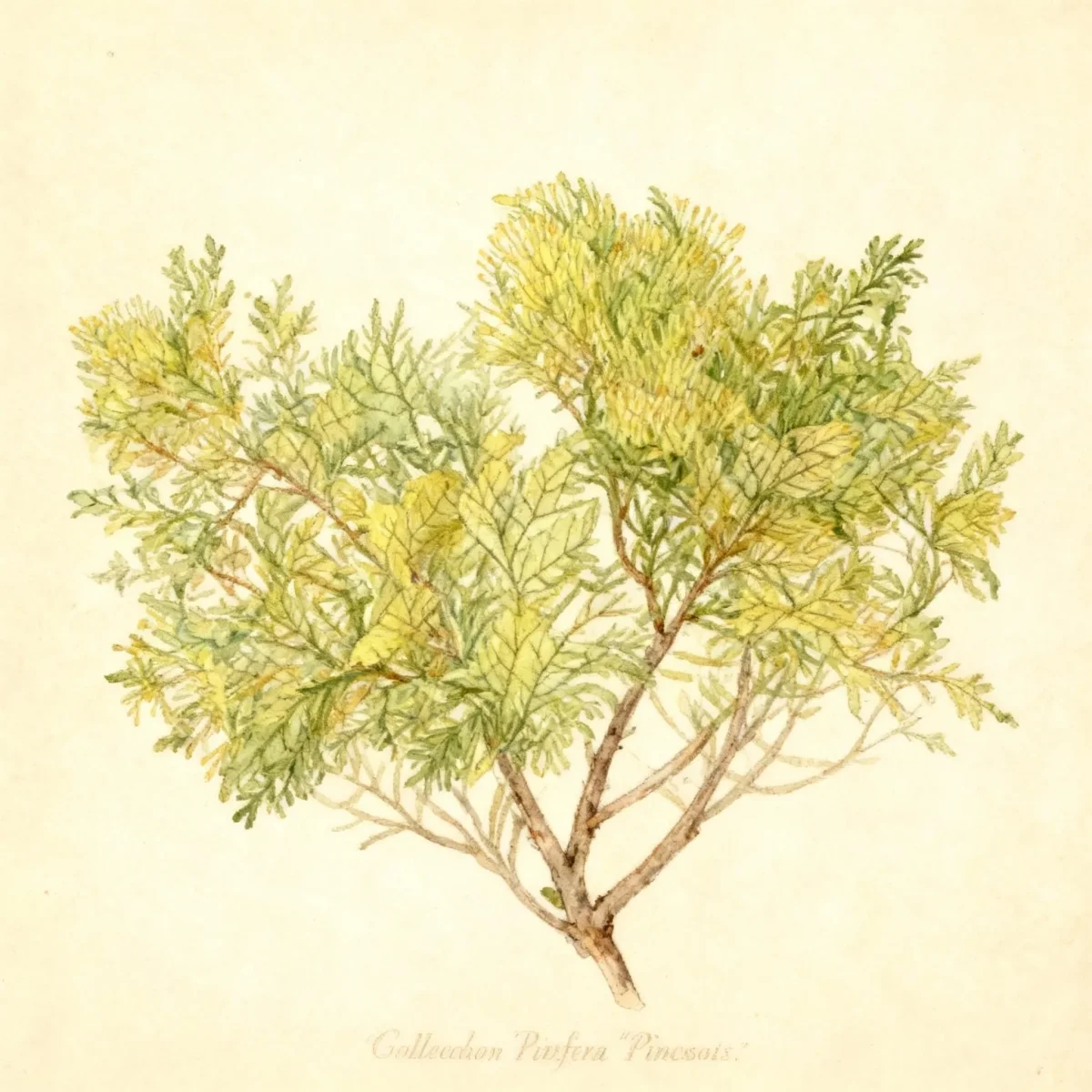
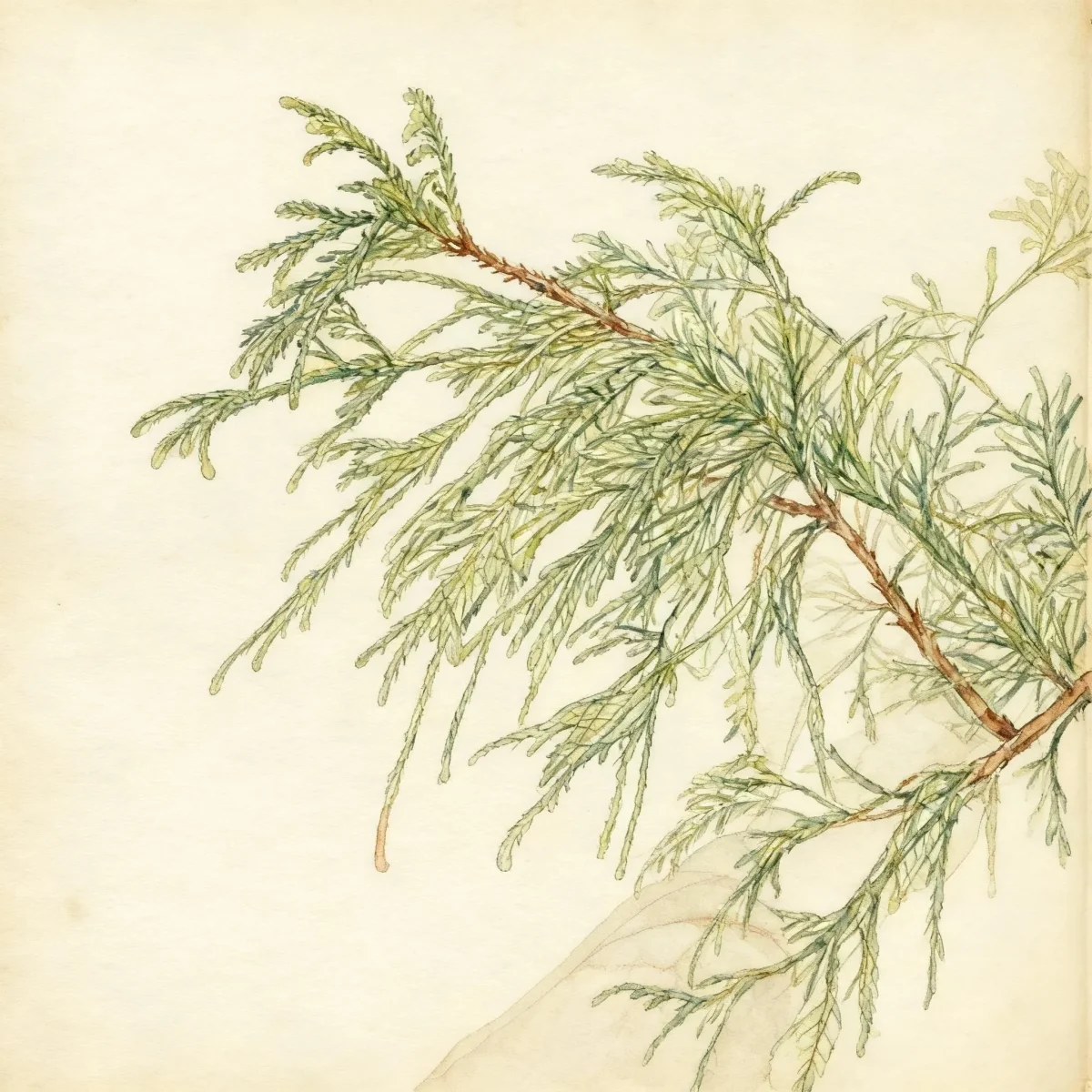
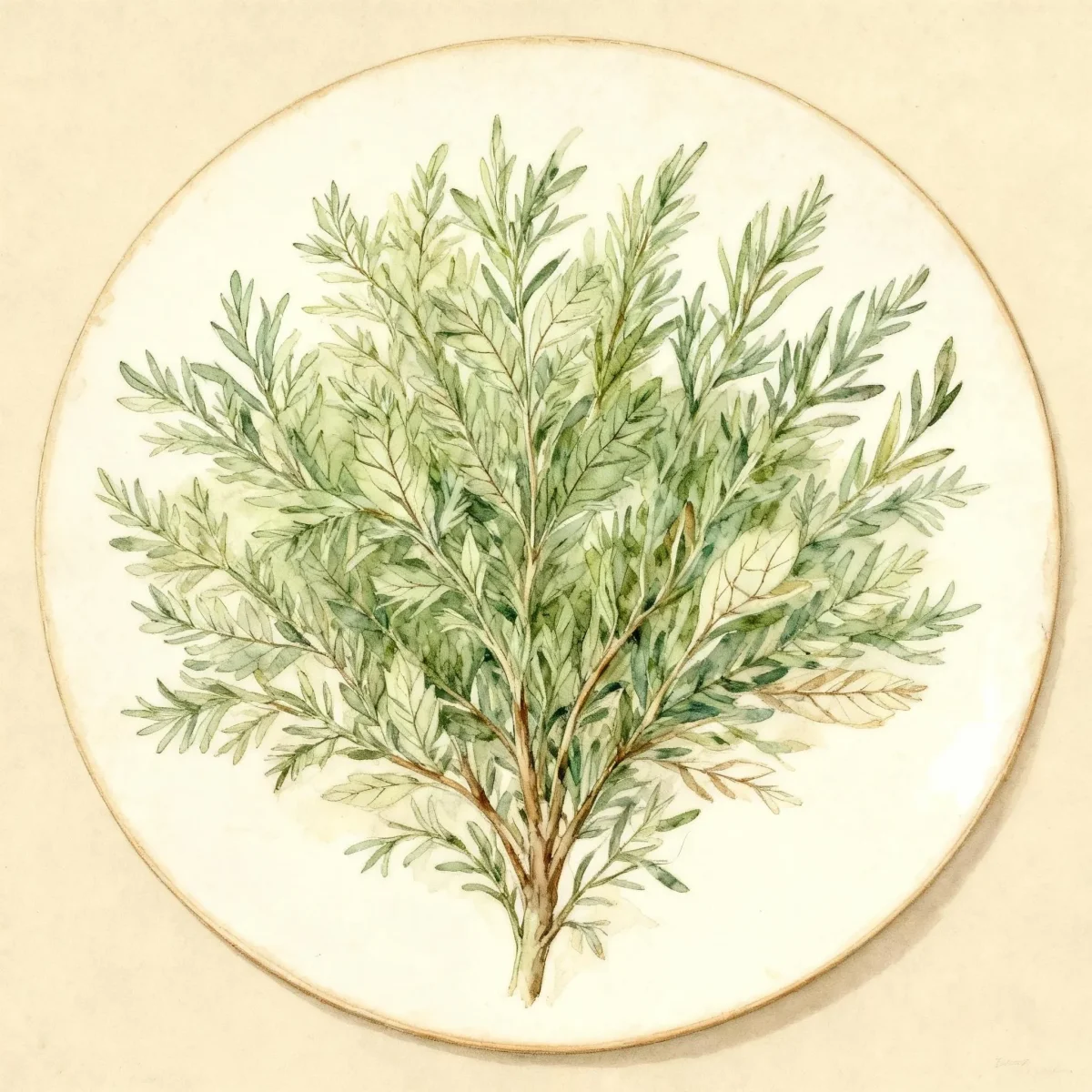
White cypress (Chamaecyparis thyoides 'Shiva')
Chamaecyparis thyoides 'Shiva' is a dwarf White cypress offering soft blue-green winter color. Ideal for rain gardens in Zones 4-8.
Scroll down to discover growing tips, care requirements, companion plants, and more
Complete Plant Information
Overview
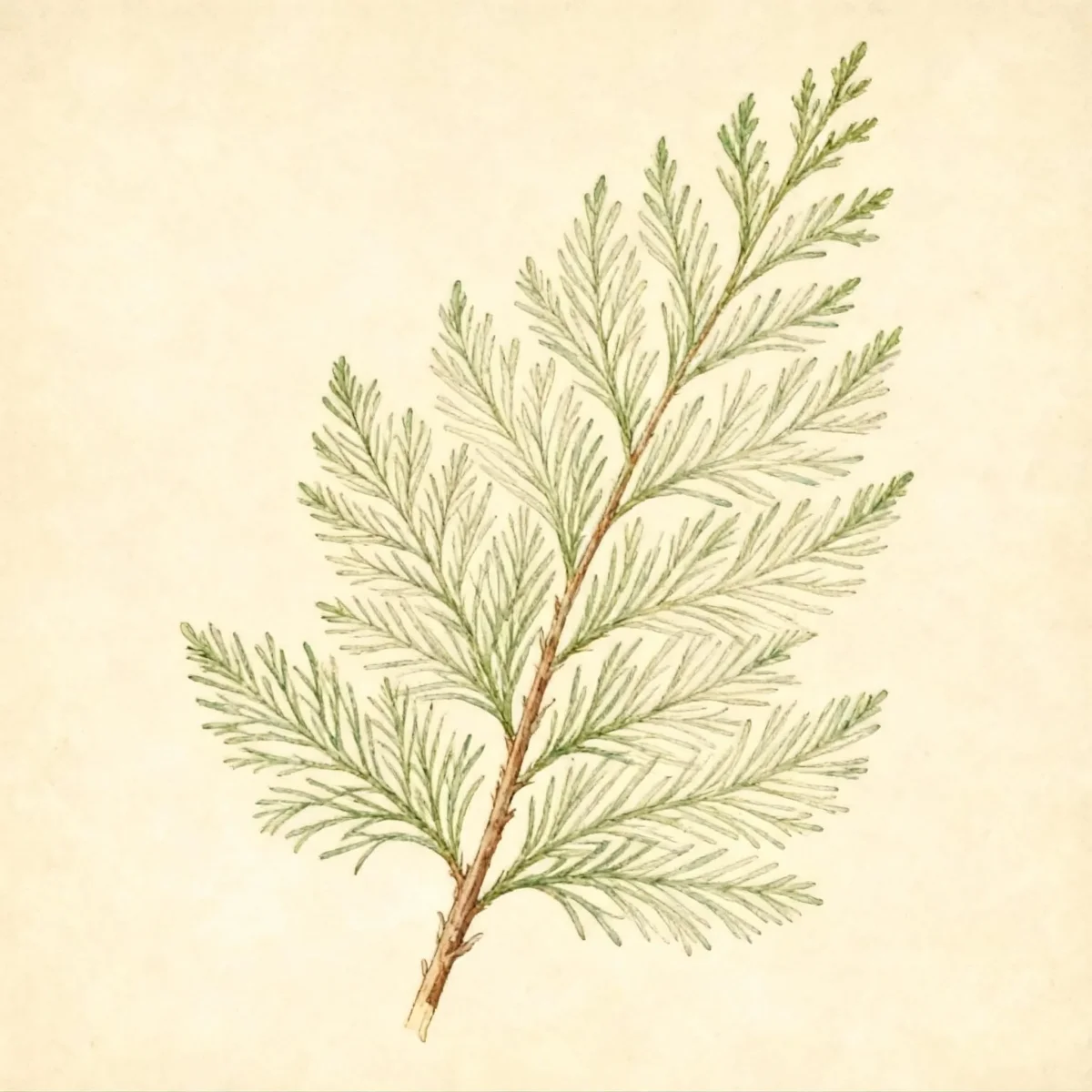
The Chamaecyparis thyoides ‘Shiva’, often known as White cypress, is a prized dwarf cultivar celebrated for its compact, rounded pyramidal structure, making it an excellent choice for smaller gardens where the upright habit of the species might overwhelm. This cultivar maintains attractive soft blue-green to gray-green foliage throughout the year, though it uniquely acquires delicate brown tones during the winter months. Gardeners value this slow-growing evergreen for its low maintenance requirements and adaptability, especially in wet conditions.
This cultivar offers all the robustness of the native Chamaecyparis thyoides (Southern white cedar) packed into a manageable 5-8 foot size. Its dense form and fine texture provide excellent year-round structure in the landscape. For gardeners looking to incorporate native conifers into specialized sites like rain gardens, Chamaecyparis thyoides ‘Shiva’ is an outstanding, resilient selection.
Fast Facts
- Plant Family: Cupressaceae
- Plant Type: Needled evergreen
- Hardiness Zones: USDA Zones 4-8
- Size at Maturity:
- Height: 5-8 ft
- Spread: 3-5 ft
- Bloom Time: Non-flowering
- Bloom Description: Non-flowering
- Sun Exposure: Full sun to part shade
- Water Needs: Medium to wet
- Maintenance Level: Low
How to Grow
Plant this unique White cypress variety when dormant, ideally in the spring or fall, ensuring the root ball is well-watered before placement. Chamaecyparis thyoides ‘Shiva’ thrives best when situated in full sun, although it tolerates partial shade, which may result in looser growth. It prefers moist, fertile, peaty-sandy soils but notably tolerates even somewhat wet soil conditions, making site selection for rain gardens straightforward.
Maintenance for this dwarf evergreen is minimal. Fertilization is rarely necessary if established in rich, moist soil. While the species can grow very tall, this ‘Shiva’ form requires little to no pruning to maintain its natural rounded shape. If pruning is needed, perform it lightly in late winter or early spring before new growth begins.
A critical cultural note is the need to shelter established plants from extremely strong winds, which can sometimes cause damage or browning in the foliage. Ensure adequate moisture, especially during dry periods in the first few years, as consistent moisture supports that beautiful blue-green coloration of the foliage.
Landscape Uses
The compact size and moisture tolerance of Chamaecyparis thyoides ‘Shiva’ make it exceptionally versatile. Its primary strength lies in its suggested use as a rain garden specimen, thriving where other evergreens might struggle due to standing water or saturated soils. Outside of wet areas, it functions beautifully as a formal accent plant or foundation planting near smaller homes where space is limited.
Due to its slow growth and defined shape, it works well planted near specimen shrubs or perennials that appreciate similar soil moisture levels, such as irises or wetland groundcovers. Furthermore, the dense structure of the White cypress lends itself perfectly to creating low, formal hedges or defined border edges where a traditional hedge might grow too tall too quickly.
Standout Features
Noteworthy Characteristics
The parent species, Chamaecyparis thyoides, is natively found in freshwater swamps and bogs along the Atlantic coast, explaining ‘Shiva’s suitability for moist sites. ‘Shiva’ itself is a dwarf, rounded, pyramidal cultivar discovered in Massachusetts, offering soft gray-green foliage that subtly shifts to brown tones in colder winter temperatures. This cultivar maintains a much smaller stature than the species, which can reach significant height, making the Chamaecyparis thyoides ‘Shiva’ a manageable garden feature.
Tolerances
- Erosion
Potential Problems
Fortunately, Chamaecyparis thyoides ‘Shiva’ generally suffers from few significant insect or disease issues, contributing to its low maintenance profile. However, gardeners should monitor for susceptibility to juniper blight, which causes dieback, and root rot if drainage becomes excessively poor, even though this plant tolerates wet soil. Occasionally, pests like bagworms may appear, requiring manual removal or targeted insecticidal treatment early in the infestation.
Frequently Asked Questions
What hardiness zones is Chamaecyparis thyoides ‘Shiva’ suitable for?
This resilient White cypress cultivar is suitable for USDA Hardiness Zones 4 through 8.
How large does White cypress grow?
The Chamaecyparis thyoides ‘Shiva’ typically reaches a mature height between 5 to 8 feet tall, with a spread of 3 to 5 feet wide.
What sun exposure does White cypress need?
For the best density and color, aim to plant Chamaecyparis thyoides ‘Shiva’ in full sun, although it can successfully grow in areas receiving part shade.
When does White cypress bloom?
As a conifer, the Chamaecyparis thyoides ‘Shiva’ is non-flowering, producing small seed cones instead of traditional flowers.
Conclusion
The Chamaecyparis thyoides ‘Shiva’ is an exceptional dwarf conifer, providing year-round evergreen structure with minimal fuss and a special knack for handling moisture-retentive soils, making it perfect for modern rain garden designs. Incorporating this White cypress cultivar ensures beautiful blue-green texture in your landscape. Before planting, confirm your location falls within Zones 4-8 and prepare deep, moist soil for best results.
Companion Planting
Selecting companions for Chamaecyparis thyoides ‘Shiva’ is easiest when focusing on other moisture-loving native plants suited to acidic or neutral peaty soils. Group it with moisture-tolerant perennials such as Japanese Iris (Iris ensata), or robust moisture-loving shrubs like Swamp Rose (Rosa palustris) for textural contrast. For evergreen accents that can handle similar wet feet, consider the native Inkberry Holly (Ilex glabra), which shares a similar cultural preference for consistent moisture.
Design Ideas
Use the ‘Shiva’ cultivar as an anchor specimen in a mixed evergreen border, allowing its compact, rounded habit to contrast with taller, more narrowly pyramidal conifers. In modern landscape design, utilize its slow growth rate to create natural focal points near water features or entryways where year-round formality is desired without the need for regular shearing. Its soft color also pairs wonderfully against dark mulch or the deep greens of deciduous foliage.