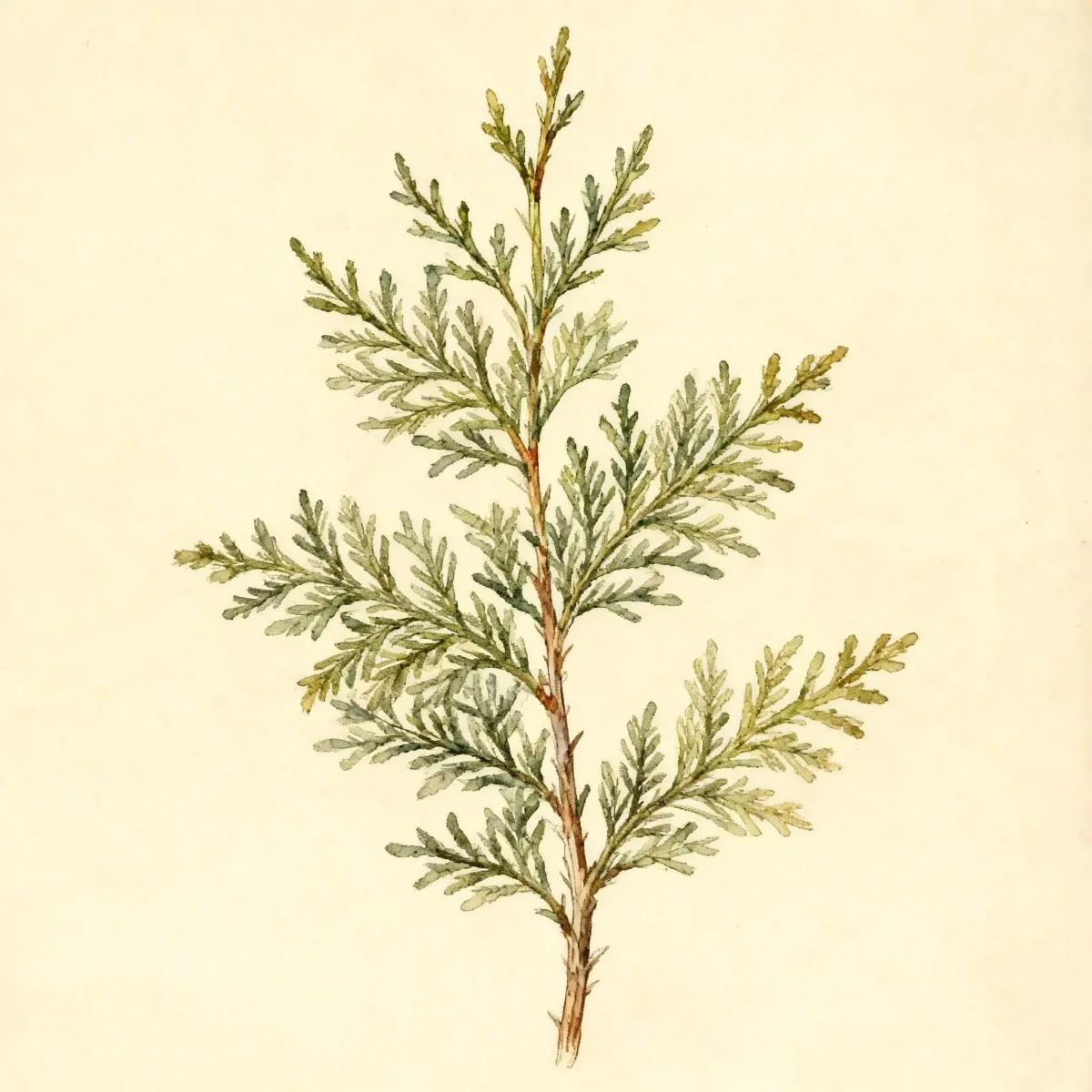
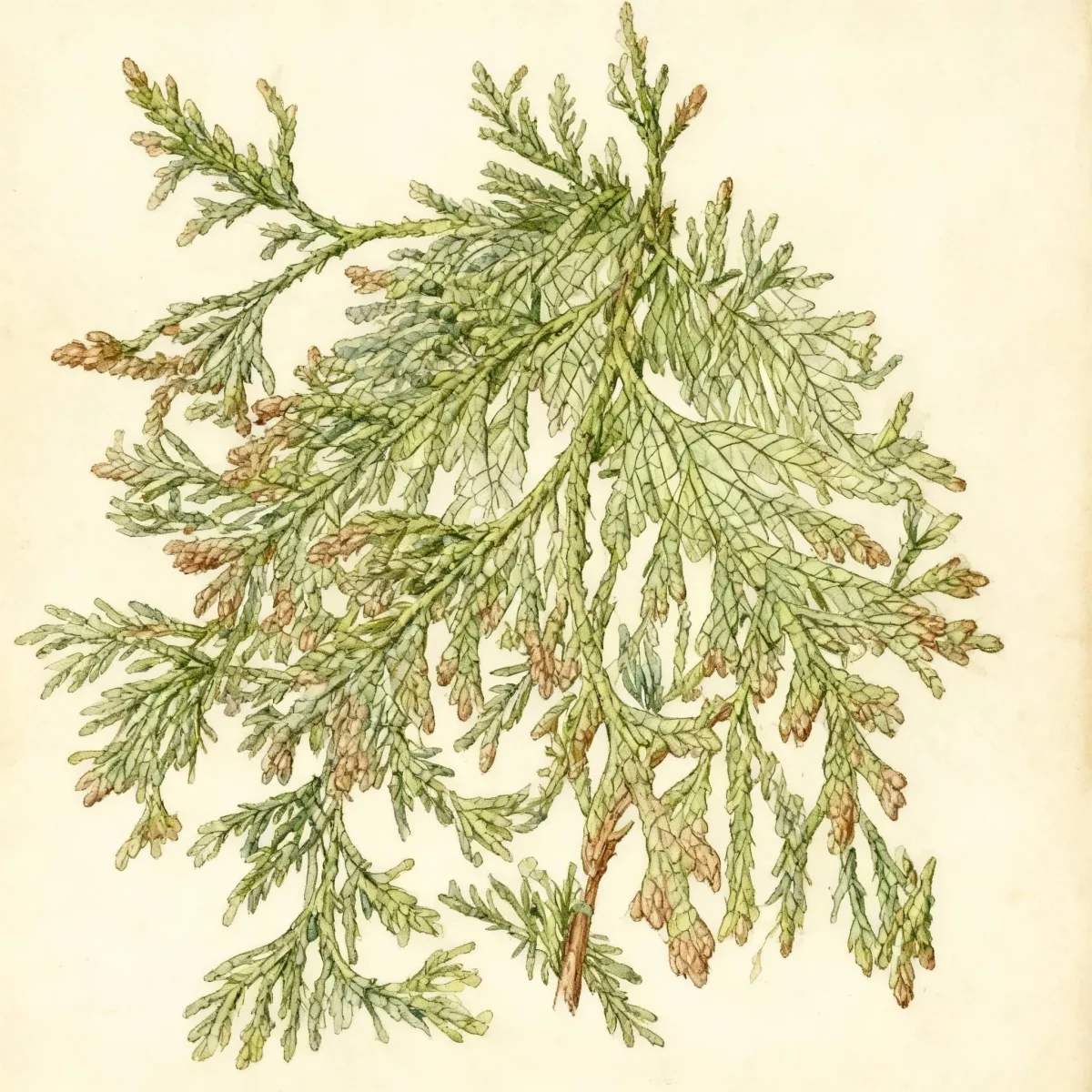
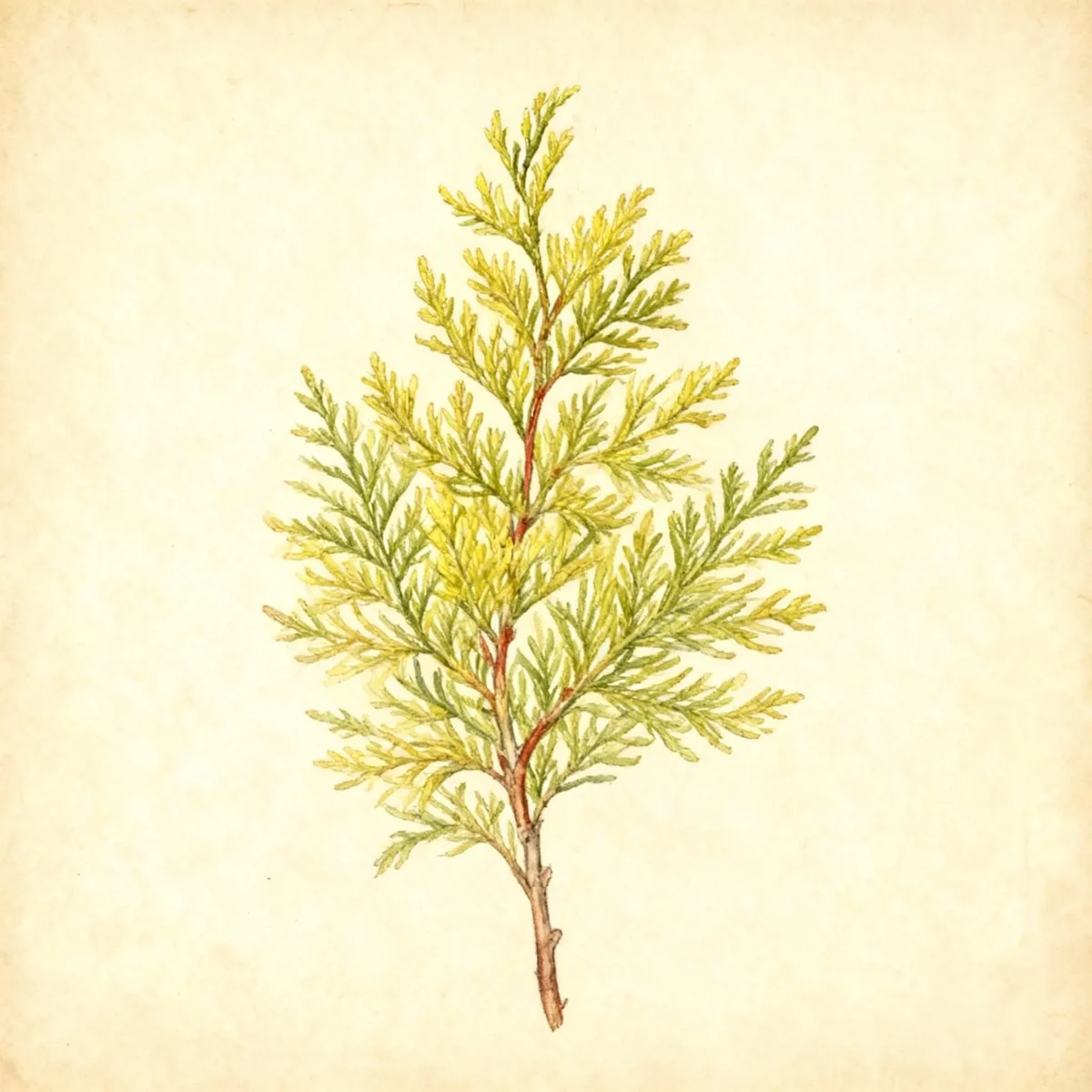
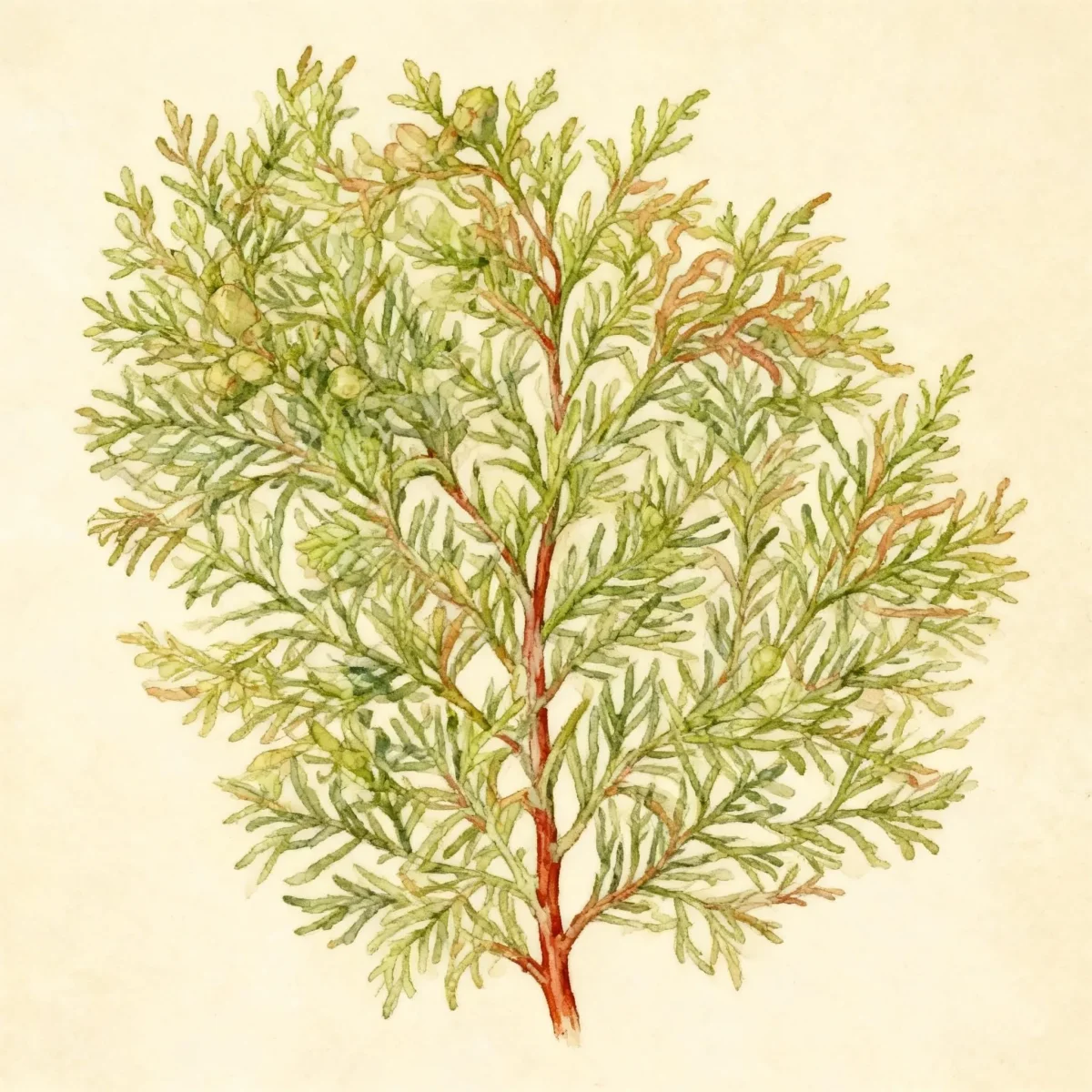
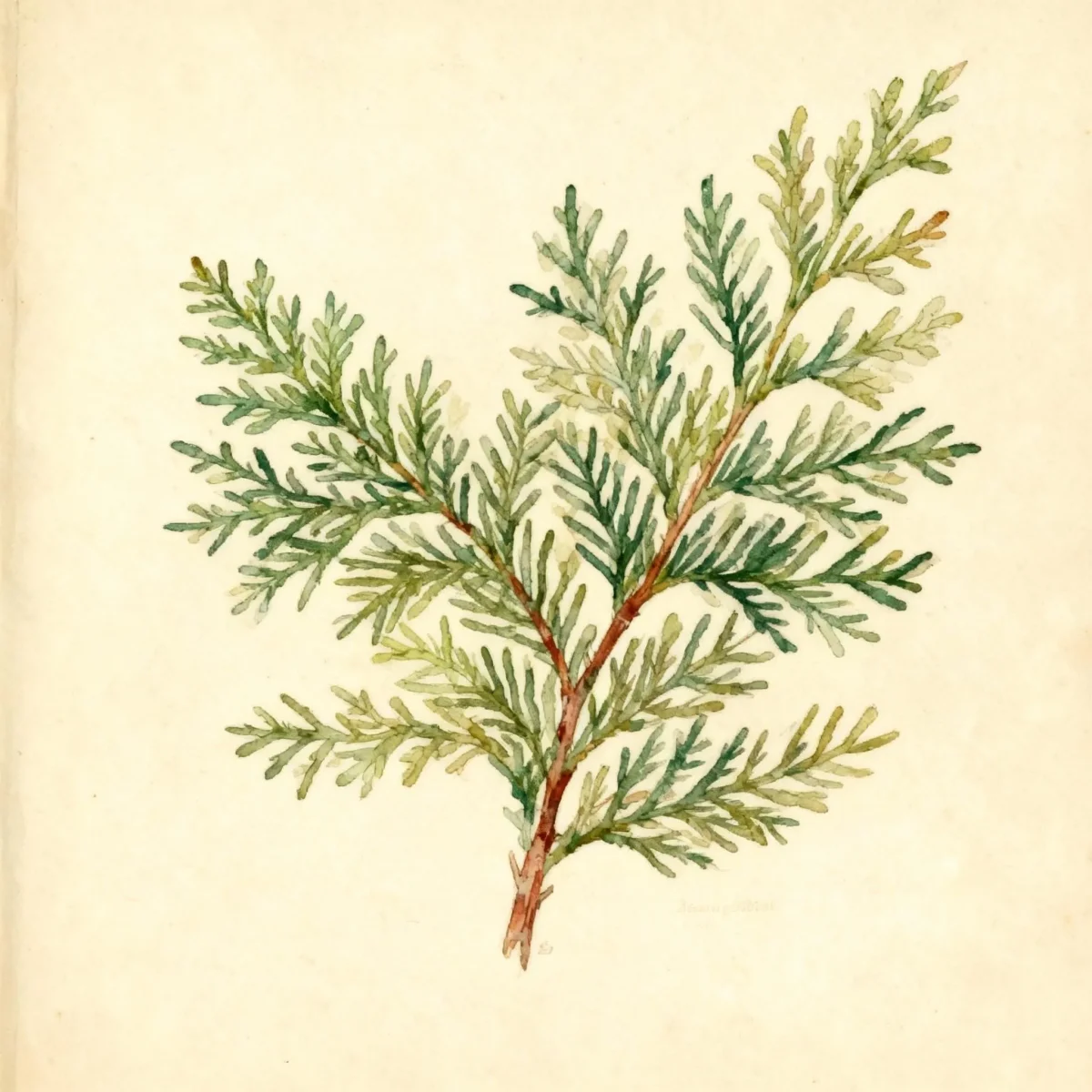
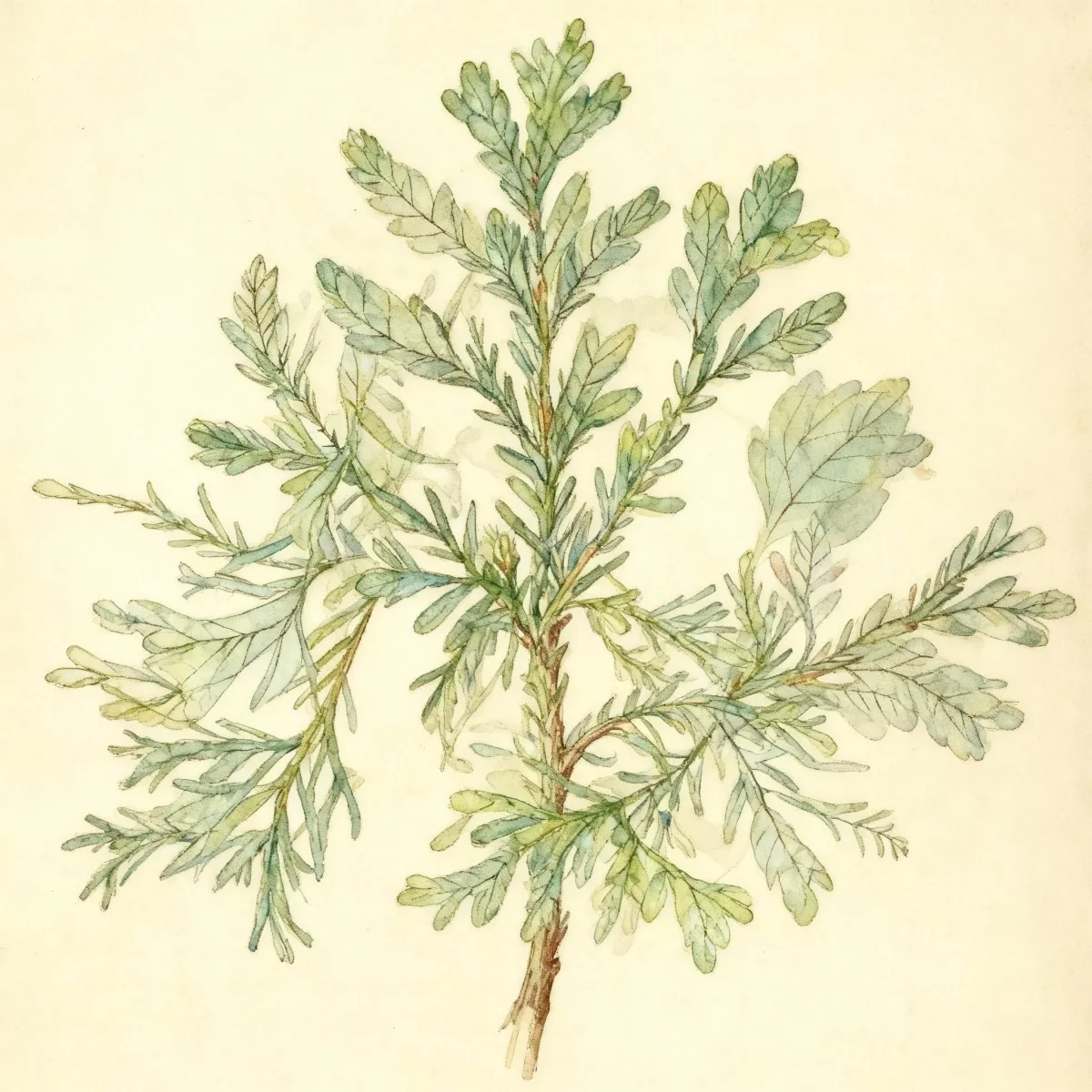
Hinoki cypress (Chamaecyparis obtusa 'Torulosa Dwarf')
Discover Chamaecyparis obtusa 'Torulosa Dwarf', a slow-growing Hinoki cypress valued for its twisted, dark green foliage and compact form.
Scroll down to discover growing tips, care requirements, companion plants, and more
Complete Plant Information
Overview
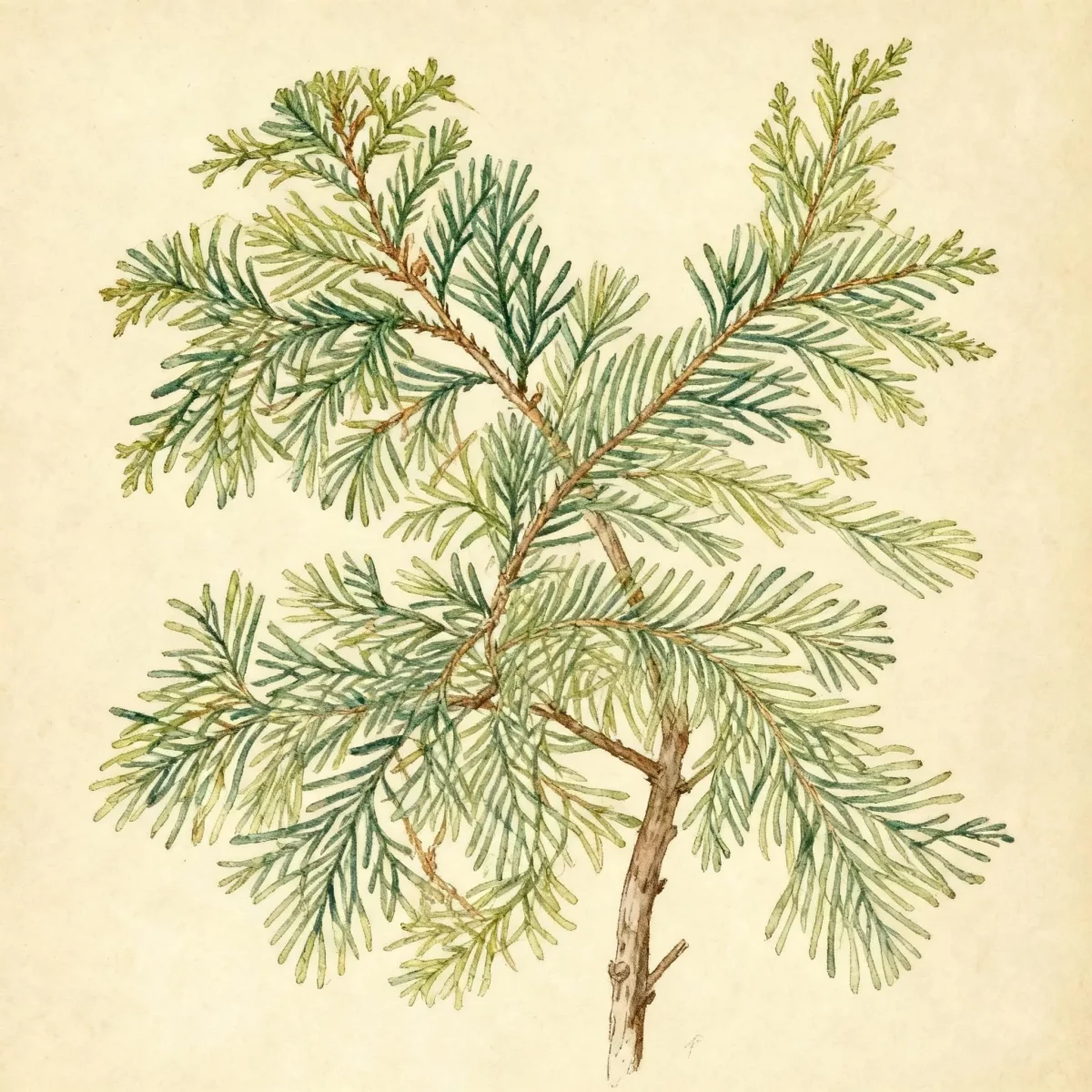
The Chamaecyparis obtusa ‘Torulosa Dwarf’ is a highly sought-after dwarf cultivar, offering unique texture in the landscape. This slow-growing Hinoki cypress variety is treasured for its densely packed, dark green foliage contrasted against its thread-like, contorted branches. It provides year-round structure without overwhelming small gardens or rockeries, making it an excellent focal point.
As a needled evergreen, this Japanese falsecypress brings evergreen interest even when other deciduous plants are dormant. While the full species can reach monumental heights, the ‘Torulosa Dwarf’ remains manageable, typically topping out around 3 feet tall, making it a responsible choice for foundation plantings or specimen placement where space is limited.
Gardeners appreciate the manageable maintenance of this compact conifer, provided its basic cultural needs—namely well-drained soil and adequate moisture—are met. Its distinctive texture ensures that the Chamaecyparis obtusa ‘Torulosa Dwarf’ acts as a living sculpture in any garden design.
Fast Facts
- Plant Family: Cupressaceae
- Plant Type: Needled evergreen
- Hardiness Zones: USDA Zones 4-8
- Size at Maturity:
- Height: 1-3 ft
- Spread: 1-2 ft
- Bloom Time: Non-flowering
- Bloom Description: Non-flowering
- Sun Exposure: Full sun to part shade
- Water Needs: Medium
- Maintenance Level: Medium
How to Grow
For optimal health, plant your Chamaecyparis obtusa ‘Torulosa Dwarf’ in the spring or fall when temperatures are moderate. This specimen evergreen conifer thrives best when sited in full sun, though it can tolerate part shade, especially in hotter climates. The soil must be average, medium moisture, and critically, well-drained.
Providing consistent moisture is key; this Hinoki cypress prefers fertile, moist soils. Avoid planting in locations prone to standing water or poor drainage, as this heightens the risk of root rot. If you have heavy clay soil, amend the planting area liberally with organic matter to improve aeration and drainage before installation.
Care is generally straightforward. Water regularly, especially when establishing the young plant, to maintain that preferred medium moisture level. While formal pruning is rarely necessary for this dwarf form, any dead or damaged wood should be removed promptly. Shelter the plant from harsh, desiccating winds, which can cause foliage burn.
Landscape Uses
The small stature and architectural appeal of the Chamaecyparis obtusa ‘Torulosa Dwarf’ make it an invaluable specimen evergreen conifer. Its twisted, textural foliage arrests attention, positioning it perfectly as a solitary accent in a courtyard or rock garden. Because it matures slowly, it retains its shape beautifully over many years without becoming leggy or overgrown.
Consider placing this dwarf Hinoki cypress near pathways or entrances where its unique branching habit can be easily observed up close. It integrates well into mixed evergreen borders, where its dark green color provides contrast against brighter chartreuse or blue-toned conifers. Due to its compact nature, it also excels in large containers, acting as a permanent focal point, though container cultural needs must be monitored closely.
Standout Features
Noteworthy Characteristics
Chamaecyparis obtusa is native to Japan, where the species tree grows quite large, leading to its Japanese name, Hinoki, meaning fire tree. This evergreen conifer is commonly called hinoki cypress or hinoki falsecypress. The ‘Torulosa Dwarf’ cultivar is particularly cherished for being a very slow-growing dwarf that typically forms a small upright pyramid to 12-18” tall over the first 10 years, eventually maturing to about 3 feet tall. The genus name derives from Greek words meaning dwarf and cypress tree, accurately describing the stature of this cultivar.
Tolerances
- Some susceptibility to juniper blight
- Root rot (if poorly drained)
Potential Problems
The Chamaecyparis obtusa ‘Torulosa Dwarf’ can exhibit some susceptibility to fungal diseases like juniper blight, particularly in wet or humid conditions where air circulation is poor. The most significant cultural risk is root rot, which occurs when the required well-drained soil is not provided. Additionally, common insect pests like bagworms may occasionally target these conifers.
Prevention centers on proper placement; ensure excellent soil drainage and adequate spacing so air can move freely around the foliage to reduce fungal pressure. Inspect the plant regularly, especially during late spring, for signs of pest infestation or early disease symptoms, allowing for prompt management if required.
Frequently Asked Questions
What hardiness zones is Hinoki cypress suitable for?
This dwarf Hinoki cypress is hardy in USDA Zones 4 through 8. Ensure your location falls within this range for best success.
How large does Chamaecyparis obtusa ‘Torulosa Dwarf’ grow?
This slow-growing dwarf typically reaches a mature height between 1 and 3 feet tall and spreads between 1 and 2 feet wide.
What sun exposure does Chamaecyparis obtusa ‘Torulosa Dwarf’ need?
It requires full sun for the best performance, though it can tolerate partial shade. Aim for sites receiving maximal direct light.
When does Hinoki cypress bloom?
As a needled evergreen conifer, the Chamaecyparis obtusa ‘Torulosa Dwarf’ is non-flowering.
Conclusion
The Chamaecyparis obtusa ‘Torulosa Dwarf’ offers unparalleled textural interest in a diminutive package, making it a premium choice among dwarf conifers. Its twisted, dark green needles provide year-round beauty, justifying its medium maintenance requirements. Before planting, confirm your site offers full sun and superb drainage to ensure this unique Hinoki cypress thrives for decades to come.
Companion Planting
Selecting appropriate neighbors is crucial for maximizing the aesthetic and health benefits of your dwarf Hinoki cypress. Pair the deep green color of this cultivar with plants that offer textural or color contrast. Consider surrounding it with low-growing, mounding plants featuring soft, silvery-gray foliage like Artemisia or fine-textured ornamental grasses that move in the breeze.
For low-growing groundcovers beneath taller accent shrubs, hostas or shade-tolerant heucheras work well in partial shade conditions, provided drainage is maintained. Since the Chamaecyparis obtusa ‘Torulosa Dwarf’ prefers consistency, group it with other plants that share medium water needs and dislike wet feet to simplify your irrigation regimen.
Design Ideas for Dwarf Conifers
The Chamaecyparis obtusa ‘Torulosa Dwarf’ excels as a foundation anchor or as corner interest in a miniature garden setting. Its upright, yet slightly irregular habit makes it an excellent mid-level specimen, providing vertical interest between low rock borders and taller background shrubs. In modern or Zen-inspired designs, its sculptural form can be highlighted when placed in a simple, clean container or placed against a backdrop of smooth river stones.
Utilize its slow growth rate to your advantage in specialized settings. Because this Hinoki cypress will take many years to reach its mature 3-foot height, it is ideal for formal parterres or precisely shaped hedge work where yearly size management is undesirable. Use it to terminate a sightline or draw the eye toward an entryway, leveraging its unique, contorted branches as a year-round visual anchor.