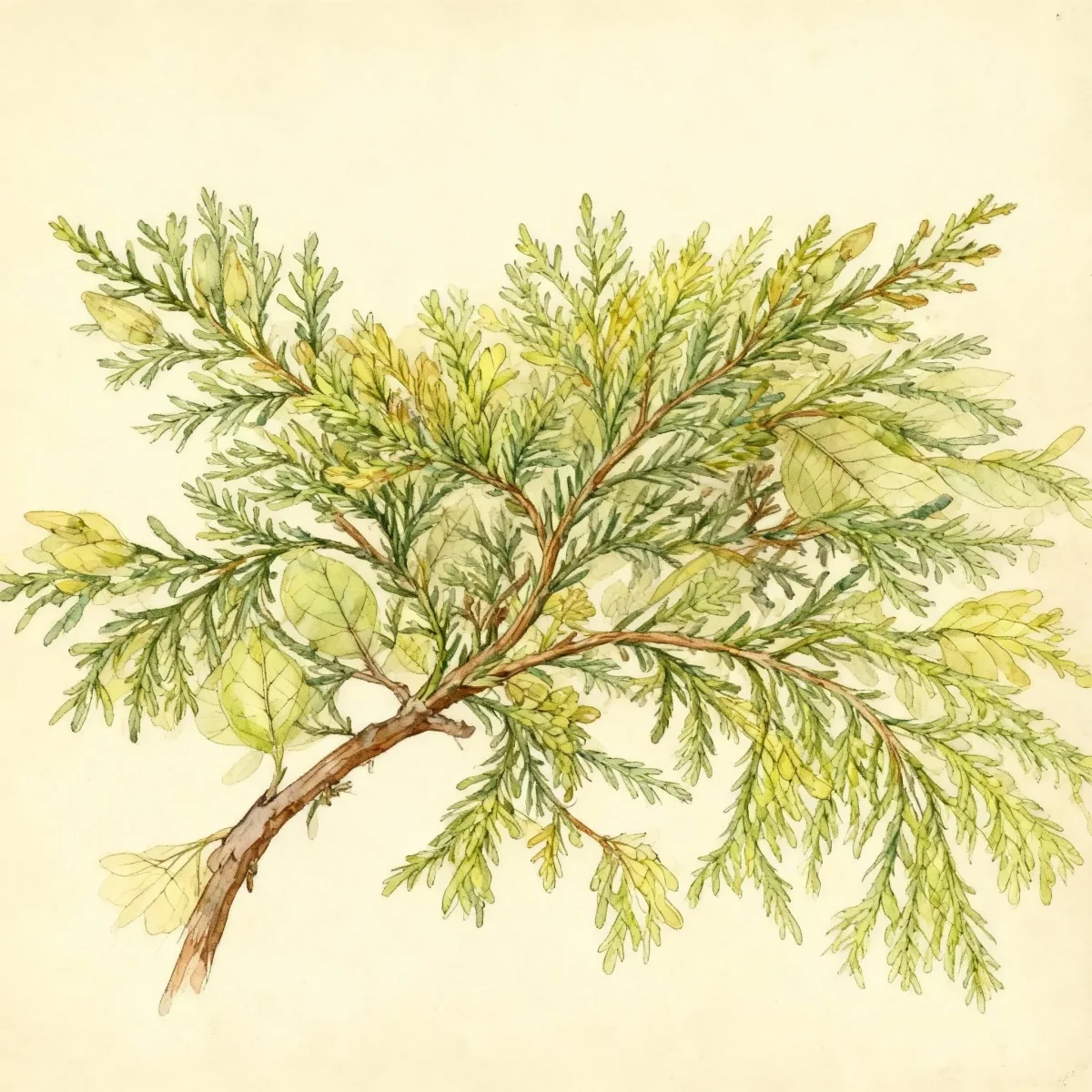
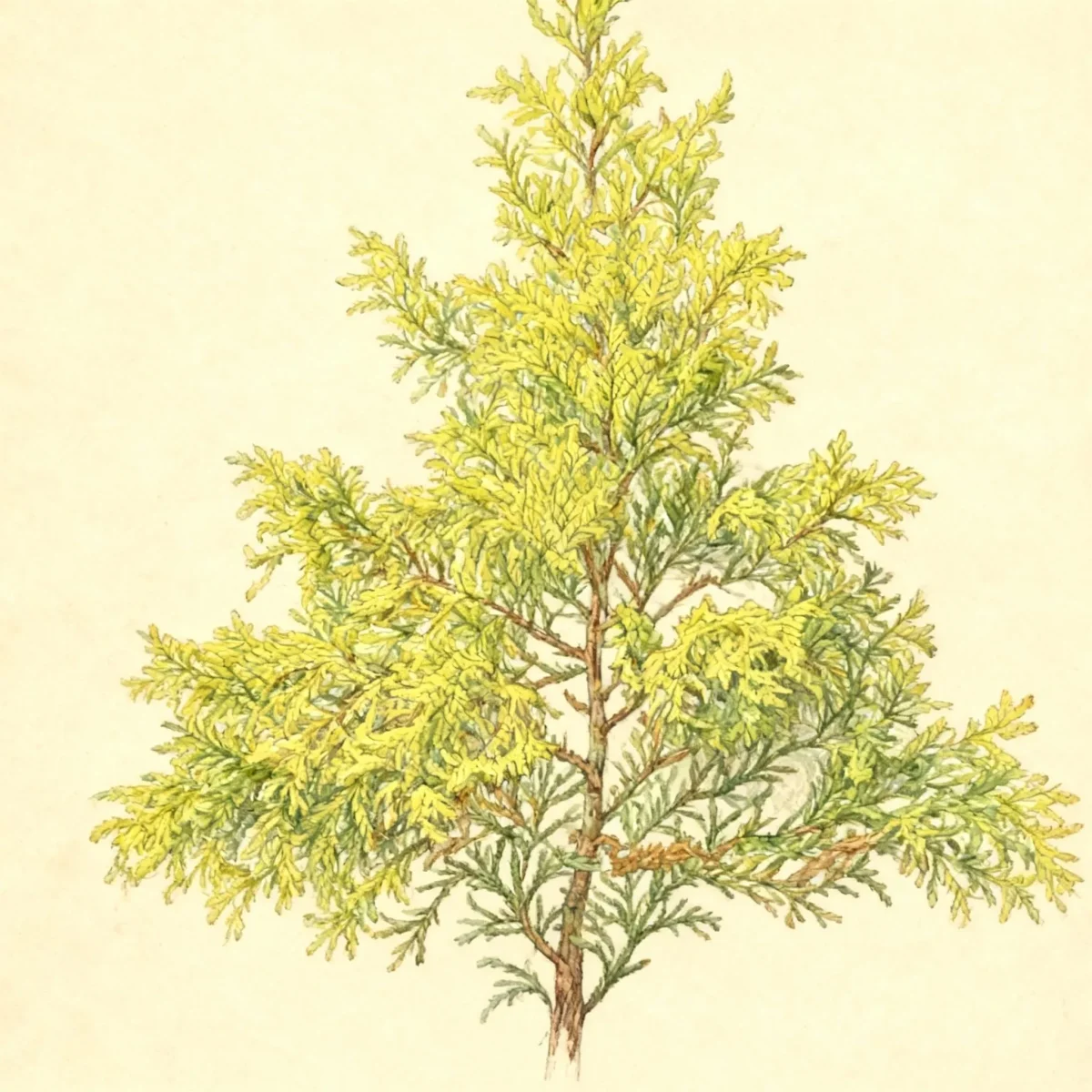
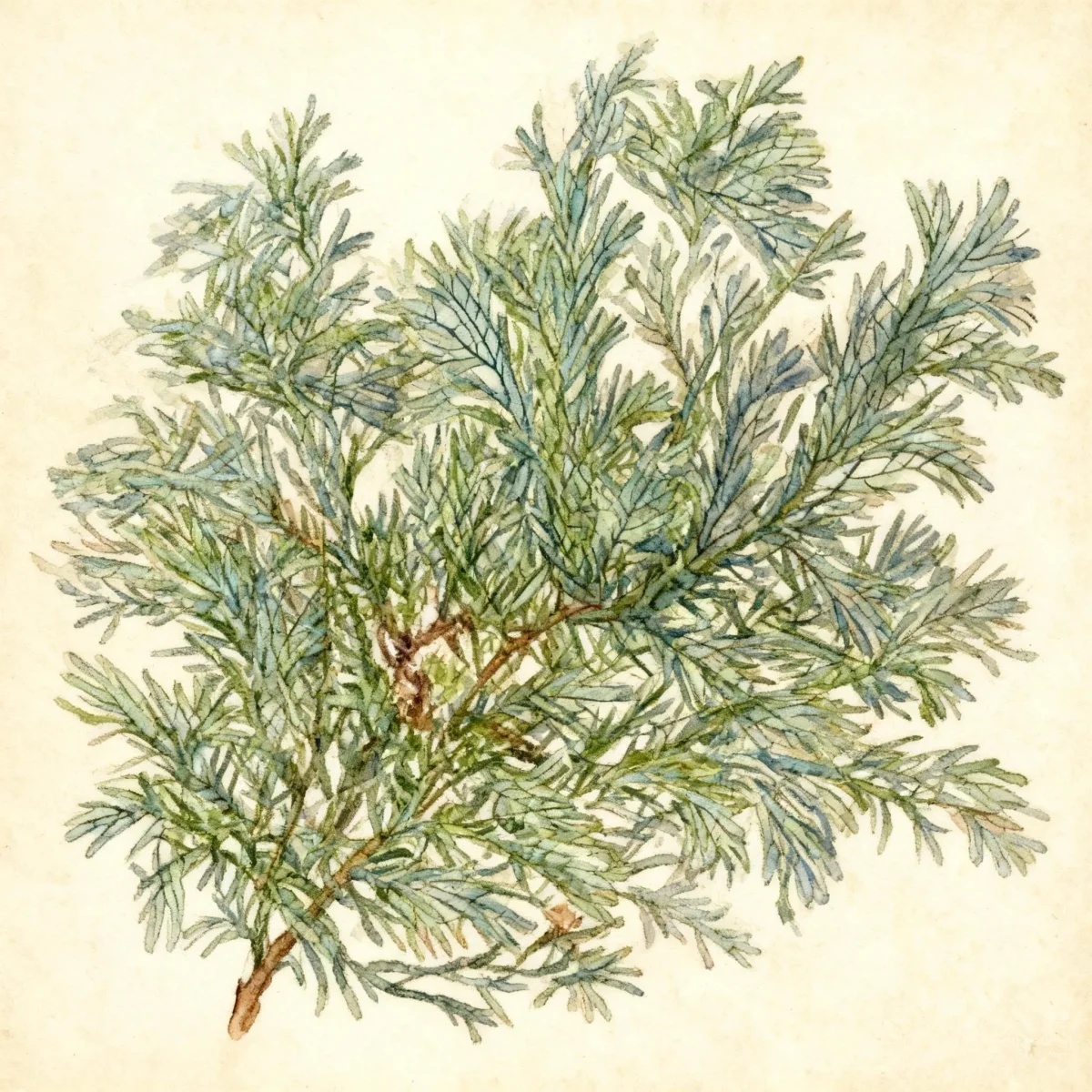
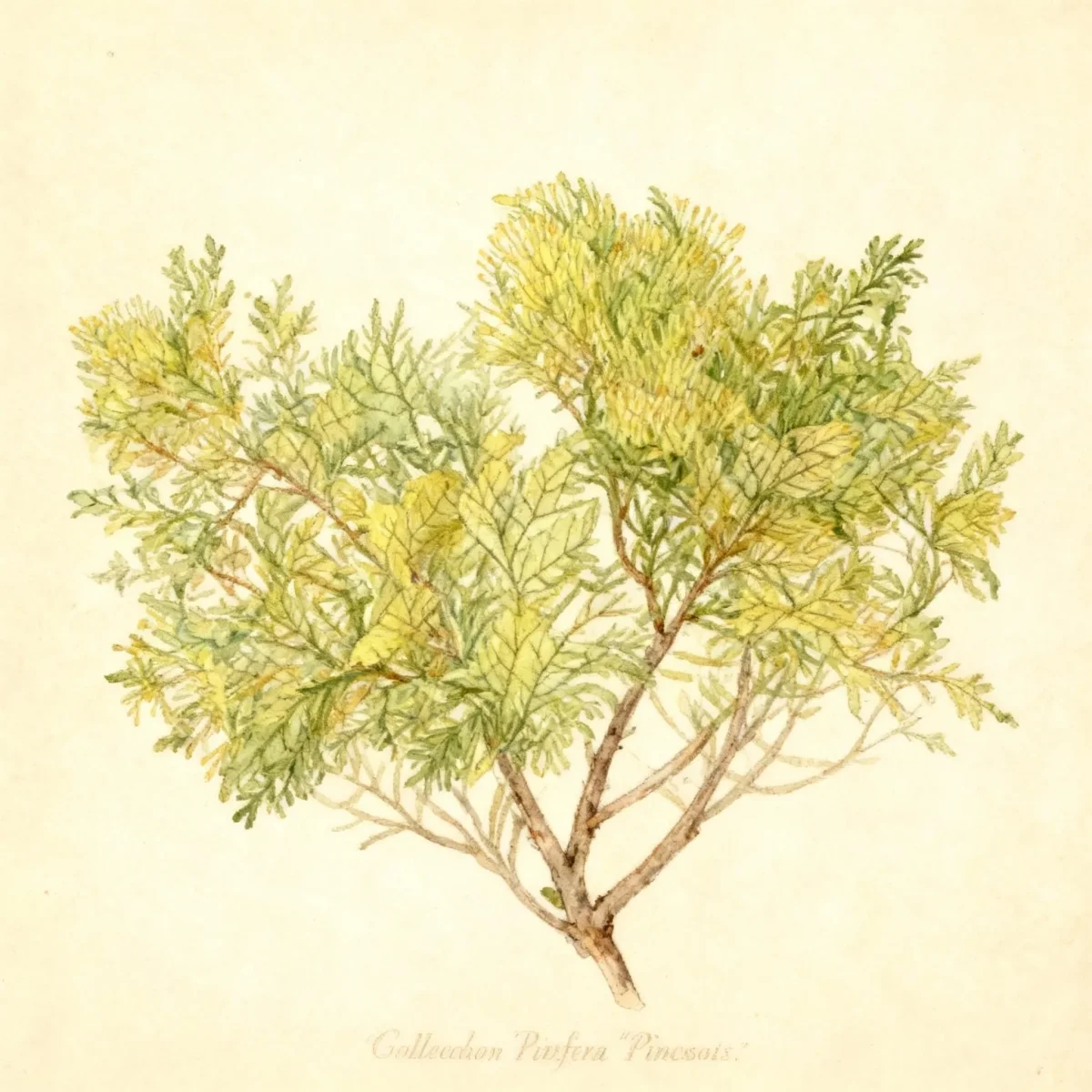
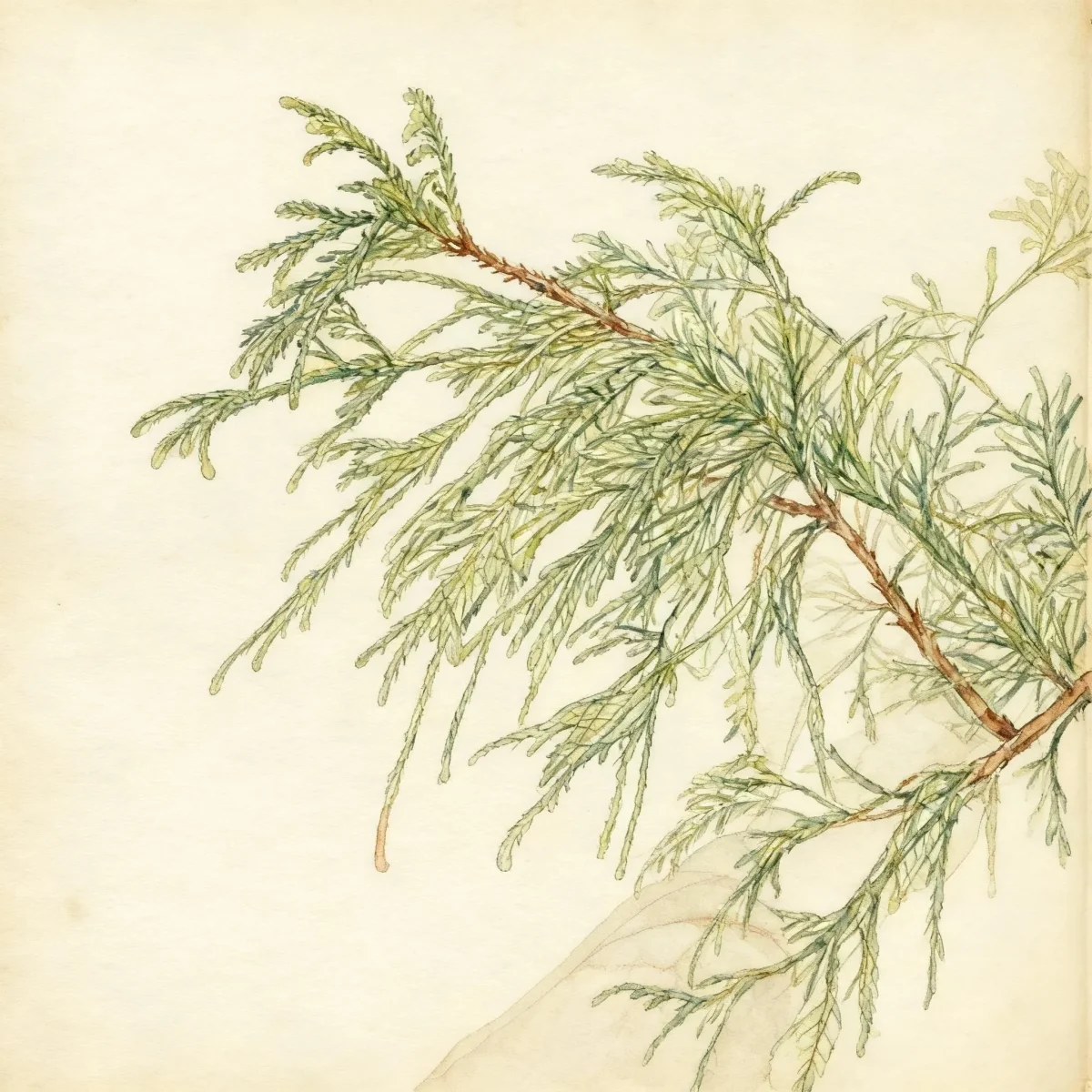
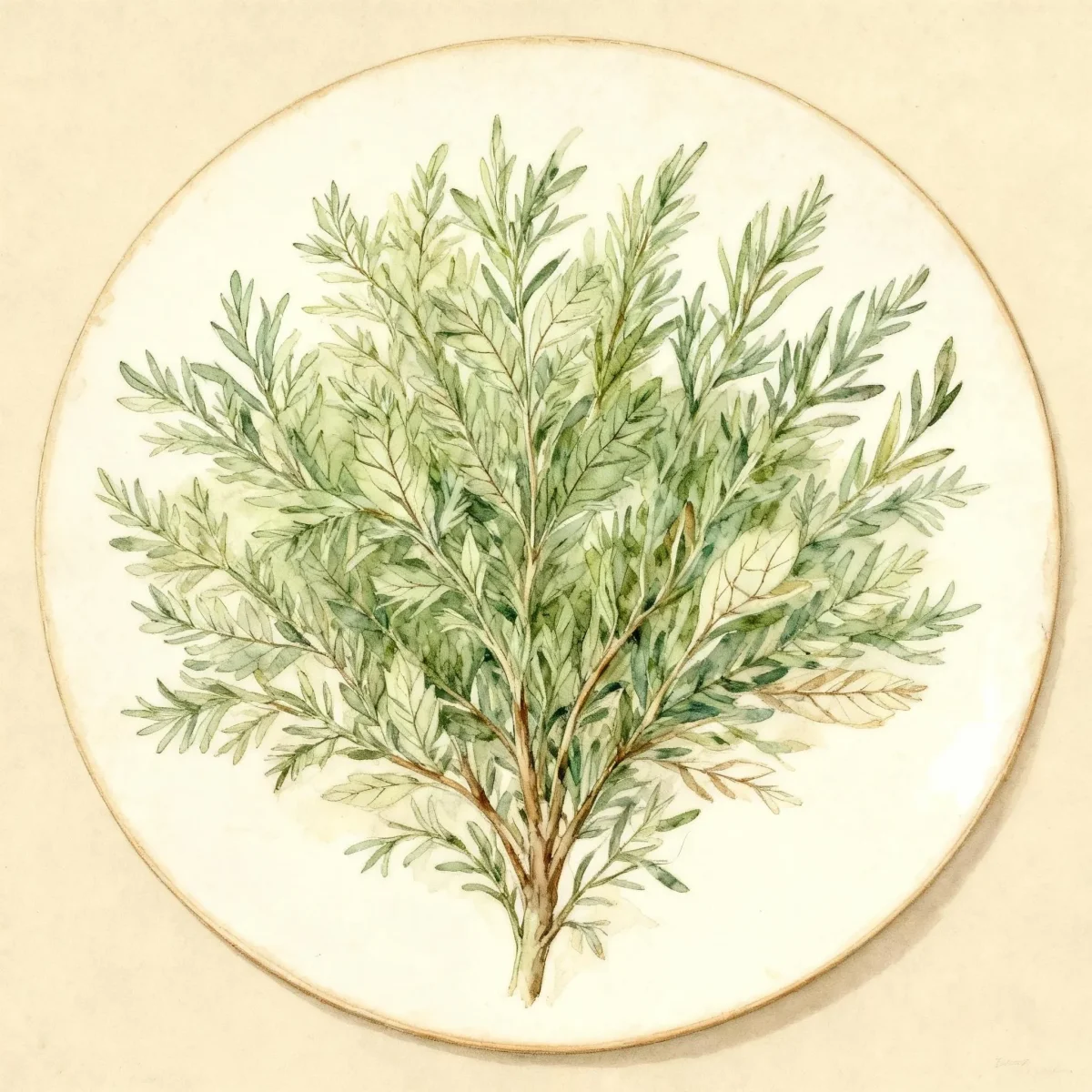
Japanese falsecypress (Chamaecyparis pisifera 'Kost Yellow')
Chamaecyparis pisifera 'Kost Yellow' is a slow-growing, golden conifer. This Japanese falsecypress thrives in zones 4-8.
Scroll down to discover growing tips, care requirements, companion plants, and more
Complete Plant Information
Overview
Chamaecyparis pisifera ‘Kost Yellow’ offers a fantastic splash of bright, year-round color, making it a standout choice for discerning gardeners. This cultivar belongs to the Japanese falsecypress group, renowned for its fine texture and diverse forms. Its compact, upright mounded habit ensures it provides structure without overwhelming smaller garden spaces.
As a slow-growing evergreen shrub, this variety reliably retains its stringy, threadlike golden yellow foliage throughout the seasons, serving as a consistent focal point. Gardeners appreciate the low maintenance requirements of the Japanese falsecypress, which establish easily when provided appropriate drainage and consistent moisture. This specific variety brings a desirable warm hue to evergreen foundations and borders.
The ornamental value of Chamaecyparis pisifera ‘Kost Yellow’ lies entirely in its foliage texture and color contrast against surrounding greens or darker hardscaping. It is an excellent option for gardeners seeking low-effort structure combined with vibrant color accents in the landscape design.
Fast Facts
- Plant Family: Cupressaceae
- Plant Type: Needled evergreen
- Hardiness Zones: USDA Zones 4-8
- Size at Maturity:
- Height: 4-5 ft
- Spread: 4-5 ft
- Bloom Time: Non-flowering
- Bloom Description: Non-flowering
- Sun Exposure: Full sun to part shade
- Water Needs: Medium
- Maintenance Level: Low
How to Grow
The key to cultivating vibrant color in Chamaecyparis pisifera ‘Kost Yellow’ is site selection regarding solar exposure. While Japanese falsecypress can tolerate part shade, the best golden foliage color usually appears when planted in full sun. Ensure you plant this conifer in average, medium moisture, well-drained soils, remembering that it prefers consistently moist but never soggy conditions.
Planting should ideally occur during cooler periods, such as spring or fall, to reduce transplant shock. Proper spacing is important even for this relatively dwarf form; allow 4 to 5 feet radially for its mature size. Avoid placing Chamaecyparis pisifera ‘Kost Yellow’ in areas prone to poor drainage or standing water, as this increases the risk of root rot.
Ongoing care is minimal. Watering should be medium—keep the soil consistently moist, especially during the first few growing seasons as the root system establishes. Pruning is rarely needed for this cultivar due to its natural mounded habit, though light shaping can be performed in early spring if necessary. Always shelter plants from extremely strong or drying winds if possible.
Landscape Uses
Chamaecyparis pisifera ‘Kost Yellow’ excels as a structural accent due to its distinct golden coloration. For smaller gardens or foundation plantings, this dwarf cultivar fits perfectly, providing year-round interest near entryways or against darker contrasting shrubs. Species and larger growing cultivars are often used for screens, but the five-foot stature of ‘Kost Yellow’ makes it highly adaptable.
Consider grouping this Japanese falsecypress with deep green or dark purple foliage plants to maximize the visual impact of its yellow needles. It works beautifully in rock gardens where its low-growing, mounded form contrasts well with stone textures. It is also an outstanding choice for brightening up a woodland edge that still receives adequate sunlight exposure.
This conifer acts as a reliable yellow accent throughout the landscape, providing necessary contrast to cooler blues or deep greens found in hostas, boxwood, or darker junipers. Its fine, threadlike texture complements coarser-leaved companions effectively in foundation plantings or specimen placement.
Standout Features
Noteworthy Characteristics
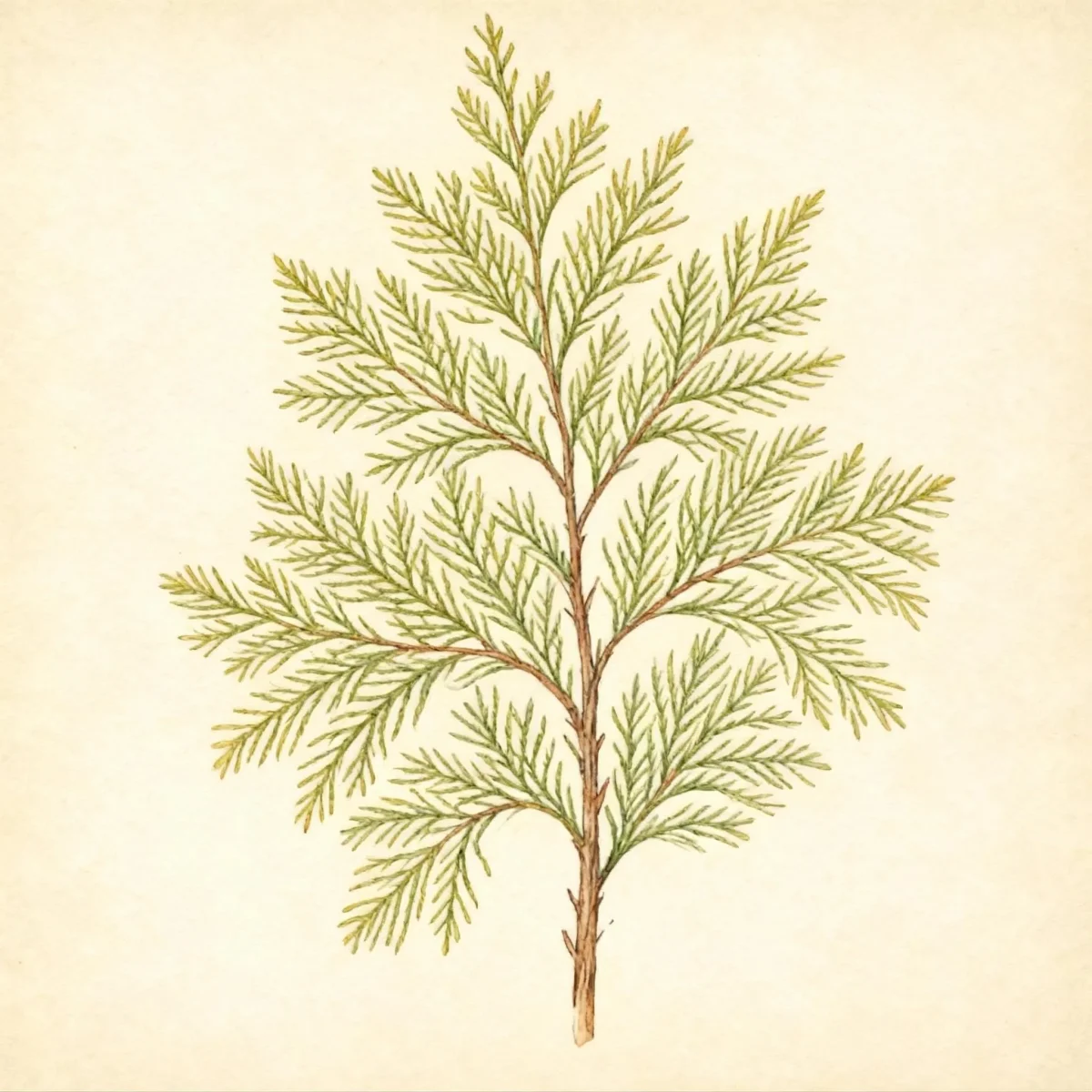
Chamaecyparis pisifera, commonly known as Sawara cypress, is distinguished by its fine-textured foliage; however, the ‘Kost Yellow’ cultivar specifically features stringy, threadlike golden yellow foliage creating a brilliant year-round display. Although wild species can eventually reach towering heights, this specific selection is an upright mounded, slow-growing, evergreen shrub that typically matures to about 5 feet tall and wide, making it perfectly scaled for residential settings. The reddish-brown bark peels in attractive strips, adding minor winter interest when the foliage is less dominant.
Tolerances
No specific tolerances were listed in the provided data.
Potential Problems
The good news is that the Japanese falsecypress generally presents no serious insect or disease problems under ideal conditions. However, gardeners should be aware of some potential susceptibility. Specifically, watch for issues related to Juniper blight, which can affect cypress species, and root rot, which is almost always associated with poor soil drainage.
Foliage feeders are less common but occasionally targeted pests such as bagworms can appear. Regular monitoring, especially during the active growing season, allows for early intervention. Maintaining proper cultural practices—specifically ensuring medium moisture and excellent drainage—is the best defense against most common health issues impacting Chamaecyparis pisifera ‘Kost Yellow’.
Frequently Asked Questions
What hardiness zones is Japanese falsecypress suitable for?
Chamaecyparis pisifera ‘Kost Yellow’ is adaptable to gardeners in USDA Zones 4 through 8. Always ensure your location falls within this range for optimal success.
How large does Chamaecyparis pisifera ‘Kost Yellow’ grow?
This slow-growing evergreen shrub typically matures to a height between 4 and 5 feet, with a similar spread, maintaining an upright mounded shape.
What sun exposure does Chamaecyparis pisifera ‘Kost Yellow’ need?
The best golden foliage color is achieved when this plant receives full sun, though it can tolerate part shade. Be cautious not to place it in deep shade, as color intensity will fade.
When does Japanese falsecypress bloom?
Chamaecyparis pisifera ‘Kost Yellow’ is a non-flowering needled evergreen, meaning it does not produce noticeable or showy blooms.
Conclusion
The Chamaecyparis pisifera ‘Kost Yellow’ is an invaluable asset for adding consistent color and fine, golden texture to the home landscape with minimal fuss. Its compact size and low maintenance profile make this Japanese falsecypress an easy win for foundation plantings or bright accent spots. Before finally placing your plant, confirm your chosen spot offers full sun and consistently well-drained soil to ensure maximizing that beautiful yellow hue.
Companion Planting
Selecting companions that share the need for medium moisture and well-drained soil will ensure a harmonious planting scheme around your Chamaecyparis pisifera ‘Kost Yellow’. Pair it with deep green or blue conifers for striking color contrast; consider dwarf varieties of Blue Spruce or Japanese Holly for varied forms. Groundcovers that tolerate dappled sunlight, such as creeping thyme or low-growing sedums (if drainage is excellent), can soften the edges around this upright shrub.
For herbaceous companions, plants that offer seasonal interest but do not compete aggressively for root space are ideal. Consider low-mounding heucheras with dark purple or bronze foliage near the dripline to enhance the yellow of the Japanese falsecypress. Avoid aggressive spreaders or plants requiring heavy, consistently wet soils, as these cultural conditions clash with the drainage requirements of this cypress.
Design Ideas
The compact nature of Chamaecyparis pisifera ‘Kost Yellow’ lends itself perfectly to contemporary and formal garden designs where structure is paramount. Use several specimens lined up along a walkway to create a repeating, bright boundary marker, providing more texture than a standard boxwood hedge. It functions excellently as the “thriller” element in large container arrangements on patios, contrasting well with trailing plants.
In Asian-inspired landscapes, the fine, threadlike needles mimic traditional moss elements but offer permanent structure. Integrate it using simple gravel mulch beds or near a Japanese maple, allowing the maple’s seasonal color shifts to play against the permanent gold of the cypress. Its eventual 4x4 or 5x5 footprint fits well into mixed evergreen borders needing a consistent mid-height accent that doesn’t shade out smaller perennials.