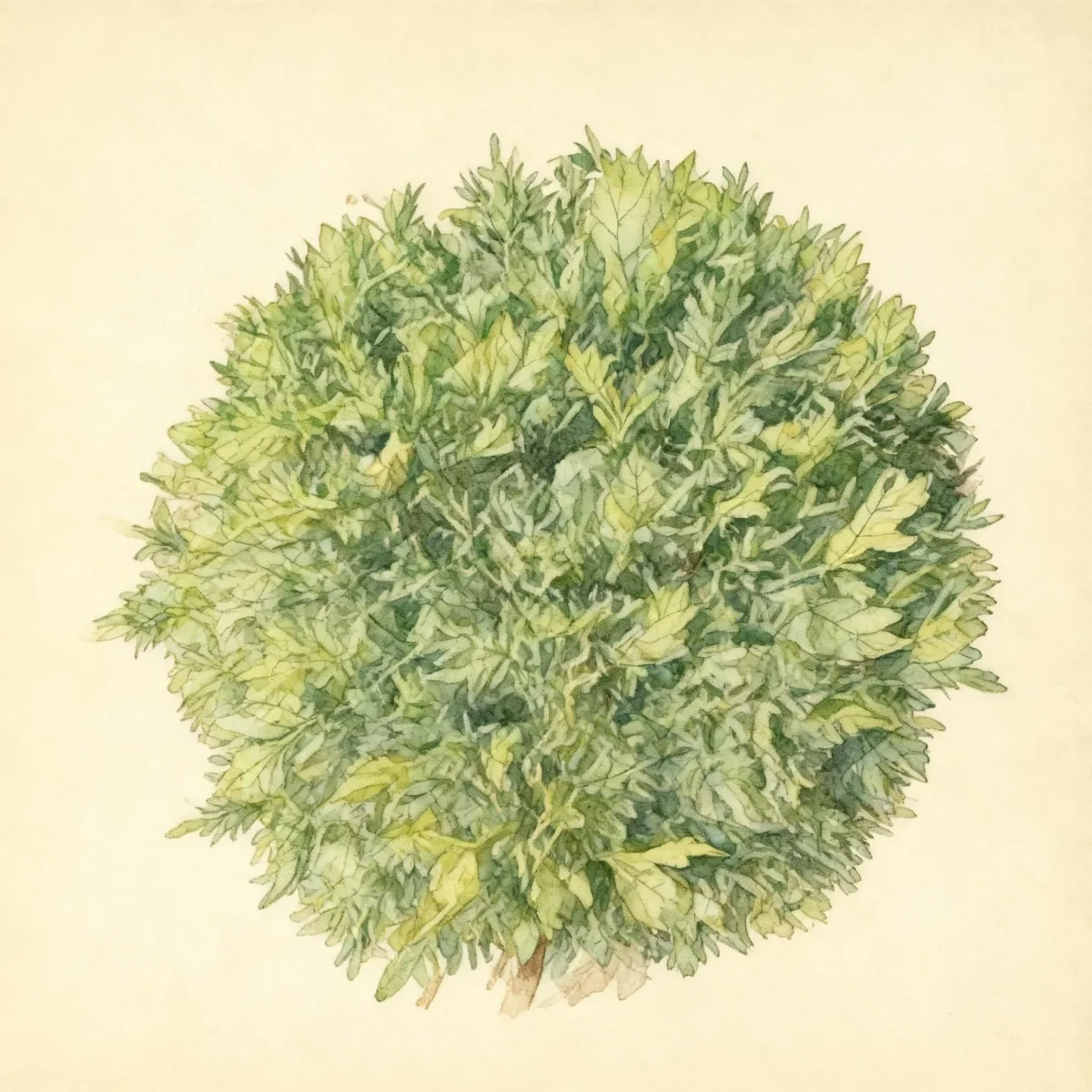
Chinese juniper (Juniperus chinensis 'Variegated Kaizuka')
The striking Juniperus chinensis 'Variegated Kaizuka' offers year-round appeal with creamy white splashes on bright green Chinese juniper foliage. Low maintenance and highly tolerant, this evergreen provides excellent accent structure.
Scroll down to discover growing tips, care requirements, companion plants, and more
Complete Plant Information
Overview
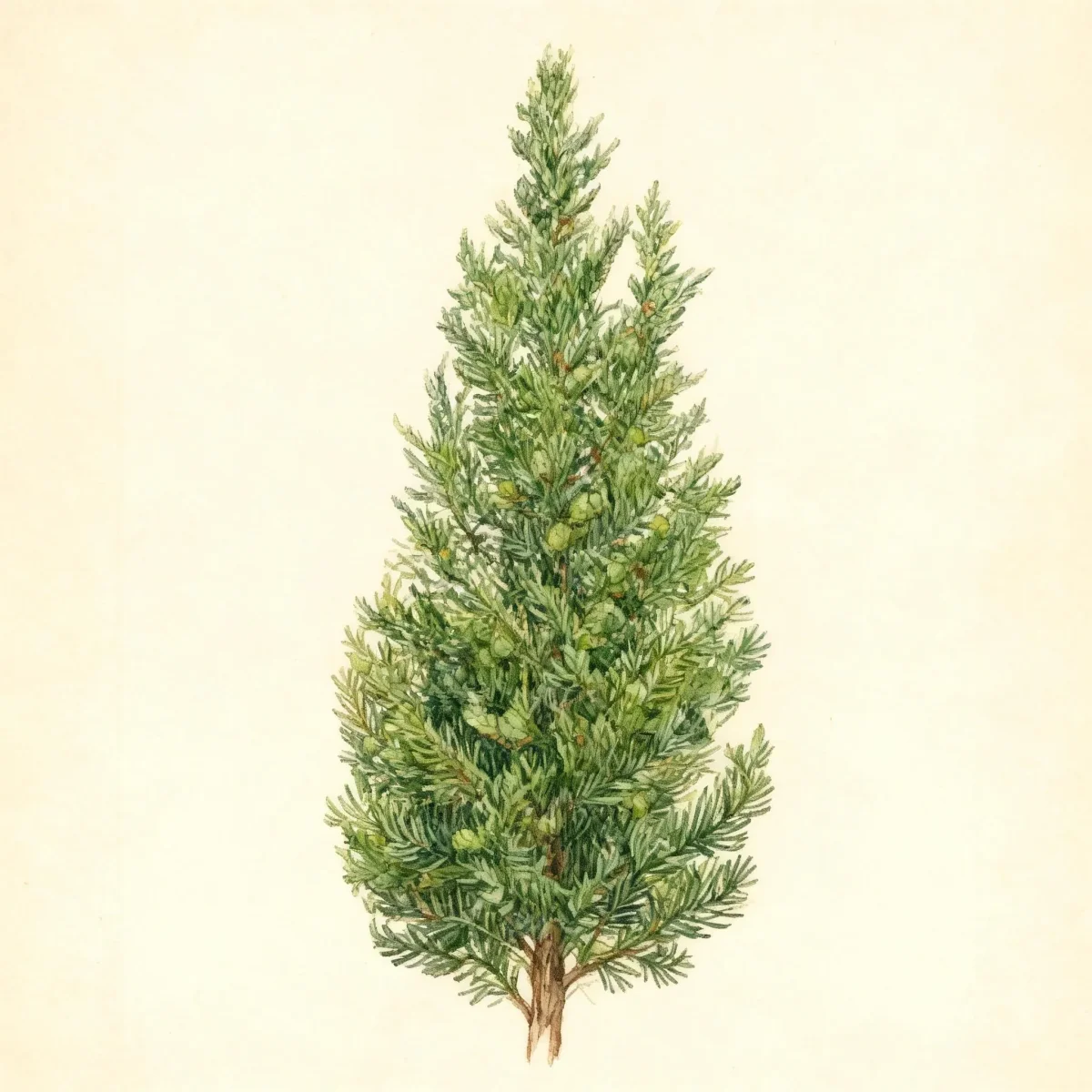
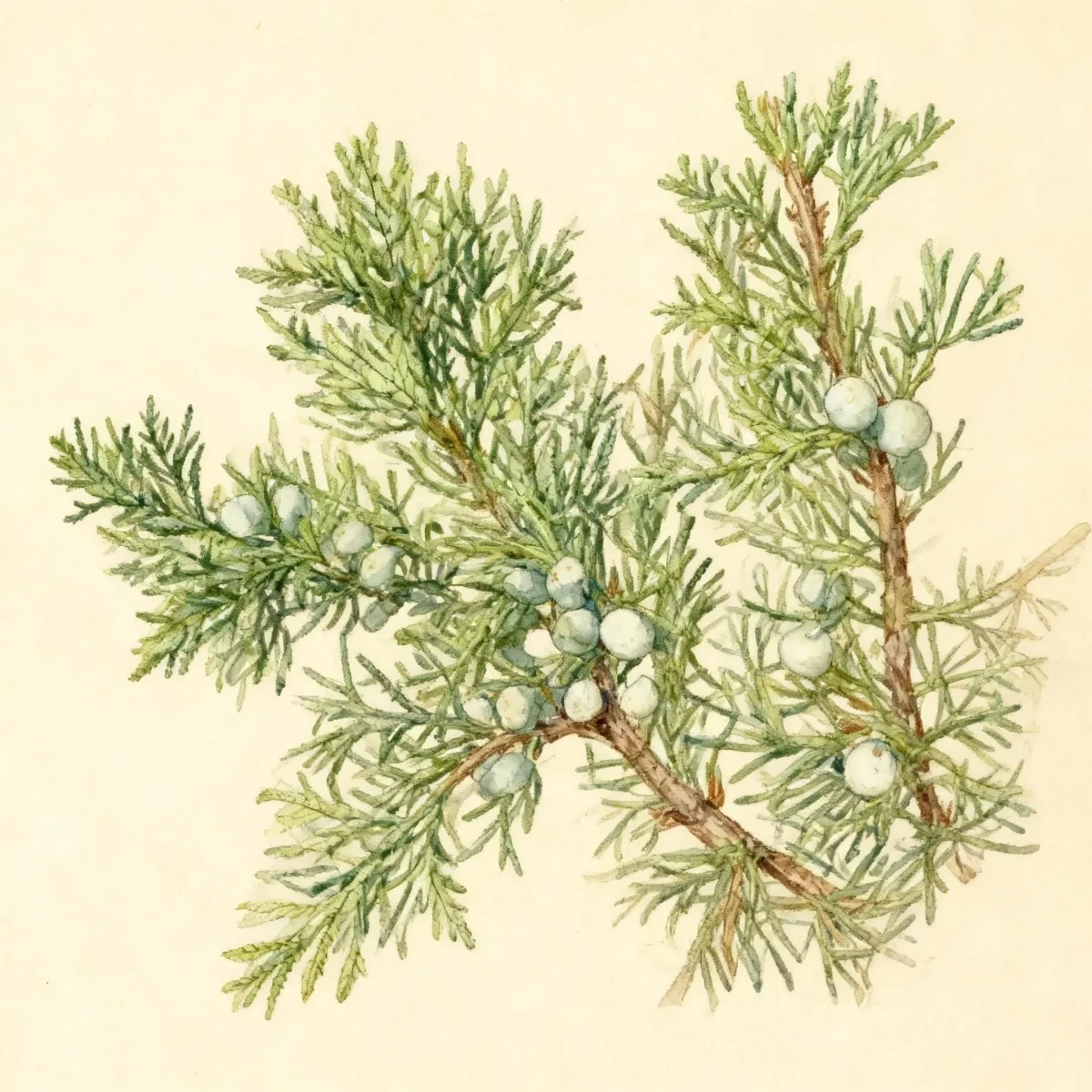
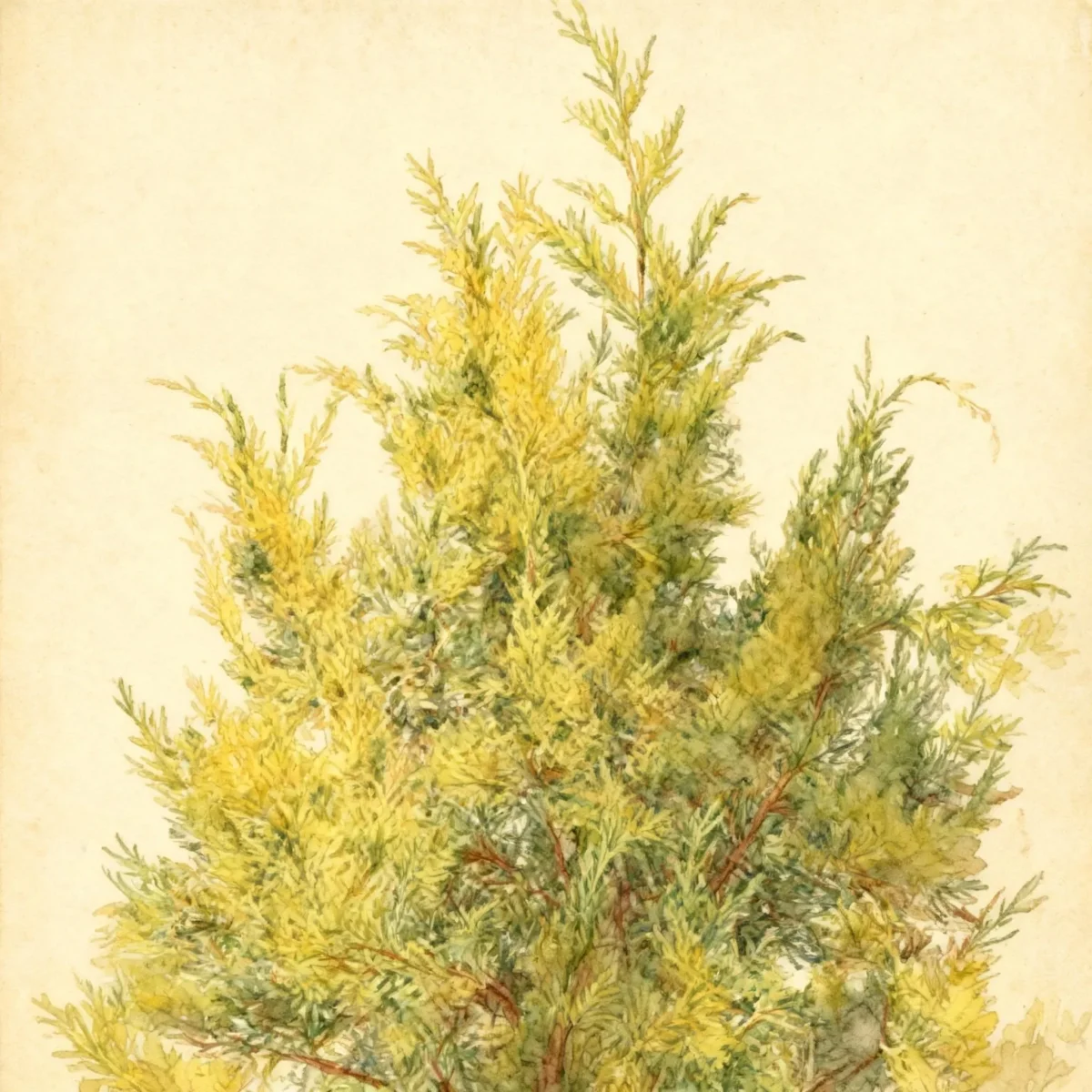
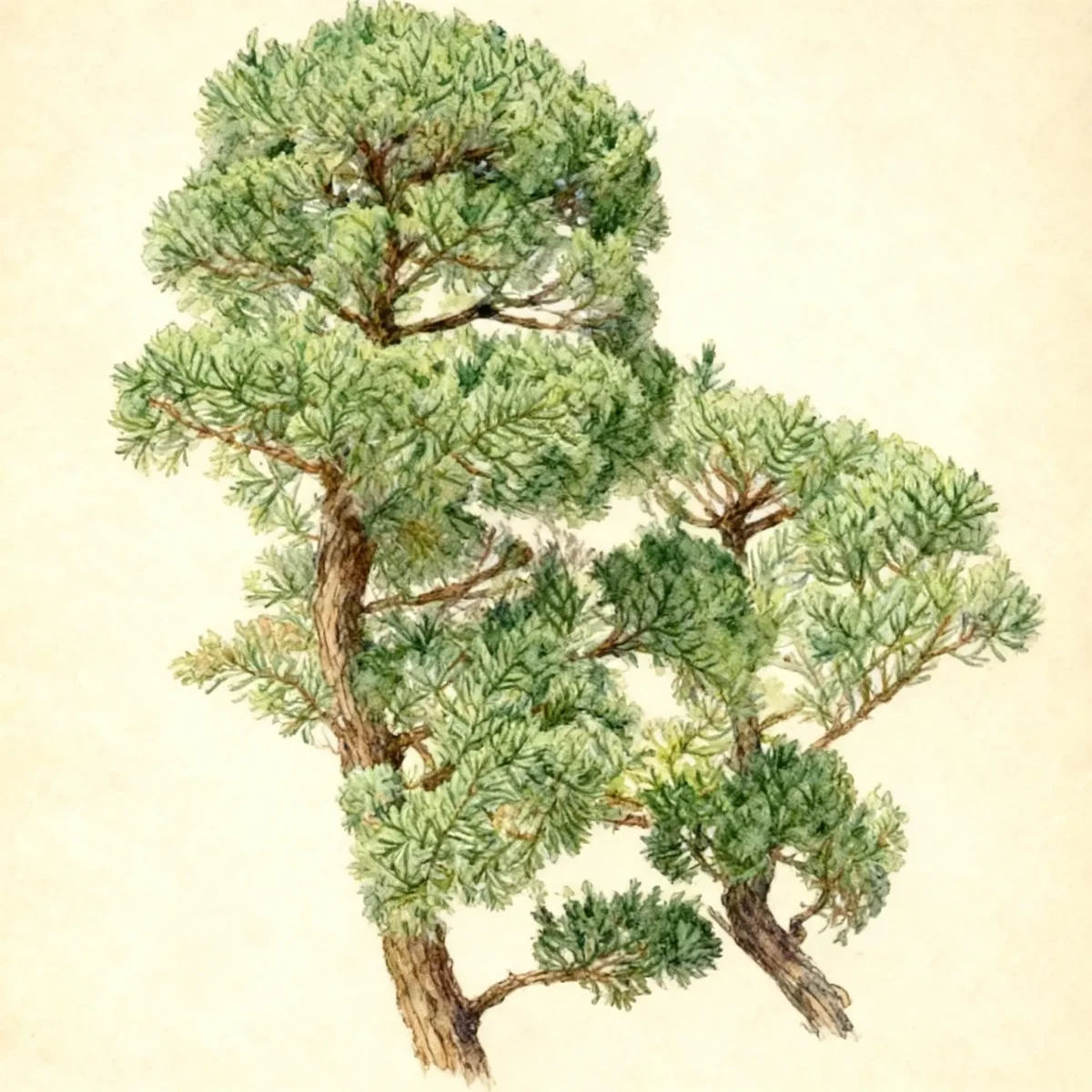
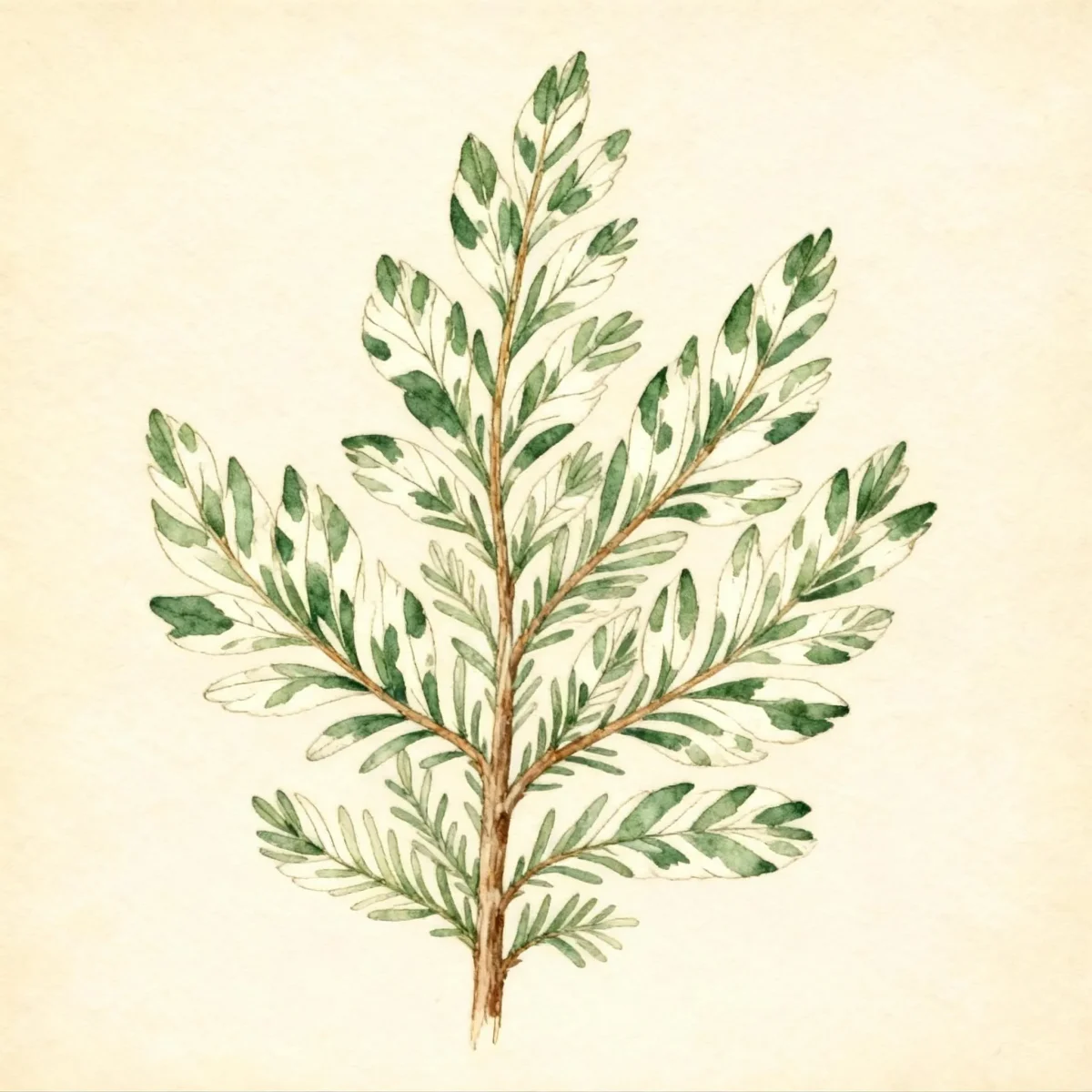
The Juniperus chinensis ‘Variegated Kaizuka’, commonly known as the variegated Chinese juniper, is a highly sought-after ornamental conifer admired for its unique, irregular upright habit and brilliant foliage contrast. This cultivar of Chinese juniper features rich, scale-like green needles dramatically splashed with creamy white variegation along its slightly twisted shoots, offering visual interest throughout all four seasons. As a relatively low-maintenance, needled evergreen, it matures into a sculptural small tree or large shrub, making it an invaluable specimen plant in established landscapes.
This particular variety handles a wide spectrum of environmental challenges, thriving in full sun and demonstrating remarkable tolerance to poor soils and urban pollutants once established. Gardeners value Juniperus chinensis ‘Variegated Kaizuka’ for its ability to serve as a bright accent point against darker evergreens or structures, breaking up monotonous green plantings. Its adaptability in hardiness zones 4 through 9 ensures its widespread utility across diverse climates.
Fast Facts
- Plant Family: Cupressaceae
- Plant Type: Needled evergreen
- Hardiness Zones: USDA Zones 4-9
- Size at Maturity:
- Height: 15-25 ft
- Spread: 10-15 ft
- Bloom Time: Non-flowering
- Bloom Description: Non-flowering
- Sun Exposure: Full sun
- Water Needs: Medium
- Maintenance Level: Low
How to Grow
Plant this Chinese juniper during fall or early spring when conditions are mild, ensuring it receives full sun exposure daily for the best color development and densest growth habit. While Juniperus chinensis ‘Variegated Kaizuka’ adapts to average, well-drained soils, it strongly rejects consistently wet or poorly drained conditions where root rot is a significant risk. If your native soil is heavy clay, amend the planting area substantially to improve drainage.
Establishment requires medium watering; after the first year, this plant shows good drought tolerance, especially important during hot summers. Fertilization is rarely necessary for established specimens; excessive feeding can sometimes reduce variegation intensity. Pruning should be minimal, as the appeal lies in its natural, somewhat irregular shape. If shaping is required, prune lightly in late winter or early spring before new growth surges.
A special advantage of this cultivar is its exceptional tolerance. The ‘Kaizuka Variegata’ variety reportedly possesses good salt tolerance, making it suitable for coastal plantings or areas near salted sidewalks. Furthermore, it is highly tolerant of many common city air pollutants, proving its toughness in urban settings.
Landscape Uses
The dynamic appearance of Juniperus chinensis ‘Variegated Kaizuka’ makes it perfectly suited for planting as a specimen, drawing the eye with its striking foliage pattern. Due to its size potential (up to 25 feet tall), it serves excellently as a vertical accent near home foundations or structured walls, where reflected light enhances the creamy white variegation. It can also be employed effectively in groups to create an informal, highly textured privacy screen or windbreak.
For dynamic design, consider pairing the variegated Chinese juniper with deep green or blue-needled conifers that allow its lighter tones to pop visually. Because it responds well to sculptural pruning, this plant can be carefully trained into unique topiaries, adding a formal, artistic element to contemporary or traditional gardens. Its year-round color ensures structure remains in the landscape even during winter months.
Standout Features
Fruit Qualities
- Showy
Noteworthy Characteristics
Juniperus chinensis, commonly called Chinese juniper, is a dioecious evergreen conifer native across East Asia, often found in nature as large conical trees or shorter, spreading shrubs. The distinguishing feature of the ‘Kaizuka Variegata’ selection is its irregular upright form accentuated by rich, scale-like, bright green foliage heavily splashed with creamy white upon upright, slightly twisted shoots. This cultivar brings year-round visual appeal, growing to heights between 15 to 25 feet, and was introduced to American horticulture around 1938.
Tolerances
- Deer
- Drought
- Erosion
- Dry Soil
- Shallow-Rocky Soil
- Air Pollution
Potential Problems
Junipers, including the Chinese juniper, are susceptible to several fungal diseases, most notably tip and needle blights, which cause browning and dieback starting at the tips. Additionally, watch out for cedar-apple rust, which requires an alternate host plant nearby to complete its life cycle, so strategic placement is essential. Root rot is a major concern if drainage is inadequate, emphasized by the plant’s intolerance for wet feet.
Pest management usually involves monitoring for scale insects, aphids, bagworms, and webworms, particularly on stressed plants. Proper cultural care—especially ensuring full sun and excellent soil drainage—is the best preventative measure against most environmental and pest issues affecting Juniperus chinensis ‘Variegated Kaizuka’.
Frequently Asked Questions
What hardiness zones is Juniperus chinensis ‘Variegated Kaizuka’ suitable for?
This Chinese juniper variety is hardy in USDA Zones 4 through 9, offering wide adaptability across many temperate regions.
How large does Chinese juniper grow?
In optimal conditions, Juniperus chinensis ‘Variegated Kaizuka’ typically reaches heights between 15 to 25 feet, with a spread of 10 to 15 feet.
What sun exposure does Juniperus chinensis ‘Variegated Kaizuka’ need?
This conifer requires full sun exposure to maintain its best color and dense form.
When does Juniperus chinensis ‘Variegated Kaizuka’ bloom?
This plant is non-flowering; it is a conifer valued for its evergreen structure and foliage rather than blossoms.
Conclusion
The variegated Chinese juniper offers gardeners a tough, visually stunning centerpiece or accent plant perfect for adding year-round texture and light contrast to the landscape. Its proven low-maintenance needs and significant tolerances to drought and pollution ensure Juniperus chinensis ‘Variegated Kaizuka’ remains a reliable performer. Before planting, always confirm your local USDA zone compatibility and ensure you provide the required full sun and excellent soil drainage these beautiful conifers demand.
Companion Planting
When selecting neighbors for your Juniperus chinensis ‘Variegated Kaizuka’, focus on plants that share its preference for full sun and well-drained conditions. Consider pairing it with low-growing, deep purple or blue groundcovers, such as creeping thyme or certain sedums, which will visually intensify the creamy white variegation present in the juniper’s foliage. Plants that contrast in texture, such as broadleaf evergreens like boxwood when kept manicured, also create attractive layered borders against the needle-like texture of the Chinese juniper.
Seasonal Care Calendar
Early spring is the ideal time for a light cleanup routine; remove any dead foliage that may have accumulated over winter and check the bark near the base for signs of canker starting, especially after a harsh winter. During the active growing season (late spring through summer), focus primarily on monitoring water needs, ensuring the medium soil moisture is reached without becoming soggy, especially for young plantings. Late fall preparation is minimal due to the plant’s cold hardiness; avoid heavy pruning late in the season, as this encourages tender new growth susceptible to winter burn or frost damage.