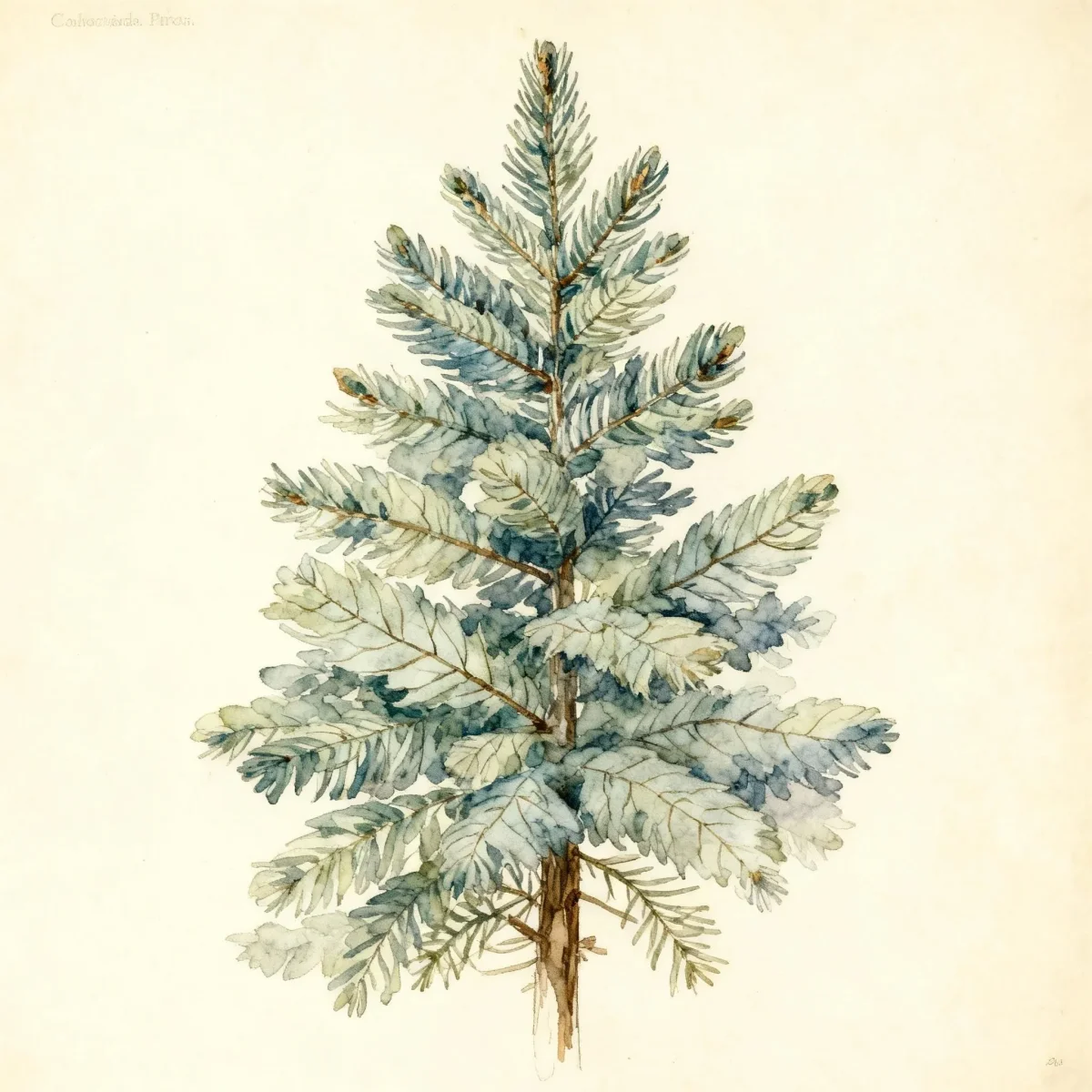
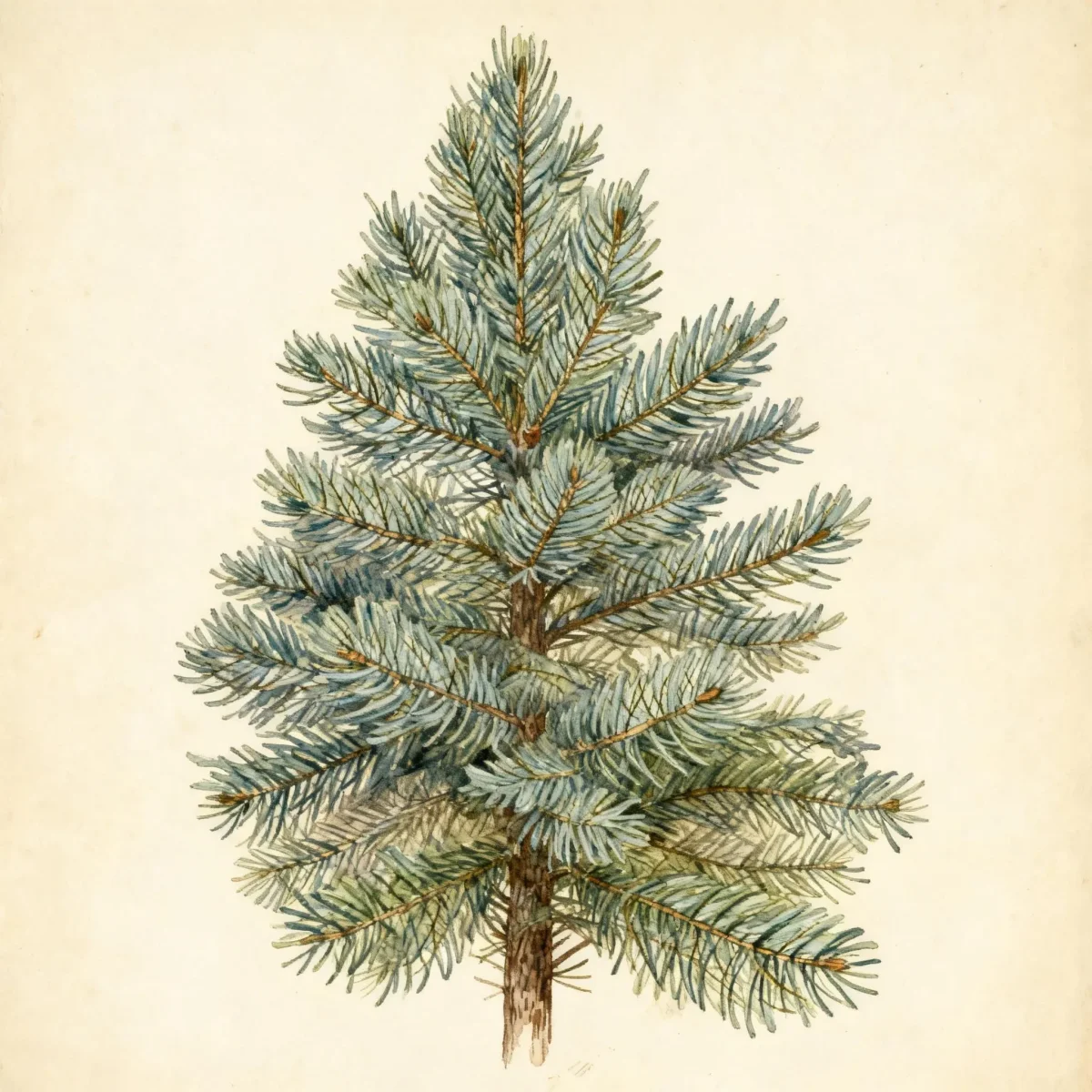
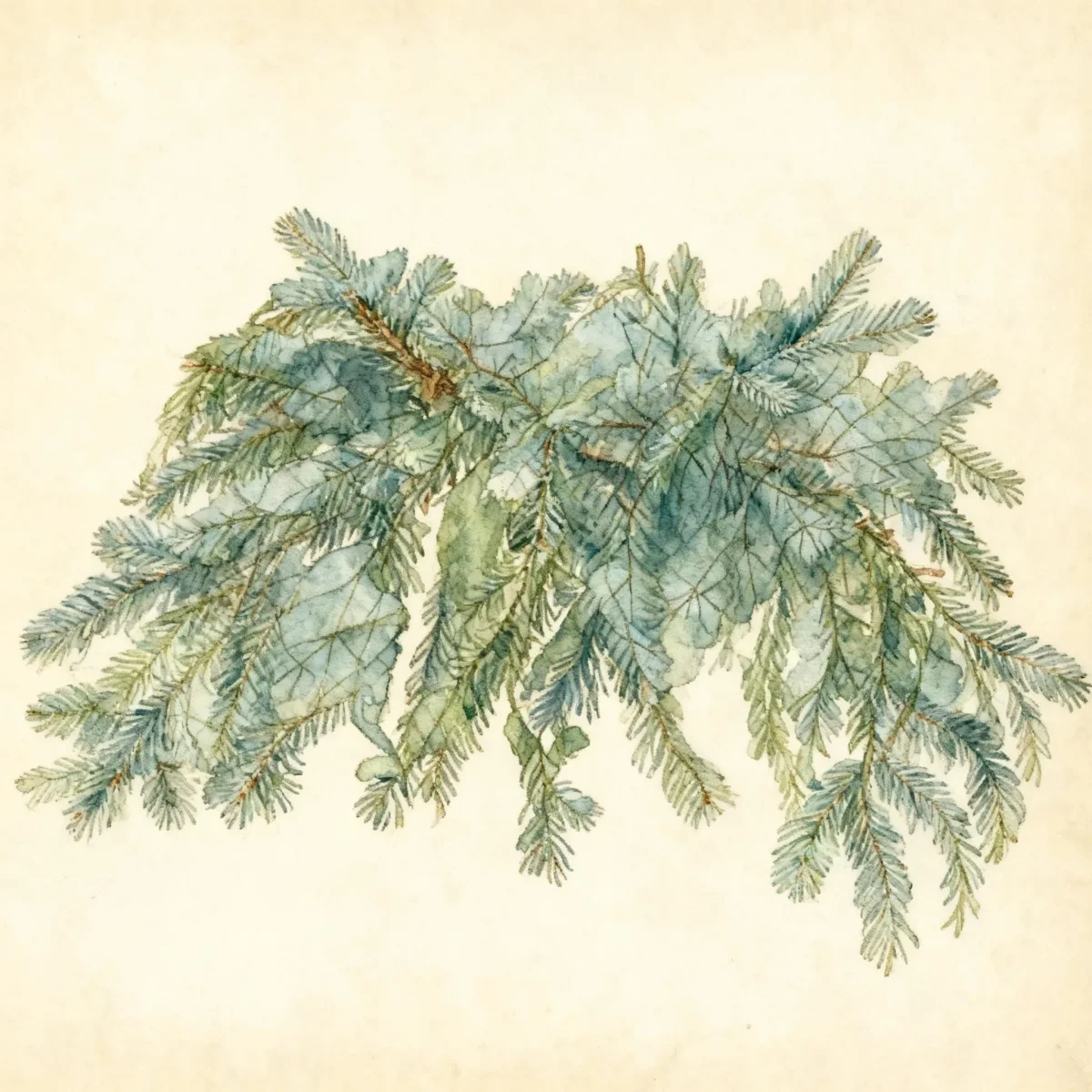
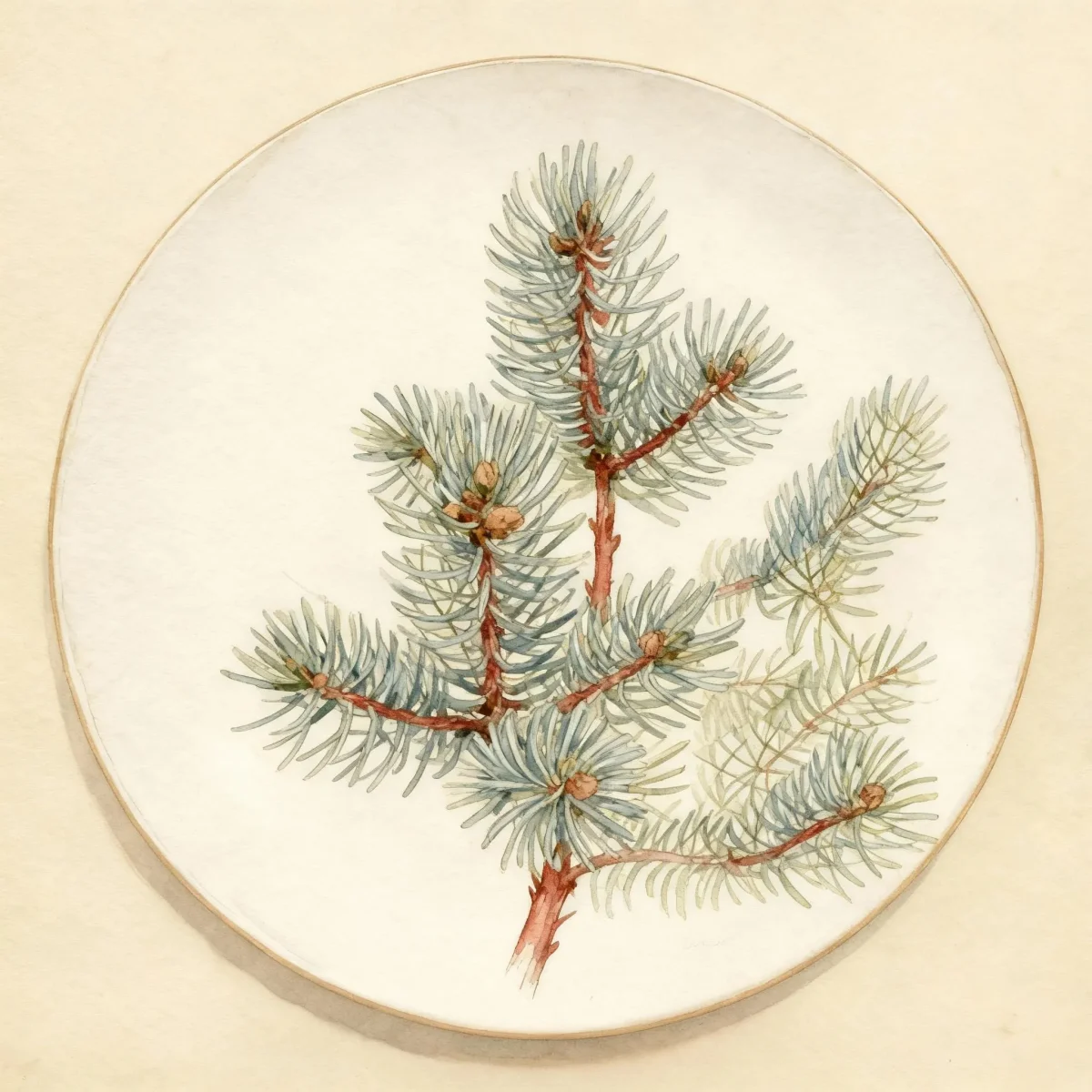
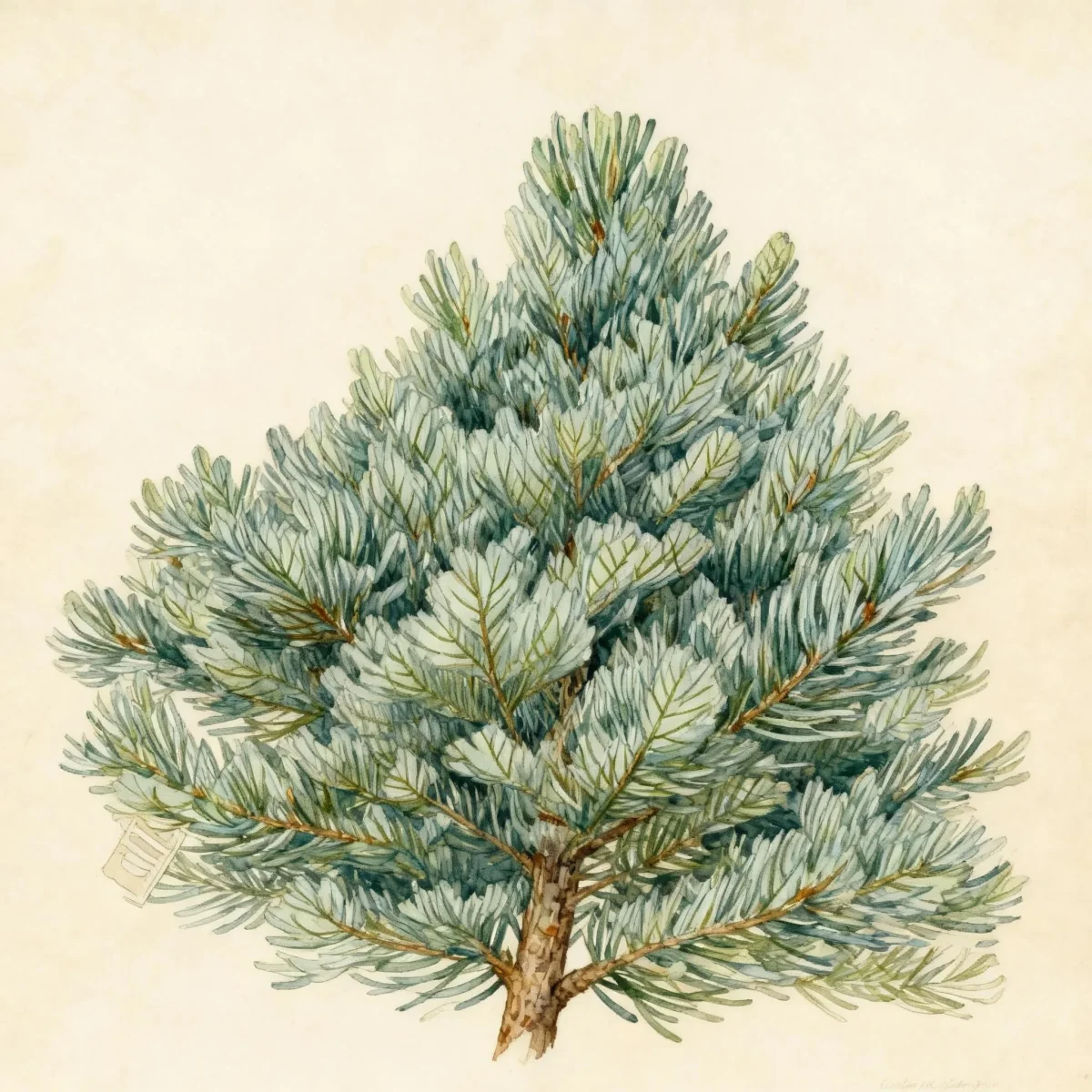
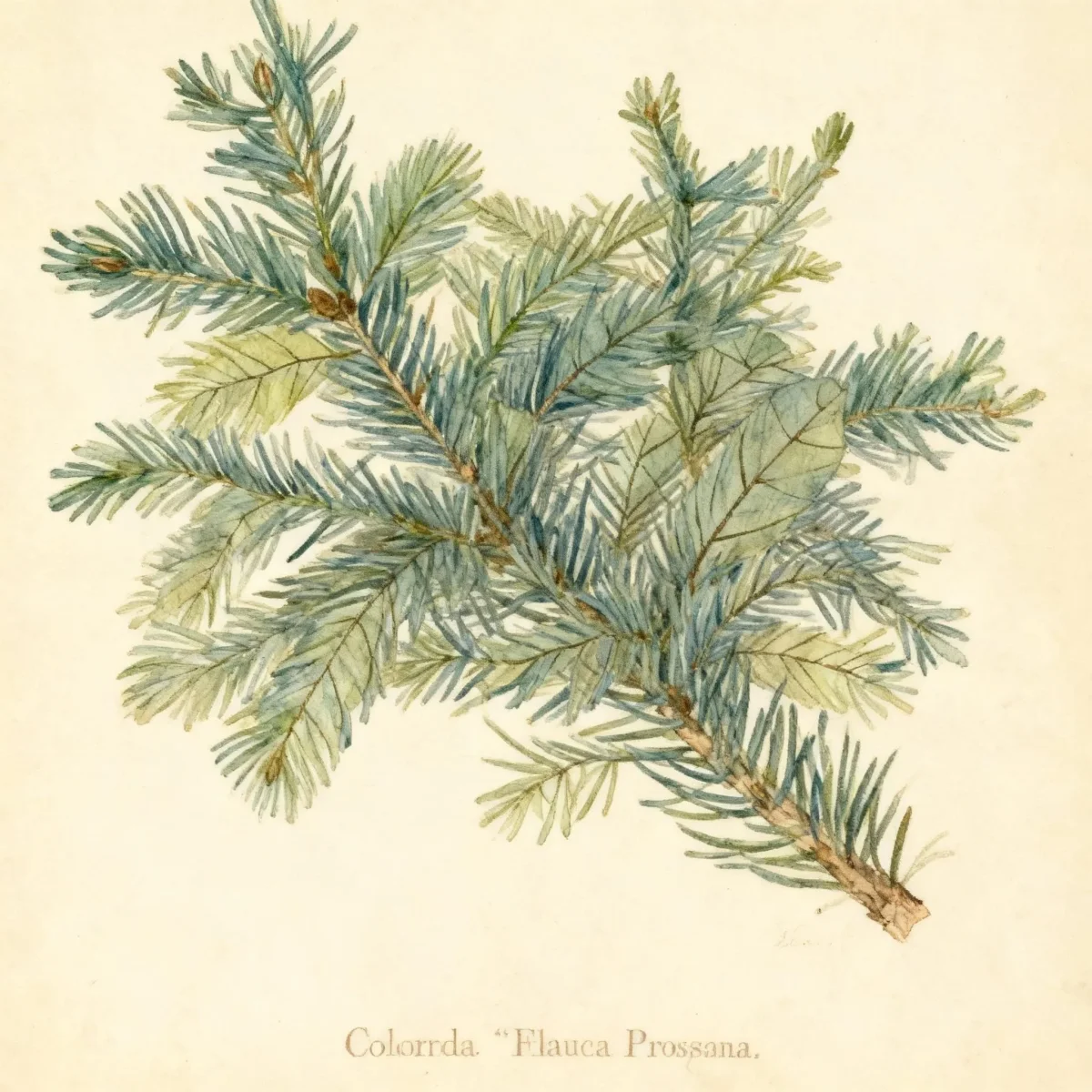
Colorado spruce (Picea pungens 'Colonial Gold')
Picea pungens 'Colonial Gold' is a dwarf Colorado spruce cultivar offering unique gray-green needles with a distinct yellow cast, perfect for small gardens.
Scroll down to discover growing tips, care requirements, companion plants, and more
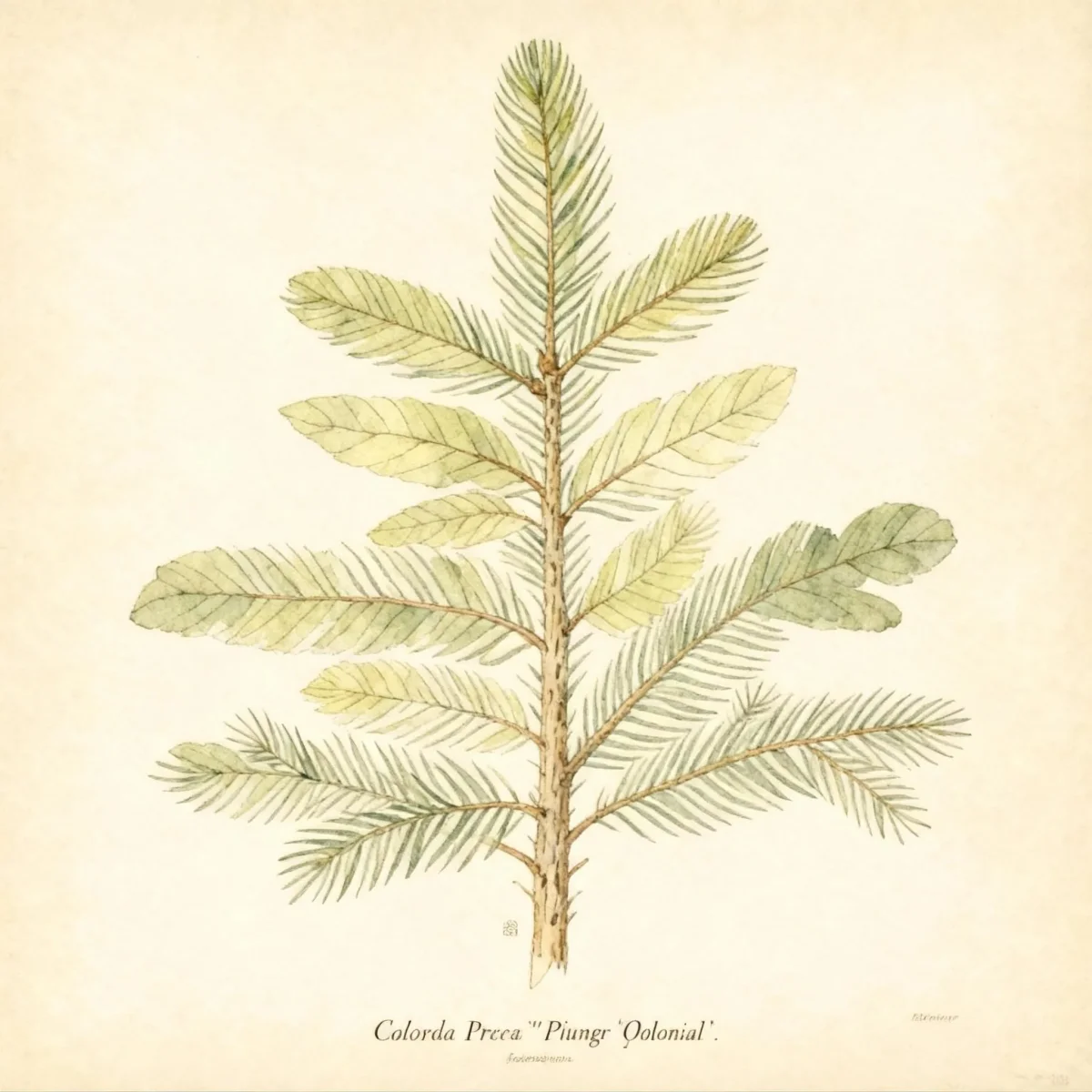
Complete Plant Information
Overview
Picea pungens ‘Colonial Gold’, a prized cultivar of the Colorado spruce, offers gardeners a manageable size combined with striking, year-round color interest. This dwarf evergreen features needles that emerge gray-green but display a pronounced yellow cast, especially evident on the new growth, setting it apart from standard blue spruce varieties. Its dense, pyramidal structure makes it an excellent architectural element in contemporary or traditional landscapes where space is limited.
As a slow-growing conifer, the Picea pungens ‘Colonial Gold’ provides consistent vertical accent without the overwhelming size often associated with the species form of Colorado spruce. It thrives best in environments mirroring its native Rocky Mountain habitat, meaning plenty of sun and consistently moist, well-drained ground are key to success. Gardeners choose this variety for its low maintenance needs combined with its high visual impact throughout all four seasons.
Cultivating a beautiful specimen of Picea pungens ‘Colonial Gold’ requires matching its specific cultural preferences for adequate moisture and avoiding excessive summer heat common in humid regions. When sited correctly, this cultivar remains a stunning, low-fuss evergreen accent that showcases beautiful texture and golden hues against darker green plantings, enhancing any residential or commercial planting scheme.
Fast Facts
- Plant Family: Pinaceae
- Plant Type: Needled evergreen
- Hardiness Zones: USDA Zones 3-7
- Size at Maturity:
- Height: 4-15 ft
- Spread: 3-10 ft
- Bloom Time: Non-flowering
- Bloom Description: Non-flowering
- Sun Exposure: Full sun
- Water Needs: Medium
- Maintenance Level: Low
How to Grow
Planting your Picea pungens ‘Colonial Gold’ is best performed in the spring or fall, allowing the root system time to establish before facing temperature extremes. Locate it in an area receiving full sun to best develop its characteristic yellow needle cast, though it can tolerate very light afternoon shade, particularly in hot summer locations. It performs best in average, acidic soils that are kept consistently moist and offer excellent drainage; soggy roots are detrimental to this spruce.
Watering is critical, especially during the first few years after planting. While established Colorado spruce develops some drought tolerance, ensure the soil never dries out completely, particularly in summer. Rich, moist soils are preferred over lean, dry conditions. Fertilization is generally unnecessary if the soil is adequate, but avoid heavy nitrogen applications as they can encourage weak, rapid growth susceptible to pests and disease.
Maintenance for this cultivar is generally low once established, justifying its appeal to busy gardeners. Pruning is rarely required for structure due to its natural neat, pyramidal habit. Focus efforts on monitoring for pests, especially during dry spells, and ensure the surrounding area doesn’t trap excessive heat, as this conifer generally struggles in hot, humid summer climates.
Landscape Uses
The dwarf nature of Picea pungens ‘Colonial Gold’ makes it an exceptional choice for areas where the full-sized Colorado spruce would dominate. It serves perfectly as a specimen or landscape accent, providing a sharp burst of color in a mixed border or foundation planting. Small gardens particularly benefit from its manageable vertical presence without sacrificing year-round structure.
Use this evergreen conifer with yellow-tinted foliage to create contrast against dark green or purple shrubs, offering year-round visual depth. Its refined pyramidal shape also works well in formal plantings or as a year-round screen where a traditional hedge might become too large too quickly. Consider using it near pathways where its unique color can be appreciated up close.
Standout Features
Noteworthy Characteristics
Picea pungens, commonly called Colorado spruce (also blue spruce), is a medium to large, narrow, pyramidal conifer with horizontal branching to the ground. ‘Colonial Gold’ is specifically noted as a dwarf form with a central leader and pyramidal shape, growing manageable to 15’ tall by 10’ wide. The needles display a noticeable gray-green with a distinct yellow cast, which is most vibrant on the new spring growth, offering horticultural appeal distinct from greener or bluer spruces.
Tolerances
- Rabbit
- Deer
- Drought
- Air Pollution
Potential Problems
This beautiful Colorado spruce cultivar can be susceptible to several fungal issues, including needle cast, cytospora canker, and rust, particularly when air circulation is poor or humidity is high. Prevention often involves ensuring good air movement and avoiding overhead watering that keeps needles damp. Regularly inspect the tree for signs of infestation from common spruce pests. Watch closely for aphids, especially spruce gall aphids, scale insects, budworms, and bagworms. Spider mite invasions are particularly damaging and can severely weaken new growth if not managed quickly.
Frequently Asked Questions
What hardiness zones is Picea pungens ‘Colonial Gold’ suitable for?
This adaptable conifer is suited for USDA Zones 3 through 7. Always confirm local conditions align with these ranges before planting.
How large does Colorado spruce ‘Colonial Gold’ grow?
Picea pungens ‘Colonial Gold’ is a dwarf form, typically reaching a mature height of between 4 and 15 feet, with a spread between 3 and 10 feet.
What sun exposure does Picea pungens ‘Colonial Gold’ need?
This plant requires full sun exposure to maintain its best shape and achieve the brightest yellow coloration on its needles.
When does Picea pungens ‘Colonial Gold’ bloom?
As a needled evergreen, Picea pungens ‘Colonial Gold’ is non-flowering and does not produce noticeable blooms.
Conclusion
The unique golden hue and manageable size make the Picea pungens ‘Colonial Gold’ an outstanding evergreen specimen for targeted color impact in smaller landscapes. This cultivar of Colorado spruce offers low maintenance requirements provided its need for consistent moisture and full sun is met. Plan your planting for spring or fall to give your new Picea pungens ‘Colonial Gold’ the best opportunity to establish successfully in your garden.
Companion Planting
Selecting companions that share the moderate water needs and full sun requirements of the Colorado spruce is essential for creating a harmonious planting scheme. Consider pairing Picea pungens ‘Colonial Gold’ with groundcovers that enjoy well-drained, slightly acidic soil, such as creeping Phlox or low-growing Sedums, which won’t compete heavily for root space. For vertical contrast, deciduous shrubs like Japanese Maples or varieties of Hydrangea (if placed for afternoon shade protection) can accentuate the bright yellow tips of the spruce during the growing season.
When planning borders, use plants that offer deeper, cooler colors to maximize the yellow contrast of the ‘Colonial Gold’ needles. Dark green conifers like established Yews or shady, moisture-loving perennials like Hostas (situated carefully out of direct, scorching midday sun) provide excellent visual anchors that highlight the golden tones of this dwarf spruce cultivar.
Seasonal Care Calendar
Spring is the ideal time for initial planting or for applying dormant oil treatments if pests were present the previous year; monitor closely for the emergence of attractive yellow new growth. Summer care centers almost entirely on consistent, deep watering, especially during dry spells, remembering that this plant prefers cool climates and dislikes prolonged heat stress. In autumn, ensure all leaf litter is cleared away from the base of the tree to improve air circulation and reduce potential hiding spots for overwintering pests. Winter protection is generally minimal within its hardiness range, but applying an anti-desiccant spray can help protect the needles against winter burn, especially on exposed sites.