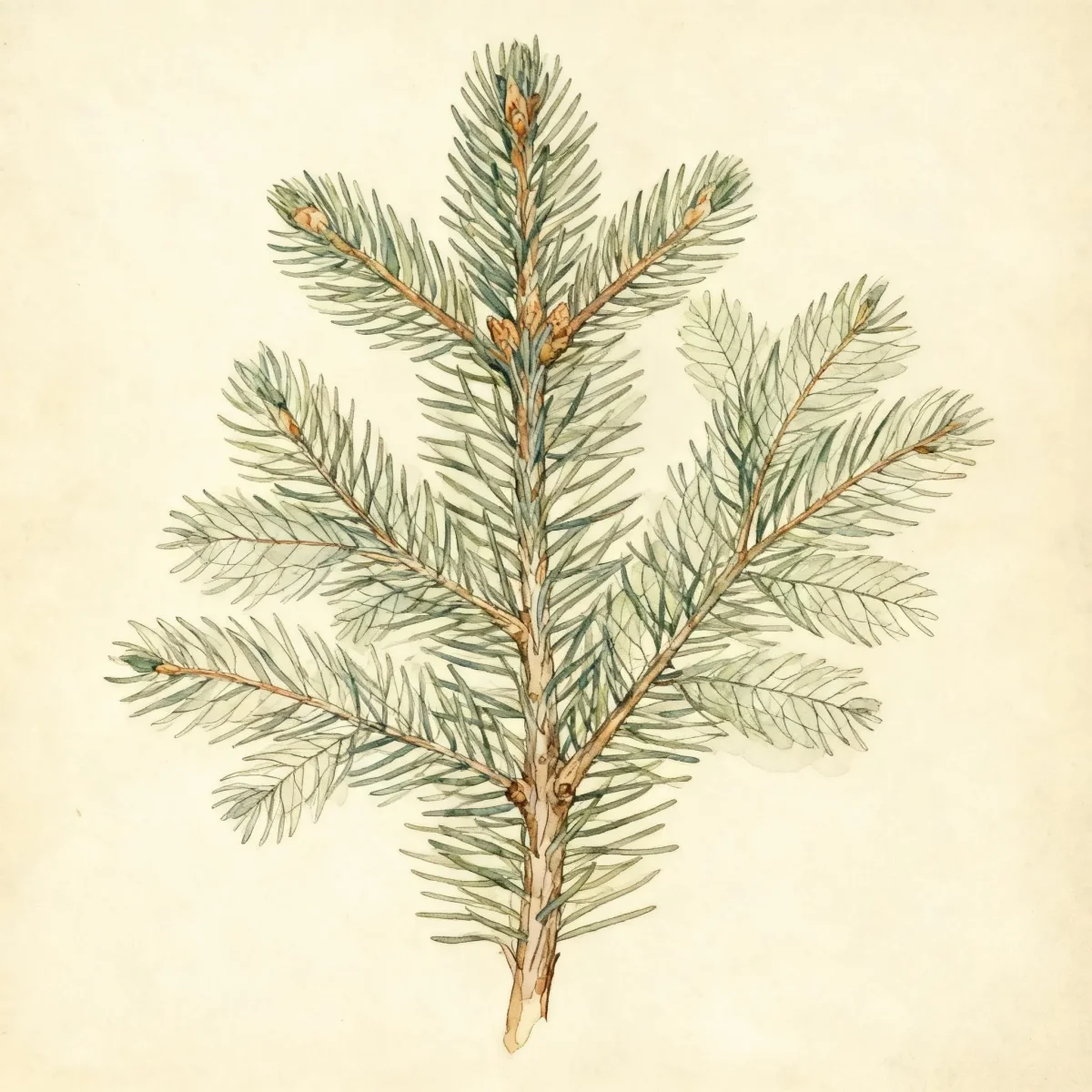
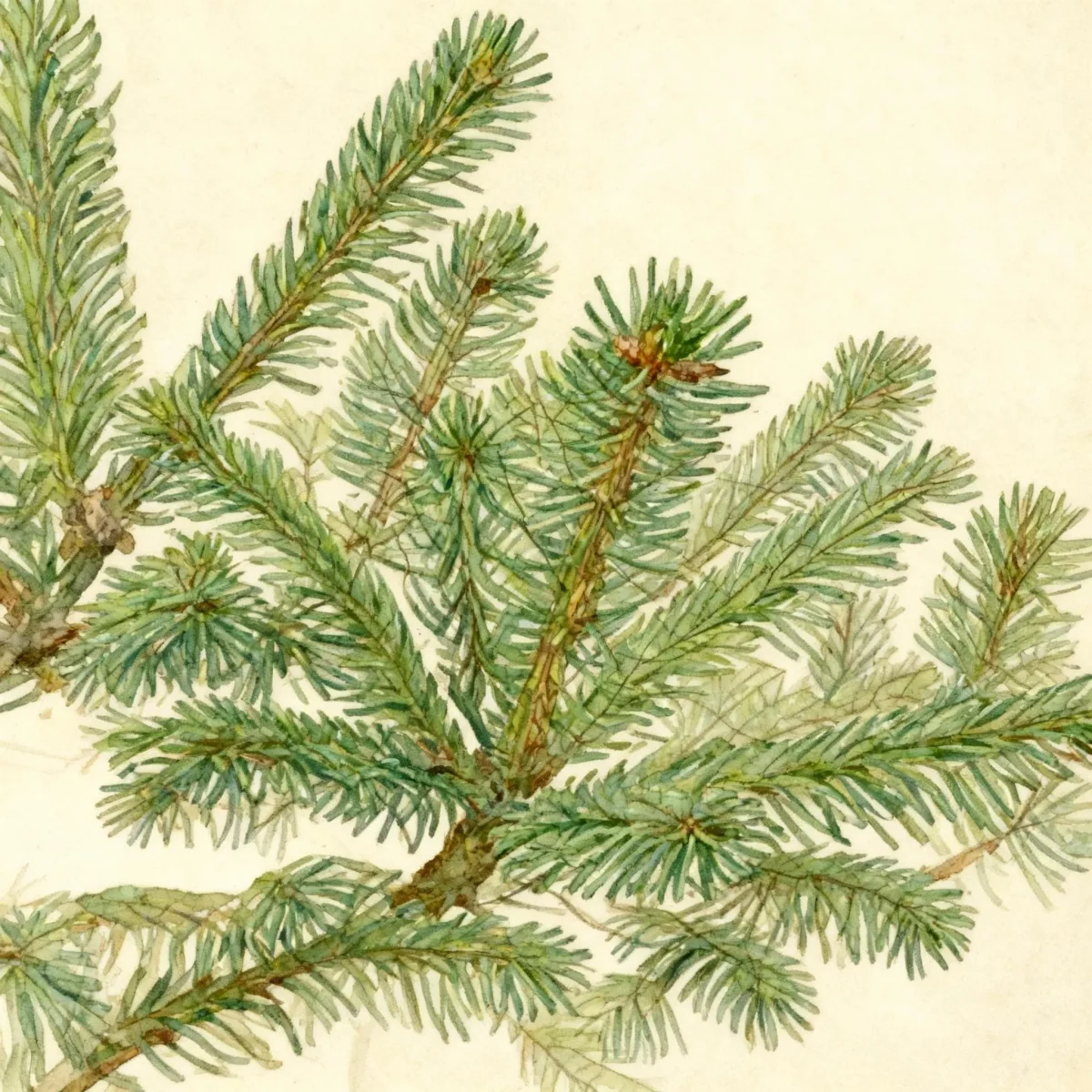
Dwarf Siberian pine (Pinus pumila 'Compacta')
Pinus pumila 'Compacta' is a low-maintenance, needled evergreen perfect for rock gardens in USDA Zones 4-7.
Scroll down to discover growing tips, care requirements, companion plants, and more
Complete Plant Information
Overview
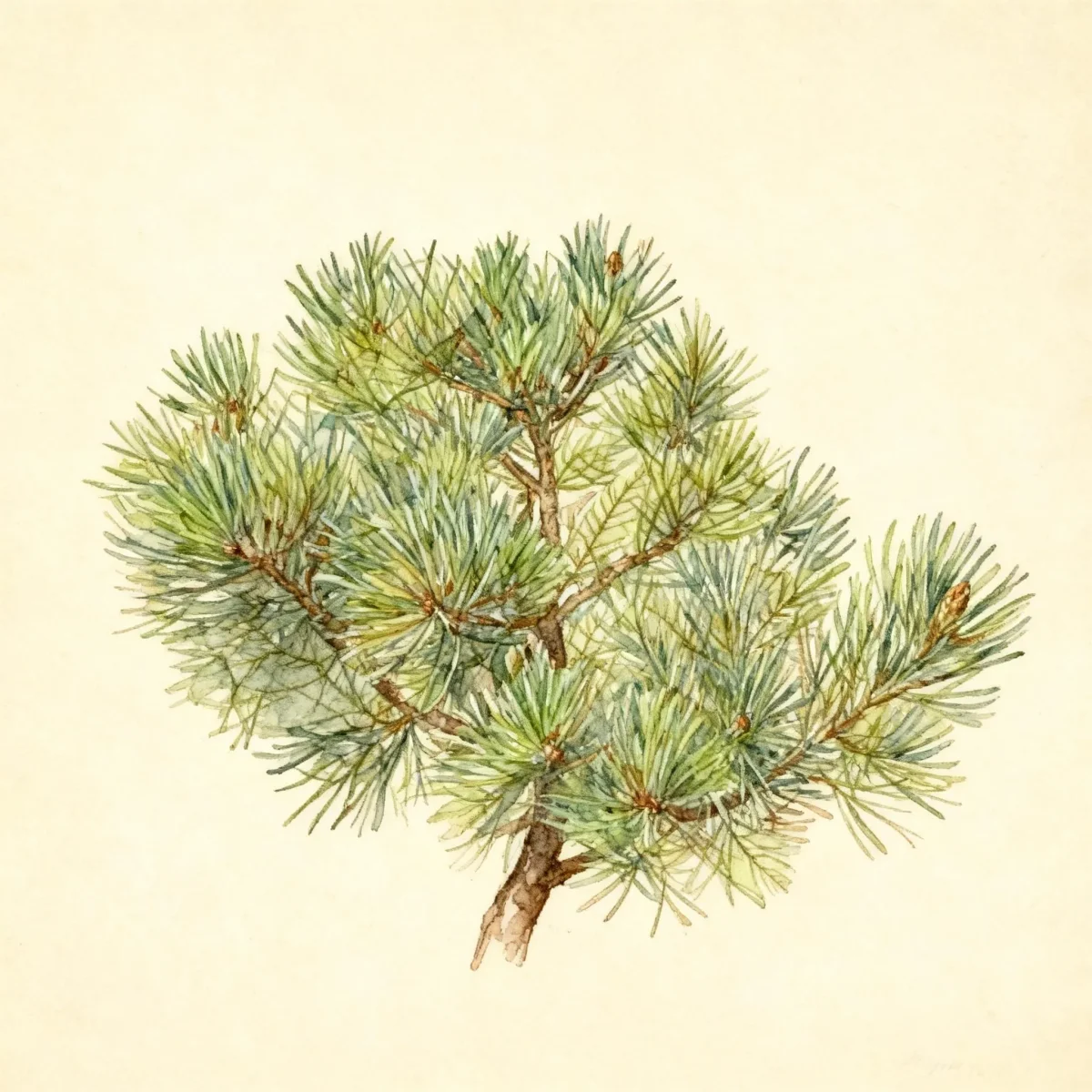
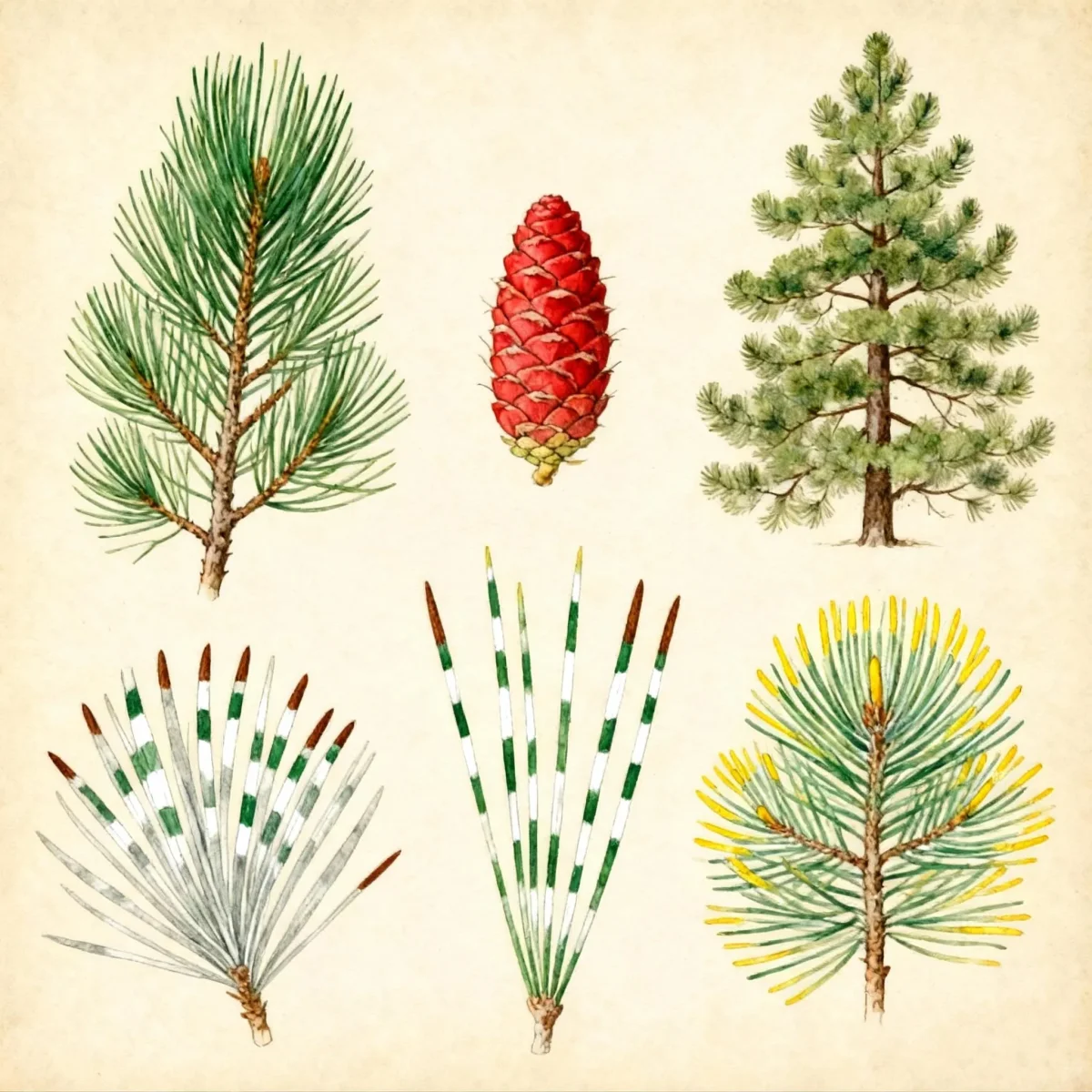
The Pinus pumila ‘Compacta’, commonly known as Dwarf Siberian pine, presents a fantastic texture and structure for year-round garden interest. This slow-growing needled evergreen offers a dense, shrubby habit, making it an excellent choice where space is limited or a refined accent is required. Its blue-green to gray-green needles are held in bundles of five, providing year-round color.
Valued for its low maintenance requirements and adaptability, the Dwarf Siberian pine thrives when provided full sun. While native to eastern Asia, this cultivar has adapted well to various conditions, though it prefers cooler summers over high heat and humidity. Gardeners appreciate the sturdy presence of Pinus pumila ‘Compacta’ as a structure plant in mixed landscapes.
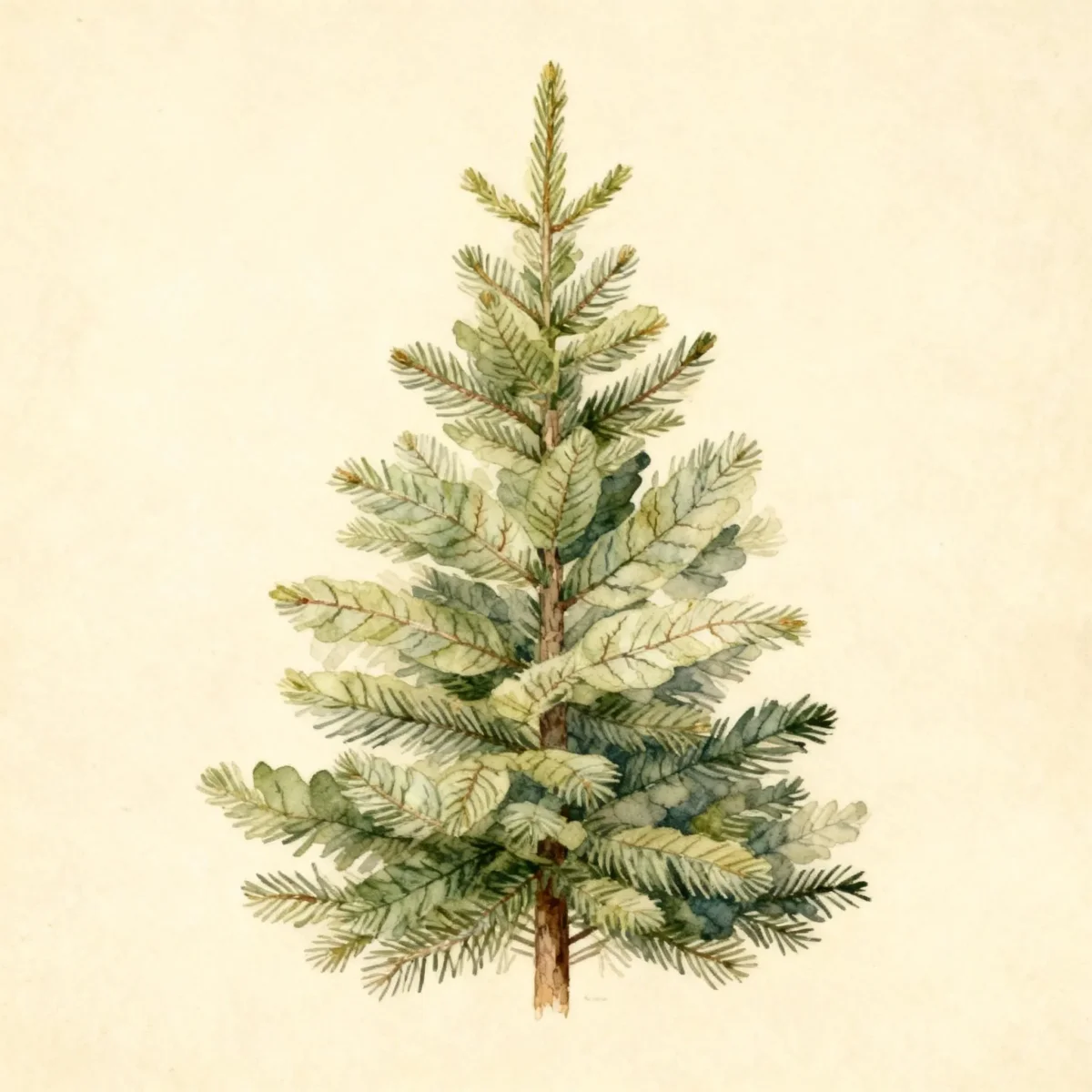
This specific selection, Pinus pumila ‘Compacta’, is recognized for its diminutive size compared to its parent species, typically maturing slowly to only 3-4 ft tall within the first decade. It brings refined texture and resilience, particularly noted by its tolerance for lower-quality soils, enhancing its appeal as a reliable evergreen foundation plant.
Fast Facts
- Plant Family: Pinaceae
- Plant Type: Needled evergreen
- Hardiness Zones: USDA Zones 4-7
- Size at Maturity:
- Height: 3-8 ft
- Spread: 3-8 ft
- Bloom Time: Non-flowering
- Bloom Description: Non-flowering
- Sun Exposure: Full sun
- Water Needs: Medium
- Maintenance Level: Low
How to Grow
Planting your Pinus pumila ‘Compacta’ is best achieved in the spring or early fall, allowing the roots to establish before extreme temperatures hit. Ensure the location receives full sun exposure for the best density and color retention. This pine thrives in moist, well-drained loams.
The Dwarf Siberian pine demonstrates remarkable soil flexibility, tolerating a wide range of conditions, including clay soils, though it absolutely requires sharp drainage. Avoid areas prone to standing water or overly saturated conditions, as root rot is a significant concern. Once established, this pine requires only medium water, usually satisfied by natural rainfall, though supplemental watering during prolonged dry spells is beneficial.
Maintenance for Pinus pumila ‘Compacta’ is thankfully low. Fertilization is rarely necessary unless growth is significantly stunted or the soil is exceptionally poor. Because it is a slow-growing form, pruning is typically minimal, focused only on removing dead or damaged wood. Be mindful that these trees generally dislike intense summer heat and humidity, so site selection in cooler microclimates is crucial for long-term success away from regions like the deep South.
Landscape Uses
The compact habit of the Dwarf Siberian pine makes it an exceptional specimen plant in smaller spaces. Its slow growth ensures it won’t quickly overpower its neighbors, making it ideal for accent planting where structure is needed year-round. It provides fantastic contrast against herbaceous perennials or deciduous shrubs that offer seasonal color.
Consider integrating Pinus pumila ‘Compacta’ into rock gardens, utilizing its texture to soften hardscape elements. It also performs admirably as a low border element along pathways or incorporated into shrub borders where a dense, mounding evergreen foundation is desired. Its natural resilience means it can serve as a sturdy component in mixed foundation plantings.
Standout Features
Noteworthy Characteristics
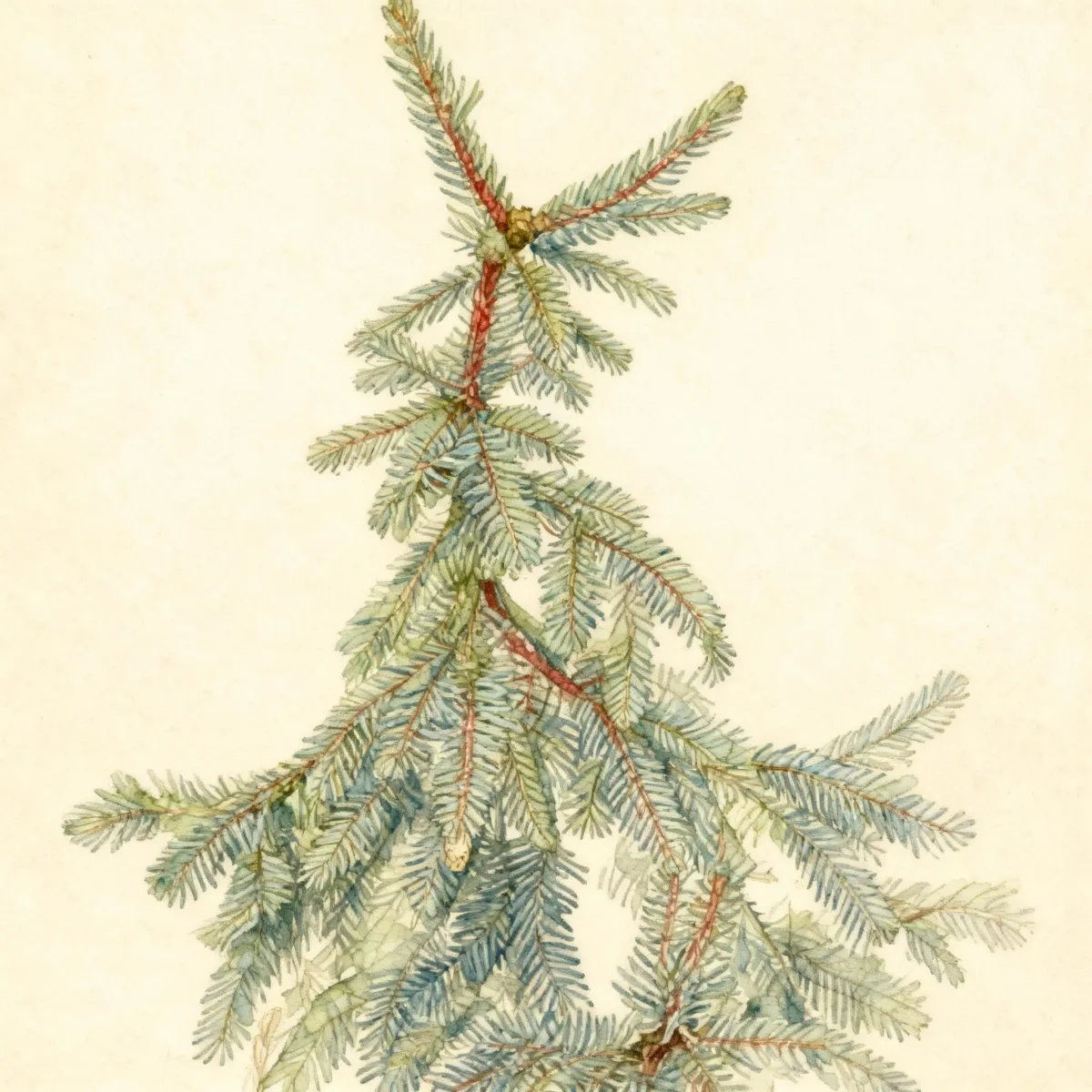
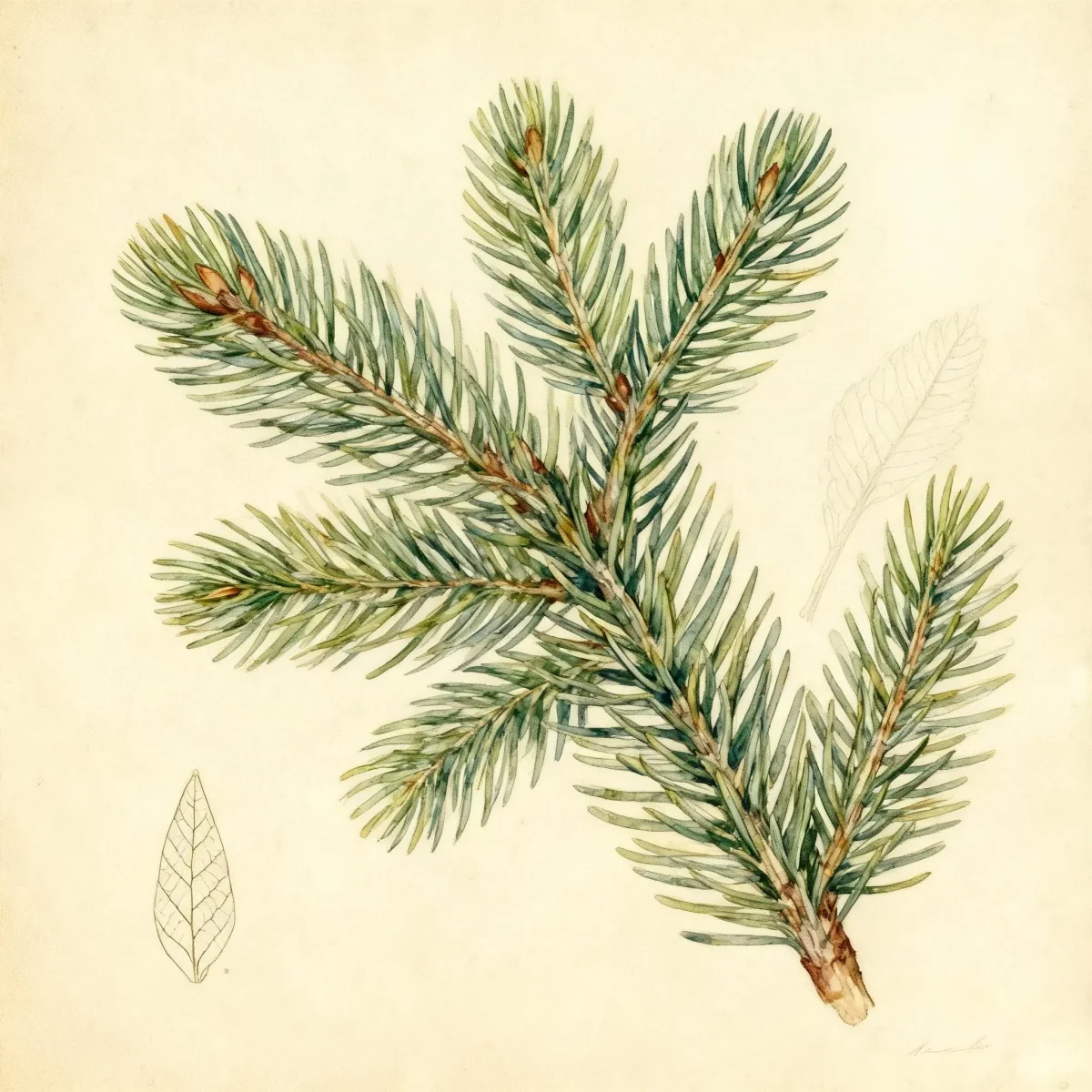
Pinus pumila, commonly called dwarf Siberian pine, is a shrubby sometimes prostrate pine native to eastern Asia, frequently confused with Japanese stone pine. It features blue-green needles up to 3 inches long, bundled in fives, complemented by immature purple-violet seed cones. The specific epithet ‘Compacta’ signifies its form, which typically matures slowly to only 3-4 feet tall over the first decade, displaying attractive gray-green foliage.
Tolerances
- Deer
- Clay Soil
Potential Problems
This pine can present challenges, especially in regions with hot, humid summers where it struggles due to climate stress. Be vigilant for fungal issues; it is susceptible to tip blight, various rusts, and rots, which are often exacerbated by poor air circulation or excessive moisture.
Pest management requires attention, particularly concerning the pine needle scale, which can be a serious problem if left untreated. Sawflies, various moths, and borers may also appear. Good horticultural practices, ensuring adequate drainage, and avoiding planting outside its ideal temperature range are the best preventative measures against disease and pest outbreaks.
Frequently Asked Questions
What hardiness zones is Dwarf Siberian pine suitable for?
The Pinus pumila ‘Compacta’ is generally suitable for USDA Hardiness Zones 4 through 7.
How large does Pinus pumila ‘Compacta’ grow?
This cultivar typically matures between 3 to 8 feet in height and spreads 3 to 8 feet wide, with slower growth noted in the first decade.
What sun exposure does Dwarf Siberian pine need?
The Dwarf Siberian pine requires full sun exposure to maintain its best form and color.
When does Pinus pumila ‘Compacta’ bloom?
This species is categorized as non-flowering; it does not produce ornamental flowers.
Conclusion
The Pinus pumila ‘Compacta’ offers gardeners a durable, low-maintenance structural element, prized for its dense texture and adaptability to various soils, including clay. Ensure you match its preference for well-drained soil and cooler summers for optimal health, making it an excellent, compact evergreen accent. Plan your planting during the cooler parts of the season to establish your Dwarf Siberian pine successfully.
Companion Planting
When selecting companions for Pinus pumila ‘Compacta’, consider plants that share its need for full sun and well-drained soil, while offering textural diversity. Low-growing, drought-tolerant perennials work exceptionally well, especially near the front of a border or in rock gardens. Consider pairing the bluish-green needles with plants that have warmer tones, such as Sedum ‘Autumn Joy’ or various ornamental grasses with bronze or gold plumes that emerge later in the season.
Avoid placing the Dwarf Siberian pine directly next to plants that require consistently moist soil or heavy fertilization, as this can disrupt its preferred cultural balance. Its compact, slow-growing nature means it can be used effectively alongside medium-sized, spreading shrubs that won’t overwhelm its modest height and spread over time.
Seasonal Care Calendar
Spring cleanup should focus on removing any winter-damaged needles or small dead branches before active growth begins. Apply a slow-release evergreen fertilizer only if necessary, but generally, the soil should be rich enough to sustain the low-maintenance Dwarf Siberian pine. Keep well-drained conditions paramount during the spring thaw.
Summer care revolves around monitoring for pests like pine needle scale, especially during hot, dry spells. While established plants handle medium water needs well, supplement during extreme drought, ensuring water penetrates the root zone rather than just moistening the surface foliage. In regions experiencing severe cold, apply a heavy layer of mulch in late fall to regulate soil temperature and moisture for the winter.