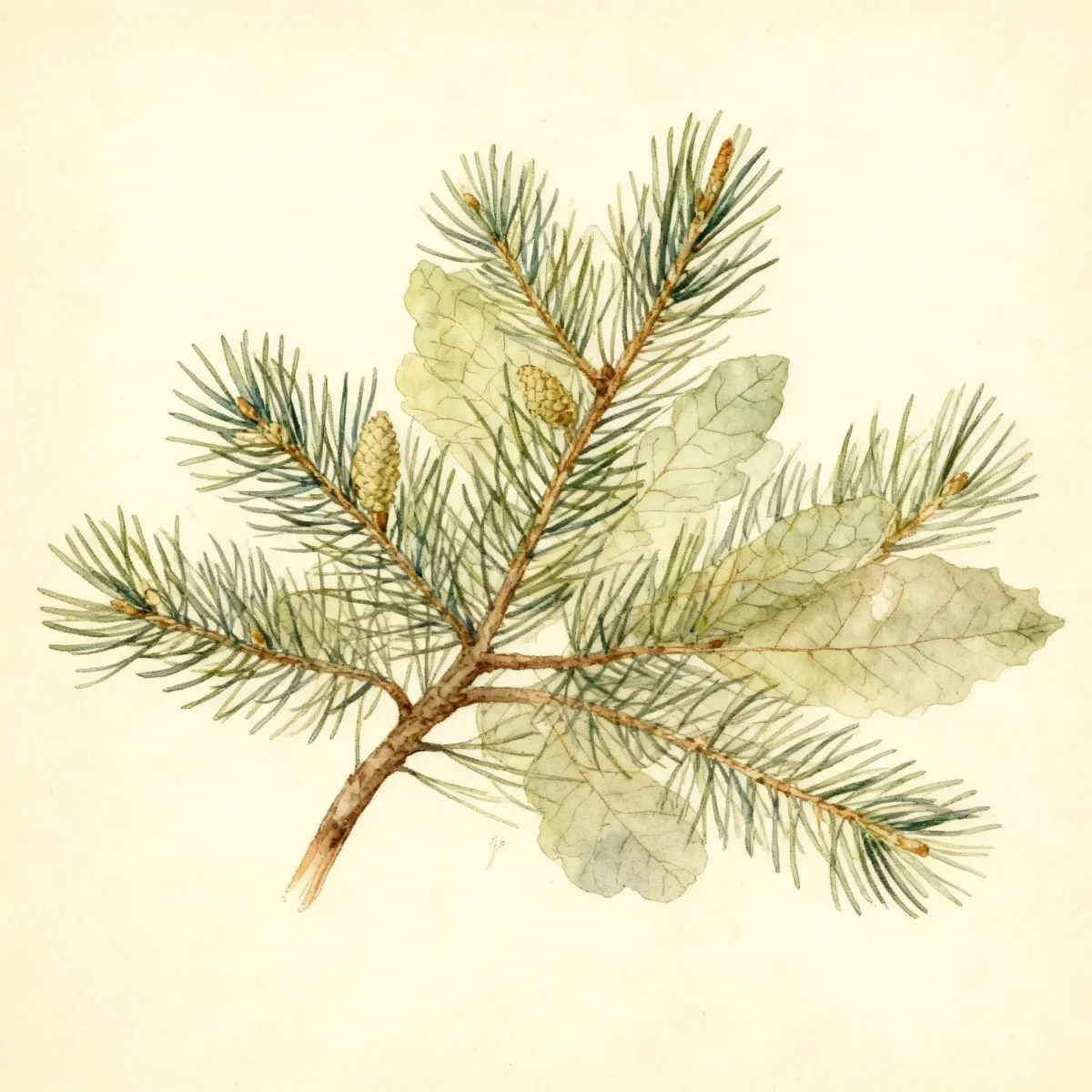
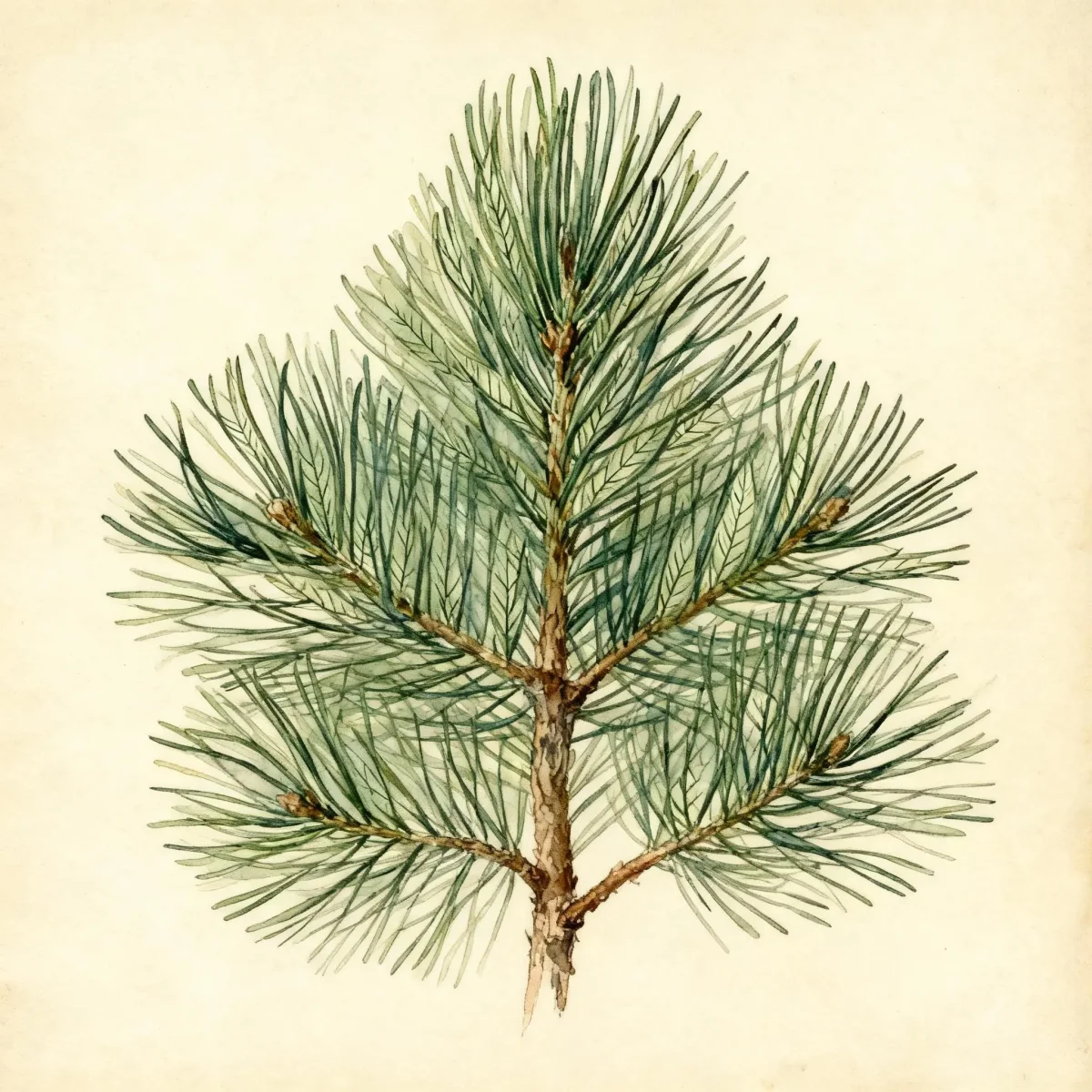
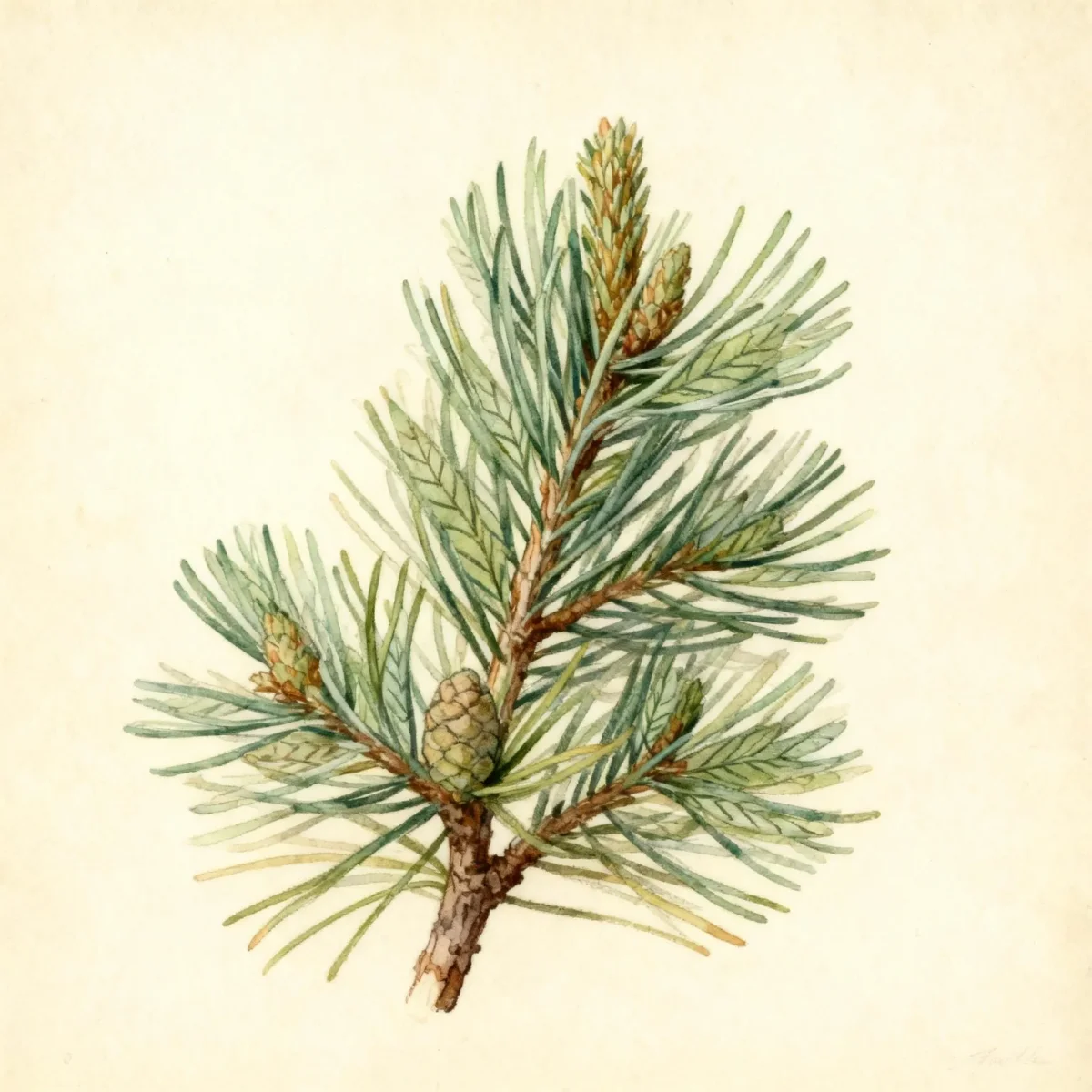
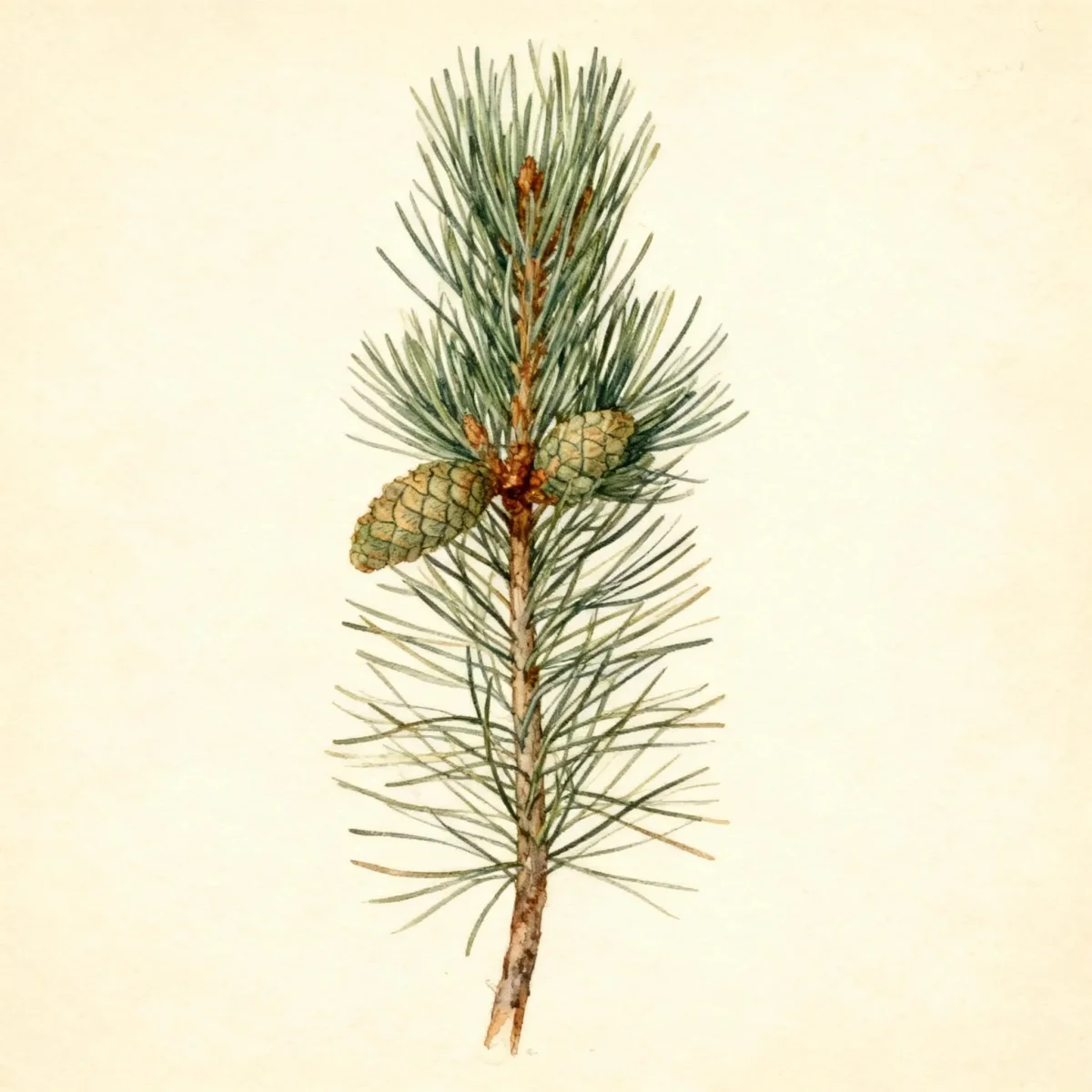
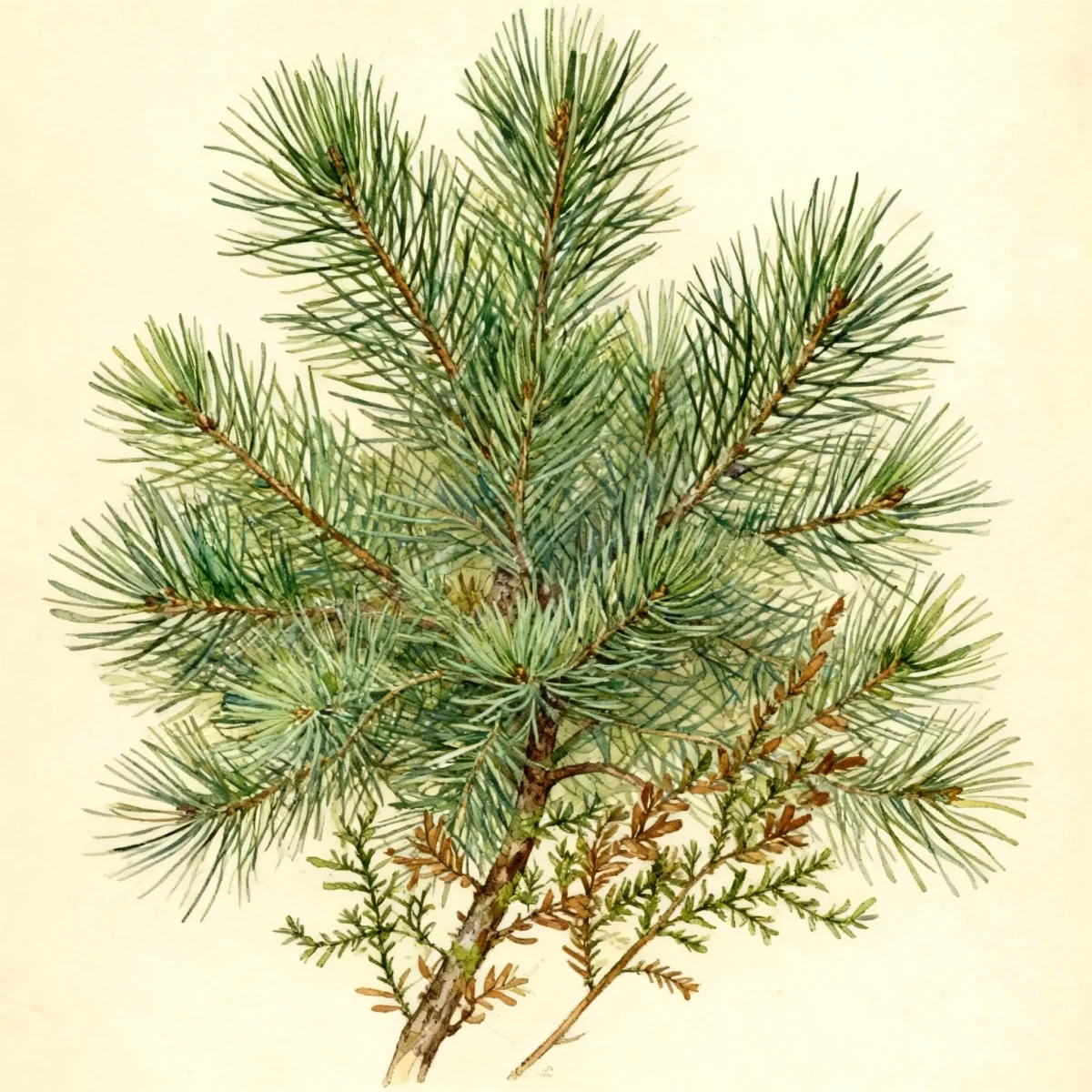
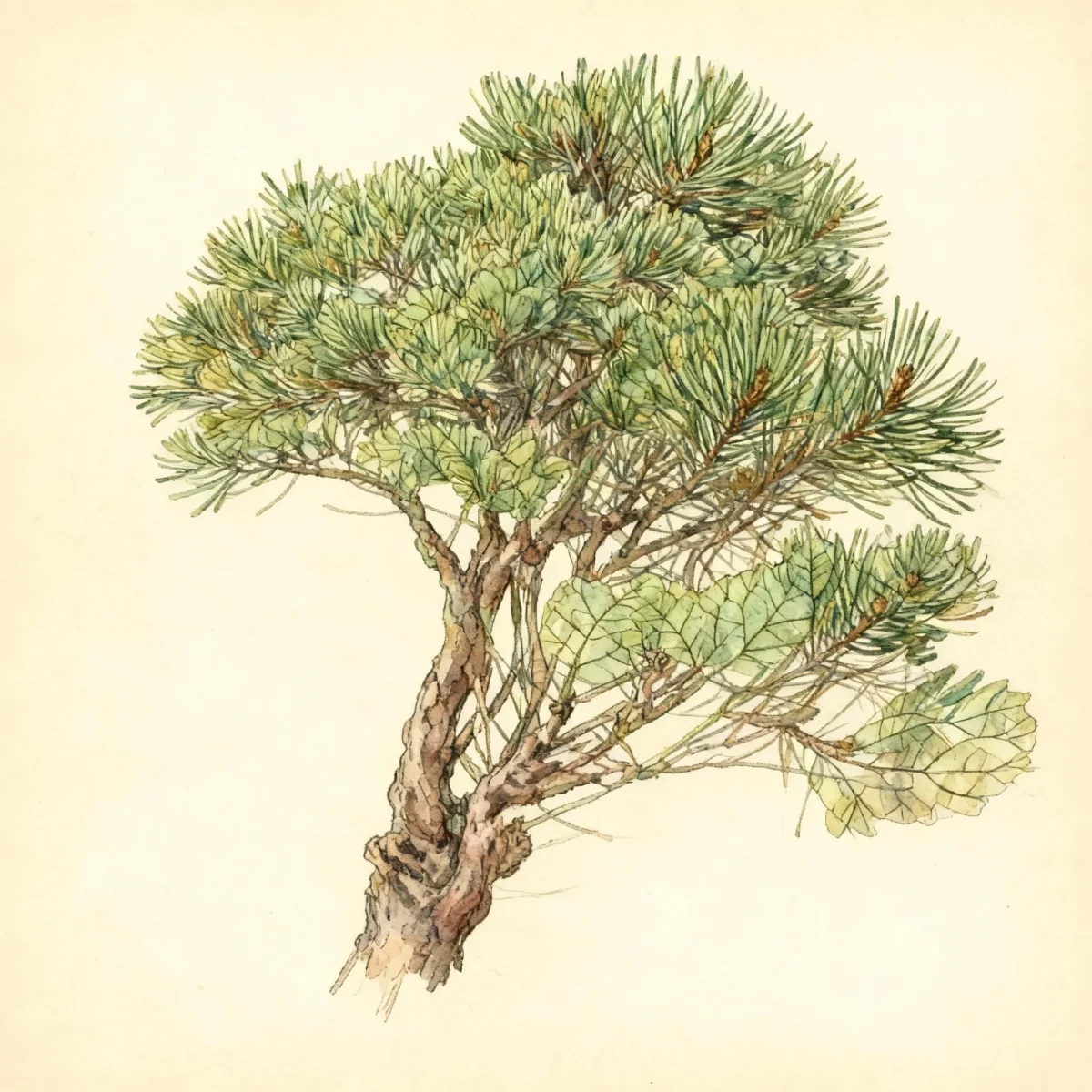
Scotch pine (Pinus sylvestris 'Gold Coin')
The Pinus sylvestris 'Gold Coin' Scotch pine is a striking needled evergreen noted for bright golden winter foliage. Low maintenance and sun-loving.
Scroll down to discover growing tips, care requirements, companion plants, and more
Complete Plant Information
Overview
The Pinus sylvestris ‘Gold Coin’ is a prized cultivar of Scotch pine, offering reliable evergreen structure combined with exceptional seasonal color. This variety distinguishes itself with brilliant golden yellow foliage that intensifies during the winter months, providing much-needed visual interest when other plants are dormant. Its moderate size makes it highly adaptable for varied landscape applications where larger, wilder Scots pine might be overwhelming.
As a low-maintenance needled evergreen, the Scotch pine thrives when given ample sunlight and decent drainage. While the species is native across vast regions of Eurasia, this specific cultivar performs best in cooler summer climates, disliking the extreme heat and humidity often found further south. Gardeners benefit from its naturally evolving form and handsome bark, which adds textural interest year-round.
For gardeners seeking year-round structure and a pop of winter gold, the Pinus sylvestris ‘Gold Coin’ is an excellent choice. It serves well as a specimen or accent plant, bringing reliable color contrast and year-round structure to the landscape design. Ensure your site provides full sun and acidic, well-drained soil for the best performance of this distinctive Scotch pine.
Fast Facts
- Plant Family: Pinaceae
- Plant Type: Needled evergreen
- Hardiness Zones: USDA Zones 3-7
- Size at Maturity:
- Height: 6-20 ft
- Spread: 3-15 ft
- Bloom Time: Non-flowering
- Bloom Description: Non-flowering
- Sun Exposure: Full sun
- Water Needs: Medium
- Maintenance Level: Low
How to Grow
Planting Pinus sylvestris ‘Gold Coin’ should ideally occur in the spring or fall, allowing the roots time to establish before seasonal temperature extremes. Choose a location that offers full sun exposure throughout the day, as adequate light is critical for maintaining the vibrant golden winter color. This conifer requires moist, acidic, well-drained soils. Although it tolerates a variety of soil types, including poorer substrates, superior drainage is non-negotiable to prevent root stress.
Water needs are generally medium once established; supplement during prolonged dry spells, especially in the first few years after planting. Be mindful that Scots pine prefers cooler summers and may struggle in deep Southern heat and humidity. Pruning is rarely necessary, as the plant develops an attractive irregular, broad pyramidal shape on its own. If shaping is desired, make light corrective cuts when new growth (candles) first emerges.
This variety shows good tolerance for urban conditions, making it useful near city plantings, provided drainage remains excellent. Avoid placing it where snow or ice buildup is severe, or where it might be damaged by salt spray, as some susceptibility exists. Monitor vulnerable plants periodically for signs of stress that might invite secondary pests or disease issues common to the species.
Landscape Uses
The primary draw of the Pinus sylvestris ‘Gold Coin’ is its attractive golden winter foliage, making it an exceptional specimen or accent for the landscape. Use it strategically near windows or entryways where its seasonal shift can be fully appreciated against dark green evergreens or contrasting hardscape elements. Its eventual size profile (up to 20 feet tall but relatively narrow) fits well in smaller established gardens requiring vertical interest without dominating the space.
This conifer works effectively as a focal point against a backdrop of deciduous shrubs that lose their leaves in winter, emphasizing the golden needles of the Scotch pine. Because it is relatively slow-growing early on, it pairs well with smaller perennials or groundcovers beneath its canopy during its formative years, provided those companions also tolerate filtered light later on. The striking orange-red-brown bark provides supplementary interest during the winter months, complementing the golden needles.
Standout Features
Noteworthy Characteristics
Pinus sylvestris, commonly called Scots pine, is a fast-growing, conical to columnar, medium sized conifer with distinctive flaking orange/red-brown bark. It typically grows 30-60’ tall in cultivation, but may reach 100’ in the wild. It develops an open-rounded, irregular crown as it matures. ‘Gold Coin’ is an upright evergreen conifer that is noted for its bright golden yellow foliage in winter, which eventually fades to light yellow-soft green by summer. It typically grows as an irregular, broad pyramidal cone to 4-6’ tall and to 2-3’ wide over the first 10 years, eventually rising over time to 20’ tall and 15’ wide.
Tolerances
- Deer
Potential Problems
Scots pine and its cultivars, including Pinus sylvestris ‘Gold Coin’, may struggle in areas with challenging soils or unrelenting climate stress, often leading to increased disease susceptibility. Tip blight, specifically Sphaeropsis (Diplodia) tip blight, is a significant concern in certain humid regions, presenting as browning or death of the new terminal growth. Proper air circulation and avoiding overhead watering can help mitigate fungal outbreaks.
Vigilance is required to watch for the pine wilt nematode, a serious threat that causes rapid needle discoloration and tree death. Additionally, common insect pests such as sawflies, various moths, and scale insects may appear. Maintaining excellent soil drainage and watering practices is the best overall defense, as a healthy Scotch pine is less attractive to opportunistic pests.
Frequently Asked Questions
What hardiness zones is Scotch pine (Pinus sylvestris ‘Gold Coin’) suitable for?
This cultivar is generally suitable for USDA Zones 3 through 7, offering resilience across a wide range of northern and central climates.
How large does Pinus sylvestris ‘Gold Coin’ grow?
When mature, expect this conifer to reach heights between 6 and 20 feet, with a spread ranging from 3 to 15 feet wide.
What sun exposure does Pinus sylvestris ‘Gold Coin’ need?
This plant performs best when provided with full sun exposure daily to ensure optimal growth and the best winter golden coloration.
When does Pinus sylvestris ‘Gold Coin’ bloom?
This is a non-flowering needled evergreen; it produces cones rather than traditional flowers.
Conclusion
The Pinus sylvestris ‘Gold Coin’ provides exceptional value through its low maintenance requirements and spectacular golden winter display, setting it apart from standard evergreens. Incorporating this unique Scotch pine into your garden guarantees dynamic textural and color contrast throughout the year. Before planting, confirm your local conditions align with USDA Zones 3-7 and ensure your site provides the necessary full sun and excellent drainage for this specialty conifer.
Companion Planting
When selecting companions for Pinus sylvestris ‘Gold Coin’, focus on plants that share its preference for acidic soil and full sun, while avoiding competition at the root zone. Low-growing plants that offer visual contrast work beautifully beneath its mid-sized canopy. Consider Japanese Forest Grass (Hakonechloa macra) varieties, provided they receive enough sunlight to thrive, or low mounds of dark green groundcovers like mondo grass (Ophiopogon japonicus), though ensure drainage remains unobstructed for the pine.
Dwarf rhododendrons or azaleas, which naturally prefer the acidic conditions favored by pines, can create a vibrant understory layer around the base of the Scotch pine. Use these flowering shrubs for spring color that harmonizes with the evergreen structure of the Pinus sylvestris ‘Gold Coin’. Remember that conifers, especially as they mature, can create significant shade, so select companions appropriate for the light conditions they will face five years down the line.
Seasonal Care Calendar
Early Spring: This is a prime time for corrective pruning, if necessary, focusing only on removing dead or damaged twigs before the flush of new growth begins. Apply a slow-release fertilizer formulated for acid-loving plants early in the season if growth appears sluggish, though low maintenance is typical.
Summer: Monitor watering closely during dry periods, particularly if the plant is newly installed. While established plants are relatively robust, prolonged high heat combined with drought can stress the Scotch pine, making it more susceptible to tip blight. Avoid heavy summer shearing.
Fall/Winter: Enjoy the primary benefit of this cultivar—the deepening gold of its needles as temperatures drop. No specific winter protection is usually required in zones 3-7, provided the location is sheltered from extreme desiccating winter winds, which can cause needle burn on any evergreen.